
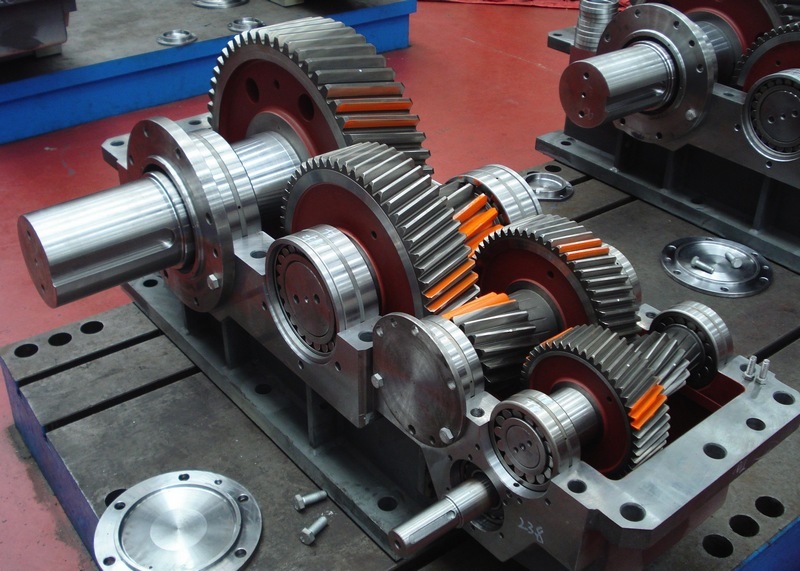
Modern industries run on reliability. Whether it’s a processing line, a heavy-duty conveyor, or a high-speed automated system, every machine depends on the quality of the components hidden inside it. Among those components, precision-engineered gears quietly determine how smoothly, efficiently, and consistently the entire system performs.
These gears do far more than simply transfer motion — they shape the behaviour of the machine itself. Below is a human-focused look at why precision gear engineering matters and how it is transforming performance across today’s industries.
Not all gears behave the same. A general-purpose gear may do the job for low-demand systems, but high-performance machinery needs accuracy — not approximation. Precision gears are manufactured with extremely tight tolerances, carefully finished tooth profiles, and consistent dimensional control.
This level of engineering ensures that every tooth meshes smoothly, reducing noise, lowering friction, and protecting the entire drive system from unnecessary wear. When a gear is made precisely, the machine feels the difference immediately — quieter operation, smoother torque transfer, and fewer breakdowns.
Precision manufacturing gives each gear tooth an exact profile and spacing. This accuracy prevents misalignment, reduces backlash, and ensures the load is shared evenly. For machinery running day and night, this stability becomes essential to maintaining consistency and avoiding premature failure.
A refined gear surface allows teeth to glide instead of clash. This reduces the heat generated during operation, minimises vibration, and protects mating components. Over time, smoother gears lead to longer machine life and lower maintenance needs — especially in continuous-duty environments.
High-precision gears are often paired with heat-treated materials, giving them the strength to handle heavy torque without deformation. Industries handling large loads, fluctuating speeds, or harsh working cycles depend on this durability.
Accurate tooth geometry means smoother meshing, which directly reduces vibration. When vibration drops, bearings, shafts, seals, and housings all benefit. This ripple effect greatly extends the lifespan of the entire mechanism.
When gears are engineered with precision, machines run more efficiently, experience fewer interruptions, and require less maintenance. The result is predictable uptime — something every production facility values.
High-performance gears play a crucial role in nearly every industrial sector, but some rely on them more heavily than others:
In all these environments, gears must handle continuous loads, variable speeds, and the need for flawless synchronisation. Precision engineering makes this possible.
When gears are made with exactness, machines operate with a level of confidence that general-purpose components simply cannot achieve. Precision cuts down on friction, improves torque transfer, reduces heat build-up, and allows systems to run longer without wear.
For businesses, choosing precision-engineered gears means:
Investing in precision is not just about improving a single gear — it’s about strengthening the entire machine and the productivity that depends on it.
A high-quality gear is the result of disciplined engineering. When choosing a supplier, consider:
A reliable supplier will view gears as the mechanical heart of your system — not just another component.
Precision-engineered gears are the backbone of modern industry. They provide stable, quiet, efficient power transmission in environments where reliability cannot be compromised. When gears are manufactured with care and accuracy, they elevate the entire machine’s performance — enabling smoother operation, greater durability, and predictable productivity.
For organisations striving to improve efficiency and reduce downtime, investing in precisely manufactured gears is not simply a technical choice — it’s a strategic one.
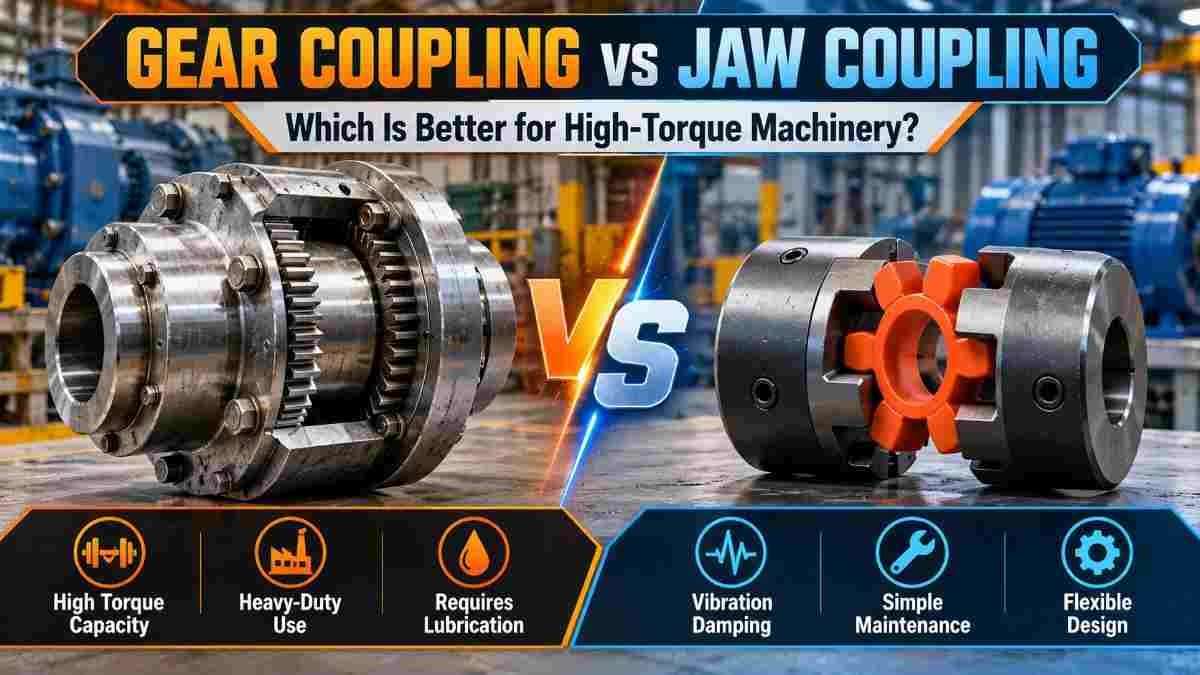
Industrial machinery depends on reliable...
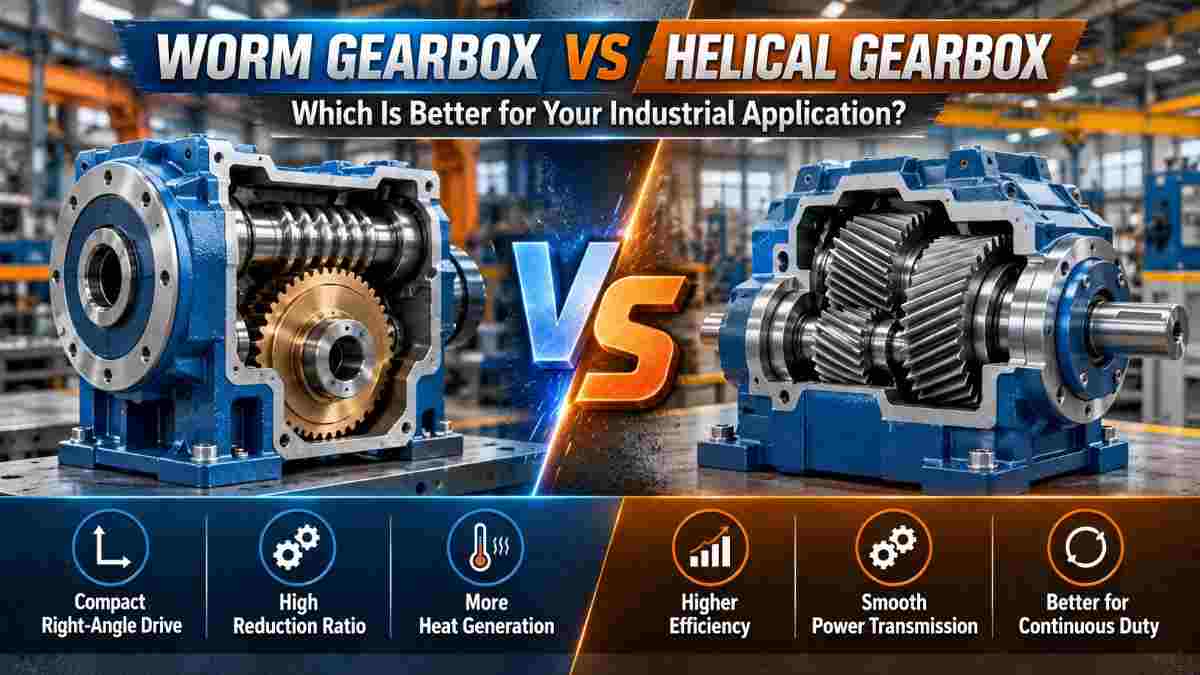
Choosing between a worm gearbox and a he...
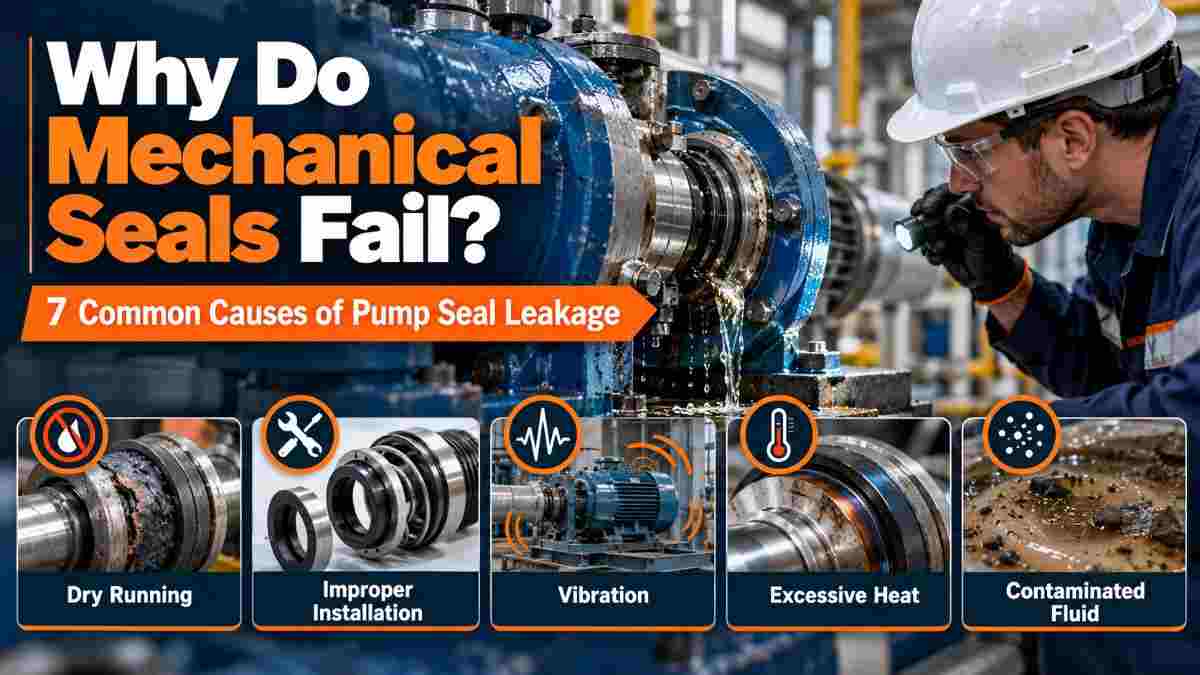
Mechanical seals are essential component...
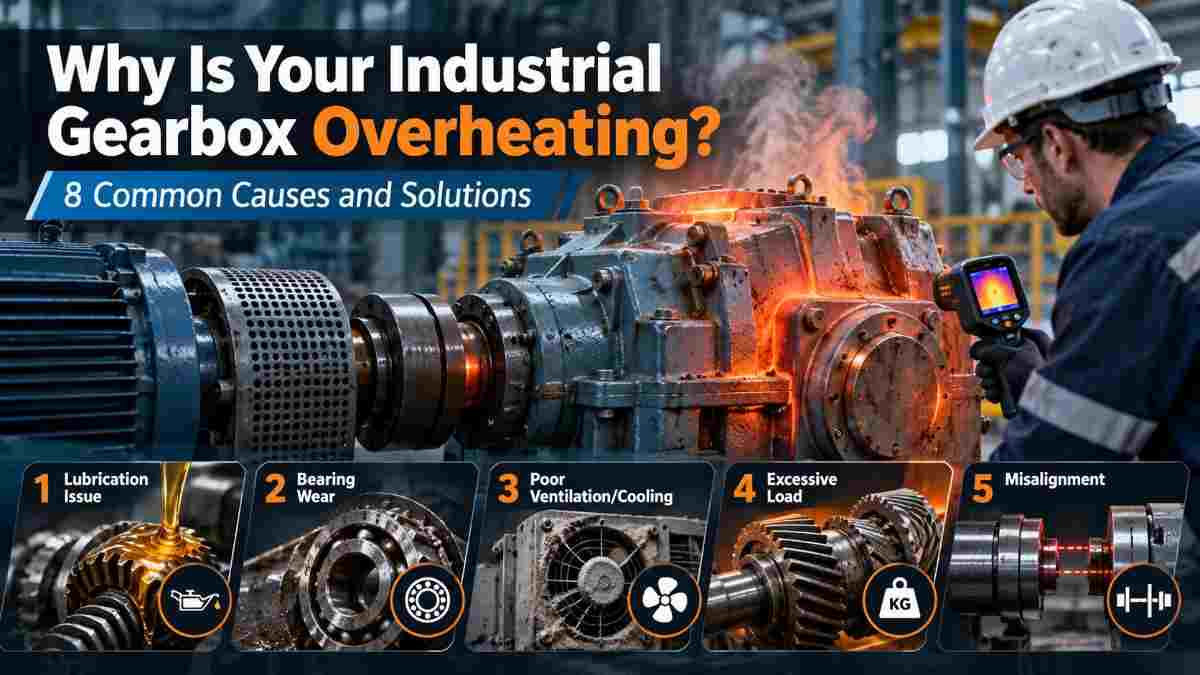
An industrial gearbox naturally generate...
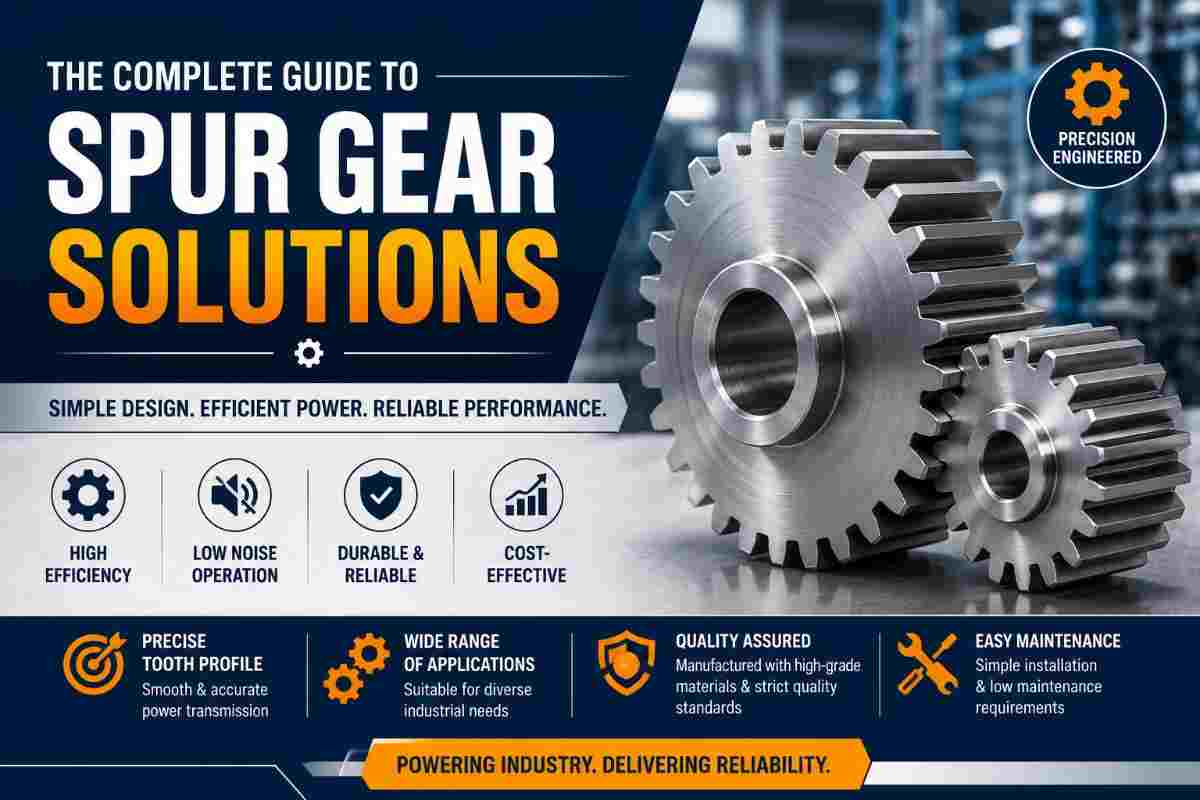
A spur gear is a mechanical gear with st...
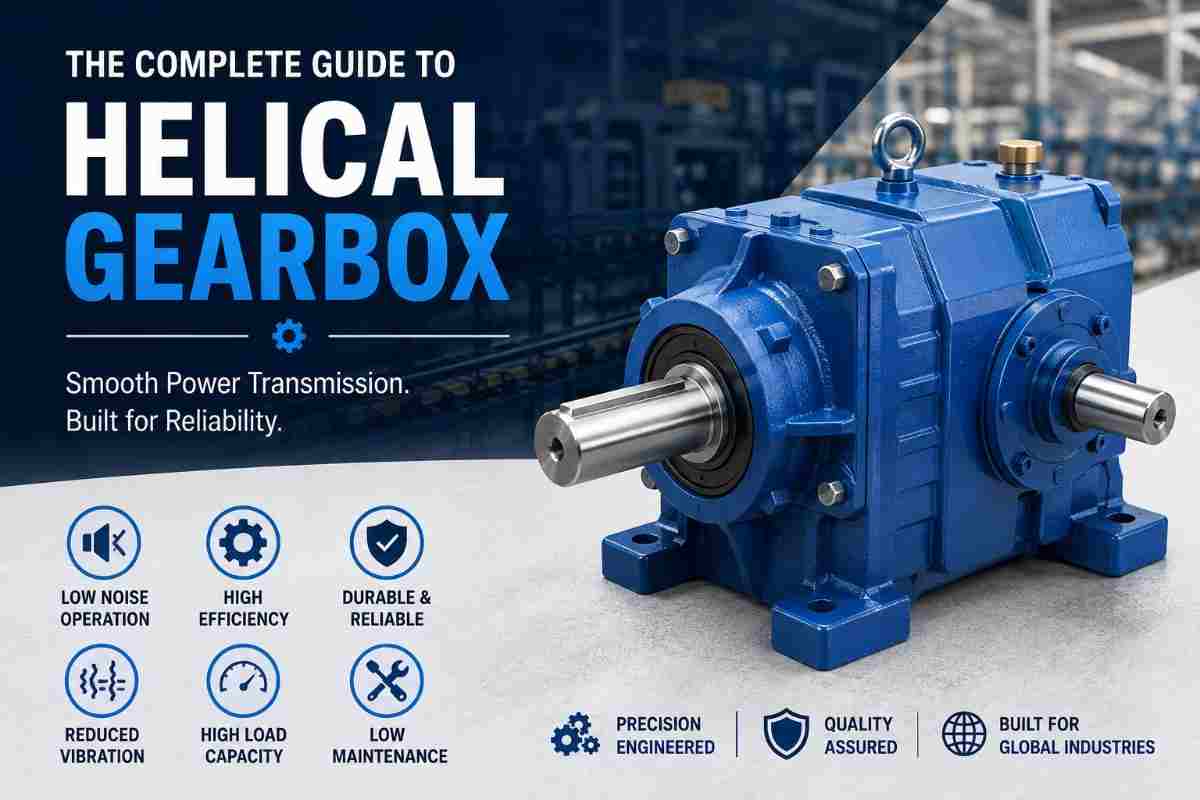
A helical gearbox is a mechanical power ...
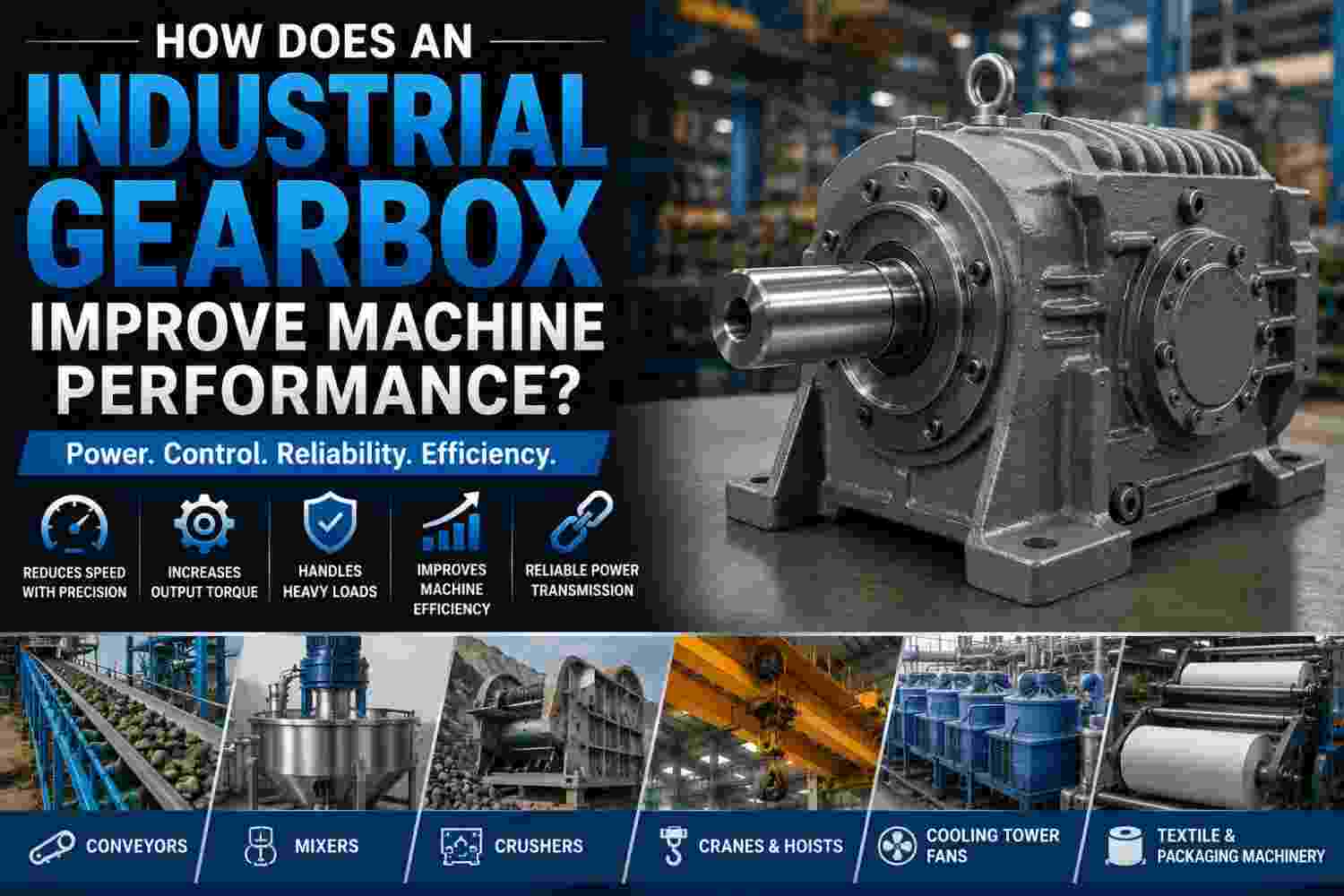
An industrial gearbox improves machine p...
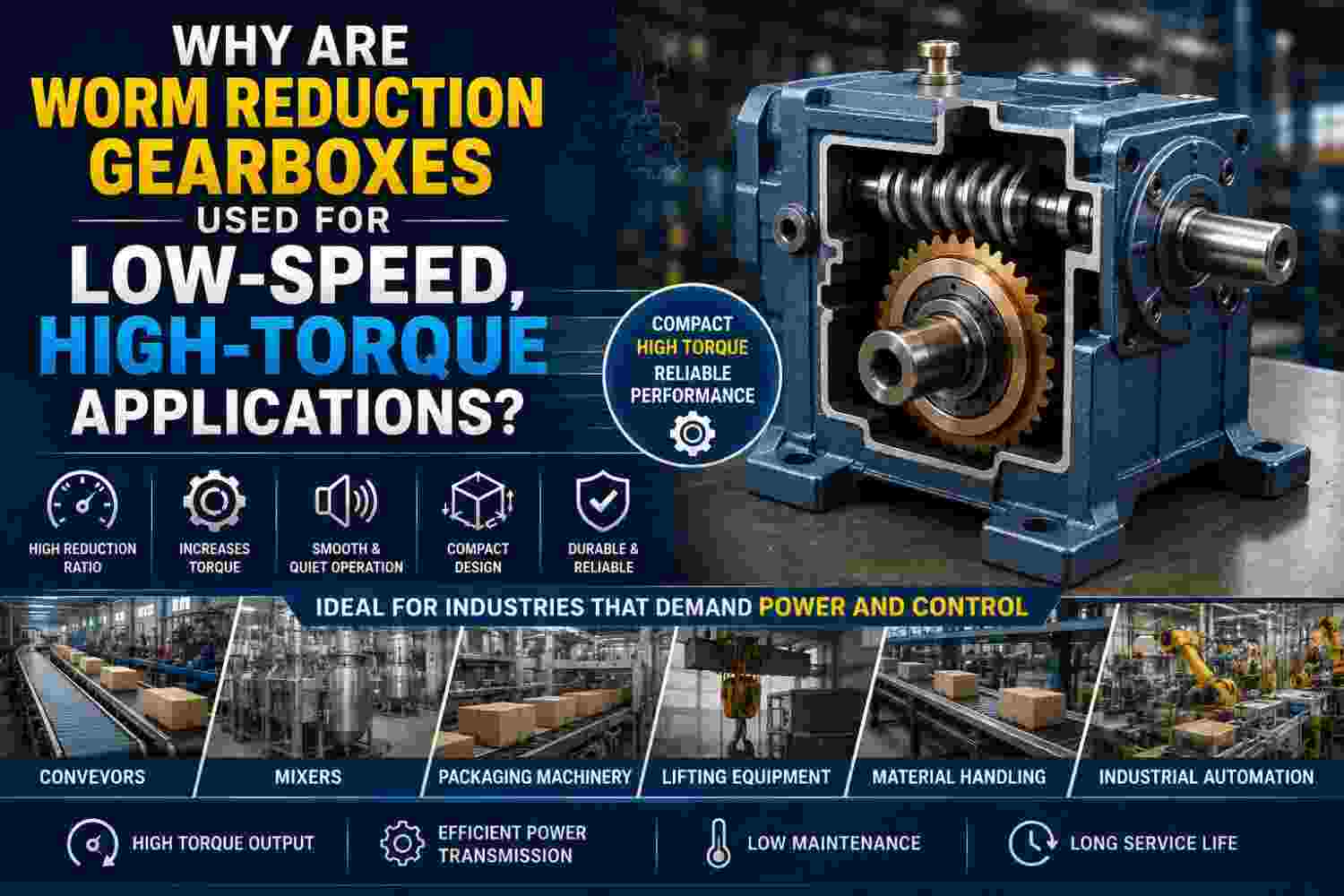
Worm reduction gearboxes are used for lo...
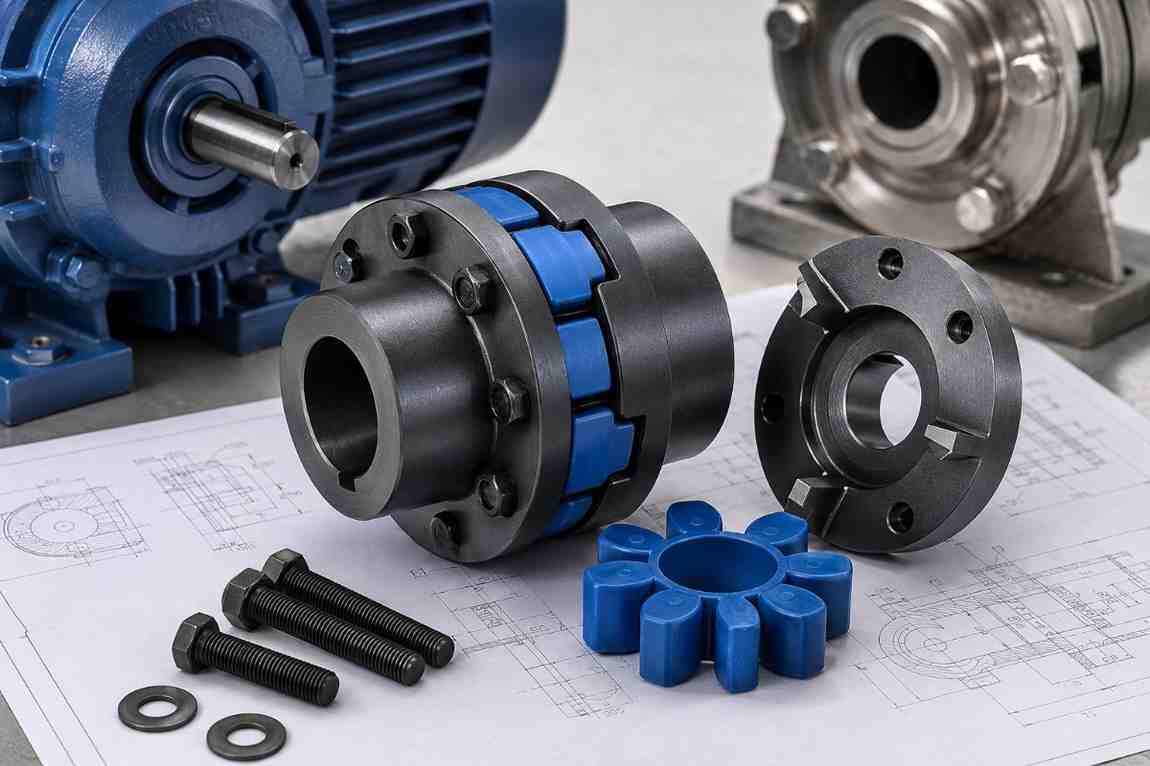
Selecting the correct N-Eupex coupling i...
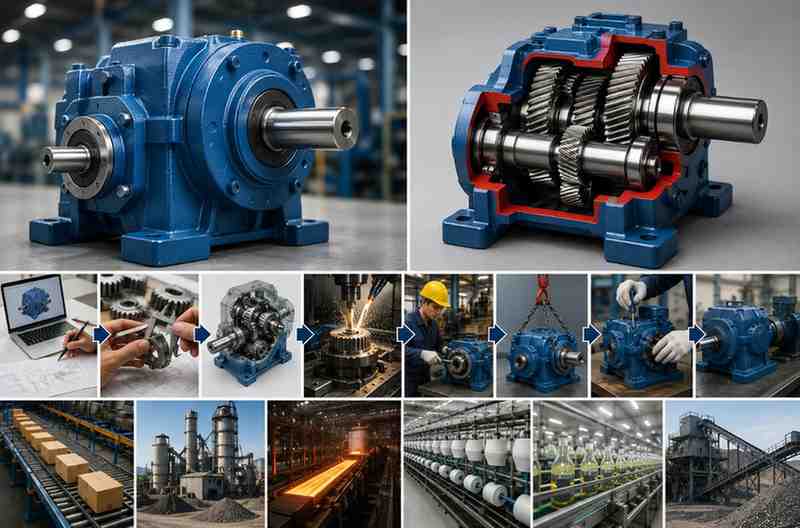
Choosing the right helical gearbox is on...
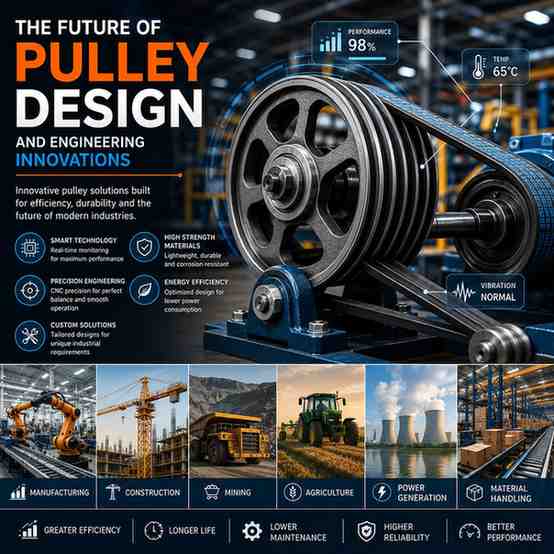
For centuries, pulleys have been one of ...
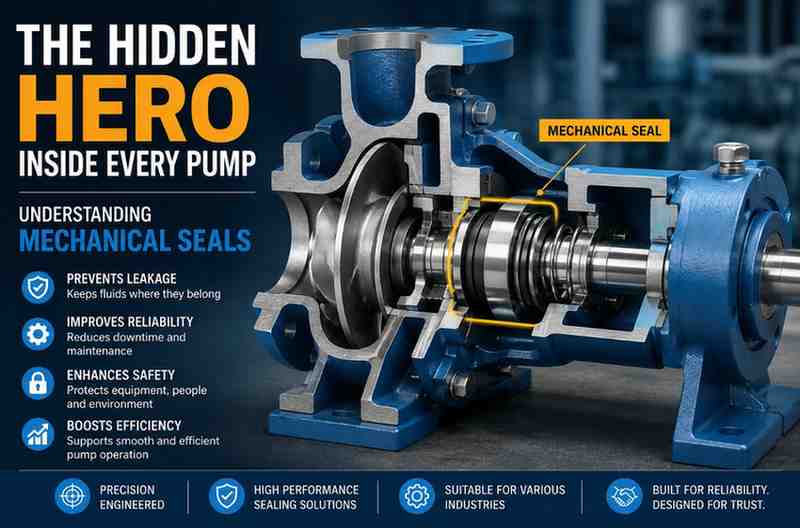
When people think about industrial pumps...
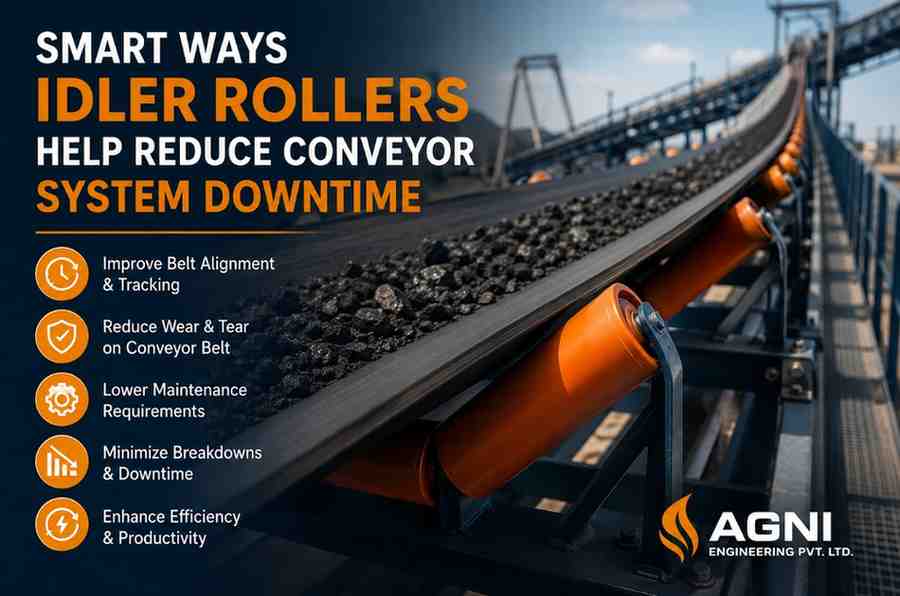
In industries where material handling is...
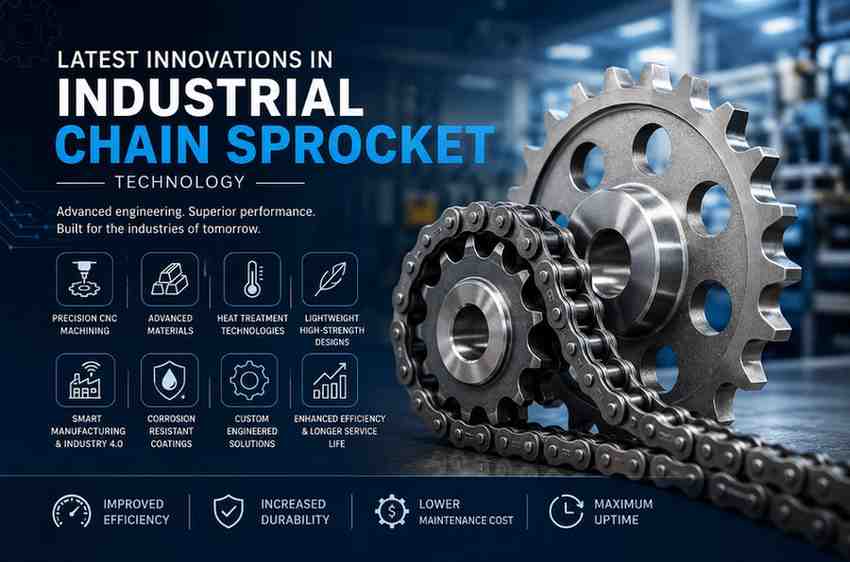
In today’s fast-moving industrial envi...
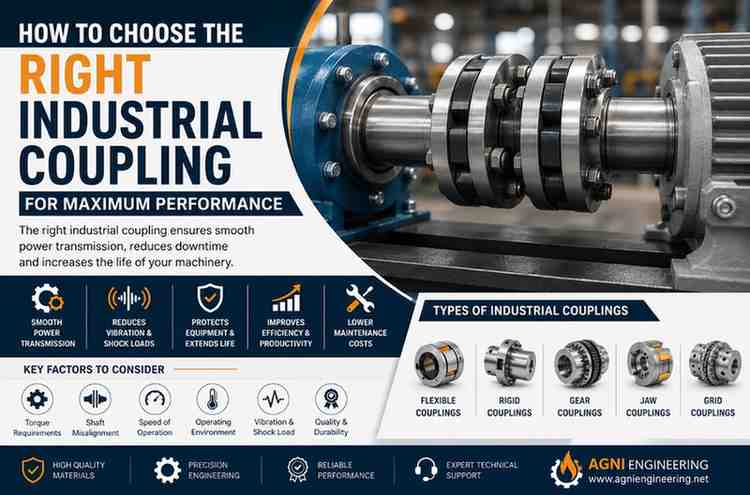
In any industrial setup, even the smalle...
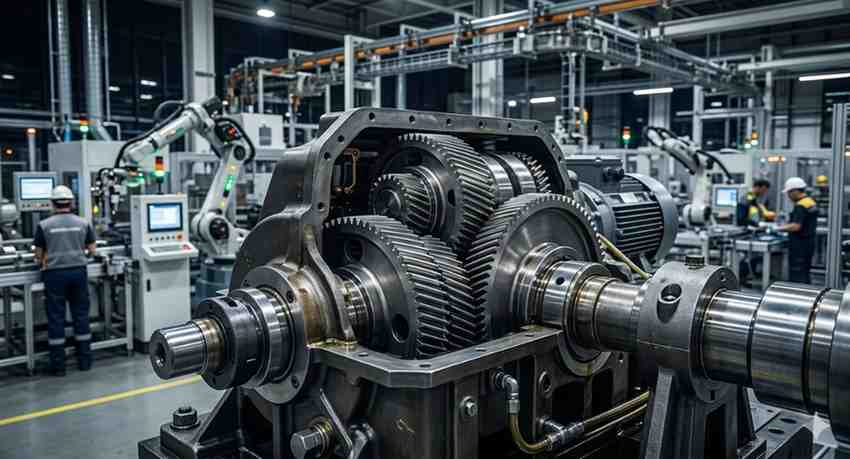
Industrial operations today are becoming...
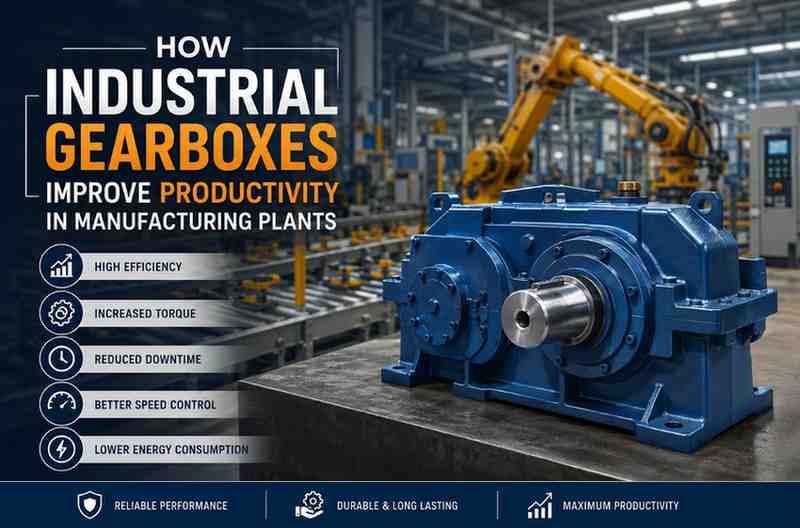
In modern manufacturing plants, efficien...
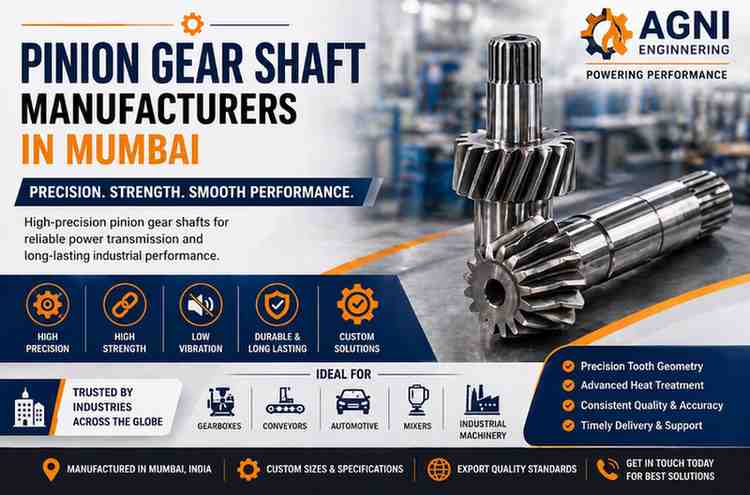
In industrial machinery, every movement ...
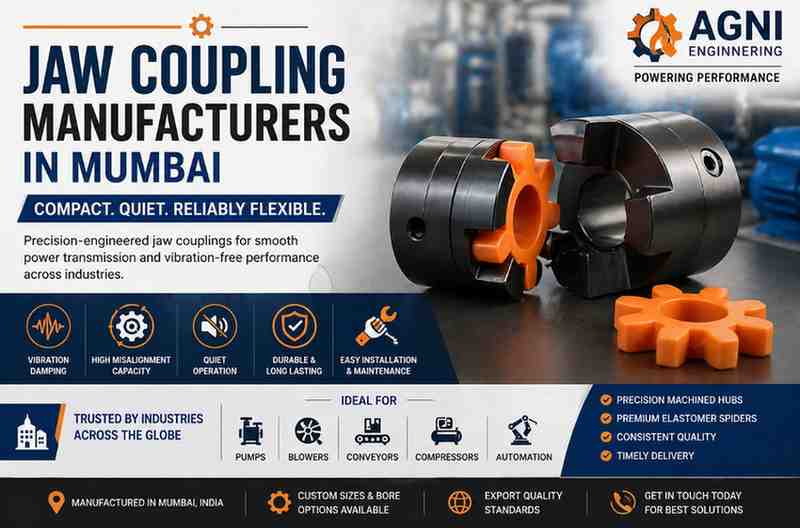
In modern industrial machinery, smooth p...
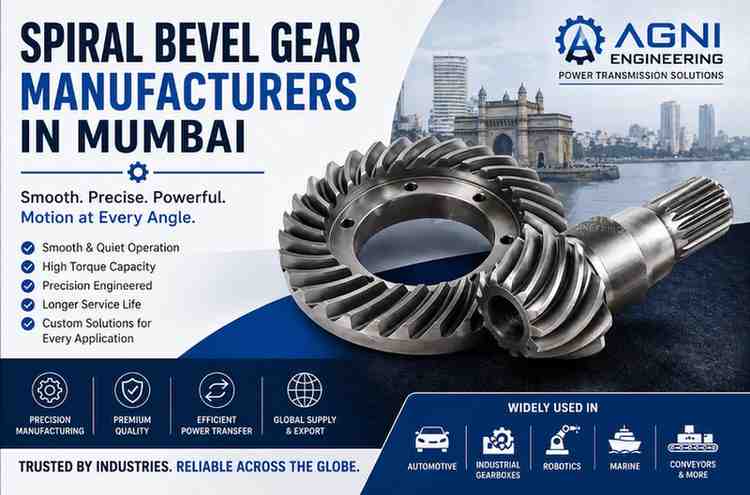
In modern industries, machines rarely wo...
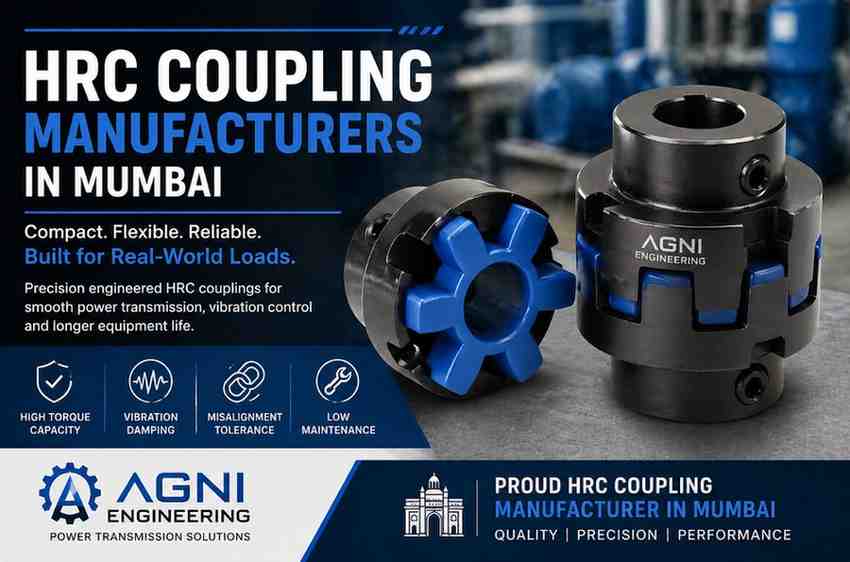
In industrial machinery, smooth power tr...

Machines depend on smooth and steady mot...

In any industrial system, smooth power t...

In many industrial machines, smooth moti...
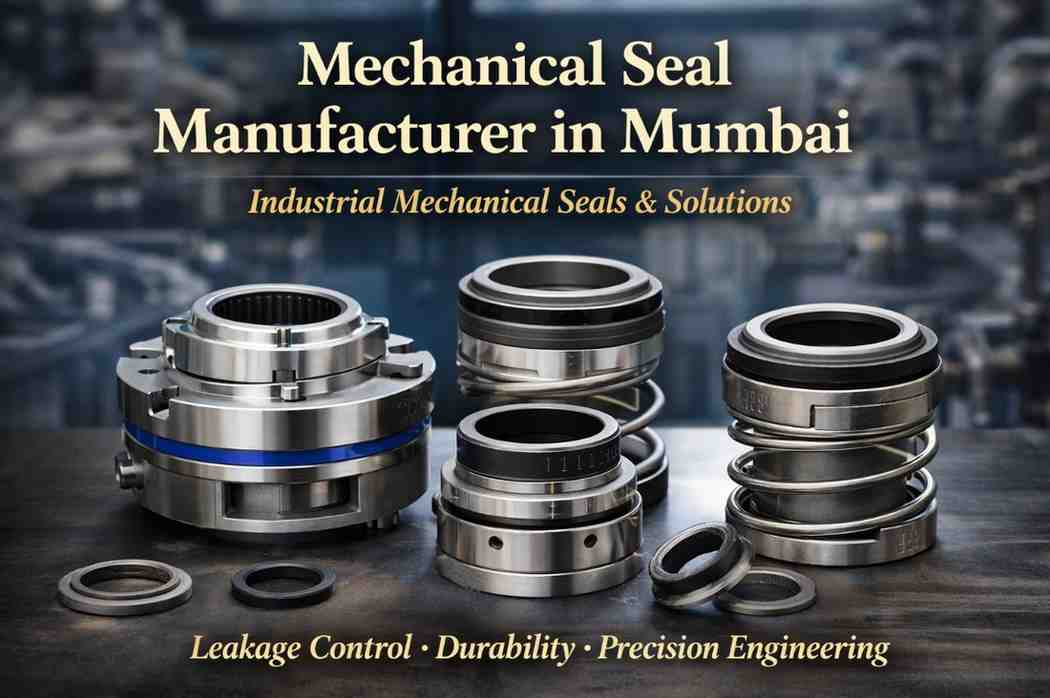
Industrial machines operate under pressu...
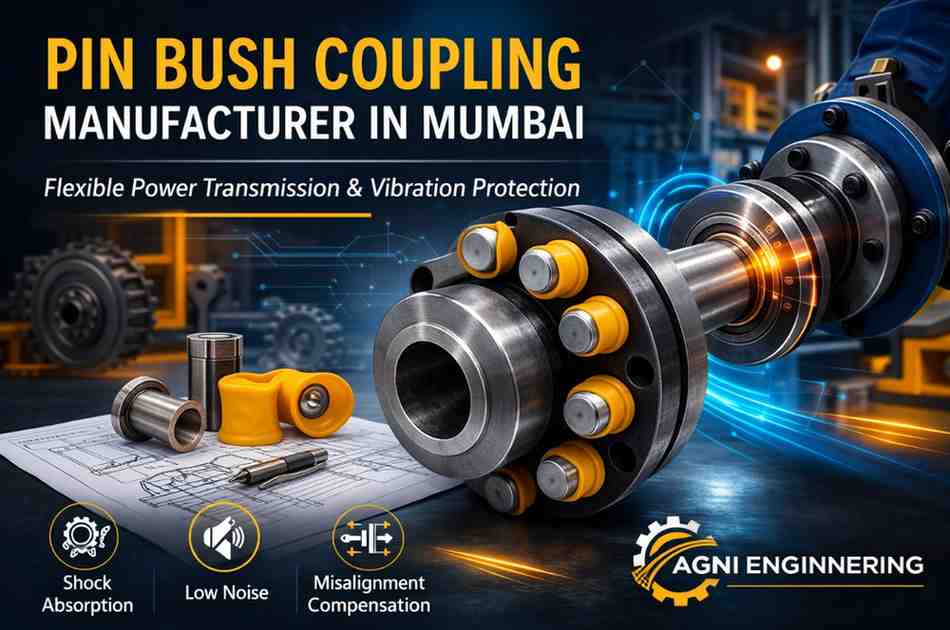
In many industrial machines, vibration, ...
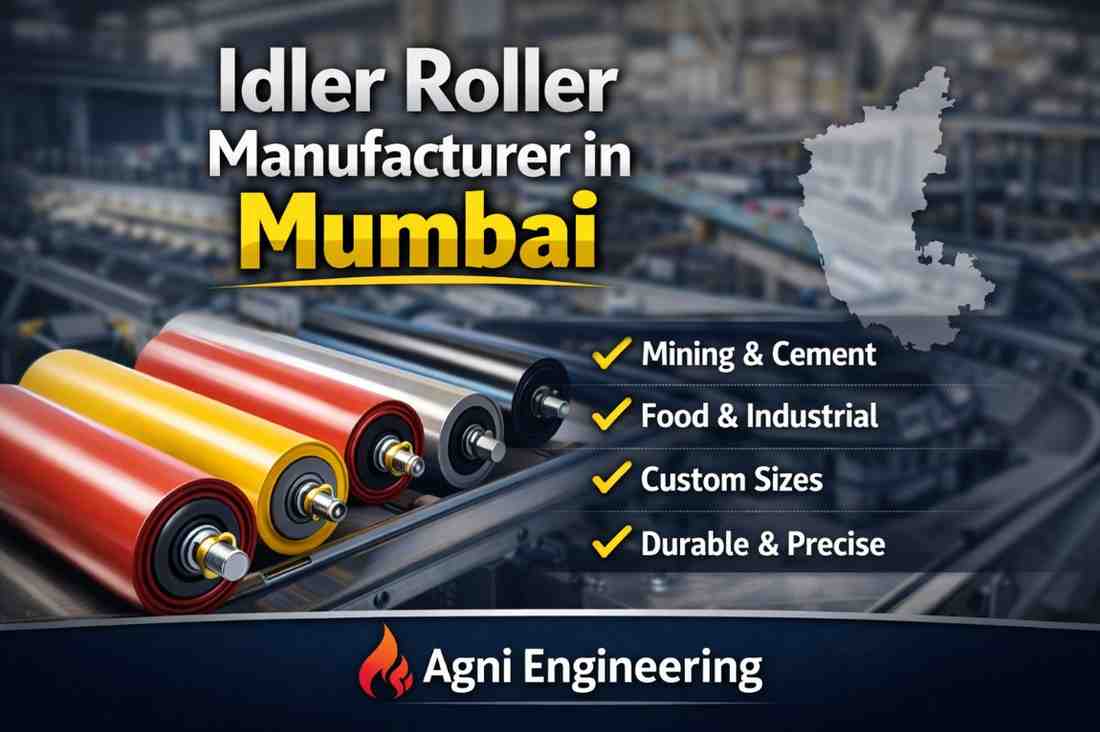
In every conveyor system, rollers play a...
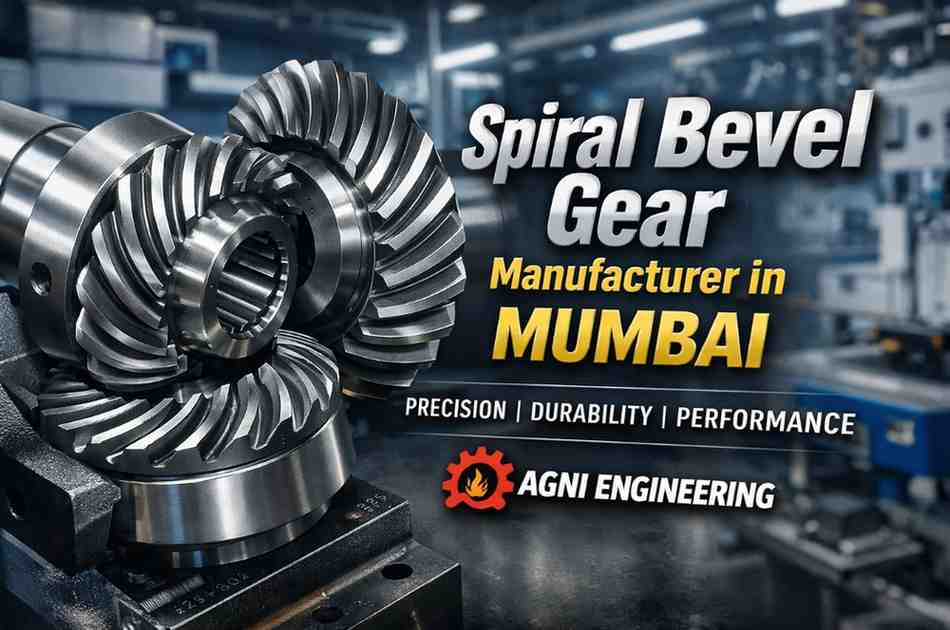
In modern machines, power does not alway...
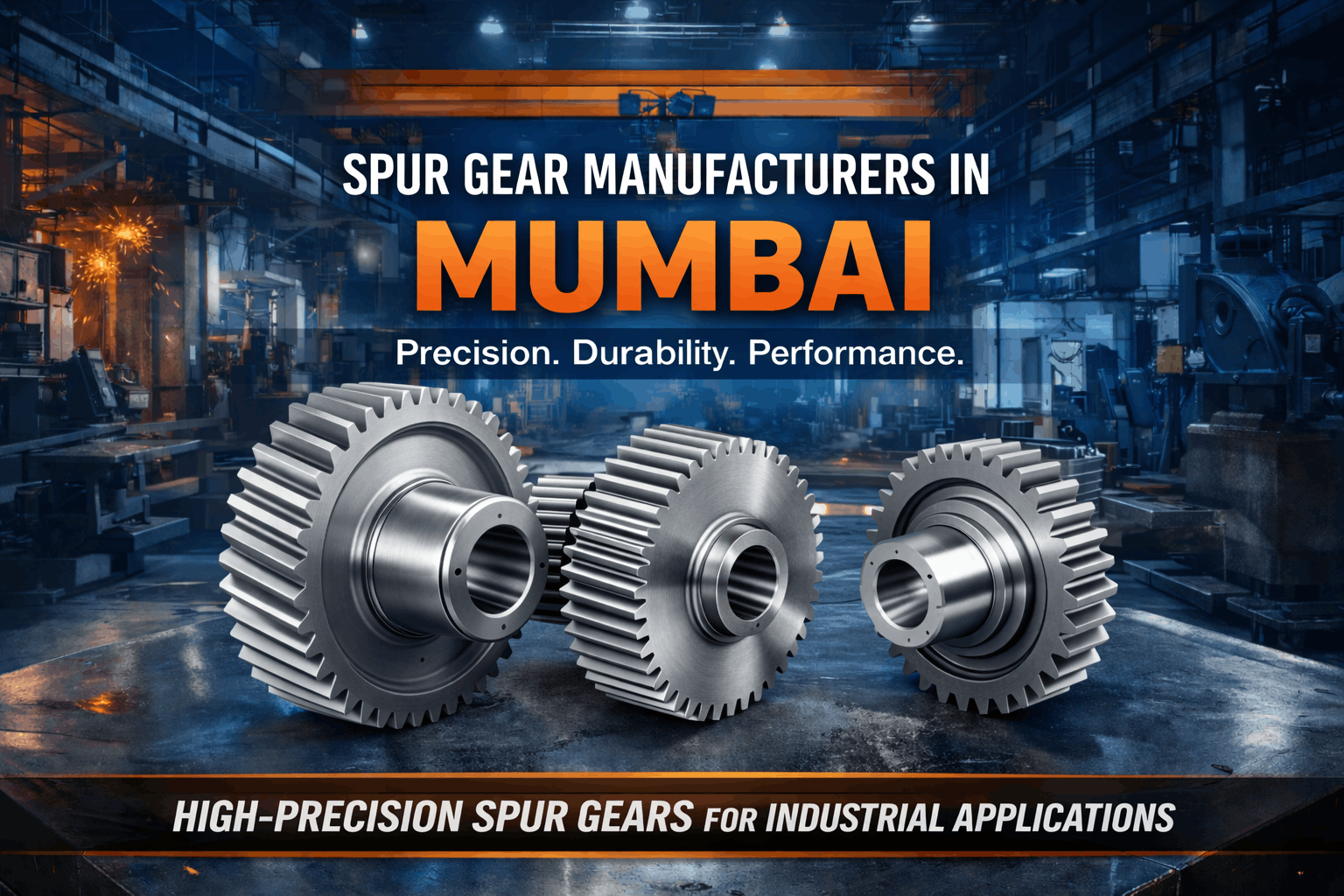
Some mechanical components earn their re...
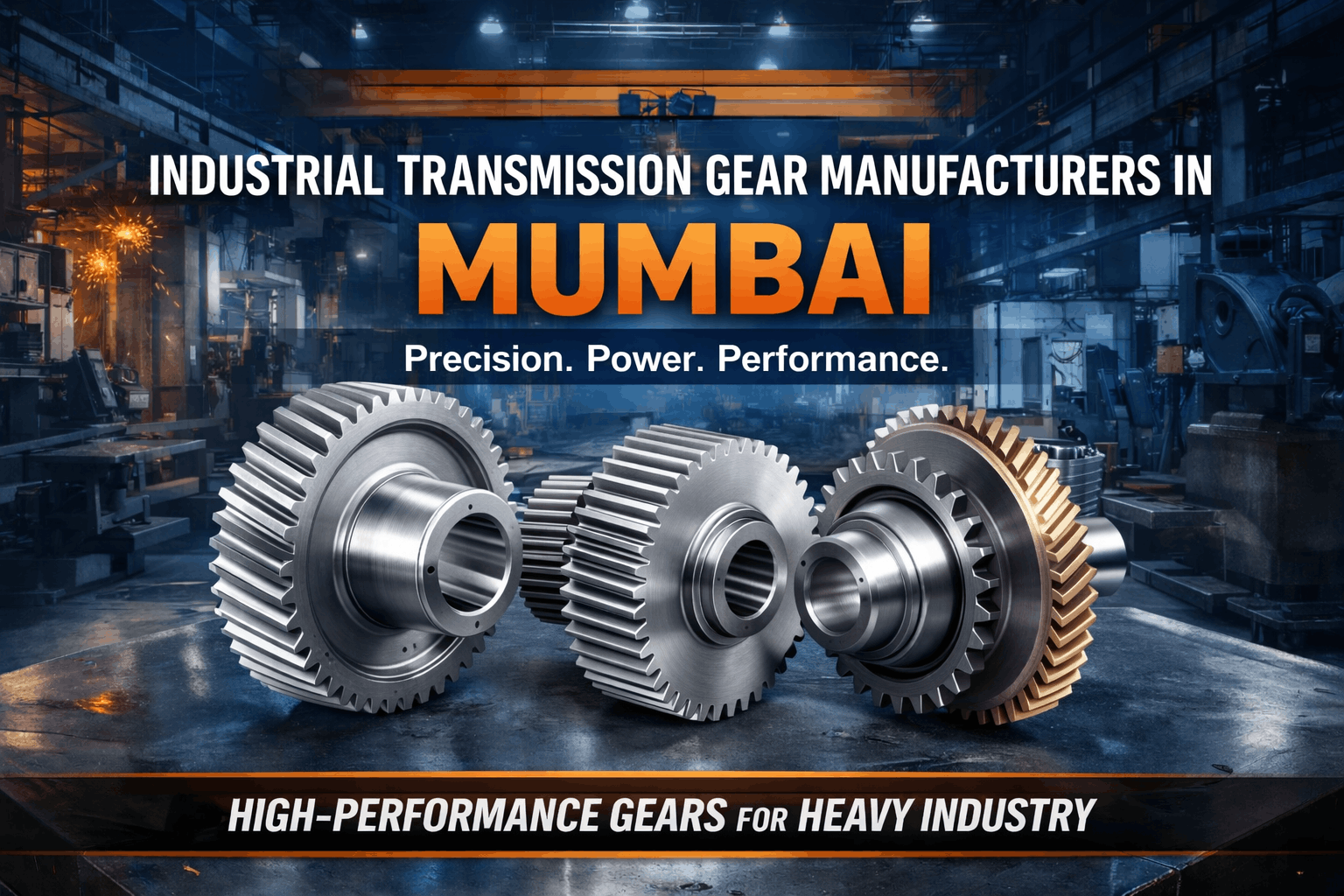
Power transmission begins with a single,...
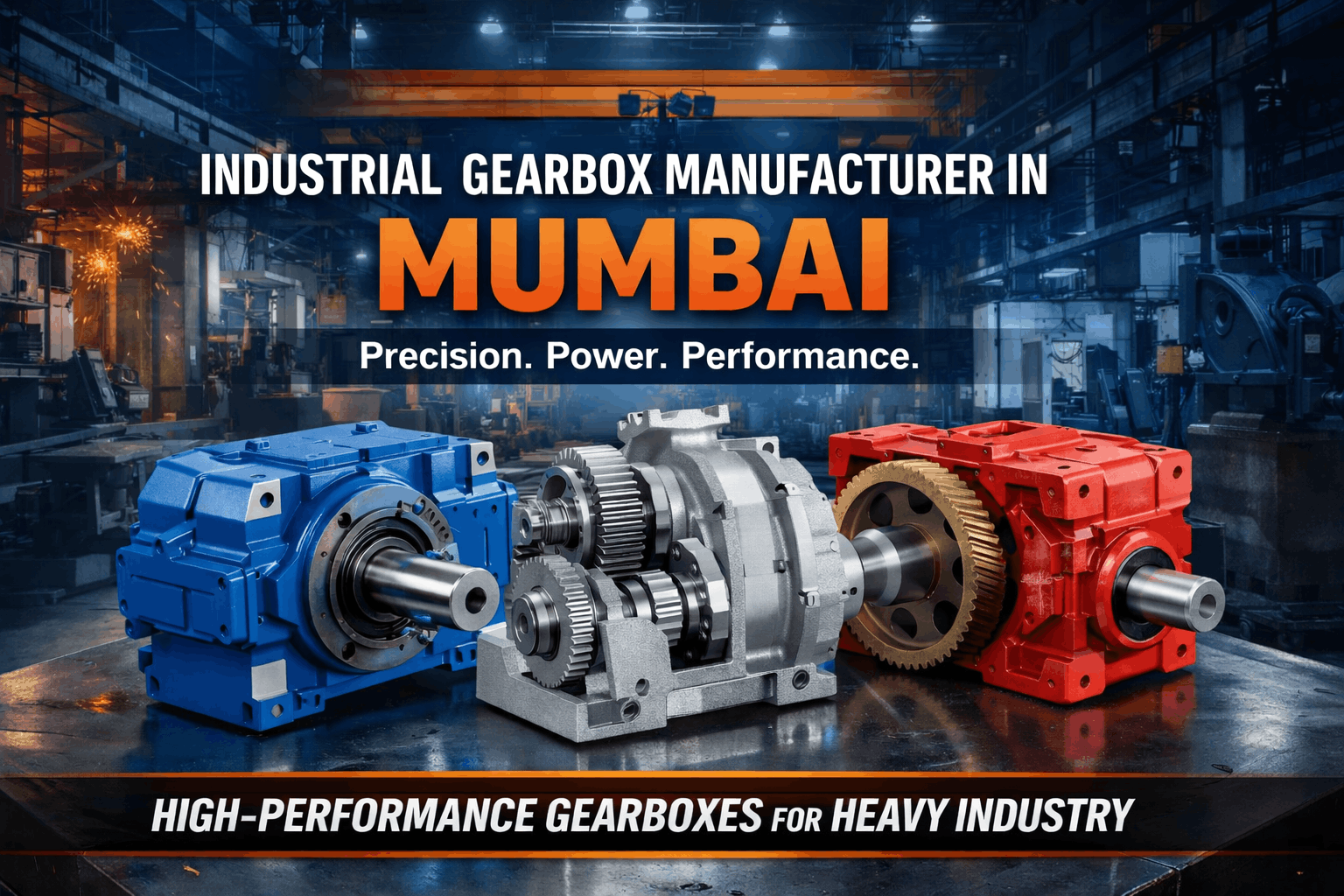
Behind every smooth-running industrial m...

In heavy-duty mechanical systems, power ...

In mechanical systems, reliability often...

In industrial environments where machine...
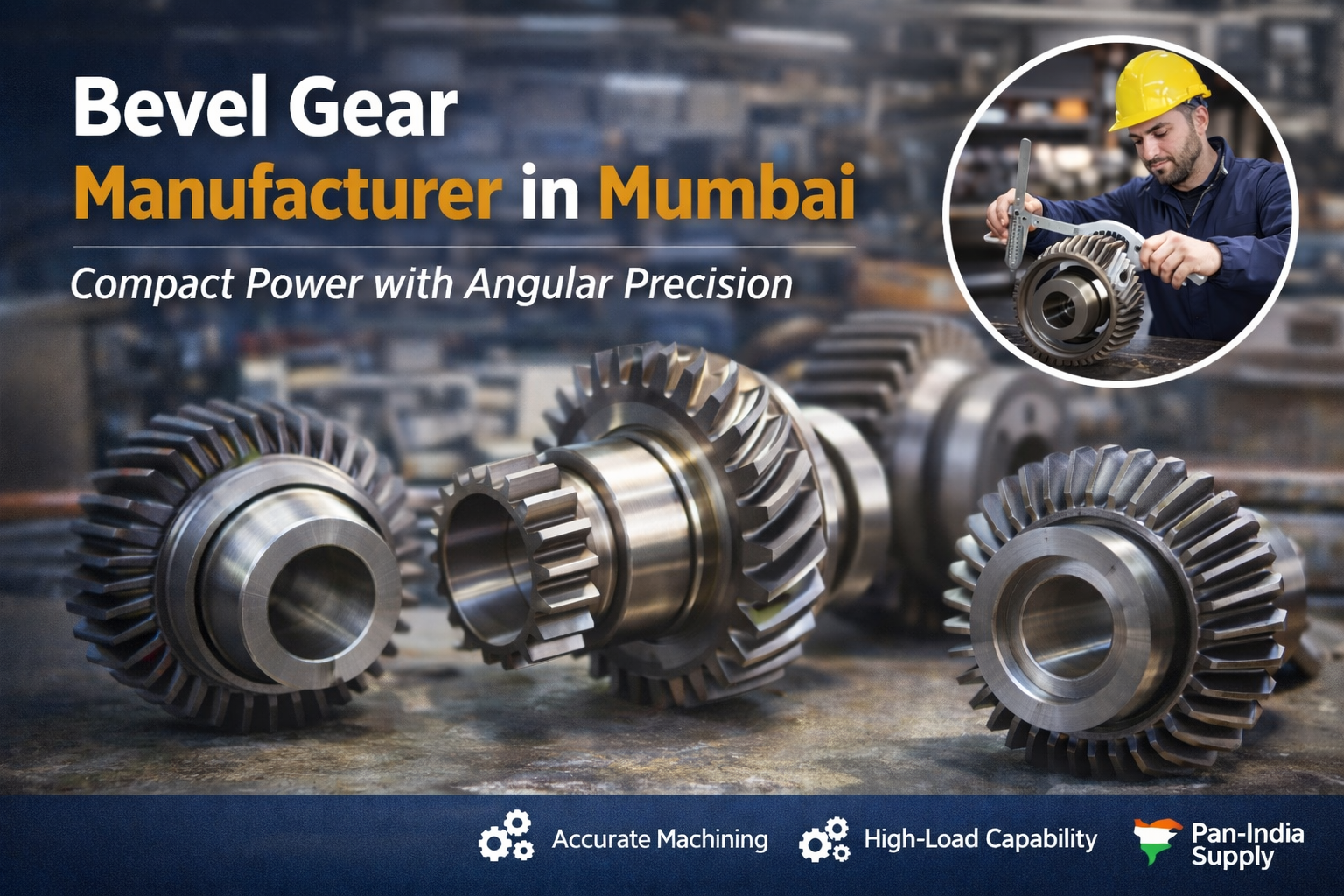
Machines that rely on angular power tran...
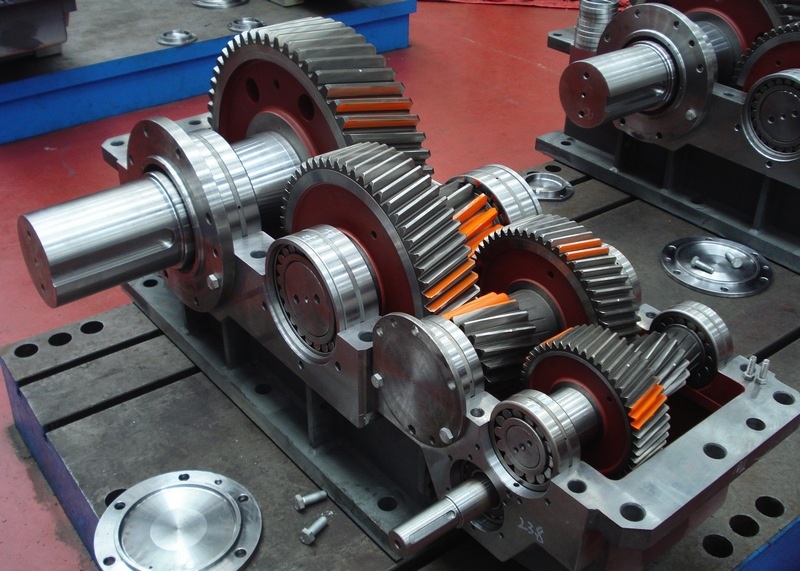
Modern industries run on reliability. Wh...
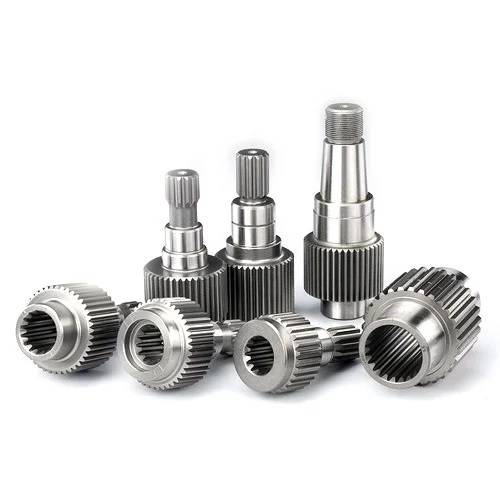
The Pinion Gear Shaft Manufacturers in M...
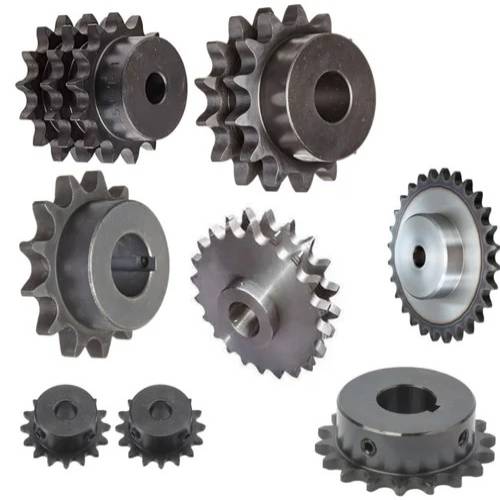
...
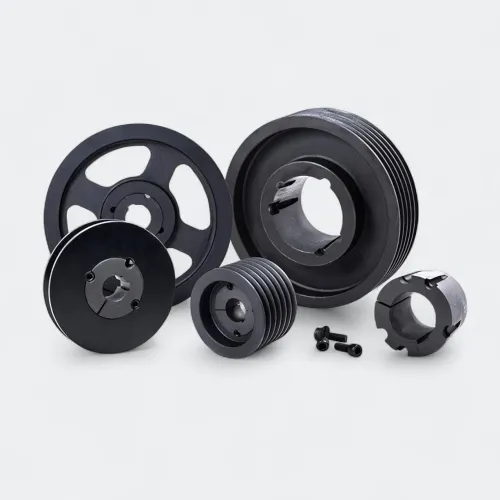
When machines need dependable power, smo...
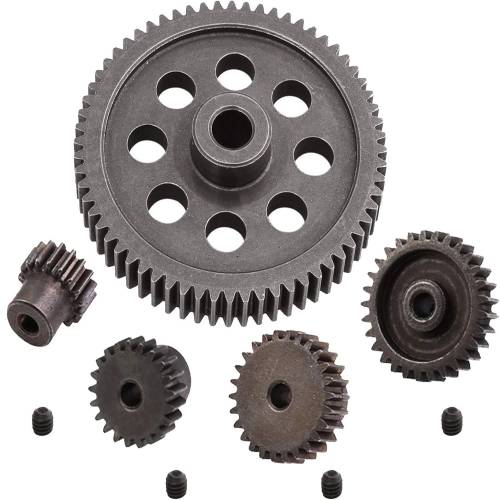
The Spur Gear Manufacturers in Mumbai ar...
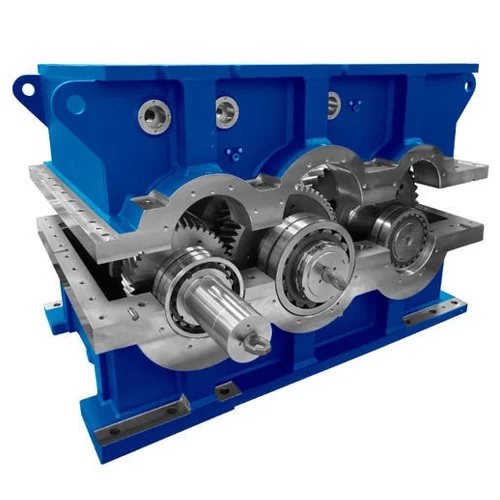
The Gearbox Manufacturers in Mumbai play...
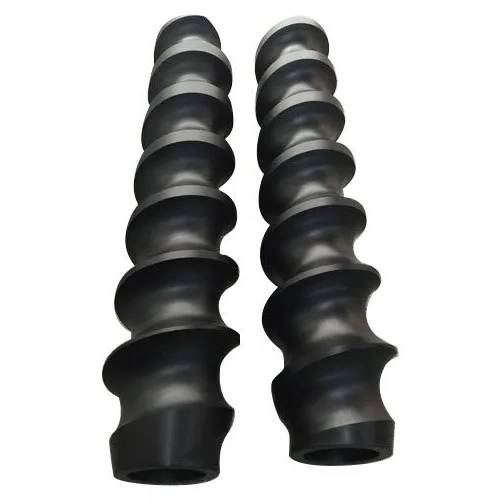
When precision meets performance, indust...
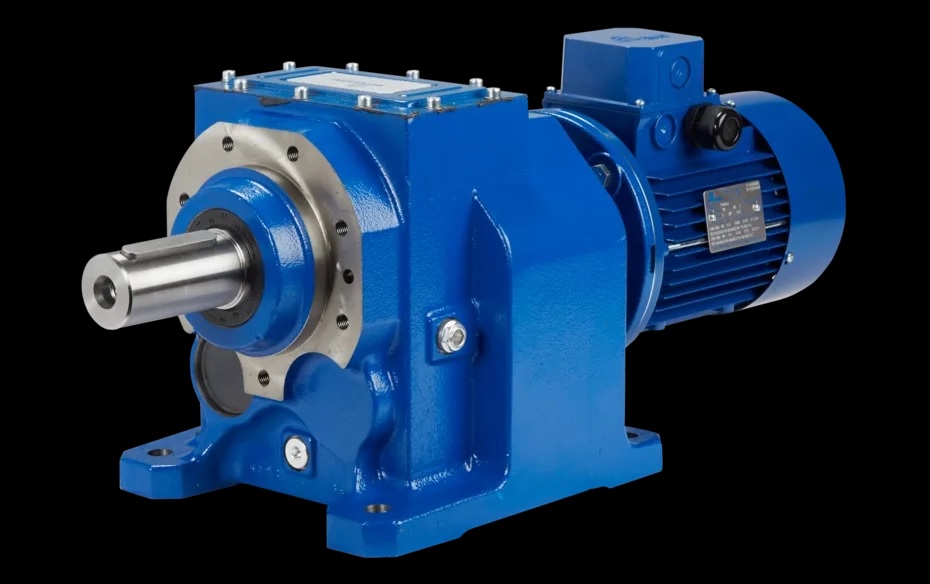
In the modern industrial world, precisio...
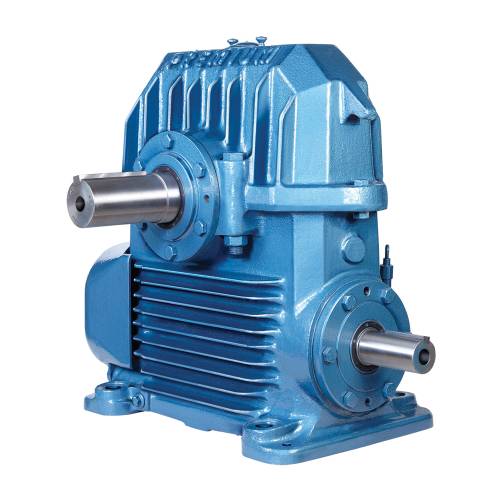
In today’s fast-paced industrial world...
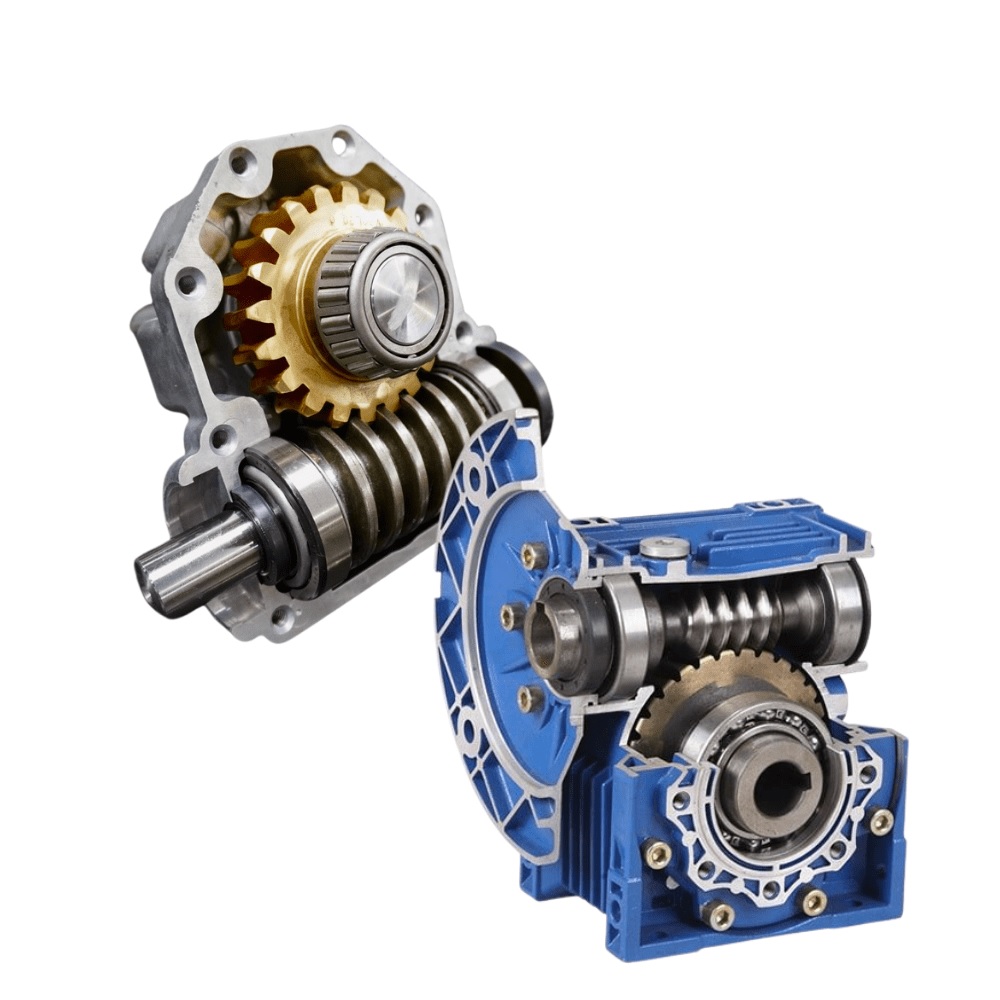
When it comes to advanced power transmis...
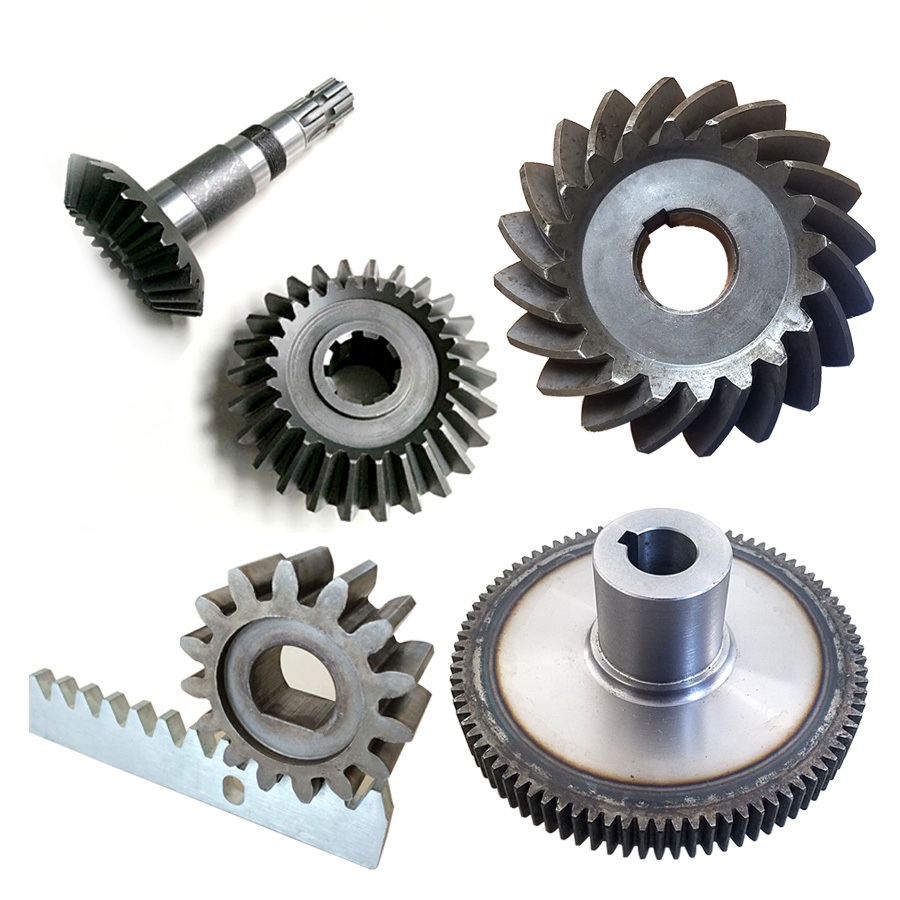
In the world of modern engineering, Indu...
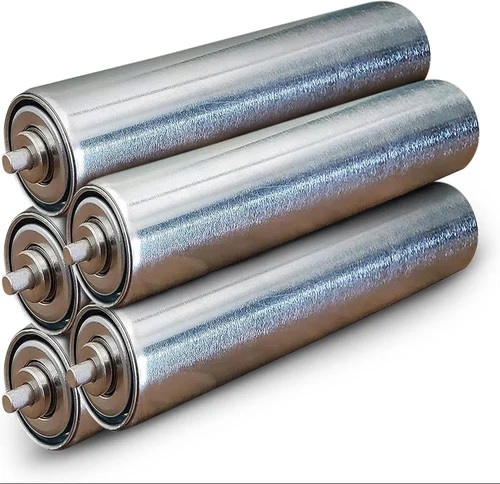
In the world of material handling and co...
