
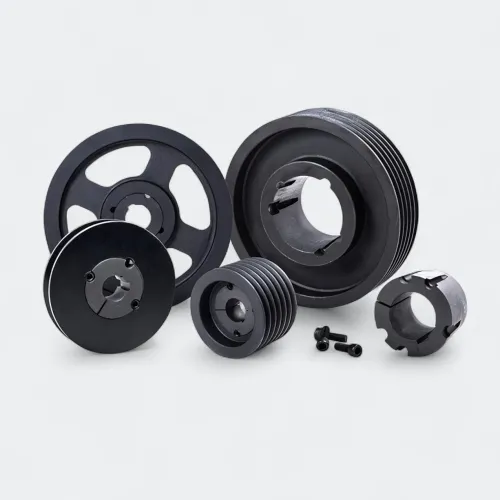
When machines need dependable power, smooth motion, and long service life under demanding conditions, the choice of belt and pulley system becomes a critical design decision. Whether used in conveyors, compressors, mixers, or high-load industrial drives, selecting the right combination of V-belt or timing belt and their matching pulleys directly affects performance, reliability, and maintenance costs.
Here’s why this decision matters — and what engineers and OEMs should consider before choosing one system over the other.
A V-belt drive uses a trapezoidal belt that wedges tightly into a matching pulley groove. As load increases, the belt grips harder, allowing efficient power transfer. Because the system is friction-based, a small amount of controlled slip can occur, which often acts as a safety feature. This slip helps absorb shock loads, protecting motors and mechanical components from sudden torque spikes.
V-belt systems are affordable, flexible, and easy to maintain, making them ideal for general-purpose machinery where precise synchronization isn’t essential.
Timing belts (or synchronous belts) use molded teeth that mesh exactly with the matching teeth of a timing pulley. There is no slippage — power transfer is based on precise mechanical engagement. This is essential for applications requiring accurate timing, synchronized movement, or fixed speed ratios.
High-speed, automated, or precision-driven systems rely heavily on timing belts because they maintain consistent performance even when loads vary.
Choosing the correct pulley is just as important as choosing the belt. A belt can only perform as well as the pulley it runs on.
Key factors include:
The belt and pulley must be treated as a matched system, not two separate parts.
V-belts perform well when:
These drives excel in fans, blowers, pumps, smaller conveyors, and general-purpose industrial equipment.
Timing belts are preferred when:
Applications include automated packaging systems, robotics, indexing conveyors, and precision manufacturing machinery.
Using the incorrect belt and pulley can lead to:
Poor belt-pulley selection affects not just the drive system — it impacts the efficiency of the entire machine.
Before deciding on V-belt or timing belt drives, consider these points:
A thoughtful decision upfront saves significant costs and downtime over the machine’s operational life.
In high-performance industrial drives, belts and pulleys are far more than secondary components — they directly shape the machine’s behaviour, efficiency, and reliability. Choosing between a V-belt and a timing belt depends on how much precision, load capacity, and consistency your system needs.
For OEMs designing modern machinery, selecting the right belt and matching pulley ensures stable power transmission, improved equipment longevity, reduced maintenance, and dependable performance across demanding industrial environments.
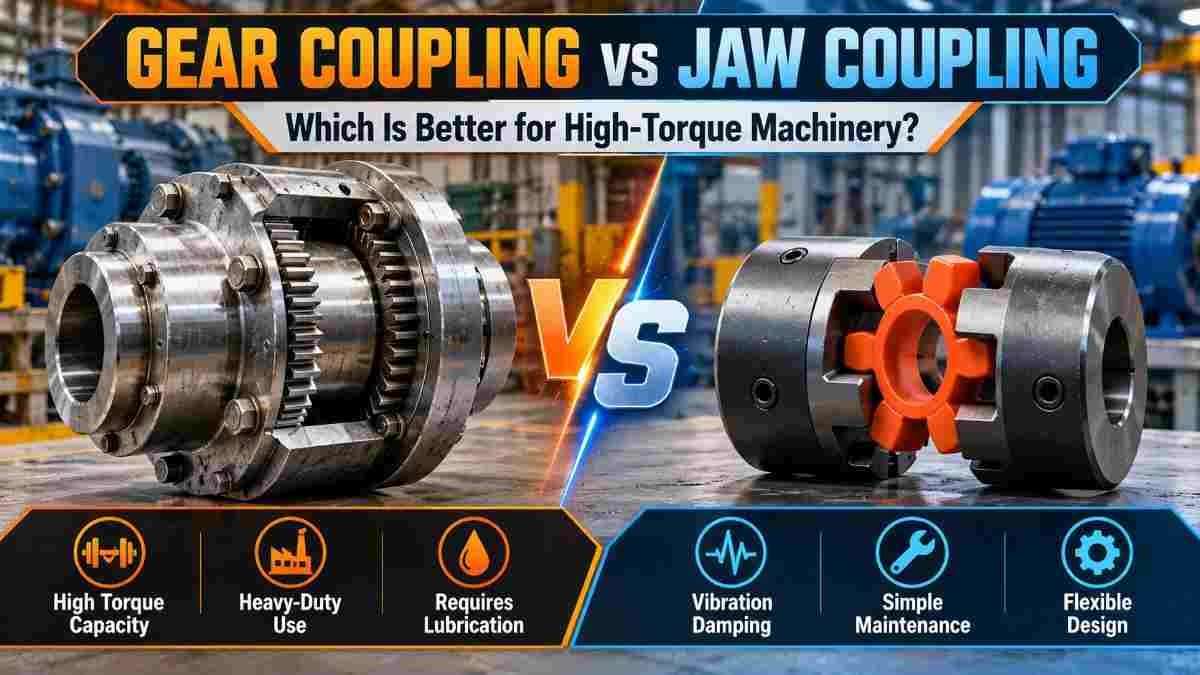
Industrial machinery depends on reliable...
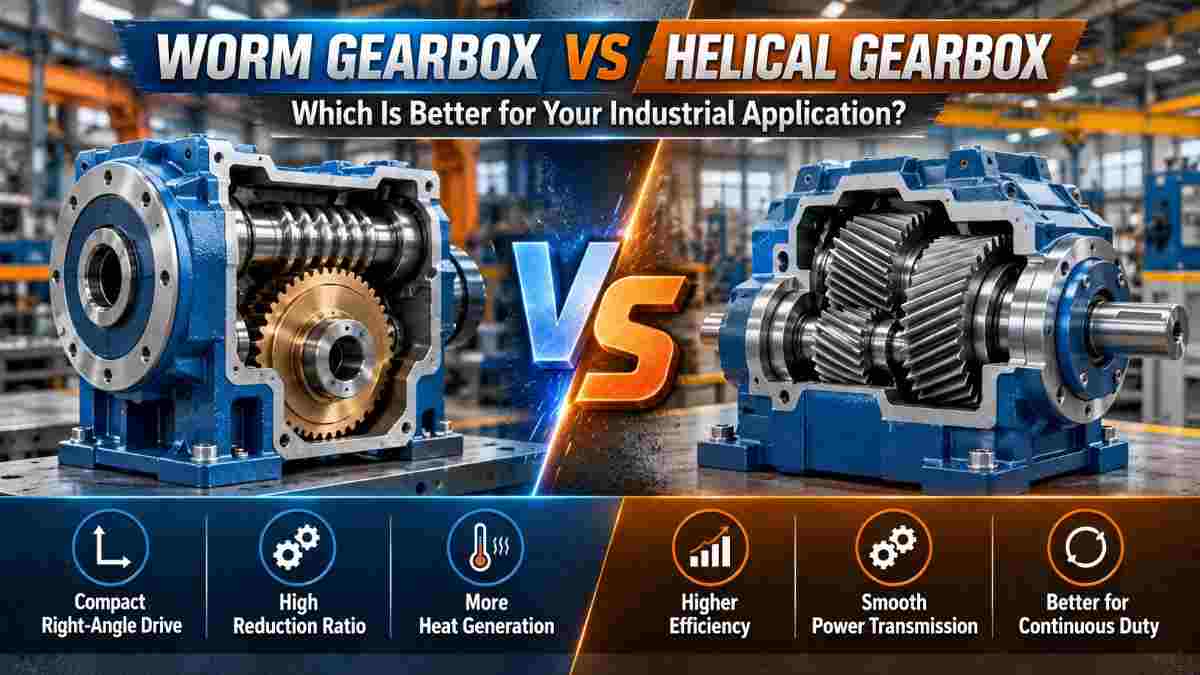
Choosing between a worm gearbox and a he...
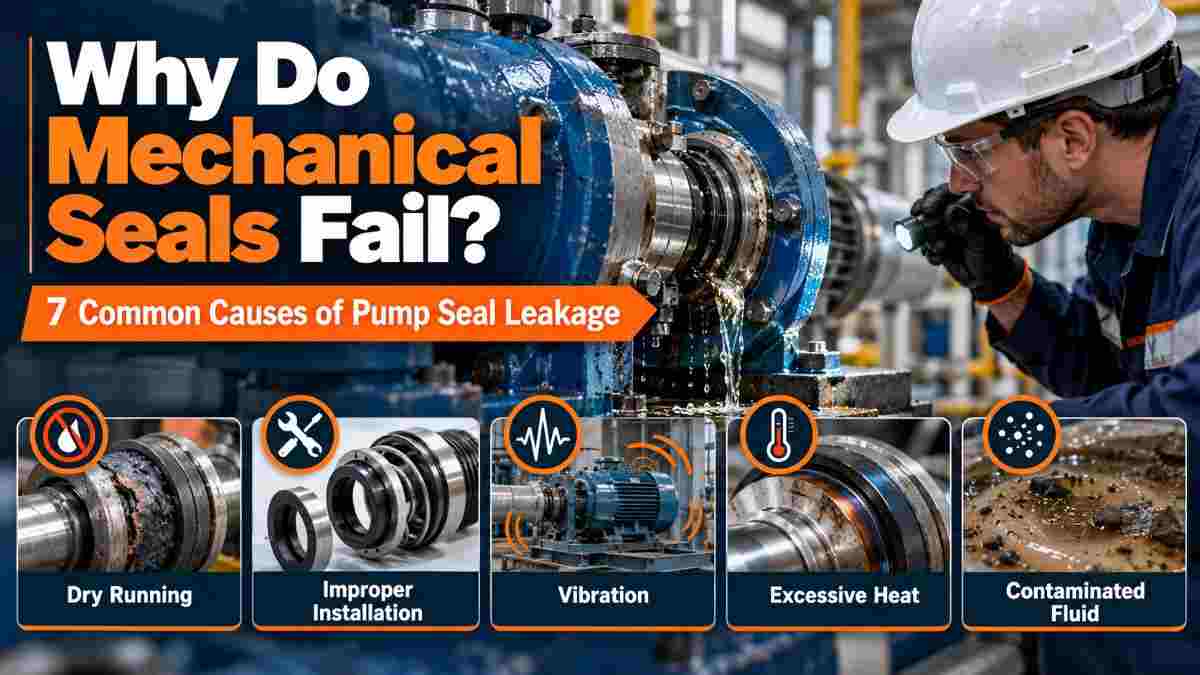
Mechanical seals are essential component...
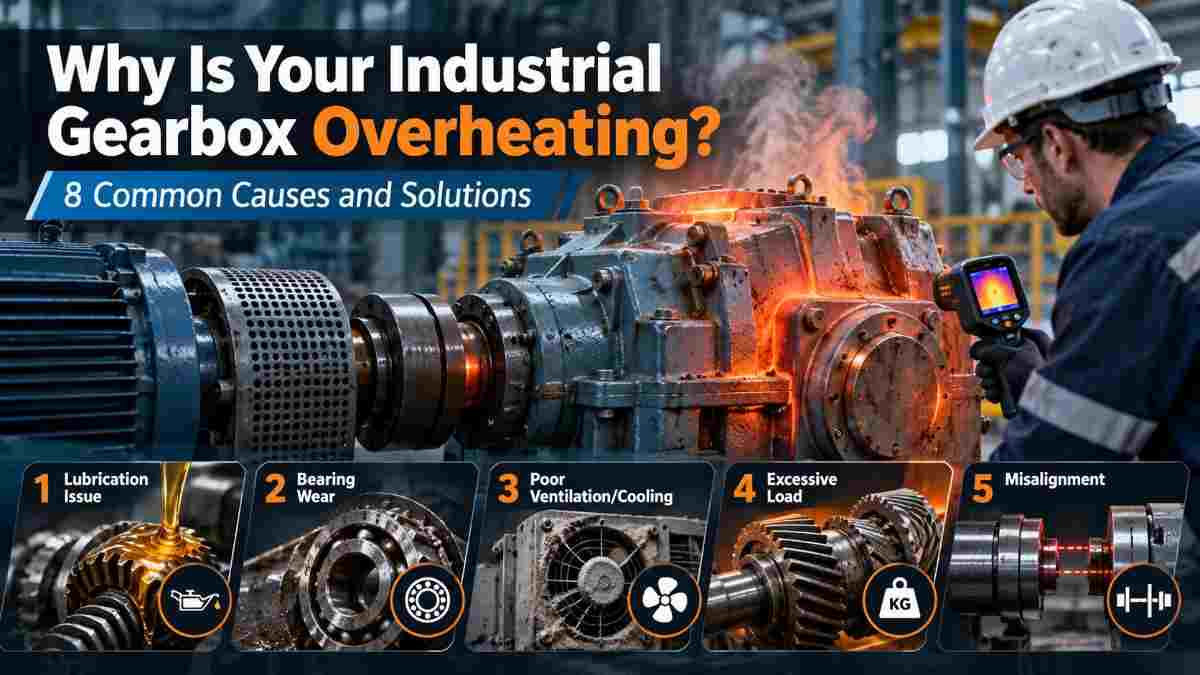
An industrial gearbox naturally generate...
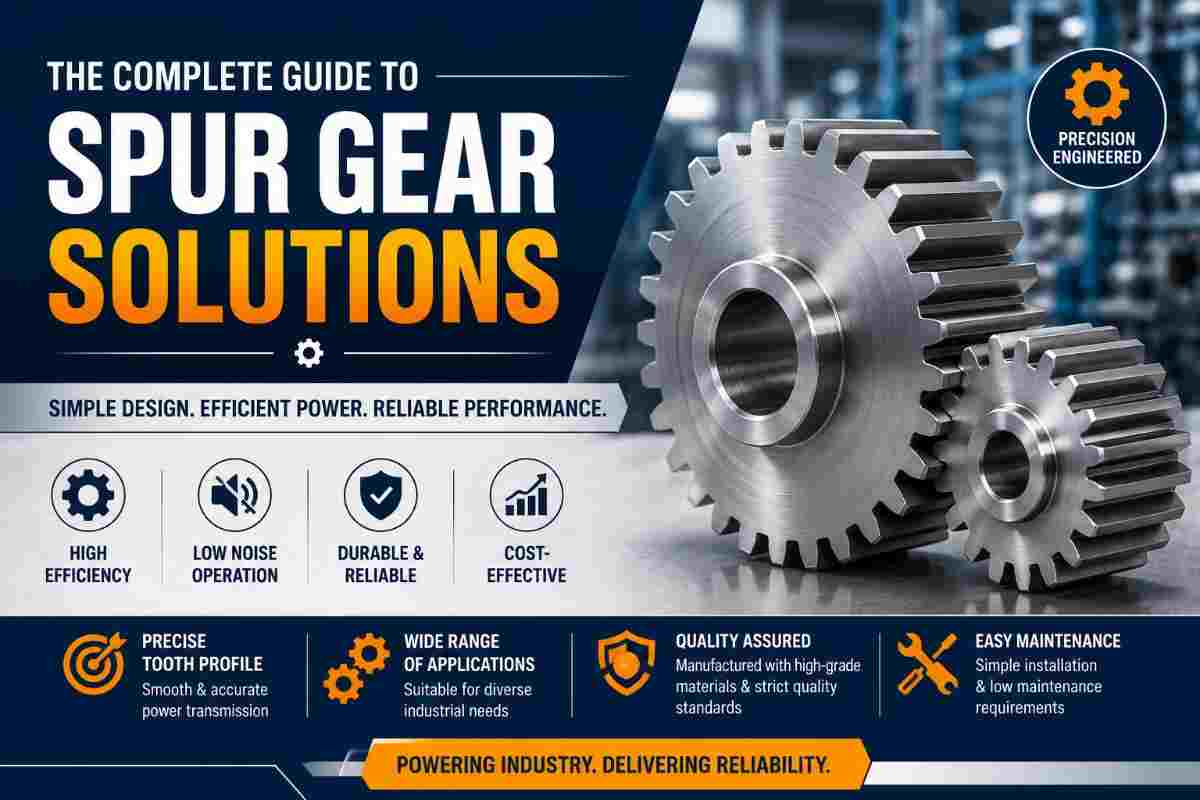
A spur gear is a mechanical gear with st...
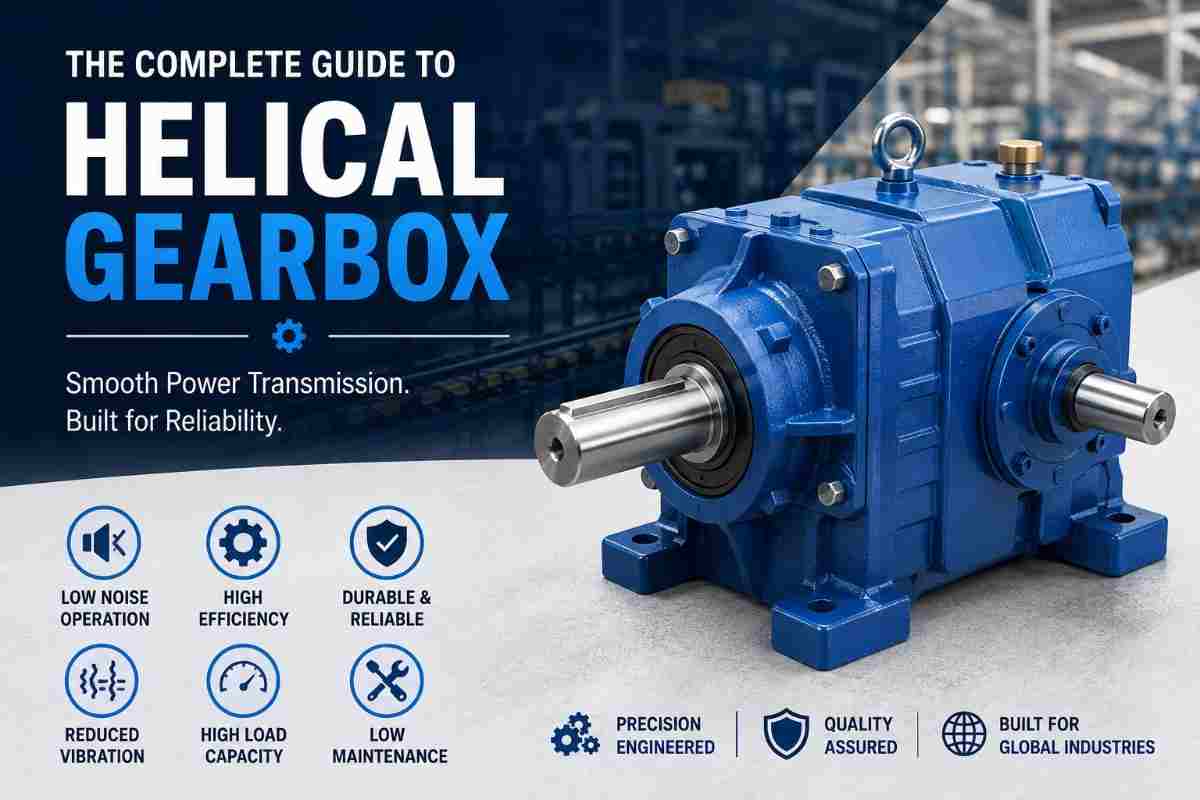
A helical gearbox is a mechanical power ...
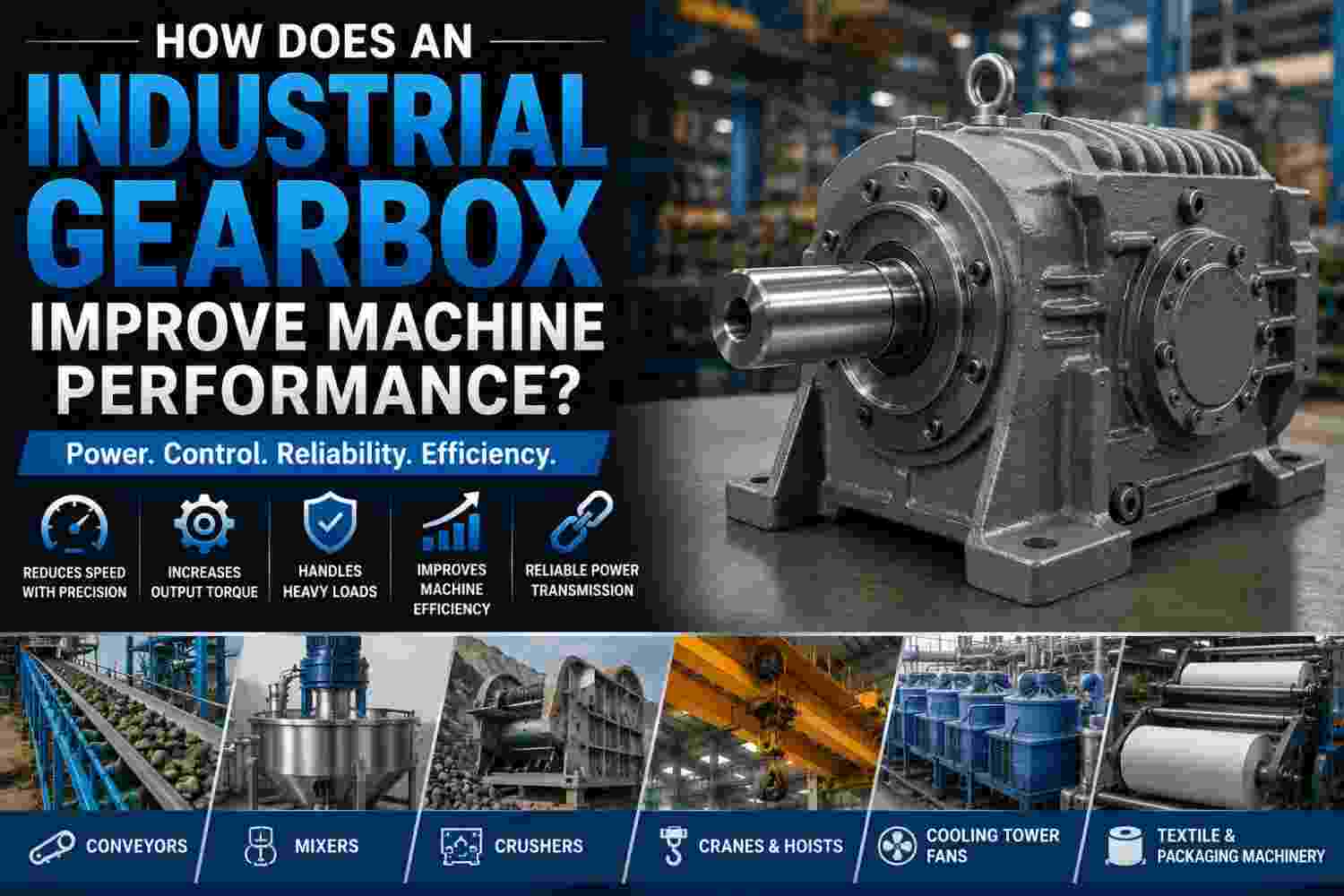
An industrial gearbox improves machine p...
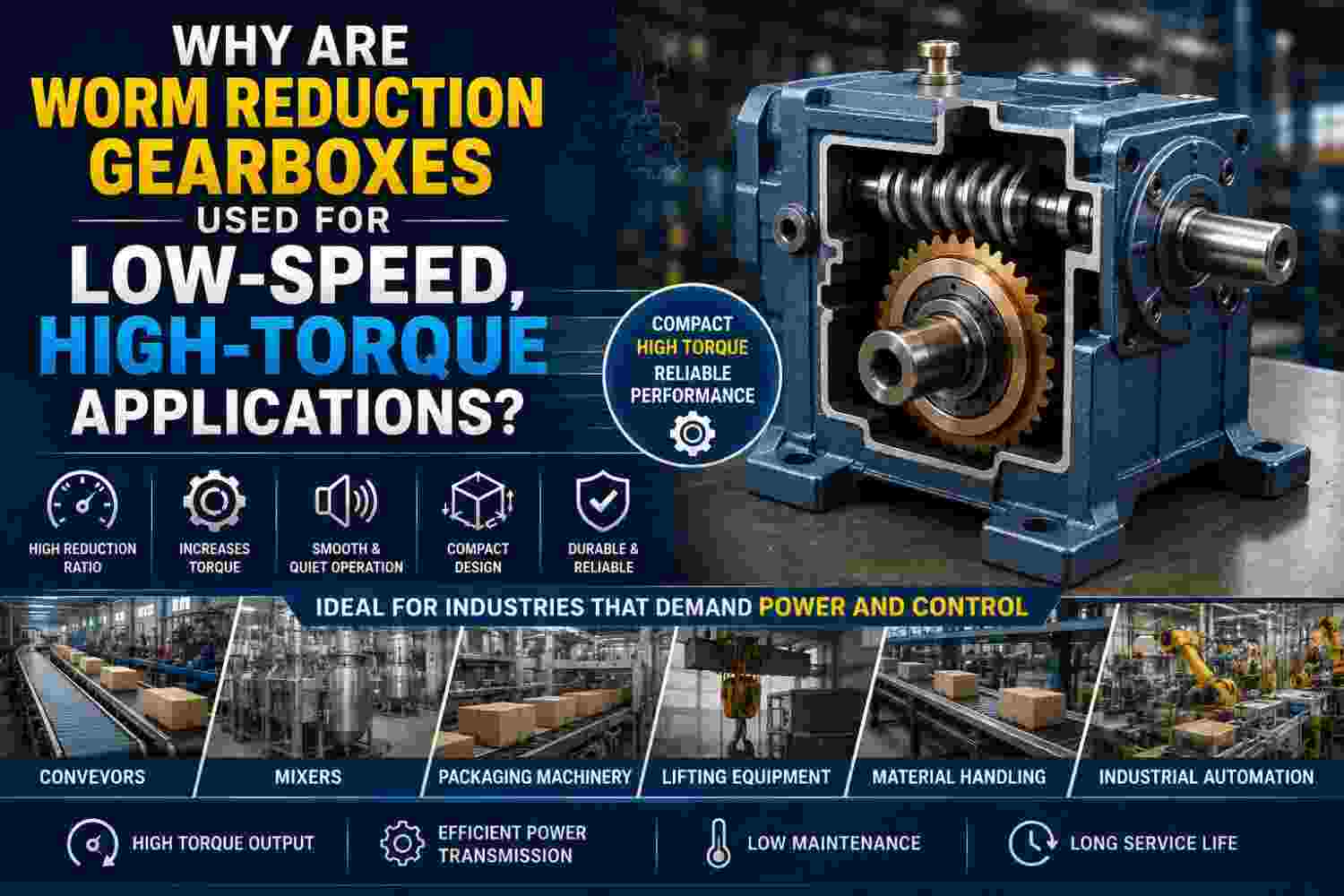
Worm reduction gearboxes are used for lo...
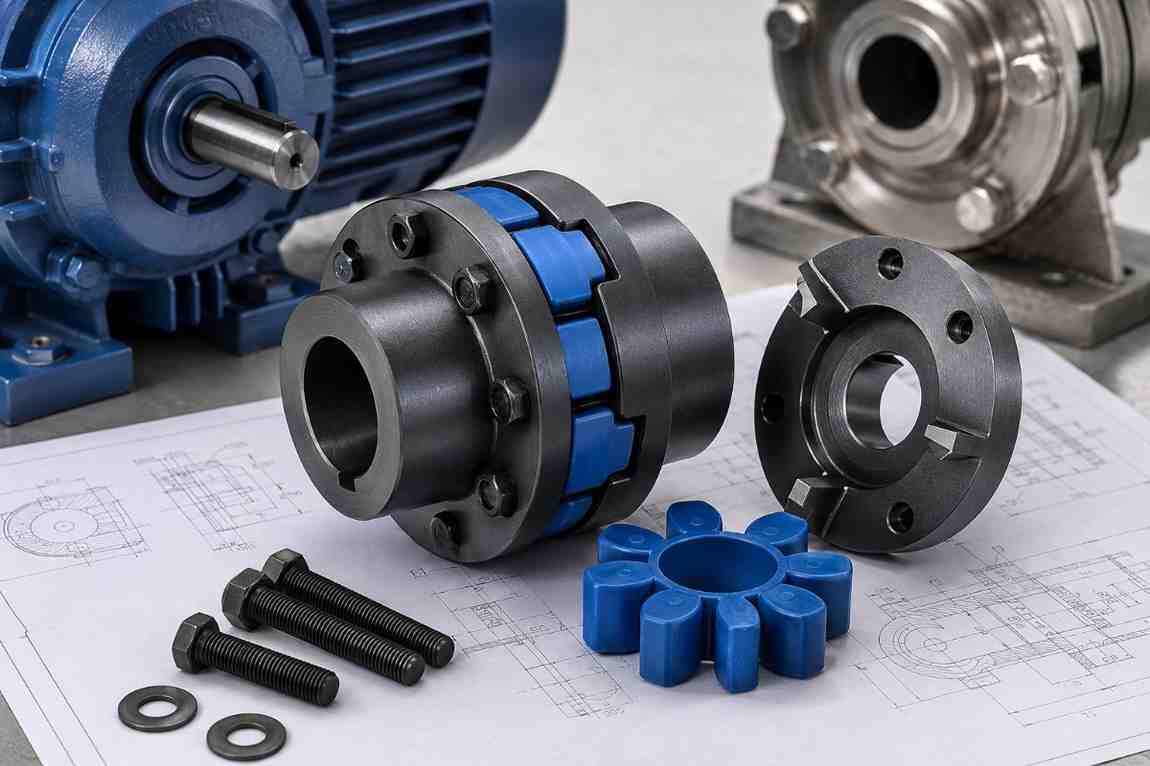
Selecting the correct N-Eupex coupling i...
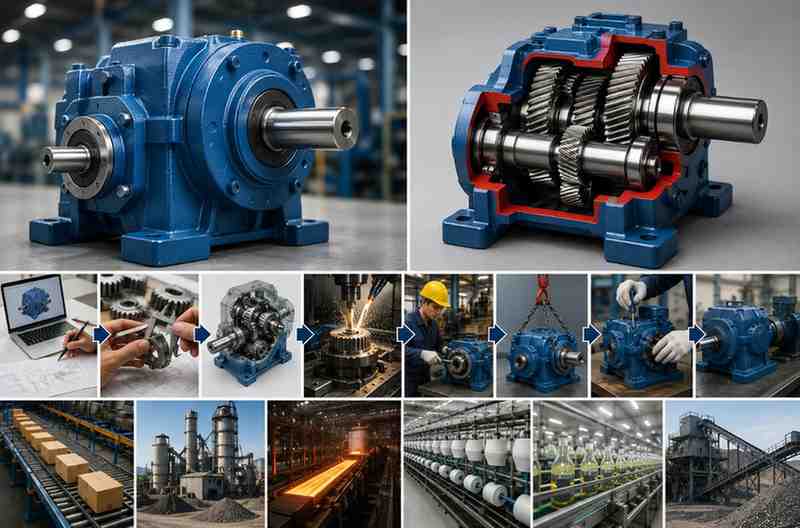
Choosing the right helical gearbox is on...
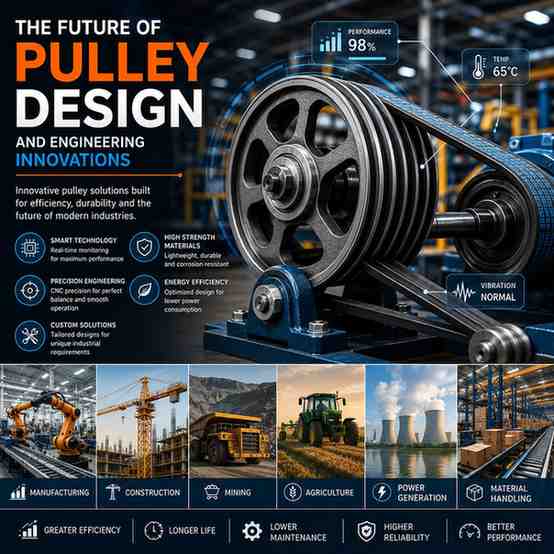
For centuries, pulleys have been one of ...
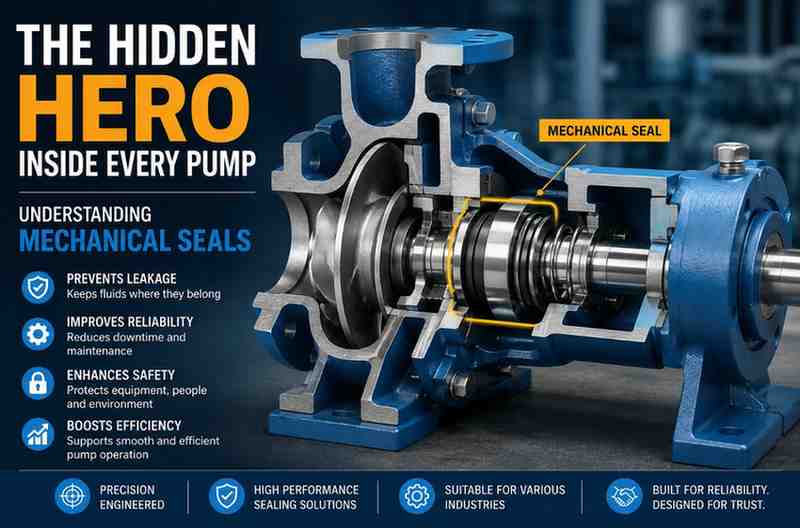
When people think about industrial pumps...
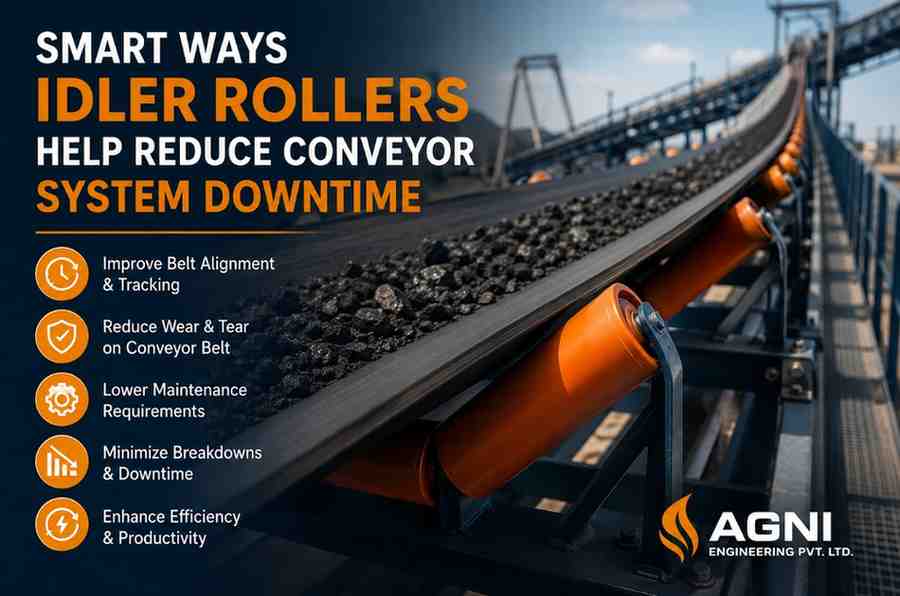
In industries where material handling is...
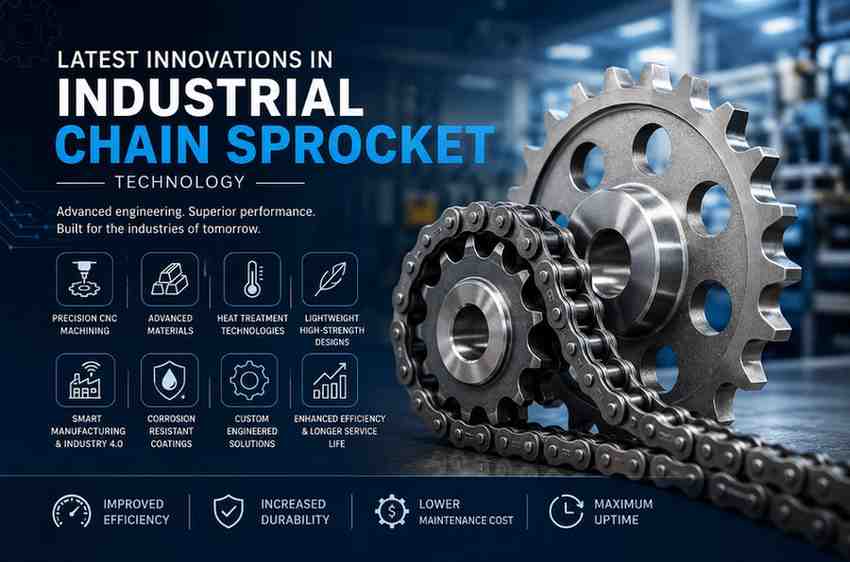
In today’s fast-moving industrial envi...
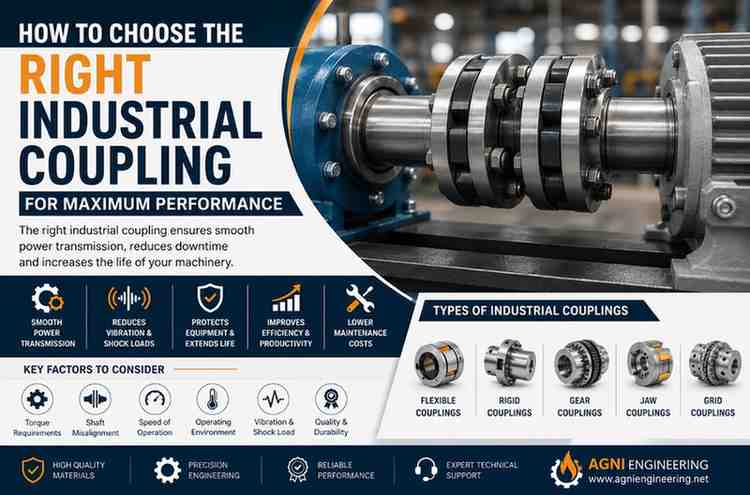
In any industrial setup, even the smalle...
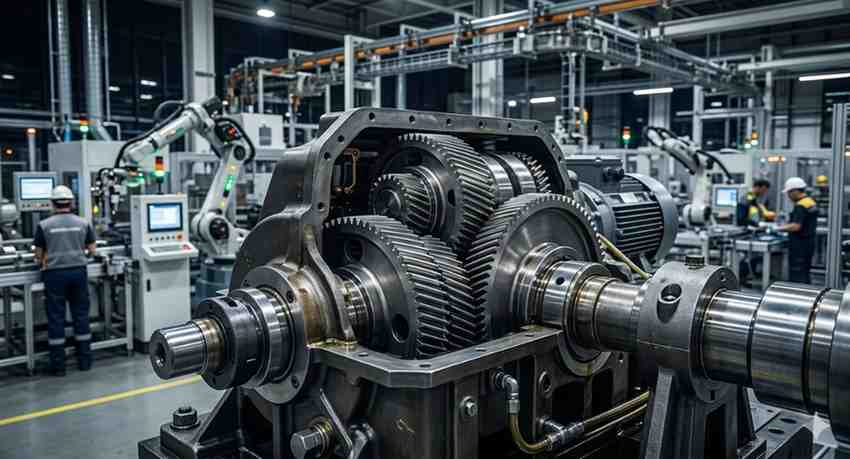
Industrial operations today are becoming...
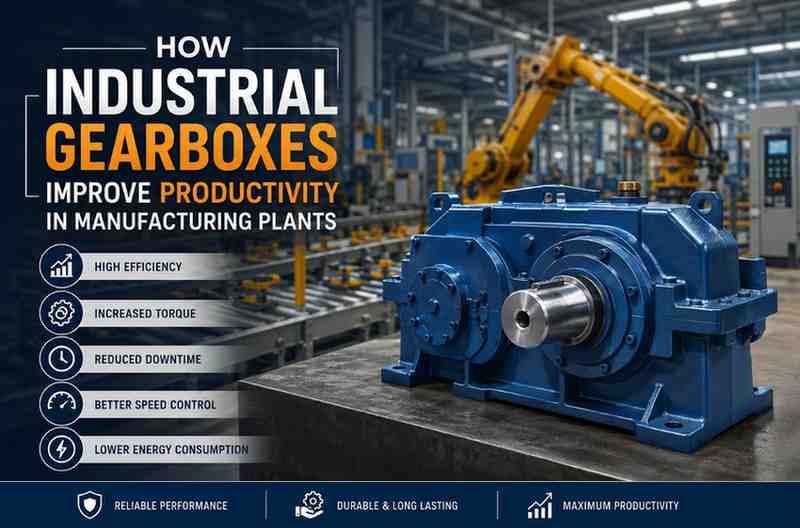
In modern manufacturing plants, efficien...
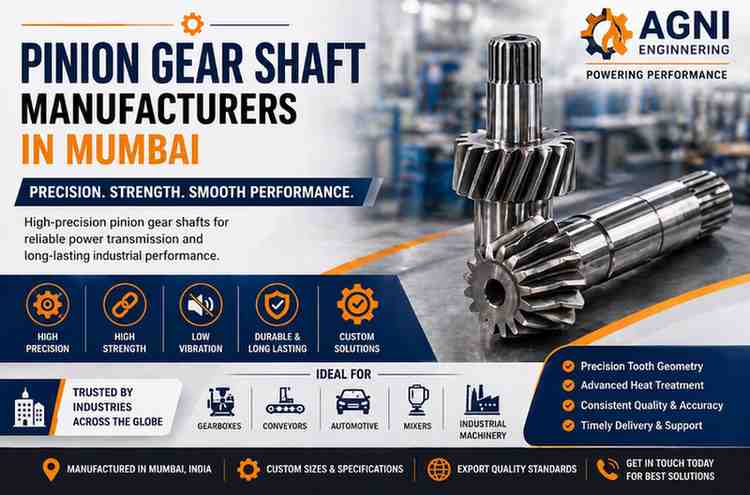
In industrial machinery, every movement ...
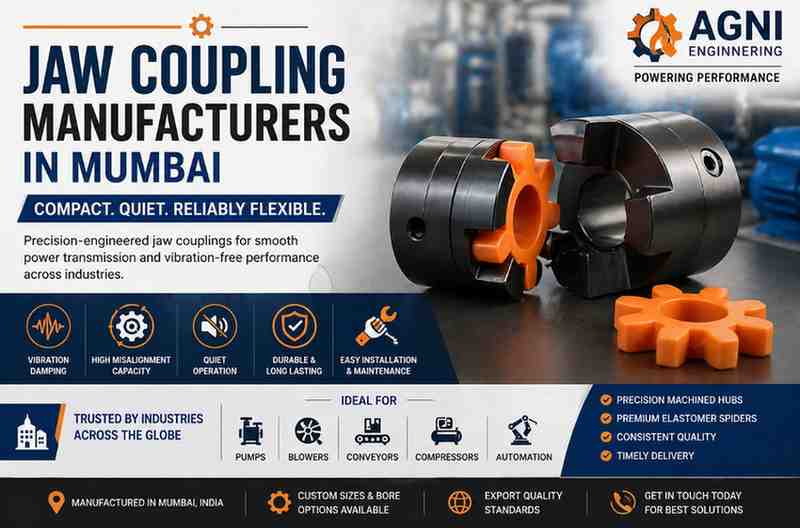
In modern industrial machinery, smooth p...
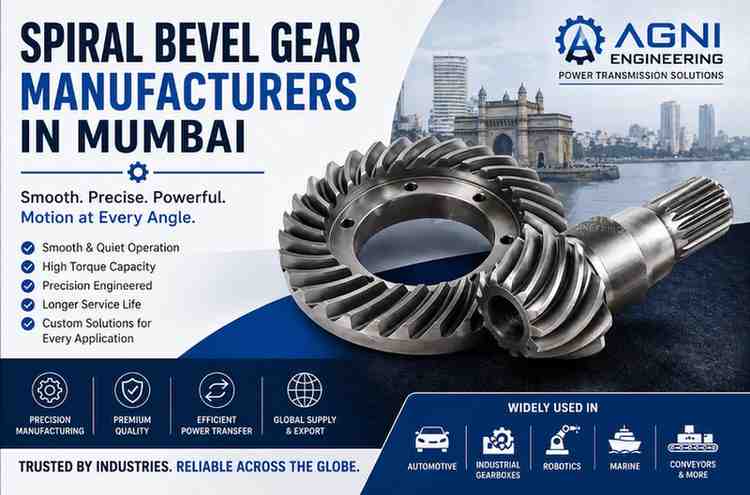
In modern industries, machines rarely wo...
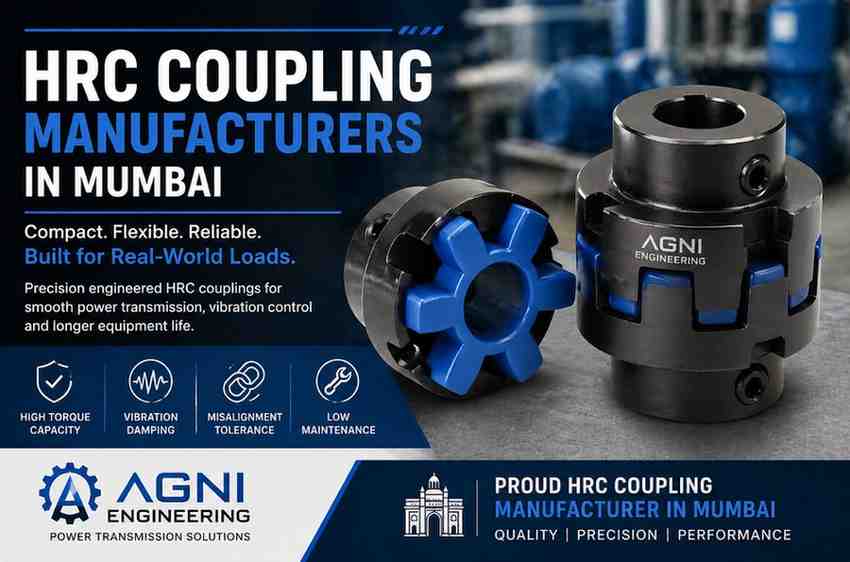
In industrial machinery, smooth power tr...

Machines depend on smooth and steady mot...

In any industrial system, smooth power t...

In many industrial machines, smooth moti...
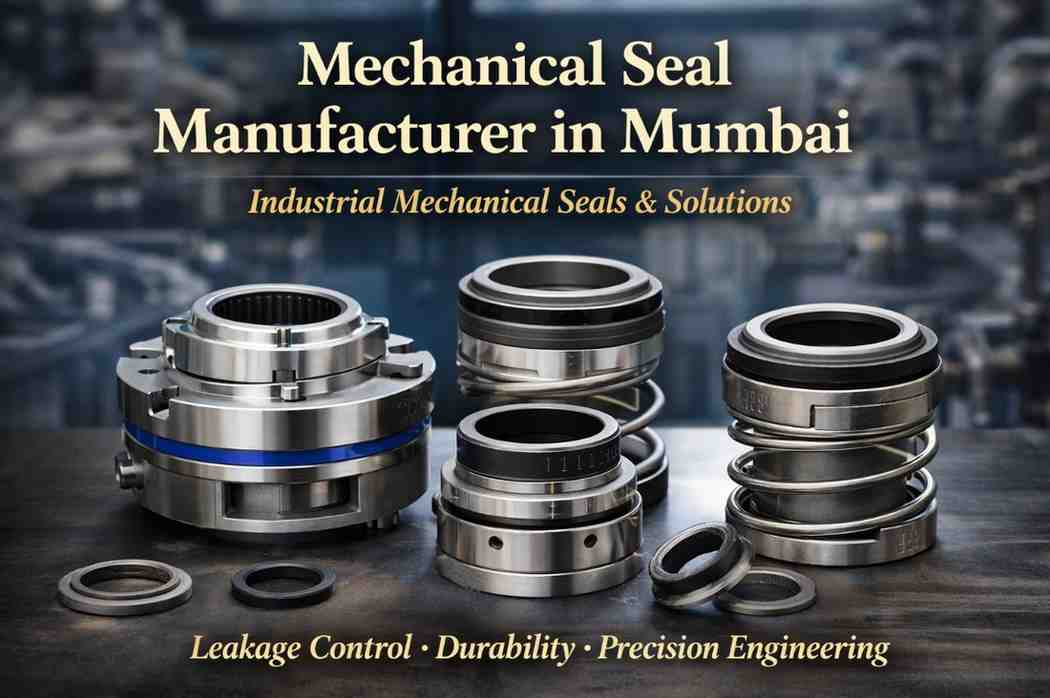
Industrial machines operate under pressu...
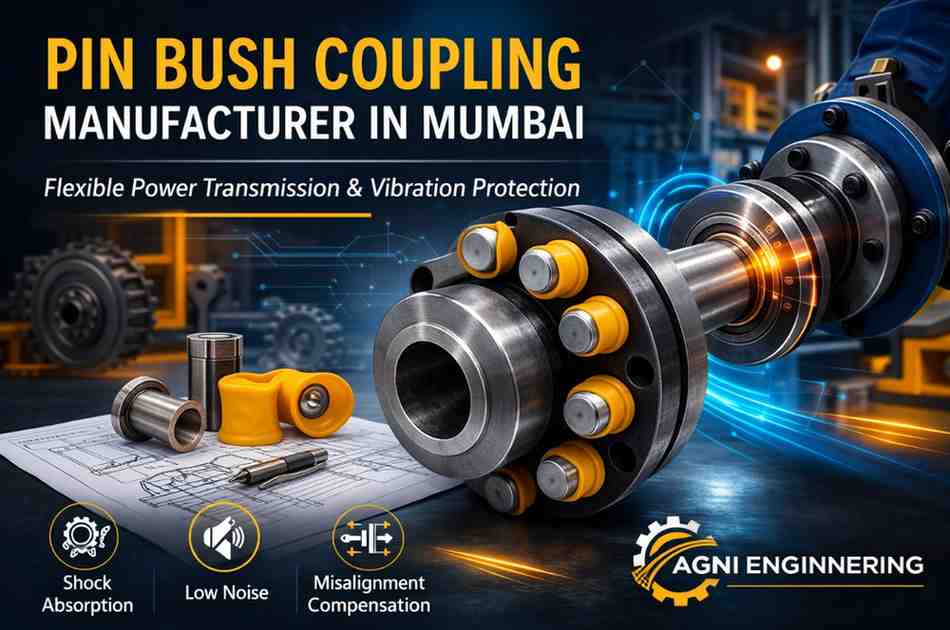
In many industrial machines, vibration, ...
In every conveyor system, rollers play a...
In modern machines, power does not alway...
Some mechanical components earn their re...
Power transmission begins with a single,...
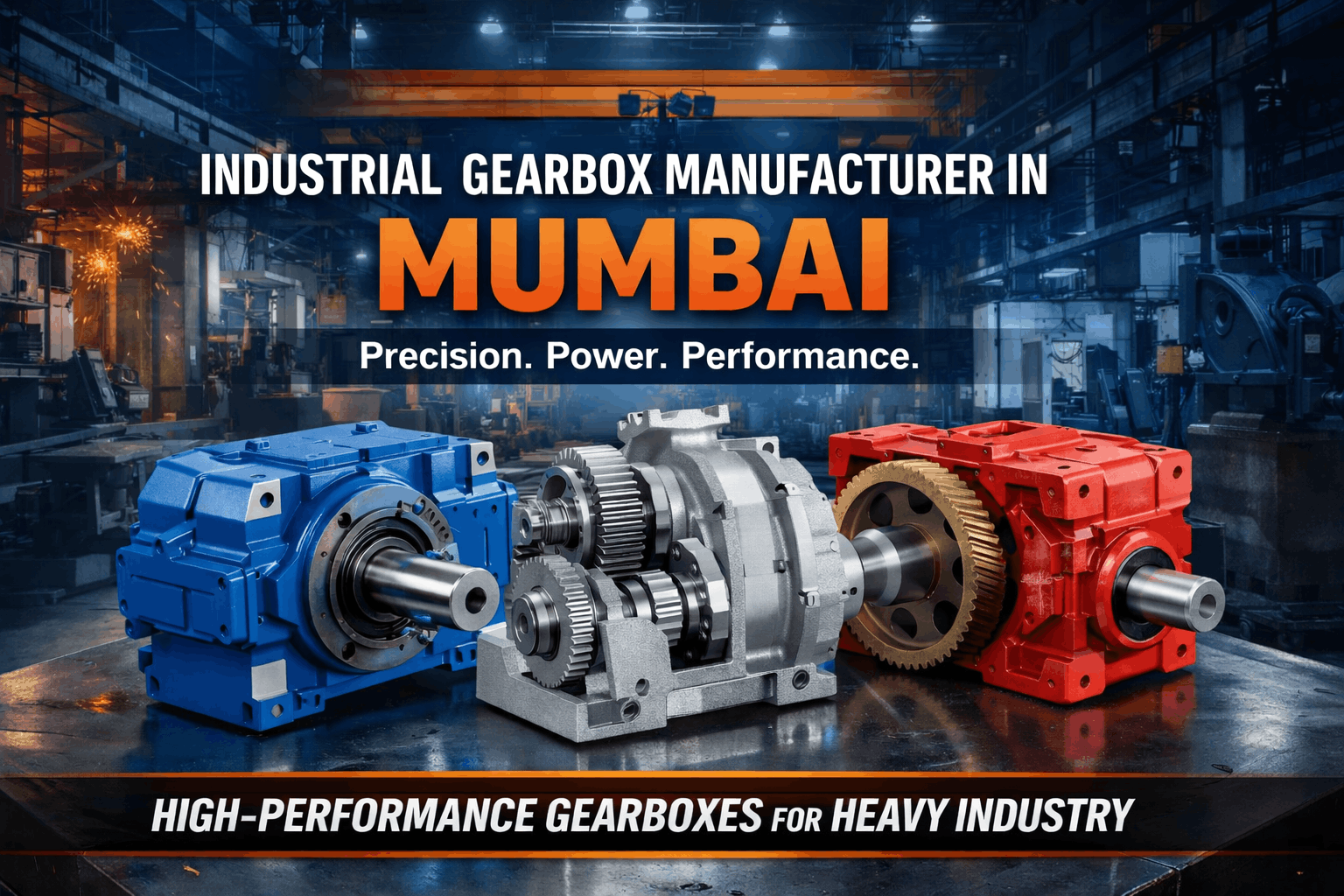
Behind every smooth-running industrial m...

In heavy-duty mechanical systems, power ...

In mechanical systems, reliability often...

In industrial environments where machine...
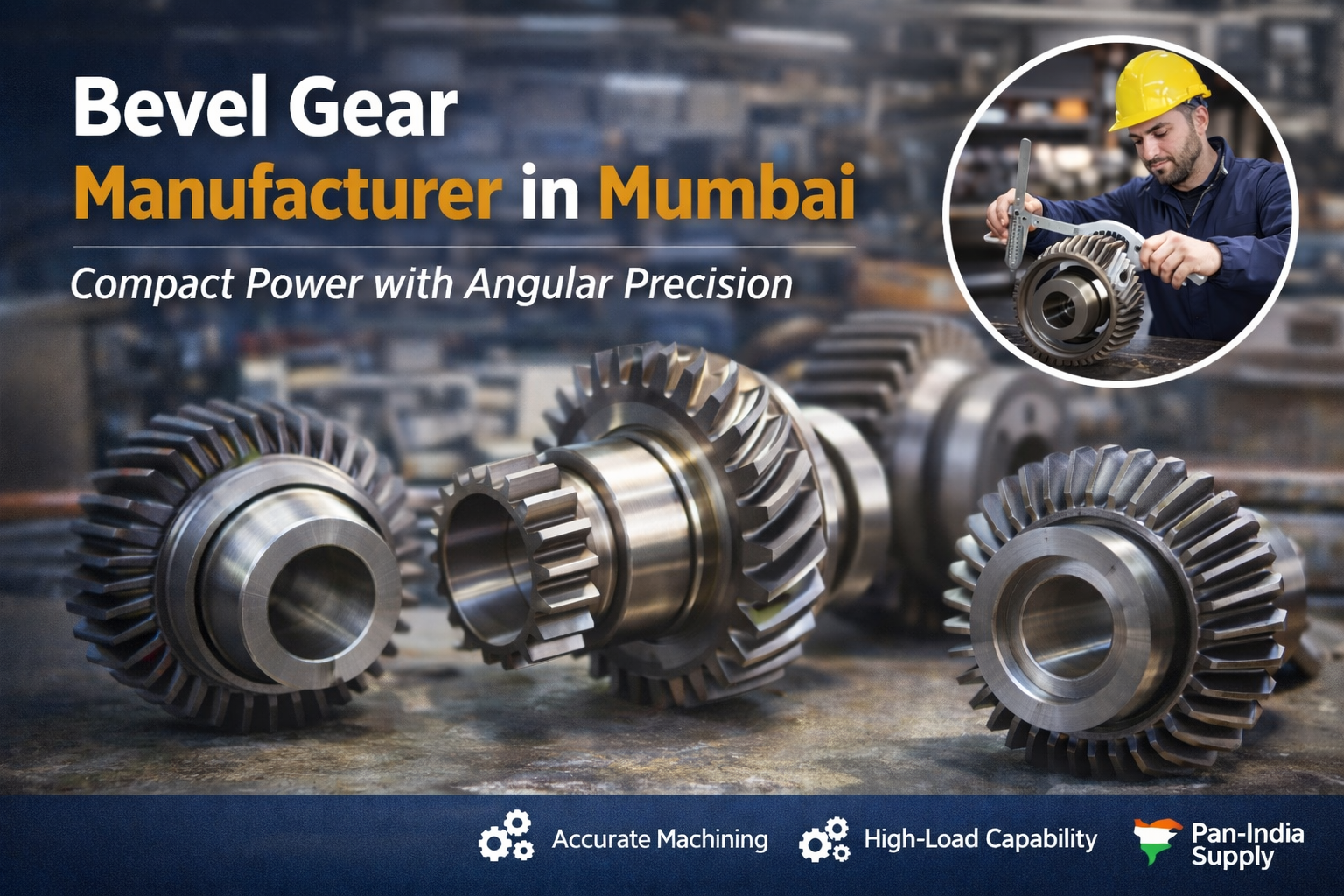
Machines that rely on angular power tran...
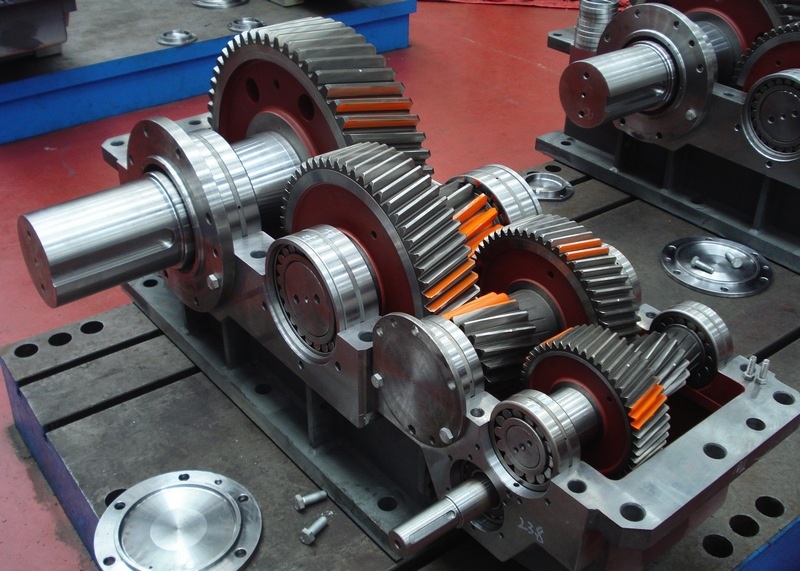
Modern industries run on reliability. Wh...
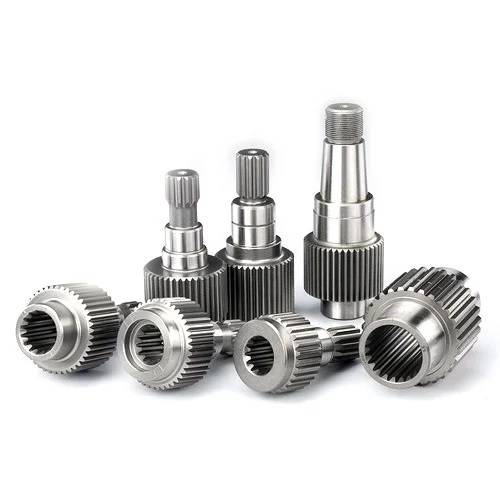
The Pinion Gear Shaft Manufacturers in M...
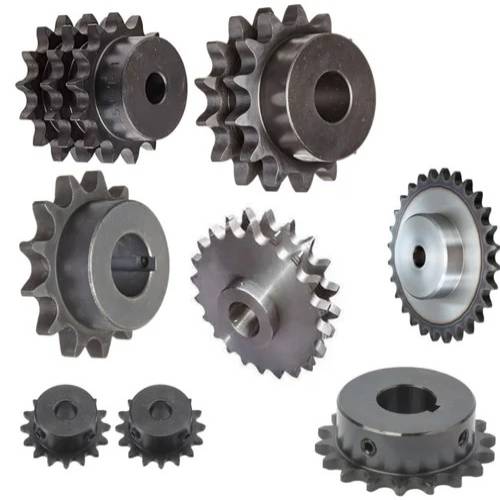
...
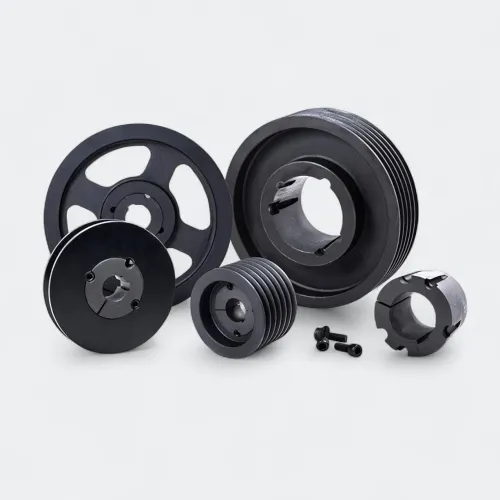
When machines need dependable power, smo...
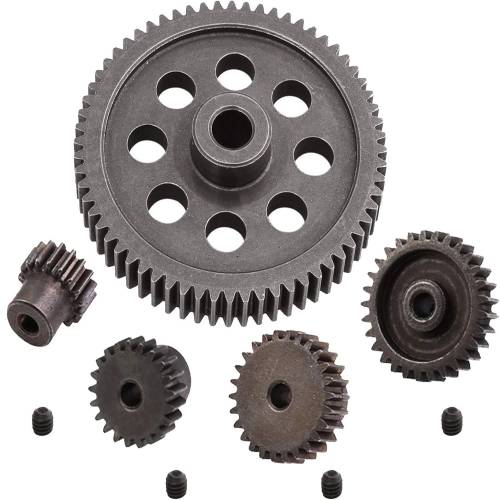
The Spur Gear Manufacturers in Mumbai ar...
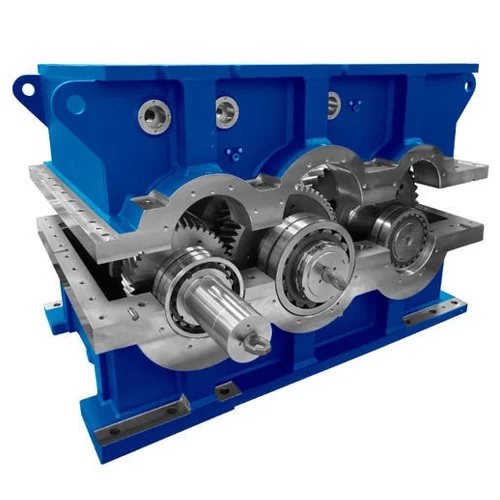
The Gearbox Manufacturers in Mumbai play...
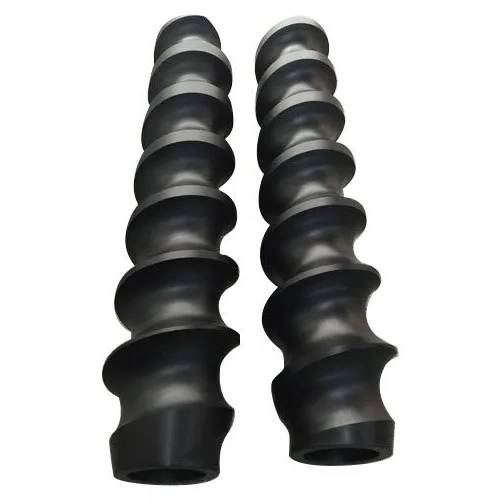
When precision meets performance, indust...
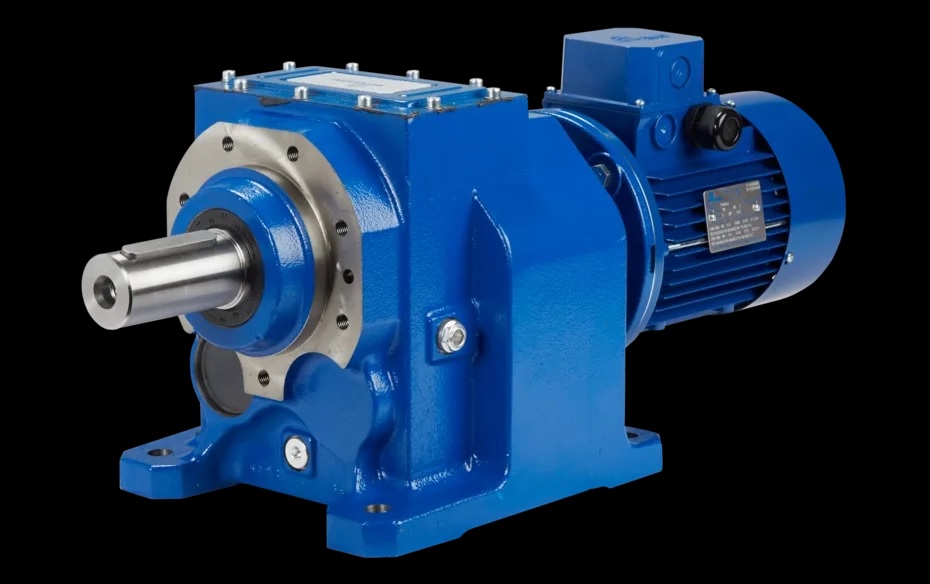
In the modern industrial world, precisio...
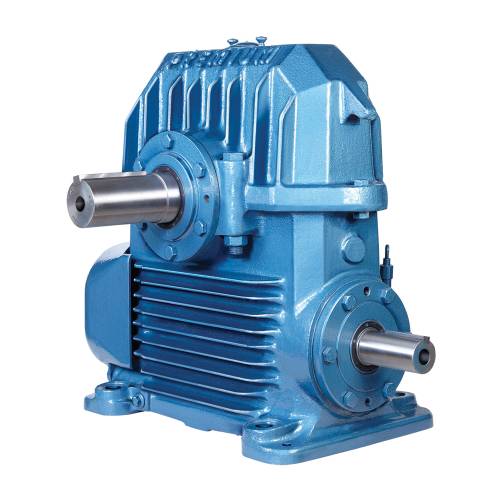
In today’s fast-paced industrial world...
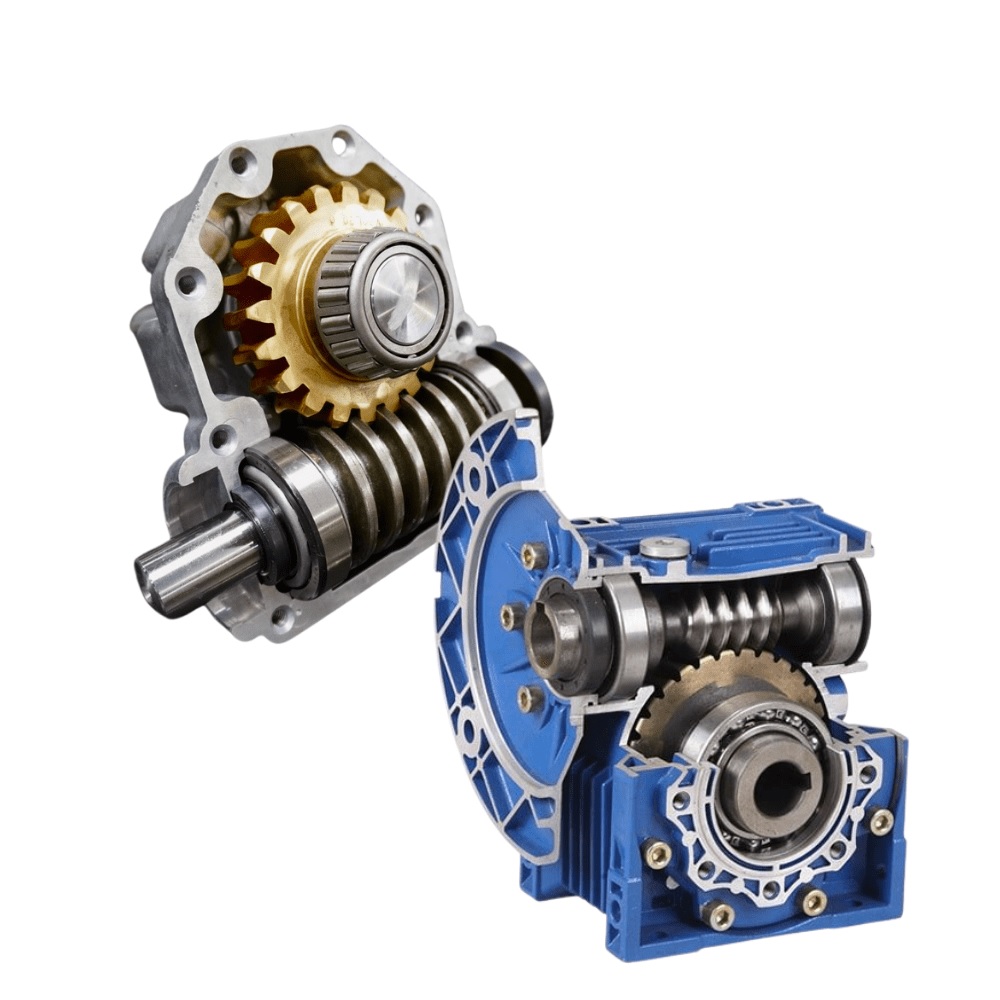
When it comes to advanced power transmis...
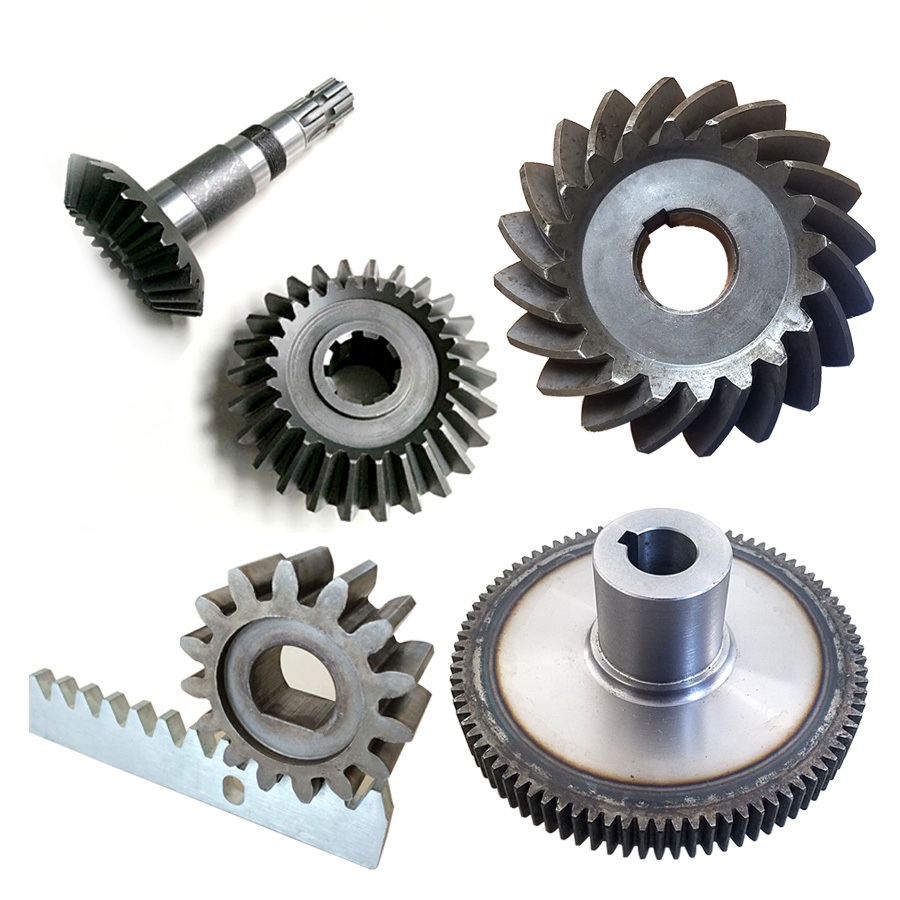
In the world of modern engineering, Indu...
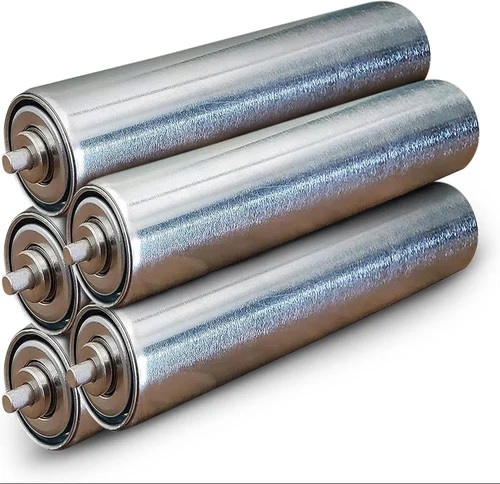
In the world of material handling and co...
