
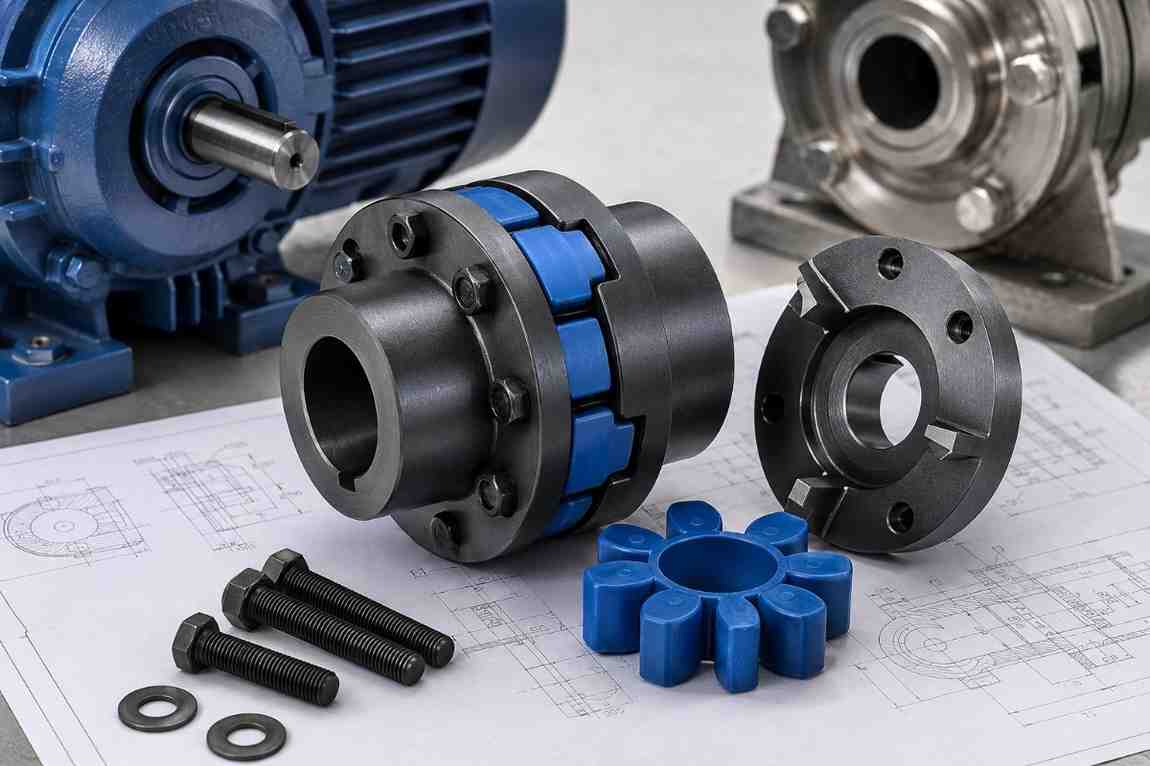
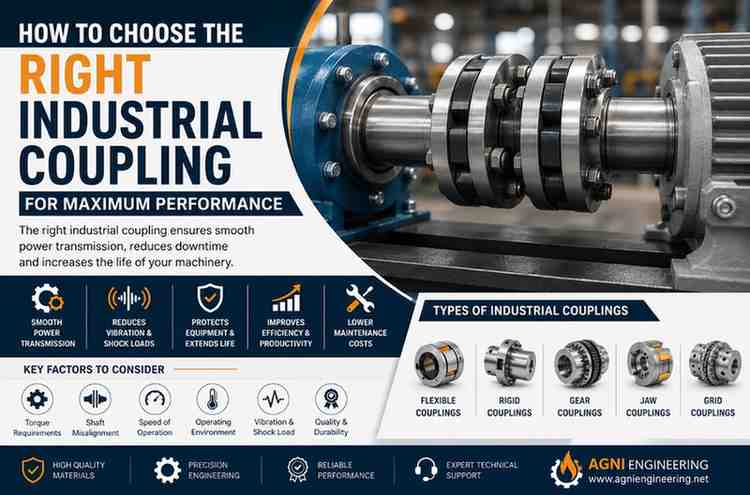
Selecting the correct N-Eupex coupling is one of the most important decisions when designing or maintaining an industrial power transmission system. While a coupling may appear to be a simple mechanical component, choosing the wrong size can result in excessive vibration, shaft misalignment, premature wear, bearing damage, unexpected downtime, and costly repairs.
An accurately sized N-Eupex coupling ensures smooth torque transmission, absorbs shocks, compensates for minor shaft misalignment, and extends the service life of connected machinery.
Whether you operate pumps, compressors, conveyors, mixers, blowers, gearboxes, crushers, or other rotating equipment, understanding the sizing process helps maximize efficiency and reliability.
At Agni Engineering, we manufacture high-quality industrial couplings designed to deliver dependable performance across demanding industrial applications. This guide explains everything you need to know about selecting the correct N-Eupex coupling for your equipment.
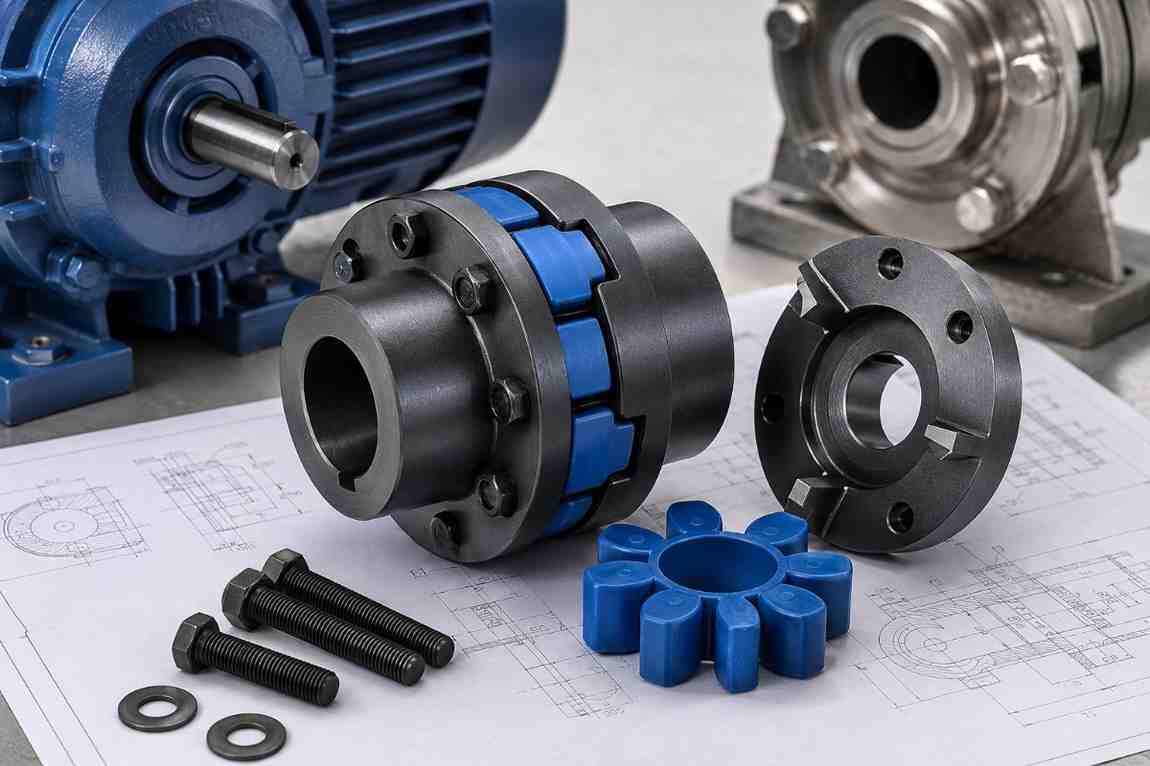
An N-Eupex coupling is a flexible pin-and-bush coupling designed to connect two rotating shafts while transmitting torque efficiently. The flexible rubber elements absorb vibration and impact loads, reducing stress on connected machinery.
Its robust design makes it suitable for applications where equipment experiences fluctuating loads or slight shaft misalignment.
Common industries include:
Many equipment failures occur because the coupling is either undersized or oversized.
An incorrectly selected coupling can cause:
Proper sizing ensures reliable operation and protects expensive machinery.
Torque is the most important factor in coupling selection.
Calculate the torque requirement using:
Torque (Nm) = (9550 × Power in kW) ÷ RPM
Always select a coupling with a torque rating higher than your calculated operating torque. This provides a safety margin during startup and overload conditions.
Know the rated power of your driving equipment.
Examples include:
Higher power generally requires a larger coupling capable of transmitting greater torque safely.
Speed directly affects coupling performance.
High-speed applications require precise balancing and appropriate coupling dimensions to minimize vibration.
Never choose a coupling based only on torque without considering operating speed.
The coupling bore must match the shaft diameter accurately.
Measure:
Improper bore sizing can lead to slippage, poor alignment, or installation difficulties.
Different machines produce different load characteristics.
Examples:
These generally require lower service factors.
Examples:
These need stronger couplings with higher service factors.
Examples:
These demand larger, heavy-duty N-Eupex couplings designed for high-impact conditions.
The service factor accounts for real-world operating conditions.
Consider:
Machines operating continuously or under harsh conditions require a higher service factor.
No rotating system remains perfectly aligned during operation.
An N-Eupex coupling helps compensate for:
However, excessive misalignment should always be corrected through proper installation rather than relying solely on the coupling.
Operating conditions significantly influence coupling life.
Consider:
Choosing materials suitable for the environment improves durability and reduces maintenance.
Record the motor power in kW or HP.
Determine the shaft speed in RPM.
Use the standard torque formula to estimate the required torque.
Measure both driving and driven shafts accurately.
Assess whether the machine experiences light, moderate, or heavy shock loads.
Multiply the calculated torque by the appropriate service factor.
Choose an N-Eupex coupling with torque capacity exceeding the calculated design torque while matching shaft sizes and installation requirements.
Many equipment failures result from avoidable errors.
Avoid these common mistakes:
Proper planning reduces maintenance costs and improves machine reliability.
Watch for these warning signs:
If these issues occur, review the coupling selection and installation.
Proper maintenance increases reliability.
Recommended practices include:
Preventive maintenance helps avoid unexpected downtime.
Agni Engineering is a trusted manufacturer and supplier of industrial power transmission solutions. We offer precision-engineered N-Eupex couplings designed for durability, smooth operation, and reliable torque transmission.
Our strengths include:
Whether you require a coupling for a new installation or a replacement for existing equipment, our experienced team can help you identify the right solution.
It transmits torque between two rotating shafts while absorbing vibration, reducing shock loads, and compensating for minor shaft misalignment.
Start by determining motor power, operating speed, and torque. Then consider shaft diameter, service factor, and load conditions before selecting a coupling with sufficient capacity.
A slightly larger coupling is generally acceptable if it matches the shaft dimensions and operating conditions. However, excessively oversized couplings may increase cost and installation complexity.
Inspection intervals depend on operating conditions, but periodic checks during scheduled maintenance are recommended to detect wear before it leads to failure.
They are widely used in cement plants, mining, steel manufacturing, power generation, chemical processing, paper mills, water treatment facilities, food processing, and material handling systems.
Choosing the correct N-Eupex coupling is not simply about matching shaft sizes—it requires careful evaluation of torque, motor power, operating speed, service factor, load type, and environmental conditions. A properly selected coupling improves power transmission efficiency, minimizes vibration, protects connected equipment, and reduces maintenance costs.
For long-term reliability and expert guidance, partnering with an experienced manufacturer makes all the difference. Agni Engineering provides high-quality N-Eupex couplings engineered to meet the demands of modern industrial applications. With precision manufacturing, dependable performance, and technical expertise, we help businesses select the right coupling solution for safe, efficient, and uninterrupted operation.
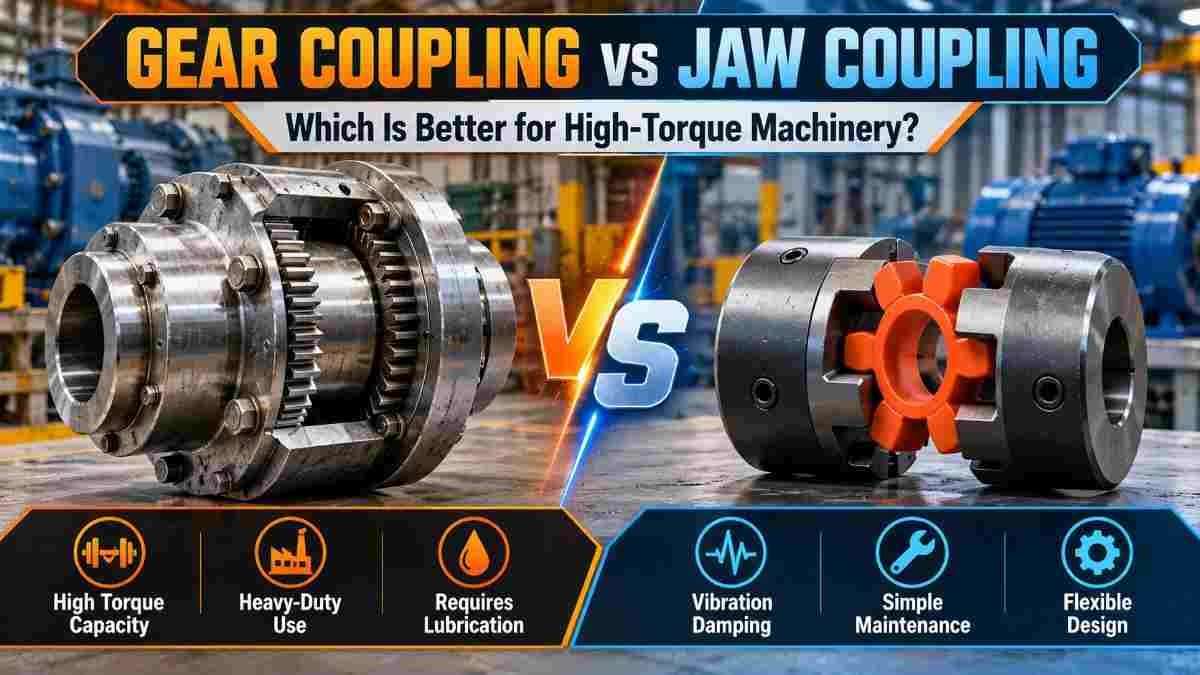
Industrial machinery depends on reliable...
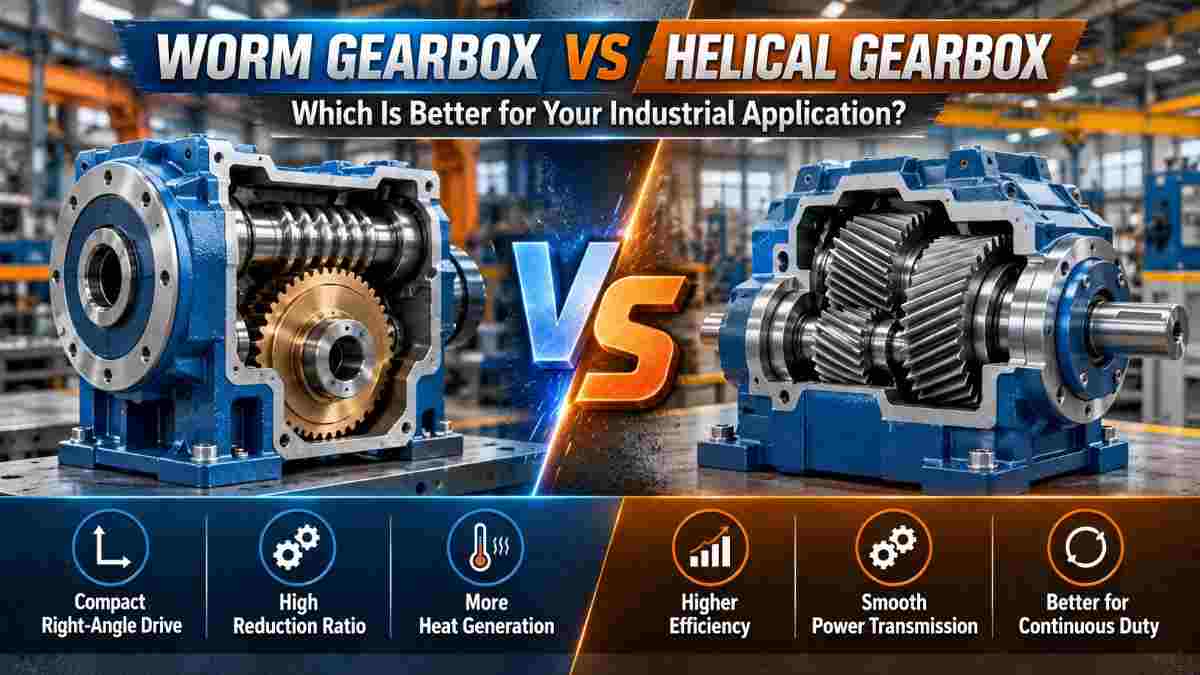
Choosing between a worm gearbox and a he...
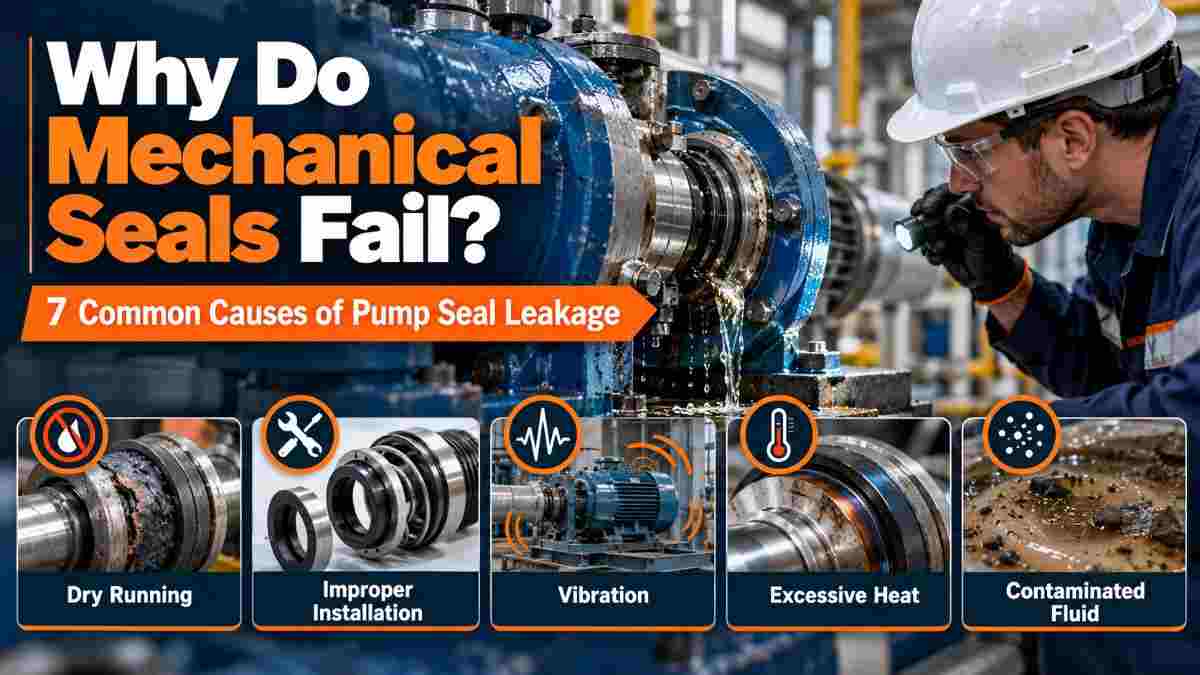
Mechanical seals are essential component...
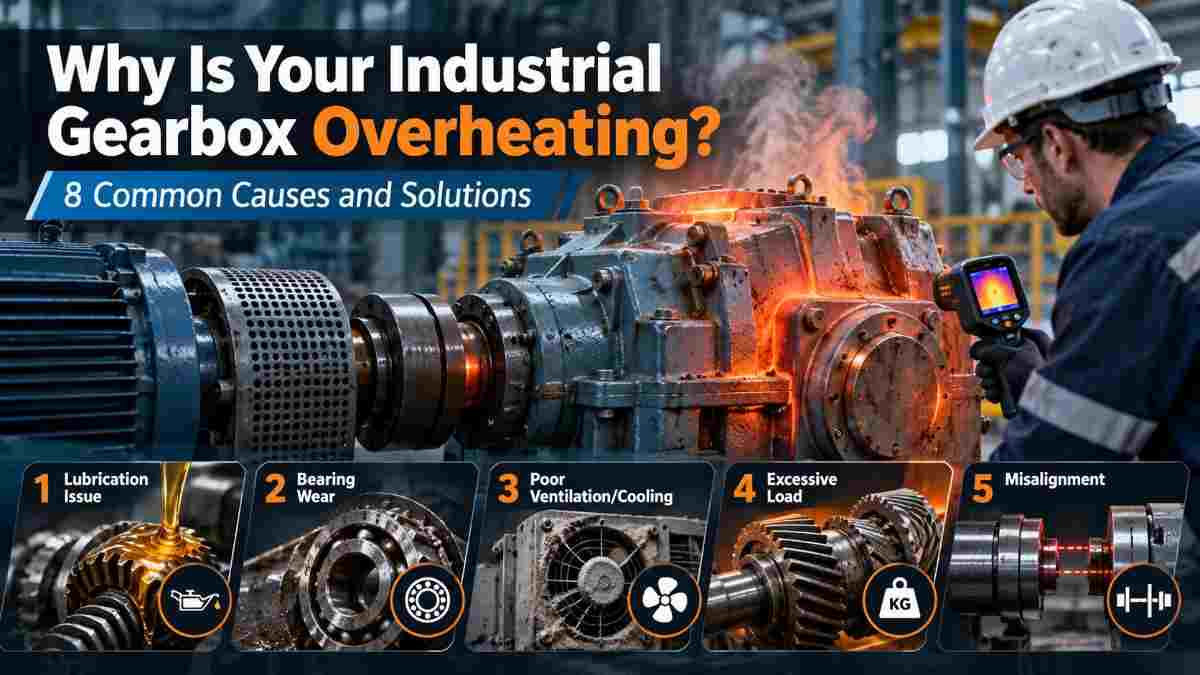
An industrial gearbox naturally generate...
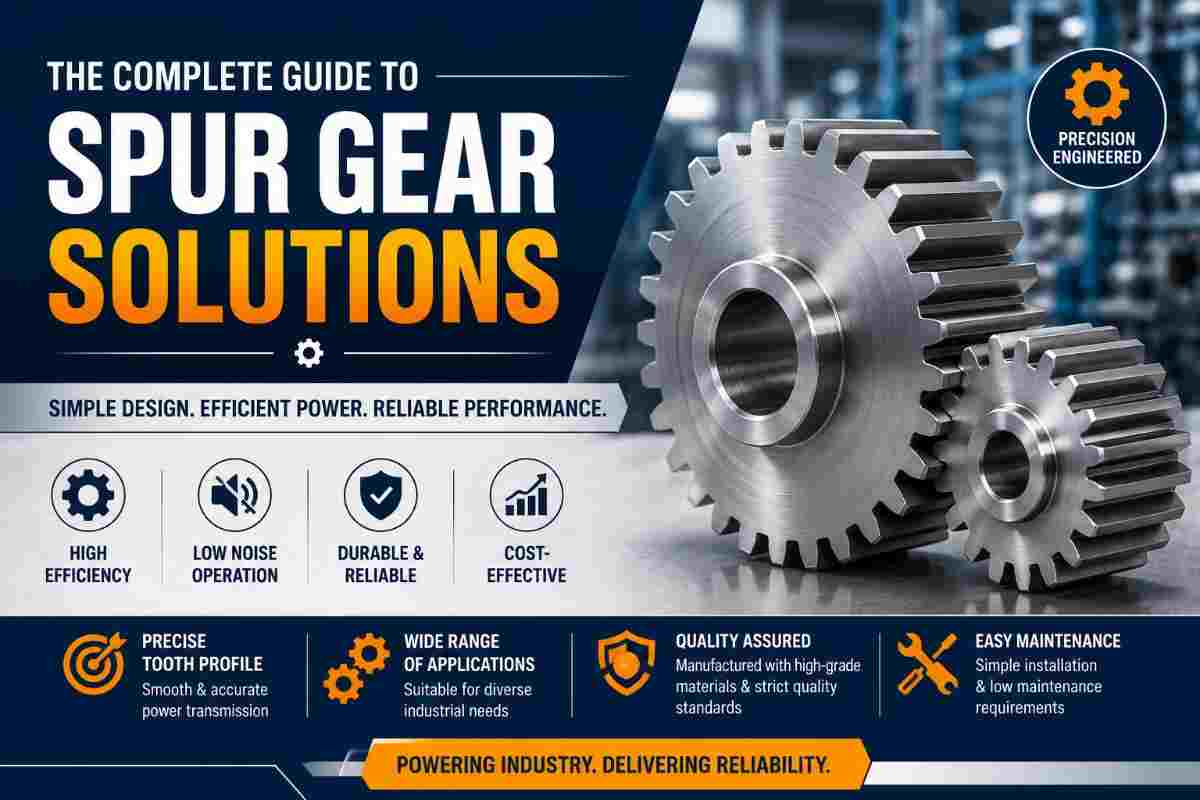
A spur gear is a mechanical gear with st...
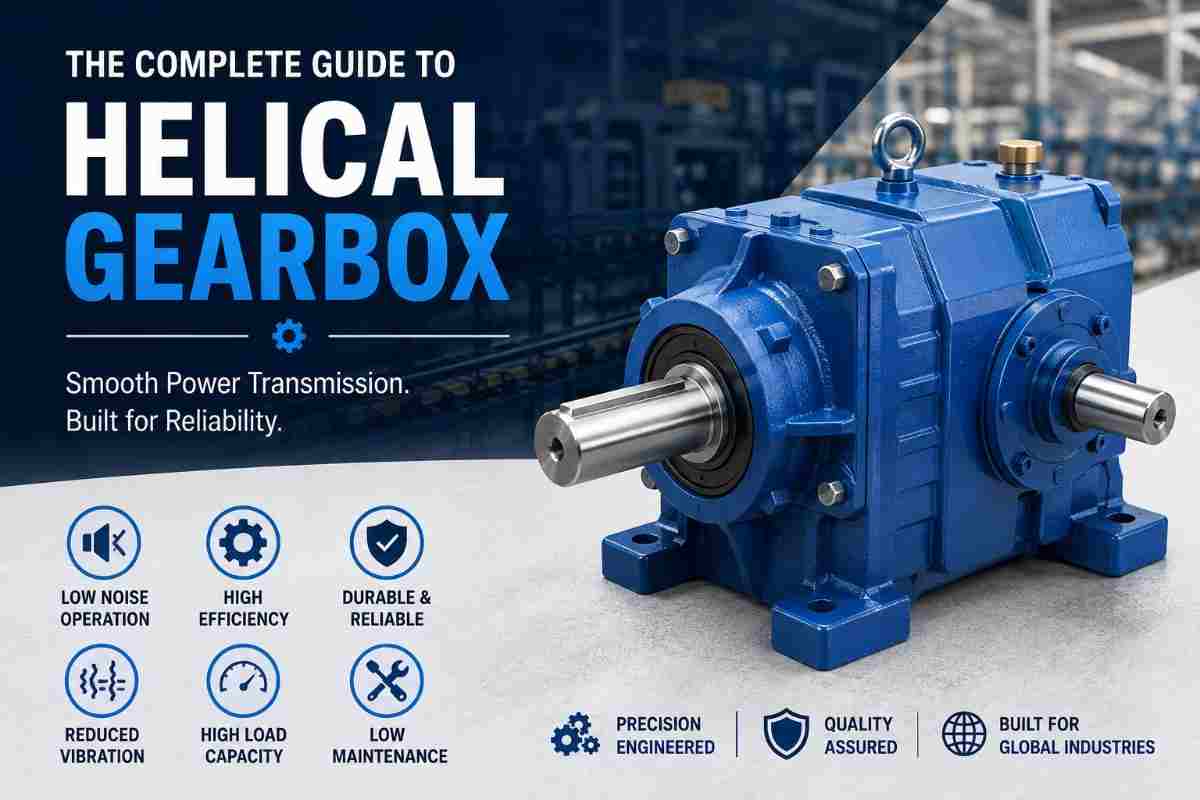
A helical gearbox is a mechanical power ...
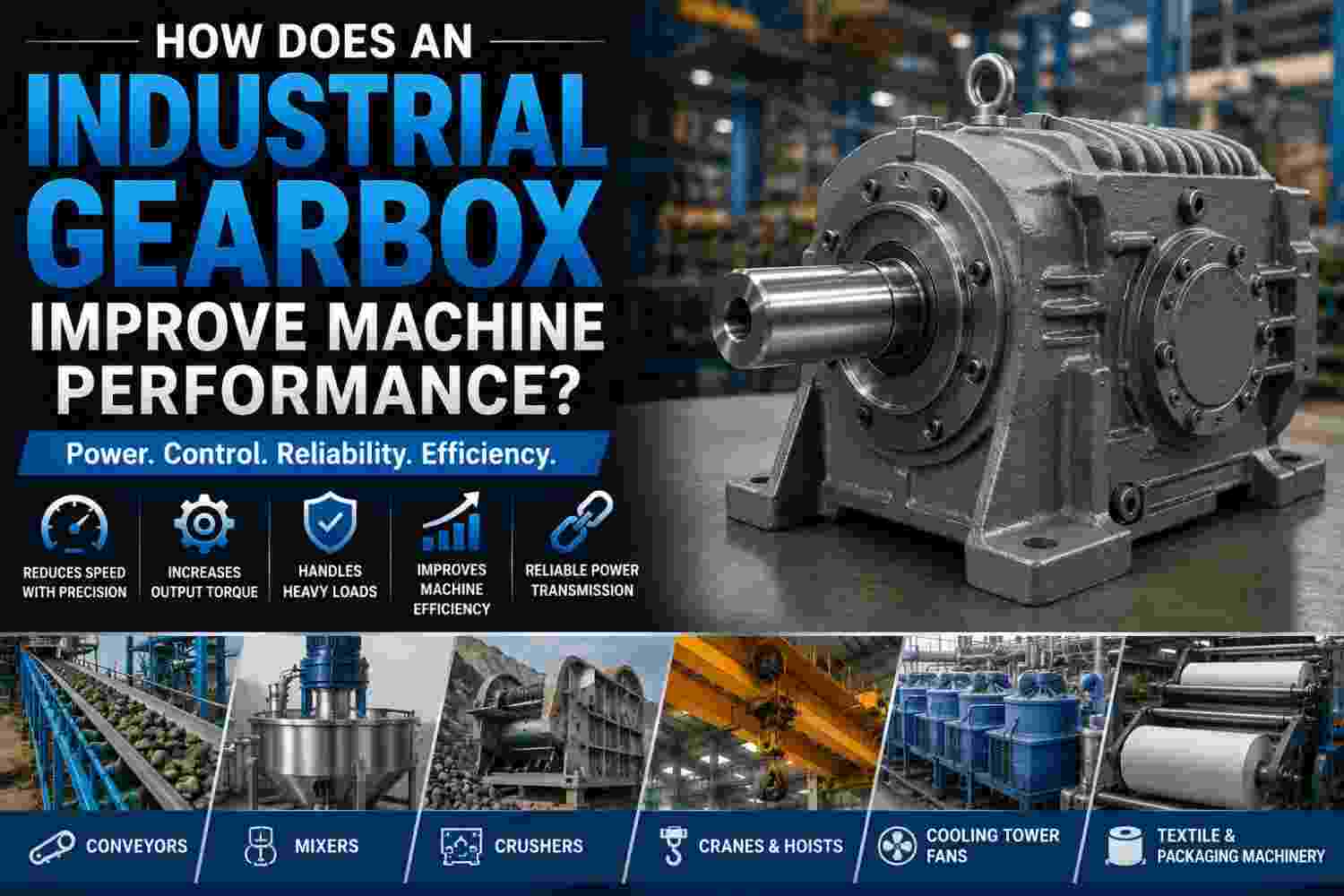
An industrial gearbox improves machine p...
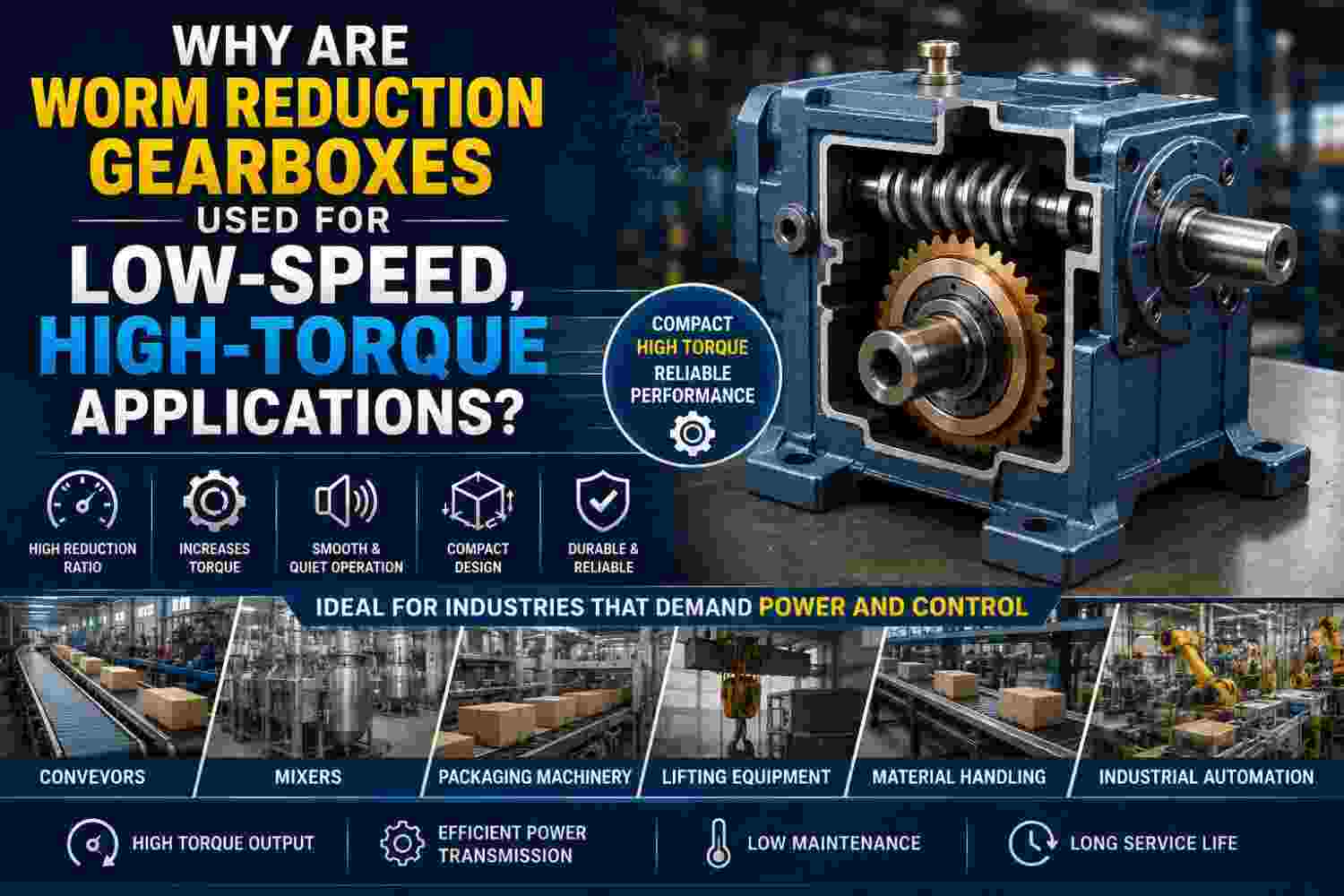
Worm reduction gearboxes are used for lo...
Selecting the correct N-Eupex coupling i...
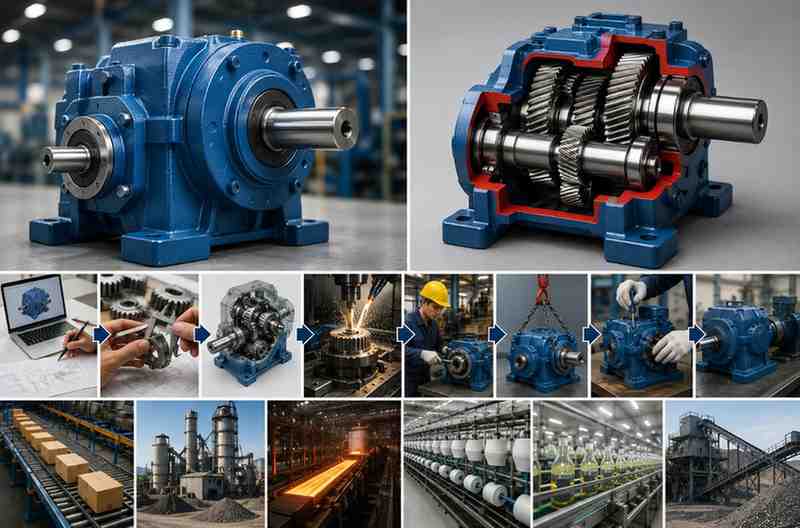
Choosing the right helical gearbox is on...
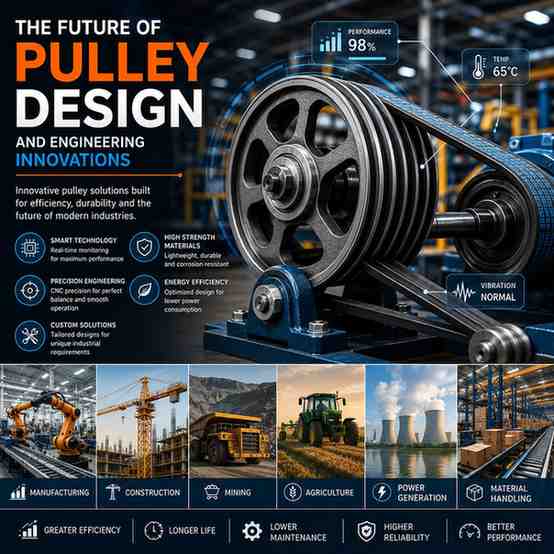
For centuries, pulleys have been one of ...
When people think about industrial pumps...
In industries where material handling is...
In today’s fast-moving industrial envi...
In any industrial setup, even the smalle...
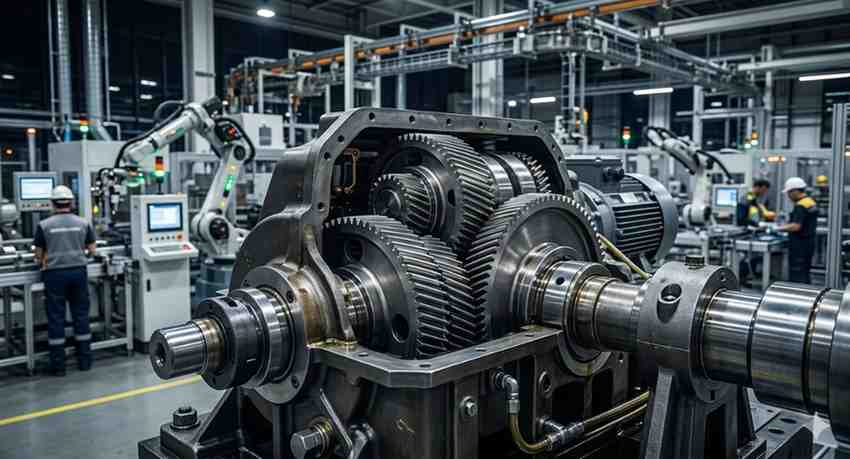
Industrial operations today are becoming...
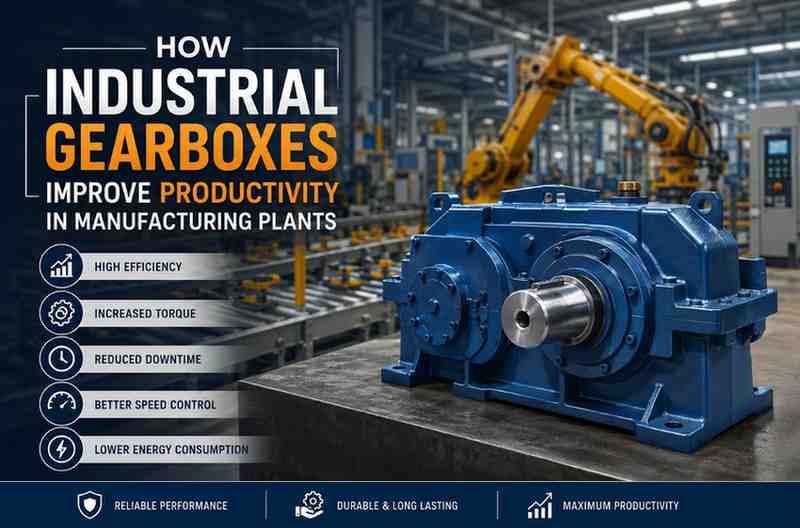
In modern manufacturing plants, efficien...
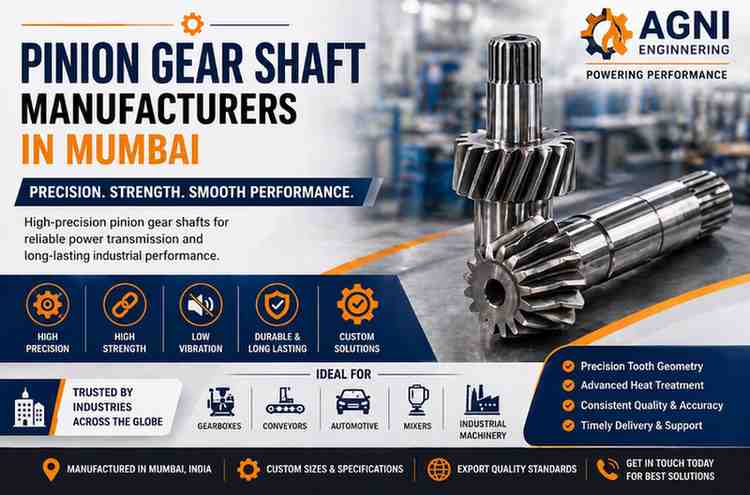
In industrial machinery, every movement ...
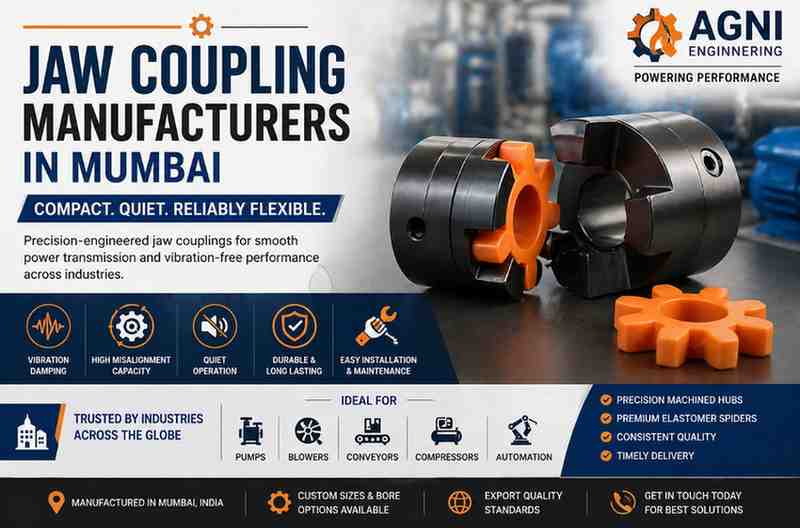
In modern industrial machinery, smooth p...
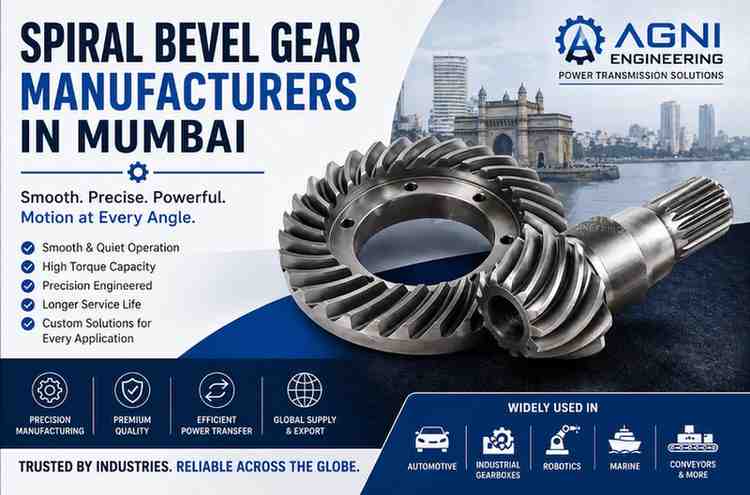
In modern industries, machines rarely wo...
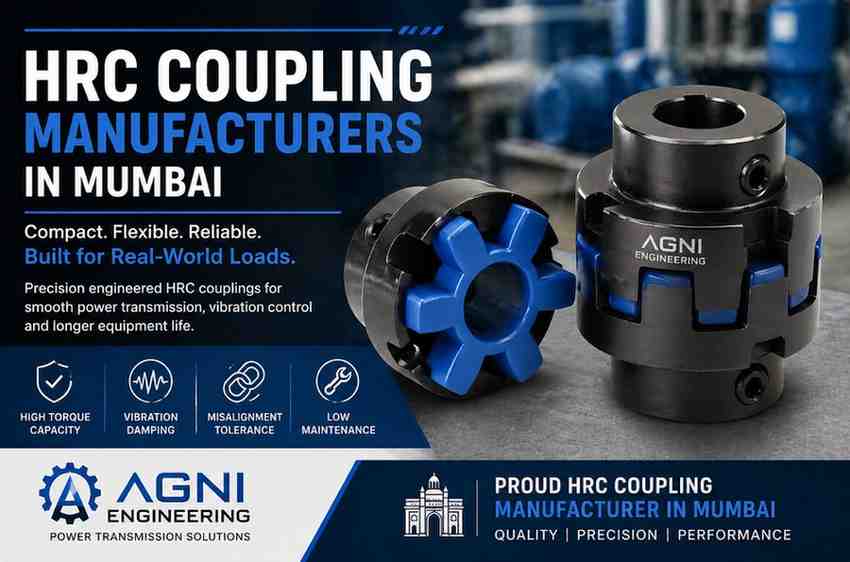
In industrial machinery, smooth power tr...

Machines depend on smooth and steady mot...

In any industrial system, smooth power t...

In many industrial machines, smooth moti...
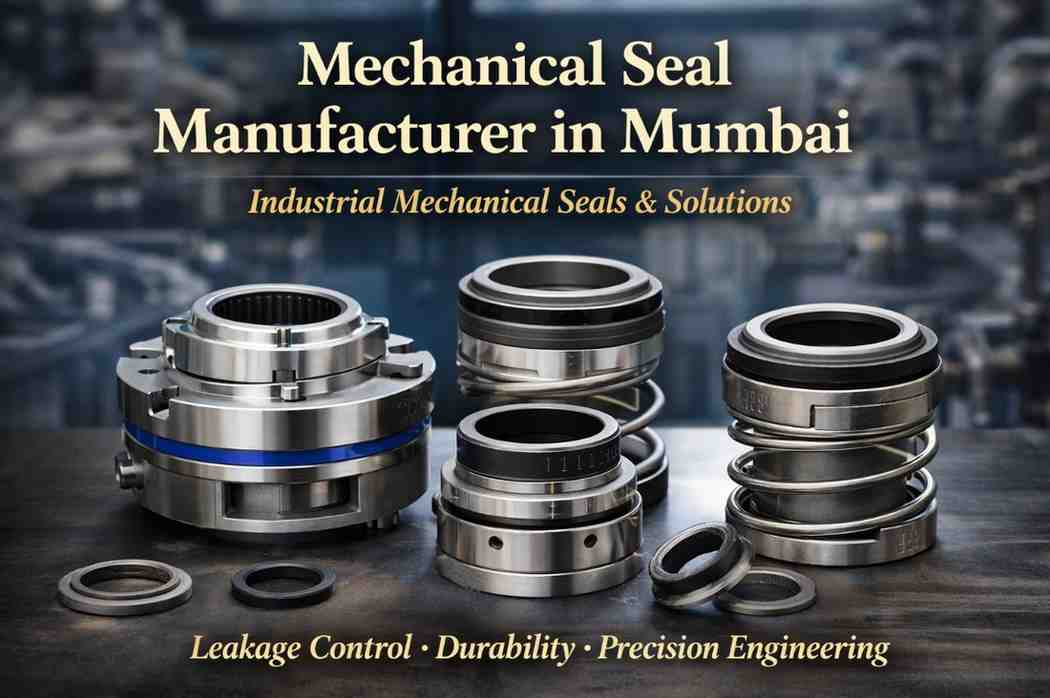
Industrial machines operate under pressu...
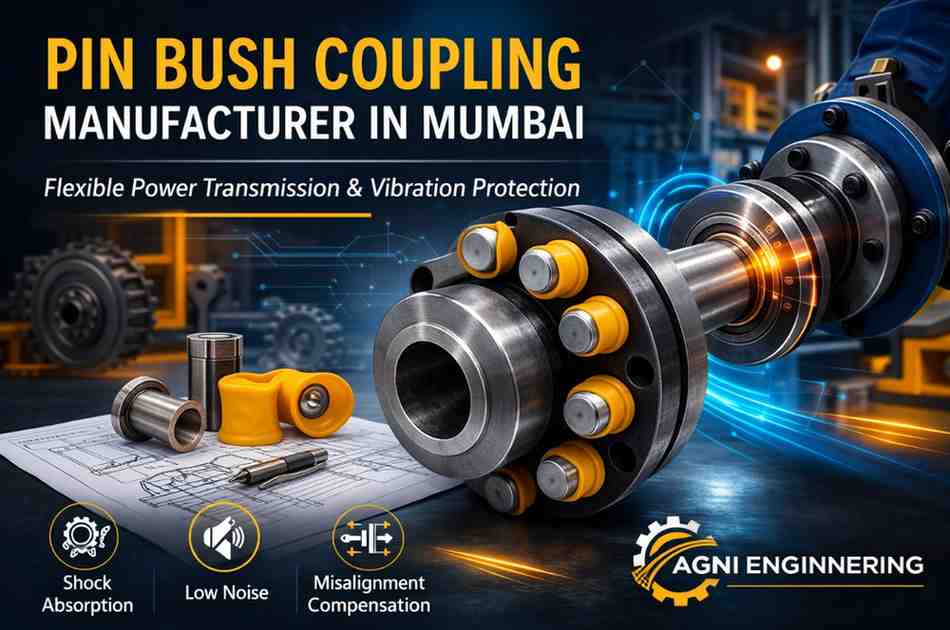
In many industrial machines, vibration, ...
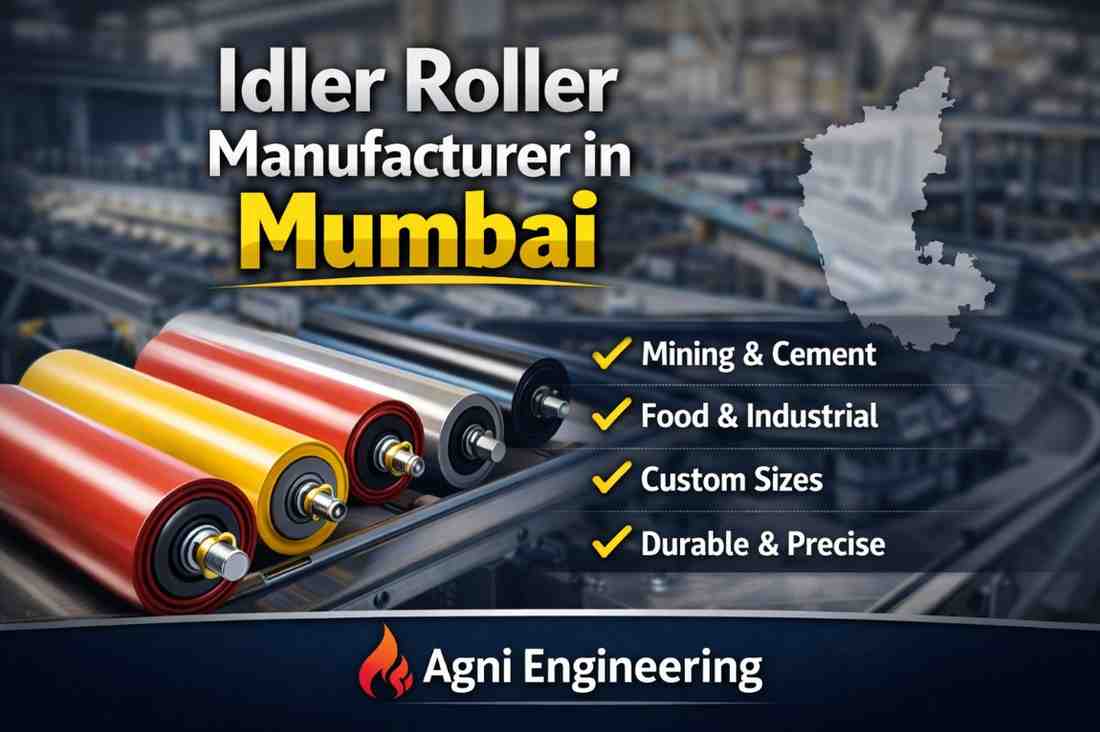
In every conveyor system, rollers play a...
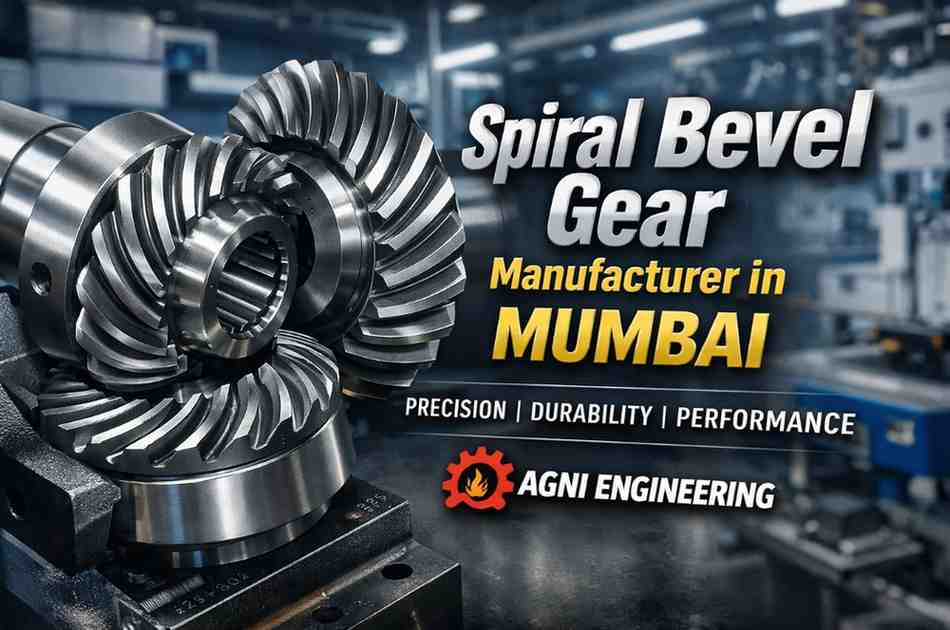
In modern machines, power does not alway...
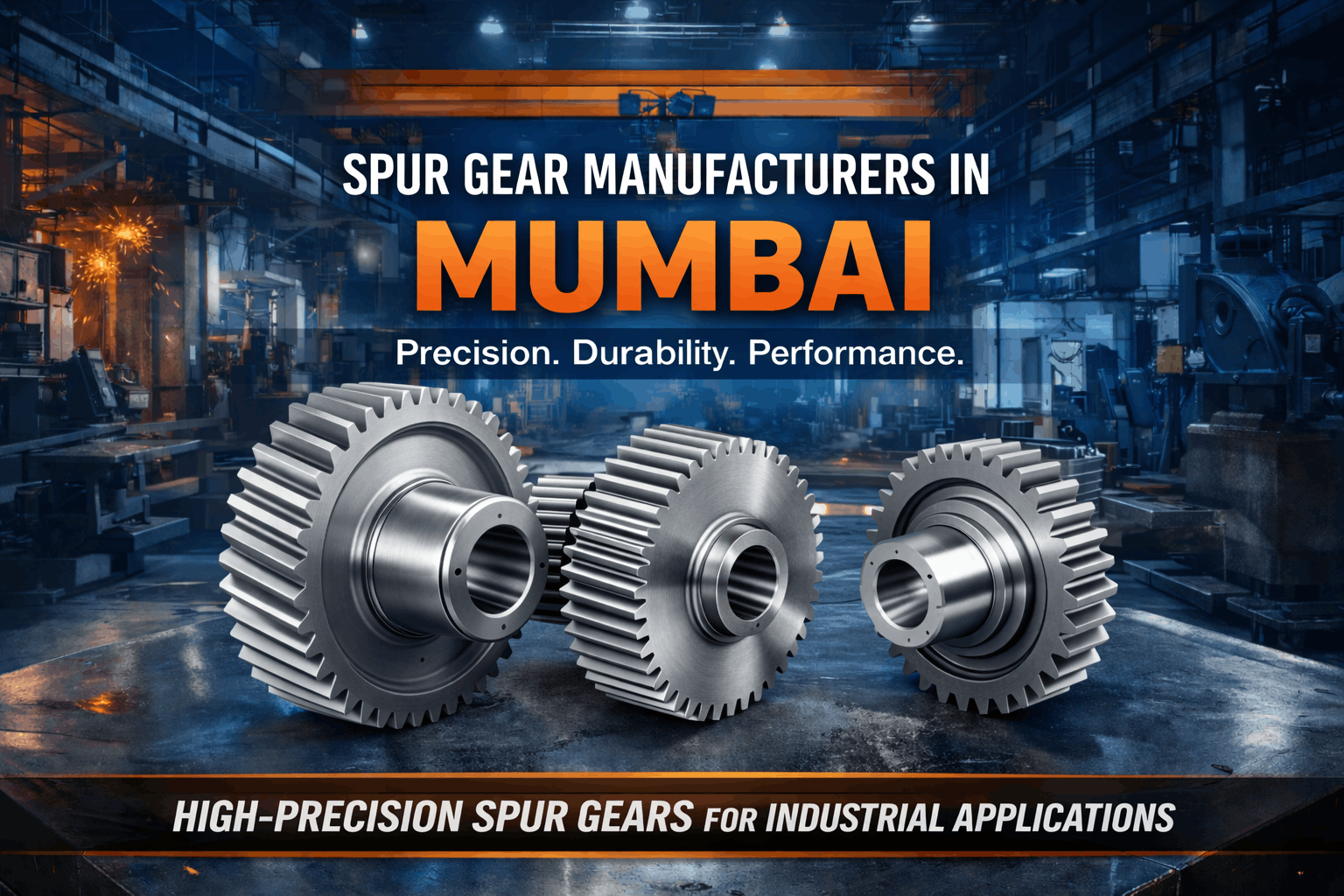
Some mechanical components earn their re...
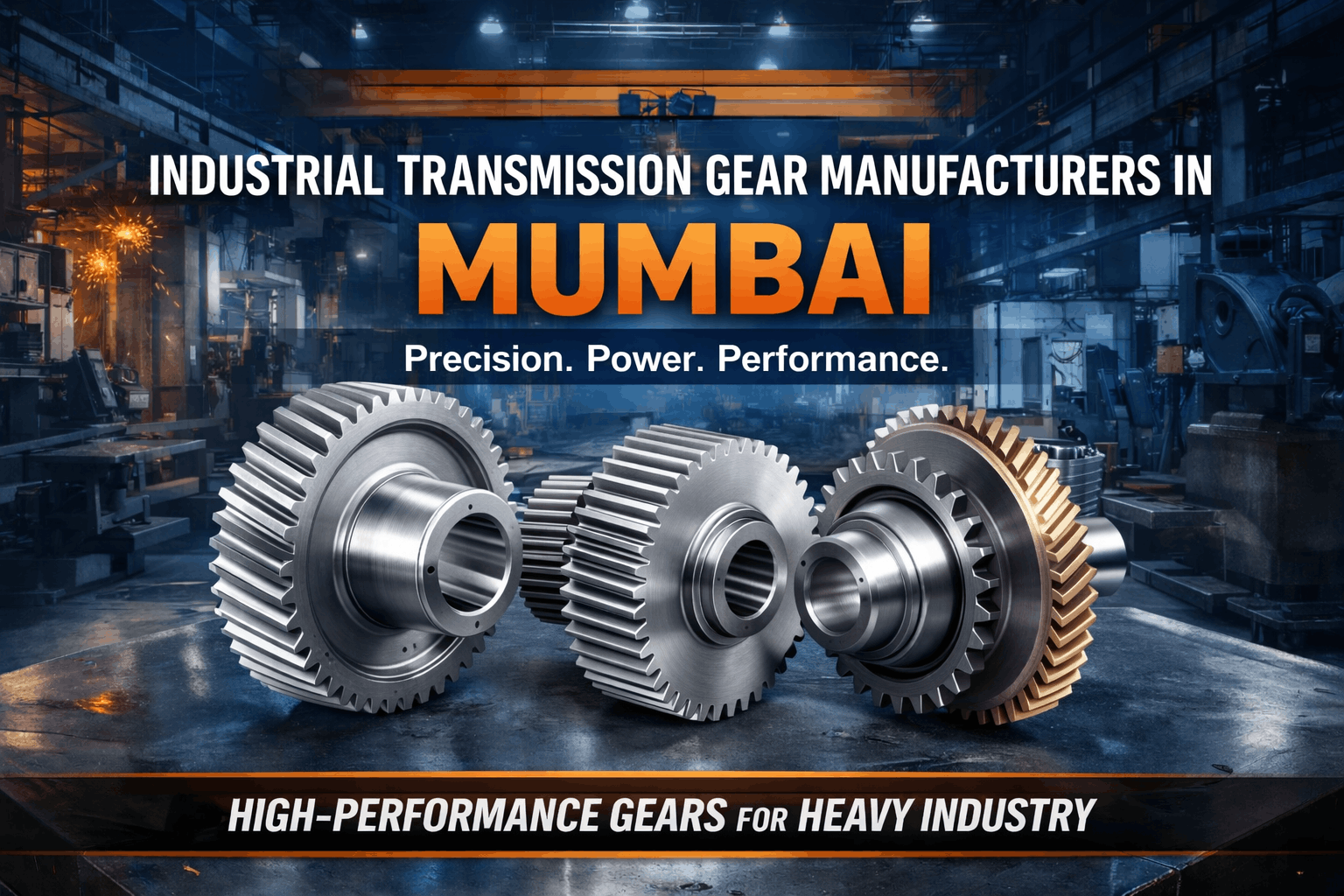
Power transmission begins with a single,...
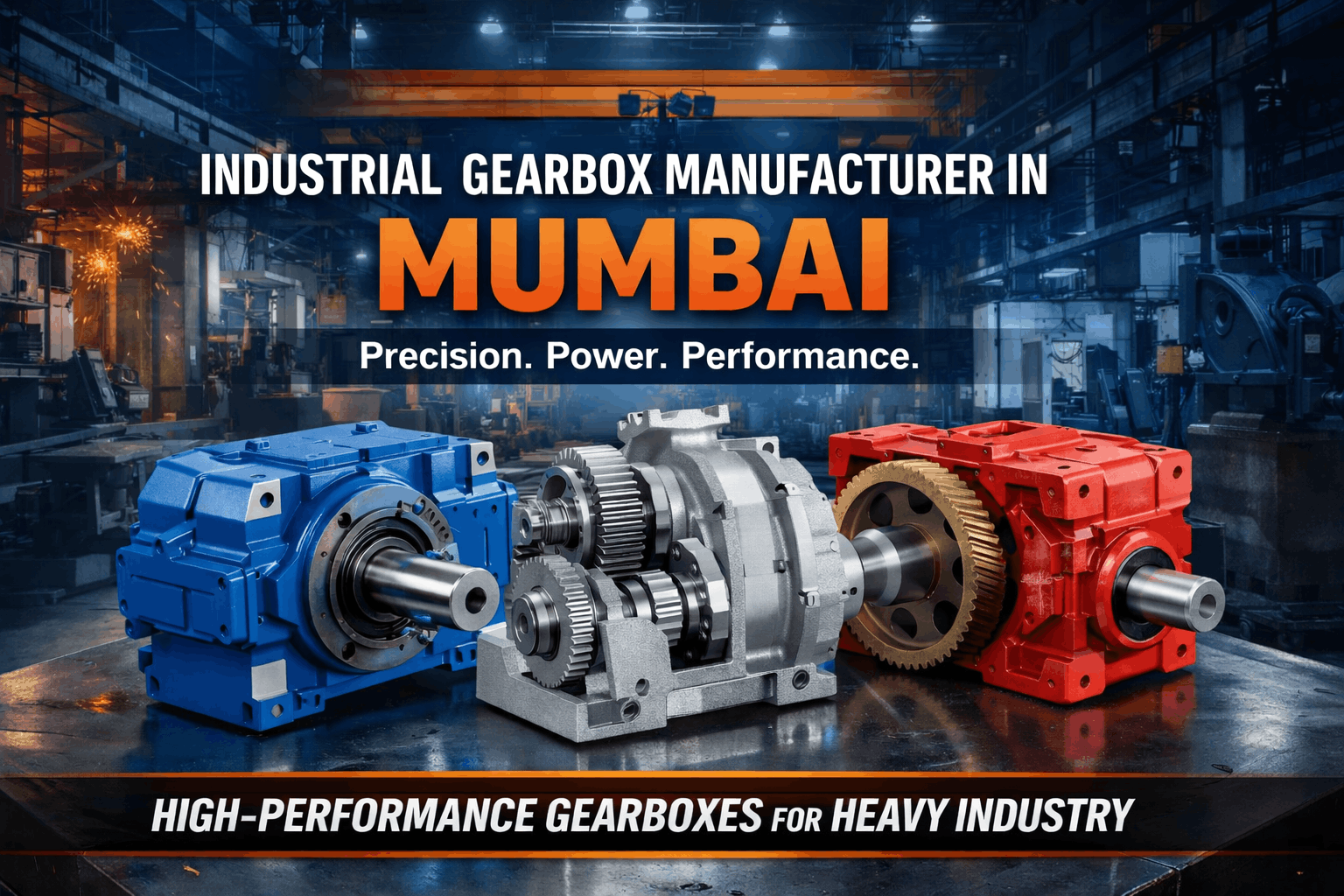
Behind every smooth-running industrial m...

In heavy-duty mechanical systems, power ...

In mechanical systems, reliability often...

In industrial environments where machine...
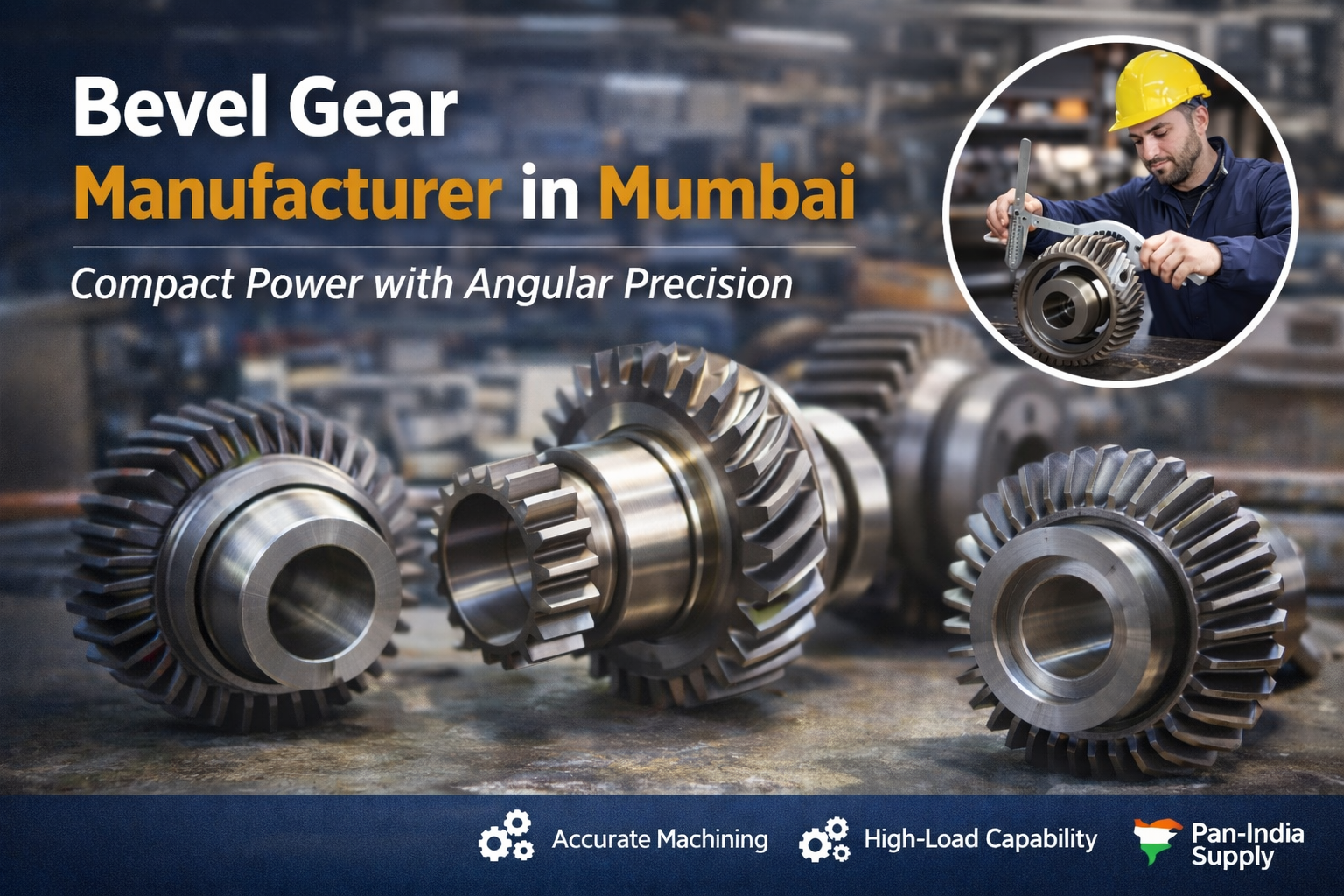
Machines that rely on angular power tran...
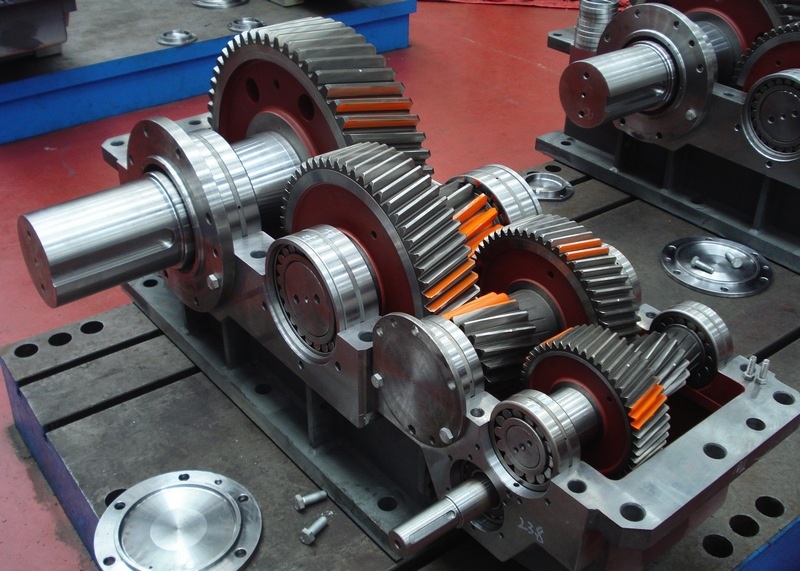
Modern industries run on reliability. Wh...
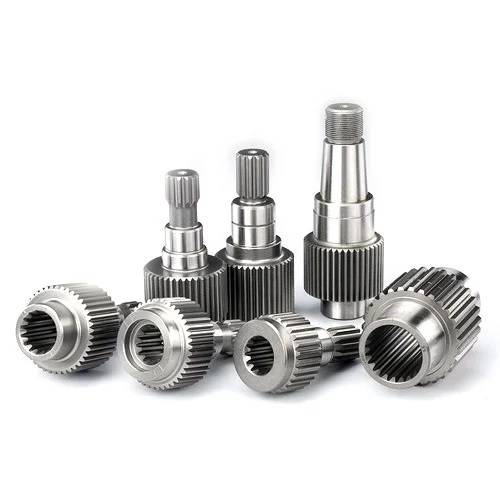
The Pinion Gear Shaft Manufacturers in M...
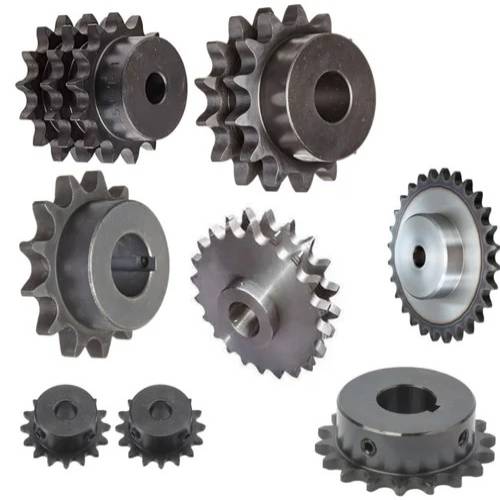
...
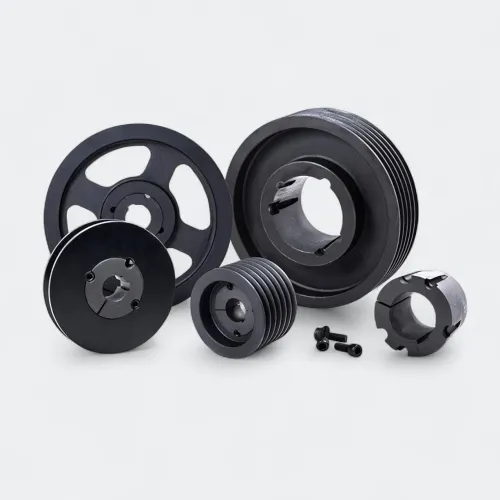
When machines need dependable power, smo...
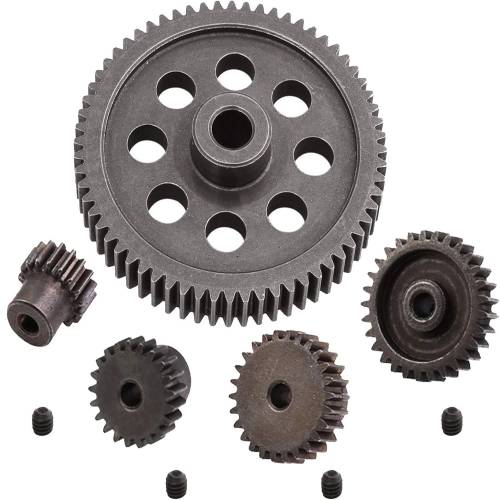
The Spur Gear Manufacturers in Mumbai ar...
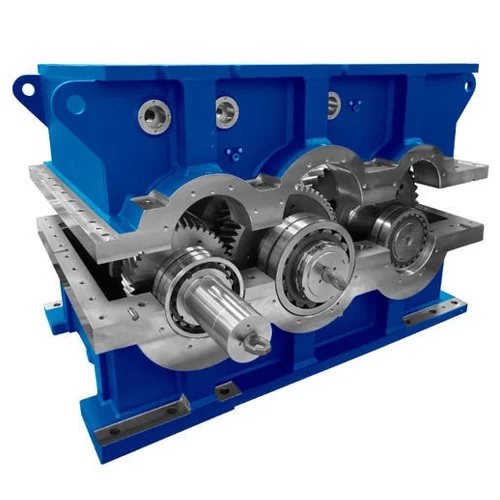
The Gearbox Manufacturers in Mumbai play...
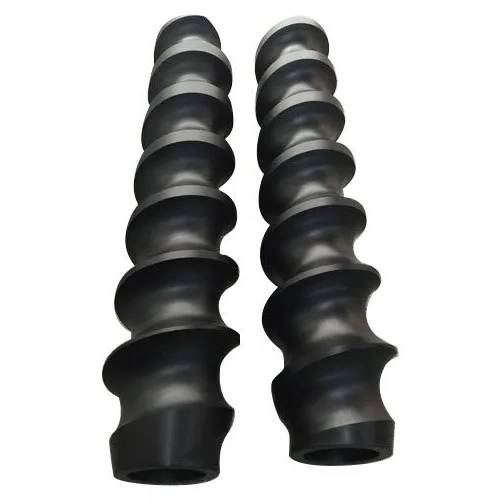
When precision meets performance, indust...
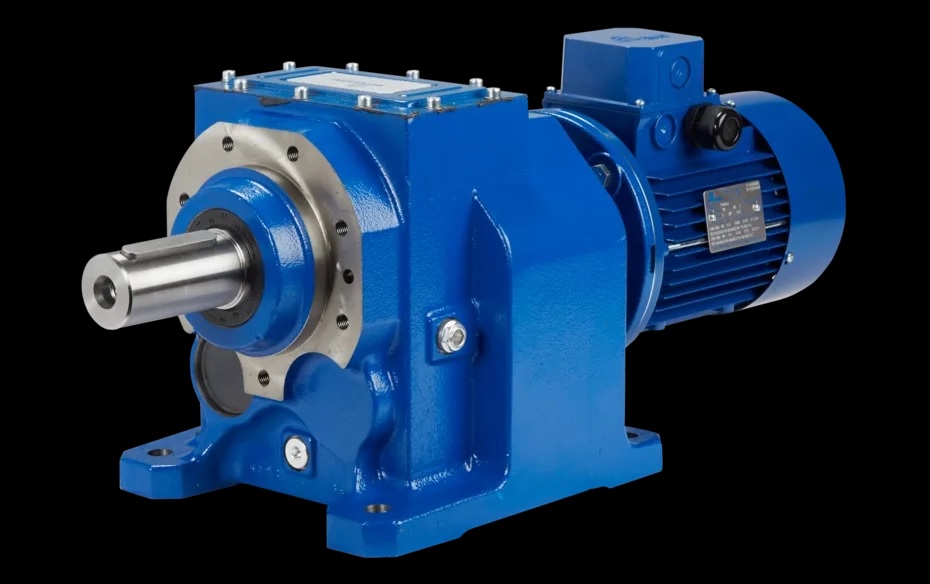
In the modern industrial world, precisio...
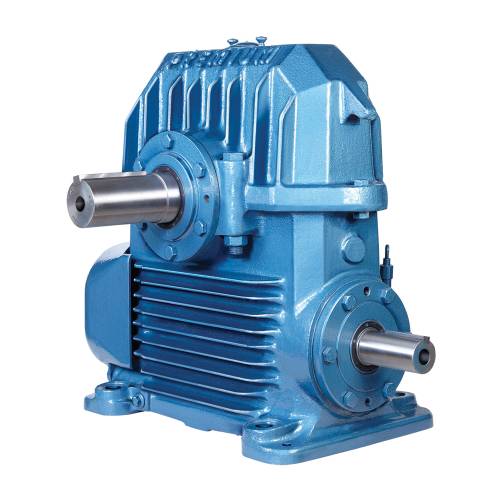
In today’s fast-paced industrial world...
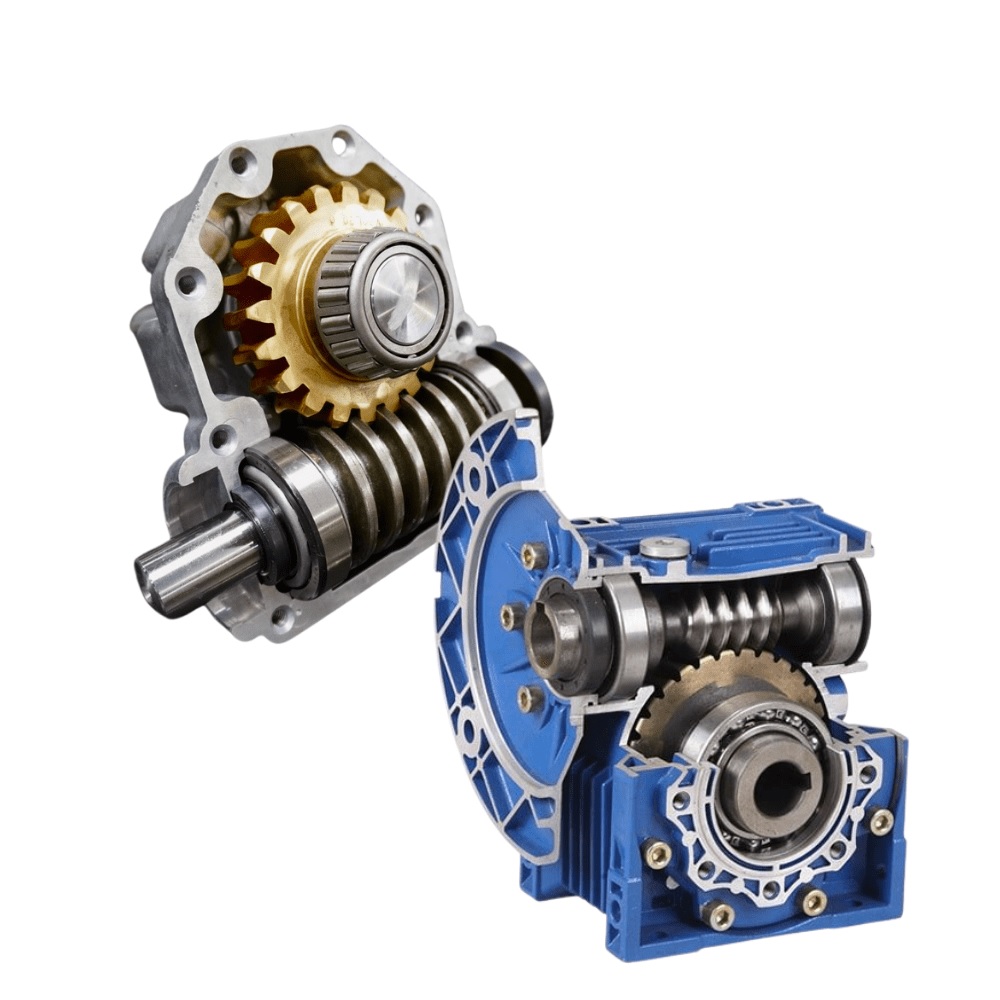
When it comes to advanced power transmis...
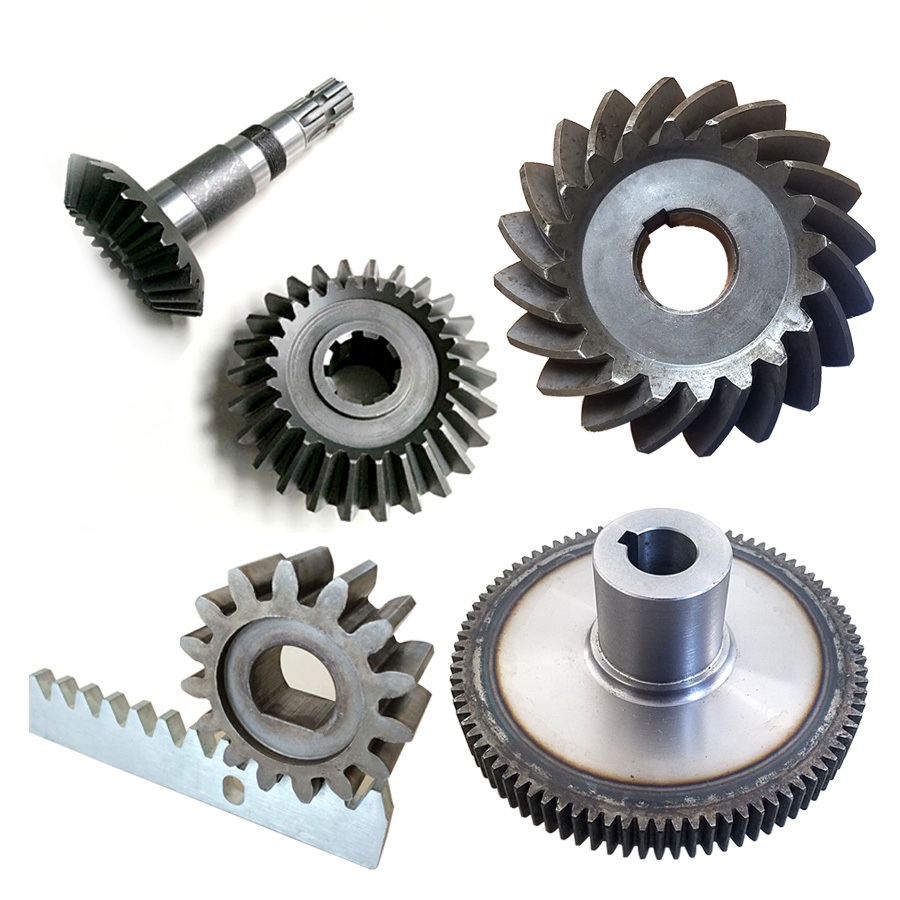
In the world of modern engineering, Indu...
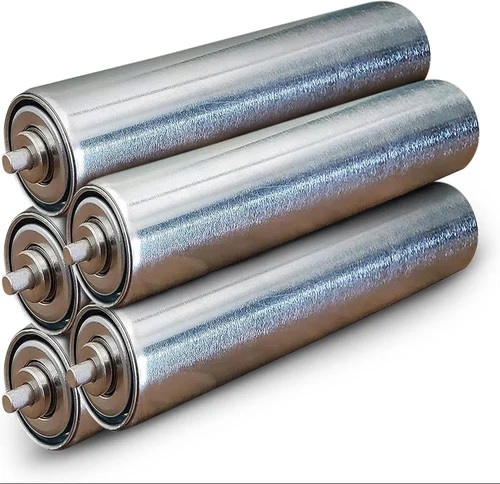
In the world of material handling and co...
