

An industrial gearbox naturally generates heat during operation. However, when the temperature rises beyond the manufacturer's recommended operating limits, it can indicate lubrication problems, excessive loading, mechanical wear, or inadequate cooling.
Ignoring industrial gearbox overheating can lead to lubricant degradation, damaged bearings, premature gear wear, seal failure, and unplanned equipment downtime.
The most common causes include incorrect lubrication, excessive load, shaft misalignment, damaged bearings, poor ventilation, contaminated oil, worn gear teeth, and improper installation.
Identifying the actual cause is important because simply adding more oil or improving ventilation will not solve every overheating problem.
This guide explains eight common causes of gearbox overheating, how to identify warning signs, and what maintenance teams should check before selecting a corrective action.
An industrial gearbox overheats when the heat generated during power transmission exceeds its ability to dissipate that heat safely.
Heat is produced by friction between gear teeth, bearings, seals, and other moving components. Under normal operating conditions, the gearbox housing, lubricant, and cooling arrangement help maintain an acceptable operating temperature.
When friction increases or heat dissipation becomes insufficient, the operating temperature may rise beyond the equipment's design limits.
Common contributing factors include:
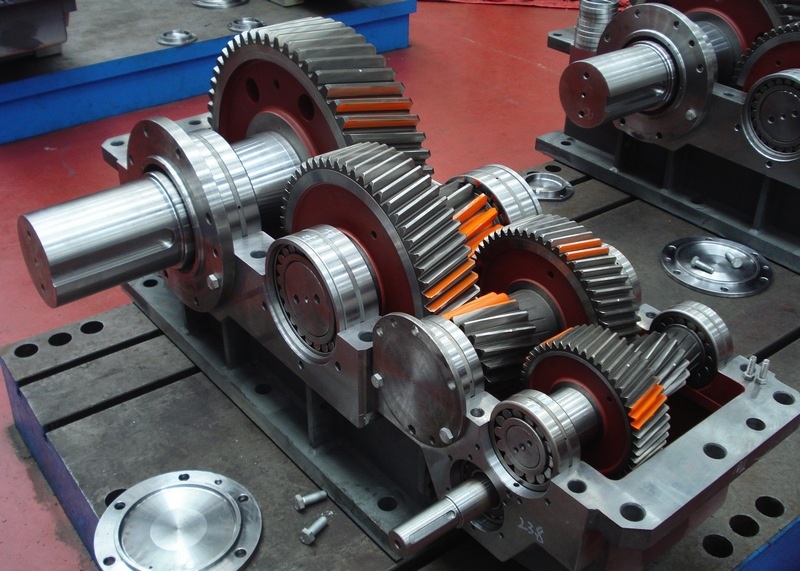
The design and operating characteristics of an industrial gearbox also influence how much heat it generates and how effectively that heat is removed.
Different gearbox problems can produce similar temperature increases. Identifying the accompanying symptoms helps narrow down the possible causes.
Yes. Incorrect lubrication is a common cause of excessive gearbox temperature.
Gearbox oil reduces friction between moving components and helps transfer heat away from gears and bearings.
If the lubricant level is too low, internal components may not receive adequate lubrication. This can increase friction, accelerate wear, and generate excessive heat.
Overfilling can also cause overheating because gears moving through excessive oil create additional churning losses.
Another problem occurs when the lubricant viscosity does not match the gearbox manufacturer's requirements.
Oil that is too thin may fail to maintain a suitable lubricating film, while oil that is unnecessarily thick can increase mechanical resistance.
How to identify the problem:
Recommended solution: Check the oil level using the procedure specified for the gearbox and mounting position. Confirm the recommended lubricant type, viscosity, and replacement interval. Do not add or change oil while the machine is operating unless the manufacturer has approved a specific procedure.
Every industrial gearbox is designed to operate within specified torque, speed, and duty limits.
When machinery places more load on the gearbox than it is designed to handle, mechanical losses and internal stresses may increase.
Excessive loading can result from:
For example, a conveyor gearbox selected for one operating capacity may experience additional stress if the conveyor load is increased significantly.
Recommended solution: Compare the actual operating torque, speed, and duty cycle with the gearbox specifications. If the application consistently exceeds its rated capacity, consult a qualified engineer about reducing the load or selecting a properly rated gearbox.
Misalignment between a gearbox, motor, and driven machine can create additional forces on shafts, bearings, and couplings.
These forces increase mechanical stress and can contribute to friction, vibration, and excessive temperature.
Common causes of misalignment include:
Misalignment may also reduce bearing service life and accelerate coupling wear.
Recommended solution: Verify shaft and coupling alignment using appropriate measurement equipment. Inspect the machine foundation, mounting condition, and coupling arrangement before making adjustments.
Choosing a suitable industrial coupling is also important because different coupling designs have different torque capacities and allowable misalignment limits.
Bearings support rotating gearbox shafts and allow them to operate with controlled friction.
When bearings become worn, damaged, improperly lubricated, or incorrectly loaded, friction and localized temperatures may increase.
Common bearing-related warning signs include:
A temperature increase near one bearing location can be particularly useful when investigating a developing mechanical problem.
Recommended solution: Compare bearing temperatures and vibration readings with previous measurements. If damage is suspected, follow the equipment shutdown and inspection procedure and have qualified maintenance personnel assess the bearing condition.
Industrial gearboxes release heat through their housings and, where installed, cooling fans or oil-cooling systems.
If the surrounding airflow is restricted, heat may accumulate even when the gearbox is operating within its mechanical load limits.
Ventilation problems may occur because of:
Gearboxes installed near furnaces, boilers, or other heat-generating equipment may be especially affected by elevated ambient temperatures.
Recommended solution: Inspect the surrounding ventilation and clean accessible cooling surfaces after safely isolating the equipment. Verify that installed fans, pumps, and oil coolers are functioning according to their specifications.
Yes. Lubricating oil can become contaminated by dust, water, metal particles, and other substances during operation.
Contamination can damage lubricated surfaces, interfere with oil performance, and contribute to additional friction and wear.
Common contamination sources include:
Some forms of contamination may not be visible during a basic inspection.
Recommended solution: Inspect oil condition and carry out lubricant analysis where appropriate. Replace contaminated lubricant according to the manufacturer's procedure and identify the source of contamination before returning the gearbox to normal service.
Gear teeth transmit mechanical power through controlled contact between meshing surfaces.
When these surfaces develop pitting, scuffing, excessive wear, or other damage, the contact conditions may deteriorate.
This can increase friction, generate vibration, and contribute to higher operating temperatures.
Possible warning signs include:
Gear tooth damage can develop because of inadequate lubrication, excessive loads, contamination, or manufacturing and alignment problems.
Recommended solution: Arrange an internal inspection when gear damage is suspected. Damaged components may require repair or replacement, depending on the severity and the manufacturer's recommendations.
Incorrect installation can create mechanical stresses and lubrication problems even when the gearbox itself is correctly specified.
Installation-related problems may include:
Some gearboxes require different lubrication arrangements depending on whether they are installed horizontally, vertically, or at another approved orientation.
Recommended solution: Review the manufacturer's installation instructions, verify the mounting arrangement, and check the gearbox's alignment, lubrication, and supporting structure.
Maintenance teams can use operating symptoms to identify the most likely areas requiring inspection.
| Observed Symptom | Possible Cause | Recommended Check |
|---|---|---|
| Temperature rises after an oil change | Incorrect lubricant or oil level | Verify viscosity, lubricant specification, and fill level |
| Gearbox becomes hotter under increased production load | Excessive torque or insufficient thermal capacity | Compare actual operating load with gearbox ratings |
| High temperature with unusual vibration | Misalignment or mechanical wear | Check alignment, vibration, and bearing condition |
| One bearing location becomes unusually hot | Bearing damage or lubrication problem | Inspect bearing condition and lubrication |
| Temperature increases in hot weather | Insufficient cooling or high ambient temperature | Check airflow and cooling system operation |
| Oil appears contaminated | Water, debris, or lubricant degradation | Inspect and analyze lubricant condition |
| High temperature with grinding noises | Gear tooth or bearing damage | Arrange mechanical inspection |
| Overheating begins after installation | Incorrect mounting, alignment, or lubrication setup | Review installation and commissioning records |
These symptoms are diagnostic clues rather than definitive proof of a particular failure. Several problems can occur simultaneously, so the complete operating condition should be evaluated.
There is no single normal operating temperature that applies to every industrial gearbox.
Acceptable temperatures depend on the gearbox design, lubricant type, load, speed, ambient conditions, and cooling arrangement.
For example, the operating characteristics of a helical gearbox may differ from those of a worm reduction gearbox because their gear engagement methods and mechanical efficiencies are different.
Worm gearboxes can generate significant heat because of the sliding contact between the worm and worm wheel, although actual performance depends on the design and operating conditions.
To determine whether a gearbox is overheating:
A stable surface temperature should not automatically be compared with an oil-temperature limit because these measurements represent different conditions.
A sudden or unexplained temperature increase should be investigated, even when the measured value appears to be within a commonly reported operating range.
A structured inspection process helps maintenance teams identify the problem without making unnecessary adjustments.
Maintenance inspections should be performed by qualified personnel using appropriate isolation and lockout procedures. Do not open guards, approach rotating couplings, or remove gearbox components while machinery is operating.
Preventive maintenance helps identify developing problems before they cause major equipment failures.
Important practices include:
Maintenance frequency should be based on the gearbox manufacturer's instructions, operating conditions, equipment criticality, and maintenance history.
Not every overheating problem requires gearbox replacement.
Some issues can be corrected through lubrication maintenance, alignment adjustments, improved cooling, or replacement of individual components.
However, repair or replacement may become necessary when:
Before replacing a gearbox, verify the required output torque, reduction ratio, input speed, mounting arrangement, duty cycle, and operating environment.
A replacement selected only by matching the physical dimensions of the old gearbox may not provide the correct mechanical or thermal capacity.
A temperature increase after an oil change may indicate incorrect lubricant viscosity, an unsuitable lubricant formulation, or an incorrect oil level. Verify the lubricant specifications and filling procedure before investigating other possible causes.
Yes. Excessive oil can increase churning losses and contribute to higher operating temperatures. The correct oil level depends on the gearbox design and mounting position.
Worm gearboxes can generate considerable heat because of sliding friction between the worm and worm wheel. However, the actual operating temperature must remain within the manufacturer's specified limits.
Yes. Problems such as inadequate cooling, incorrect lubricant viscosity, excessive load, or high ambient temperature may cause overheating without immediately producing unusual noise.
Excessive heat can reduce lubricant effectiveness and accelerate bearing deterioration. Bearing problems can also create additional heat, so temperature changes should be investigated alongside vibration and lubrication condition.
Oil replacement intervals depend on the lubricant, gearbox design, operating temperature, environment, and manufacturer recommendations. Critical equipment may benefit from oil condition monitoring to determine appropriate maintenance intervals.
Industrial gearbox overheating is a warning sign that should not be ignored. Lubrication problems, excessive loading, misalignment, bearing damage, and inadequate cooling are among the common causes.
The most effective solution is to identify the underlying problem instead of treating temperature as an isolated issue.
Regular inspections, correct lubrication, alignment checks, and monitoring of operating conditions can help reduce unexpected failures and extend equipment service life.
Agni Engineering offers industrial gearboxes, including helical and worm reduction gearbox solutions, for different power transmission requirements.
When selecting a new or replacement gearbox, evaluate torque, speed, duty cycle, operating temperature, mounting arrangement, and application requirements to ensure reliable performance over the long term.
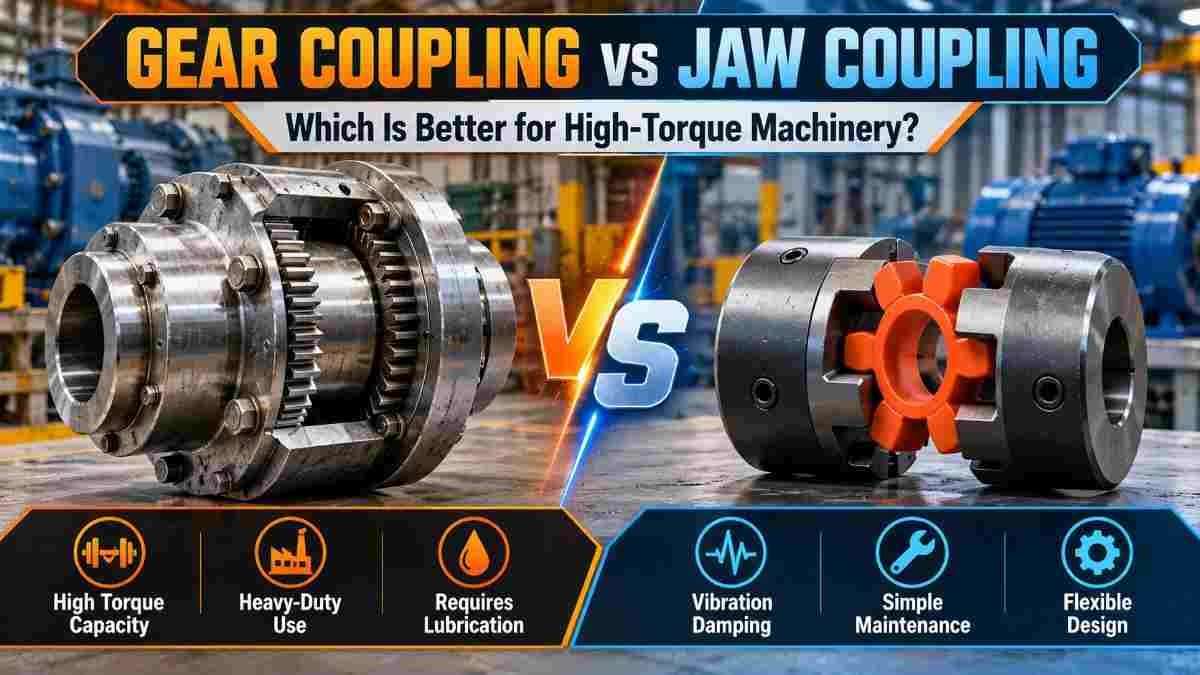
Industrial machinery depends on reliable...
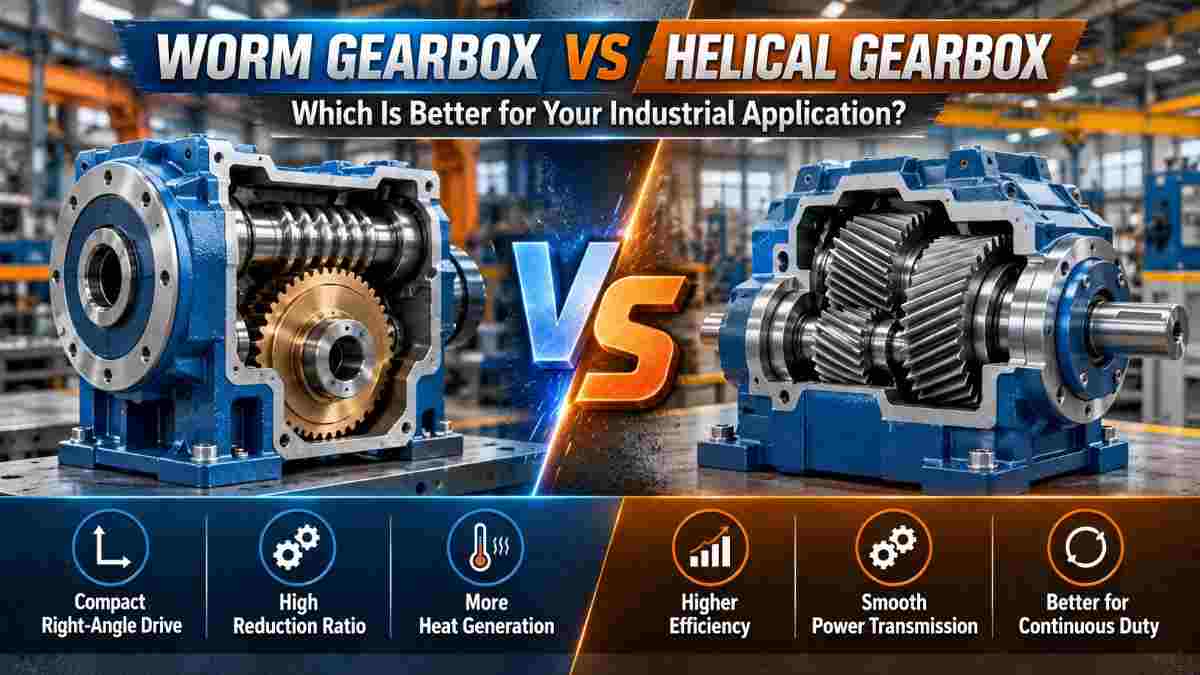
Choosing between a worm gearbox and a he...
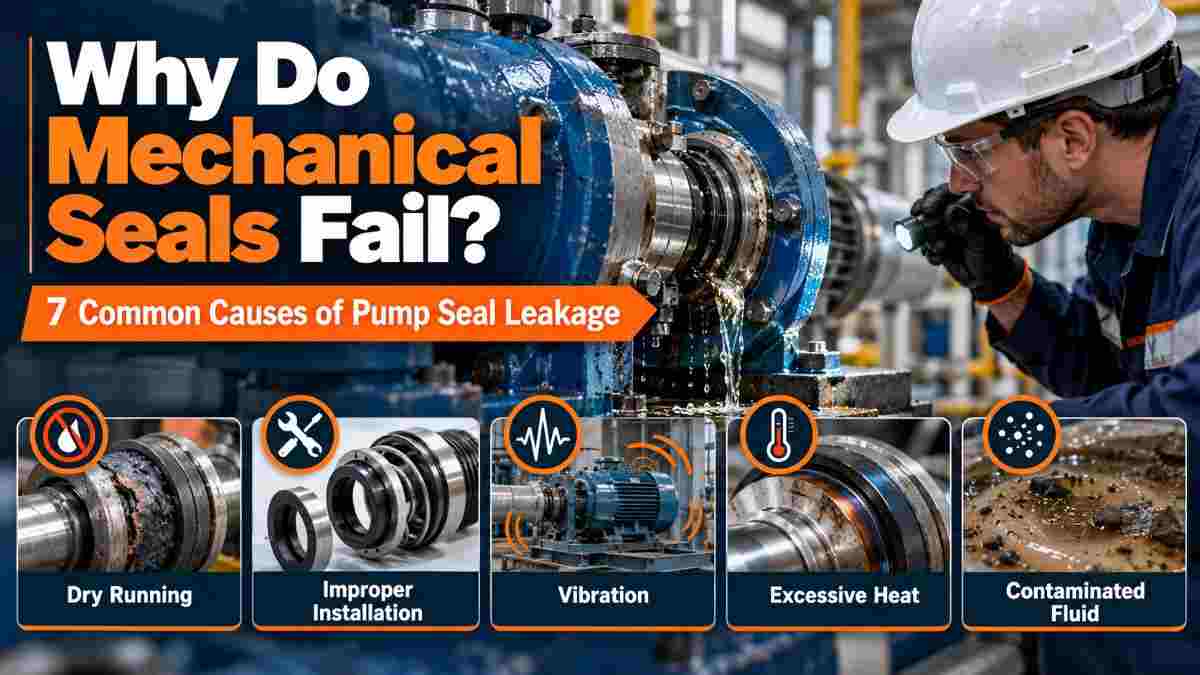
Mechanical seals are essential component...

An industrial gearbox naturally generate...
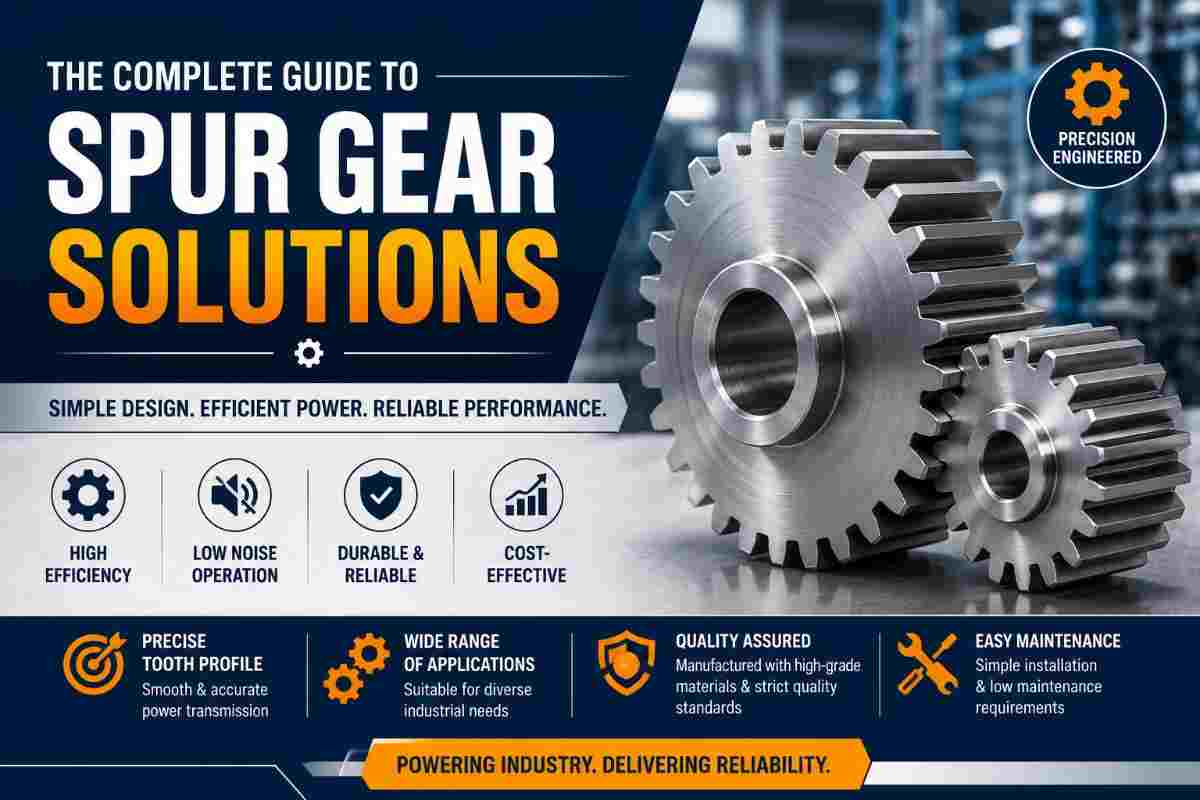
A spur gear is a mechanical gear with st...
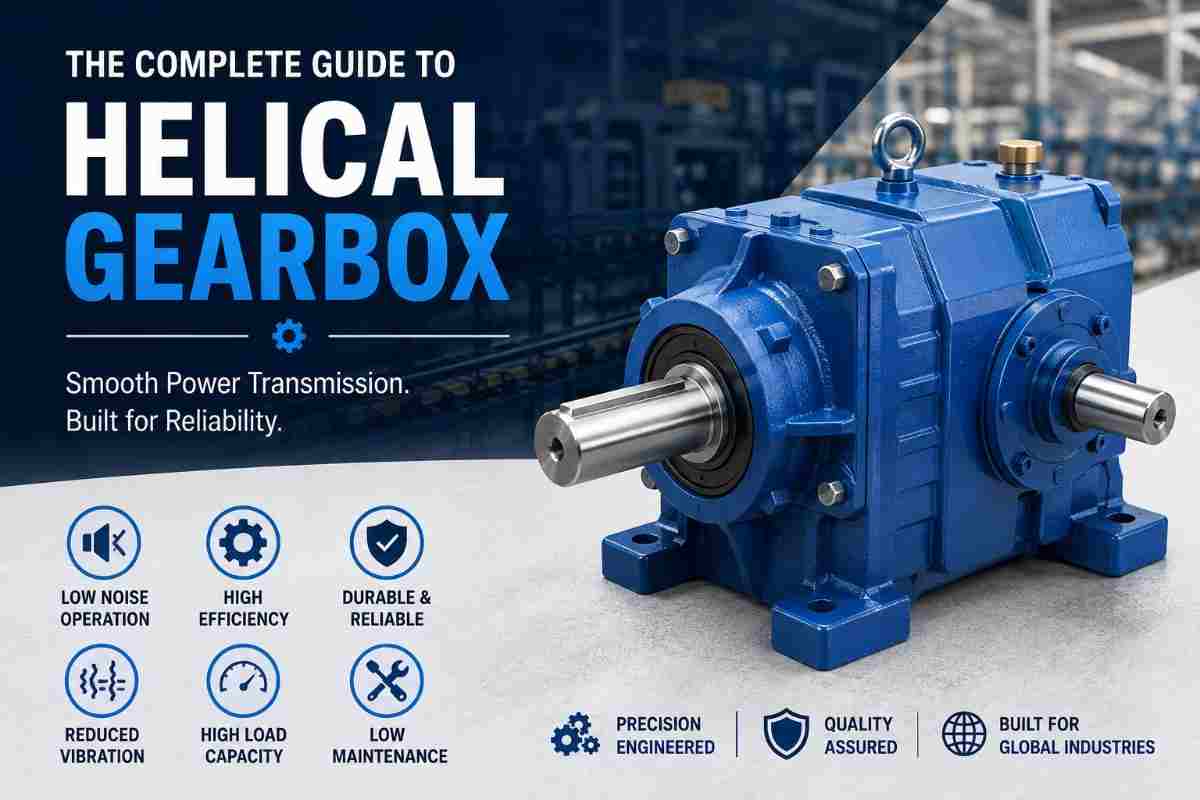
A helical gearbox is a mechanical power ...
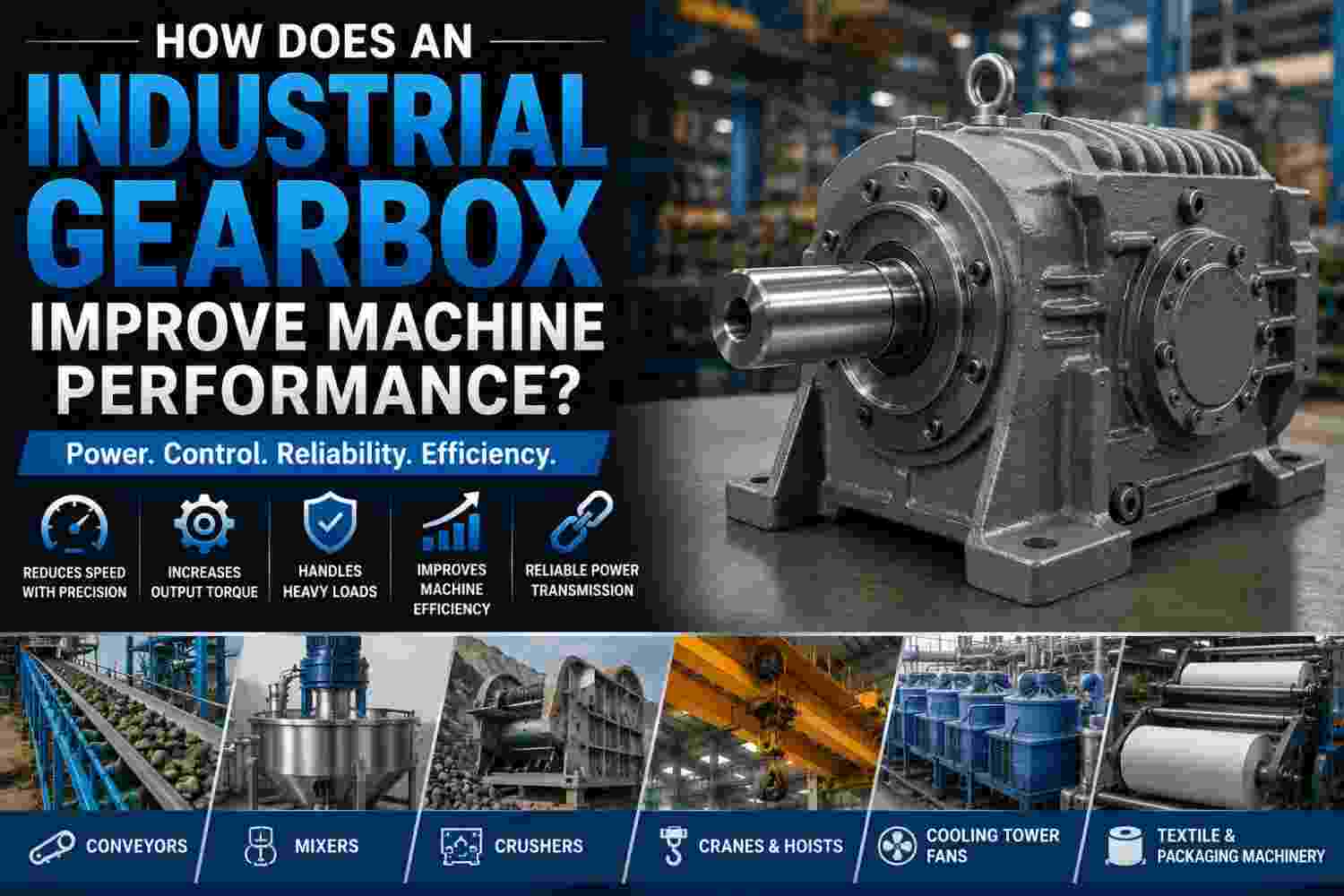
An industrial gearbox improves machine p...
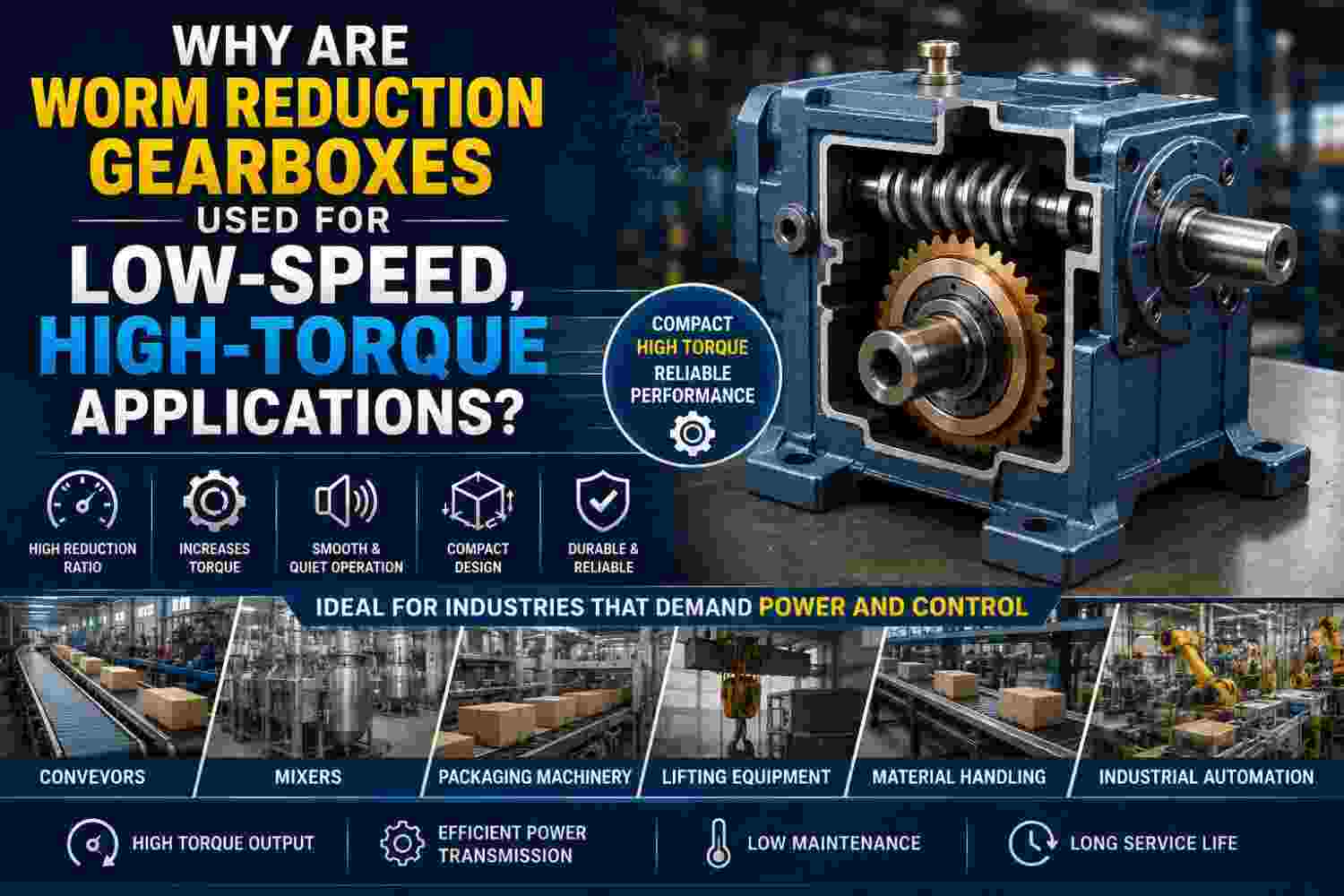
Worm reduction gearboxes are used for lo...
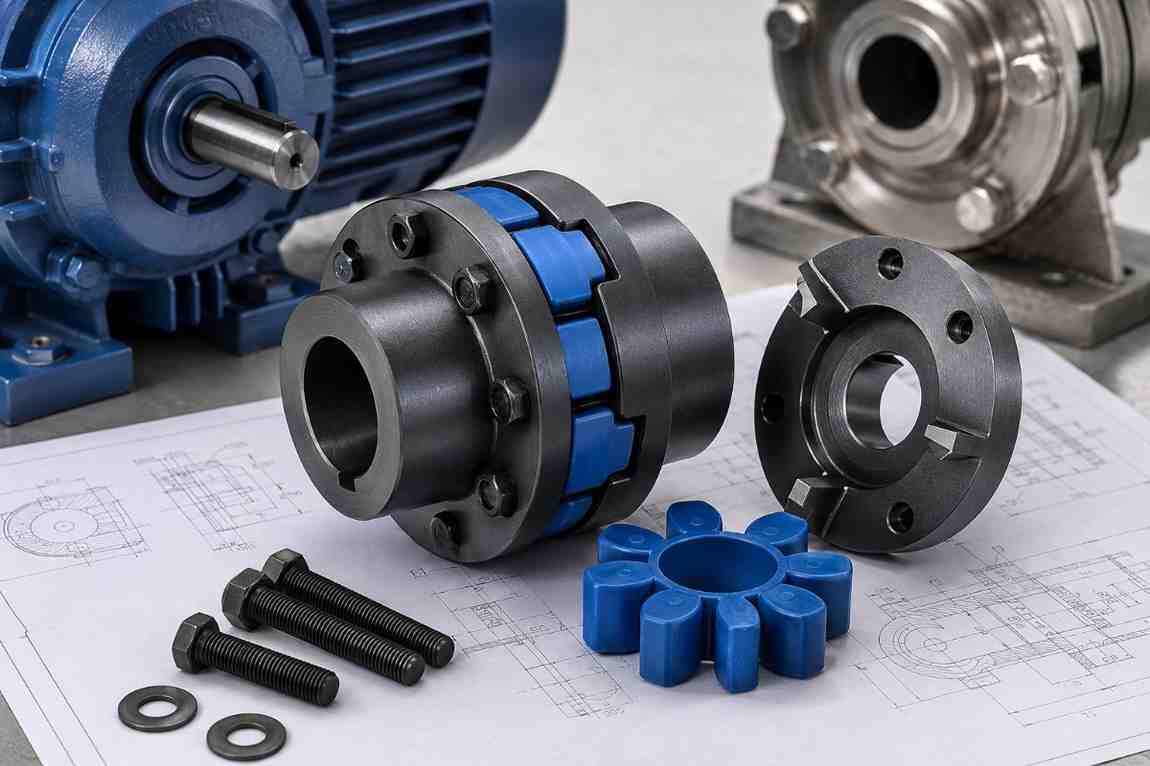
Selecting the correct N-Eupex coupling i...
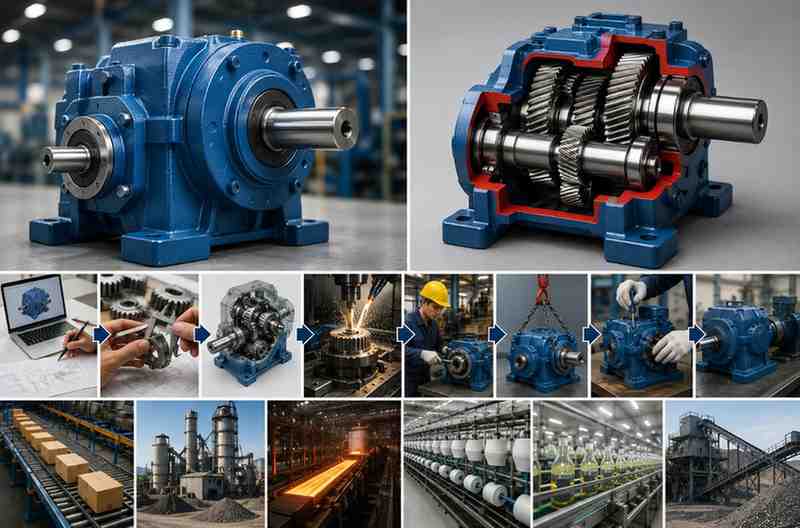
Choosing the right helical gearbox is on...
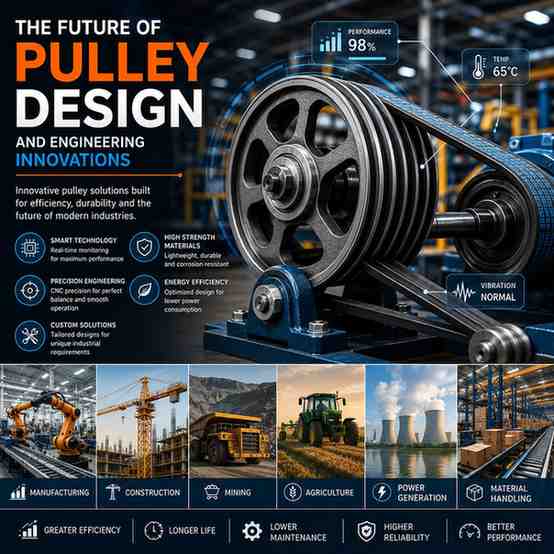
For centuries, pulleys have been one of ...
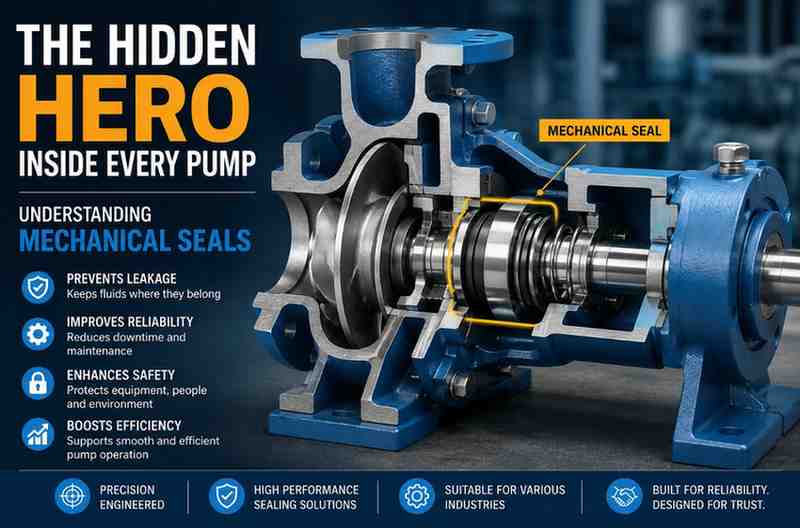
When people think about industrial pumps...
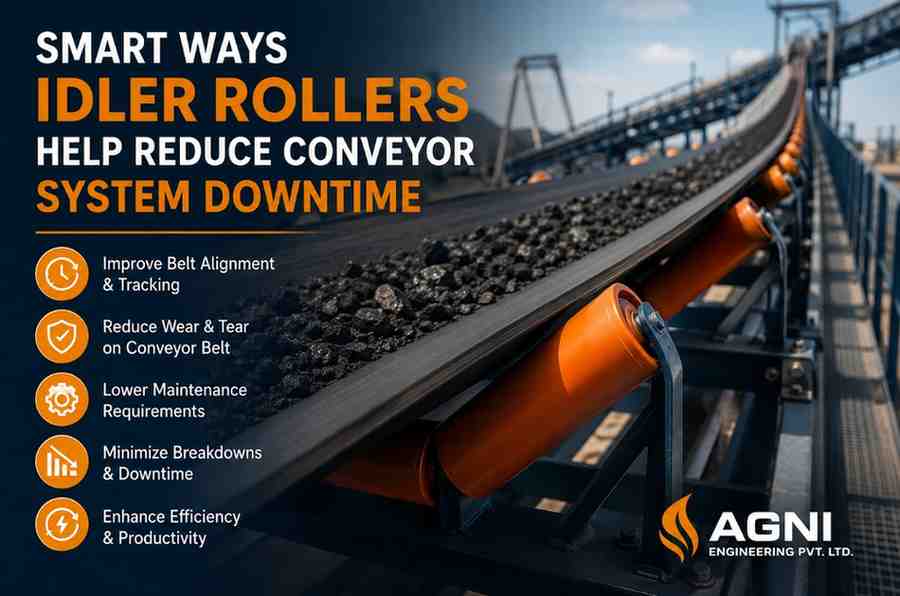
In industries where material handling is...
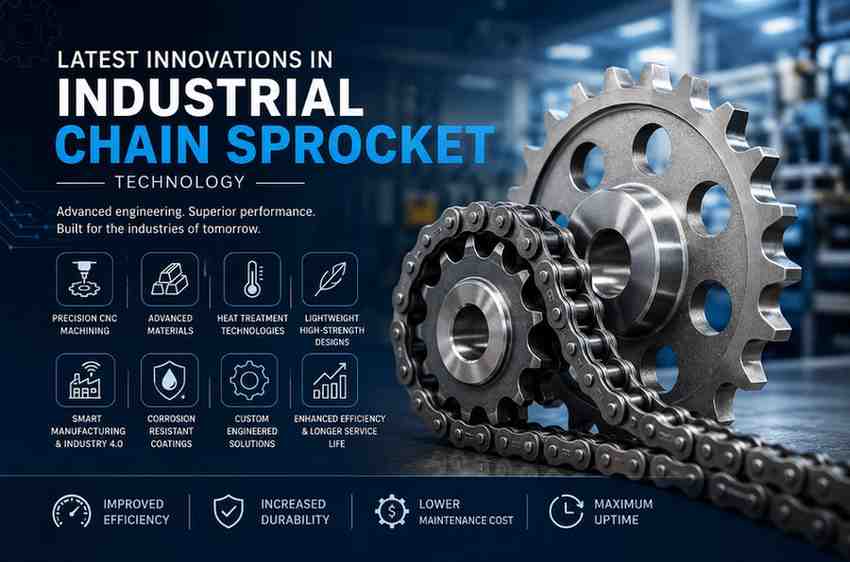
In today’s fast-moving industrial envi...
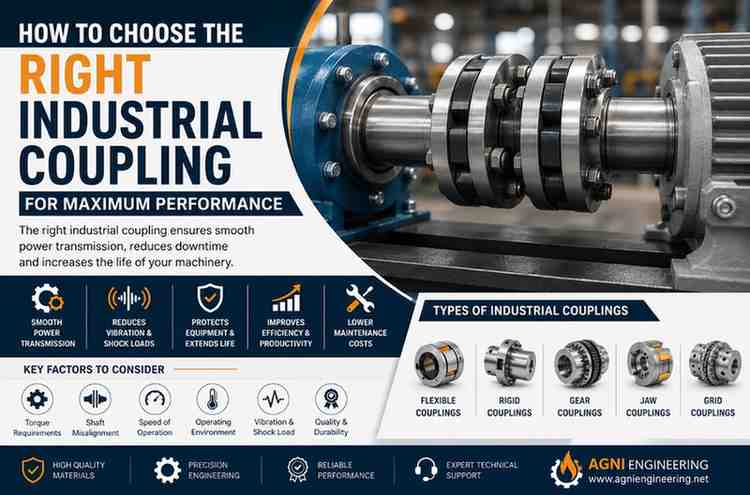
In any industrial setup, even the smalle...
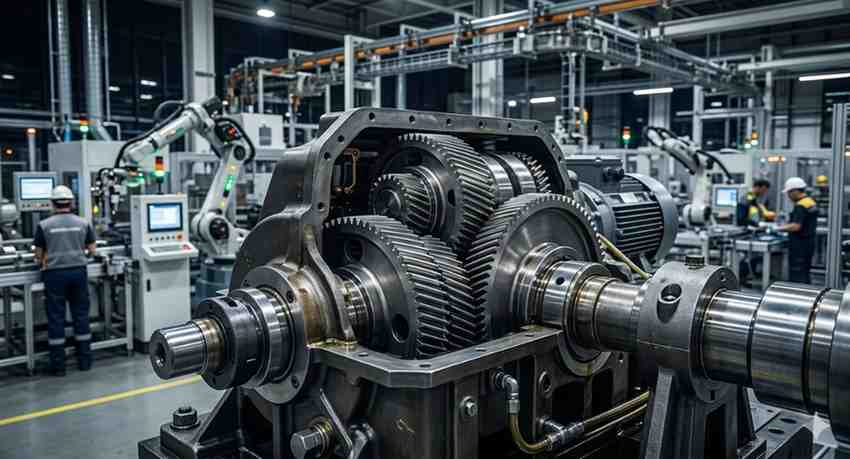
Industrial operations today are becoming...
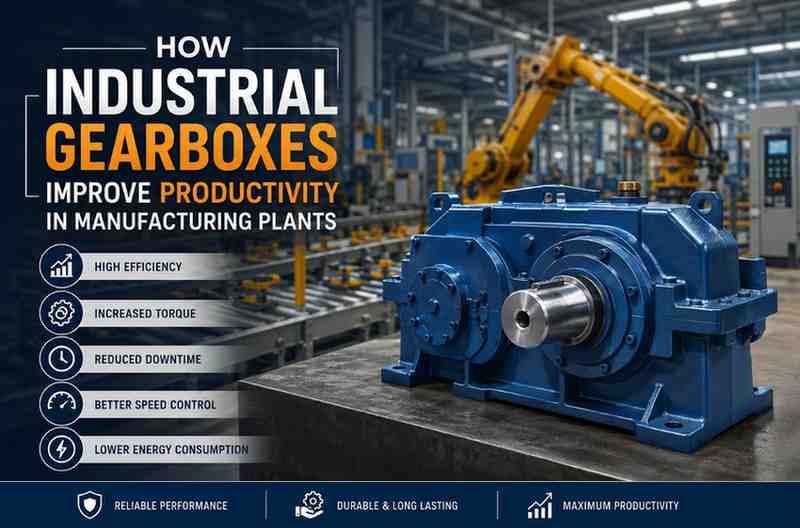
In modern manufacturing plants, efficien...
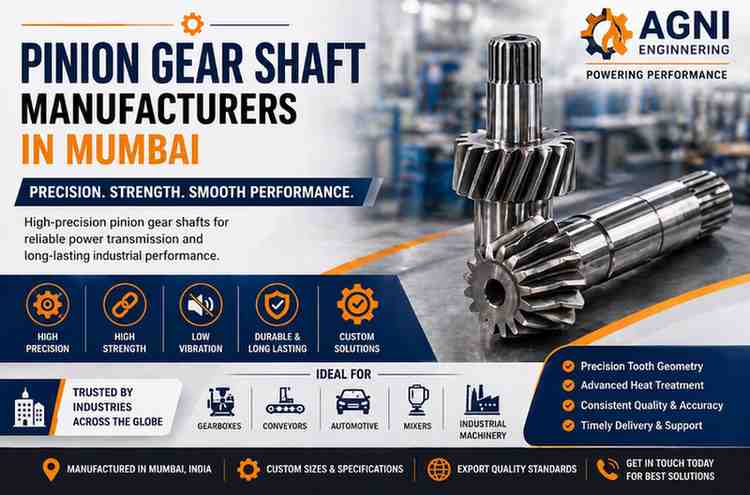
In industrial machinery, every movement ...
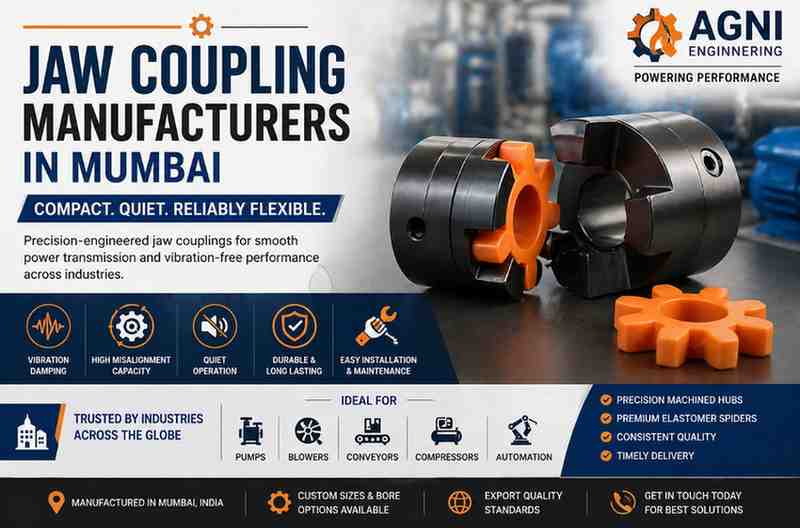
In modern industrial machinery, smooth p...
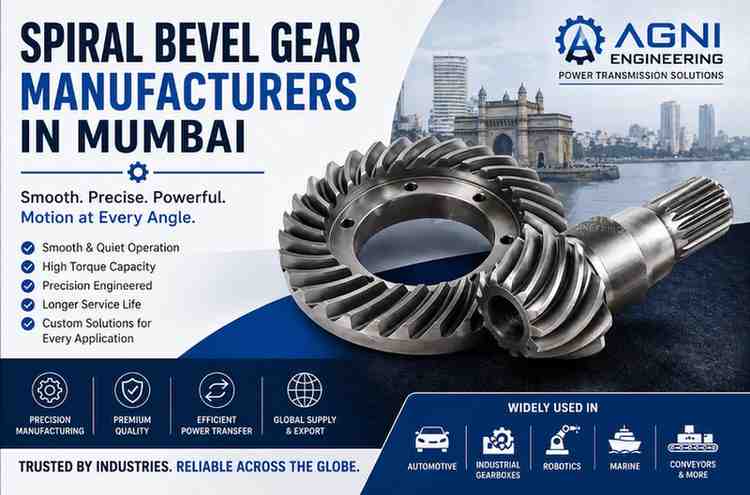
In modern industries, machines rarely wo...
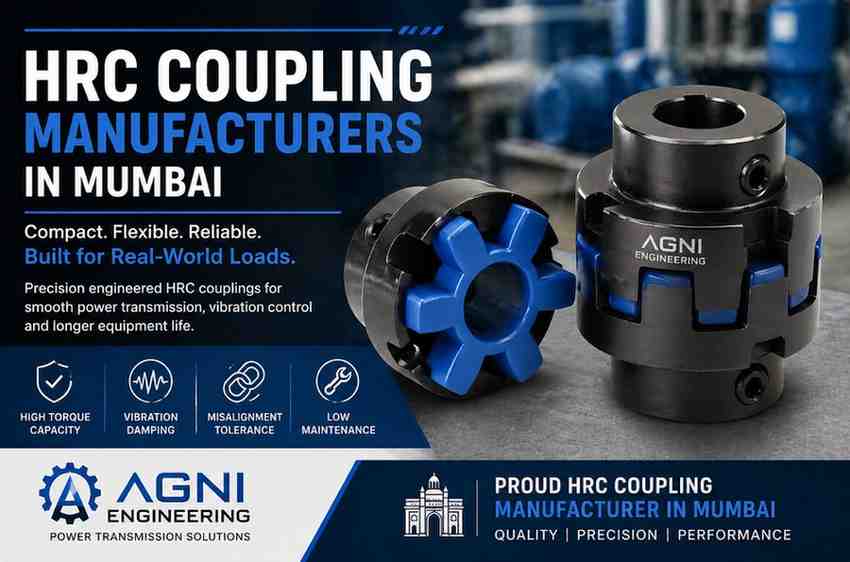
In industrial machinery, smooth power tr...

Machines depend on smooth and steady mot...

In any industrial system, smooth power t...

In many industrial machines, smooth moti...
Industrial machines operate under pressu...
In many industrial machines, vibration, ...
In every conveyor system, rollers play a...
In modern machines, power does not alway...
Some mechanical components earn their re...
Power transmission begins with a single,...
Behind every smooth-running industrial m...

In heavy-duty mechanical systems, power ...

In mechanical systems, reliability often...

In industrial environments where machine...
Machines that rely on angular power tran...
Modern industries run on reliability. Wh...
The Pinion Gear Shaft Manufacturers in M...
...
When machines need dependable power, smo...
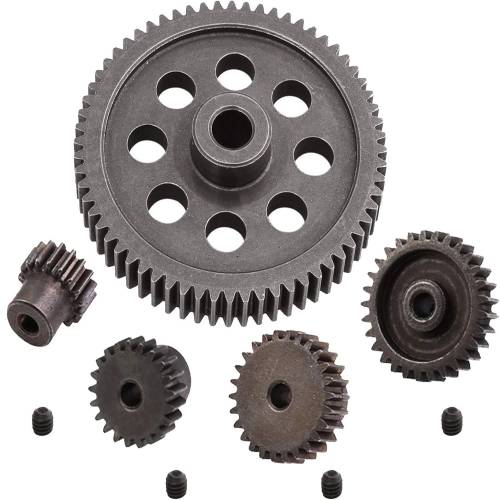
The Spur Gear Manufacturers in Mumbai ar...
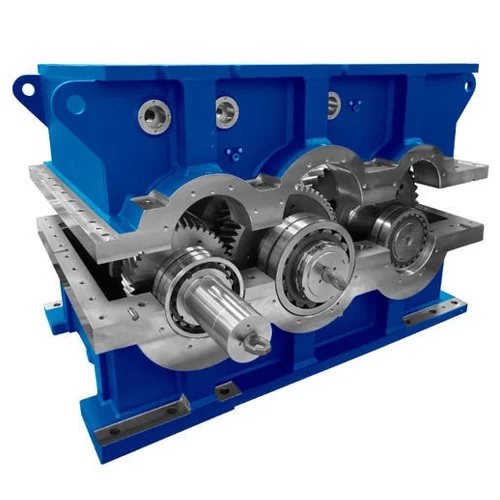
The Gearbox Manufacturers in Mumbai play...
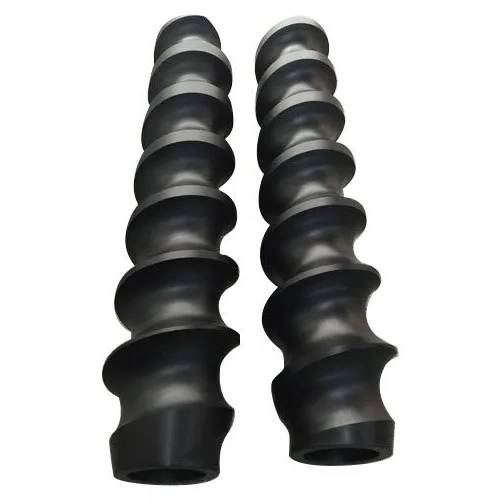
When precision meets performance, indust...
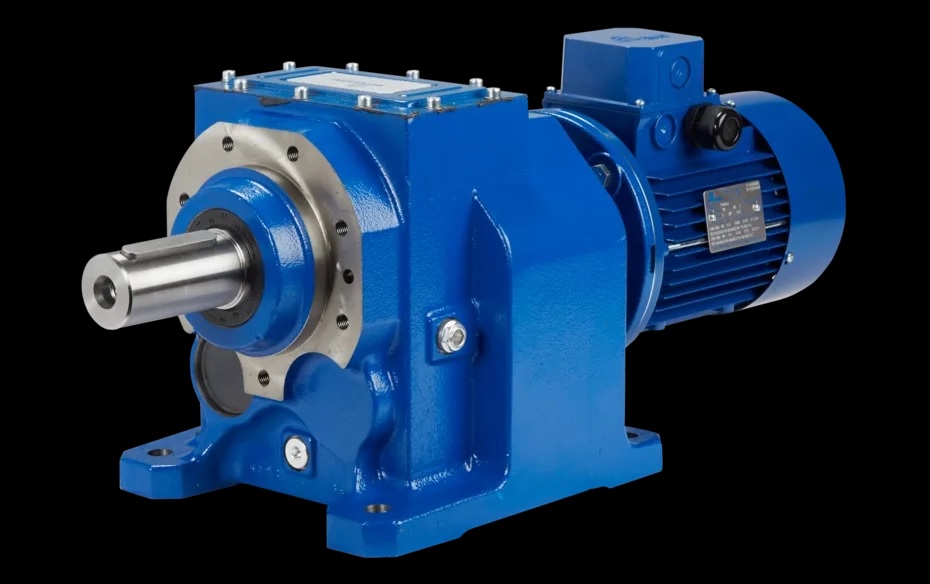
In the modern industrial world, precisio...
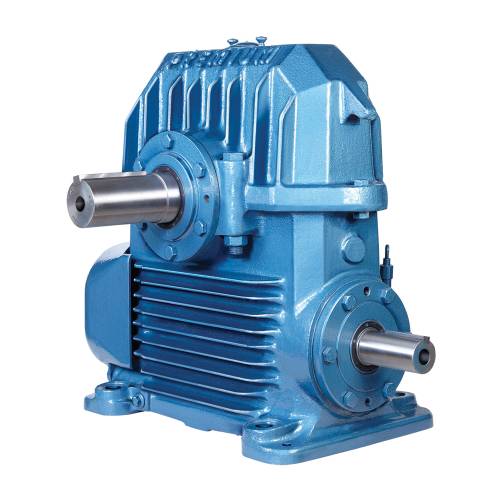
In today’s fast-paced industrial world...
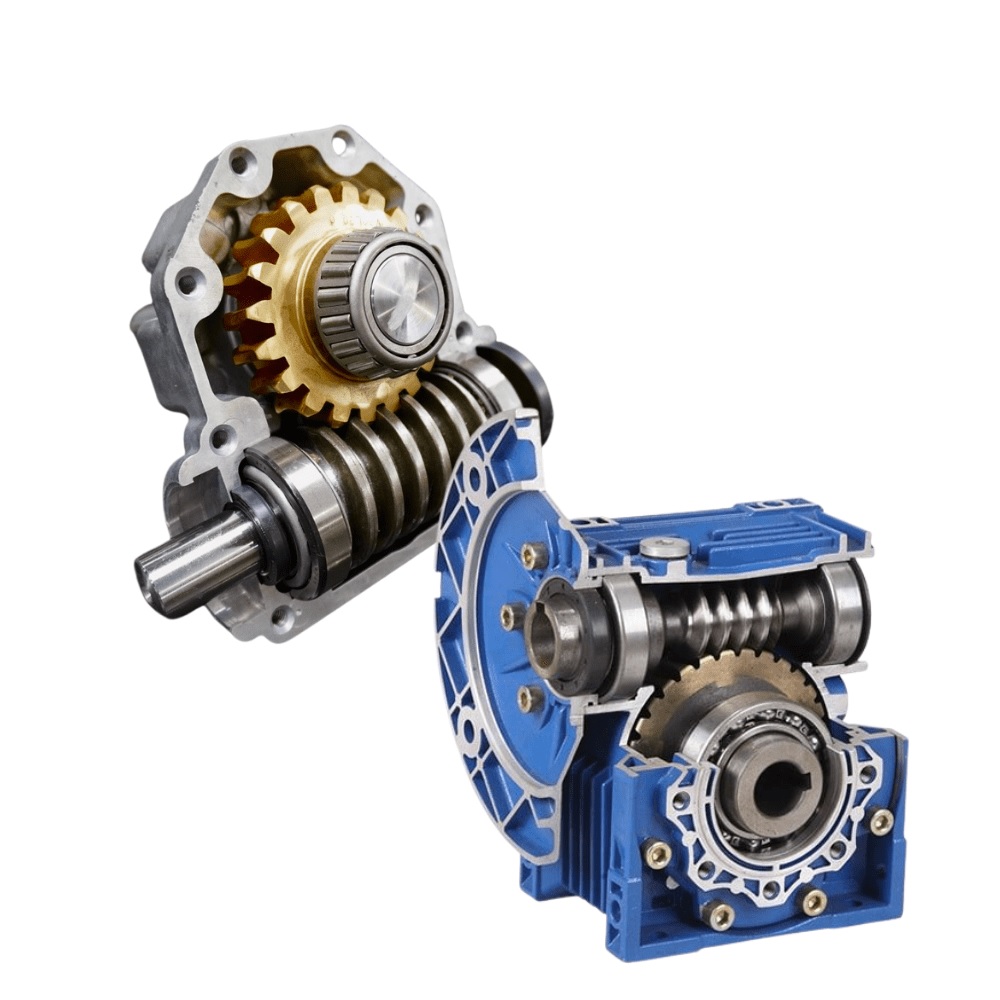
When it comes to advanced power transmis...
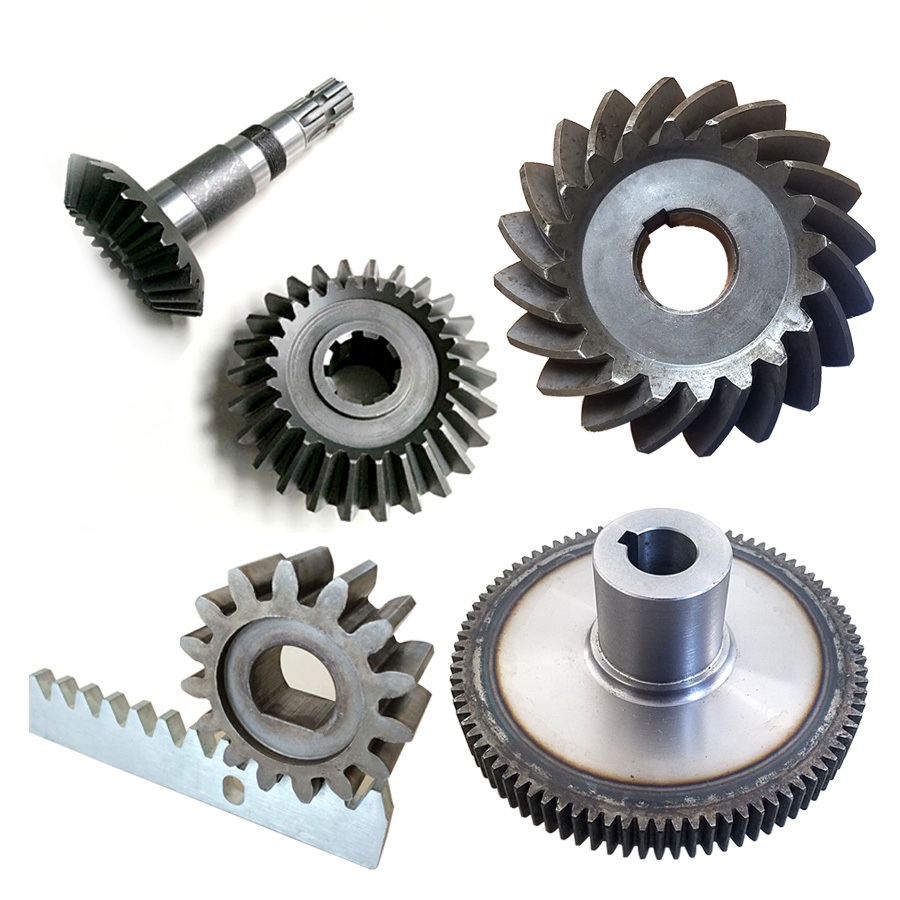
In the world of modern engineering, Indu...
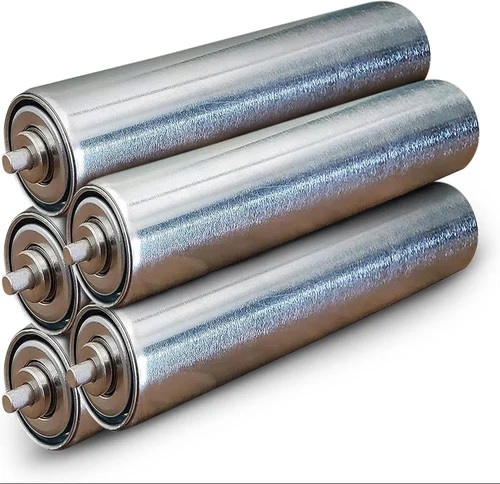
In the world of material handling and co...
