
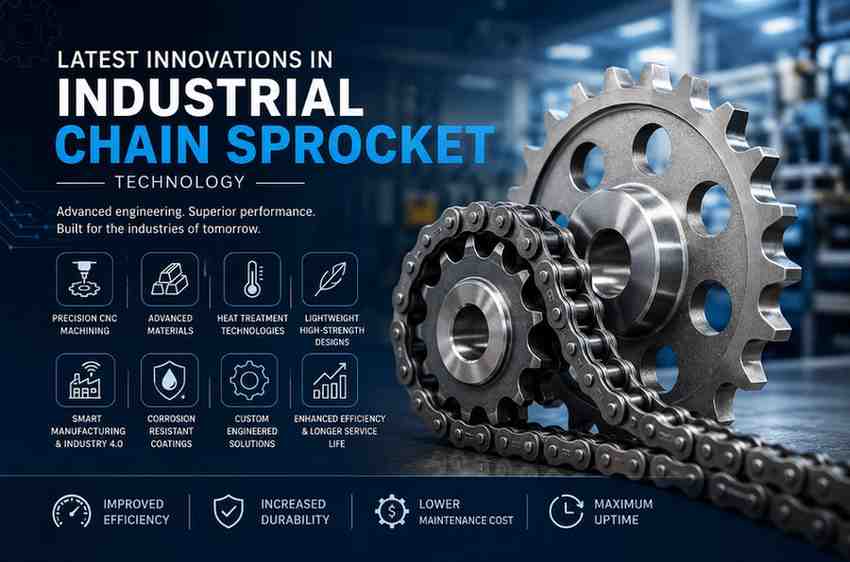
In today’s fast-moving industrial environment, efficiency is no longer optional. Industries such as manufacturing, mining, food processing, automotive, and material handling demand components that can handle higher loads, reduce downtime, and improve operational reliability. One such critical component is the industrial chain sprocket.Modern industries are no longer satisfied with traditional sprockets that only transmit motion. Today, businesses want precision-engineered sprockets that offer durability, energy efficiency, lower maintenance, and compatibility with automated systems. This shift has driven major innovations in industrial chain sprocket technology.
As a trusted engineering company, Agni Engineering Pvt. Ltd. continuously focuses on advanced manufacturing methods, precision machining, and high-performance engineering solutions designed for modern industrial applications.
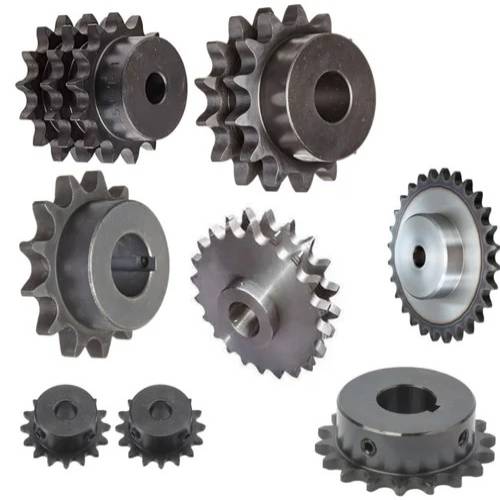
An industrial chain sprocket is a toothed wheel designed to engage with a chain for transmitting rotary motion. These sprockets are widely used in conveyor systems, heavy machinery, agricultural equipment, packaging plants, and automated production lines.
The performance of an industrial sprocket directly affects:
This is why manufacturers are now investing heavily in advanced sprocket technologies.
One of the biggest advancements in sprocket manufacturing is the use of CNC machining technology. Traditional machining methods often produced slight dimensional variations, leading to chain misalignment and uneven wear.
Modern CNC-machined sprockets provide:
Precision manufacturing also helps industries reduce operational losses caused by poor alignment and excessive friction.
Companies like Agni Engineering Pvt. Ltd. focus on high-accuracy engineering processes to ensure reliable performance under demanding industrial conditions.
Material innovation has transformed industrial sprocket durability. Earlier sprockets were commonly manufactured using basic steel grades, which often suffered from faster wear in high-load environments.
Today’s advanced sprockets use:
These materials offer:
High-grade metallurgy significantly extends the service life of industrial chain sprockets in heavy-duty operations.
Modern heat-treatment processes are helping manufacturers improve sprocket performance dramatically.
Innovative techniques include:
These treatments strengthen sprocket teeth while maintaining core toughness. The result is:
Heat-treated sprockets are especially valuable in industries like mining, cement plants, and steel manufacturing where machinery operates continuously under extreme stress.
Another major innovation is the development of lightweight sprocket designs without compromising strength.
Modern engineering software allows manufacturers to optimize:
Benefits include:
This innovation is particularly useful in automated and high-speed conveyor systems.
Industry 4.0 is changing the way industrial components are designed and maintained. Smart manufacturing technologies now help improve sprocket reliability and predictive maintenance.
Advanced industrial systems use:
These technologies help detect:
Predictive maintenance reduces unexpected failures and improves machine uptime. Recent research on rotating industrial machinery also highlights the growing role of AI-driven fault diagnosis in improving equipment reliability.
Industries operating in humid, chemical, or outdoor environments require corrosion-resistant sprockets.
Modern coating technologies include:
These coatings improve:
Corrosion-resistant sprockets are widely used in food processing, marine applications, and chemical industries.
Modern industries often require customized chain sprockets for unique machinery configurations.
Custom sprocket innovations now include:
Customized engineering improves:
As industries become more specialized, demand for tailored sprocket solutions continues to rise.
Modern sprockets reduce friction and power loss, helping machines run more efficiently.
Advanced materials and precision engineering minimize wear and reduce replacement frequency.
Innovative manufacturing techniques improve load distribution and reduce unexpected breakdowns.
Heat treatment and alloy steels significantly increase durability under heavy-duty conditions.
Optimized sprocket designs reduce motor load and improve power transmission efficiency.
Modern industrial chain sprockets are widely used across:
Industrial growth and automation are increasing the demand for highly durable and precision-engineered sprocket systems worldwide.
A poorly manufactured sprocket can lead to:
This is why industries prefer working with experienced engineering manufacturers that focus on precision, metallurgy, and performance-driven design.
Agni Engineering Pvt. Ltd. manufactures industrial power transmission components designed for durability, operational accuracy, and long-term industrial performance. Their engineering-focused approach helps industries maintain reliable machinery operation even in demanding environments.
The future of industrial sprocket technology is expected to focus on:
As industries continue adopting smart manufacturing practices, sprocket technology will play a critical role in improving machine reliability and operational efficiency.
Industrial chain sprocket technology has evolved far beyond traditional power transmission. Modern innovations in materials, machining, heat treatment, coatings, and smart manufacturing are helping industries achieve greater efficiency, lower downtime, and improved equipment reliability.
For businesses seeking durable and precision-engineered industrial chain sprockets, choosing an experienced manufacturer is essential. With advanced engineering capabilities and a strong focus on quality manufacturing, Agni Engineering Pvt. Ltd. continues to support industries with high-performance industrial transmission solutions built for modern industrial demands.
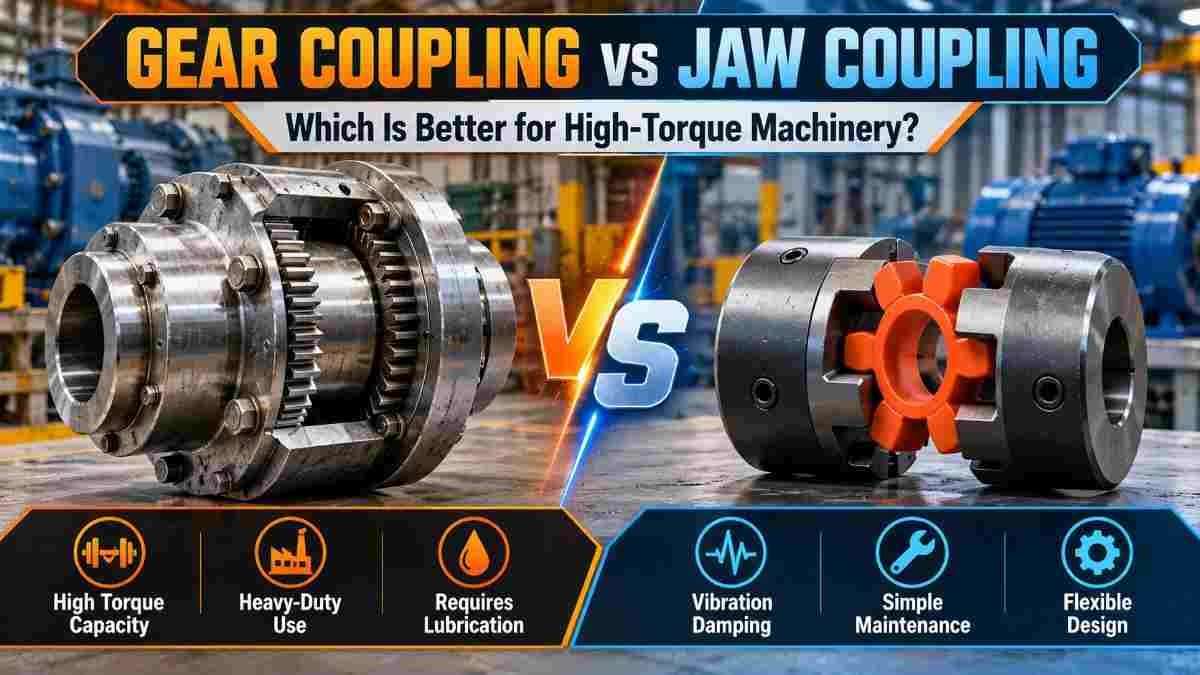
Industrial machinery depends on reliable...
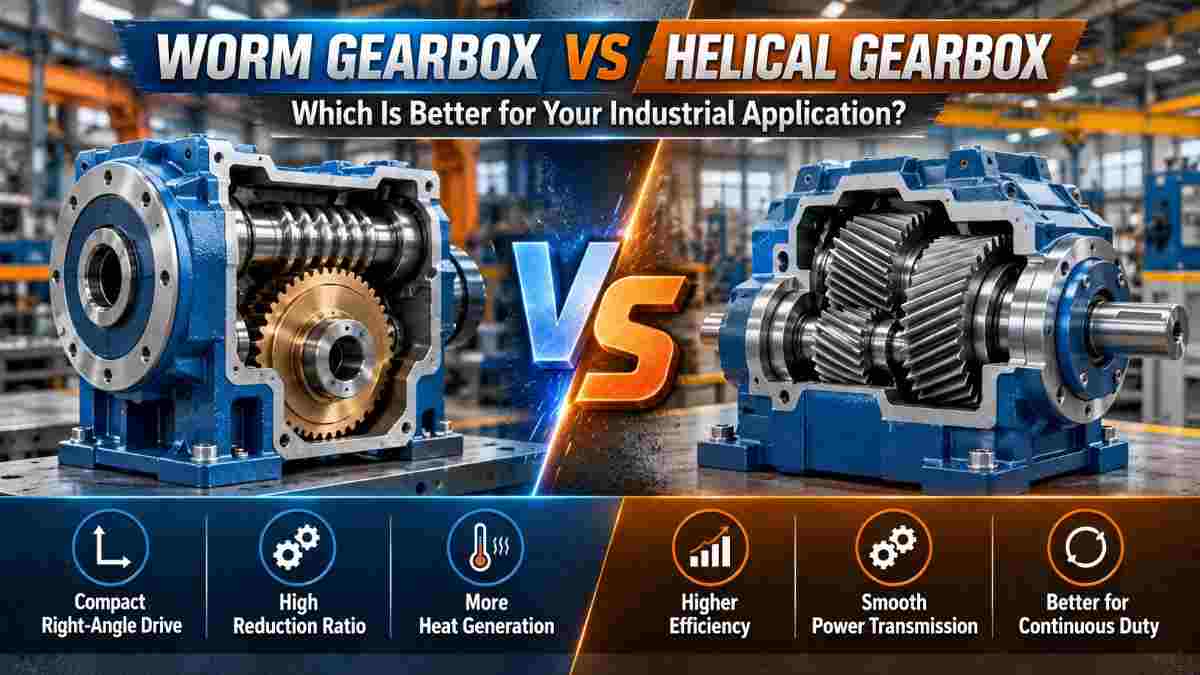
Choosing between a worm gearbox and a he...
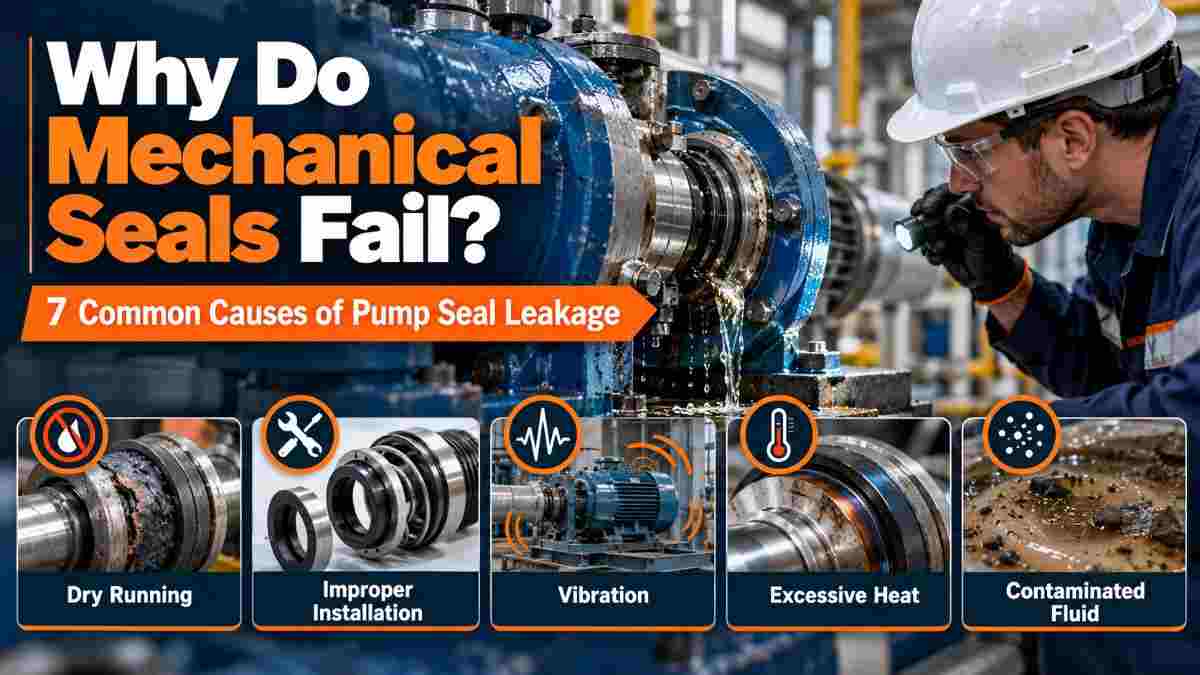
Mechanical seals are essential component...
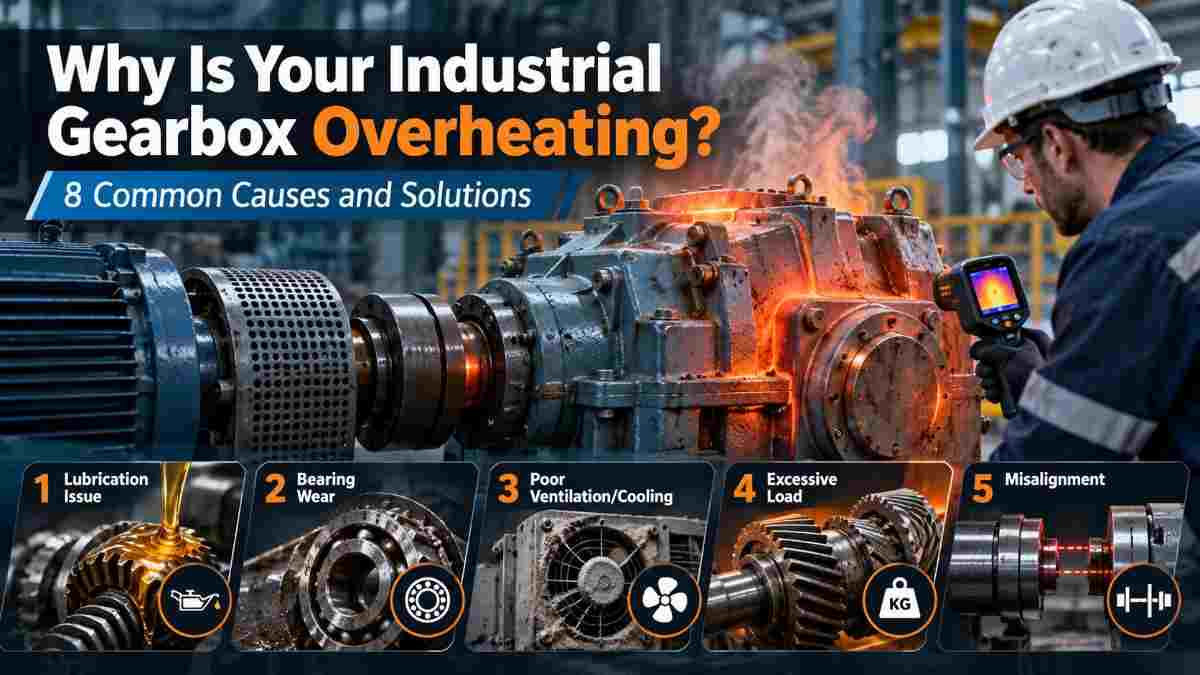
An industrial gearbox naturally generate...
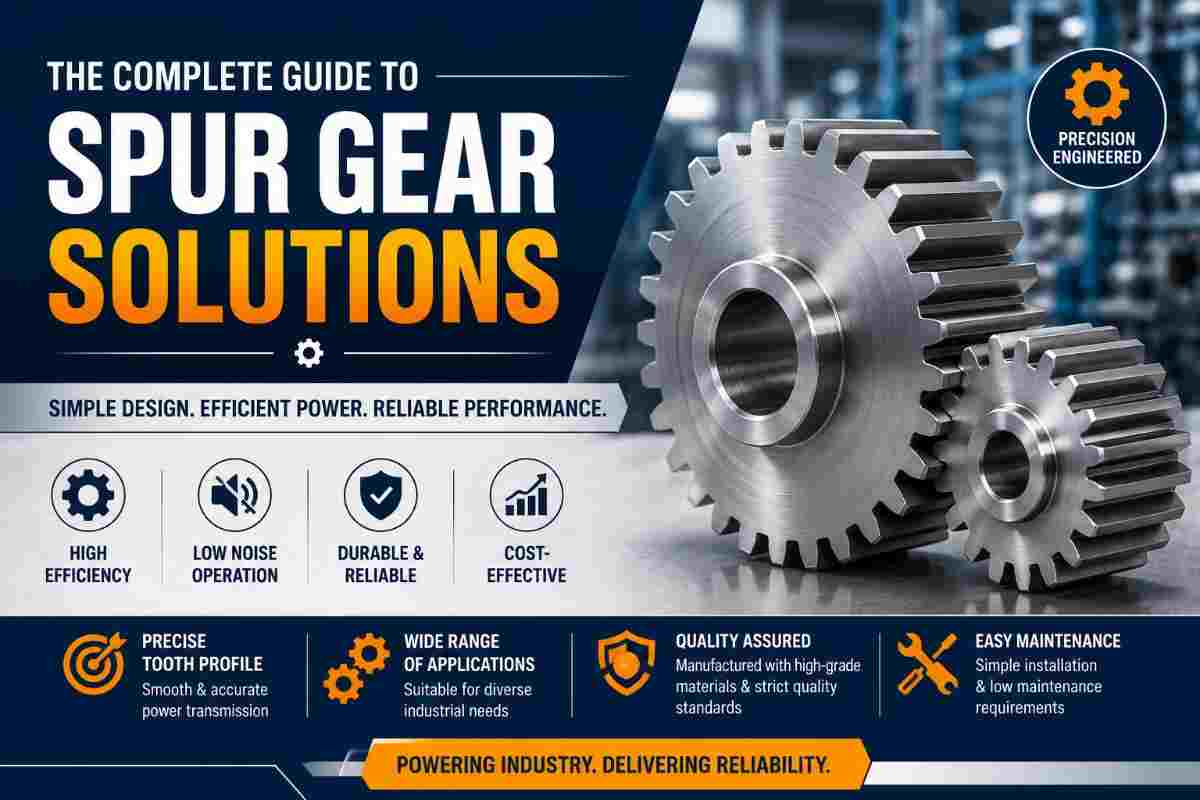
A spur gear is a mechanical gear with st...
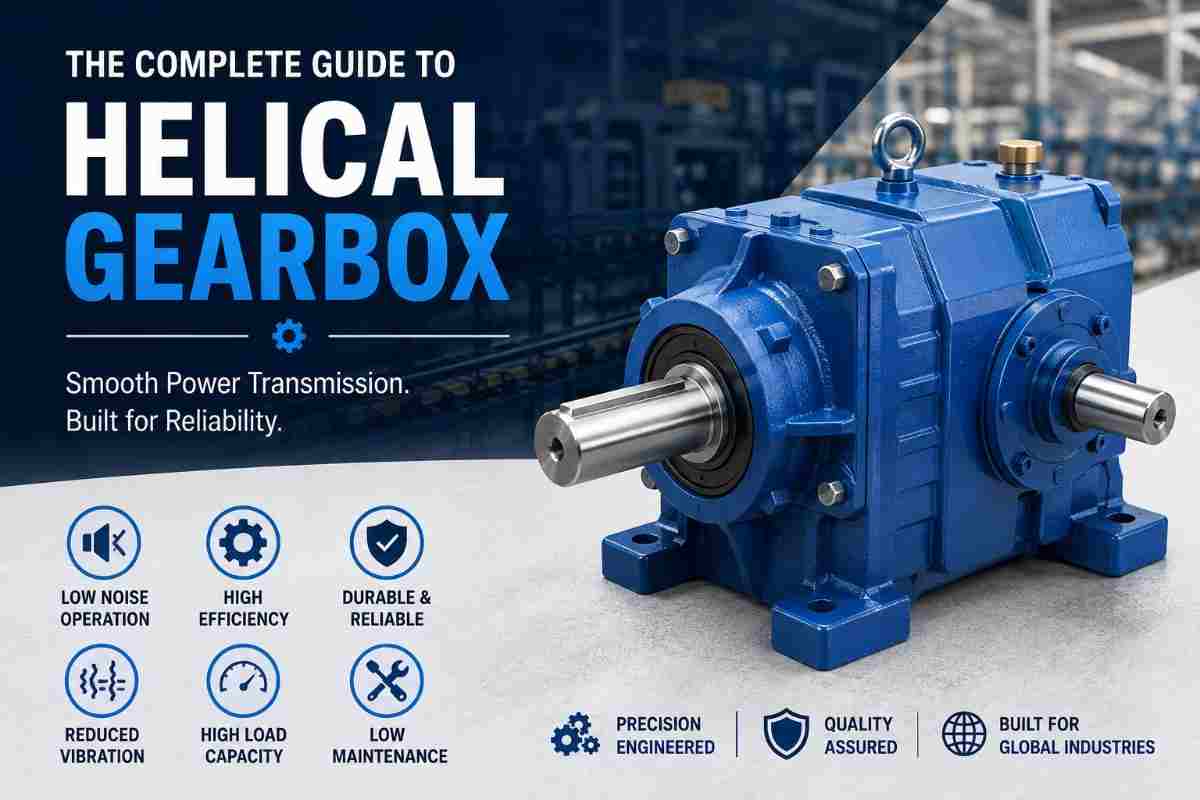
A helical gearbox is a mechanical power ...
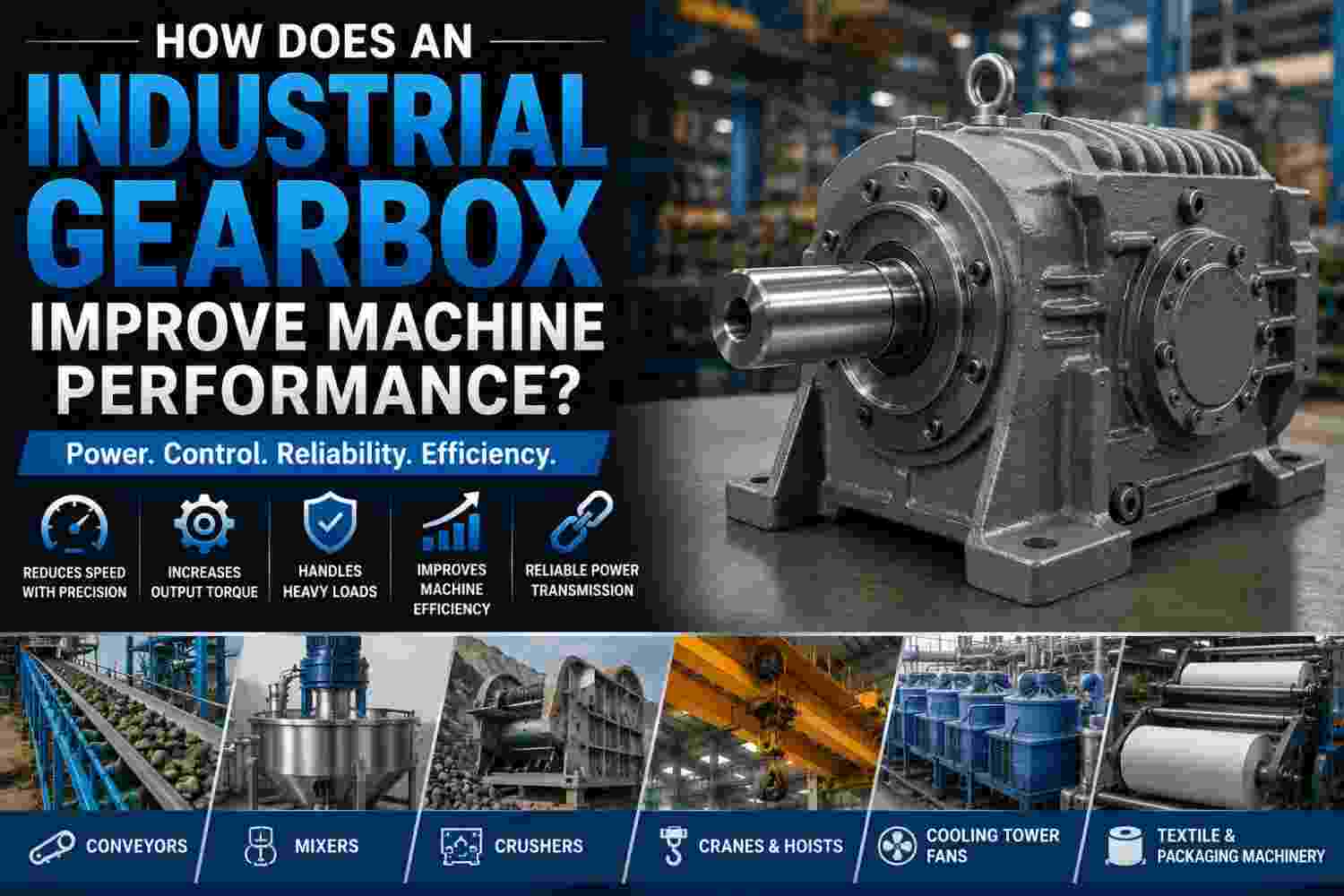
An industrial gearbox improves machine p...
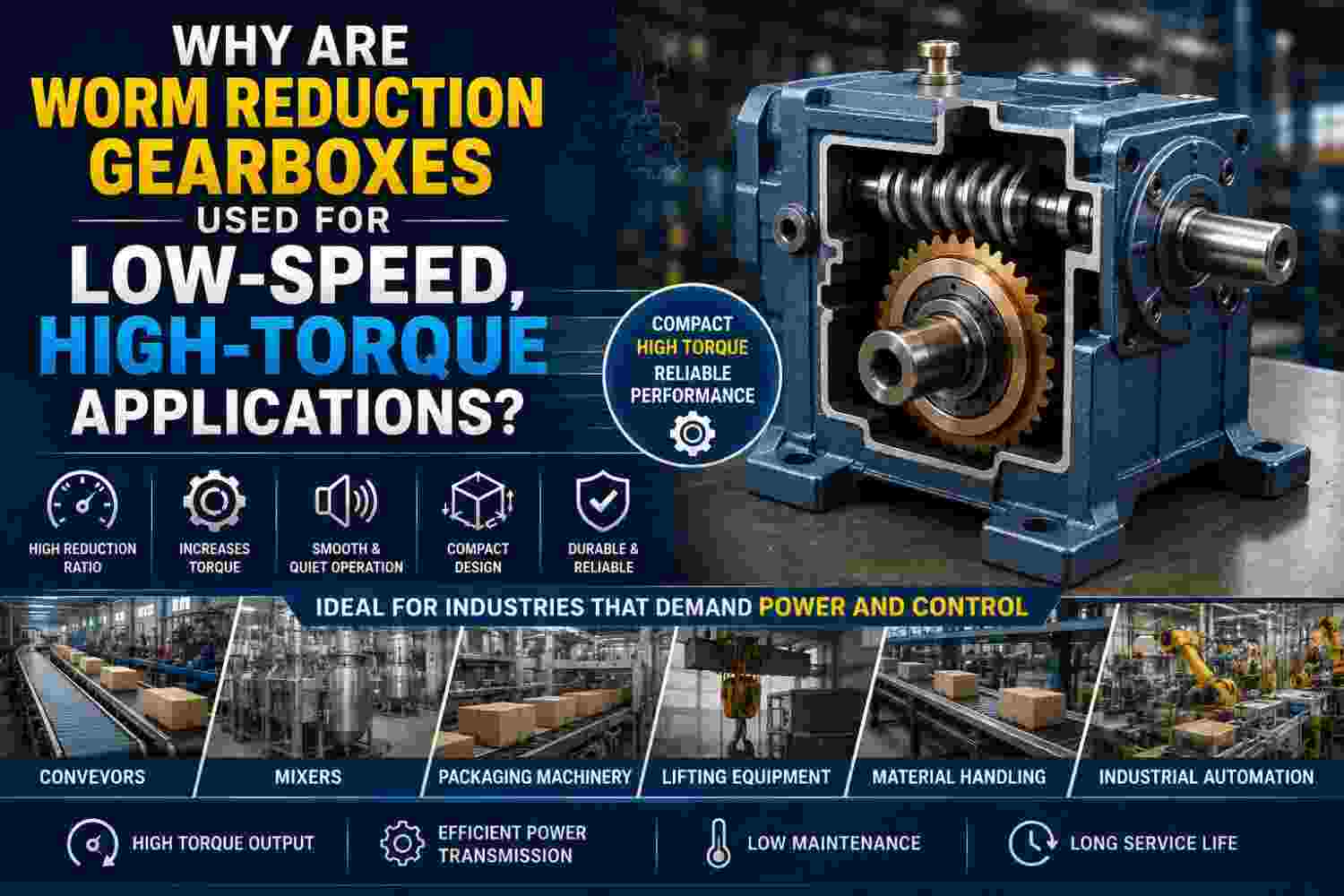
Worm reduction gearboxes are used for lo...
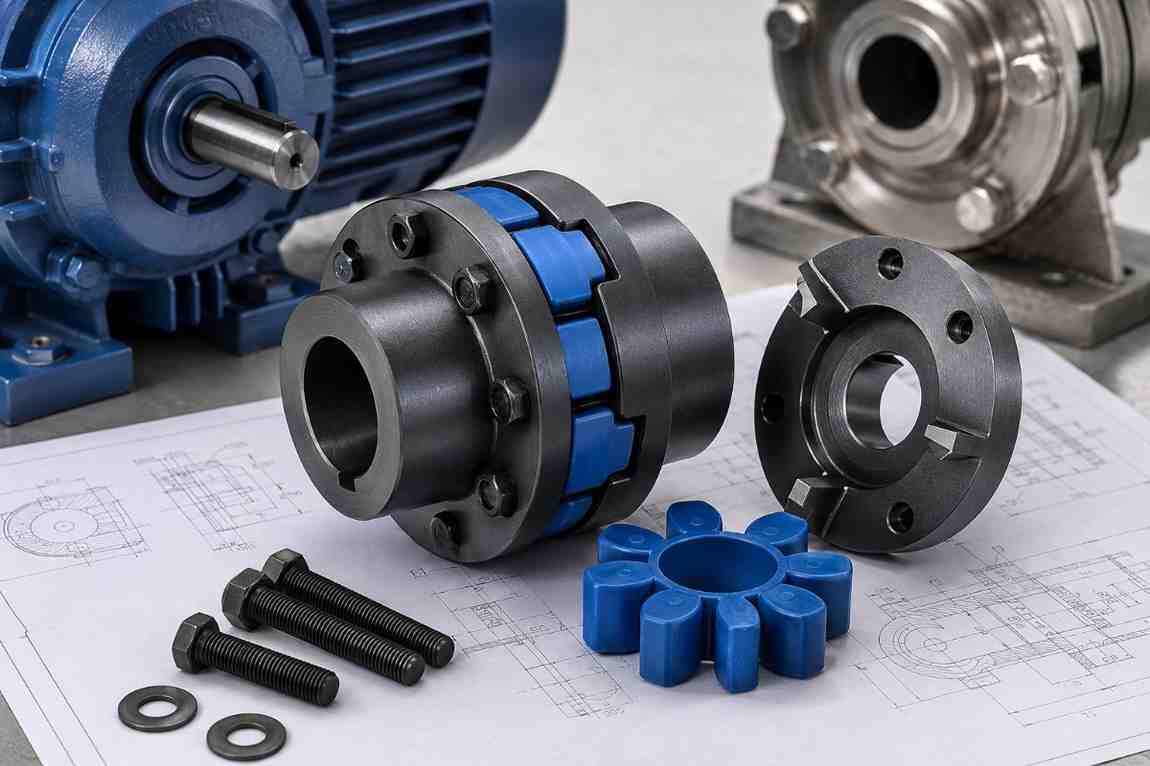
Selecting the correct N-Eupex coupling i...
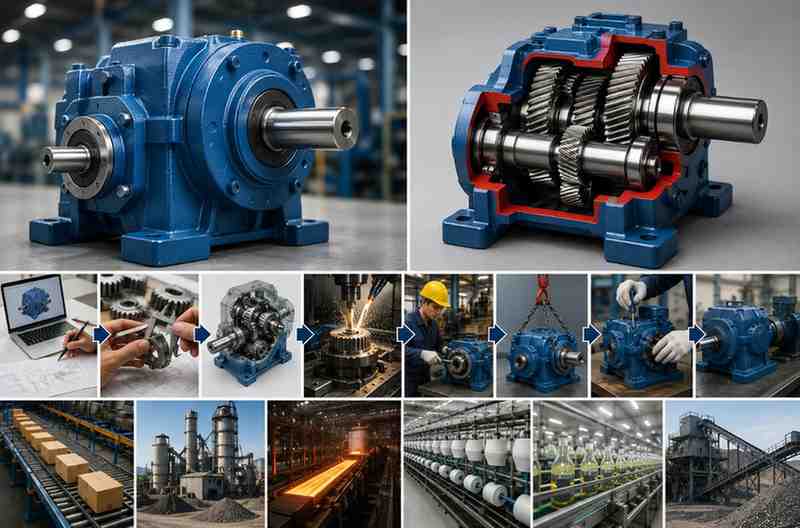
Choosing the right helical gearbox is on...
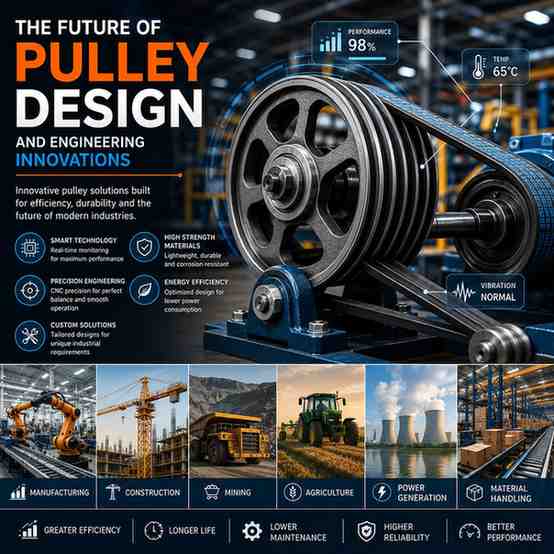
For centuries, pulleys have been one of ...
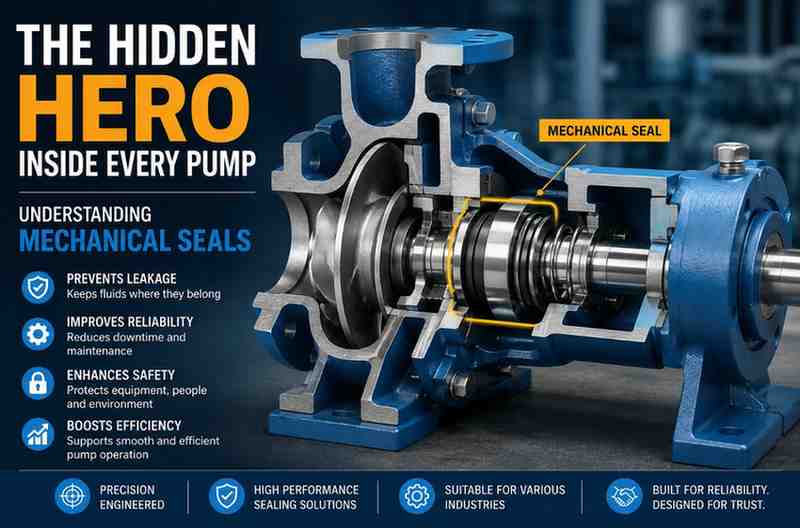
When people think about industrial pumps...
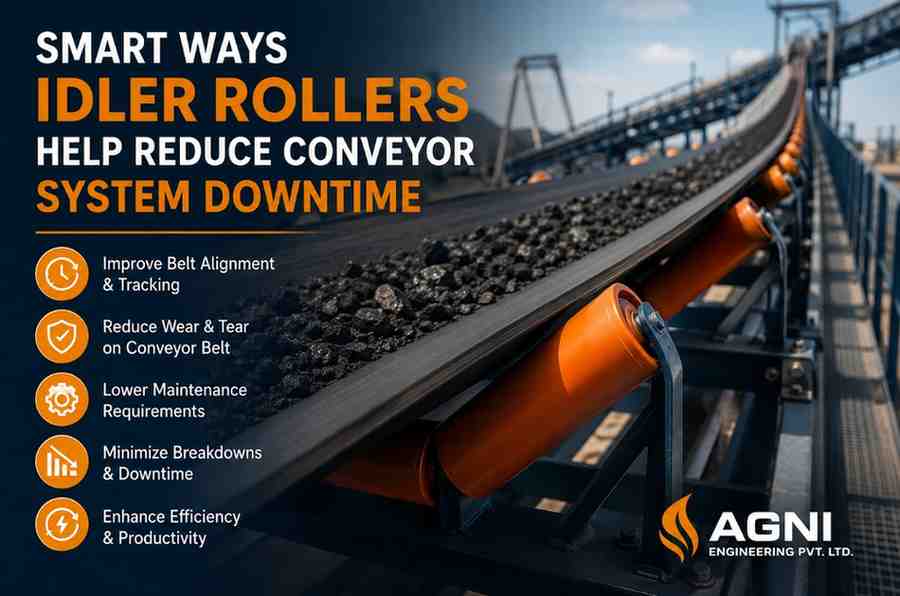
In industries where material handling is...
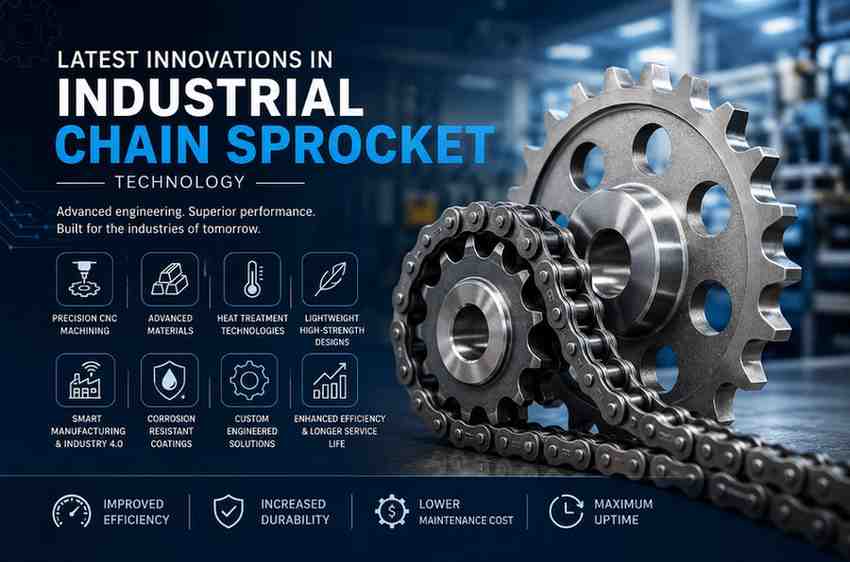
In today’s fast-moving industrial envi...
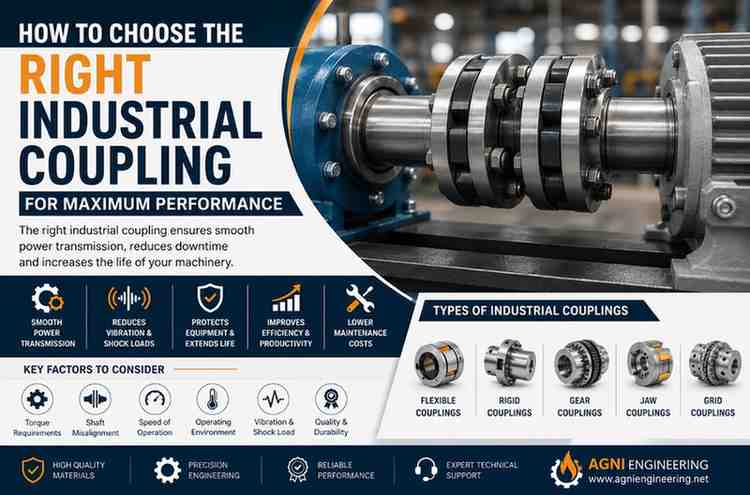
In any industrial setup, even the smalle...
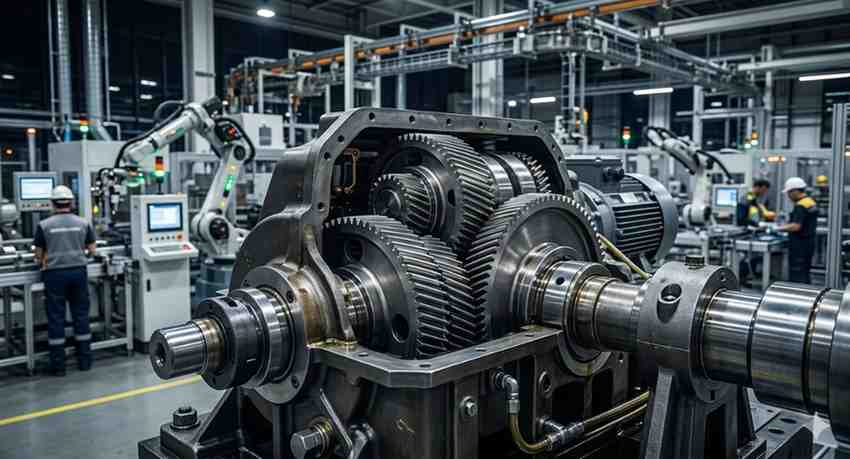
Industrial operations today are becoming...
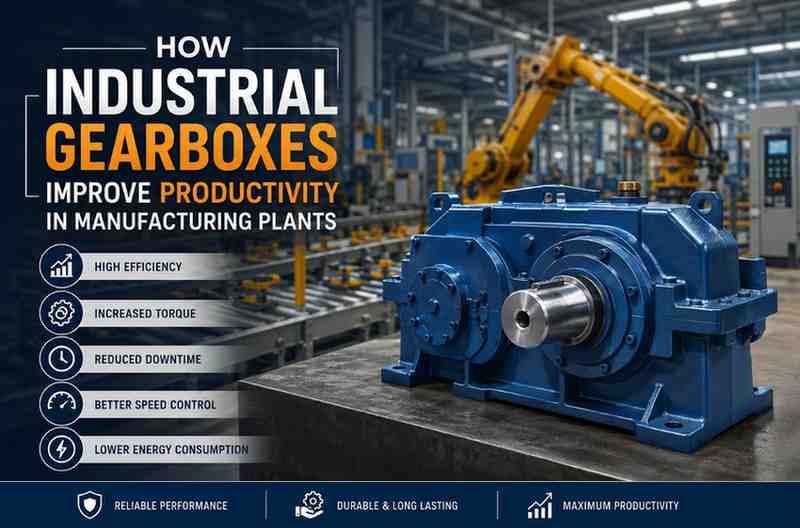
In modern manufacturing plants, efficien...
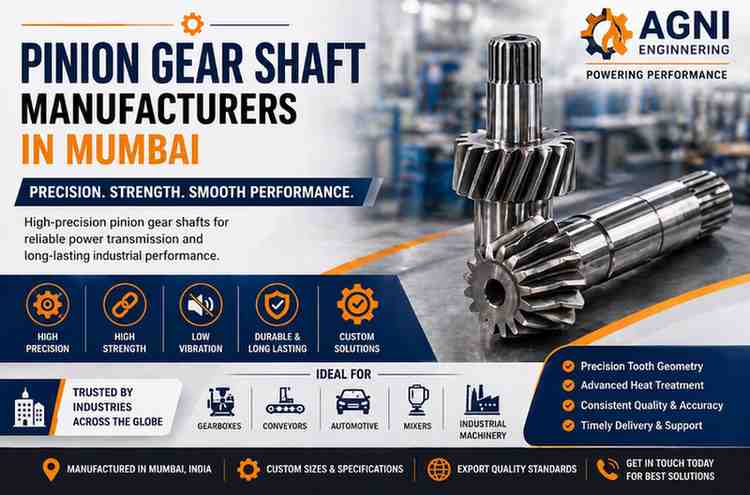
In industrial machinery, every movement ...
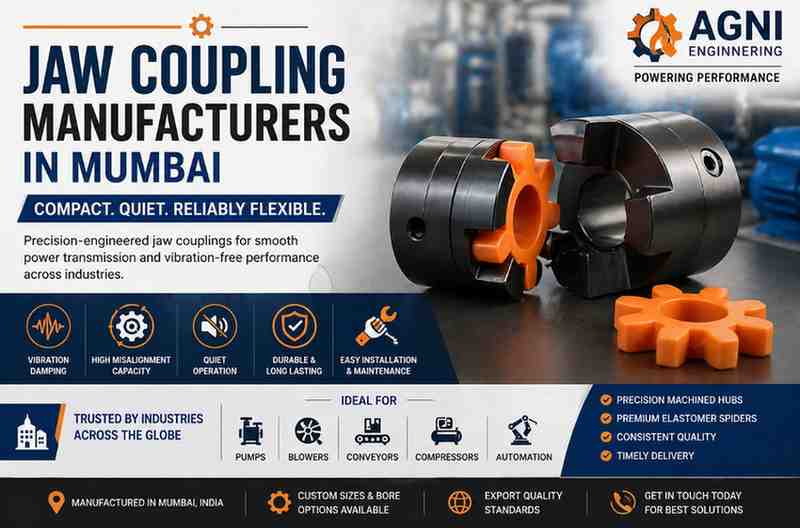
In modern industrial machinery, smooth p...
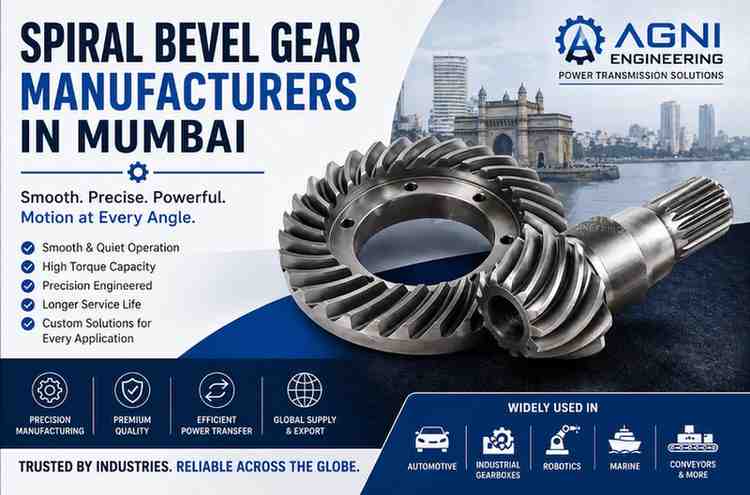
In modern industries, machines rarely wo...
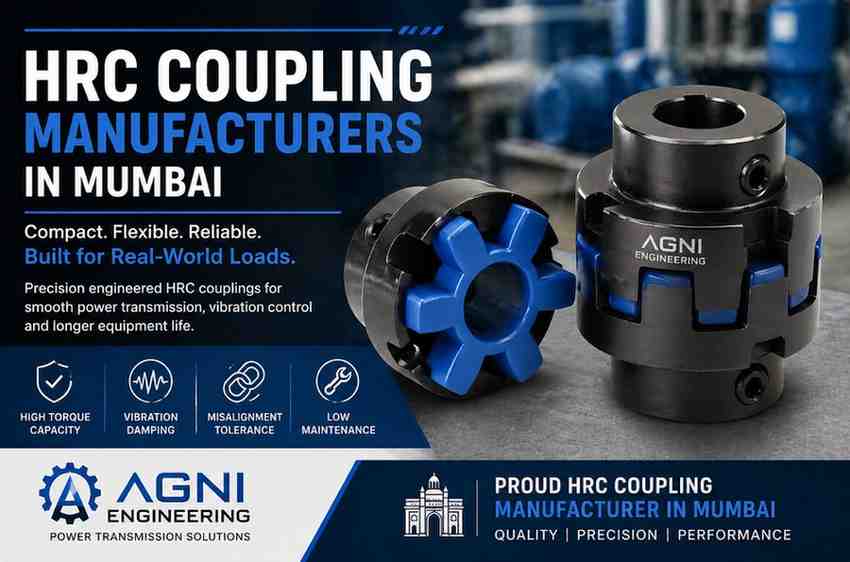
In industrial machinery, smooth power tr...

Machines depend on smooth and steady mot...

In any industrial system, smooth power t...

In many industrial machines, smooth moti...
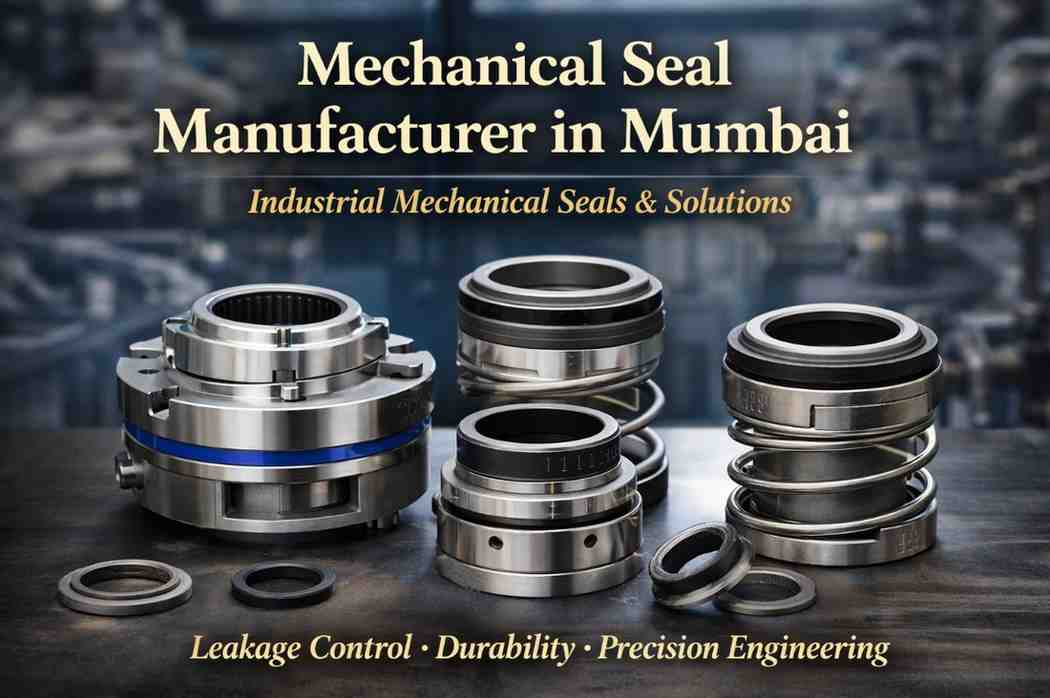
Industrial machines operate under pressu...
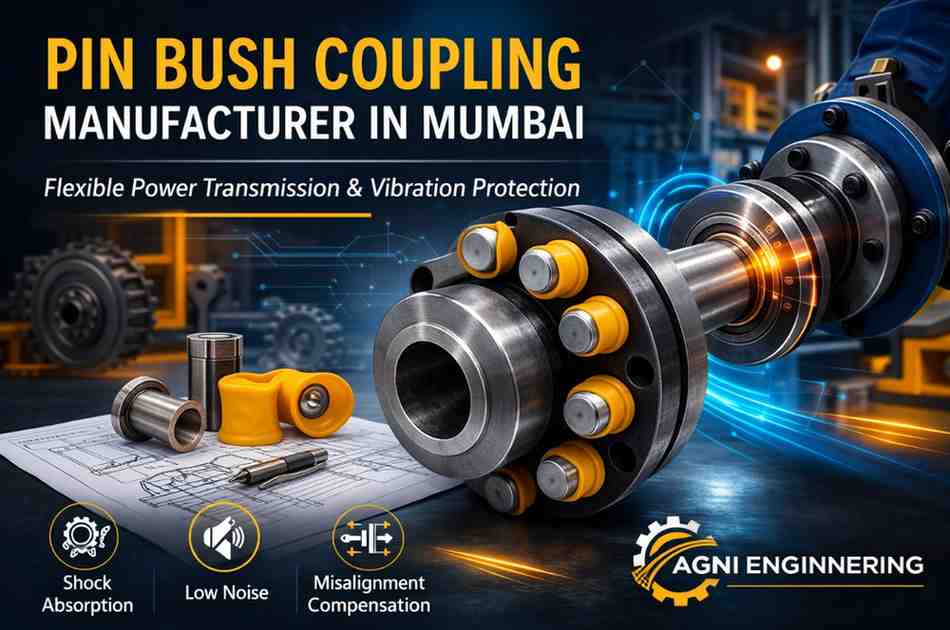
In many industrial machines, vibration, ...
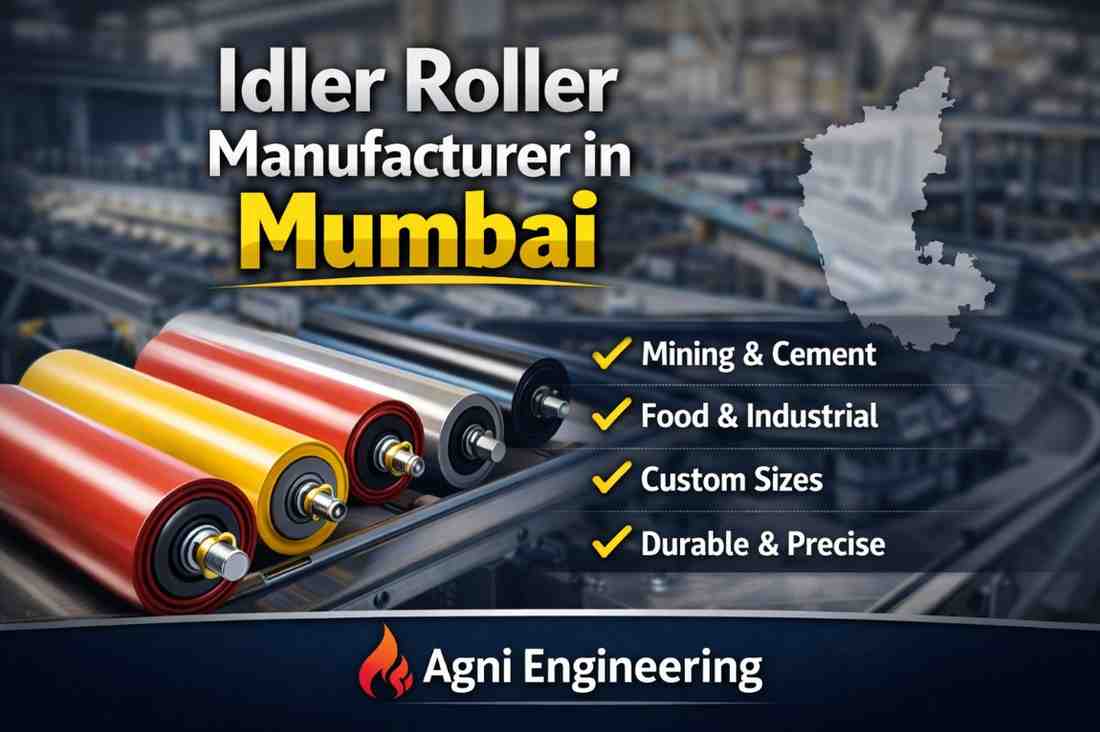
In every conveyor system, rollers play a...
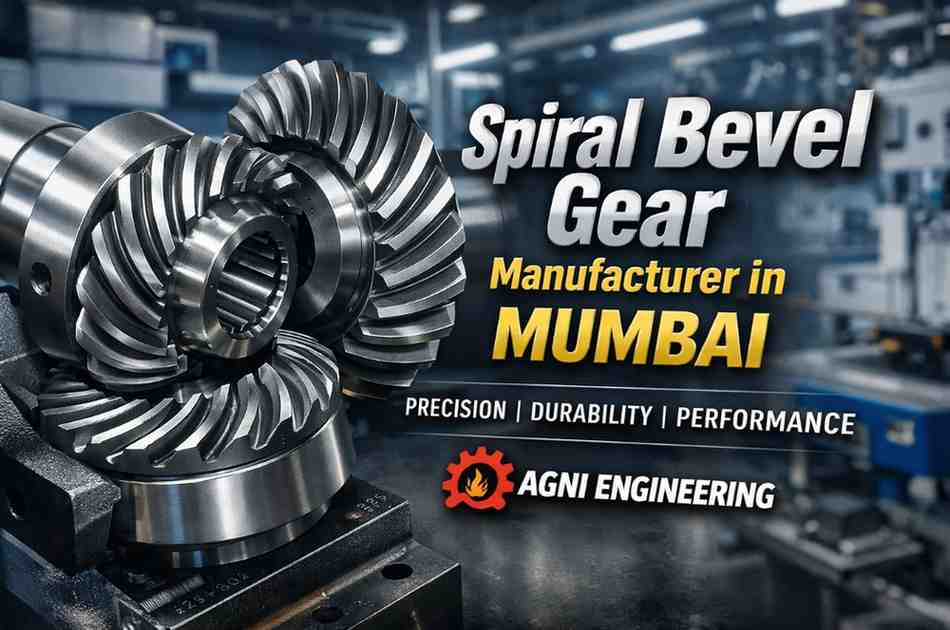
In modern machines, power does not alway...
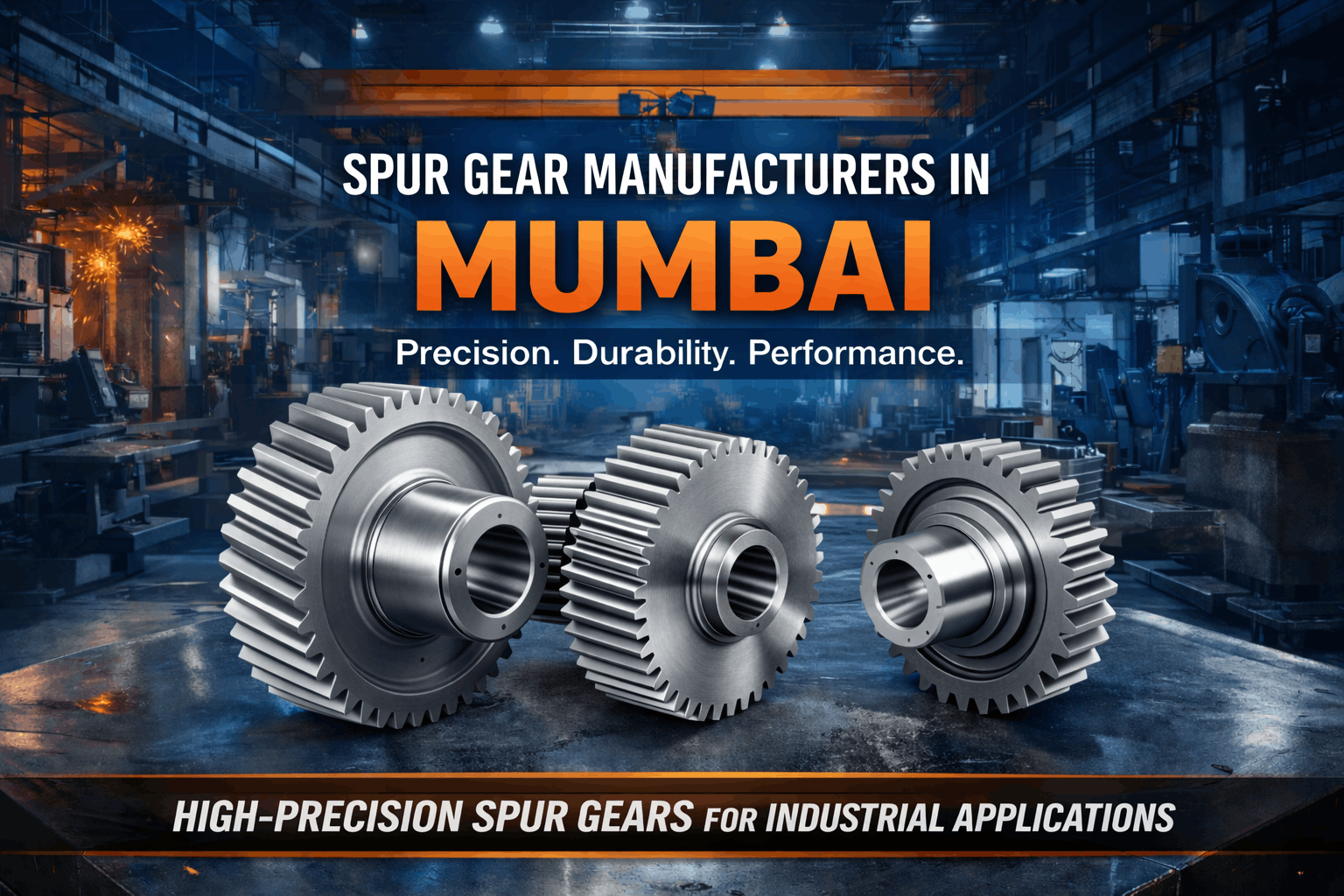
Some mechanical components earn their re...
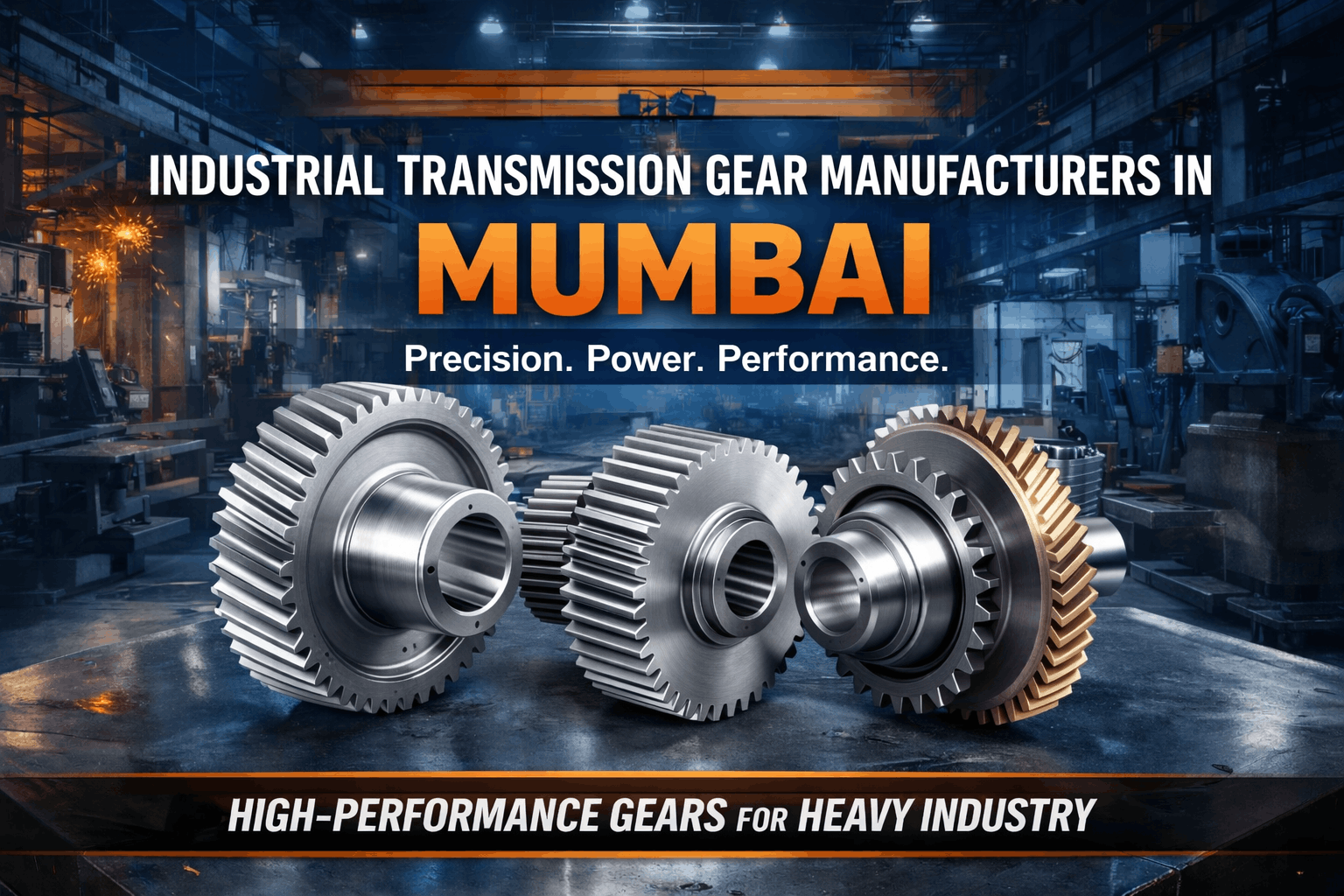
Power transmission begins with a single,...
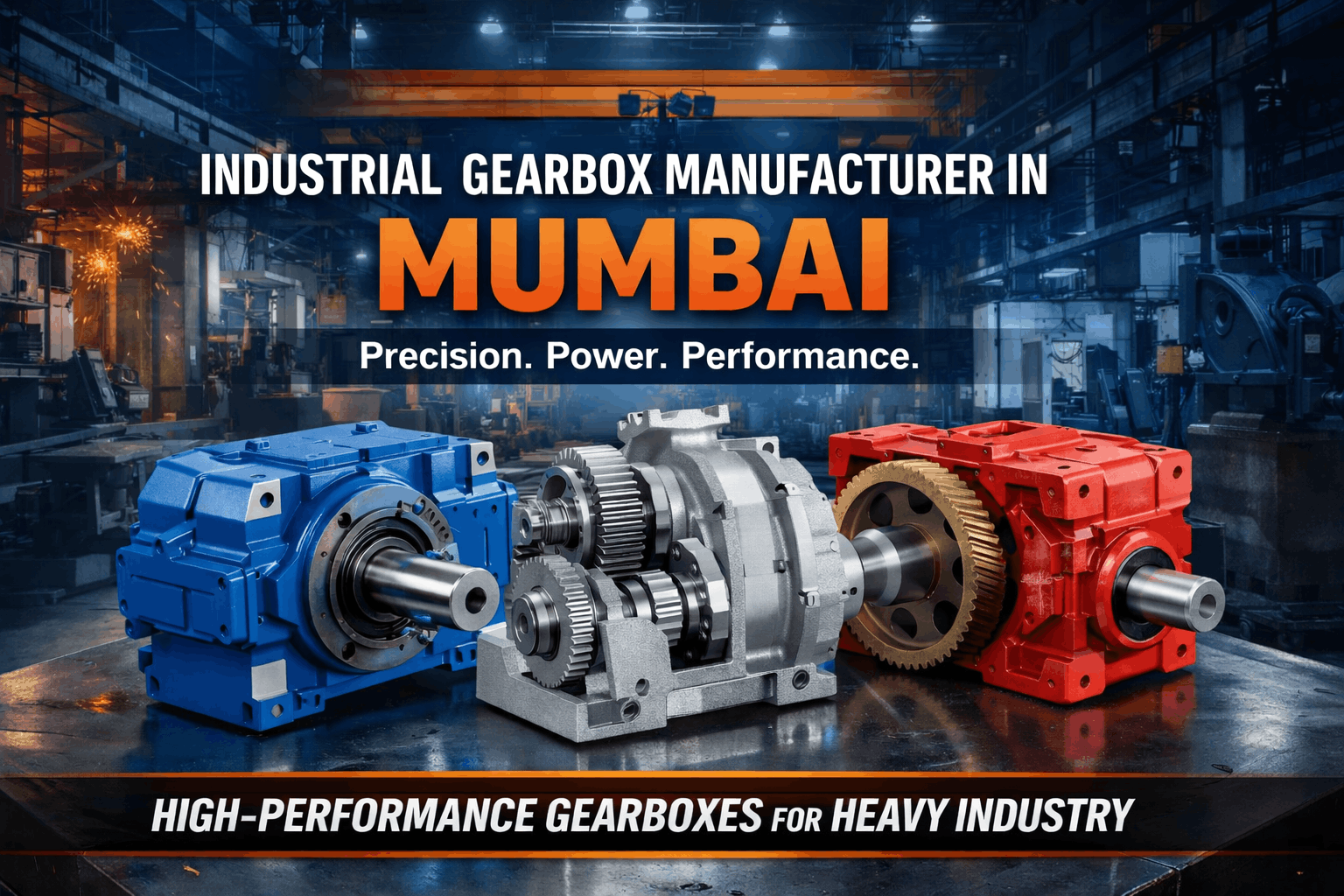
Behind every smooth-running industrial m...

In heavy-duty mechanical systems, power ...

In mechanical systems, reliability often...

In industrial environments where machine...
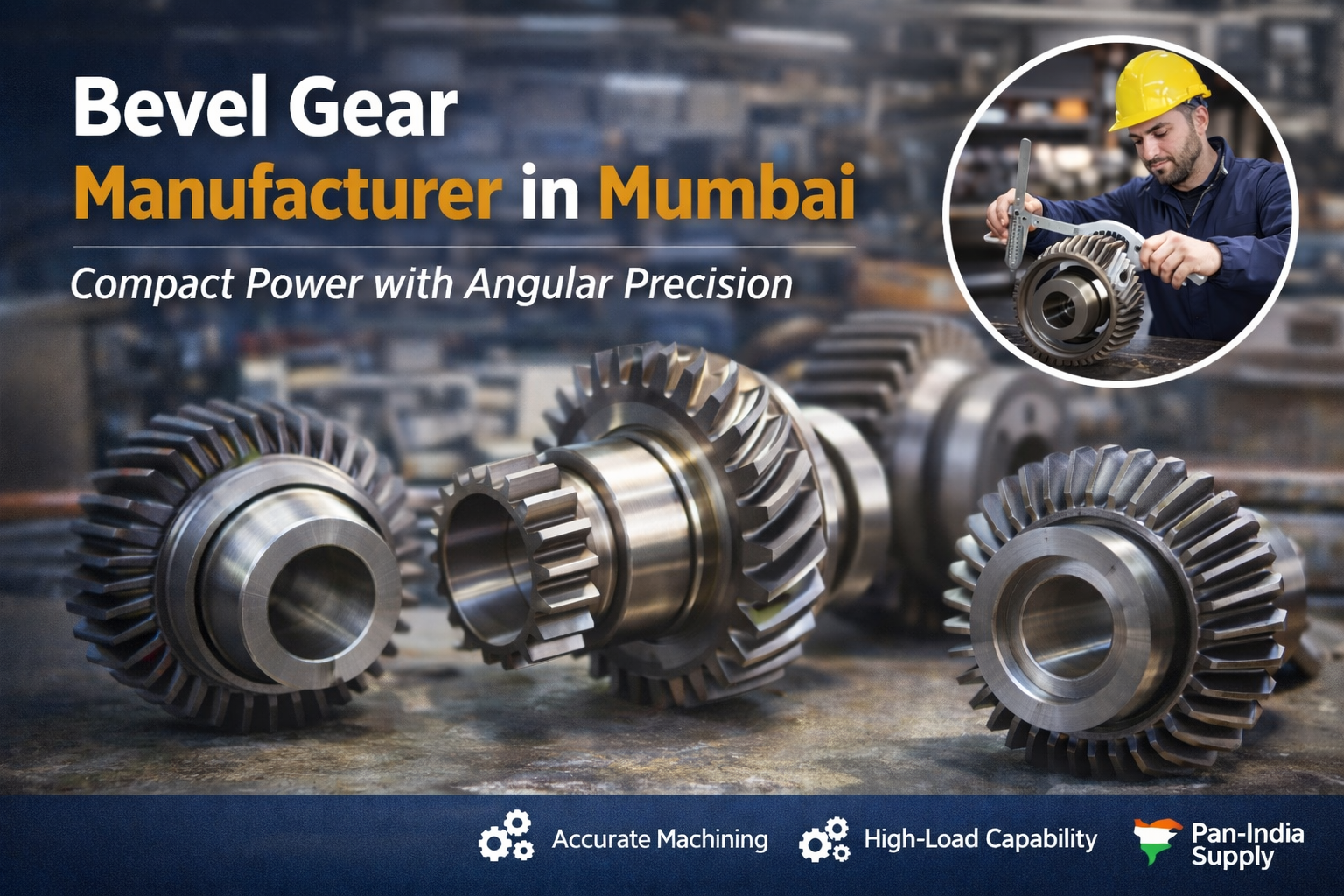
Machines that rely on angular power tran...
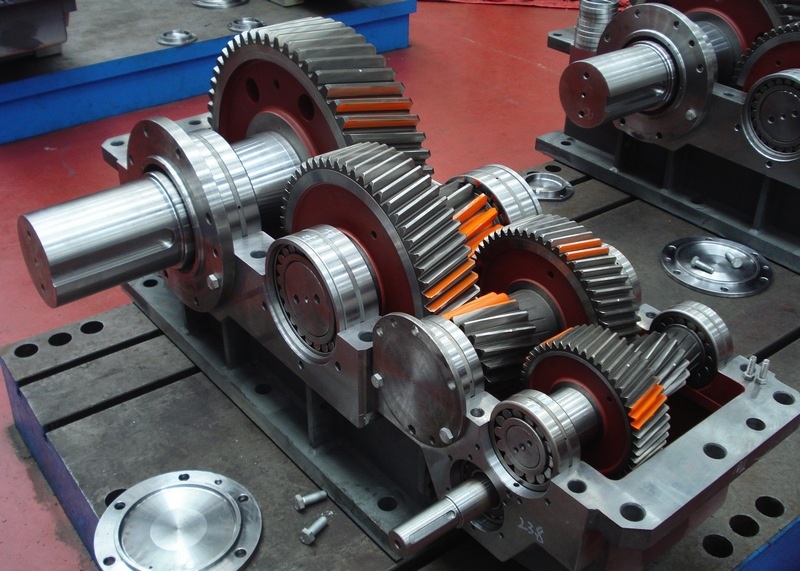
Modern industries run on reliability. Wh...
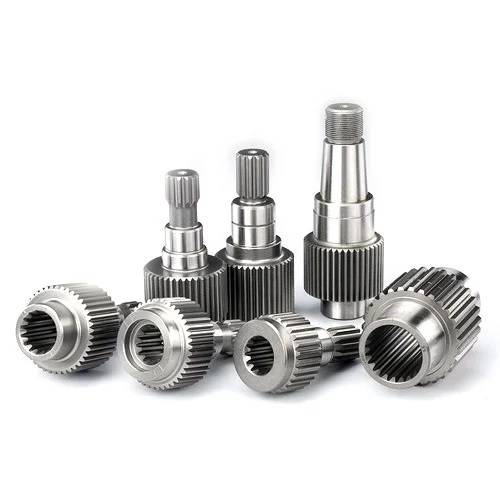
The Pinion Gear Shaft Manufacturers in M...
...
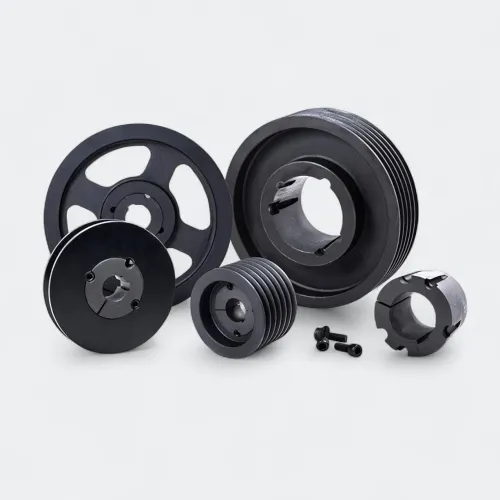
When machines need dependable power, smo...
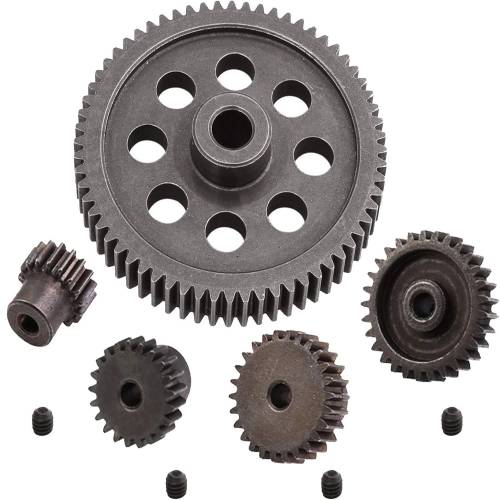
The Spur Gear Manufacturers in Mumbai ar...
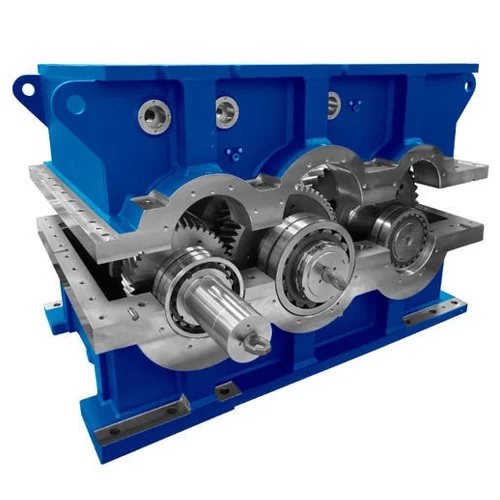
The Gearbox Manufacturers in Mumbai play...
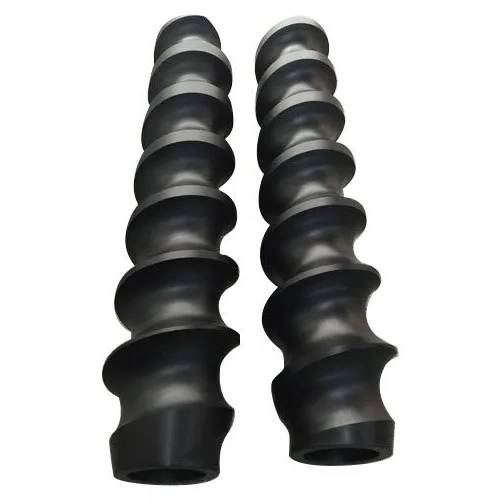
When precision meets performance, indust...
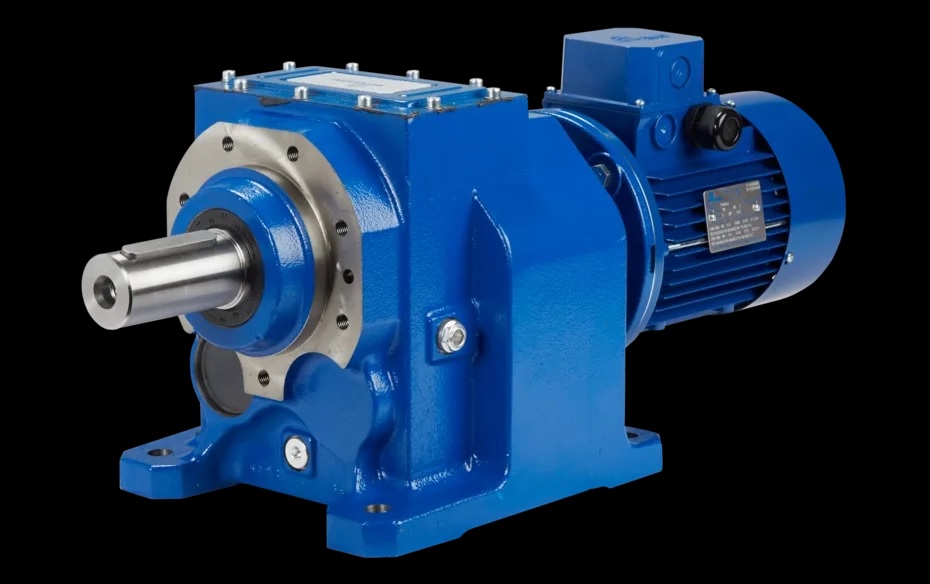
In the modern industrial world, precisio...
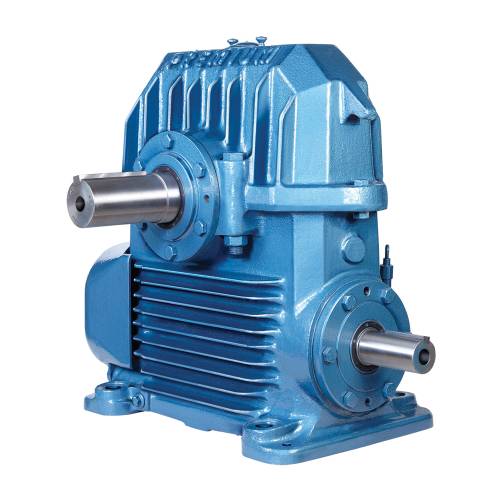
In today’s fast-paced industrial world...
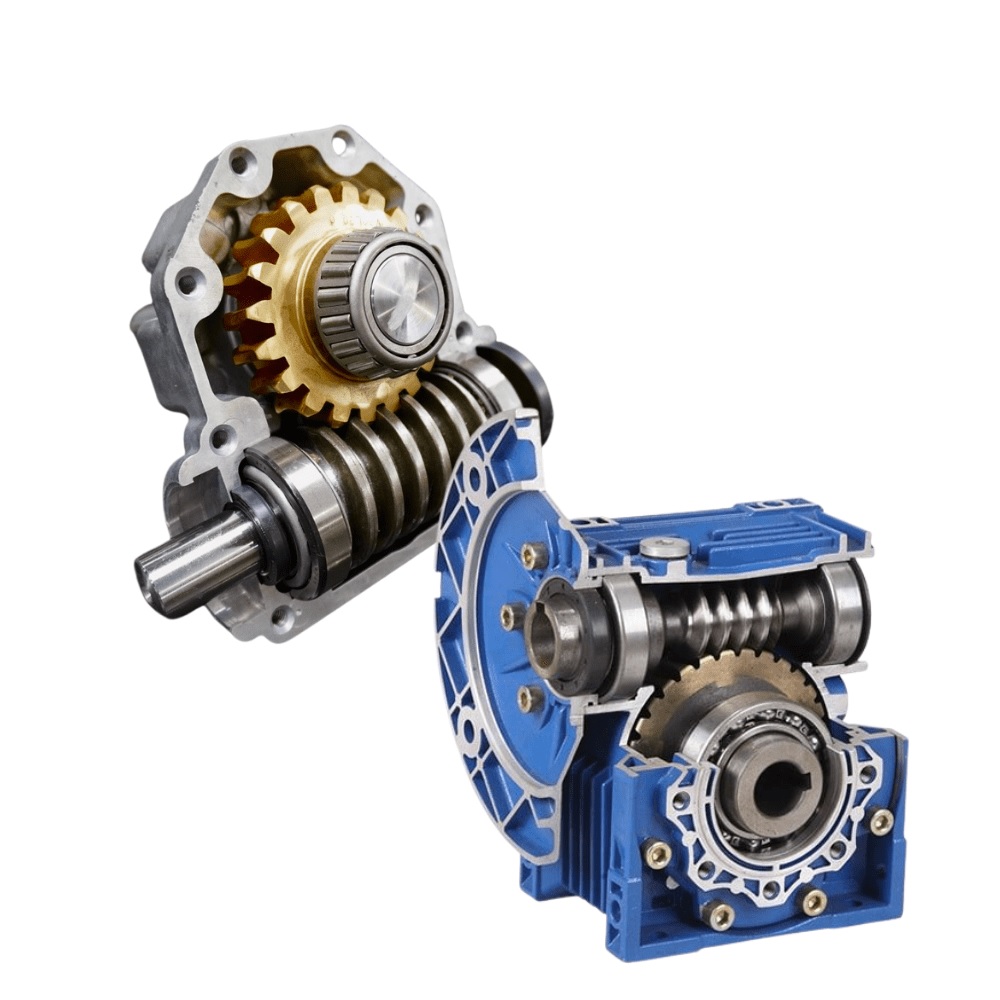
When it comes to advanced power transmis...
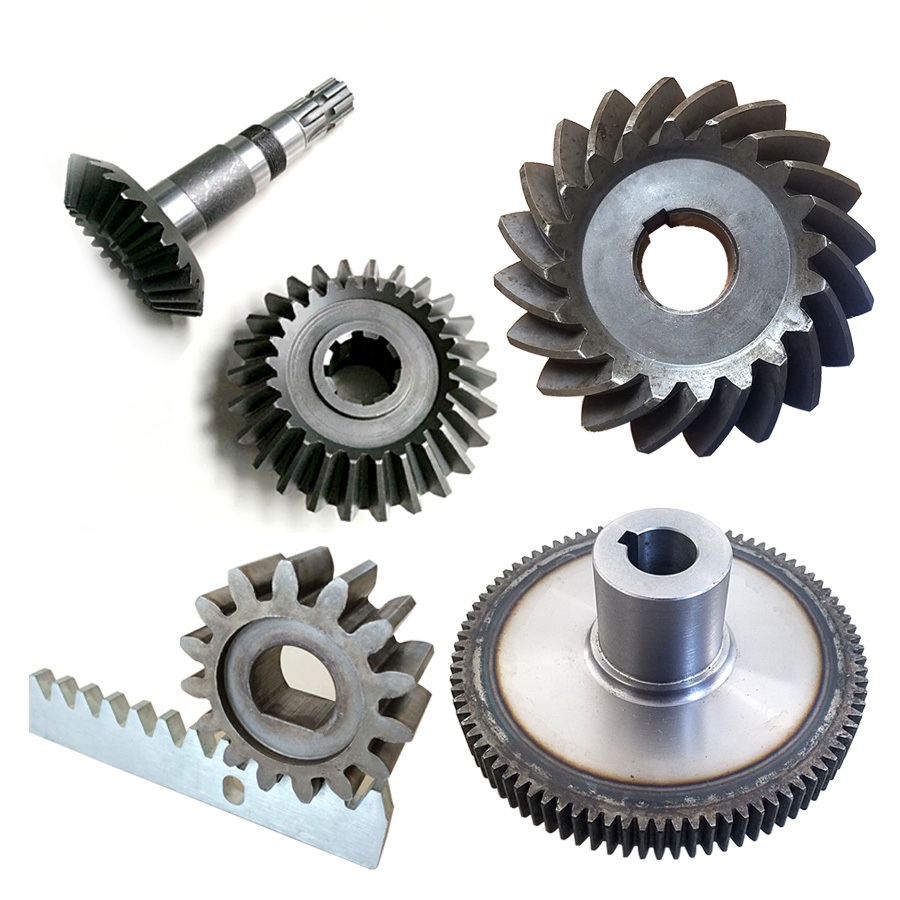
In the world of modern engineering, Indu...
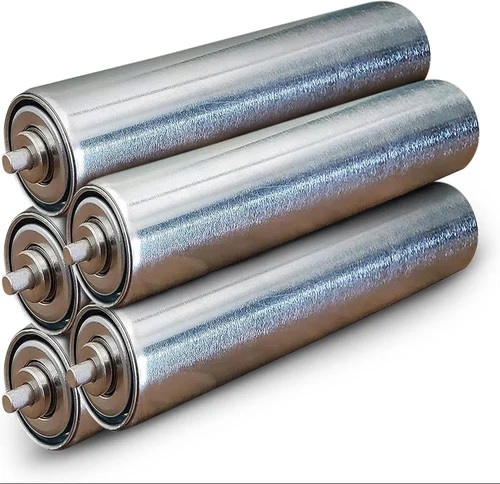
In the world of material handling and co...
