
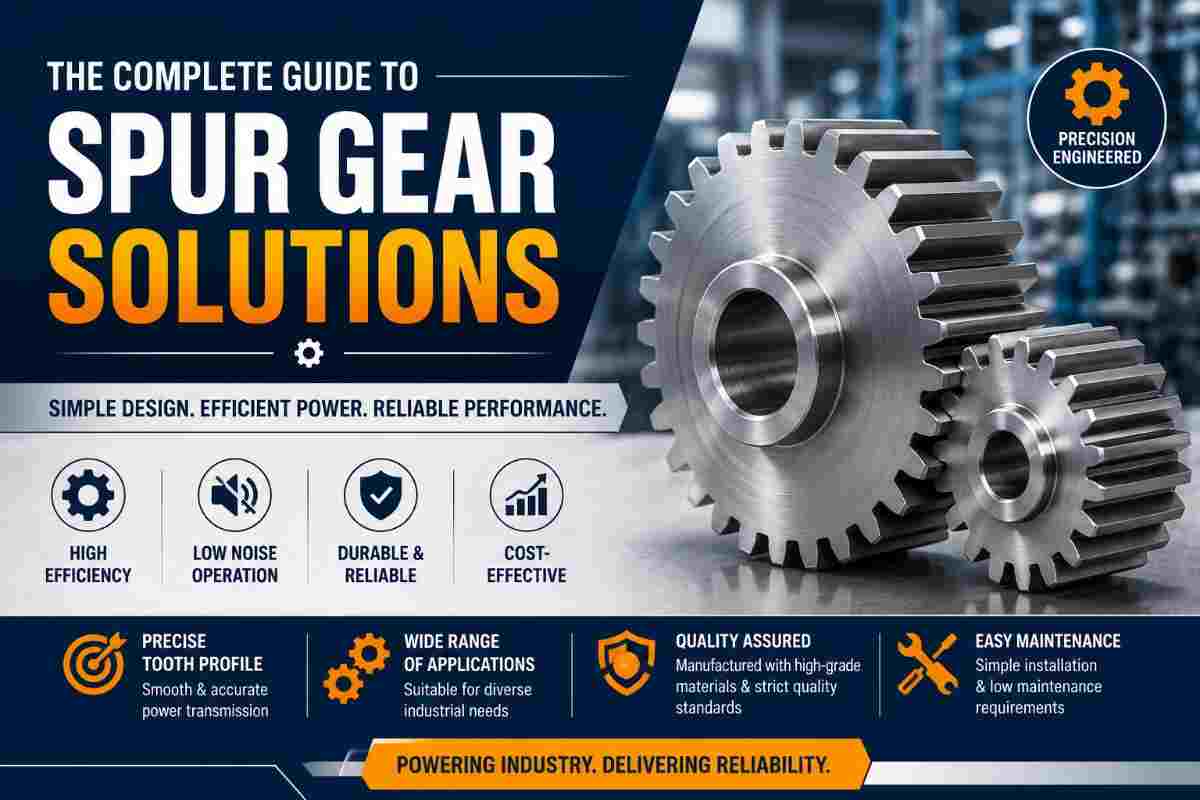
A spur gear is a mechanical gear with straight teeth arranged parallel to its rotational axis. It is primarily used to transmit rotational motion and power between parallel shafts. Its simple tooth design makes it efficient, predictable, and relatively easy to manufacture and maintain.
Spur gears are widely used in industrial machinery, automation equipment, conveyors, gearboxes, processing systems, and various mechanical assemblies where straightforward power transmission is required.
A spur gear works by directly meshing its teeth with another gear, commonly called a pinion or mating gear. As the driving gear rotates, its teeth push against the teeth of the second gear, transferring rotational motion and torque.
The gear ratio determines the relationship between input and output speed. By selecting suitable gear sizes, engineers can increase torque, reduce speed, increase speed, or maintain a desired transmission ratio.
Spur gears are popular because their construction is simple while providing efficient power transmission between parallel shafts.
Their key advantages include:
For applications requiring a more gradual tooth engagement and smoother operation, other designs such as Helical Gear systems may be considered.
The main features of a spur gear include the teeth, gear body, bore, pitch circle, outside diameter, root diameter, and keyway or other shaft connection features.
Important design parameters include:
These specifications must be selected according to the machinery's speed, torque, load, and operating conditions.
Spur gears can be manufactured from different grades of steel and other engineering materials depending on the application.
Common materials include:
Material selection depends on factors such as load, wear resistance, operating speed, environmental conditions, and required service life.
Heat treatment improves the mechanical properties of gear components and can increase resistance to wear and repeated loading.
Processes such as carburizing, induction hardening, and other controlled treatments may be used depending on the material and application.
A hardened tooth surface can provide improved wear resistance while maintaining suitable internal toughness. This is particularly valuable for gears operating under continuous or heavy loads.
The primary advantages are efficient power transmission, simple construction, and reliable operation.
Additional benefits include:
Because the teeth are straight, the gear does not generate the same axial thrust associated with angled-tooth designs.
Spur gears are used across many industries and mechanical systems where rotational motion must be transferred between parallel shafts.
Typical applications include:
They can be used in both relatively simple mechanisms and complex industrial transmission systems.
A high-quality gear requires accurate tooth geometry, proper material selection, precise machining, and suitable surface treatment.
Important quality factors include:
Even small manufacturing inaccuracies can affect meshing, noise, vibration, efficiency, and service life.
Tooth accuracy determines how effectively two mating gears engage during operation. Incorrect tooth dimensions or alignment can lead to uneven loading and excessive wear.
Accurate machining helps provide:
For demanding applications, precision manufacturing and inspection become especially important.
The main difference is the direction of the teeth. Spur gears have straight teeth, while helical gears have teeth positioned at an angle.
Spur gears offer simple construction and efficient transmission between parallel shafts. Helical gears generally provide more gradual tooth engagement, which can result in smoother and quieter operation.
The right option depends on speed, noise requirements, load, axial-force considerations, space, and overall machine design.
Yes, spur gears can be customized according to specific machine and shaft requirements.
Customization may include:
Custom manufacturing can be particularly useful for OEM machinery, replacement components, and specialized transmission systems.
The module defines the relationship between the pitch diameter and the number of teeth. It is one of the fundamental dimensions used when designing metric gears.
Selecting the correct module helps ensure that mating gears have compatible tooth dimensions and can engage correctly.
Module selection depends on factors such as:
The correct selection begins with understanding the operating requirements of the machine.
Important factors include:
A technically suitable gear should provide adequate strength and wear resistance without being unnecessarily oversized for the application.
Regular inspection, lubrication, alignment checks, and monitoring of operating conditions can help extend service life.
Maintenance should include:
Early identification of unusual wear or noise can help prevent more extensive mechanical problems.
Premature wear can occur because of excessive loading, poor lubrication, misalignment, incorrect gear selection, contamination, or inadequate material treatment.
Common warning signs include:
Investigating these symptoms early can help identify the underlying cause before the gear or connected machinery suffers further damage.
Yes, appropriately designed spur gears can handle significant industrial loads when their material, dimensions, heat treatment, and operating conditions are correctly selected.
Heavy-duty applications require careful consideration of:
For applications involving different shaft arrangements or specialized transmission requirements, products such as Bevel Gear may provide an alternative solution.
A different gear design may be more appropriate when the application requires specific shaft arrangements, compact positioning, reduced noise, or specialized torque transmission.
For example:
The choice should always be based on the machine's actual operating requirements.
A reliable manufacturer can provide appropriate material selection, accurate machining, controlled heat treatment, and dimensional inspection.
When evaluating a supplier, consider:
These factors can have a direct impact on the reliability and service life of the finished component.
Yes, these components can be manufactured and supplied for international machinery and industrial projects.
Export orders may require:
Clear communication of drawings, dimensions, tolerances, materials, and application requirements can help ensure that the supplied components meet the project's expectations.
Performance can be improved through correct sizing, accurate manufacturing, suitable materials, appropriate heat treatment, proper lubrication, and good installation practices.
The most important considerations are:
Good engineering and maintenance practices can significantly improve transmission reliability.
Before purchasing, verify the technical specifications rather than selecting a component based only on size or price.
Check:
Providing a detailed drawing or complete machine specifications can make the selection process more accurate.
Spur gears remain popular because they combine a relatively simple design with efficient and predictable power transmission.
Their straight teeth, easy maintenance, wide material availability, and broad range of applications make them practical for many mechanical systems.
When manufactured with accurate tolerances and selected according to the machine's operating conditions, they can provide dependable performance across numerous industrial applications.
Spur gears are an established and versatile solution for transmitting rotational power between parallel shafts. Their straight-tooth design provides efficient torque transfer while keeping the overall construction relatively straightforward.
Material selection, tooth accuracy, heat treatment, gear dimensions, alignment, lubrication, and operating conditions all influence performance and service life.
For specialized machinery, customized dimensions and material specifications can help ensure that the gear matches the application. Buyers should therefore evaluate technical requirements carefully and work with an experienced manufacturer capable of delivering accurate, application-specific components.
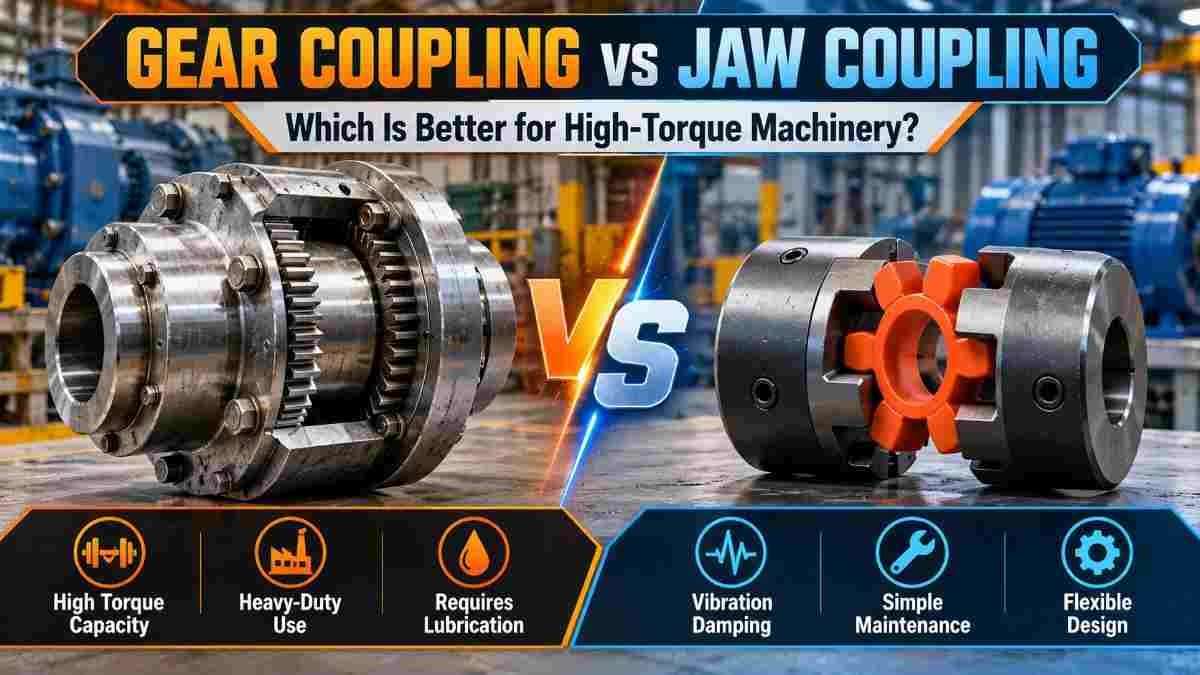
Industrial machinery depends on reliable...
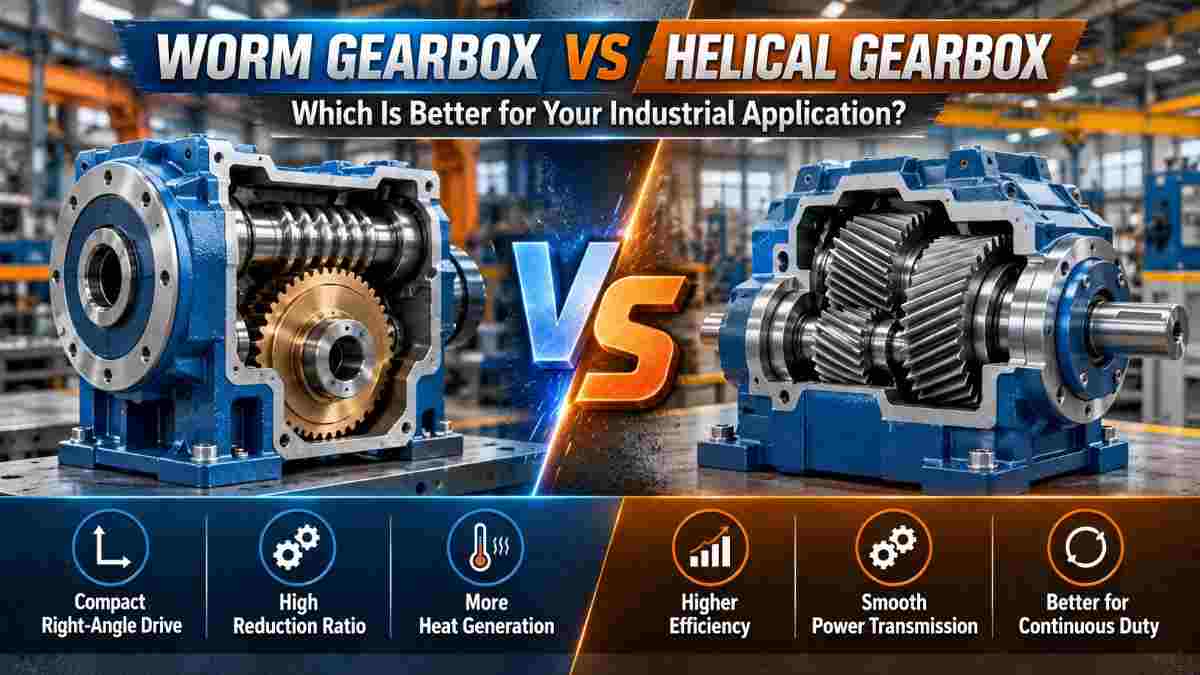
Choosing between a worm gearbox and a he...
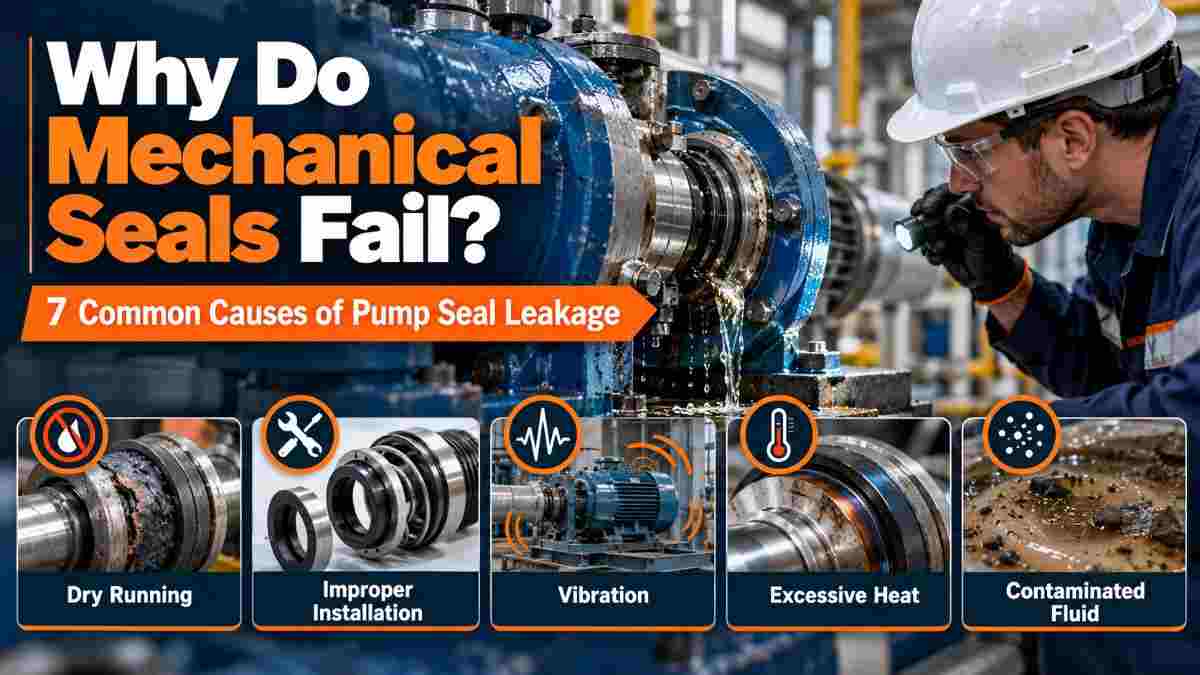
Mechanical seals are essential component...
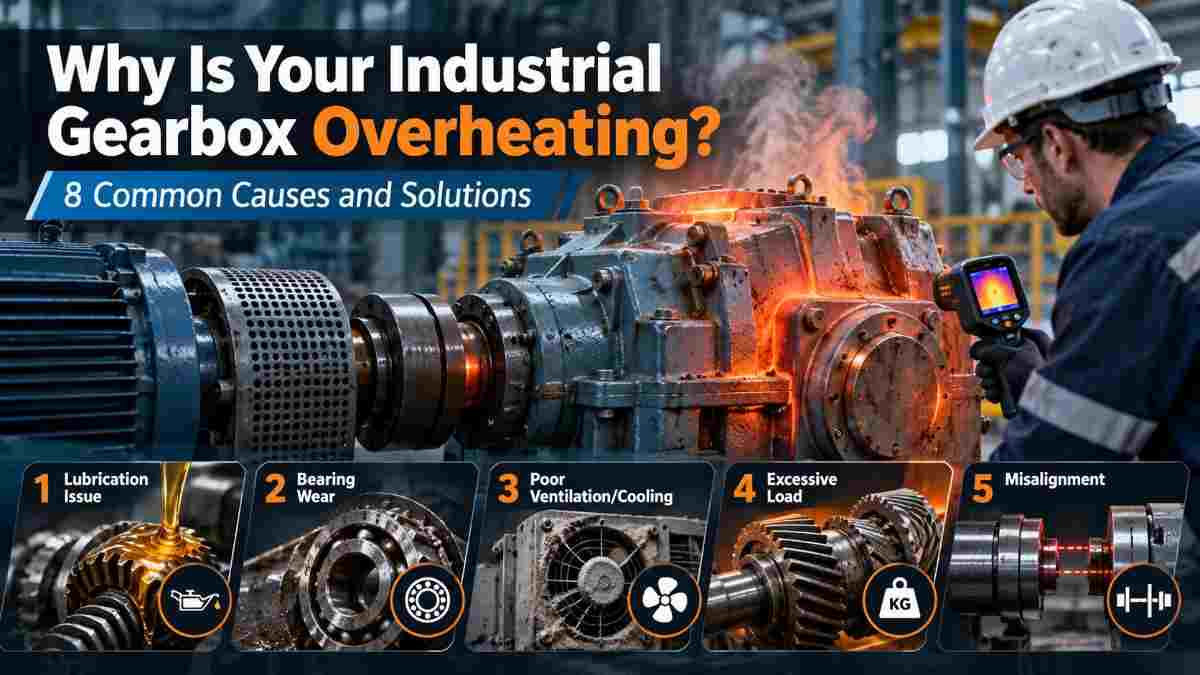
An industrial gearbox naturally generate...
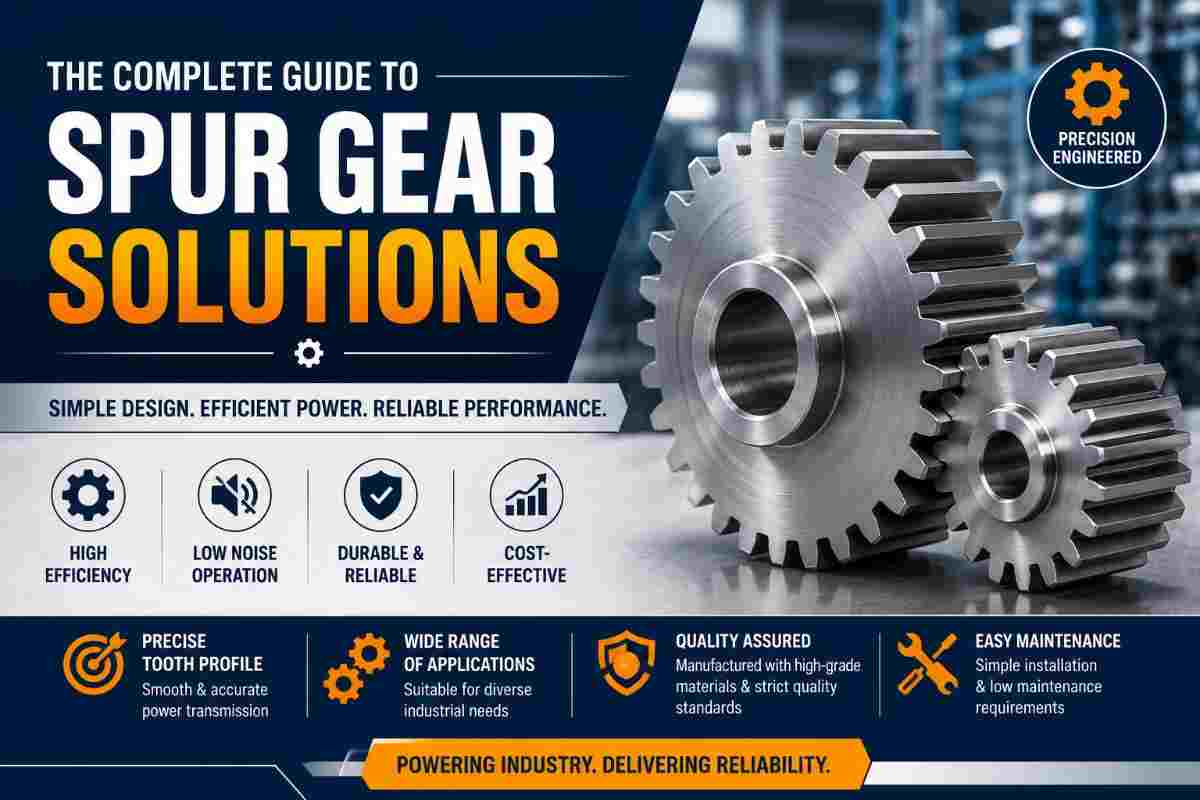
A spur gear is a mechanical gear with st...
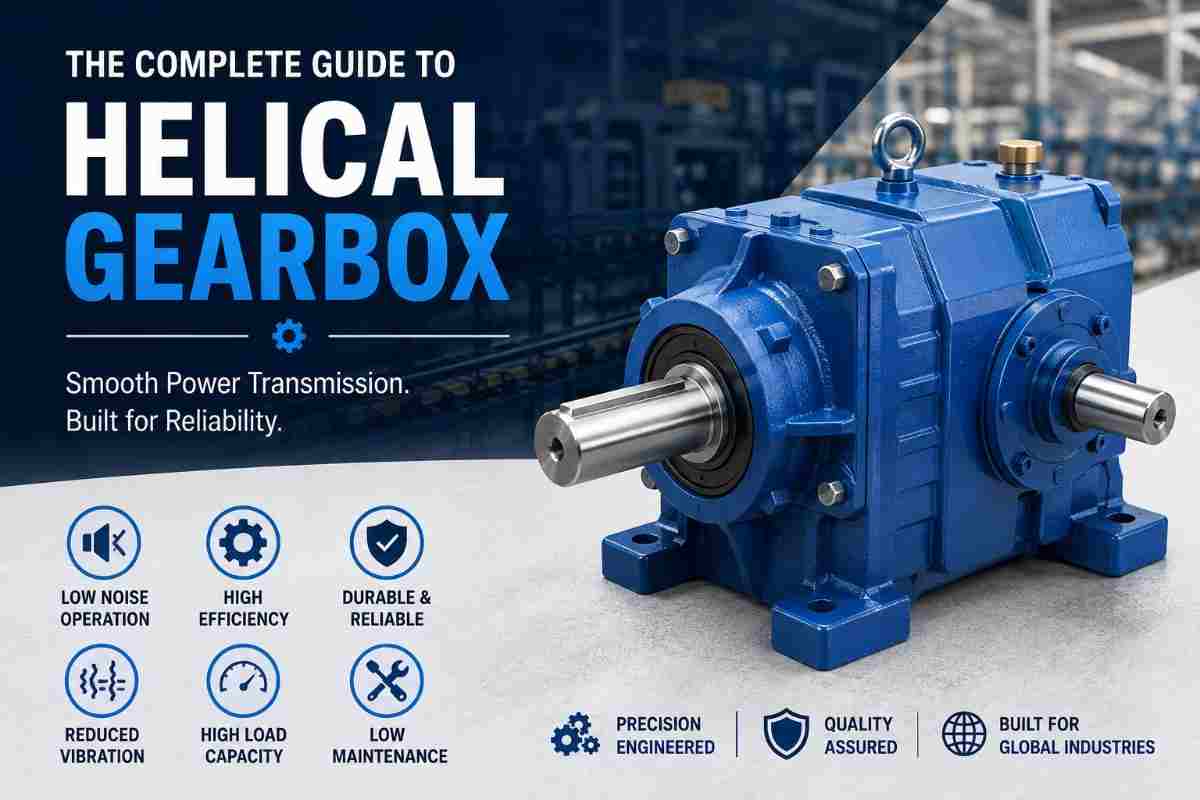
A helical gearbox is a mechanical power ...
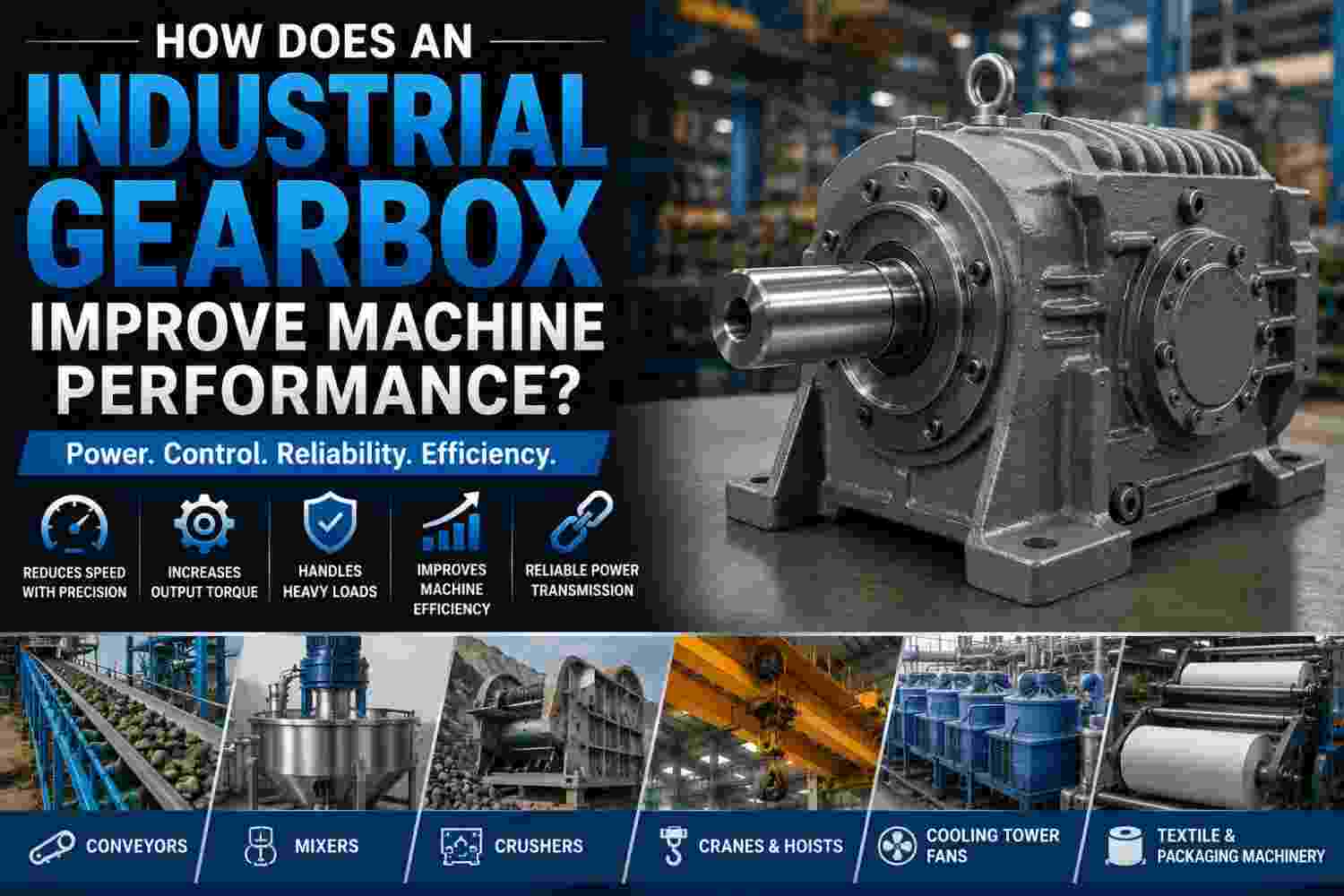
An industrial gearbox improves machine p...
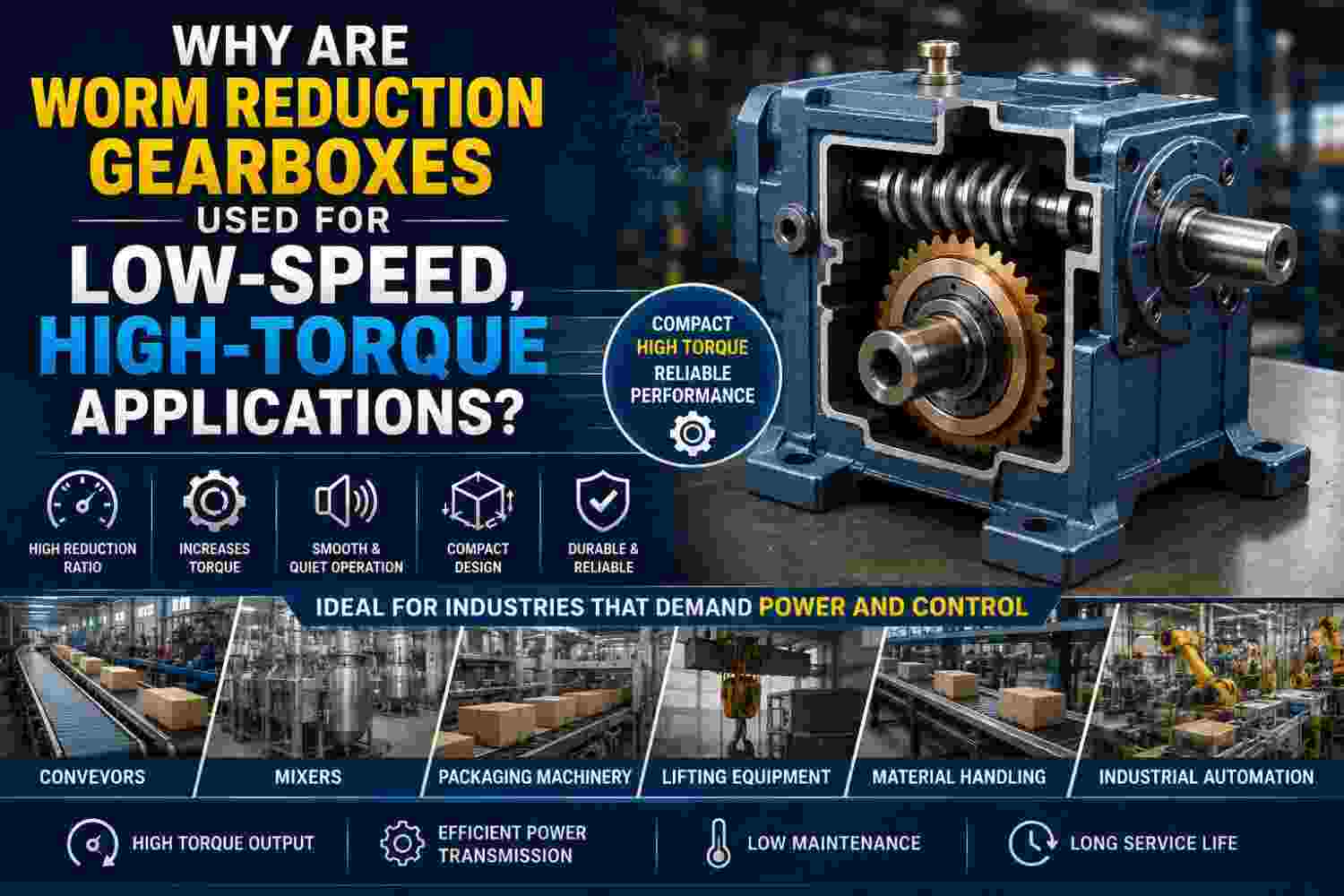
Worm reduction gearboxes are used for lo...
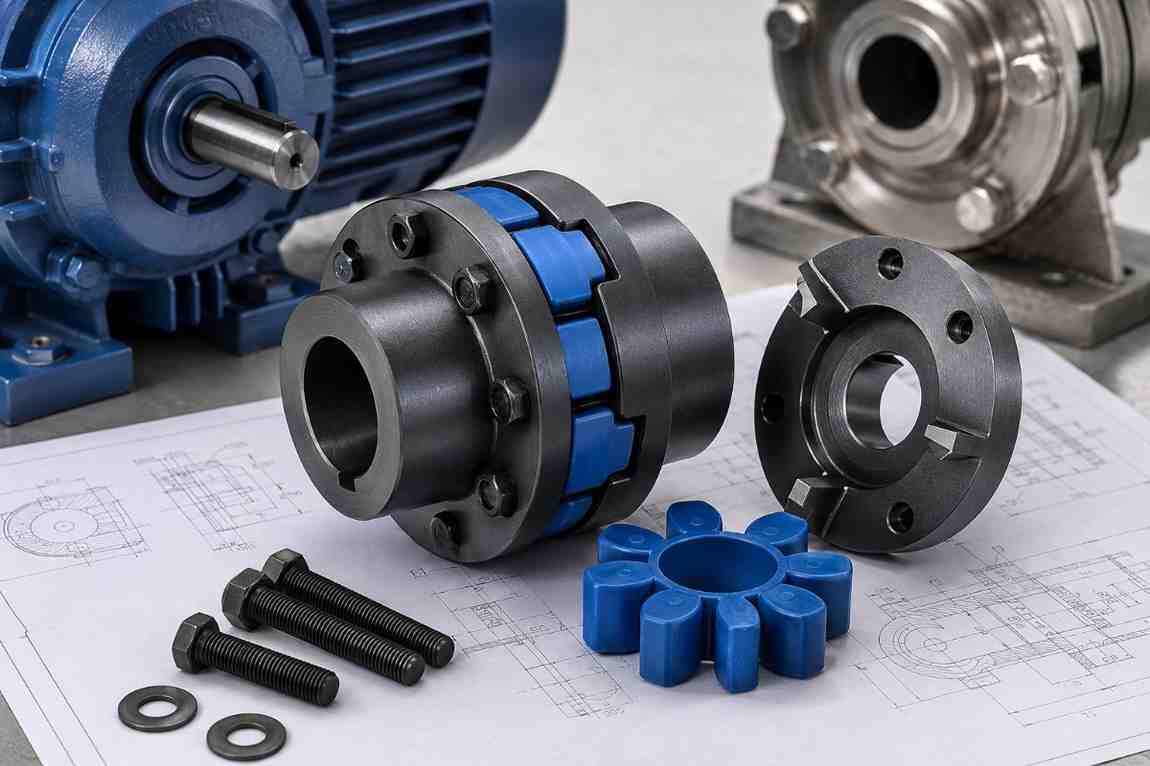
Selecting the correct N-Eupex coupling i...
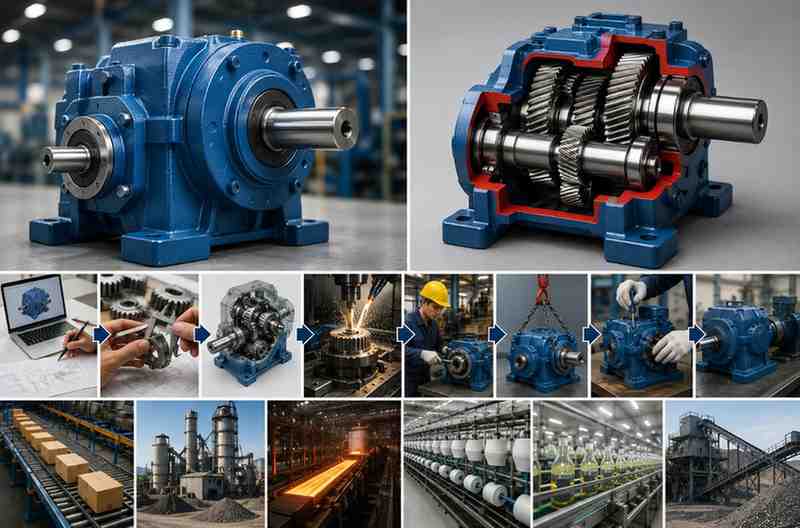
Choosing the right helical gearbox is on...
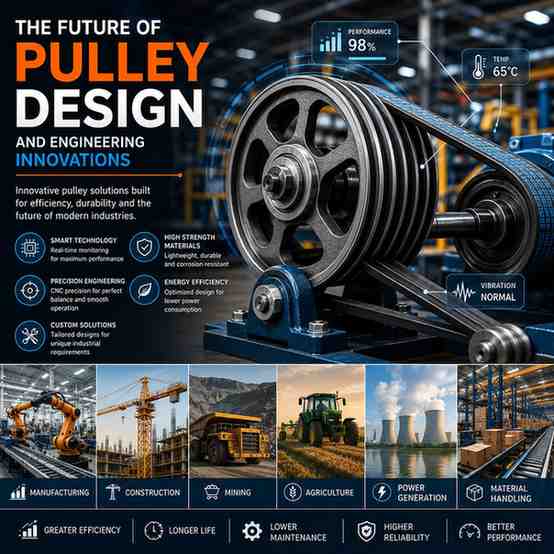
For centuries, pulleys have been one of ...
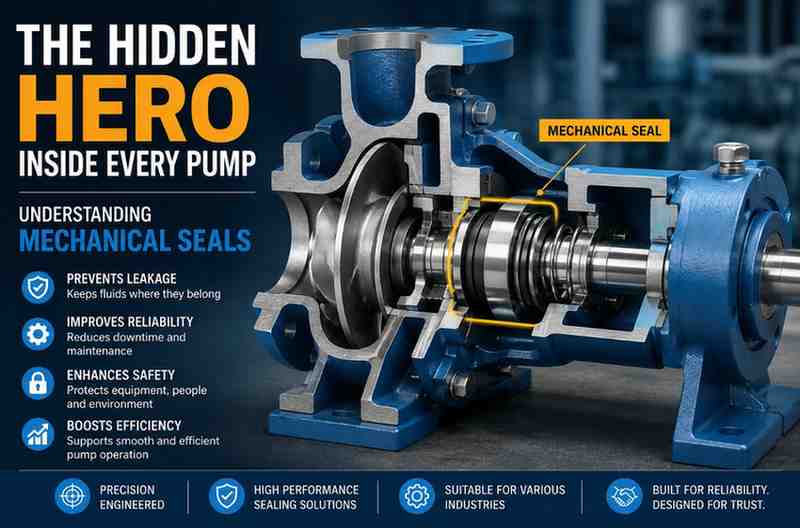
When people think about industrial pumps...
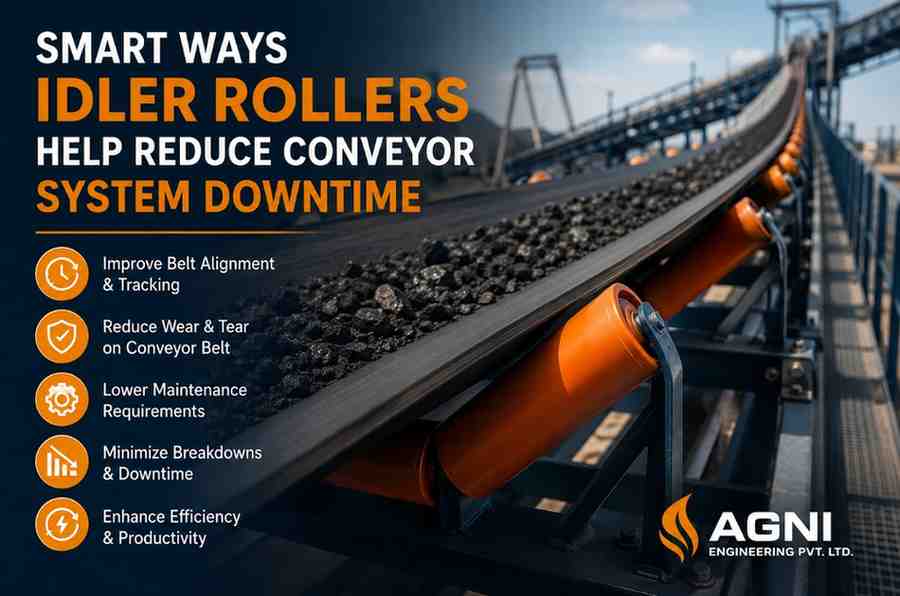
In industries where material handling is...
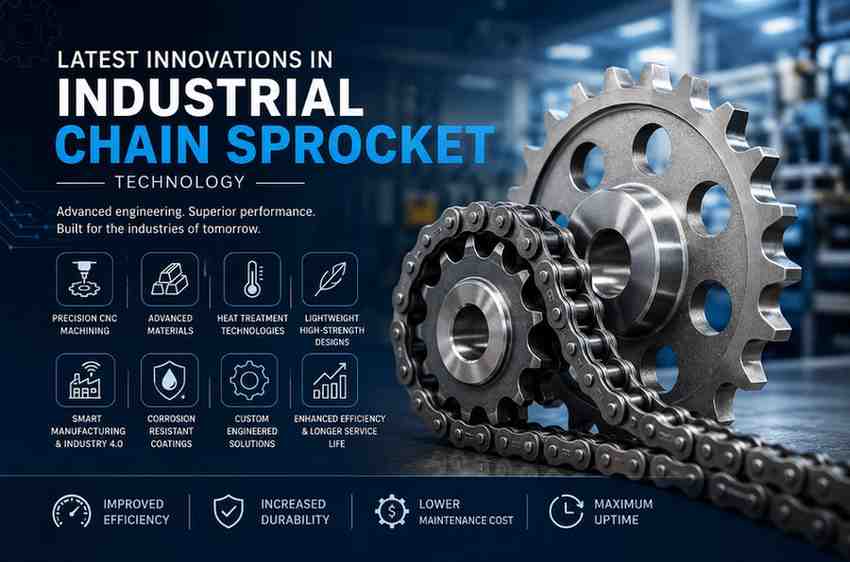
In today’s fast-moving industrial envi...
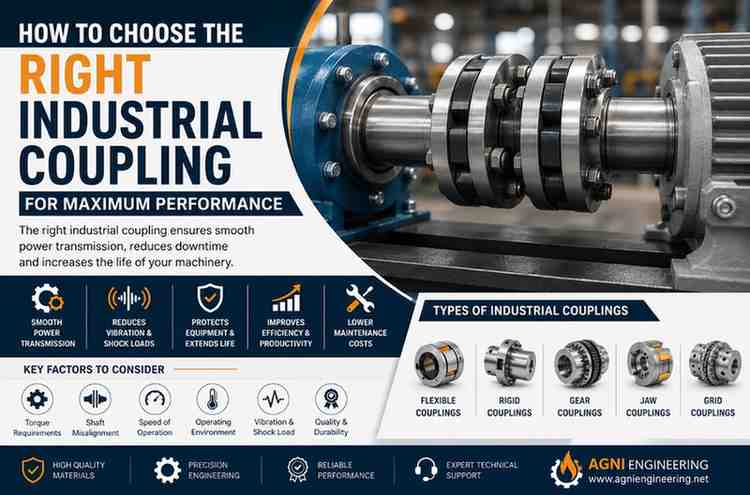
In any industrial setup, even the smalle...
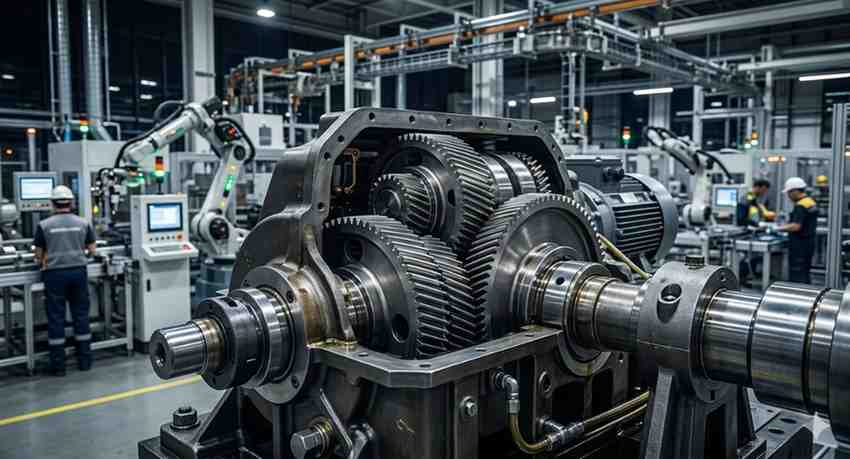
Industrial operations today are becoming...
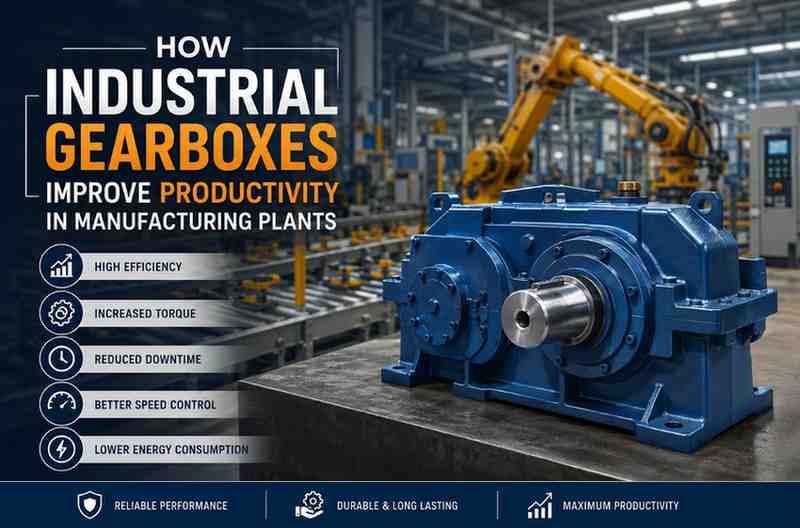
In modern manufacturing plants, efficien...
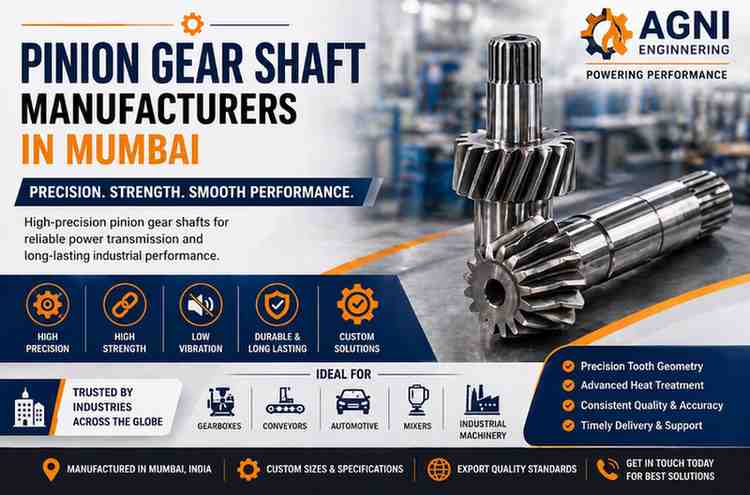
In industrial machinery, every movement ...
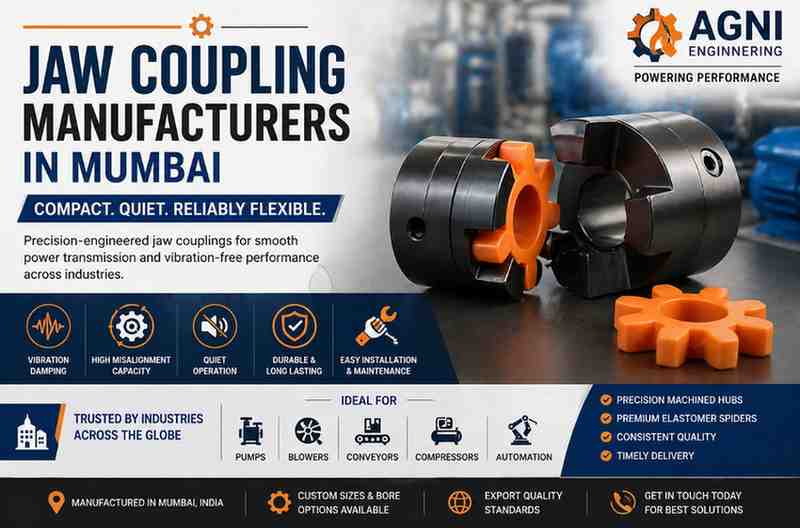
In modern industrial machinery, smooth p...
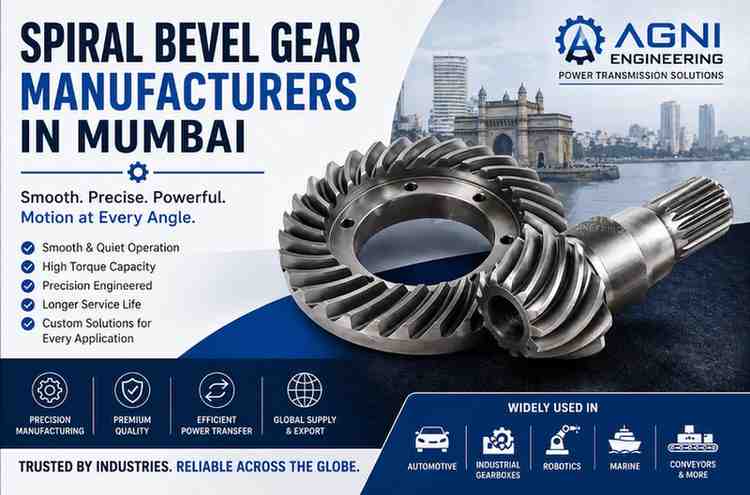
In modern industries, machines rarely wo...
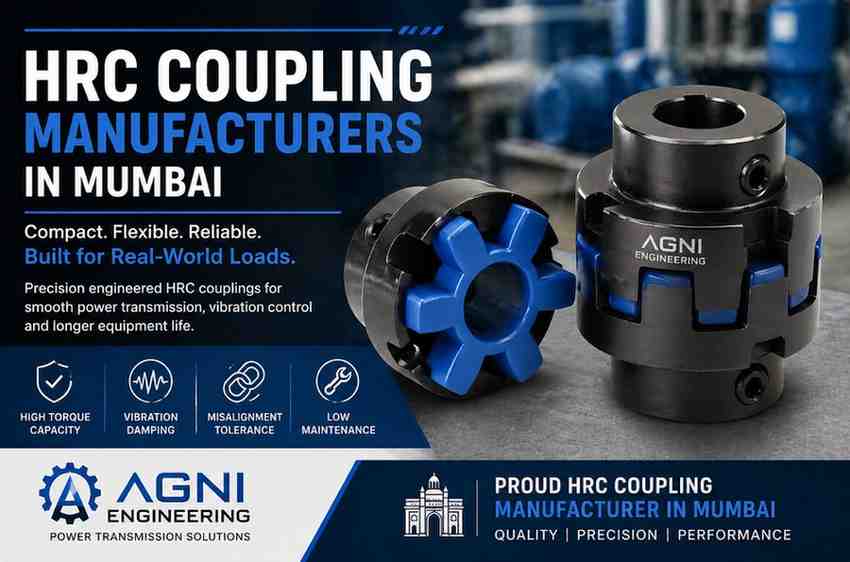
In industrial machinery, smooth power tr...

Machines depend on smooth and steady mot...

In any industrial system, smooth power t...

In many industrial machines, smooth moti...
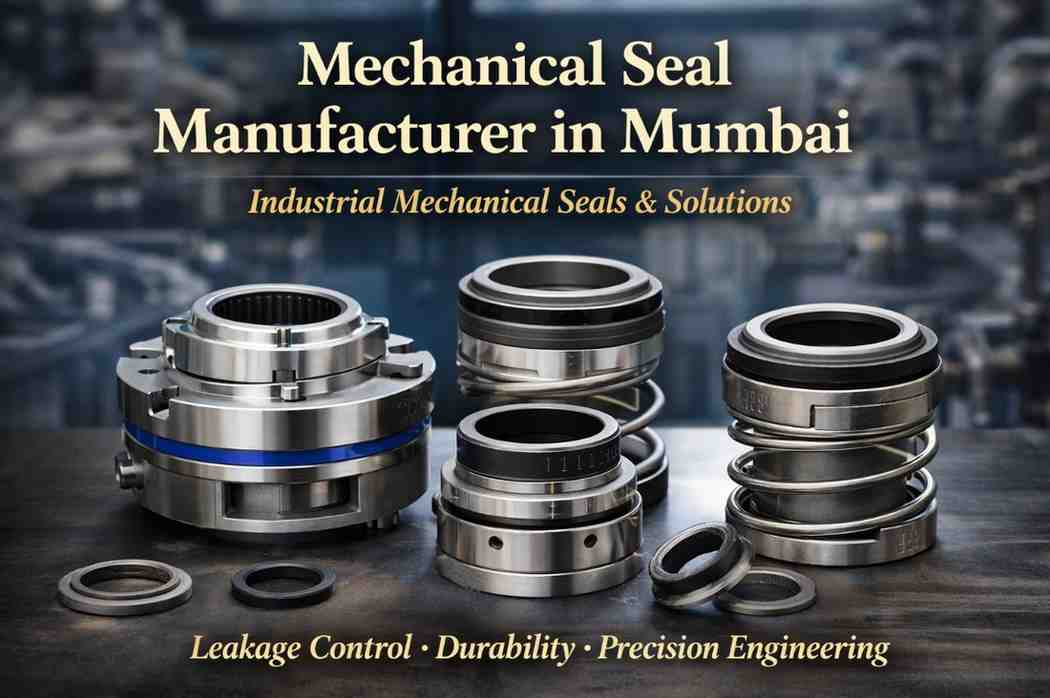
Industrial machines operate under pressu...
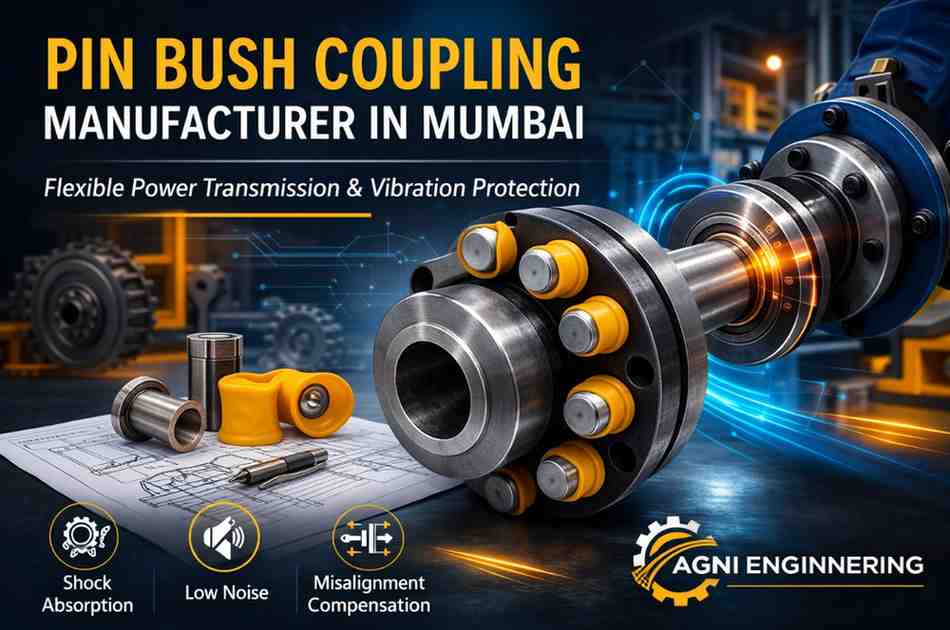
In many industrial machines, vibration, ...
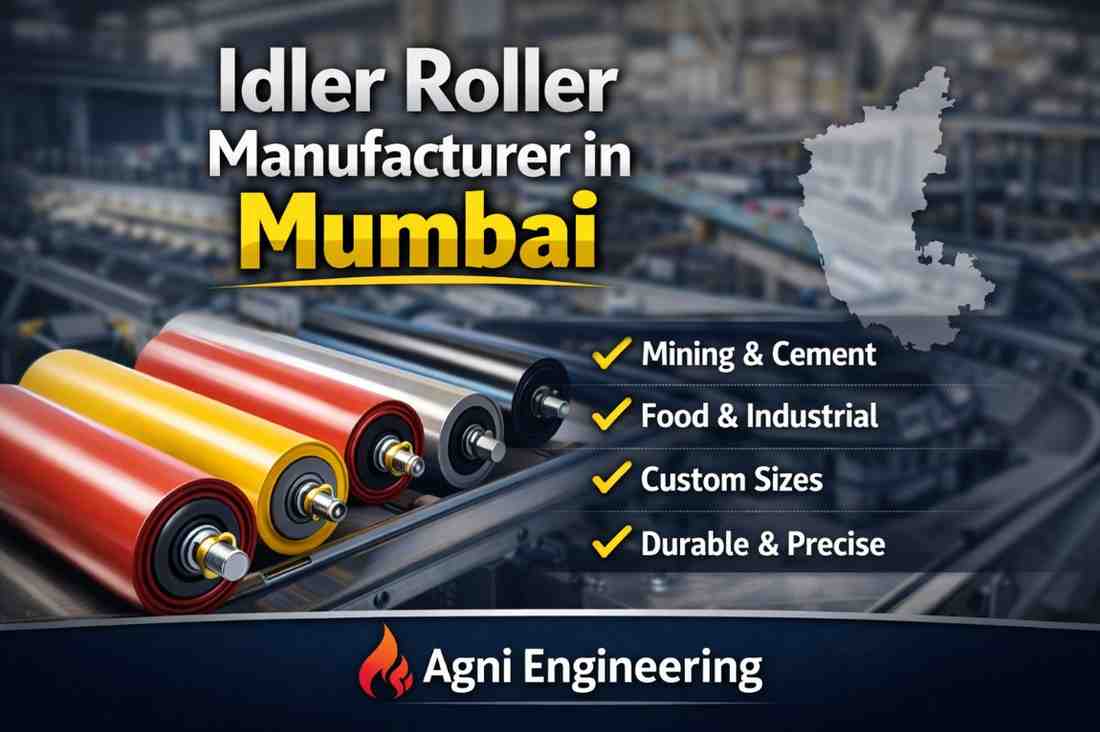
In every conveyor system, rollers play a...
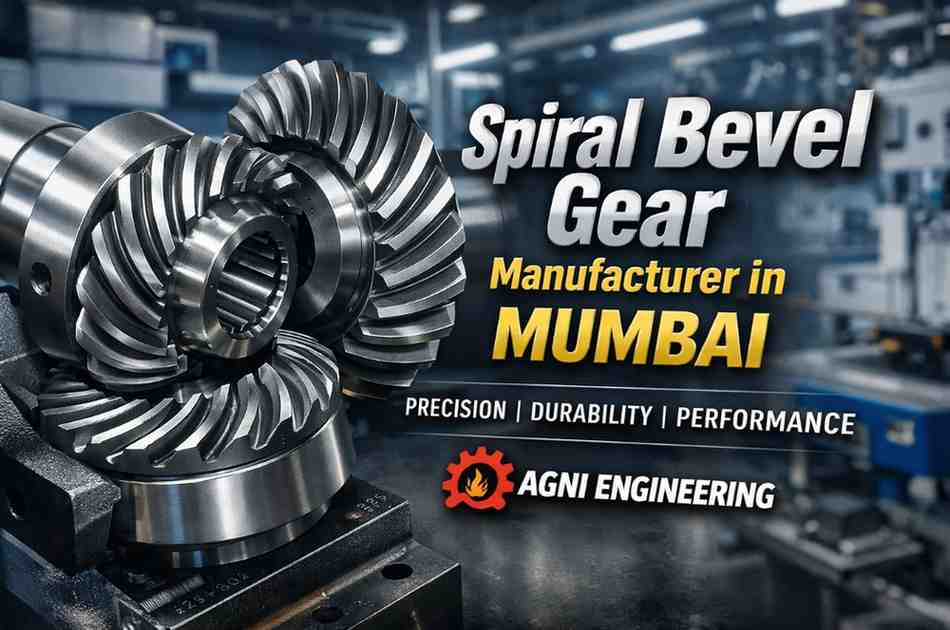
In modern machines, power does not alway...
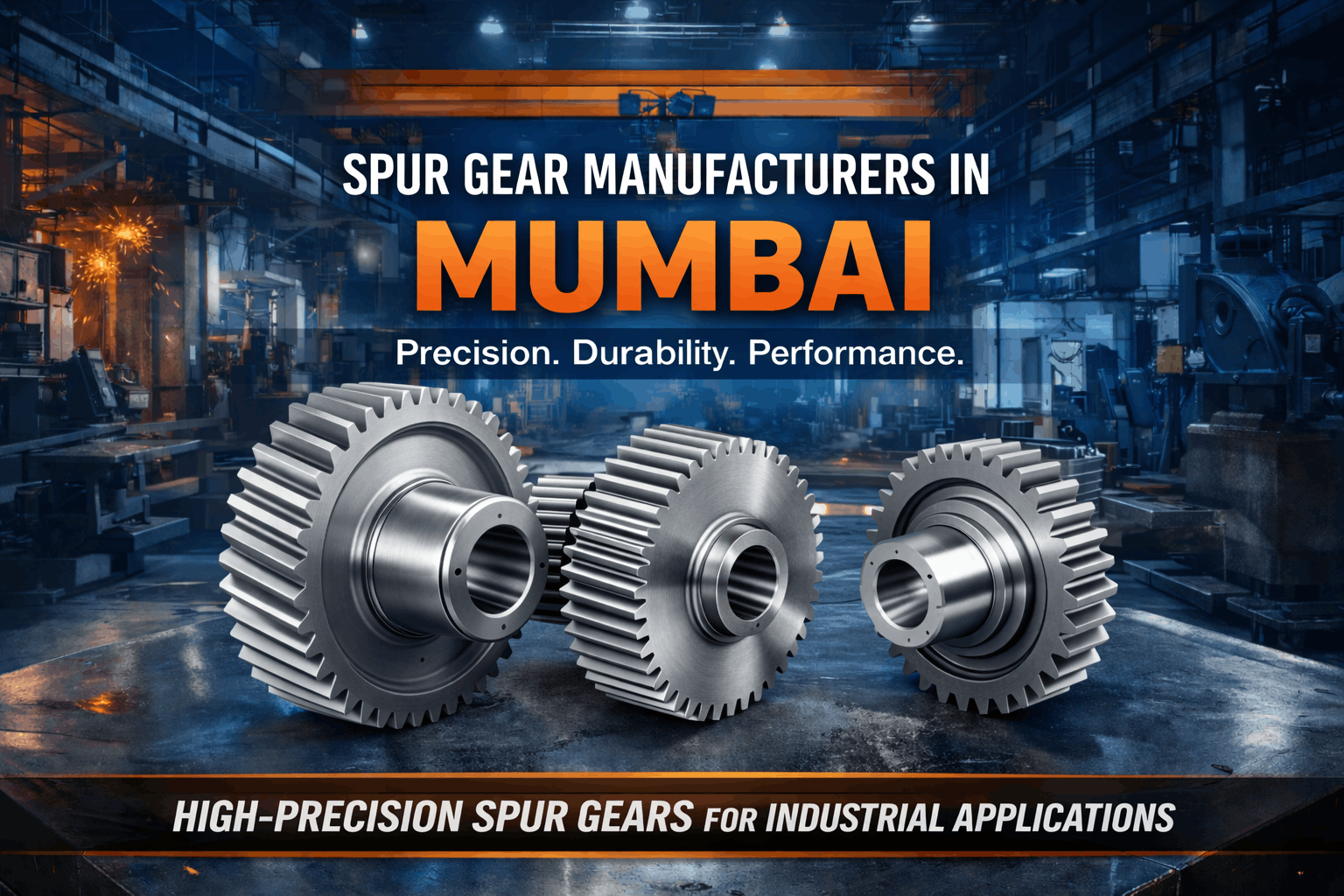
Some mechanical components earn their re...
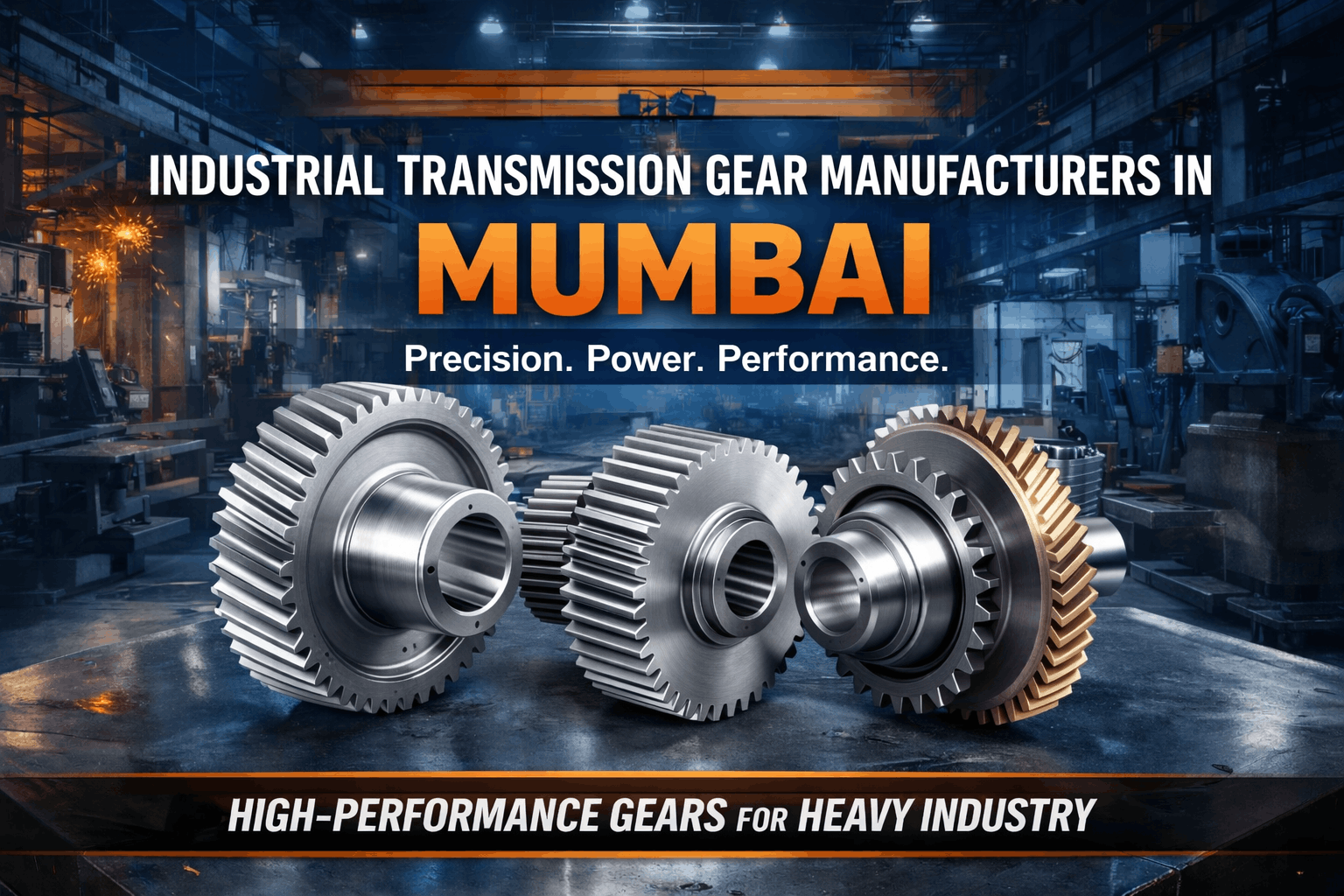
Power transmission begins with a single,...
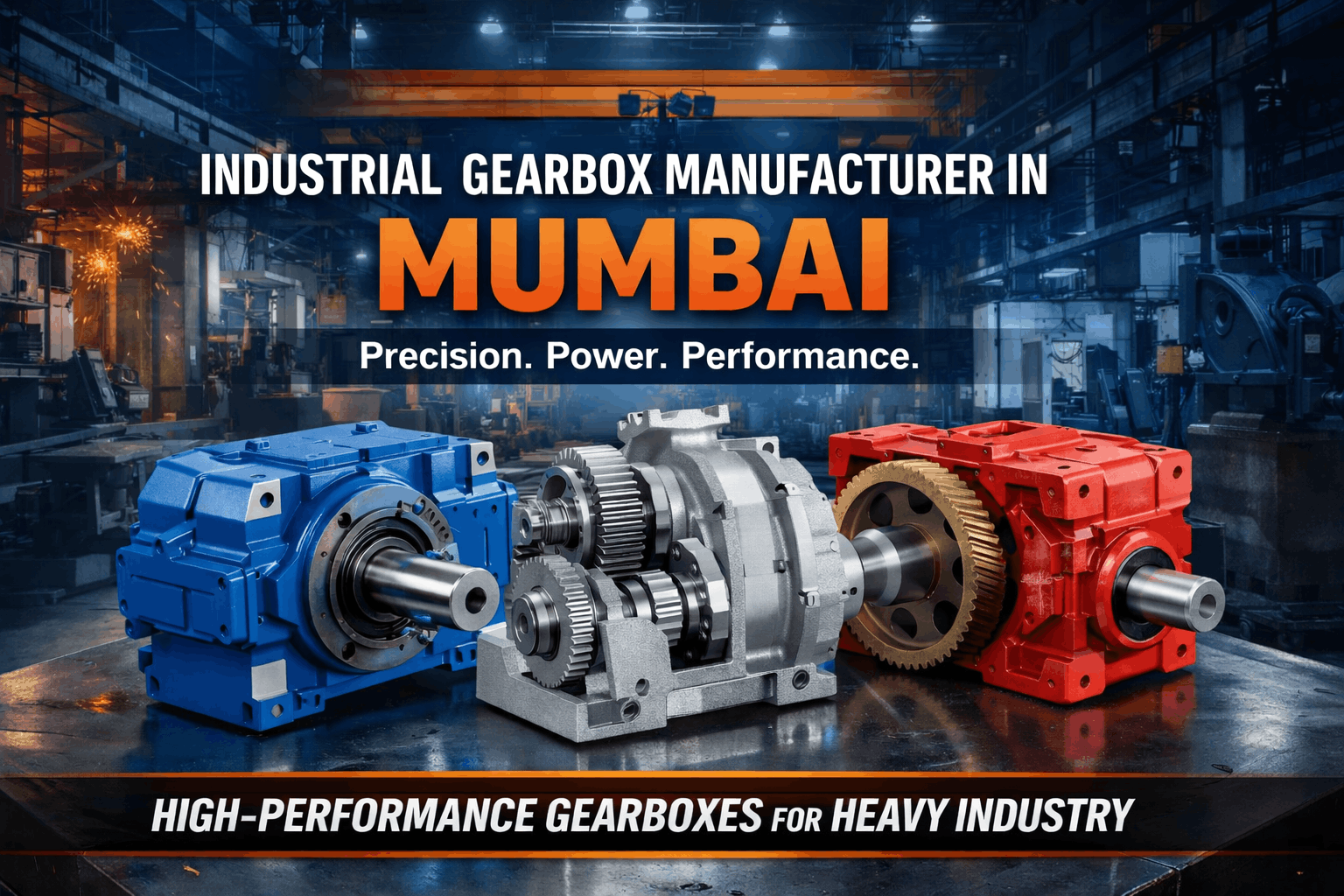
Behind every smooth-running industrial m...

In heavy-duty mechanical systems, power ...

In mechanical systems, reliability often...

In industrial environments where machine...
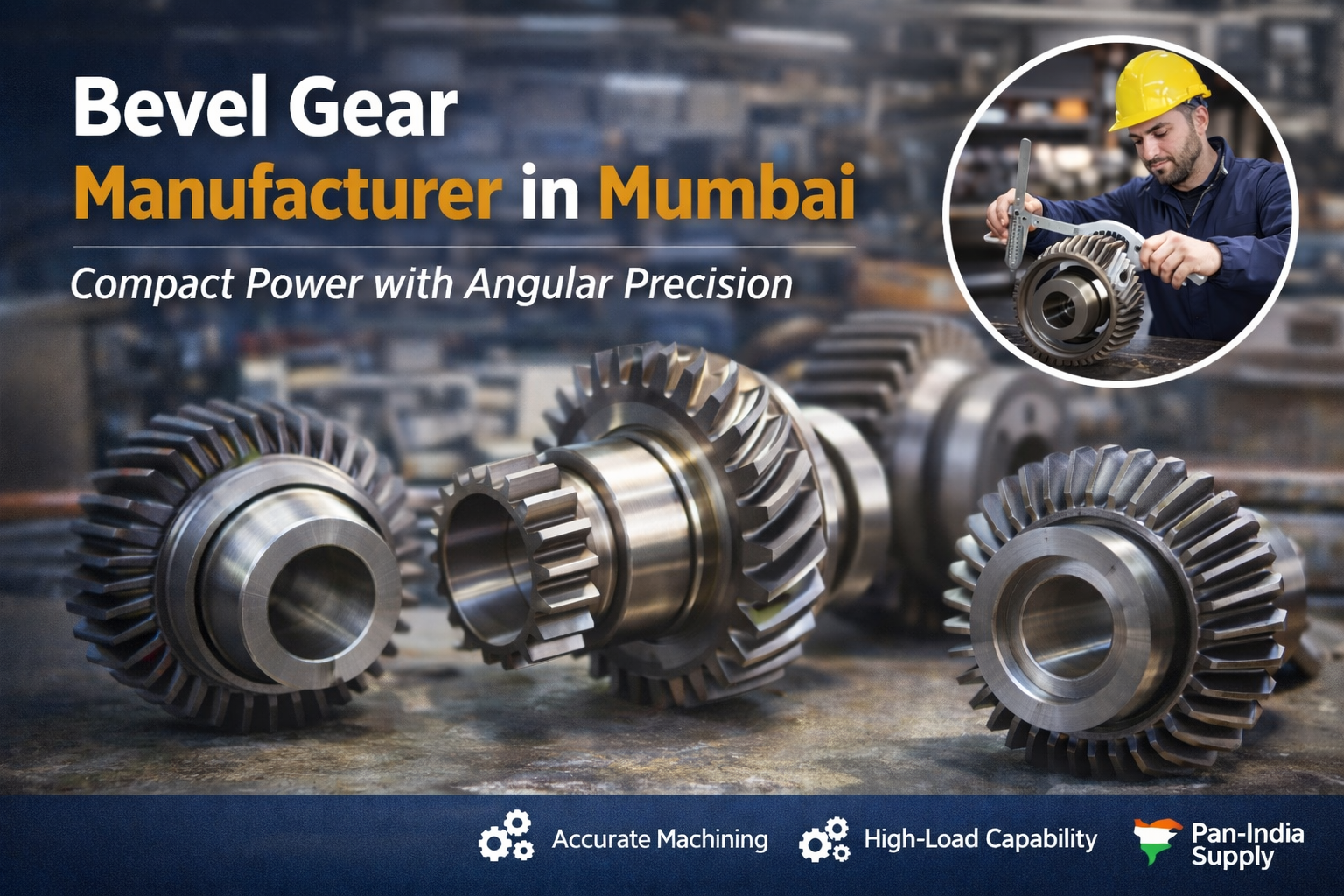
Machines that rely on angular power tran...
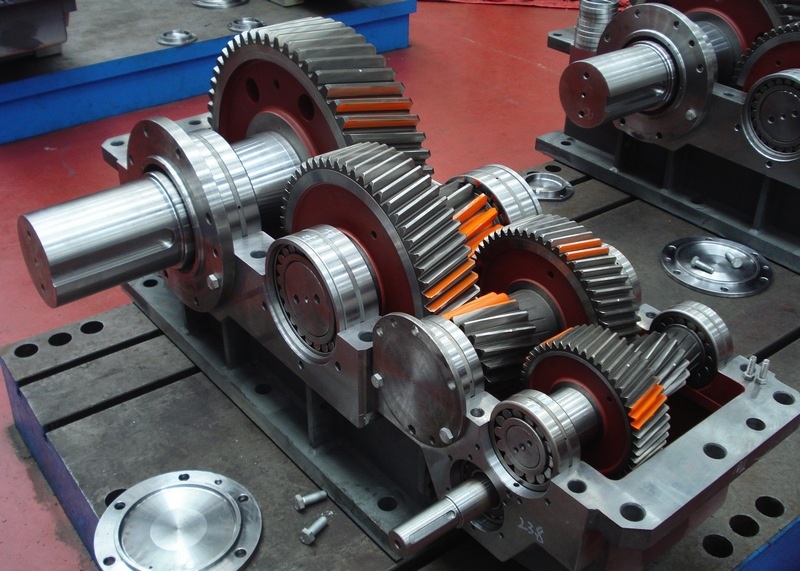
Modern industries run on reliability. Wh...
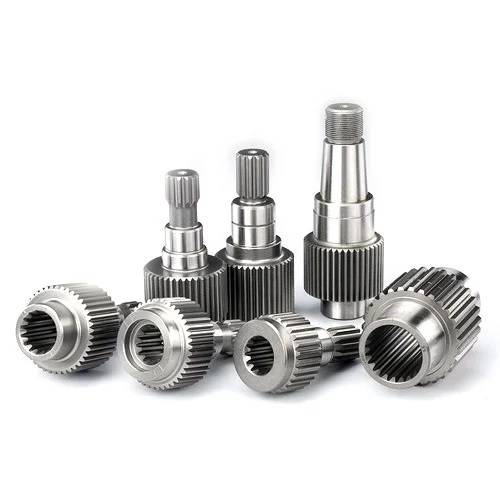
The Pinion Gear Shaft Manufacturers in M...
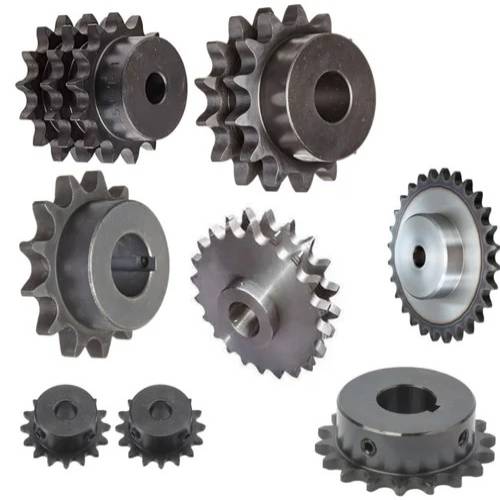
...
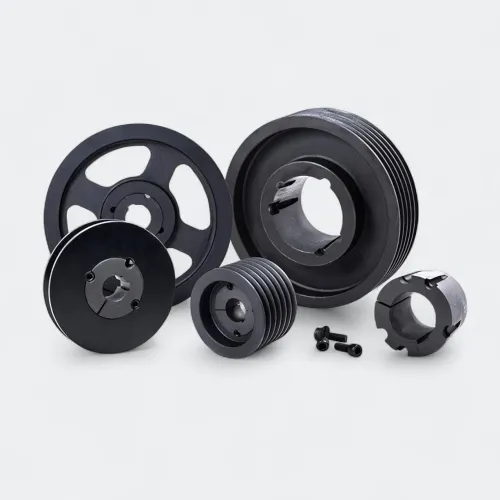
When machines need dependable power, smo...
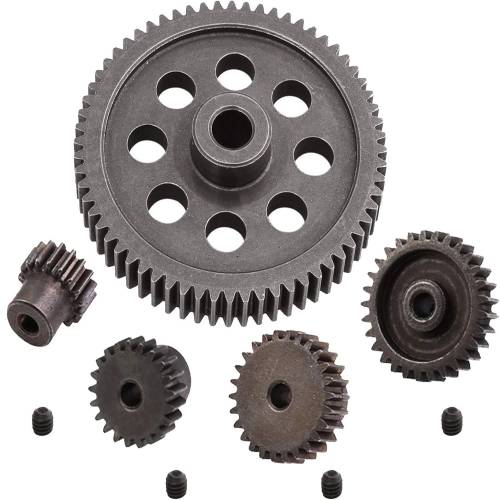
The Spur Gear Manufacturers in Mumbai ar...
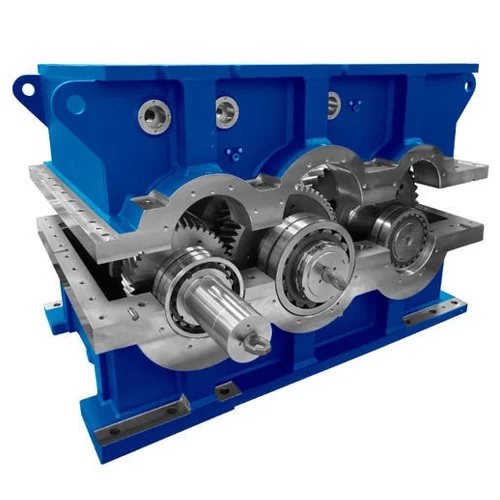
The Gearbox Manufacturers in Mumbai play...
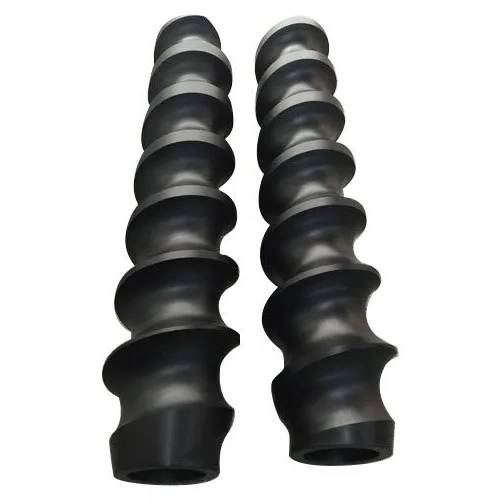
When precision meets performance, indust...
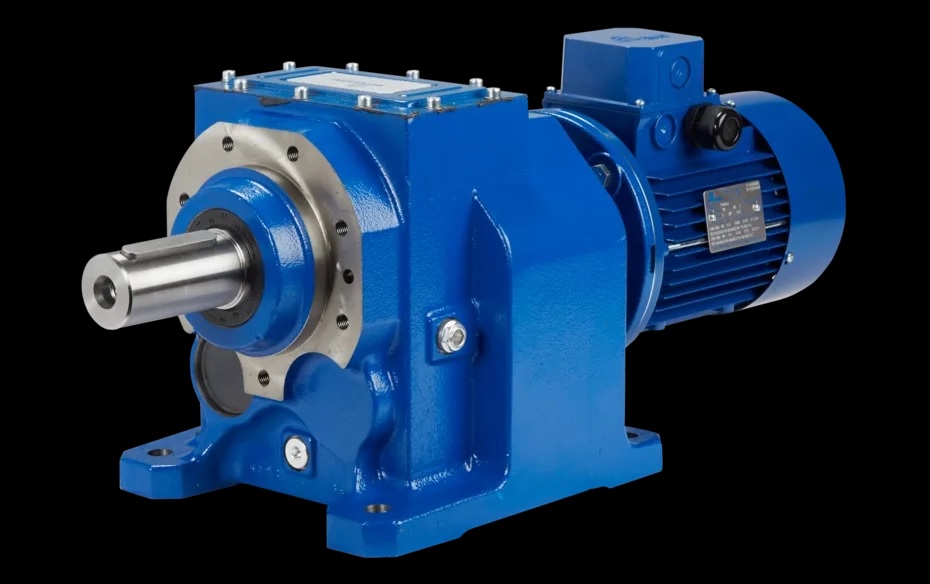
In the modern industrial world, precisio...
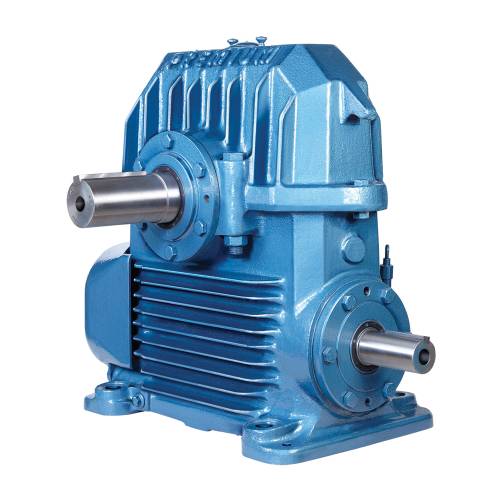
In today’s fast-paced industrial world...
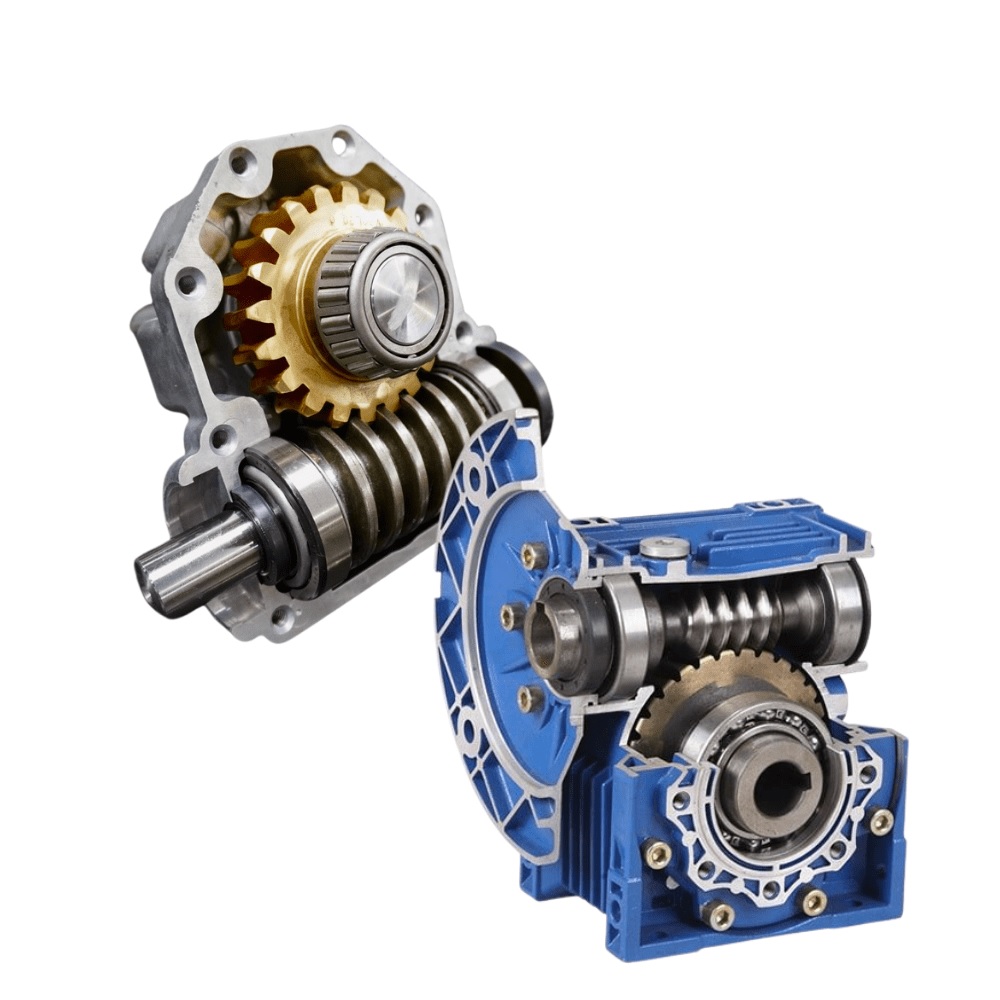
When it comes to advanced power transmis...
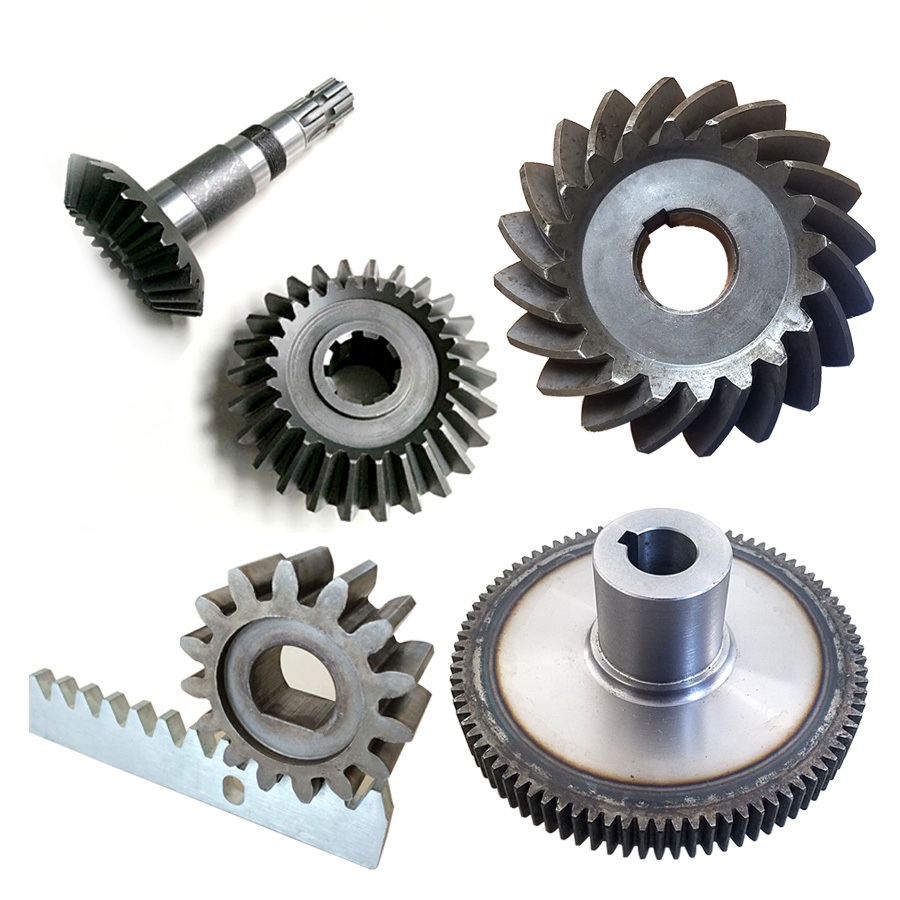
In the world of modern engineering, Indu...
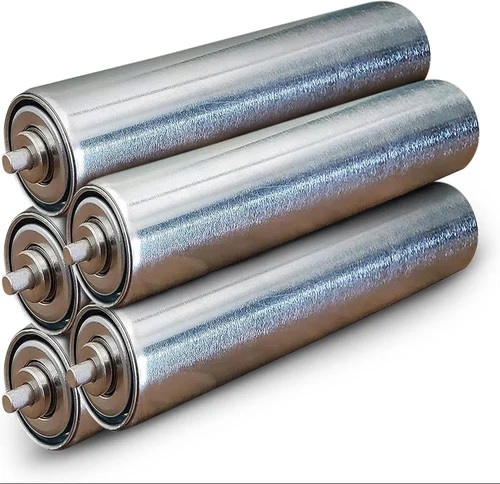
In the world of material handling and co...
