
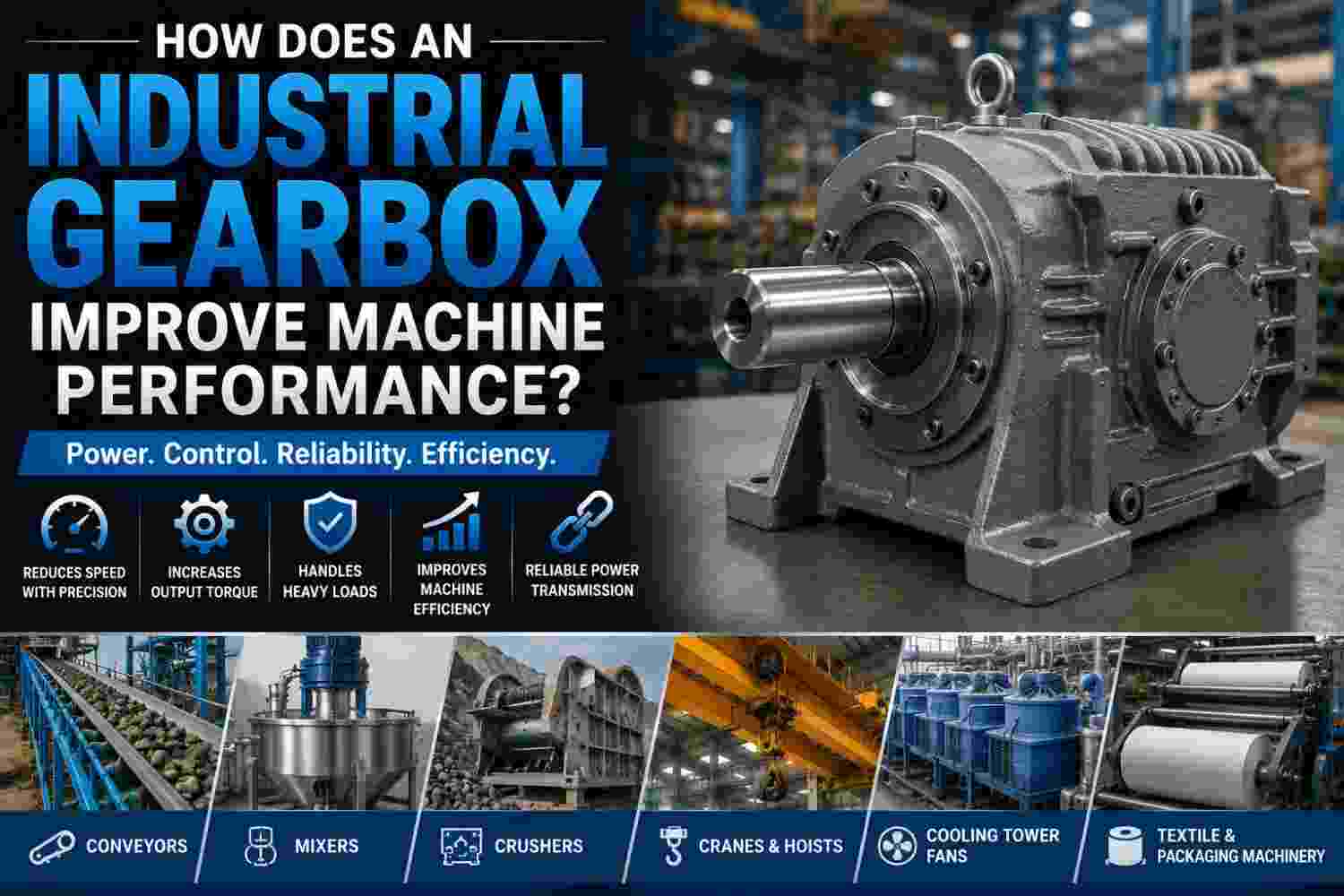
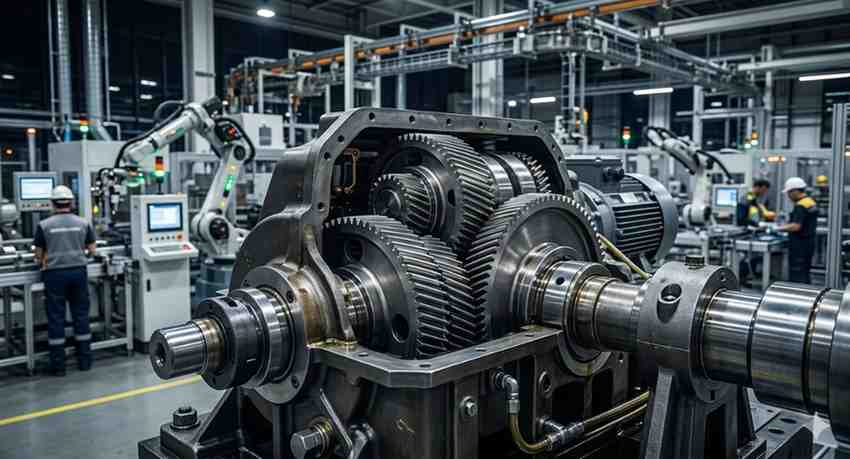
An industrial gearbox improves machine performance by controlling rotational speed, increasing usable torque, and delivering power to the driven equipment in a more controlled way. It acts as an important part of a power transmission system, helping motors operate at a speed and torque level that matches the requirements of the machine.
Industrial gearboxes are used in conveyors, mixers, crushers, packaging machinery, cooling tower fans, cranes, hoists, textile equipment, and many other industrial systems.
Choosing the right gearbox, however, requires more than matching the motor size. Gear ratio, output speed, torque, load conditions, mounting arrangement, lubrication, gear materials, and operating environment should all be considered.
An industrial gearbox changes the speed and torque delivered by a motor so that the connected machine can operate according to its required working conditions.
Electric motors often rotate faster than the speed required by industrial machinery. A gearbox reduces this input speed and transfers the resulting power at a more suitable output speed.
A gearbox can therefore help:
The exact performance depends on the gearbox design and application.
A gearbox controls speed and torque through the ratio between its input and output gears.
When the gearbox reduces rotational speed, the available output torque generally increases, subject to efficiency and system losses.
For example, a machine that requires slow and powerful movement may use a higher reduction ratio to convert the motor's high-speed rotation into slower, higher-torque output.
This makes gear reduction important for machinery such as:
Torque is important because it determines the rotational force available to drive a machine under load.
A machine may require considerable torque to start, accelerate, or continuously move heavy materials.
Insufficient torque can result in:
A properly selected gearbox helps provide the torque required by the driven equipment.
A properly designed industrial gearbox handles heavy loads through strong gears, shafts, bearings, housing construction, and suitable load distribution.
Industrial gearboxes can experience significant mechanical forces during operation.
Important design elements include:
The gearbox must be selected according to the actual load rather than simply the motor's rated power.
Gear materials directly affect wear resistance, strength, fatigue life, and the ability of the gearbox to handle repeated loads.
Industrial gearboxes may use alloy steels and hardened steels for gears because the gear teeth experience repeated contact and mechanical stress.
Suitable gear materials can help improve resistance to:
Material selection should match the gearbox size, load, speed, duty cycle, and application.
Accurate gear tooth geometry helps provide smoother power transmission, reduce vibration, and control operating noise.
The teeth must maintain proper contact throughout the rotation.
Poor alignment or inaccurate tooth geometry can contribute to:
Precision manufacturing is therefore important when producing industrial gearboxes for continuous-duty applications.
Hardened gears are used to improve resistance to wear and repeated mechanical loading.
Gear teeth can experience millions of contact cycles during their service life.
Hardening can improve the surface's ability to withstand:
The appropriate heat-treatment process depends on the gear material and required performance.
Bearings support rotating shafts and help maintain accurate alignment while reducing friction between moving components.
A gearbox can only perform effectively when its shafts and gears remain properly positioned.
Good bearing selection and proper maintenance can help reduce:
Bearing capacity should be selected according to radial loads, axial loads, speed, and operating conditions.
A rigid gearbox housing helps maintain gear and shaft alignment while limiting unwanted movement under load.
The housing must withstand forces generated by:
If the housing deflects excessively, gear alignment can change and increase wear.
For heavy-duty machinery, housing construction is therefore an important part of gearbox design.
Proper lubrication reduces friction and wear between gears, bearings, and other moving components while helping control operating temperature.
Gearbox lubrication can help protect internal components from excessive contact and heat.
Important considerations include:
Using the wrong lubricant or neglecting lubrication can negatively affect gearbox performance.
Correct lubrication can help reduce internal wear and contribute to longer service life.
Without adequate lubrication, gear and bearing surfaces can experience increased friction and heat.
This may result in:
Routine lubrication checks should therefore be part of industrial gearbox maintenance.
Yes, a properly designed and correctly installed gearbox can help reduce unwanted noise and vibration during power transmission.
Factors that influence gearbox noise include:
Helical gear designs, for example, can provide smoother tooth engagement than some simpler gear arrangements.
The actual noise level depends on the gearbox design and machine installation.
Correct alignment helps gears and shafts maintain their intended operating positions and distribute loads more evenly.
Misalignment can increase:
During installation and maintenance, shaft alignment and mounting accuracy should therefore be checked carefully.
Yes, appropriately designed industrial gearboxes can operate under varying loads, provided their torque, service factor, and mechanical capacity match the application.
Many industrial machines do not operate under a constant load.
For example, conveyors, mixers, crushers, and processing machines may experience changing resistance during operation.
When selecting a gearbox, consider:
These factors help determine the appropriate gearbox specification.
A gearbox service factor provides an allowance for operating conditions that may be more demanding than a simple continuous load.
Applications involving frequent starts, shocks, variable loads, or long operating hours may require a higher service factor.
The required service factor depends on:
Selecting a gearbox only according to nominal power can result in an unsuitable design if these factors are ignored.
Yes, industrial gearboxes can be customized for specific speed, torque, mounting, shaft, and application requirements.
Customization can include:
This can be useful when an existing machine has specific space or transmission requirements.
The gearbox mounting arrangement must match the machine structure and available installation space.
Common configurations can include:
Choosing the correct mounting arrangement can simplify installation and help maintain proper alignment.
The correct gear ratio depends mainly on the required input speed, output speed, torque, and machine operating conditions.
A higher reduction ratio generally produces a lower output speed and higher available torque, while a lower ratio provides a higher output speed.
Before selecting a ratio, determine:
The gearbox ratio should match the actual operating requirements of the machine.
Output speed determines how quickly the driven machine rotates or moves.
Different machines require different operating speeds.
For example:
Selecting the correct output speed helps the machine operate efficiently and consistently.
An industrial gearbox improves power transmission by converting motor speed and torque into a form that is more suitable for the driven machine.
A well-designed system can provide:
The gearbox therefore acts as an important link between the motor and the machine.
Industrial gearboxes are used wherever rotational power needs to be controlled, reduced, or transmitted efficiently to machinery.
Common applications include:
The gearbox design should be matched to the specific machine and operating environment.
Gearboxes help conveyors operate at controlled speeds while providing the torque required to move materials continuously.
Conveyor systems may need to move:
The gearbox must account for conveyor length, load, starting conditions, belt speed, and operating hours.
A suitable gearbox can help provide stable and predictable conveyor movement.
Industrial mixers require controlled rotational speed and sufficient torque to process materials effectively.
Depending on the material being mixed, the machine may experience significant resistance during operation.
The gearbox therefore needs to handle:
Correct speed and torque selection can help the mixer operate more consistently.
Yes, crushers and processing mills can require gearboxes capable of handling high torque and demanding load conditions.
These machines can experience heavy and fluctuating loads.
Gearbox selection should therefore consider:
Heavy-duty applications require particularly careful gearbox sizing.
Regular gearbox maintenance helps identify lubrication problems, alignment issues, bearing wear, and other conditions before they become major failures.
A basic maintenance program may include:
Preventive maintenance can help reduce unexpected downtime.
Unusual noise, excessive vibration, overheating, lubricant leakage, and changes in machine performance can indicate a gearbox problem.
Potential warning signs include:
These symptoms should be investigated before continued operation causes additional damage.
Heat dissipation is important because excessive internal heat can affect lubricant performance, bearings, gears, seals, and overall gearbox life.
Heat can be generated through:
A suitable housing design and appropriate lubrication can help manage operating temperature.
Gearbox efficiency affects how effectively input power is transferred to the driven machine.
Some power is inevitably lost through friction, gear contact, bearings, and other internal effects.
Efficiency can be influenced by:
For continuous-duty equipment, efficiency can be an important part of overall machine performance.
A properly selected gearbox can help the drive system manage speed, torque, and mechanical loading more effectively, but it should not be treated as a substitute for proper motor protection.
The gearbox can influence how the motor's power is delivered to the machine.
Proper system design should consider:
The motor and gearbox should be selected as parts of the same power transmission system.
Before buying an industrial gearbox, determine the machine's speed, torque, load, operating hours, mounting arrangement, and environmental conditions.
Important questions include:
Providing accurate information to the gearbox manufacturer can help ensure better product selection.
A standard gearbox can be suitable for common applications, while a customized gearbox may be preferable when the machine has specific speed, torque, mounting, or dimensional requirements.
Customization may be useful when:
The choice depends on the application and engineering requirements.
Precision manufacturing helps maintain accurate gear geometry, shaft alignment, center distances, and component fit.
These factors influence:
Precision becomes even more important when gearboxes operate continuously or under heavy loads.
Proper sizing, accurate installation, suitable lubrication, regular inspection, and operation within the gearbox's specified limits can help improve service life.
Good practices include:
A good industrial gearbox combines appropriate gear design, strong materials, accurate manufacturing, suitable bearings, effective lubrication, rigid housing, and reliable power transmission.
The best gearbox is not necessarily the largest or most powerful model.
It is the one that matches:
An industrial gearbox plays an important role in converting motor power into controlled mechanical movement. By reducing speed and increasing usable torque, it allows industrial machinery to operate according to its required performance.
However, gearbox performance depends on much more than gear reduction alone. Gear materials, tooth geometry, bearings, housing rigidity, lubrication, alignment, heat management, and correct sizing all contribute to reliable operation.
For industries looking for an industrial power transmission solution, it is important to evaluate the machine's speed, torque, load characteristics, operating hours, mounting requirements, and environment before selecting a gearbox.
A properly matched gearbox can support smoother operation, controlled power transmission, and dependable performance across demanding industrial applications.
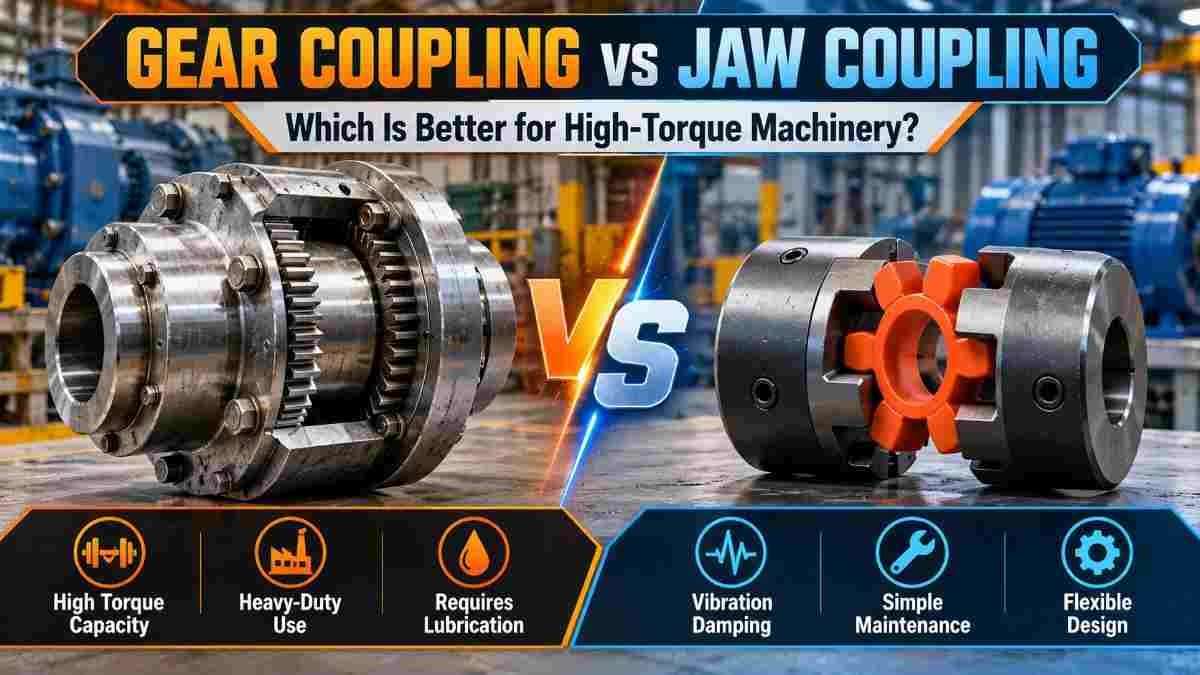
Industrial machinery depends on reliable...
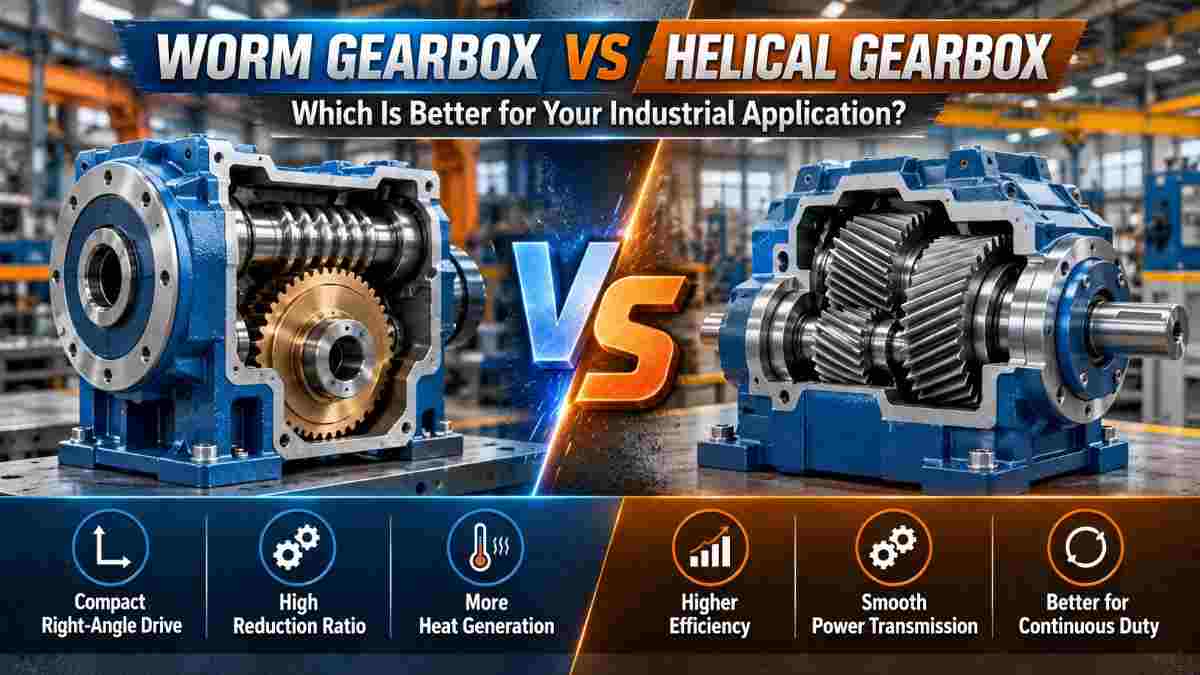
Choosing between a worm gearbox and a he...
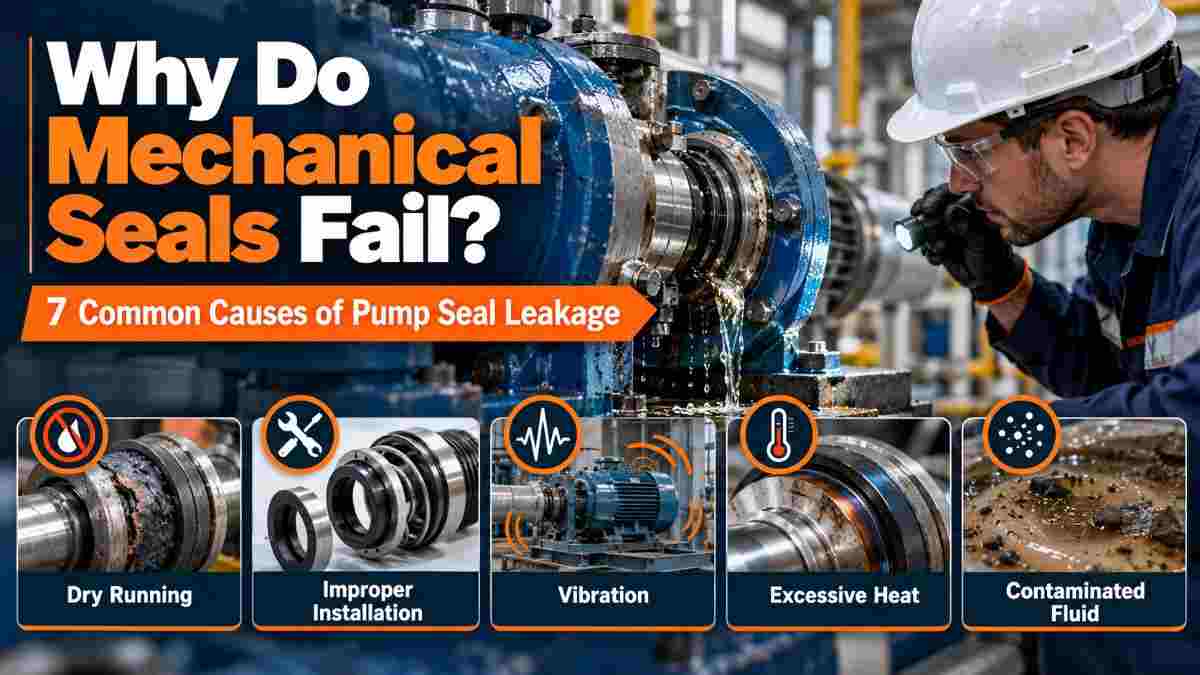
Mechanical seals are essential component...
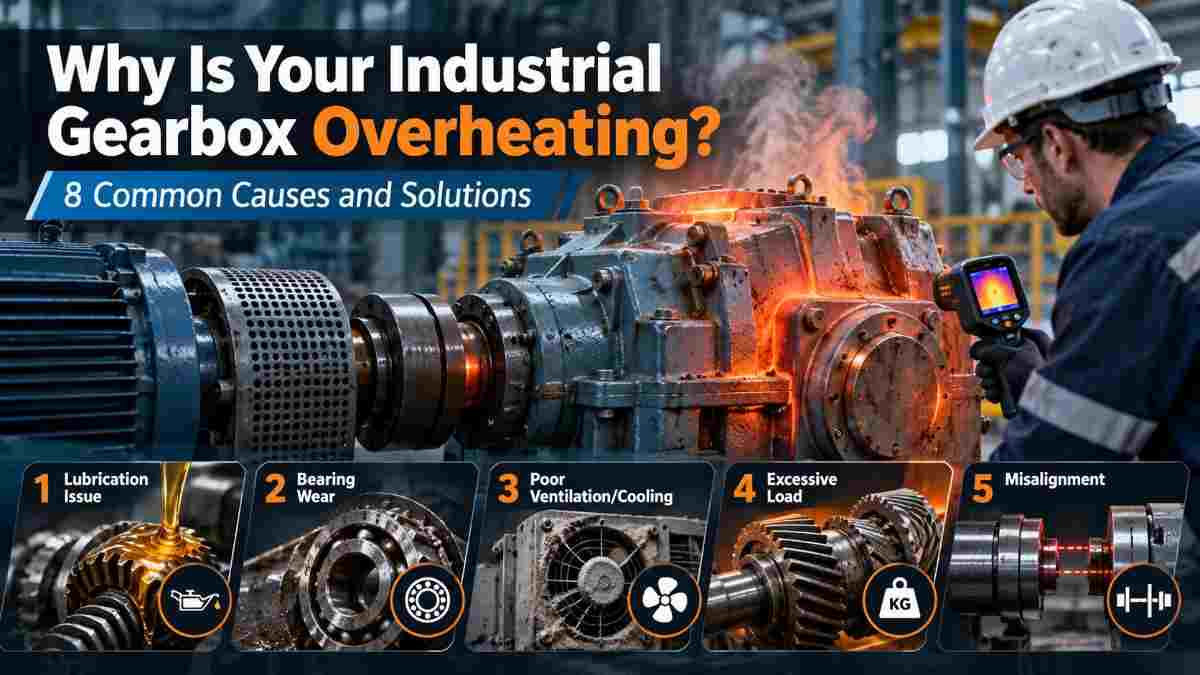
An industrial gearbox naturally generate...
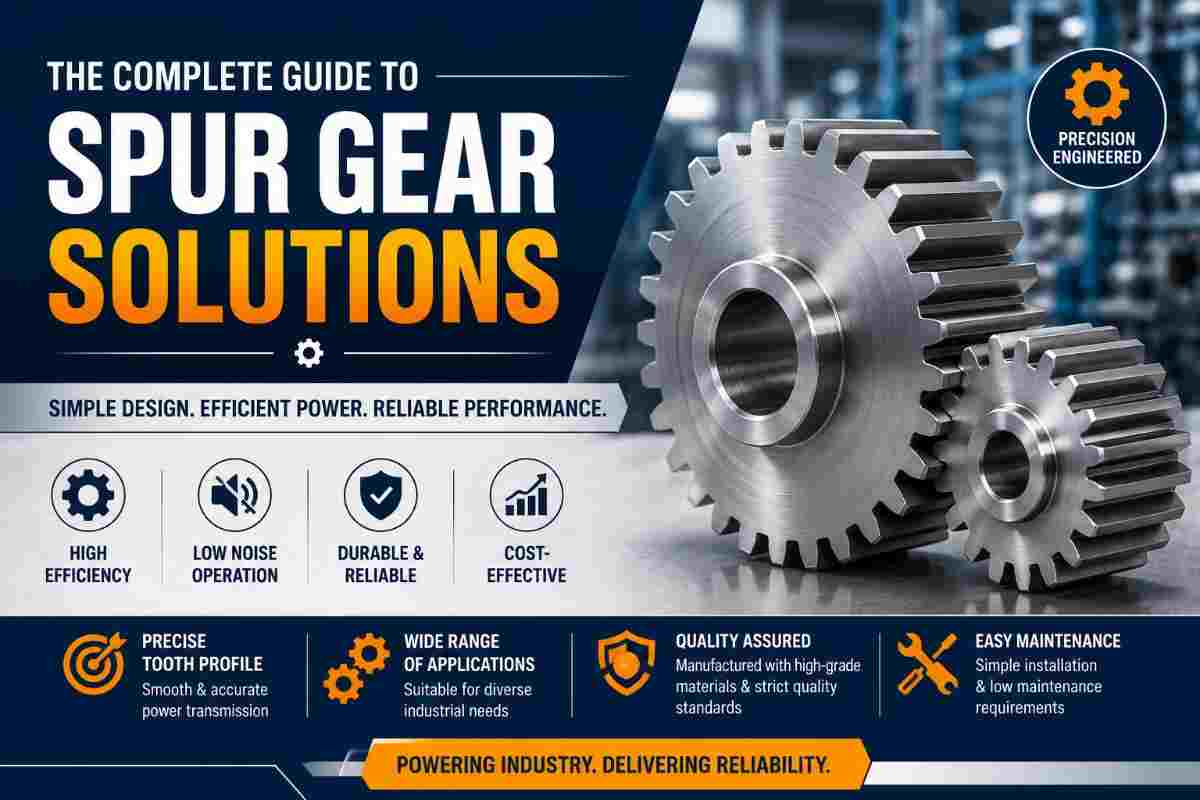
A spur gear is a mechanical gear with st...
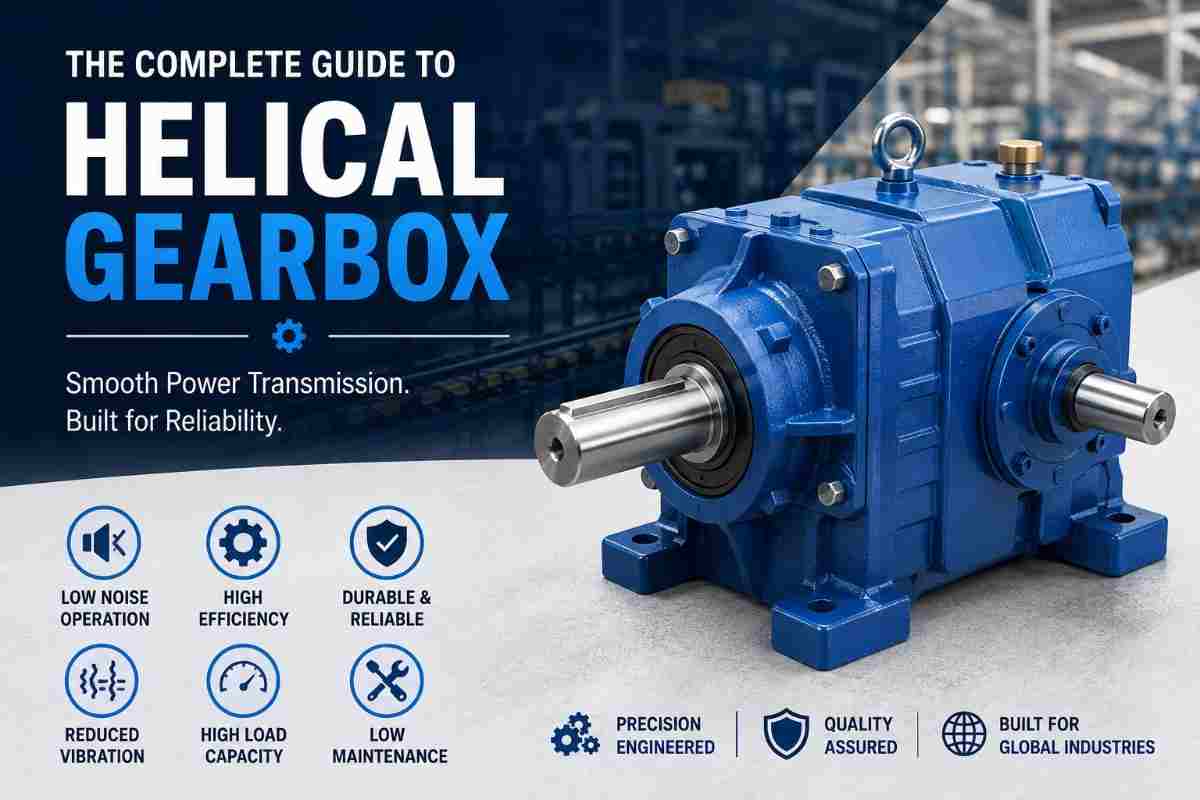
A helical gearbox is a mechanical power ...
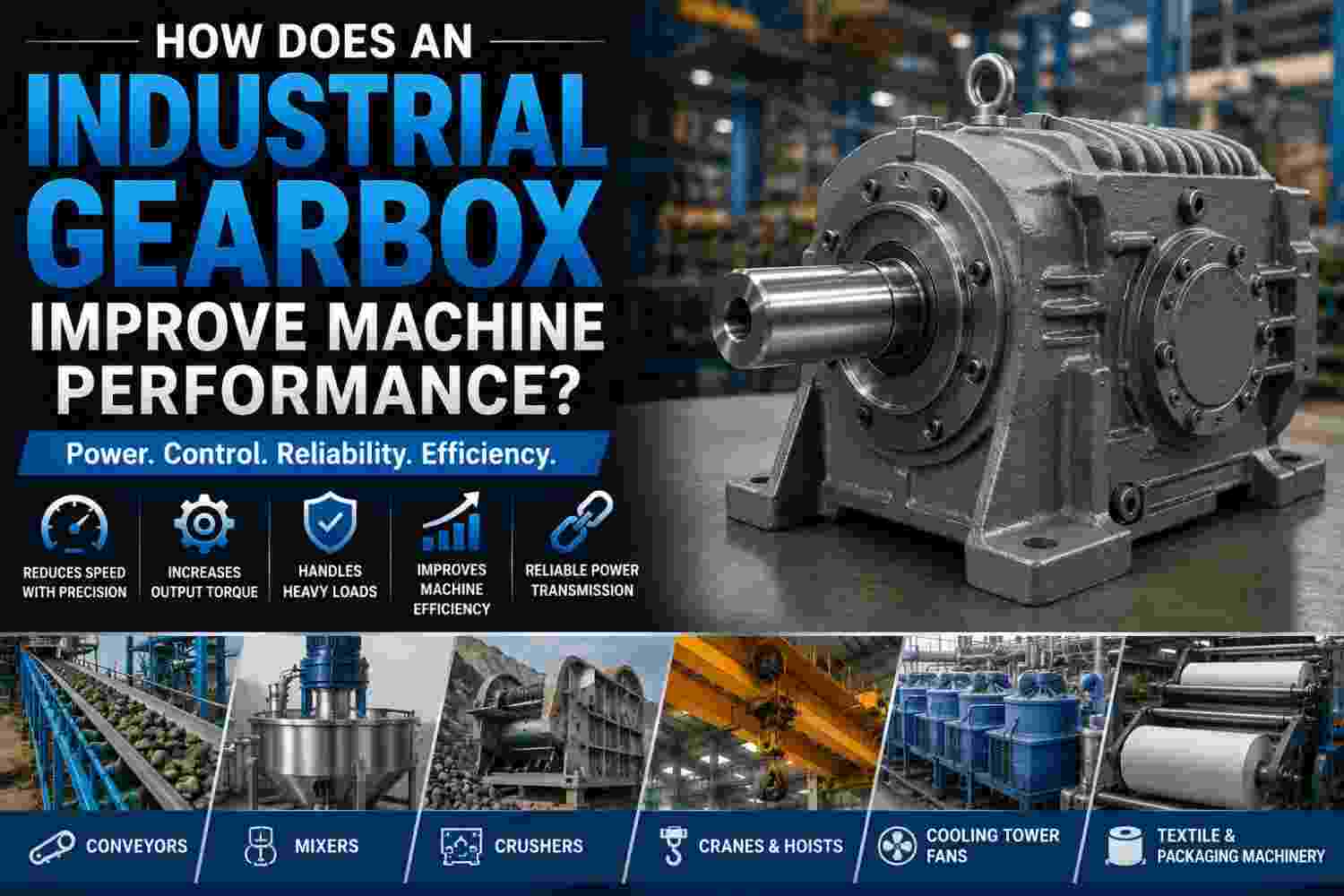
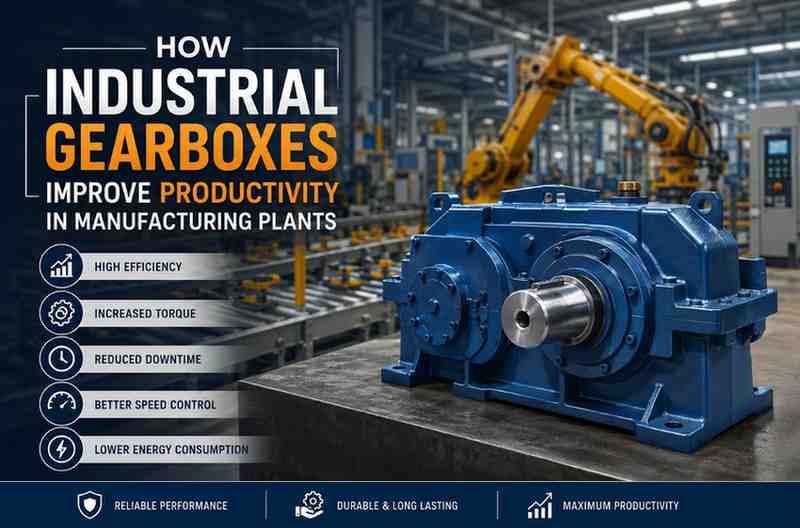
An industrial gearbox improves machine p...
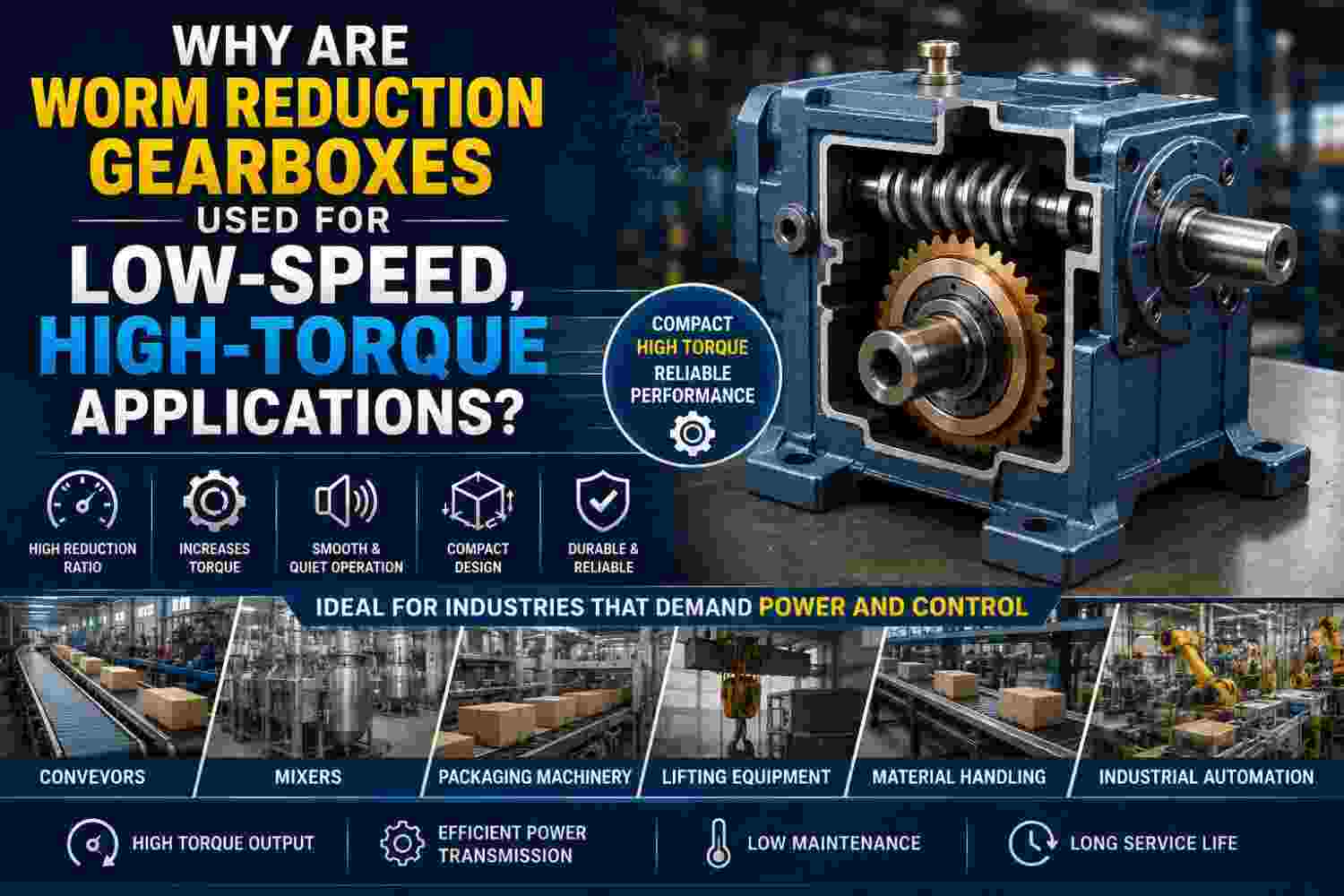
Worm reduction gearboxes are used for lo...
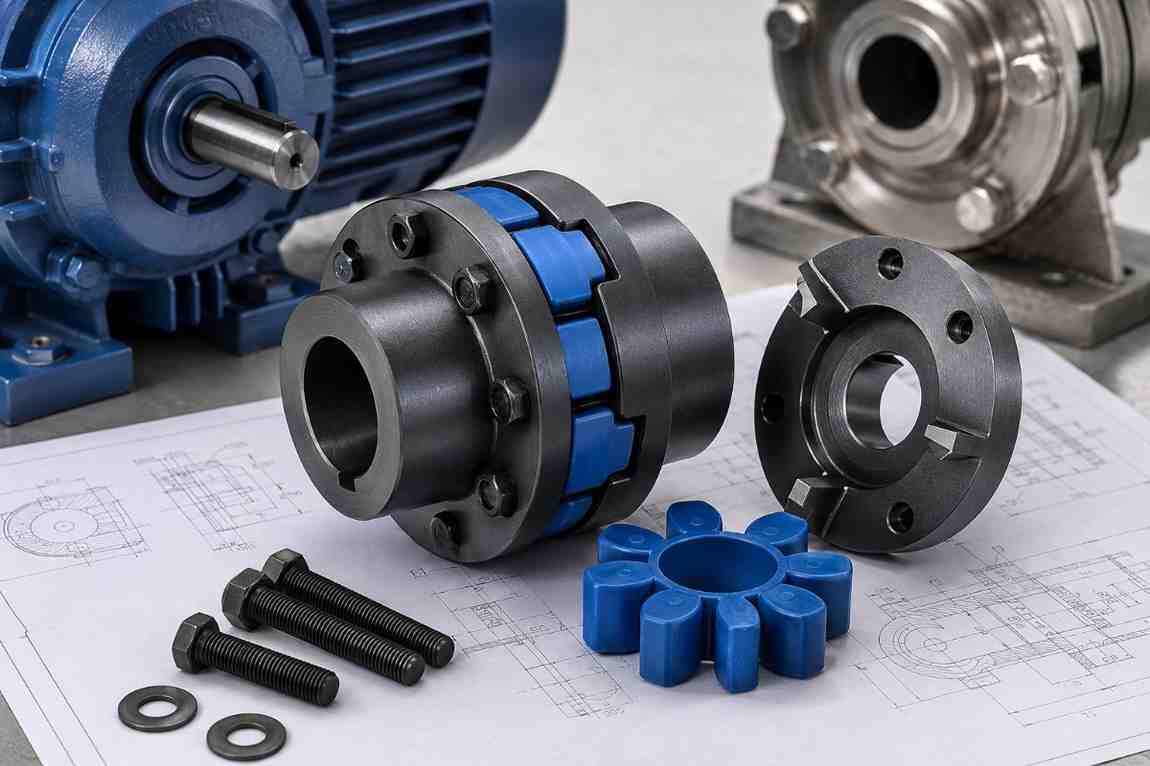
Selecting the correct N-Eupex coupling i...
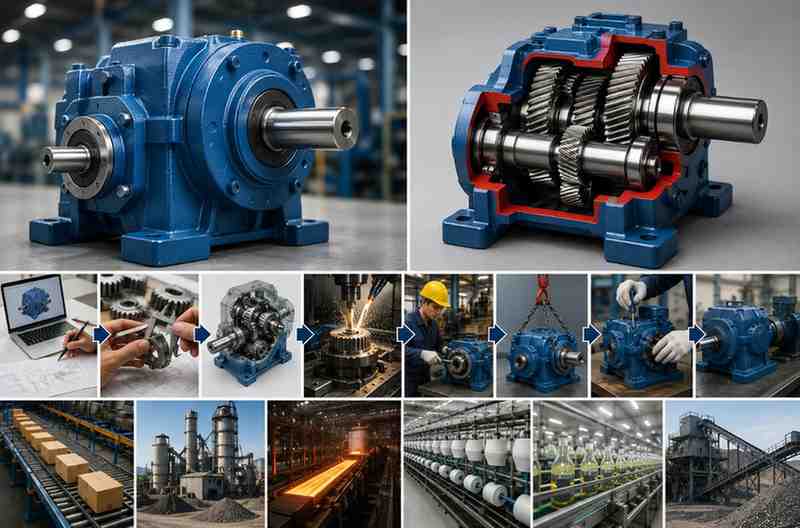
Choosing the right helical gearbox is on...
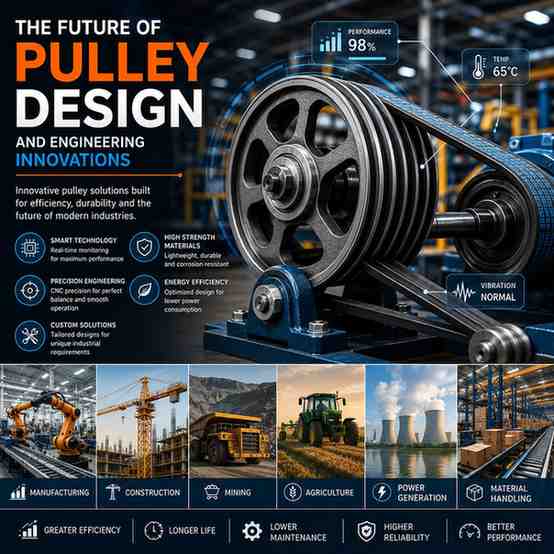
For centuries, pulleys have been one of ...
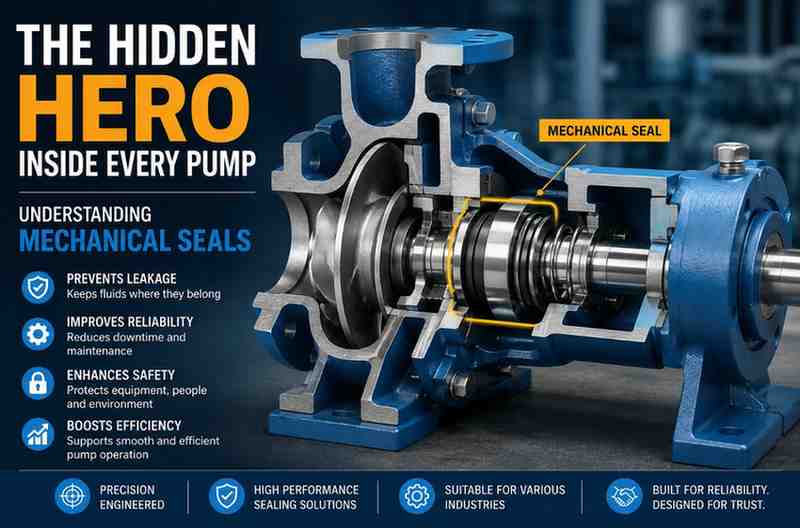
When people think about industrial pumps...
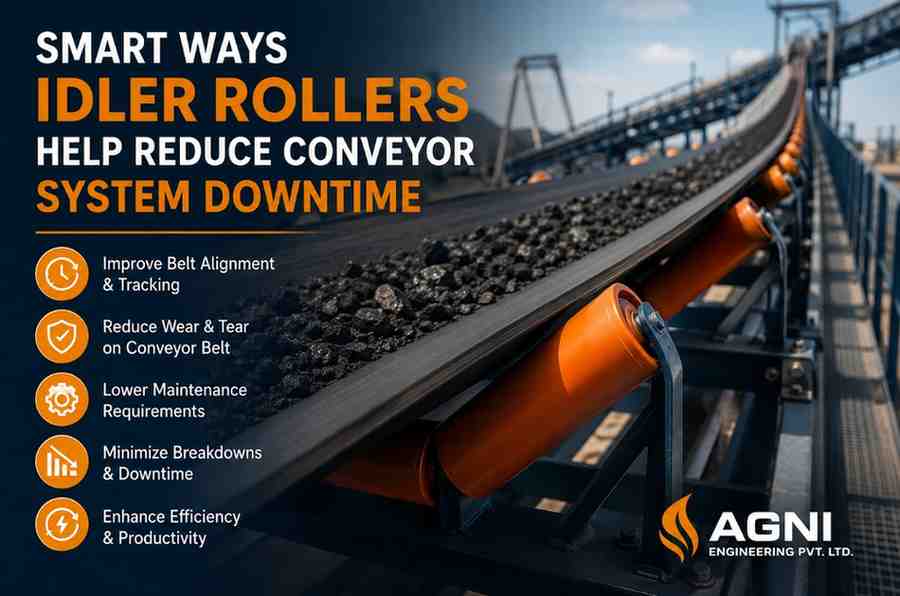
In industries where material handling is...
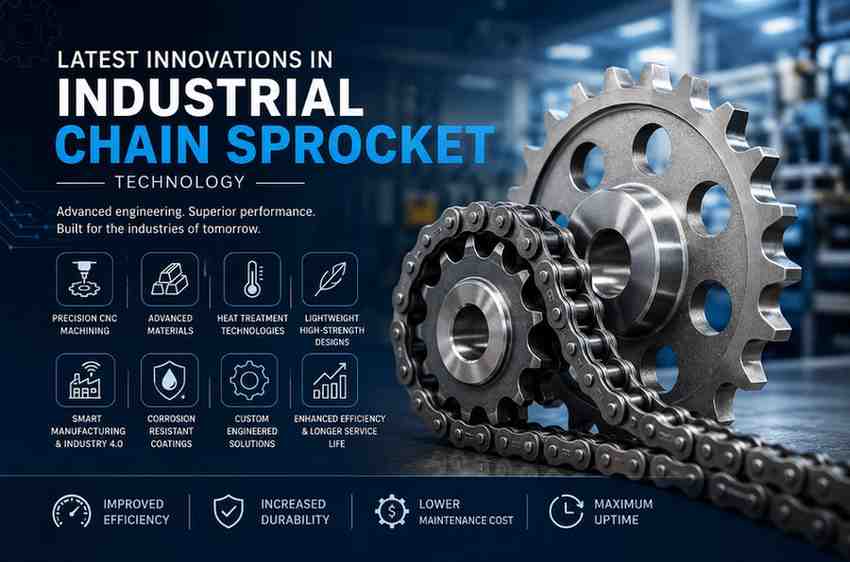
In today’s fast-moving industrial envi...
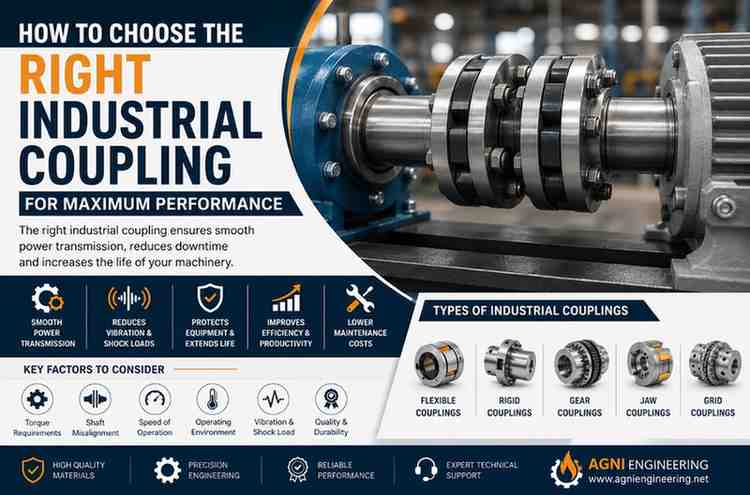
In any industrial setup, even the smalle...
Industrial operations today are becoming...
In modern manufacturing plants, efficien...
In industrial machinery, every movement ...
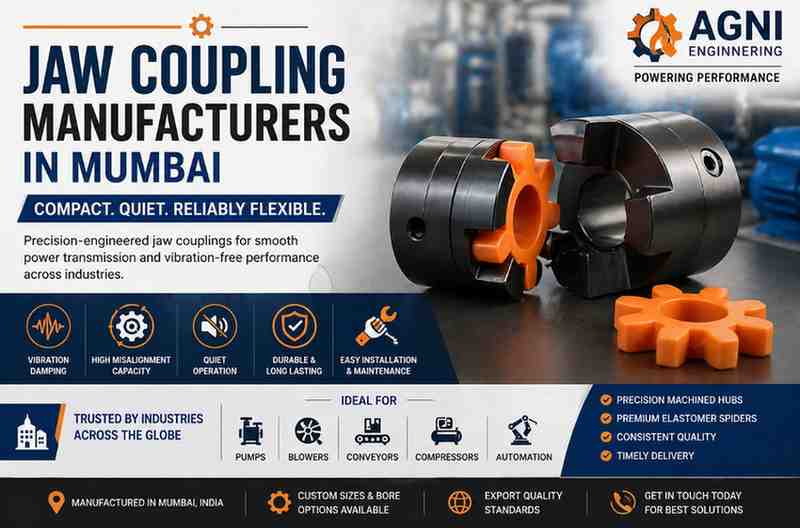
In modern industrial machinery, smooth p...
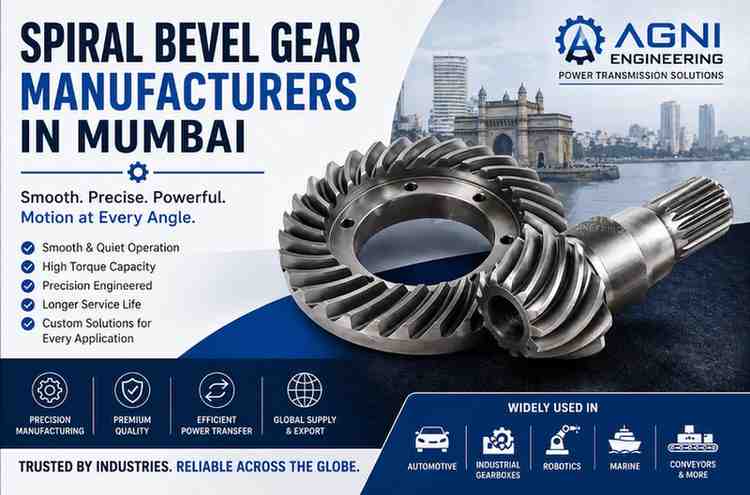
In modern industries, machines rarely wo...
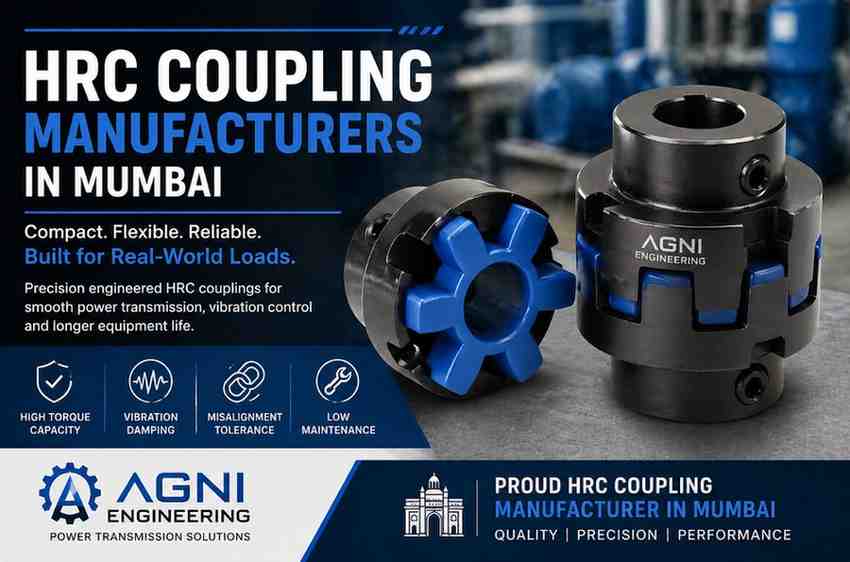
In industrial machinery, smooth power tr...

Machines depend on smooth and steady mot...

In any industrial system, smooth power t...

In many industrial machines, smooth moti...
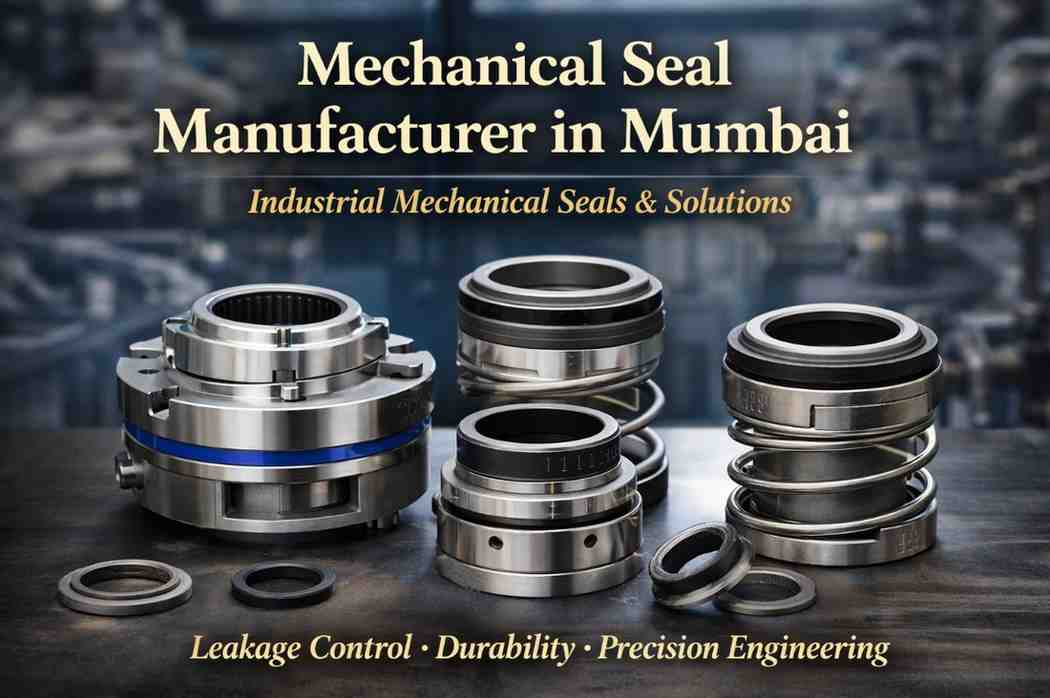
Industrial machines operate under pressu...
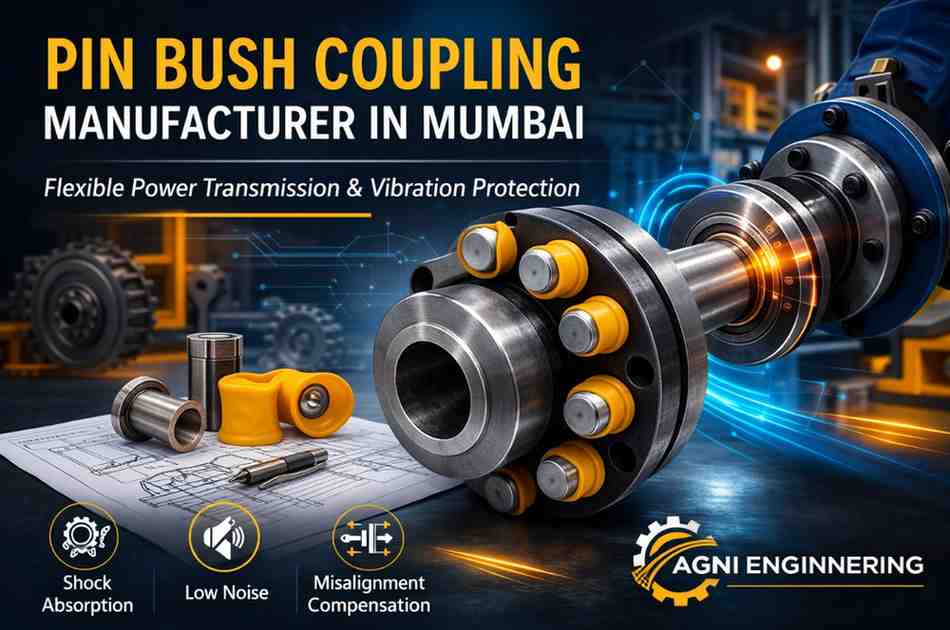
In many industrial machines, vibration, ...
In every conveyor system, rollers play a...
In modern machines, power does not alway...
Some mechanical components earn their re...
Power transmission begins with a single,...
Behind every smooth-running industrial m...

In heavy-duty mechanical systems, power ...

In mechanical systems, reliability often...

In industrial environments where machine...
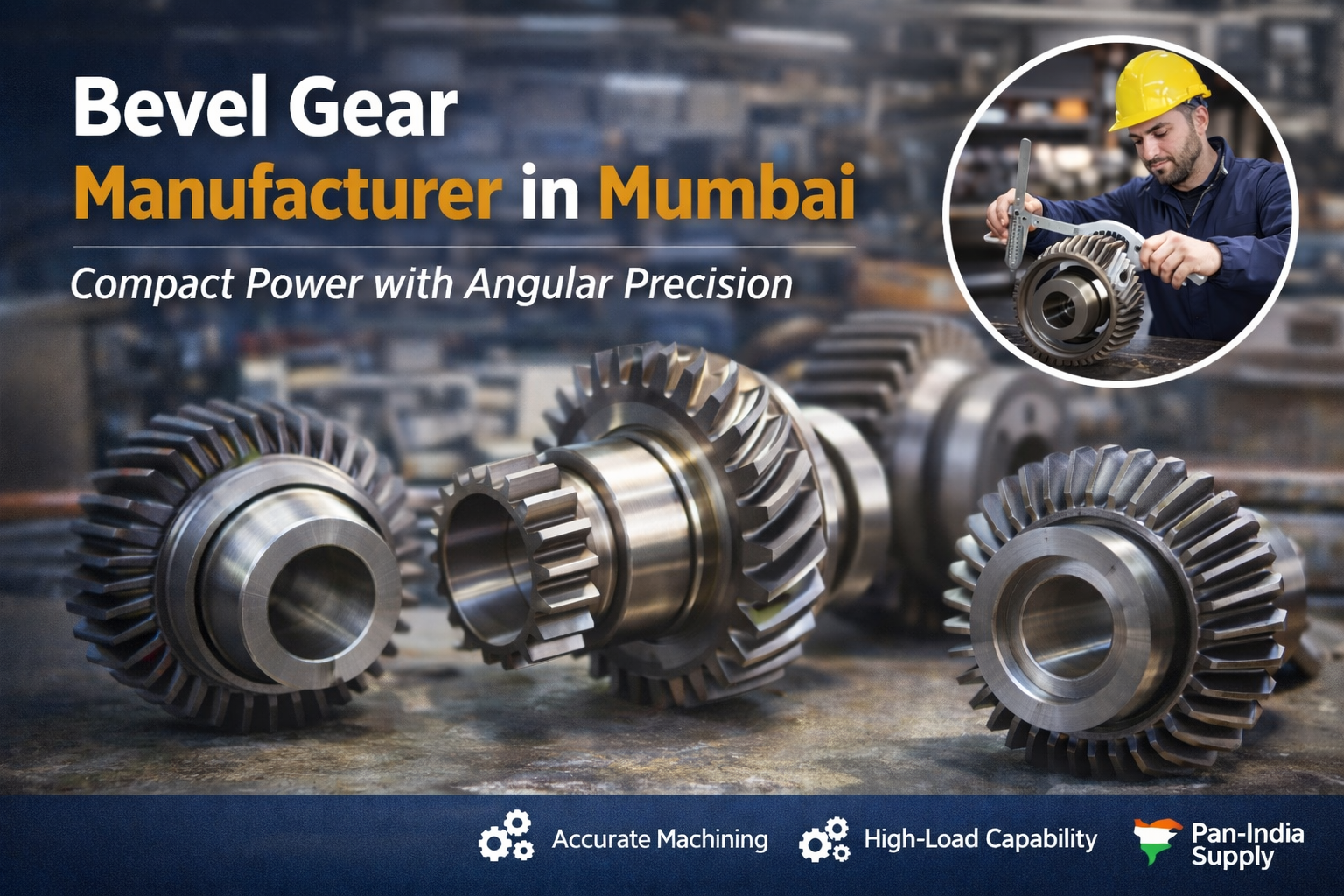
Machines that rely on angular power tran...
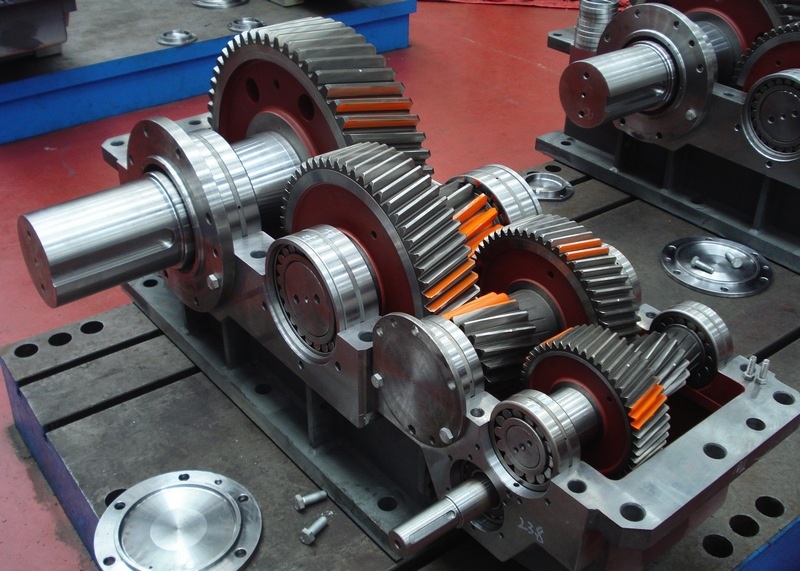
Modern industries run on reliability. Wh...
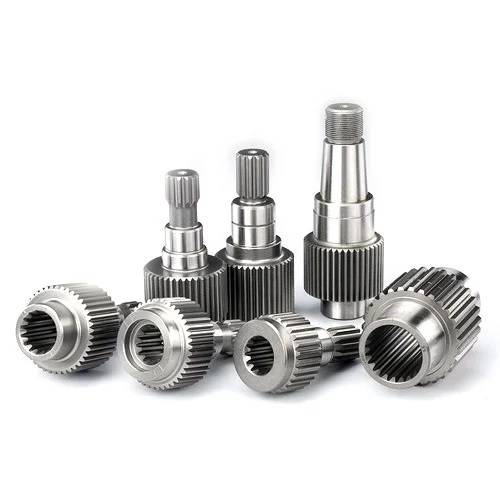
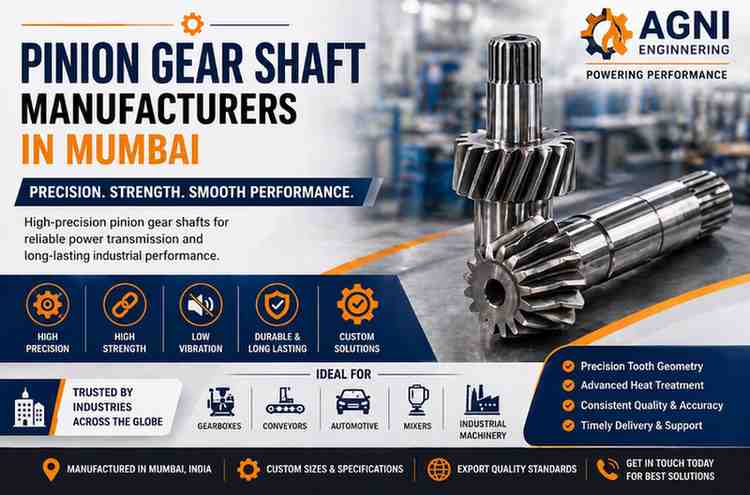
The Pinion Gear Shaft Manufacturers in M...
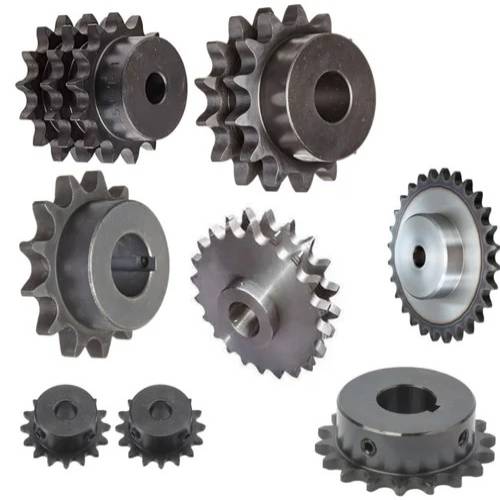
...
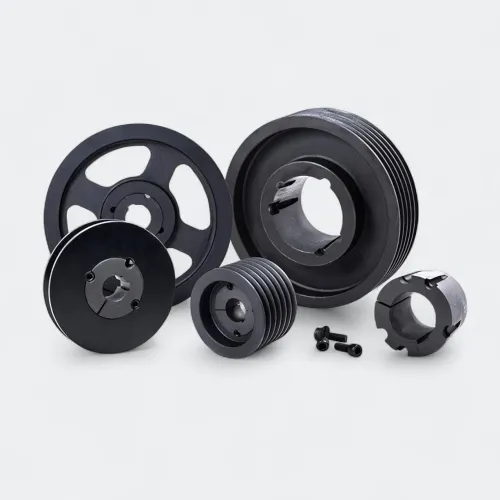
When machines need dependable power, smo...
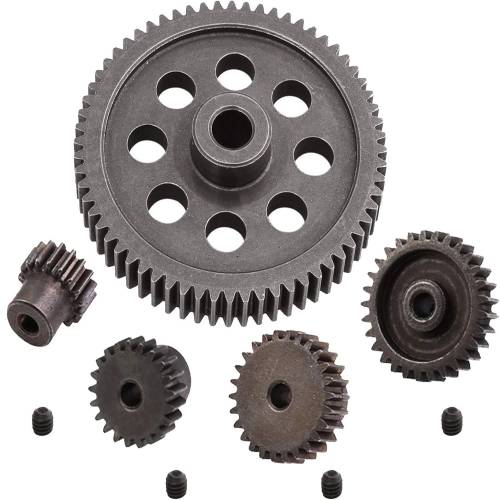
The Spur Gear Manufacturers in Mumbai ar...
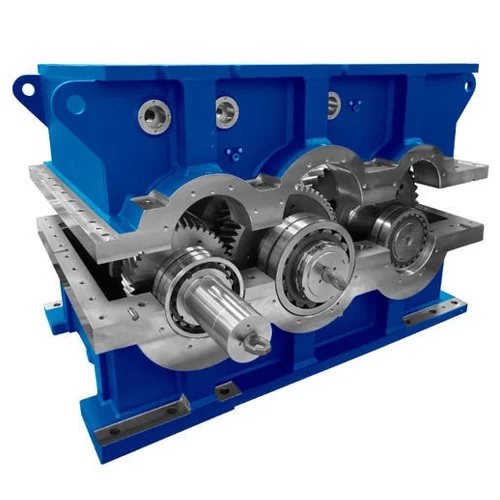
The Gearbox Manufacturers in Mumbai play...
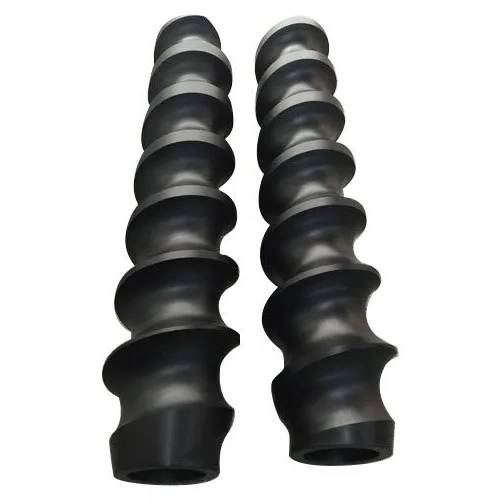
When precision meets performance, indust...
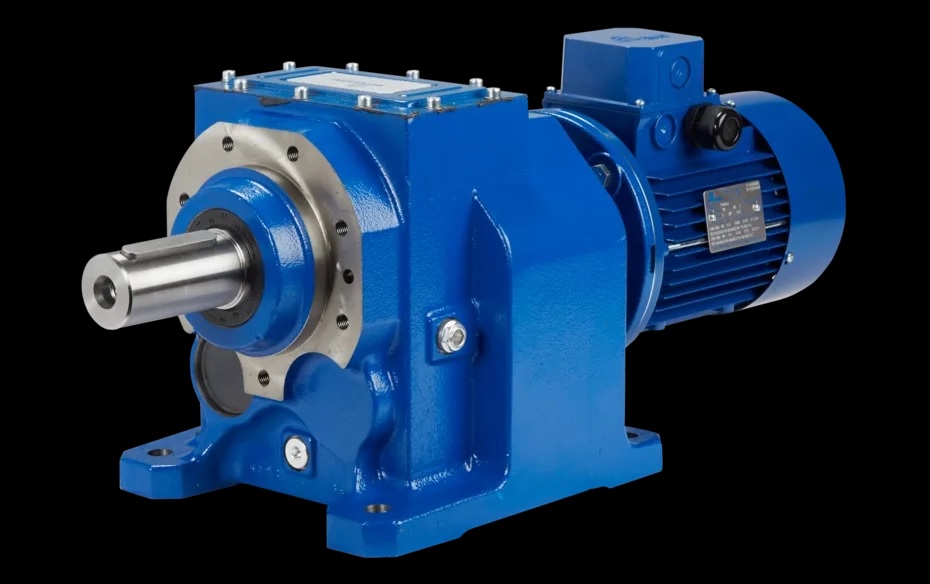
In the modern industrial world, precisio...
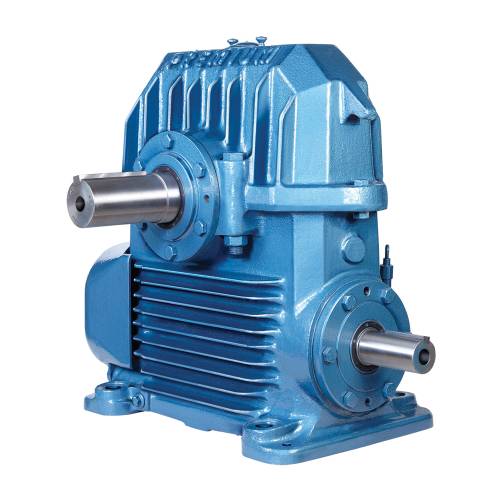
In today’s fast-paced industrial world...
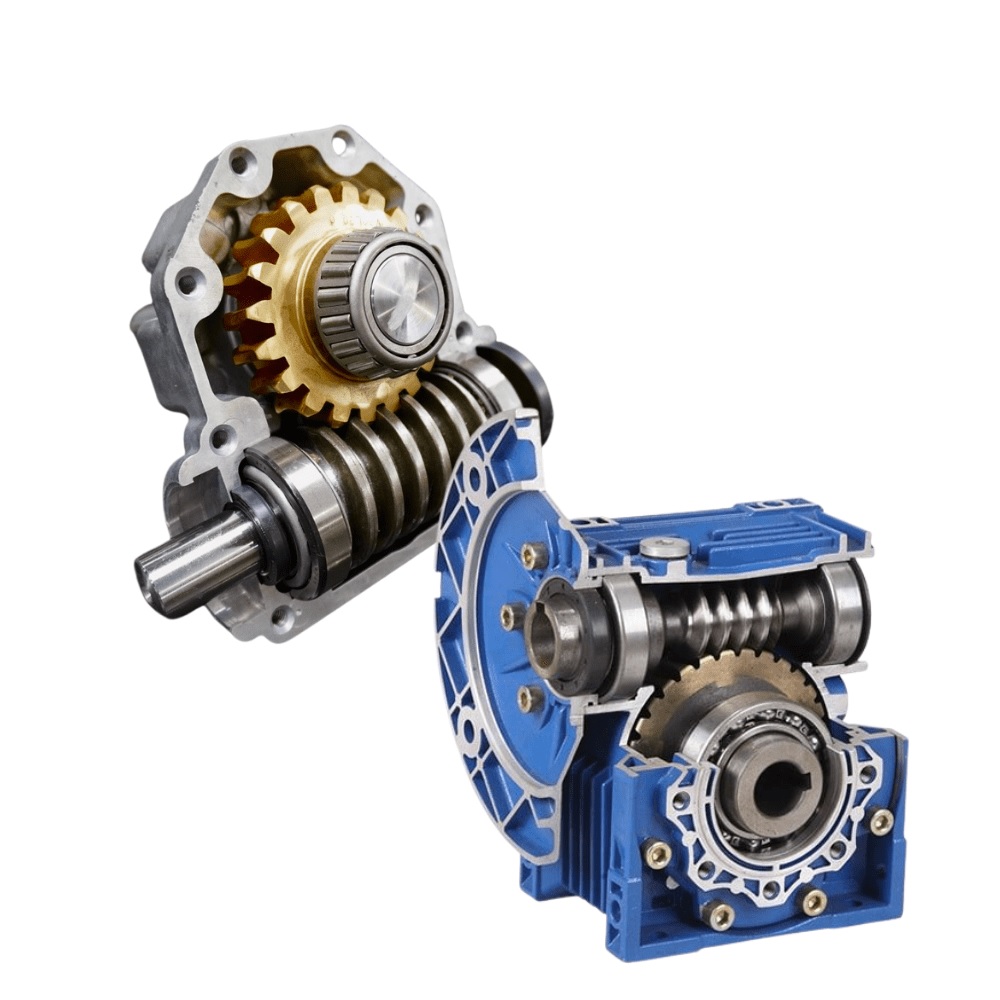
When it comes to advanced power transmis...
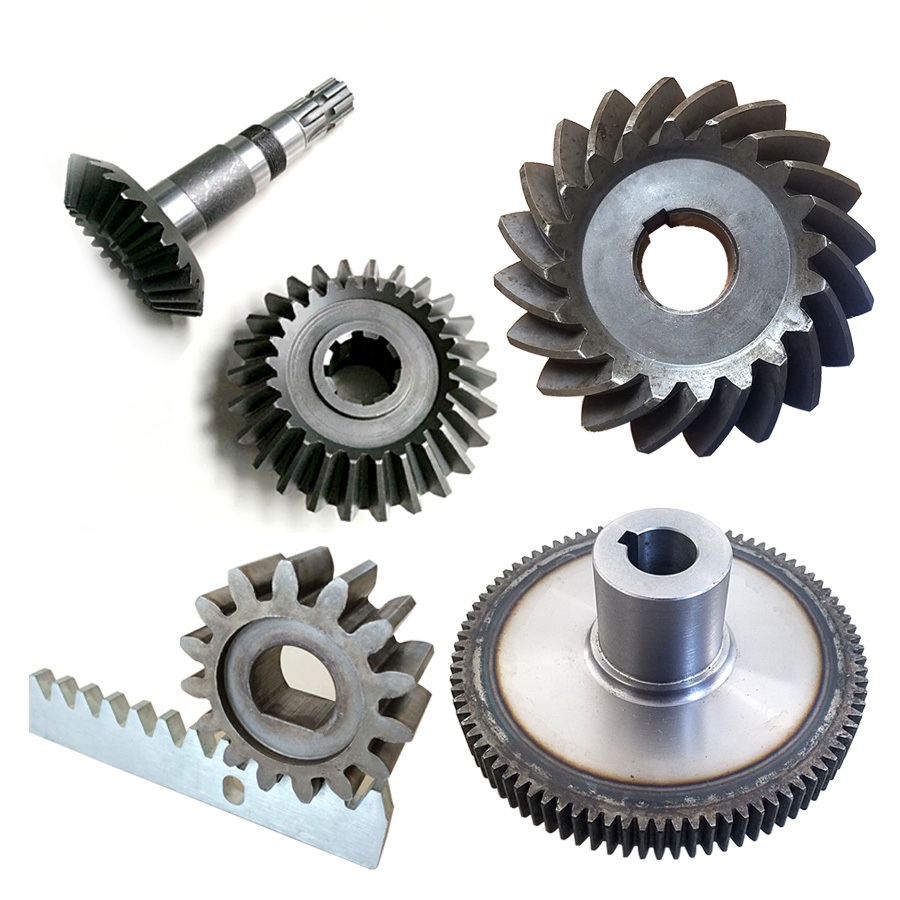
In the world of modern engineering, Indu...
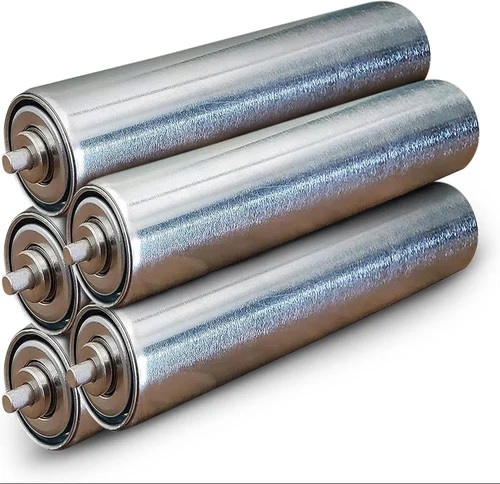
In the world of material handling and co...
