
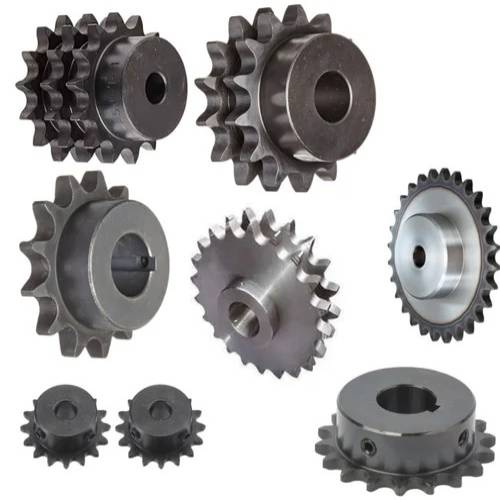
In any machine that relies on chain-driven motion — from conveyors and compressors to agricultural drives and packaging lines — the sprocket plays a vital yet often overlooked role. When chosen correctly, it ensures smooth power transmission, stable motion, and long service life. When chosen poorly, it can become a source of vibration, wear, and frequent downtime.
For OEMs and machine builders, understanding which sprocket type to use — simplex, duplex, or triplex — is essential. This guide breaks down the differences in a practical, human-friendly way to help you make the right choice.
A sprocket is a toothed wheel designed to engage with a chain and transmit mechanical power. Unlike gears, which mesh directly with another gear, sprockets work with chains, making them ideal for carrying motion over distances, navigating bends, or absorbing slight misalignment.
This flexibility is why sprockets are used across a huge range of industries — processing plants, workshops, agricultural equipment, conveyors, and more.
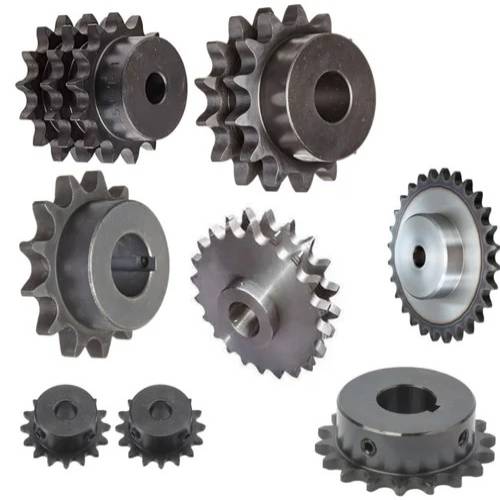
Sprockets are primarily classified by how many “rows” of teeth they have, which corresponds to how many strands of chain they drive:
Each type serves a different purpose depending on load, torque, and duty cycle.
Simplex sprockets are the most commonly used and are perfect for general-purpose applications. They’re ideal for conveyors, small machinery, packaging lines, and systems where loads aren’t extreme.
They offer:
If your application doesn’t involve heavy shock loads or continuous stress, a simplex sprocket is usually the most practical option.
When a single-strand chain begins to feel stretched or overworked, duplex sprockets step in. With two strands of chain sharing the load, they are better suited for tougher applications.
Common uses include:
They offer stronger load distribution and reduce the rate of chain wear.
Triplex sprockets are built for machinery that experiences high impact, heavy loads, or long operating hours. Three strands of chain provide maximum contact and load distribution.
These sprockets are typically found in:
If reliability under extreme conditions is the priority, triplex is the go-to choice.
Selecting the correct sprocket requires more than matching the number of chain rows. OEMs should evaluate:
Ensure the sprocket matches the chain type (single, double, or triple strand) and its specific pitch and width.
The number of sprocket teeth affects speed, torque, and how smoothly the chain moves. Larger sprockets offer smoother engagement, while smaller ones increase torque but may raise wear.
Mild steel, alloy steel, and stainless steel all have different properties. Heavy-duty environments often require stronger materials or heat-treated sprockets.
Poor alignment or uneven tooth spacing leads to chain drift, premature wear, and vibration — especially in duplex and triplex sprockets.
Continuous operation, outdoor exposure, dust, moisture, or heat all influence which sprocket type and material will perform best.
|
Type |
When to Use |
Benefits |
Limitations |
|
Simplex |
Light to moderate loads |
Affordable, simple, reliable |
Limited load capacity |
|
Duplex |
Medium to heavy loads |
Better load distribution, reduced wear |
Slightly higher cost & size |
|
Triplex |
High torque, heavy-duty environments |
Maximum strength and durability |
Largest, heaviest, highest cost |
Sprockets may be small components, but they influence the performance of the entire system. A sprocket that’s too weak or poorly matched to the application can accelerate chain wear, create vibration, and increase downtime.
A correctly selected sprocket, on the other hand, ensures:
For OEMs, this means fewer customer complaints, lower warranty claims, and machines that build trust through long-term reliability.
Taking a careful, informed approach can save both time and cost down the line.
Choosing between a simplex, duplex, or triplex sprocket is not just a technical decision — it’s a strategic one. The right sprocket ensures dependable motion, balanced load distribution, and a longer mechanical lifespan. Whether you're designing a compact conveyor or a heavy-duty industrial drive, selecting the appropriate sprocket type lays the foundation for a reliable, high-performance system.
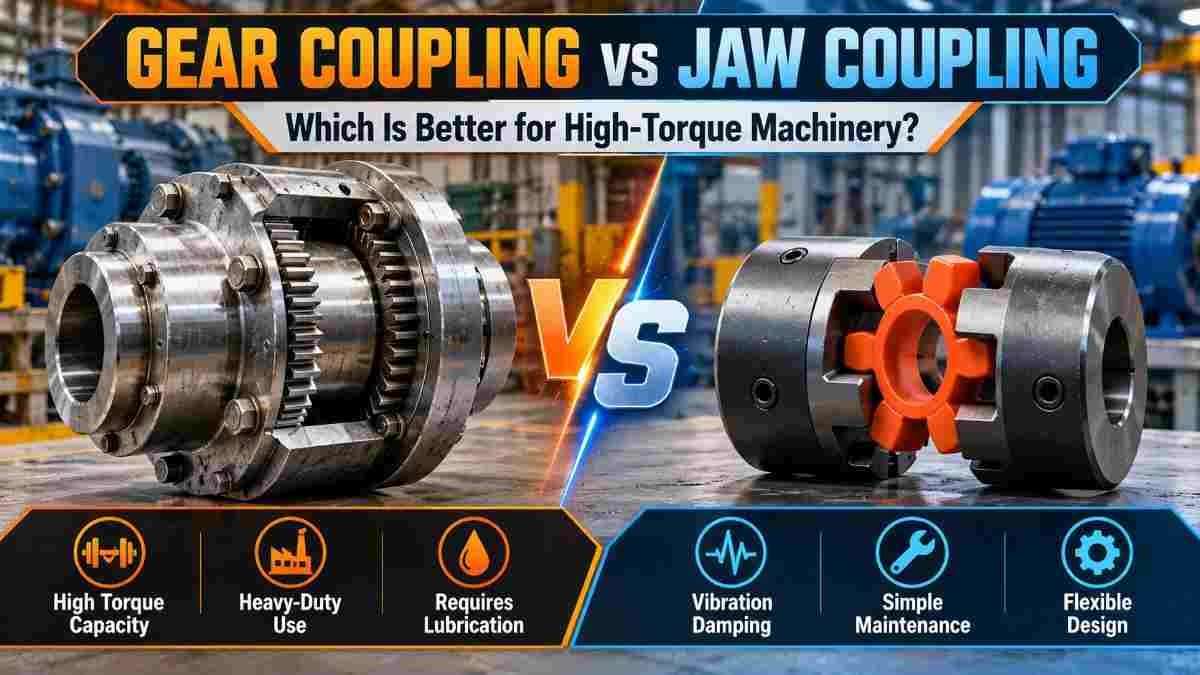
Industrial machinery depends on reliable...
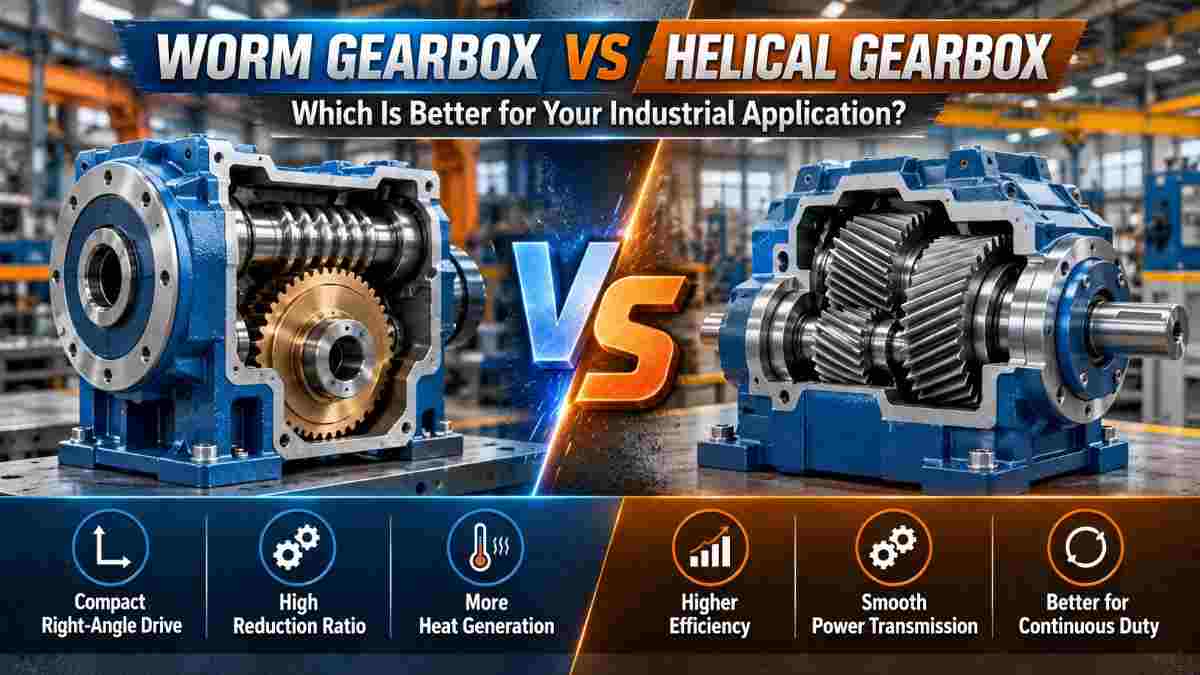
Choosing between a worm gearbox and a he...
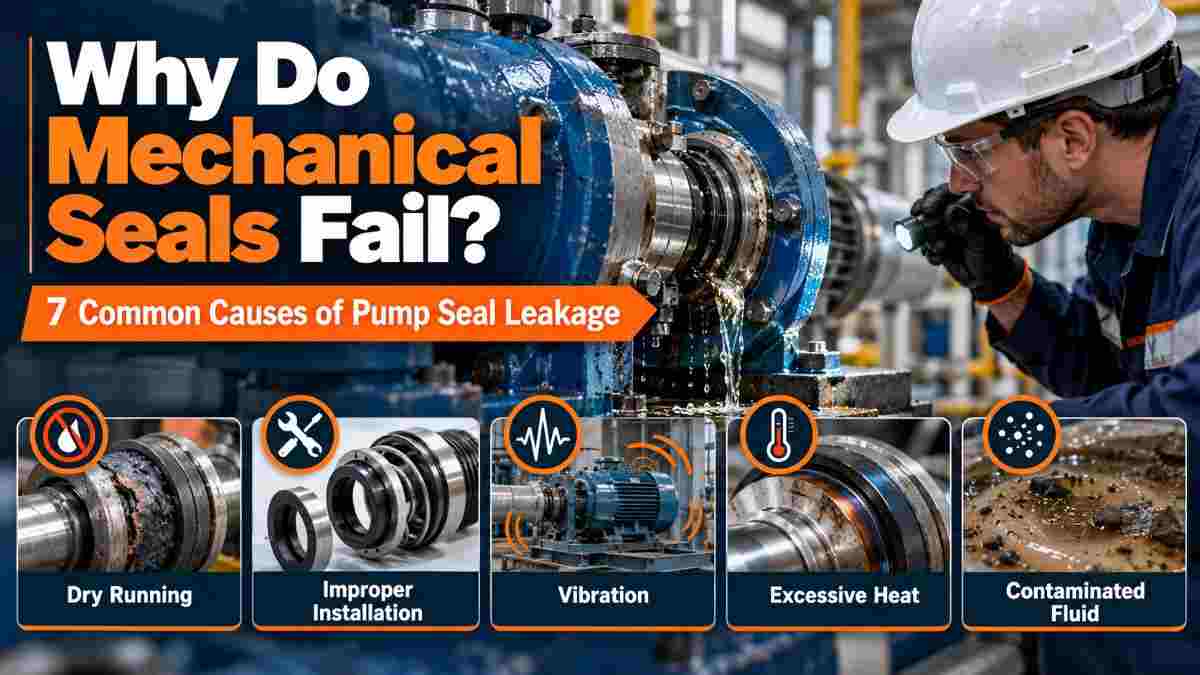
Mechanical seals are essential component...
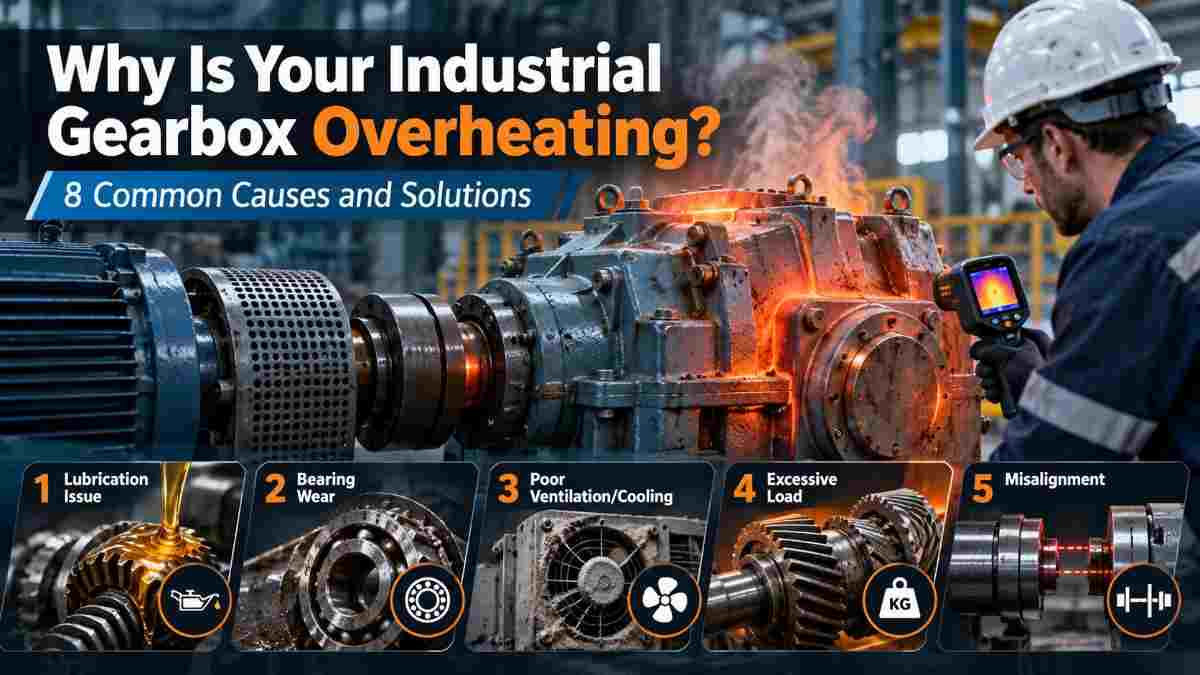
An industrial gearbox naturally generate...
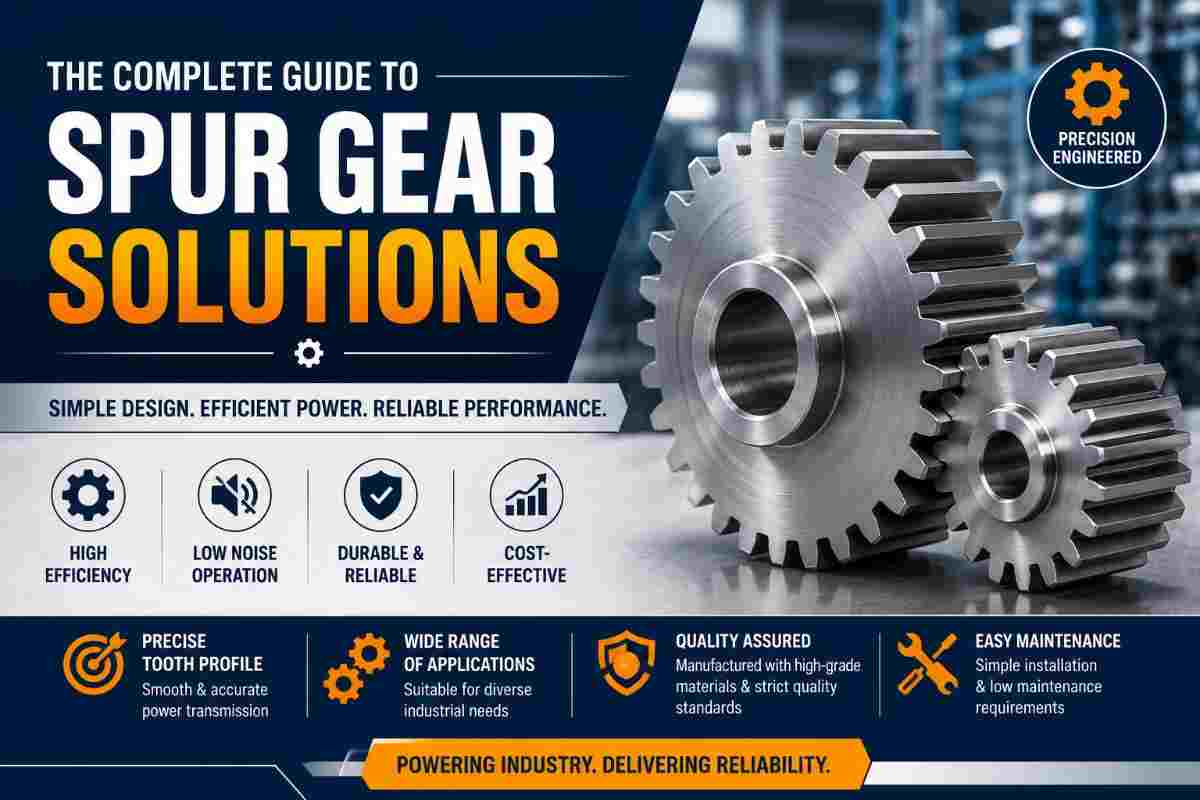
A spur gear is a mechanical gear with st...
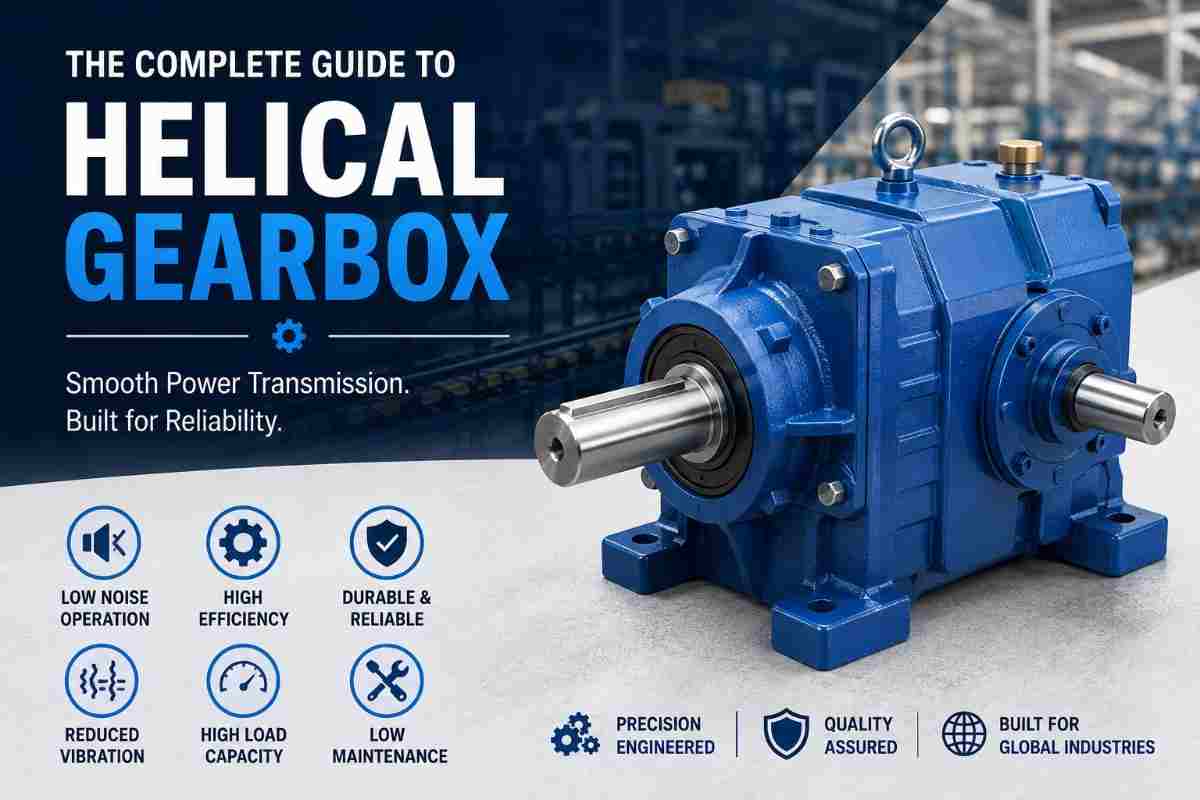
A helical gearbox is a mechanical power ...
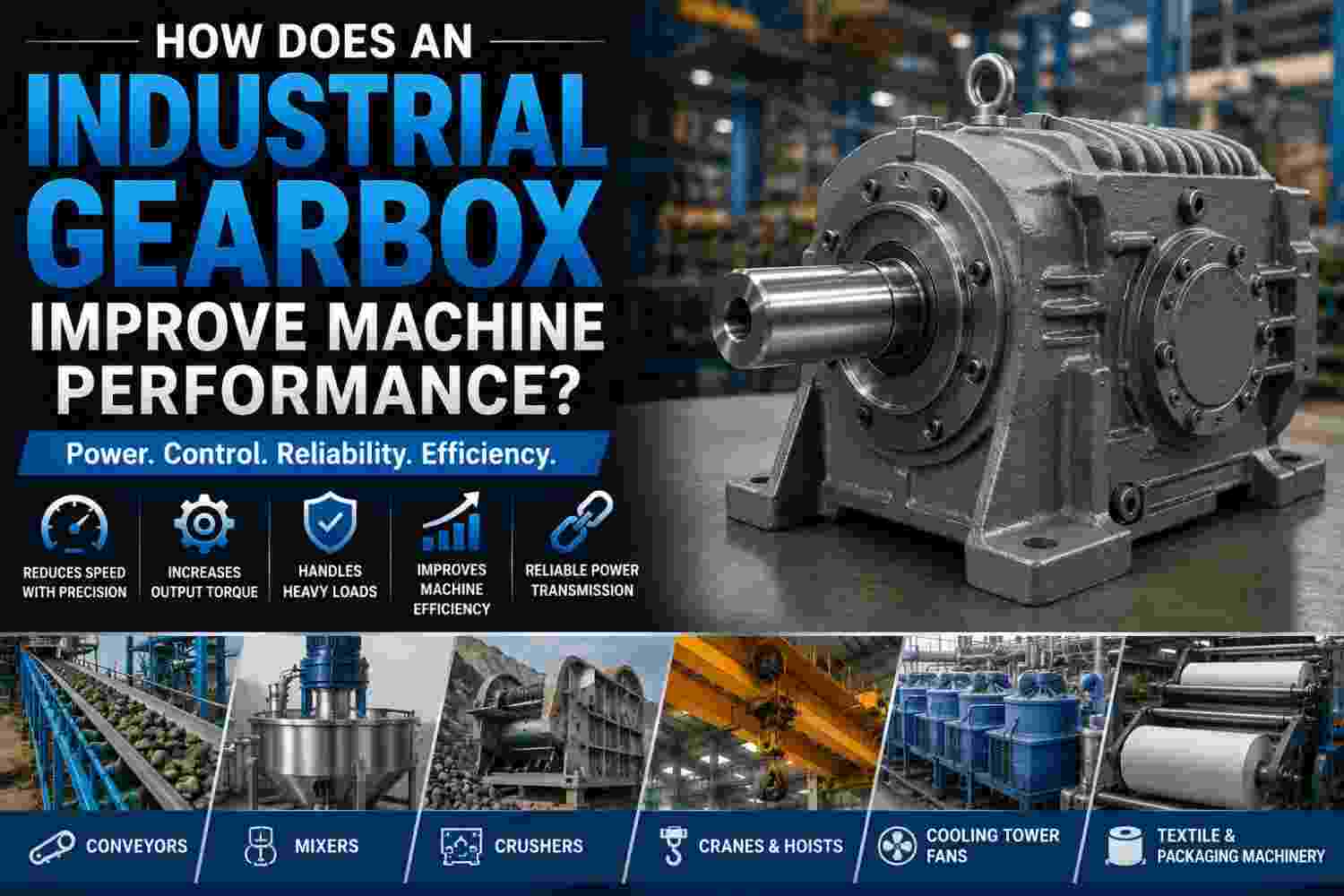
An industrial gearbox improves machine p...
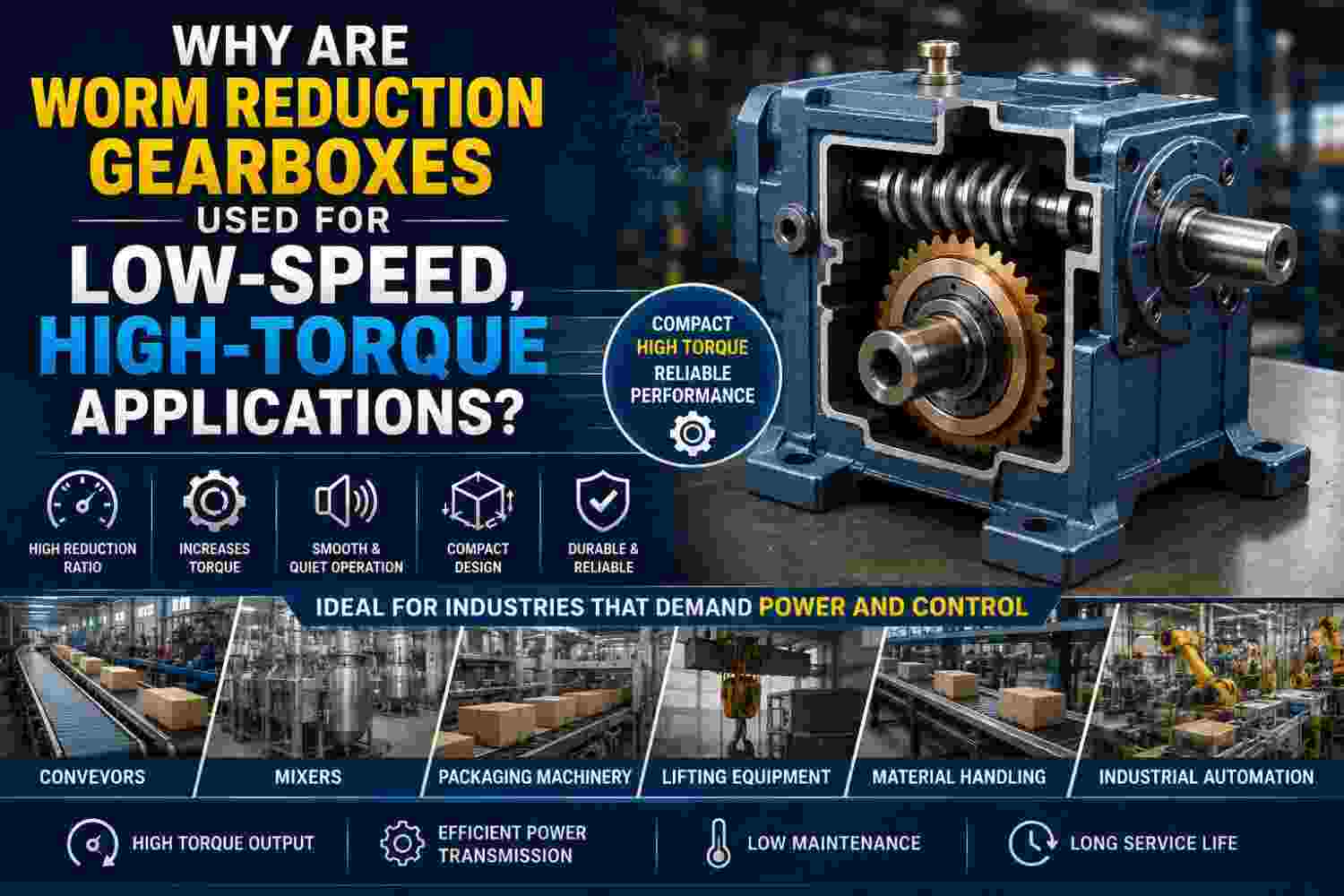
Worm reduction gearboxes are used for lo...
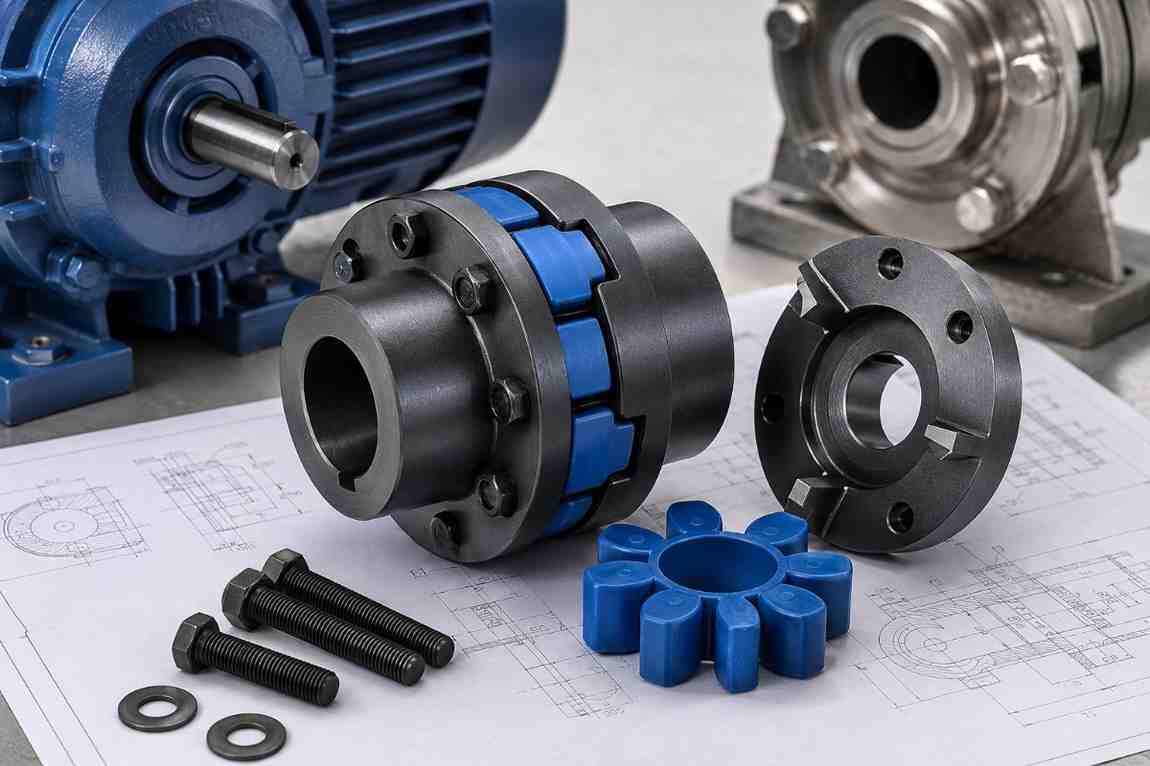
Selecting the correct N-Eupex coupling i...
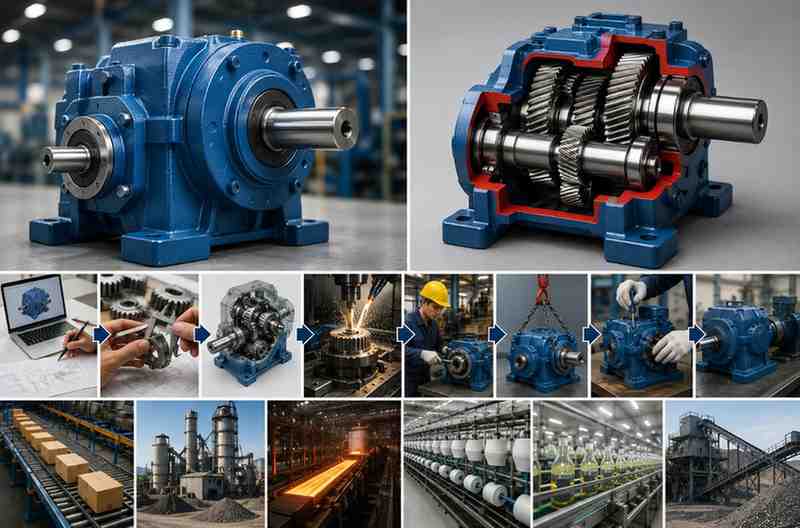
Choosing the right helical gearbox is on...
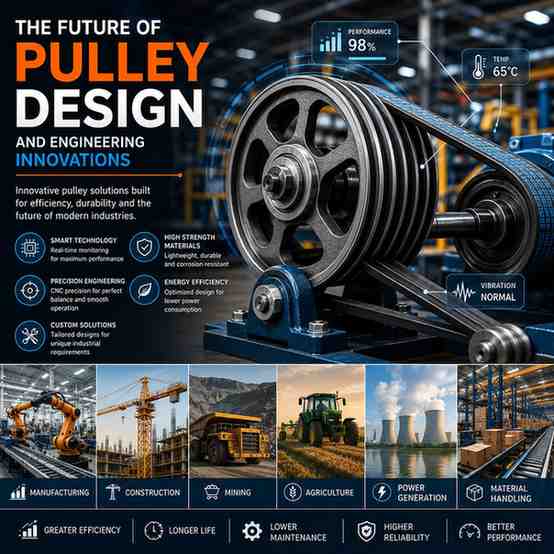
For centuries, pulleys have been one of ...
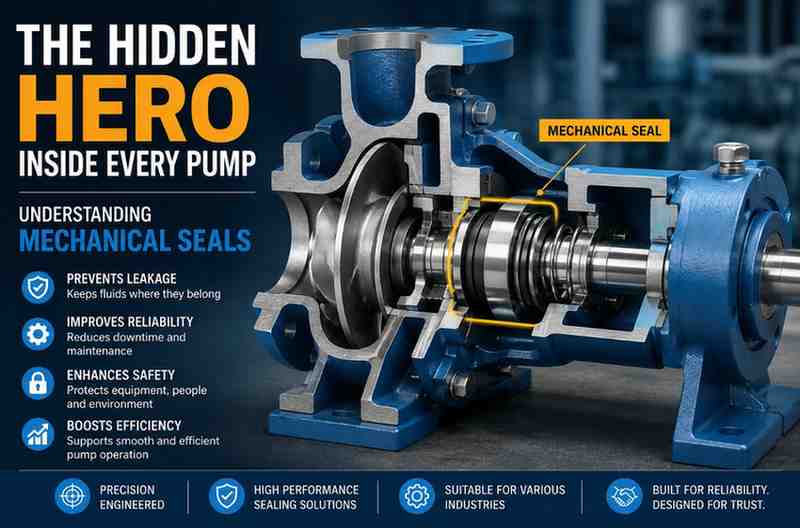
When people think about industrial pumps...
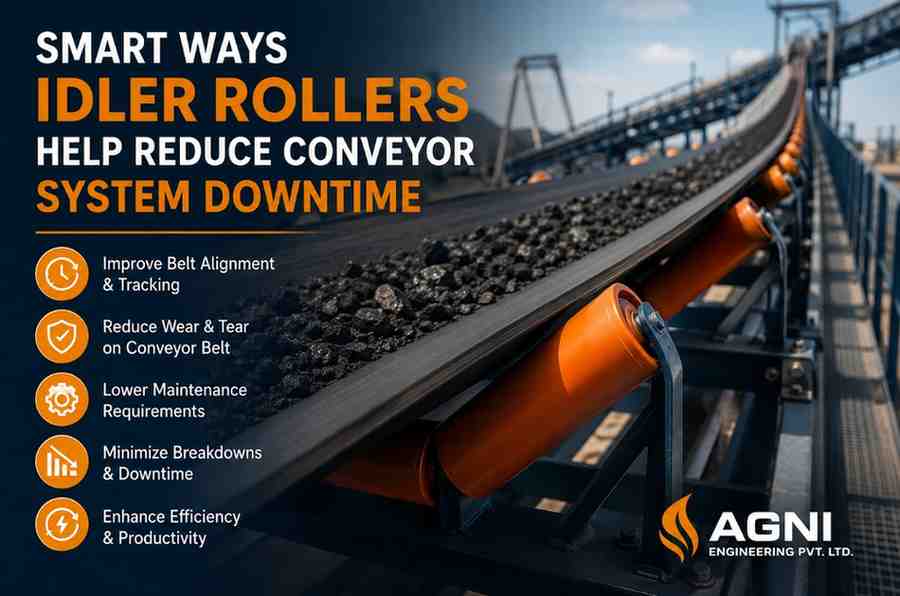
In industries where material handling is...
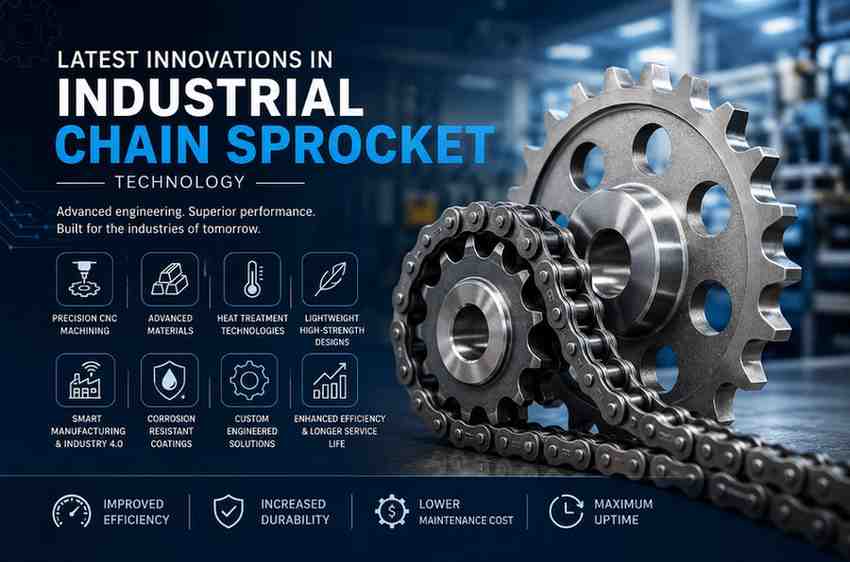
In today’s fast-moving industrial envi...
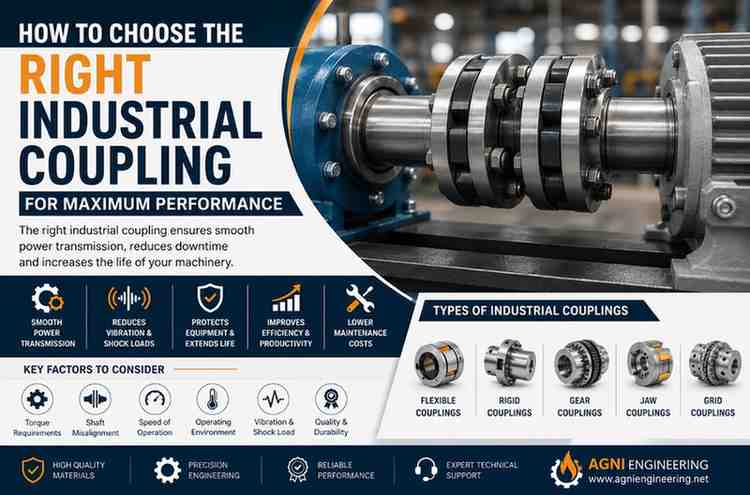
In any industrial setup, even the smalle...
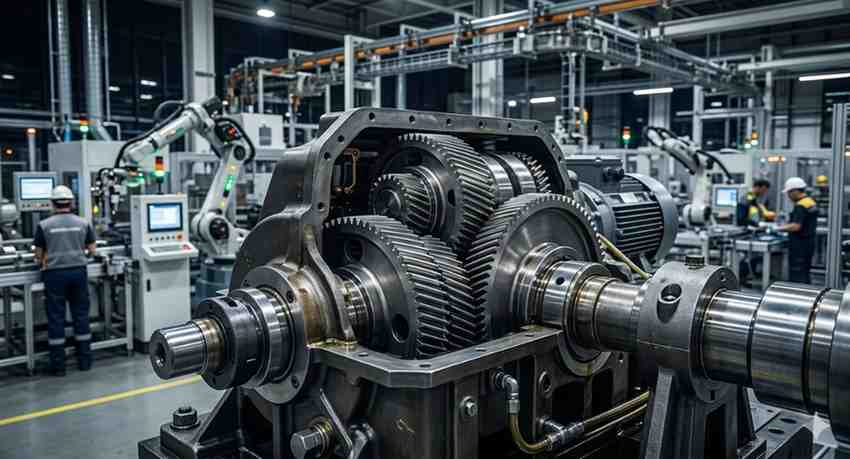
Industrial operations today are becoming...
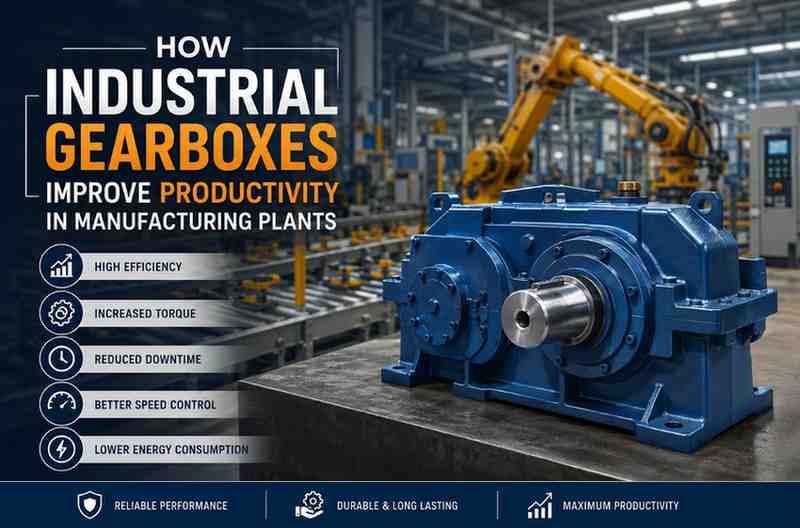
In modern manufacturing plants, efficien...
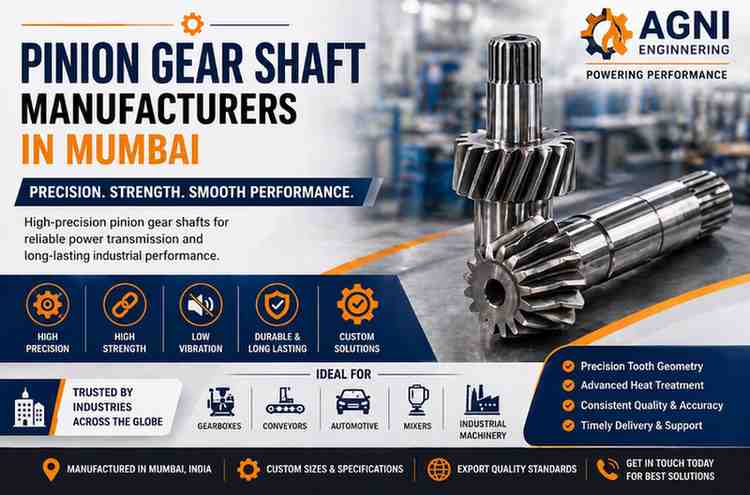
In industrial machinery, every movement ...
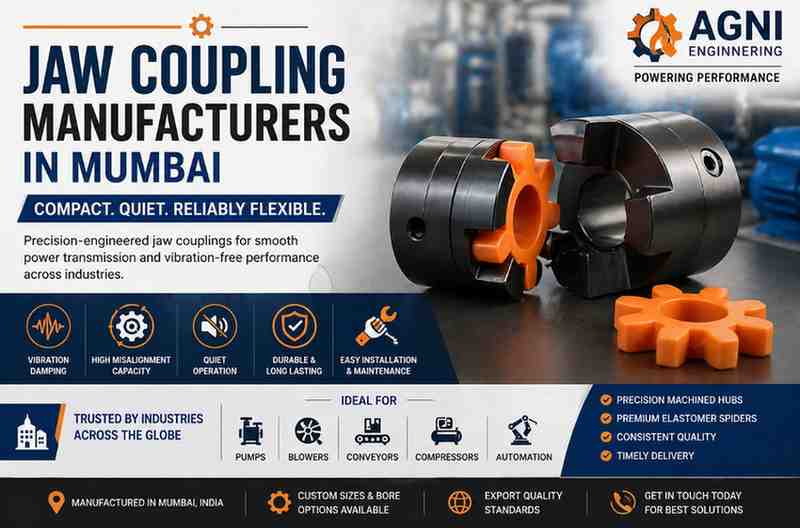
In modern industrial machinery, smooth p...
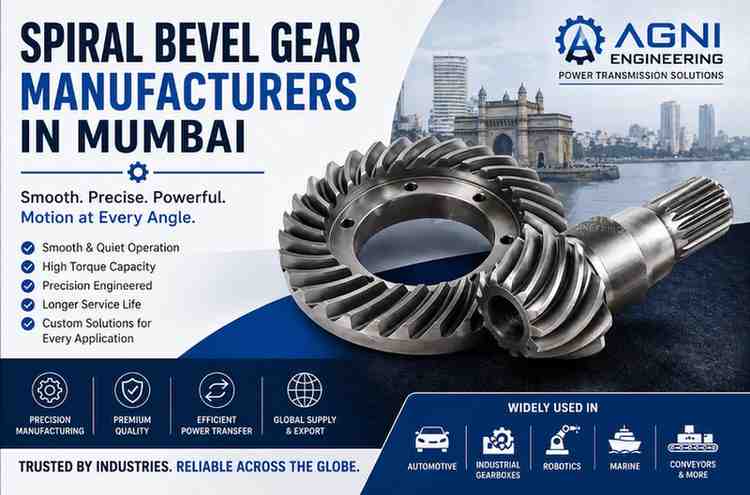
In modern industries, machines rarely wo...
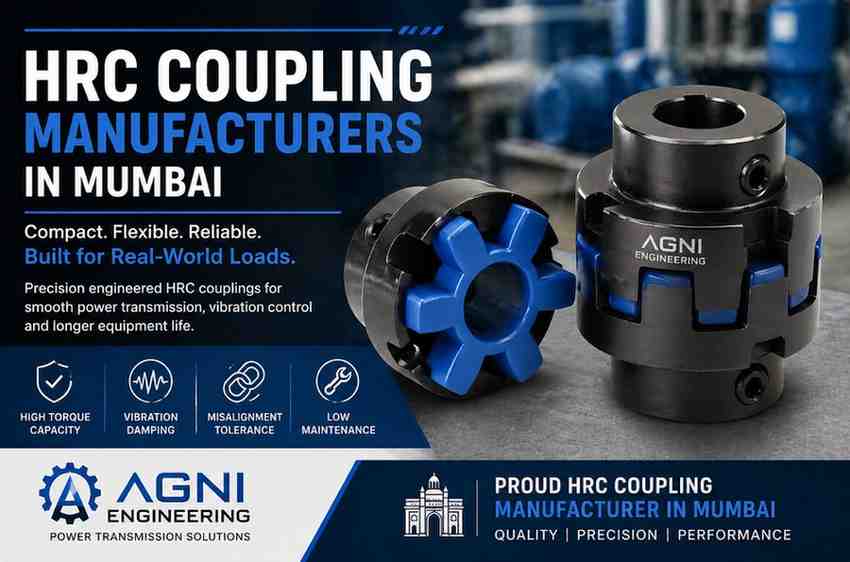
In industrial machinery, smooth power tr...

Machines depend on smooth and steady mot...

In any industrial system, smooth power t...

In many industrial machines, smooth moti...
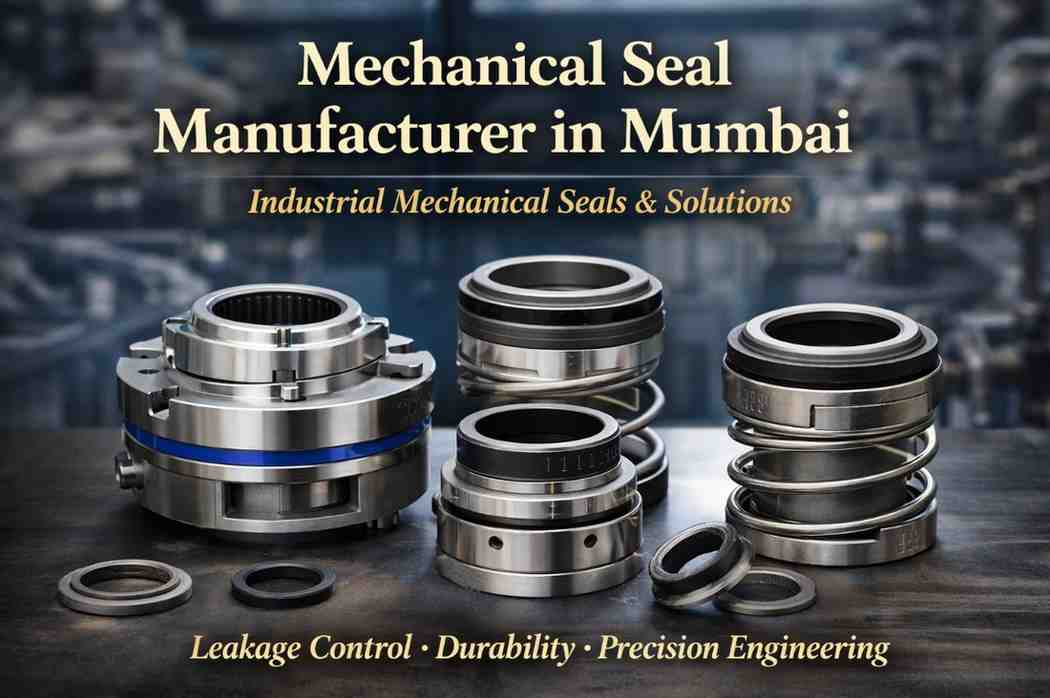
Industrial machines operate under pressu...
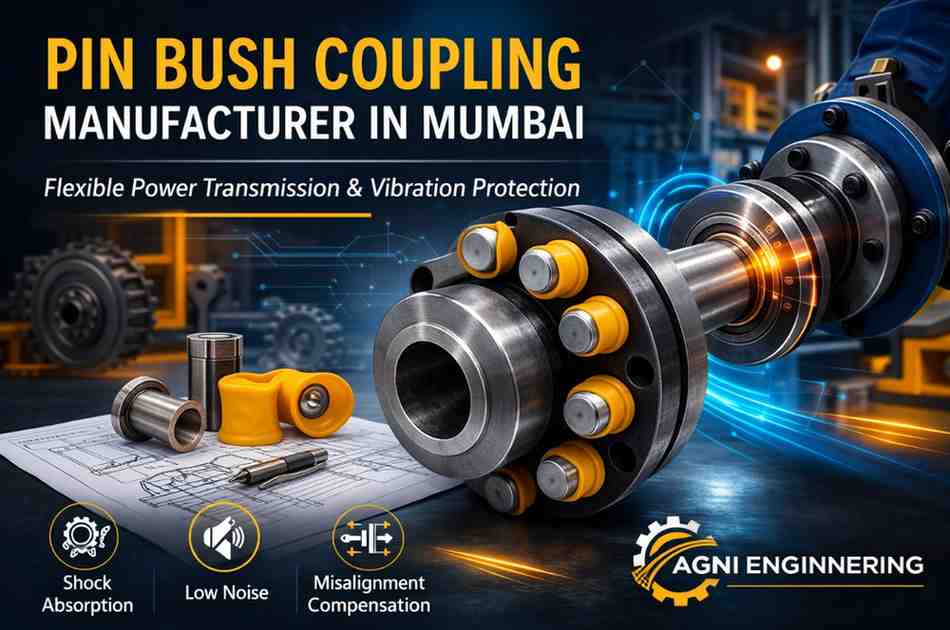
In many industrial machines, vibration, ...
In every conveyor system, rollers play a...
In modern machines, power does not alway...
Some mechanical components earn their re...
Power transmission begins with a single,...
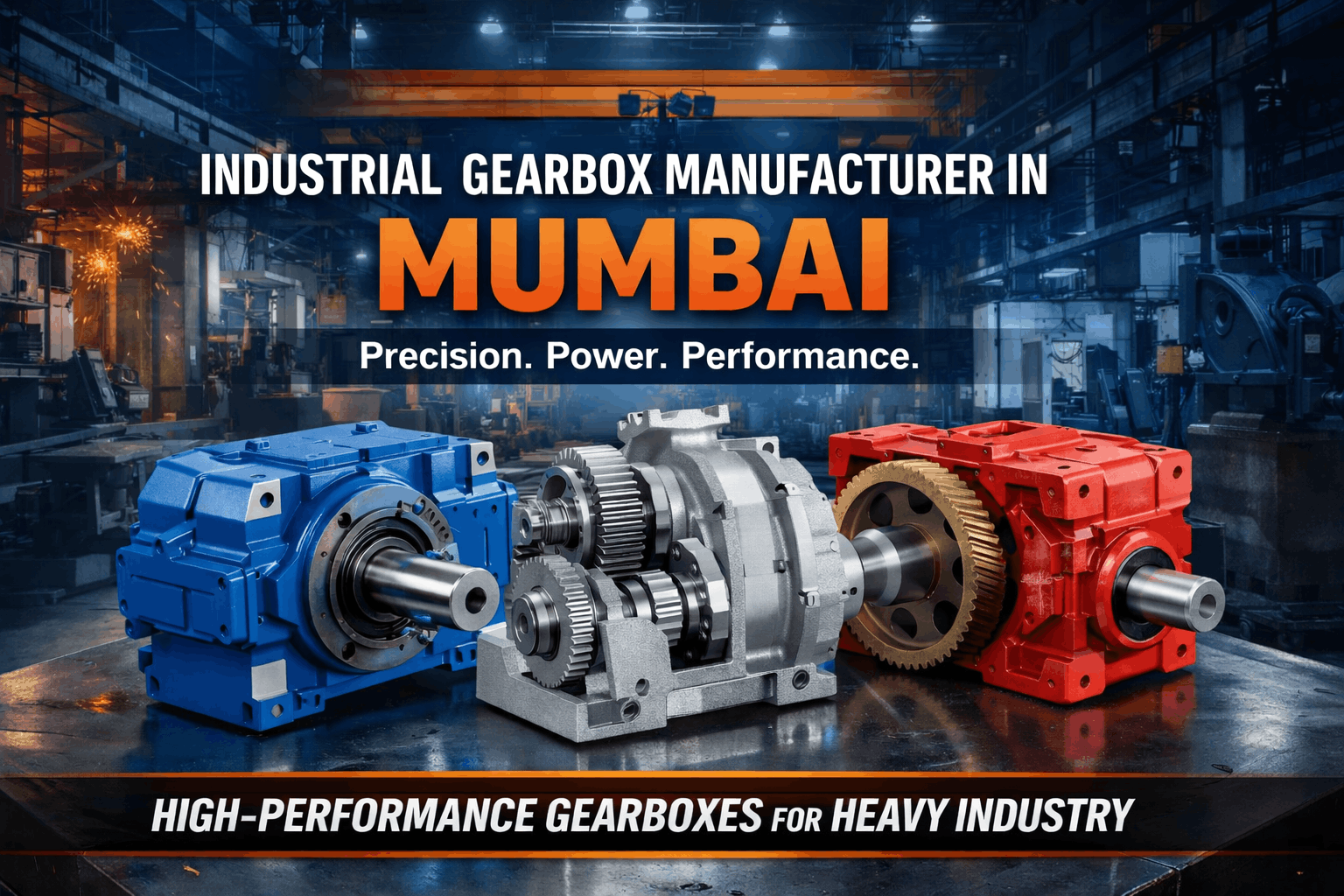
Behind every smooth-running industrial m...

In heavy-duty mechanical systems, power ...

In mechanical systems, reliability often...

In industrial environments where machine...
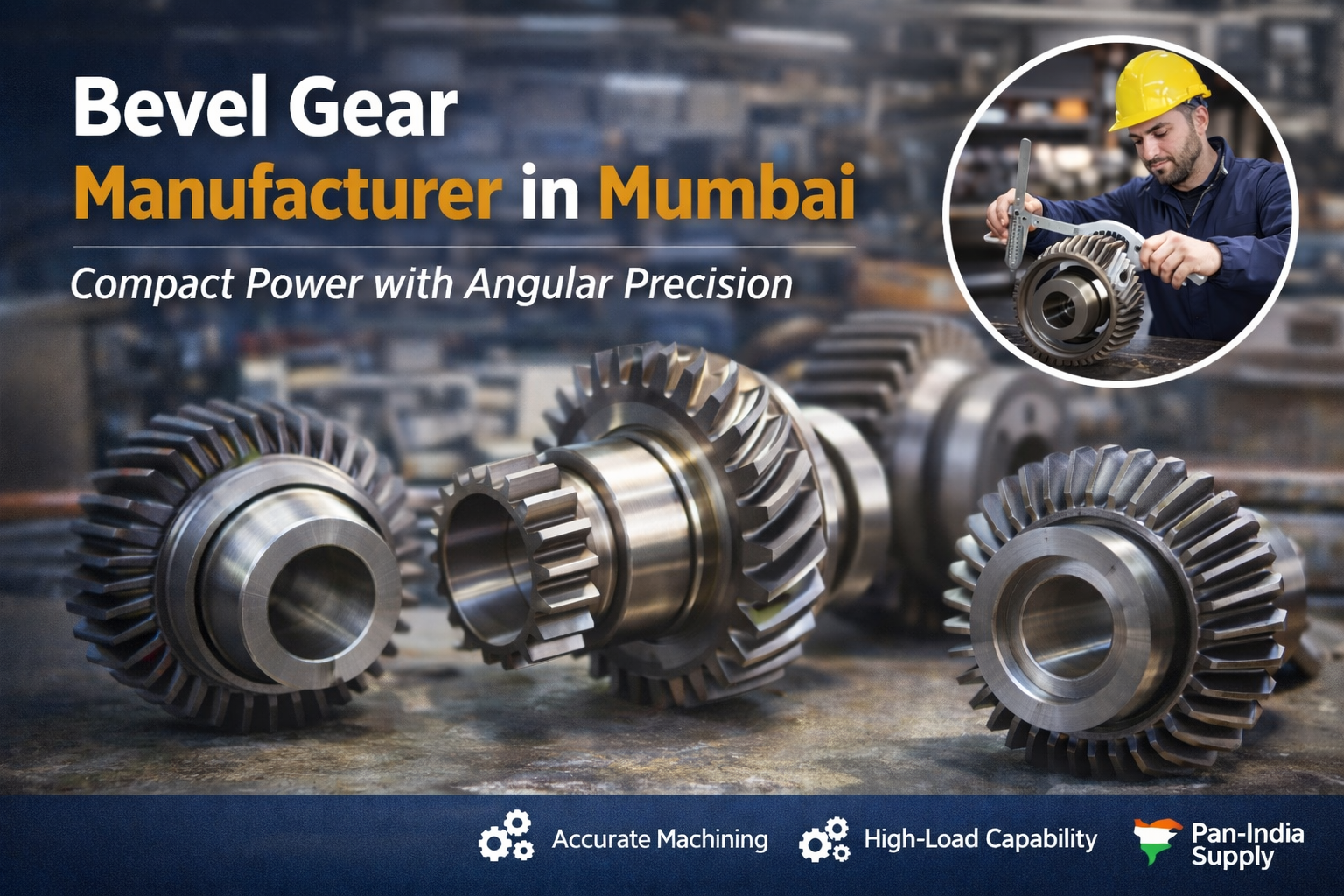
Machines that rely on angular power tran...
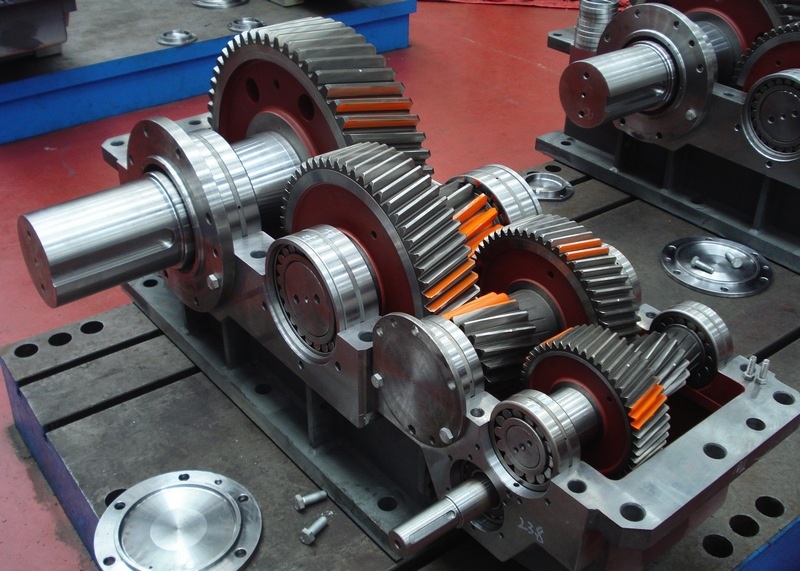
Modern industries run on reliability. Wh...
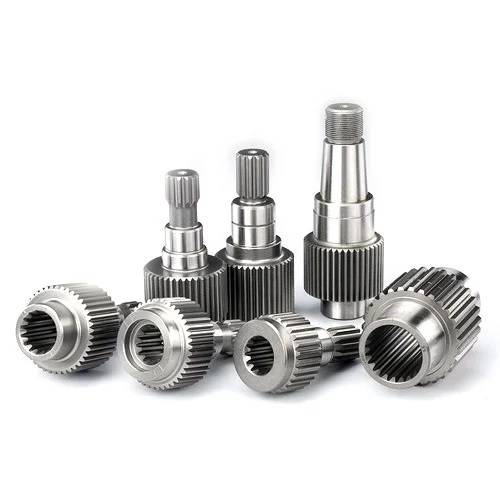
The Pinion Gear Shaft Manufacturers in M...
...
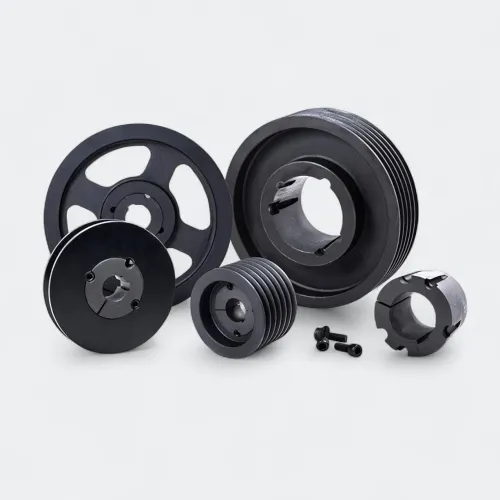
When machines need dependable power, smo...
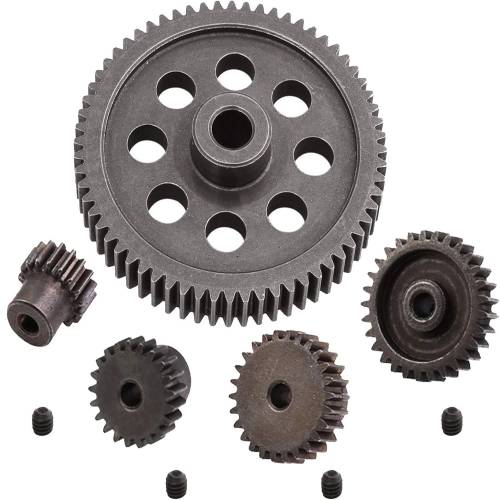
The Spur Gear Manufacturers in Mumbai ar...
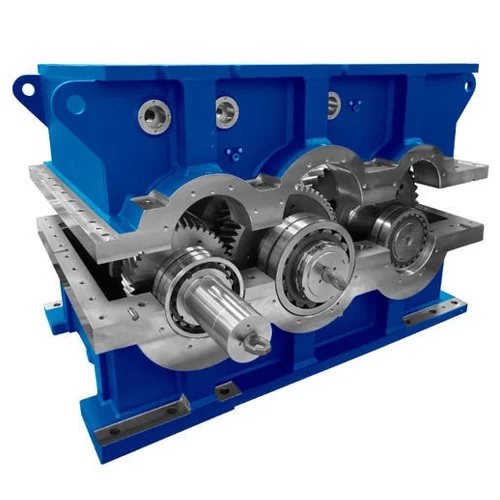
The Gearbox Manufacturers in Mumbai play...
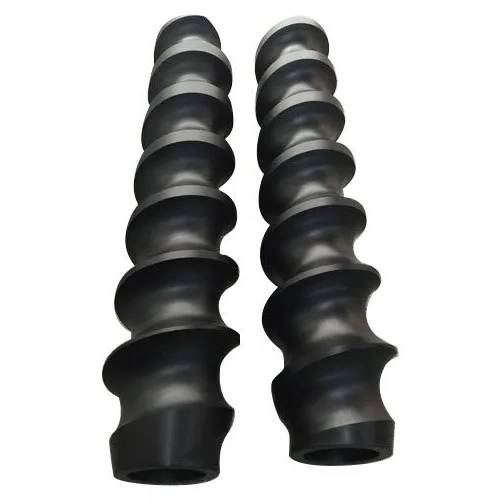
When precision meets performance, indust...
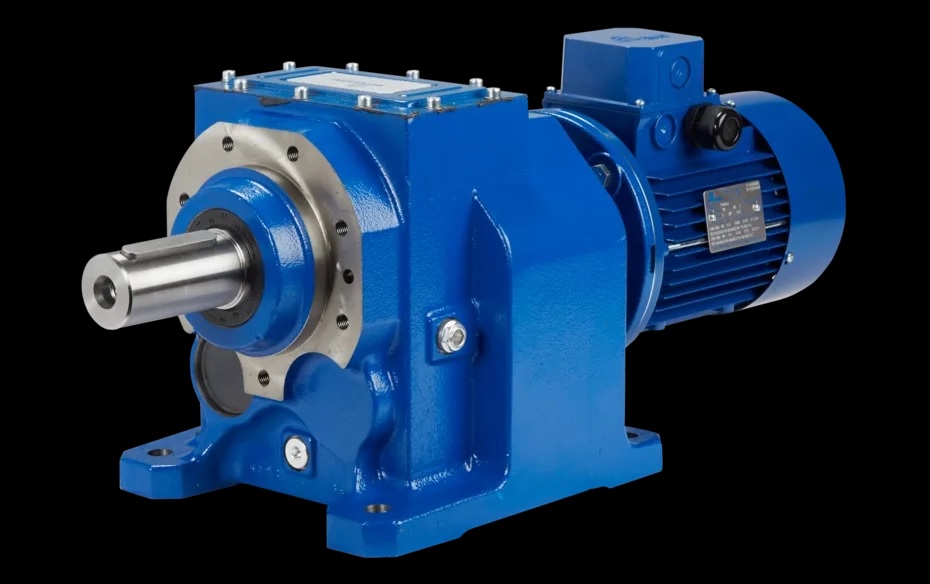
In the modern industrial world, precisio...
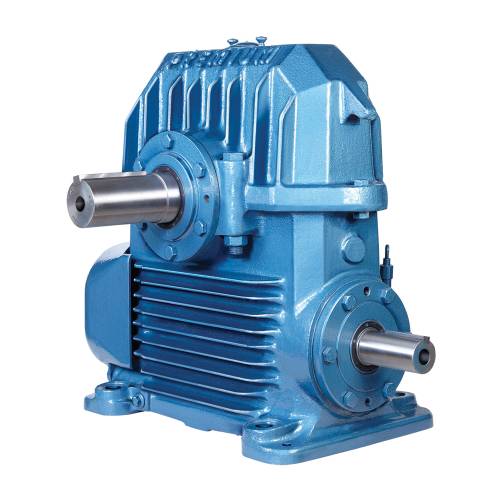
In today’s fast-paced industrial world...
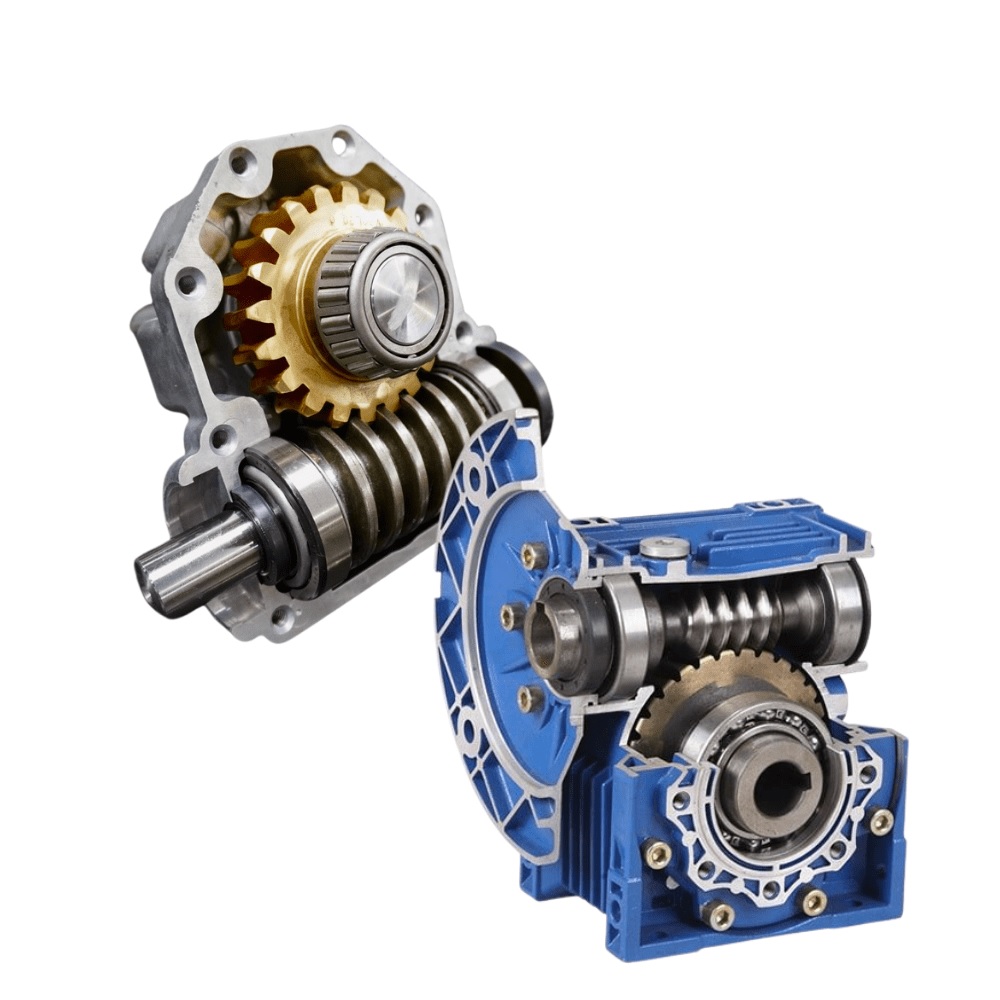
When it comes to advanced power transmis...
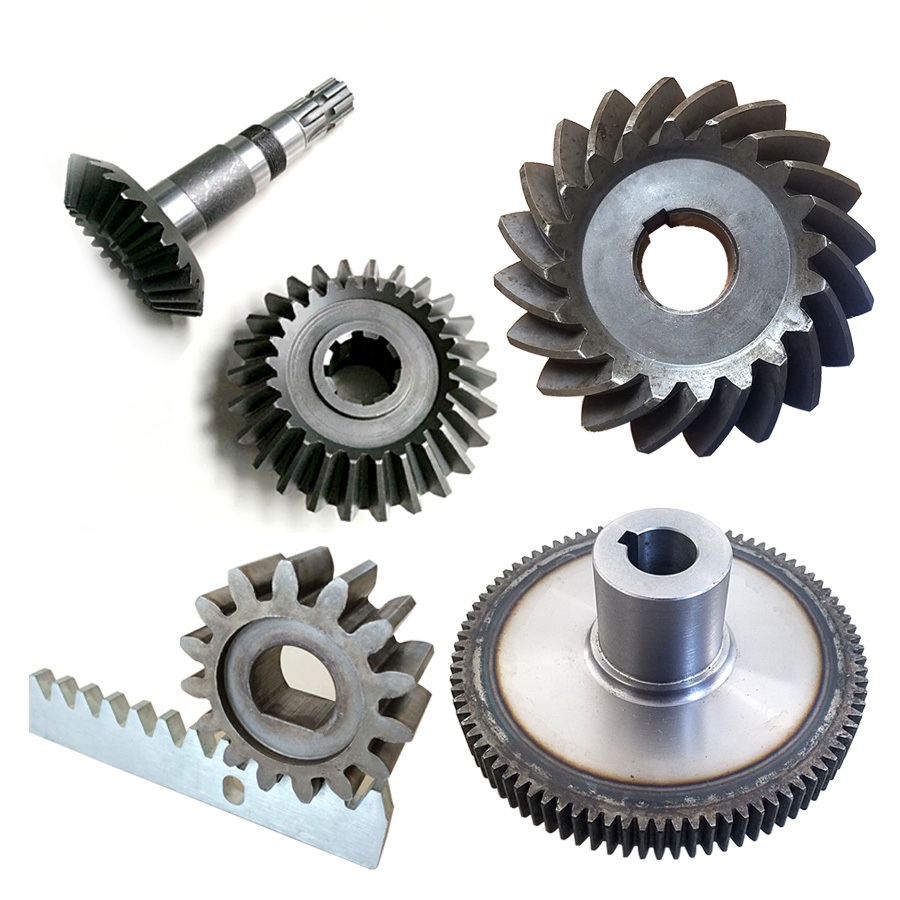
In the world of modern engineering, Indu...
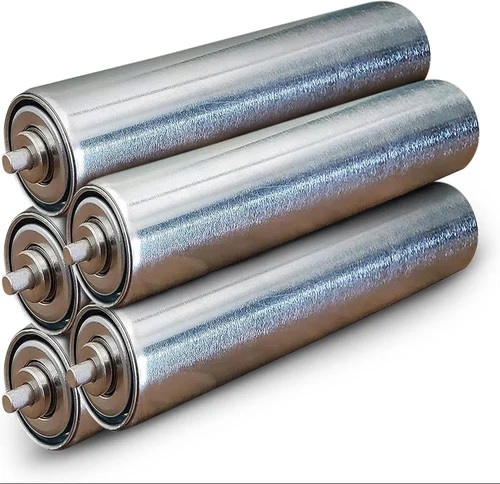
In the world of material handling and co...
