
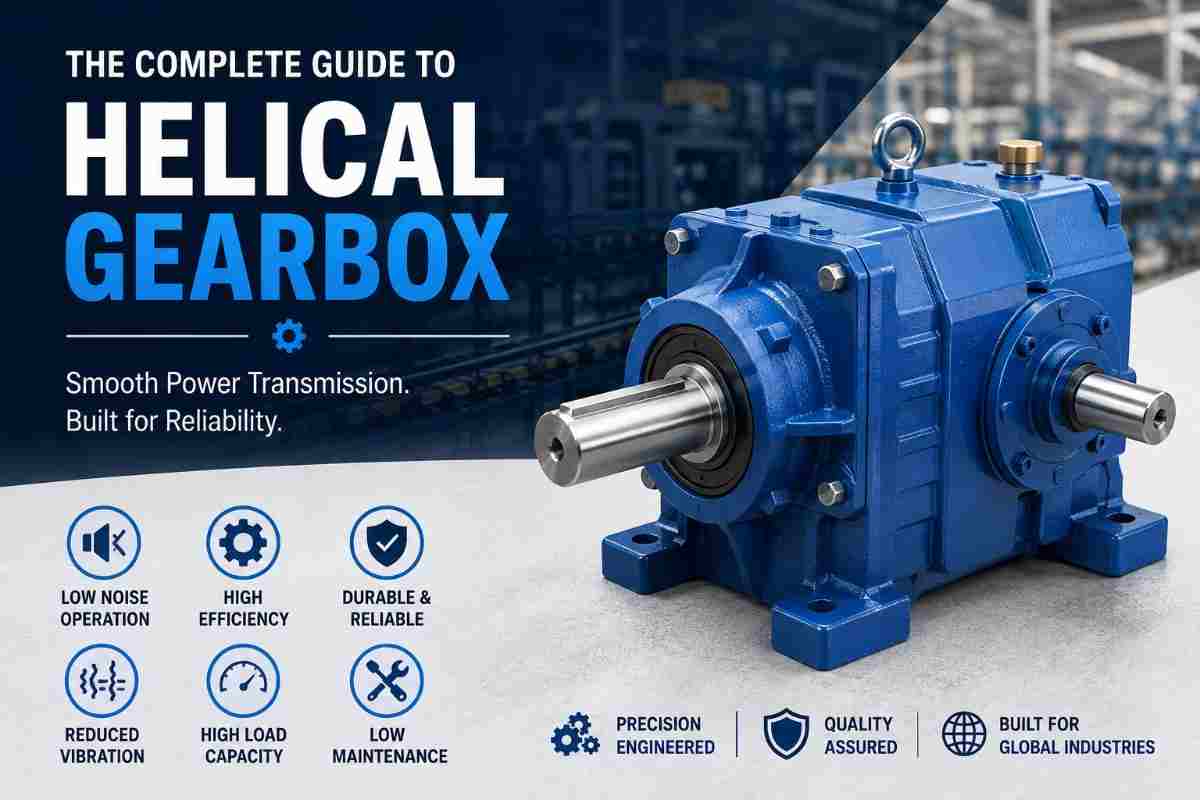
A helical gearbox is a mechanical power transmission system designed to transfer rotational power smoothly and efficiently between a motor and driven machinery. Unlike straight-cut gears, its teeth are positioned at an angle, allowing gradual tooth engagement and helping reduce noise, vibration, and impact during operation.
These gear units are widely used where machinery requires reliable torque transmission, continuous operation, and smooth mechanical performance. They can be configured for different ratios, mounting arrangements, torque requirements, and industrial applications.
A helical gearbox works by transferring rotational motion through angled gear teeth that engage progressively with one another. This gradual engagement distributes the load across multiple teeth rather than creating sudden contact.
The result is smoother torque transfer, lower operating noise, reduced vibration, and dependable performance. Precision manufacturing, proper alignment, and suitable bearings further contribute to reliable operation.
Helical gear systems are preferred when machinery requires smooth and dependable power transmission. Their angled tooth design provides progressive engagement and helps distribute operating loads effectively.
Key advantages include:
These characteristics make them useful in equipment where stable and consistent movement is important.
The main components include gears, shafts, bearings, housing, lubrication systems, and mounting arrangements. Each component contributes to the overall performance and durability of the unit.
Common construction features include:
The combination of these components helps the transmission operate reliably under demanding working conditions.
The angled tooth arrangement allows contact between mating gears to begin gradually. This differs from straight teeth, which can produce more sudden engagement.
Progressive contact helps:
This tooth geometry is one of the primary reasons these drives are suitable for high-speed and precision-oriented machinery.
Different materials are selected according to the component's strength, wear, heat, and durability requirements.
Common materials include EN-series alloy steels, case-hardened steel, heat-treated shafts, and high-rigidity cast iron for housings.
Case hardening creates a hard outer surface while retaining a tougher internal structure. This combination can improve resistance to surface wear and support longer operating life under repeated loading.
Cast iron can provide rigidity and structural stability while supporting the internal gears, shafts, and bearings. A rigid housing also helps maintain proper alignment during operation.
The major benefits are smooth operation, efficient power transmission, reduced noise, and reliable load handling.
Depending on the design and application, additional benefits can include:
The exact performance depends on factors such as gear design, ratio, lubrication, load, speed, installation, and maintenance.
They are commonly used in industrial machinery that requires controlled and continuous rotational power.
Typical applications include:
The correct configuration should be selected according to the machine's speed, torque, duty cycle, and operating environment.
Yes, they can be suitable for continuous-duty applications when properly designed, selected, installed, lubricated, and maintained.
Continuous operation places greater demands on gears, bearings, shafts, lubrication, and housing components. Therefore, the equipment should be correctly sized according to the expected operating conditions.
Important considerations include:
Common mounting arrangements include foot-mounted and flange-mounted configurations. The appropriate option depends on the machinery layout and available installation space.
Different designs may also support inline or parallel-shaft arrangements. Mounting flexibility allows the transmission unit to be integrated into various industrial machine designs.
Yes, gear ratios and torque outputs can be selected or customized according to the requirements of the driven machine.
Customization may involve:
Providing accurate machine specifications helps the manufacturer determine a suitable configuration.
They reduce noise and vibration primarily through gradual tooth engagement. Because the teeth contact progressively, the transmission experiences less sudden impact during rotation.
Precision grinding, accurate helix angles, proper alignment, rigid housings, and quality bearings can further contribute to quieter operation.
This makes the design particularly useful in machinery where excessive mechanical noise or vibration can affect productivity or equipment performance.
The most important factors are torque, speed, gear ratio, duty cycle, mounting arrangement, operating environment, and machine requirements.
Before selecting a unit, consider:
Correct sizing is essential because an unsuitable transmission can experience excessive wear, overheating, or premature component failure.
Regular inspection, lubrication, cleaning, alignment checks, and examination of gears and bearings can help maintain reliable operation.
Maintenance activities may include:
Maintenance intervals should follow the manufacturer's recommendations and the actual operating conditions.
Overheating can result from excessive loading, insufficient lubrication, incorrect lubricant, poor alignment, bearing problems, or inadequate cooling.
Potential causes include:
If abnormal temperature increases occur, the equipment should be inspected before continued operation causes additional damage.
Proper selection, correct installation, suitable lubrication, regular inspection, and avoiding excessive loads can significantly support long-term service life.
Good operating practices include:
These measures help protect critical internal components and maintain consistent performance.
A reliable manufacturer should demonstrate precision manufacturing, material quality, testing capability, technical expertise, and consistent product performance.
Important factors to evaluate include:
In-house manufacturing and testing can also provide better control over dimensional accuracy, assembly quality, and product consistency.
Yes, industrial transmission equipment can be supplied for international projects when the manufacturer has suitable production, quality-control, packaging, and logistics capabilities.
Export-oriented supply may involve:
International buyers should communicate technical specifications, packaging requirements, documentation needs, and applicable standards before production.
Precision is important because even small dimensional or alignment errors can affect gear meshing, noise, vibration, efficiency, and component life.
Accurate tooth profiles, center distances, shaft dimensions, bearings, and assembly alignment help ensure smooth mechanical operation.
Precision grinding and appropriate heat treatment can further improve the performance and durability of critical gear components.
Start by determining the machine's power, input speed, required output speed, torque, load type, operating hours, and installation arrangement.
The selection process should generally include:
A qualified manufacturer or technical engineer can help verify the final selection before installation.
A high-quality unit should combine strong materials, accurate machining, reliable bearings, effective lubrication, rigid construction, and appropriate quality testing.
Important characteristics include:
These features work together to provide dependable performance across demanding industrial applications.
Agni Enginnering focuses on precision-engineered industrial gear products manufactured using high-grade materials and controlled production processes.
The company highlights:
Its product approach is intended for applications where durability, accuracy, efficient transmission, and dependable operation are important.
Yes, a helical gearbox can be an excellent choice for industrial machinery requiring smooth, efficient, and dependable rotational power transmission.
Its angled teeth provide gradual engagement, helping reduce noise and vibration while distributing loads effectively. With suitable materials, precision manufacturing, proper sizing, lubrication, installation, and maintenance, the equipment can provide reliable performance over long operating periods.
Before purchasing, buyers should evaluate power, speed, torque, ratio, mounting arrangement, duty cycle, operating environment, maintenance requirements, and customization options. Choosing a technically capable manufacturer can also help ensure that the final configuration matches the machine's actual requirements.
Industrial machinery depends on reliable...
Choosing between a worm gearbox and a he...
Mechanical seals are essential component...
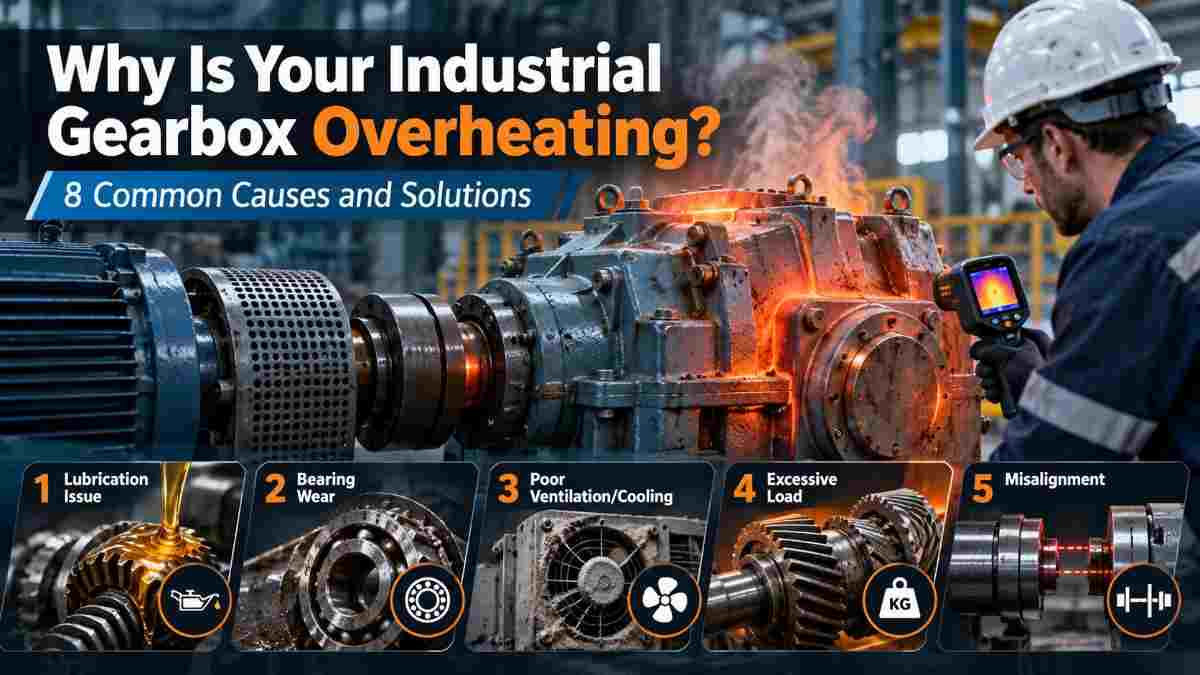
An industrial gearbox naturally generate...
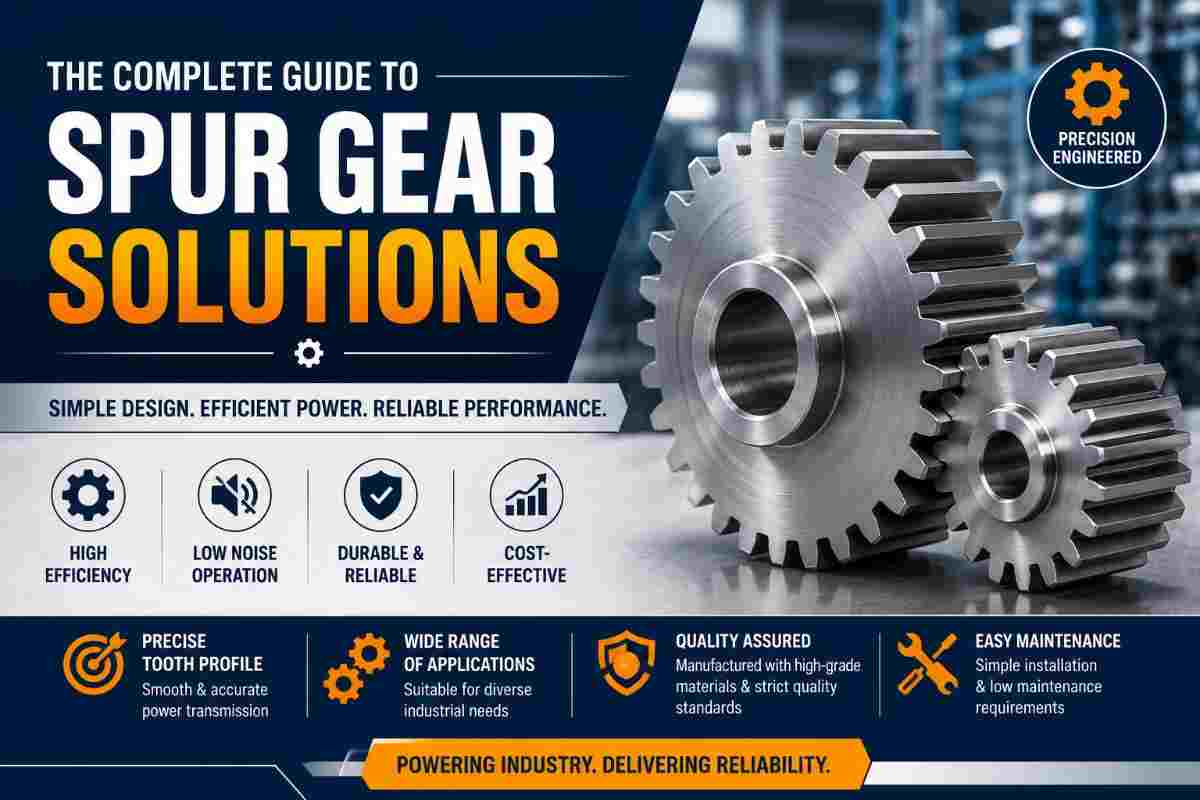
A spur gear is a mechanical gear with st...
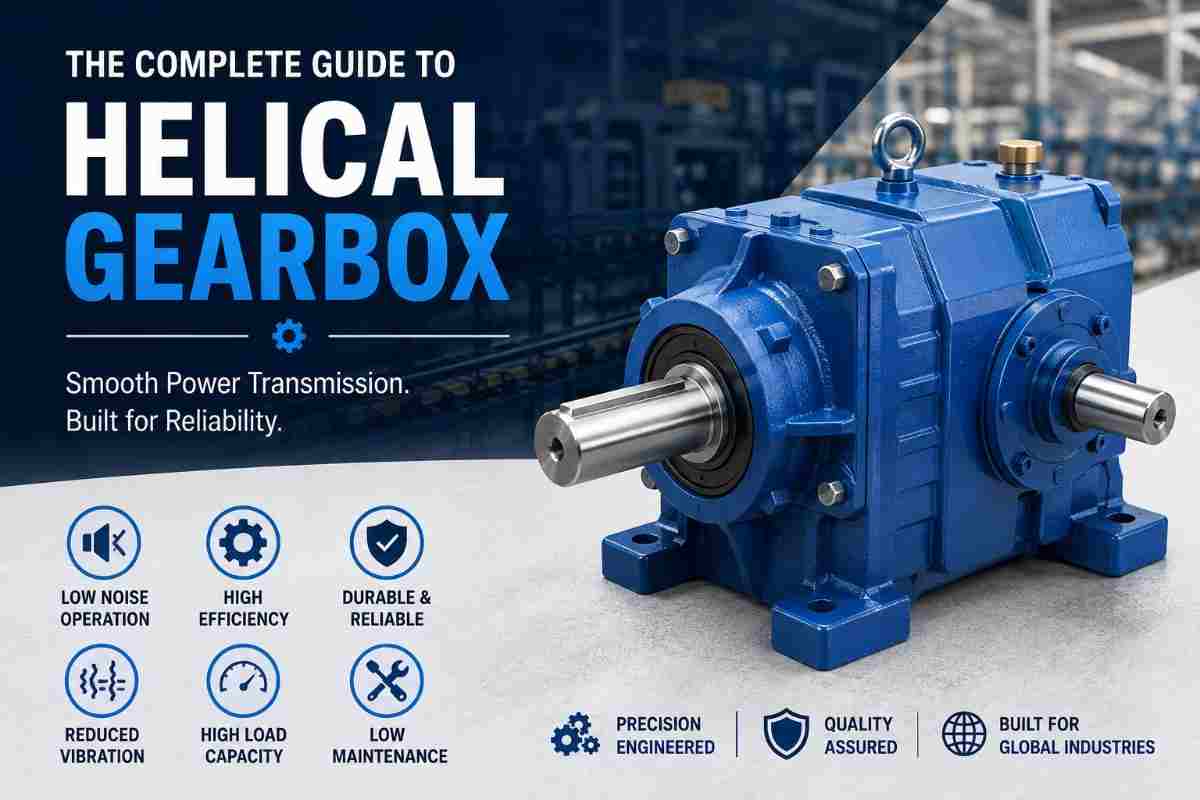
A helical gearbox is a mechanical power ...
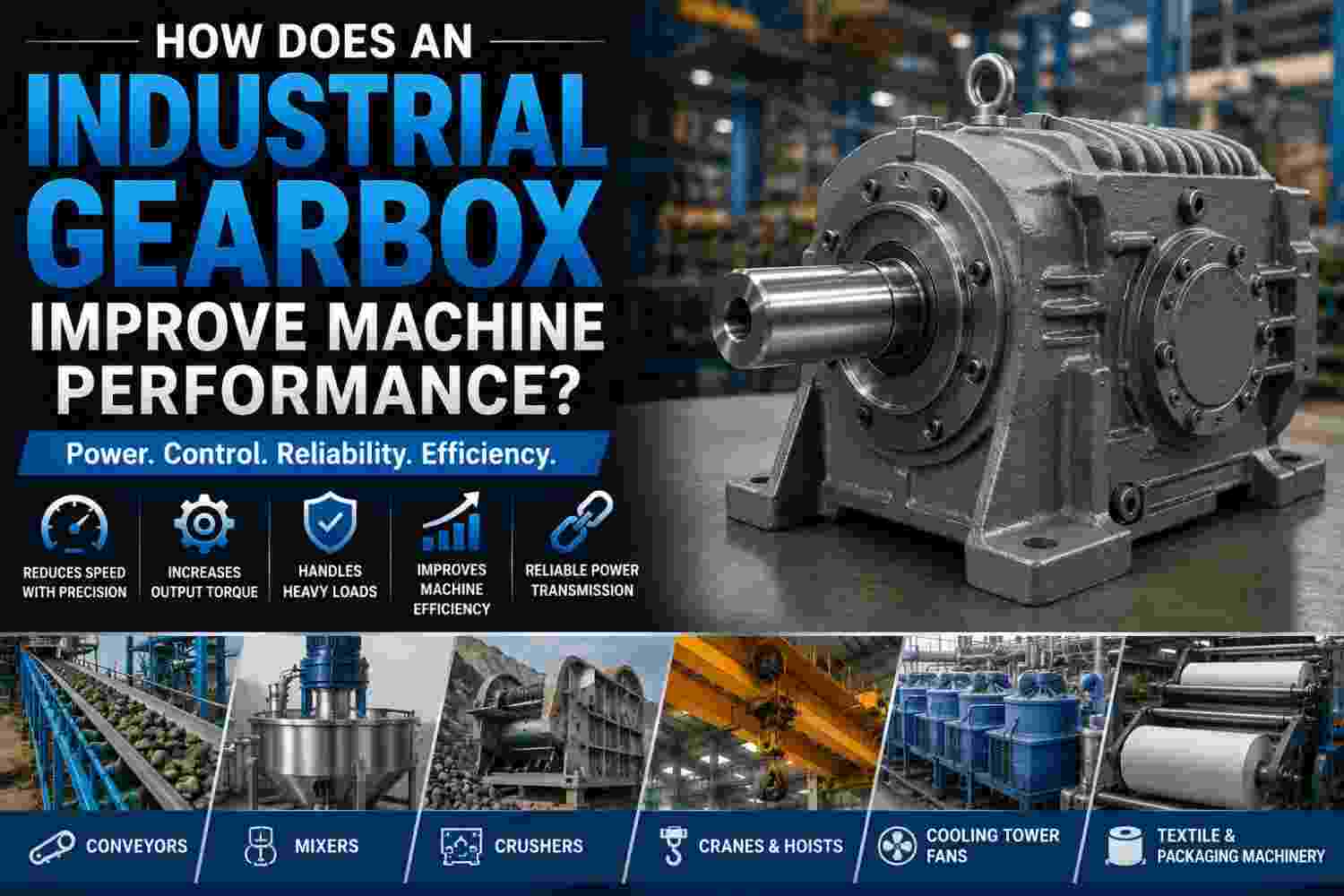
An industrial gearbox improves machine p...
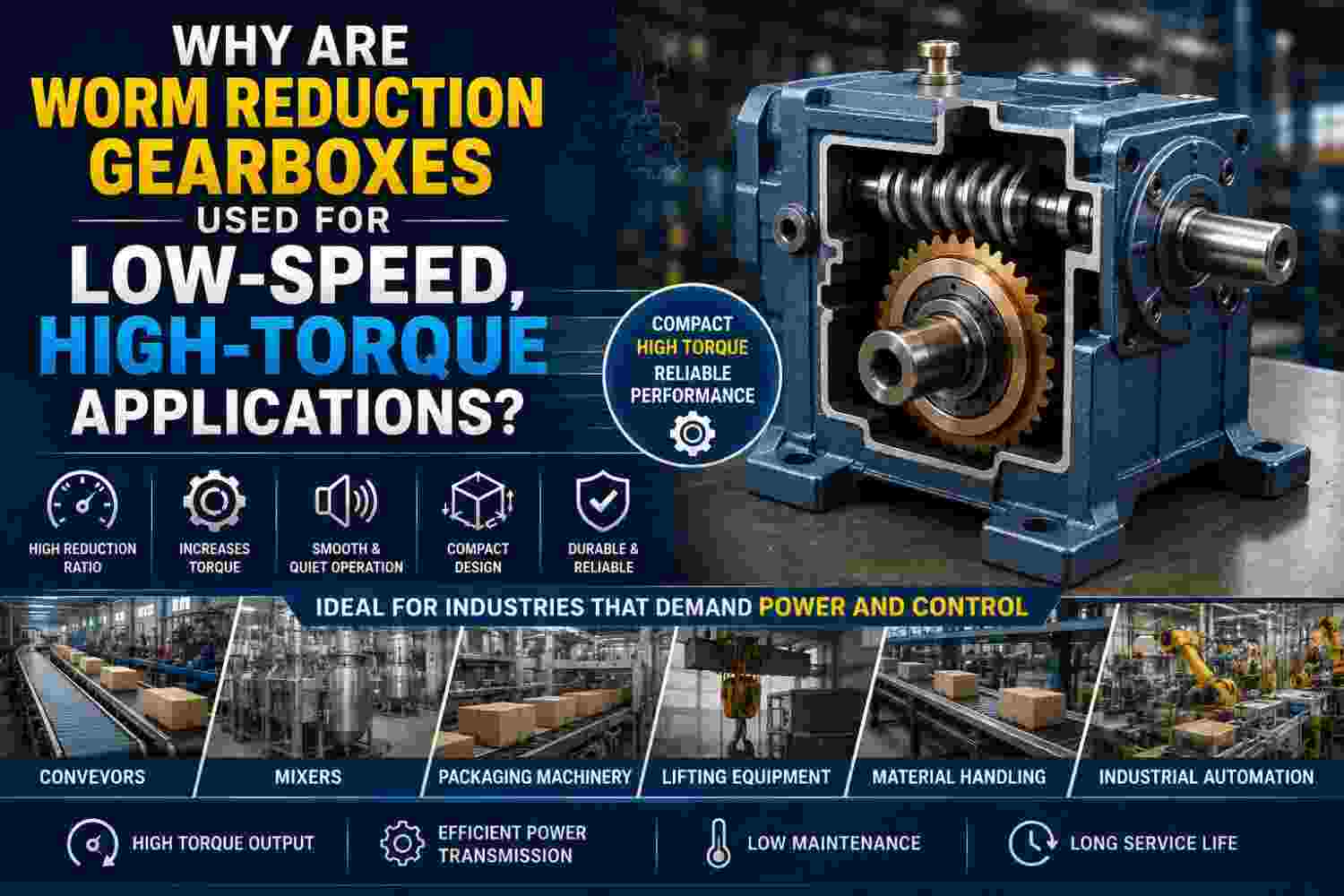
Worm reduction gearboxes are used for lo...
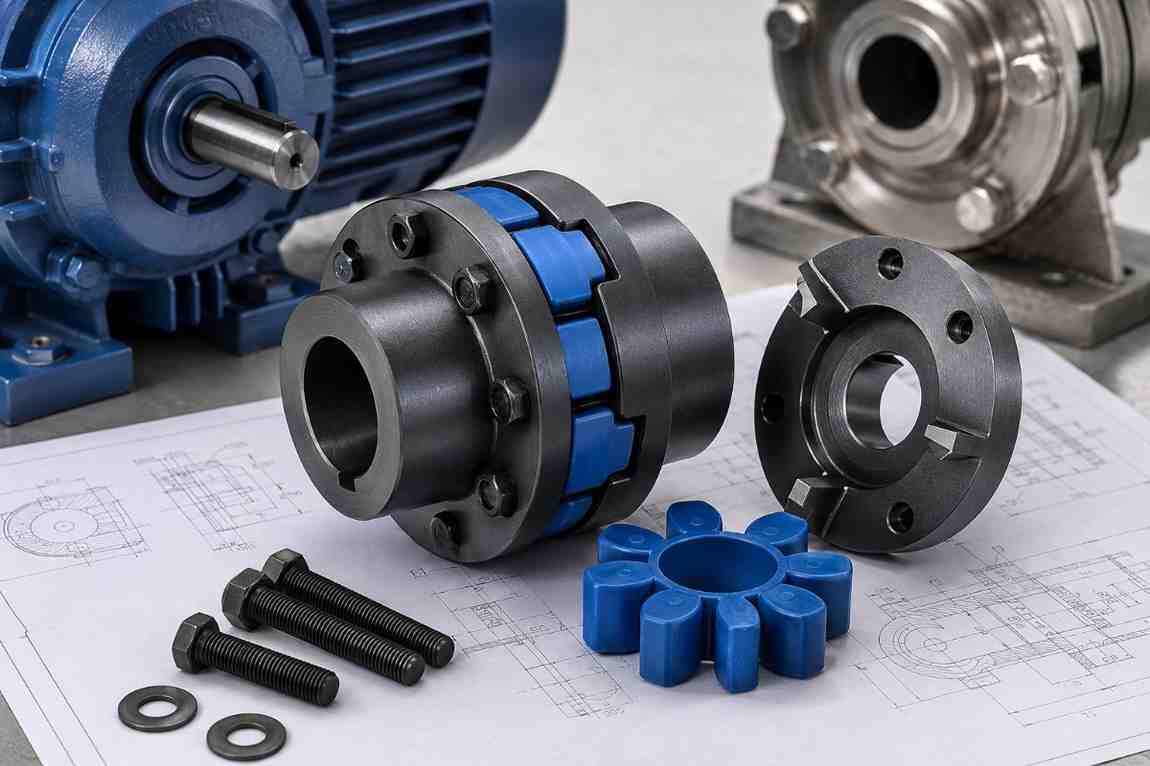
Selecting the correct N-Eupex coupling i...
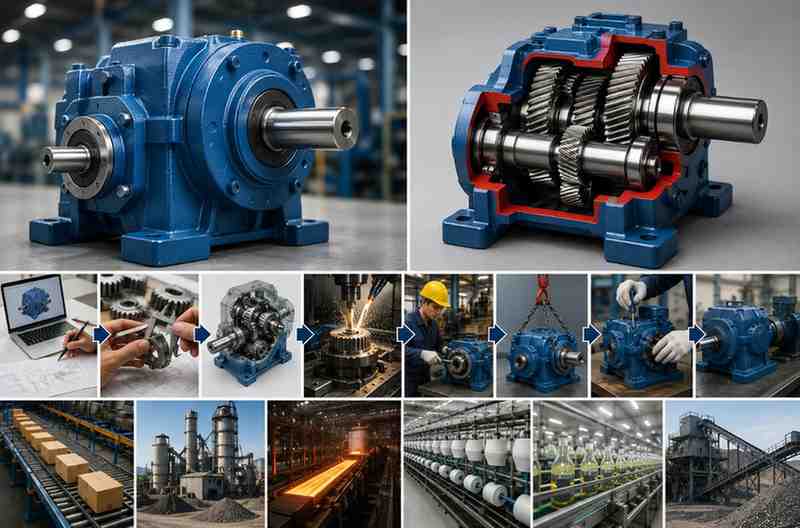
Choosing the right helical gearbox is on...
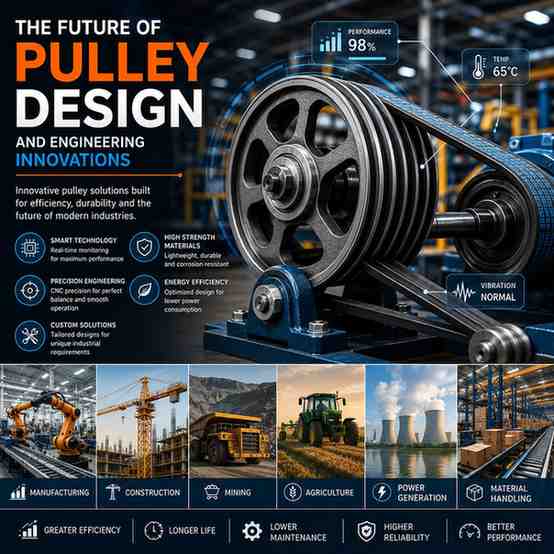
For centuries, pulleys have been one of ...
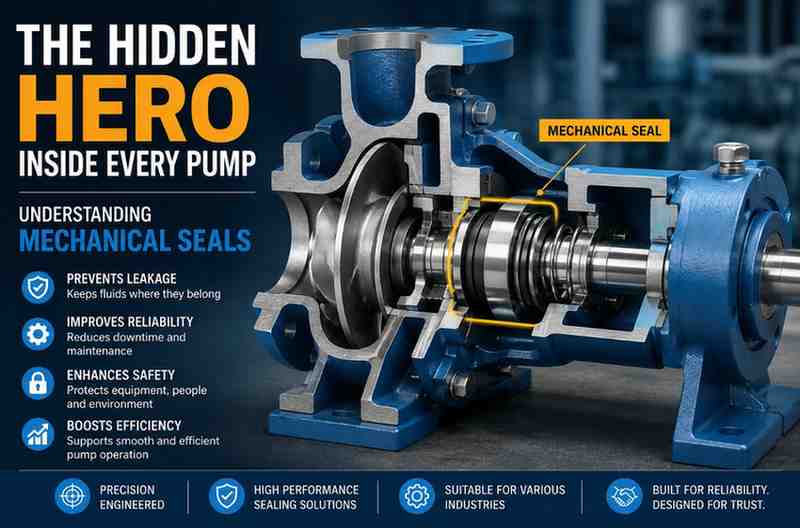
When people think about industrial pumps...
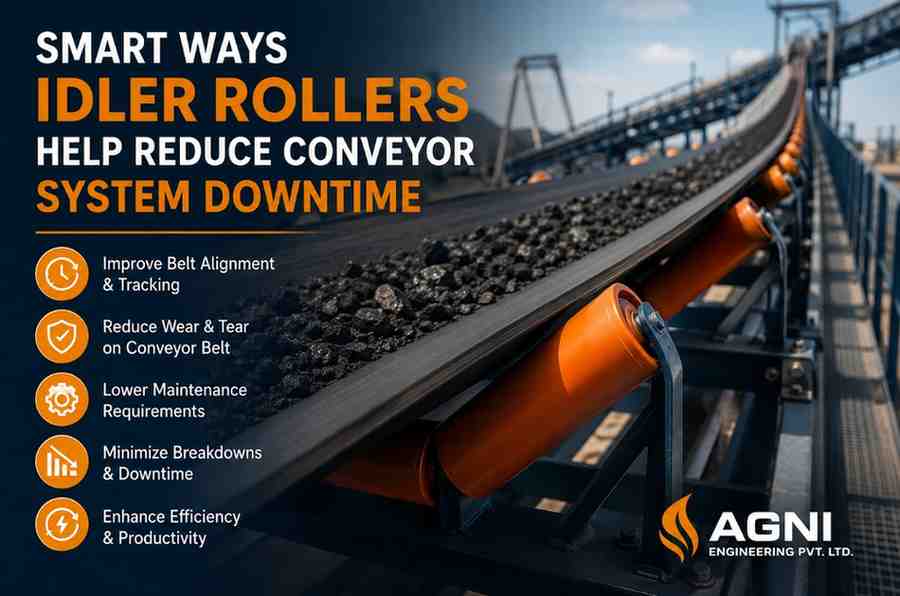
In industries where material handling is...
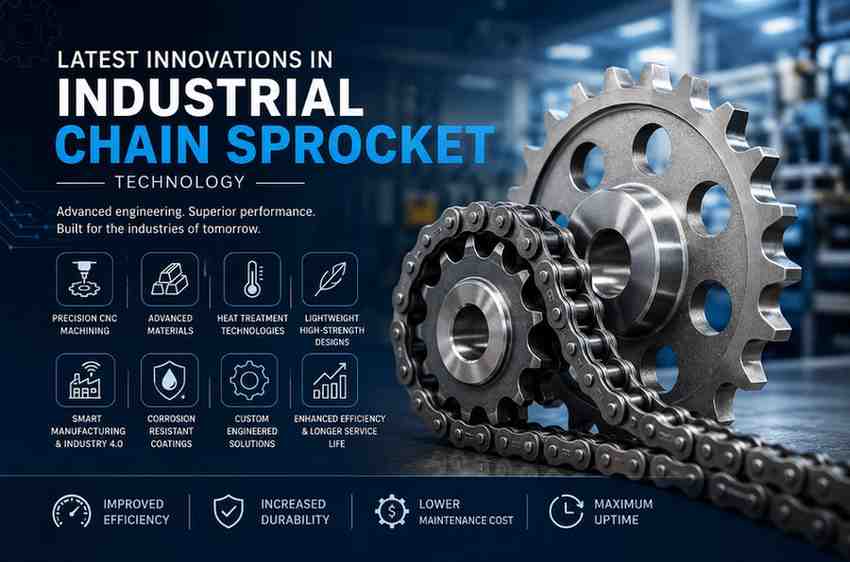
In today’s fast-moving industrial envi...
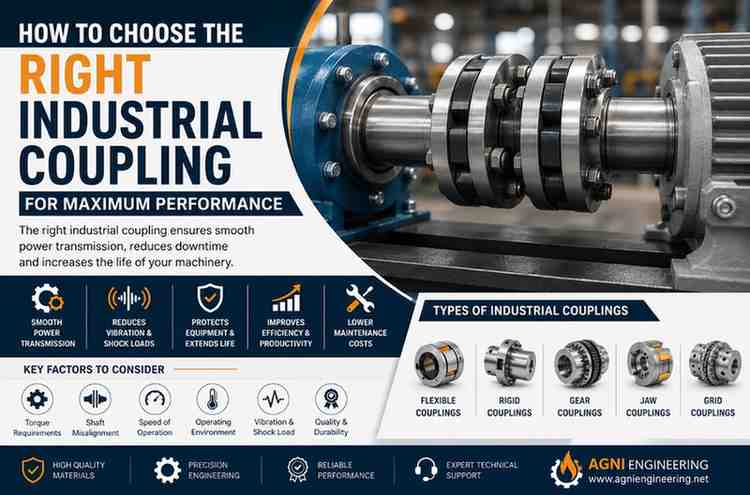
In any industrial setup, even the smalle...
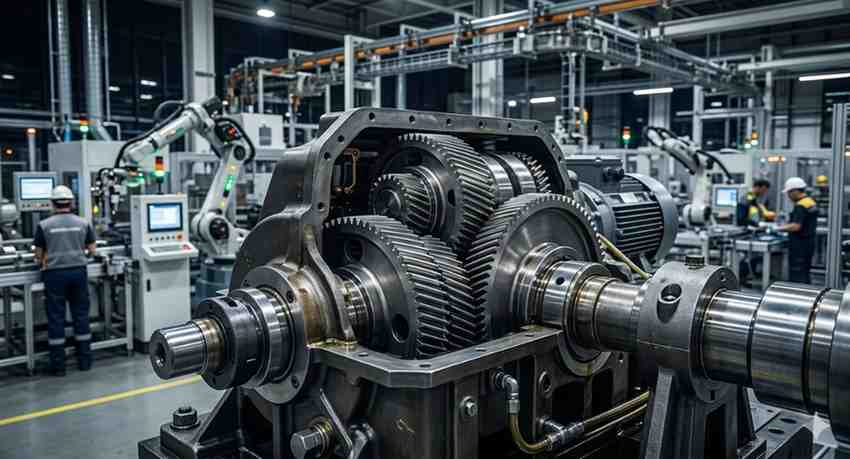
Industrial operations today are becoming...
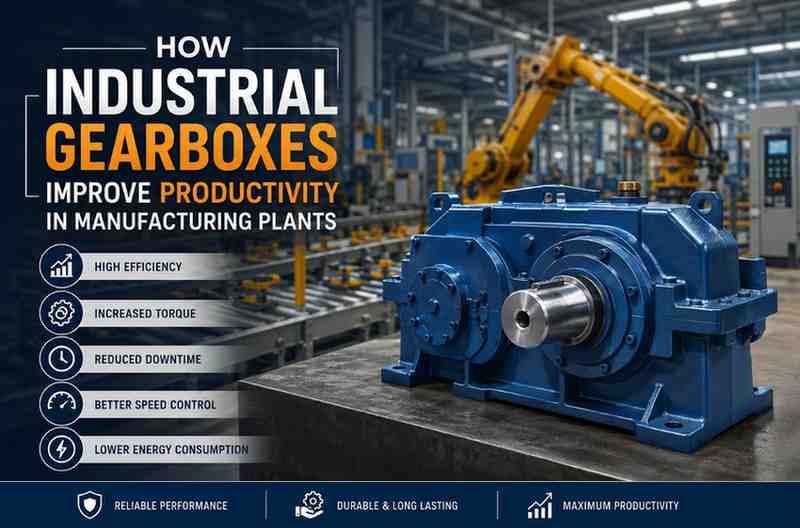
In modern manufacturing plants, efficien...
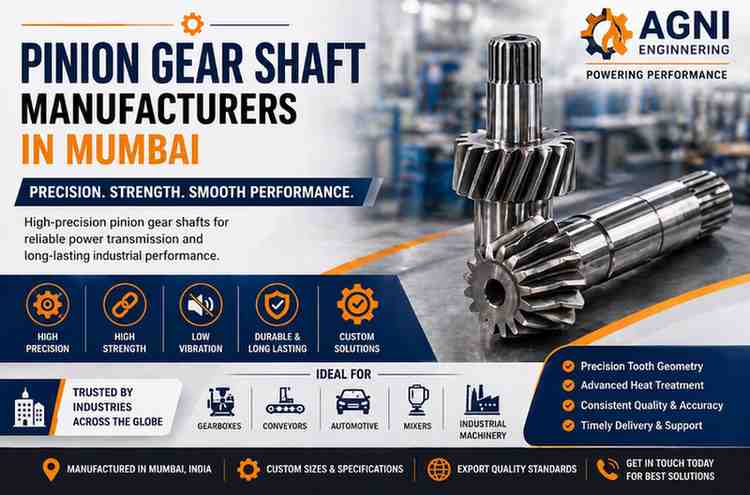
In industrial machinery, every movement ...
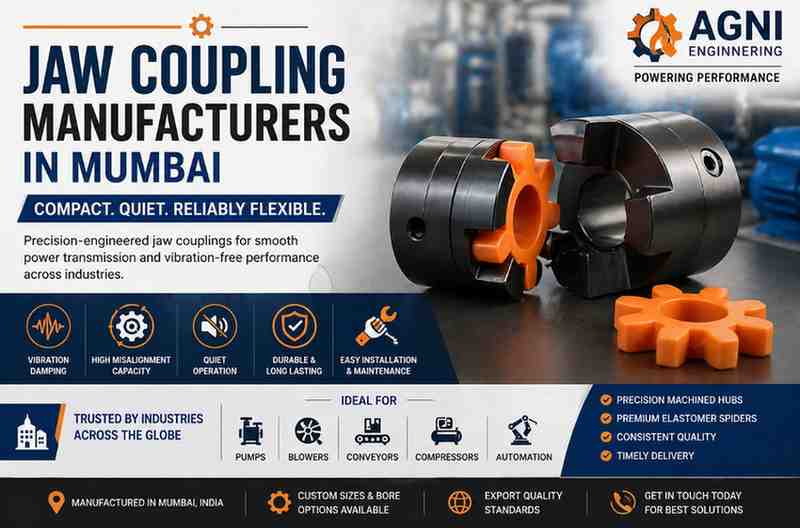
In modern industrial machinery, smooth p...
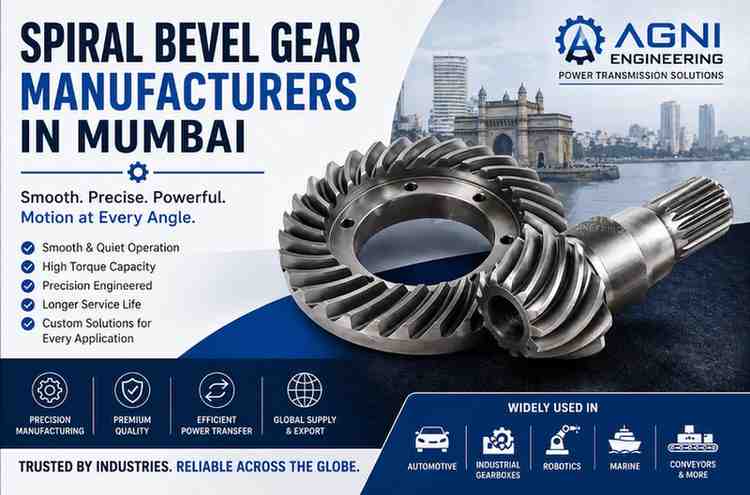
In modern industries, machines rarely wo...
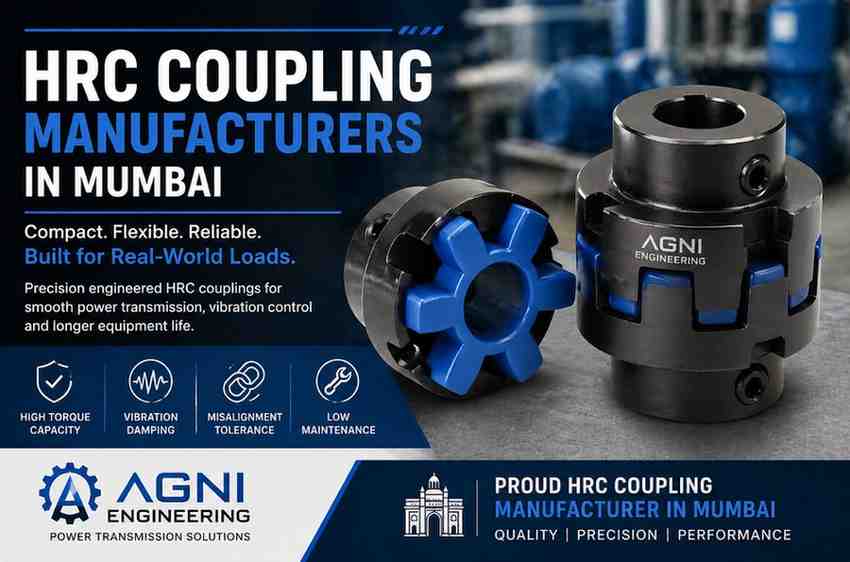
In industrial machinery, smooth power tr...

Machines depend on smooth and steady mot...

In any industrial system, smooth power t...

In many industrial machines, smooth moti...
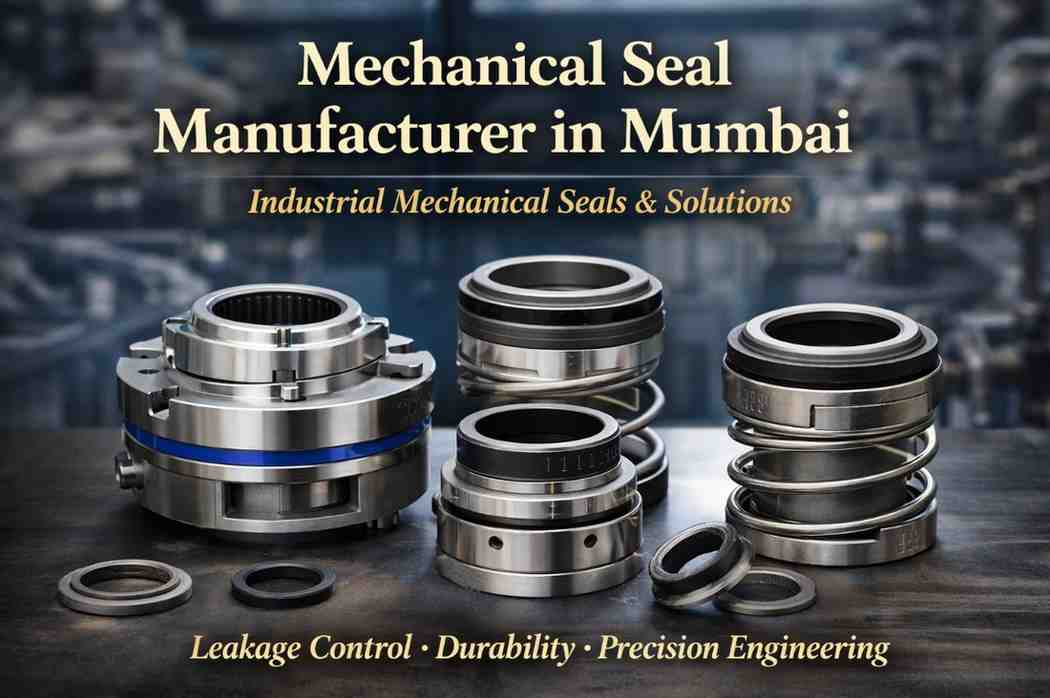
Industrial machines operate under pressu...
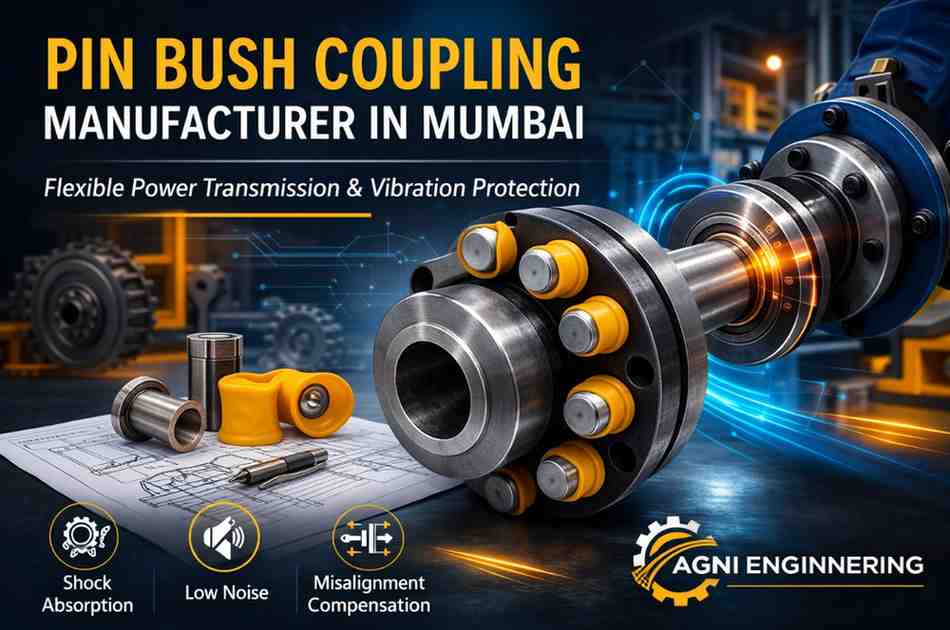
In many industrial machines, vibration, ...
In every conveyor system, rollers play a...
In modern machines, power does not alway...
Some mechanical components earn their re...
Power transmission begins with a single,...
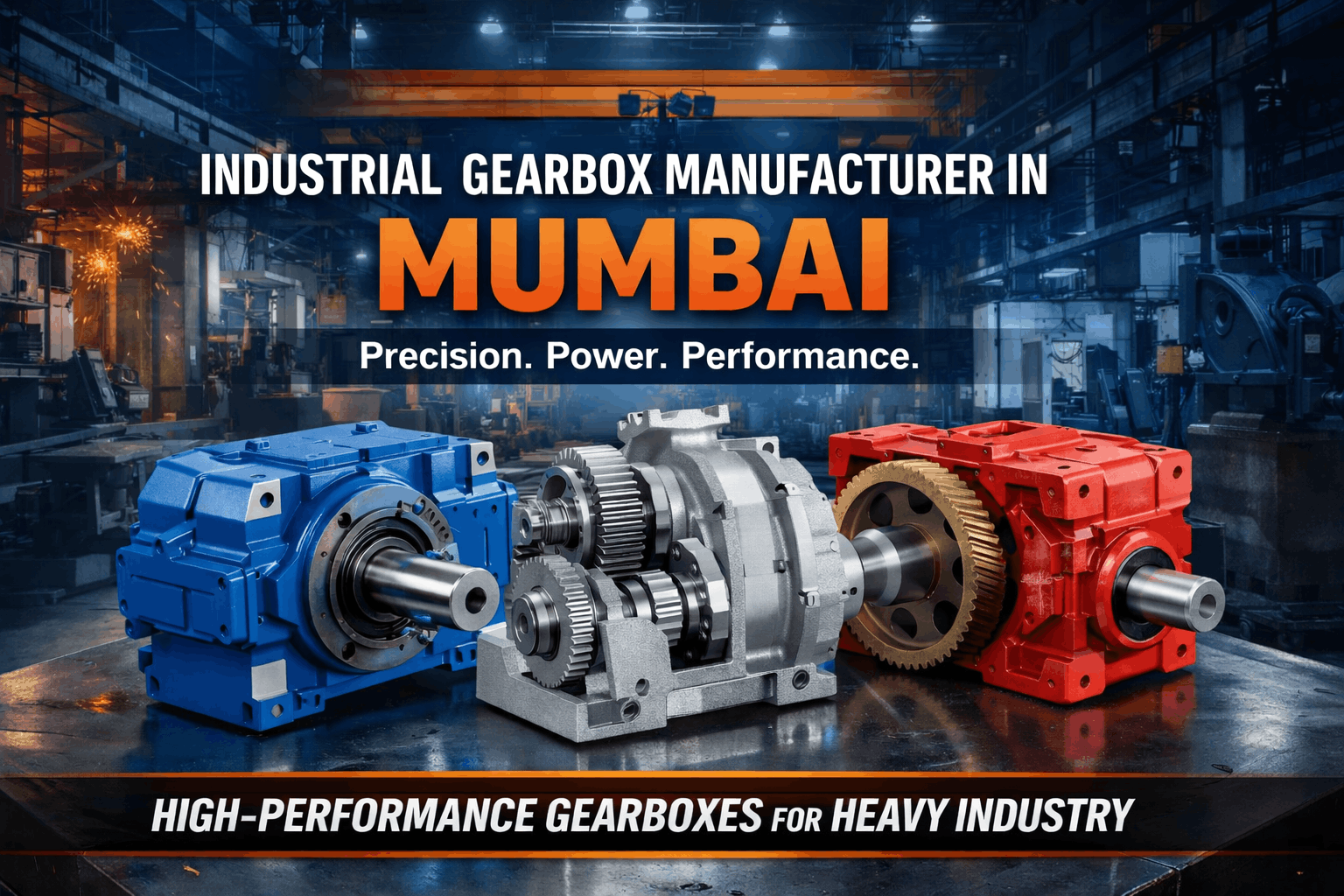
Behind every smooth-running industrial m...

In heavy-duty mechanical systems, power ...

In mechanical systems, reliability often...

In industrial environments where machine...
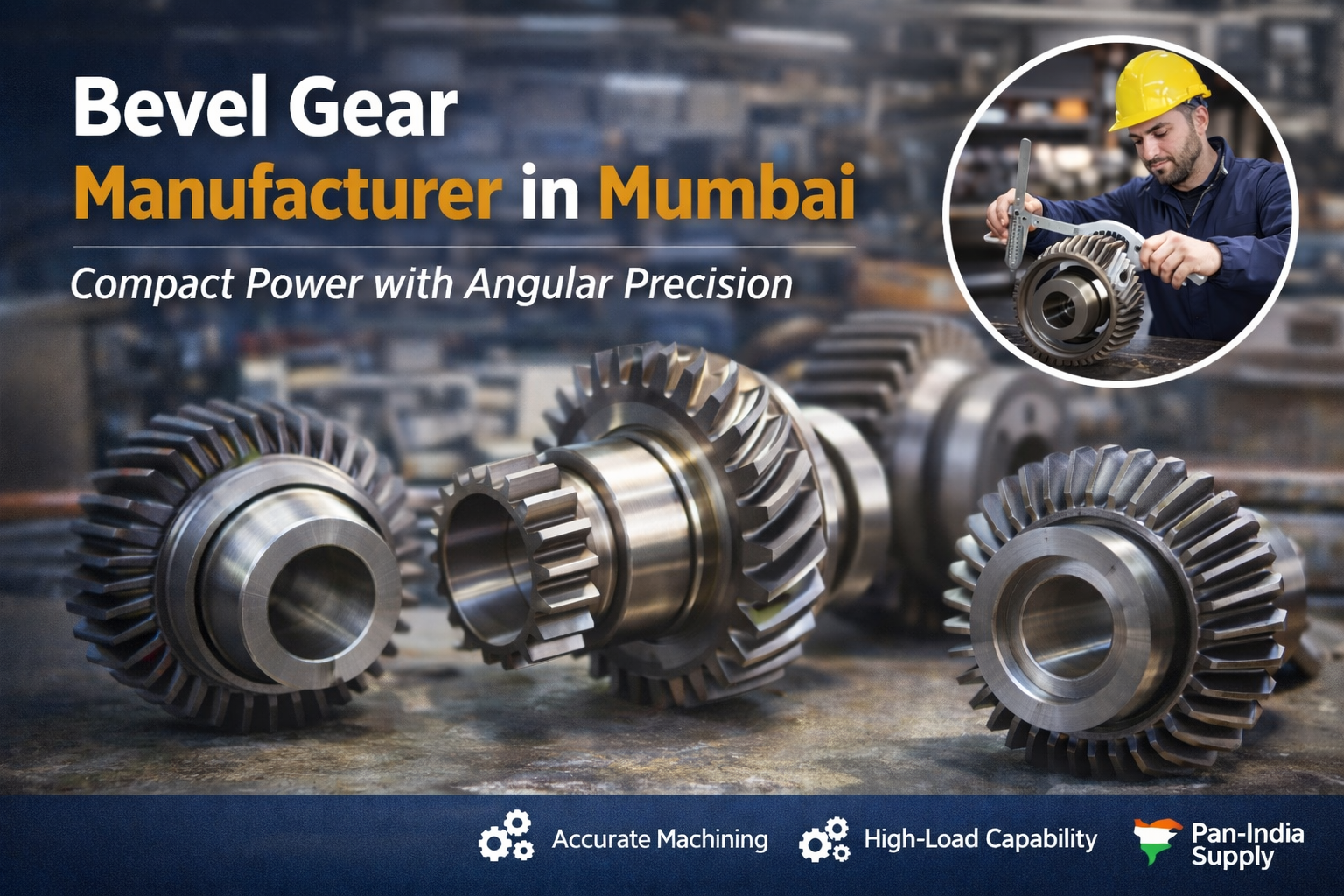
Machines that rely on angular power tran...
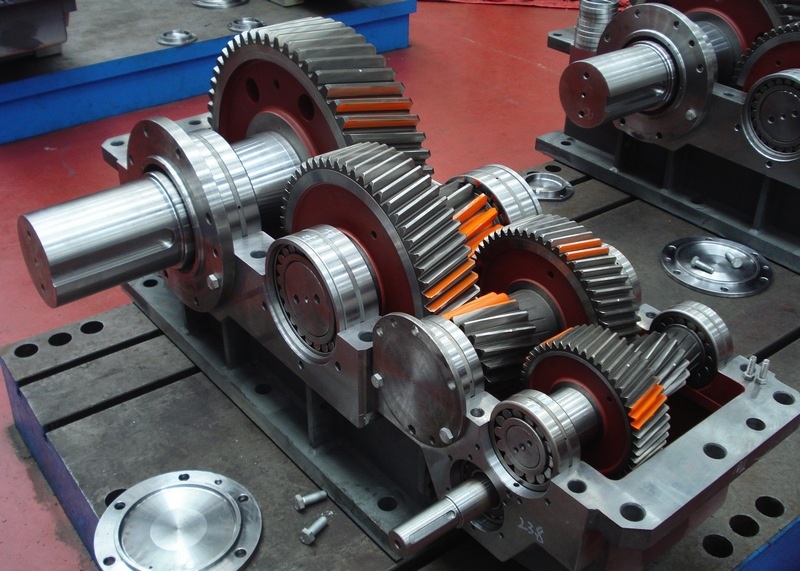
Modern industries run on reliability. Wh...
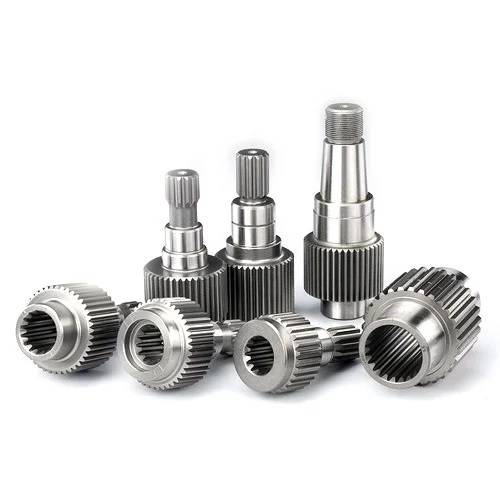
The Pinion Gear Shaft Manufacturers in M...
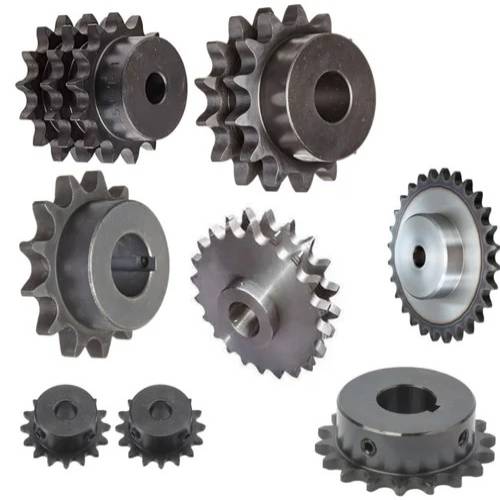
...
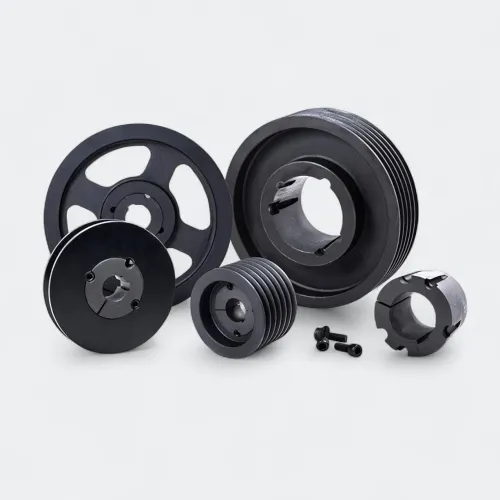
When machines need dependable power, smo...
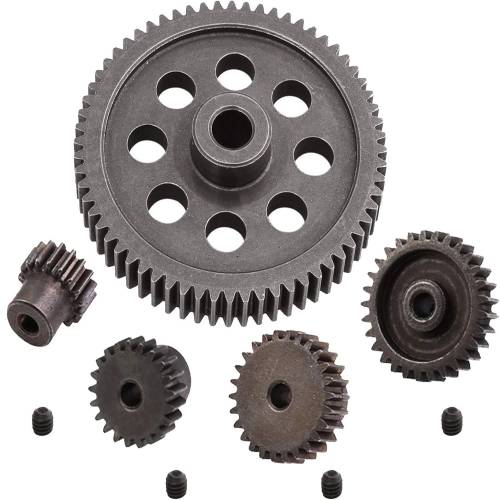
The Spur Gear Manufacturers in Mumbai ar...
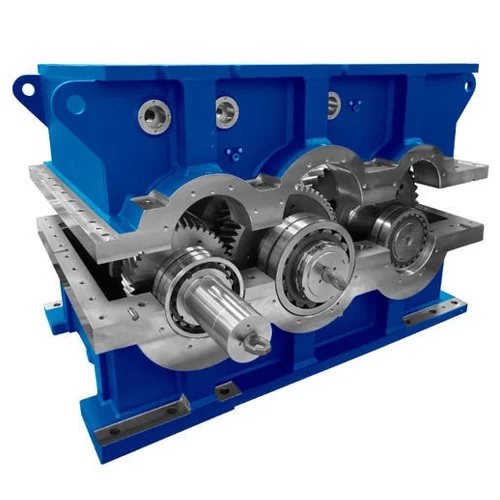
The Gearbox Manufacturers in Mumbai play...
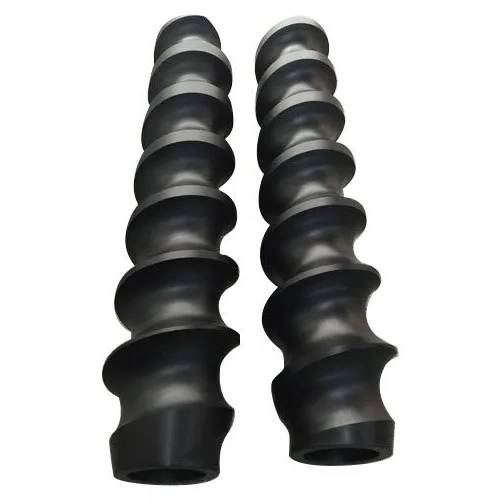
When precision meets performance, indust...
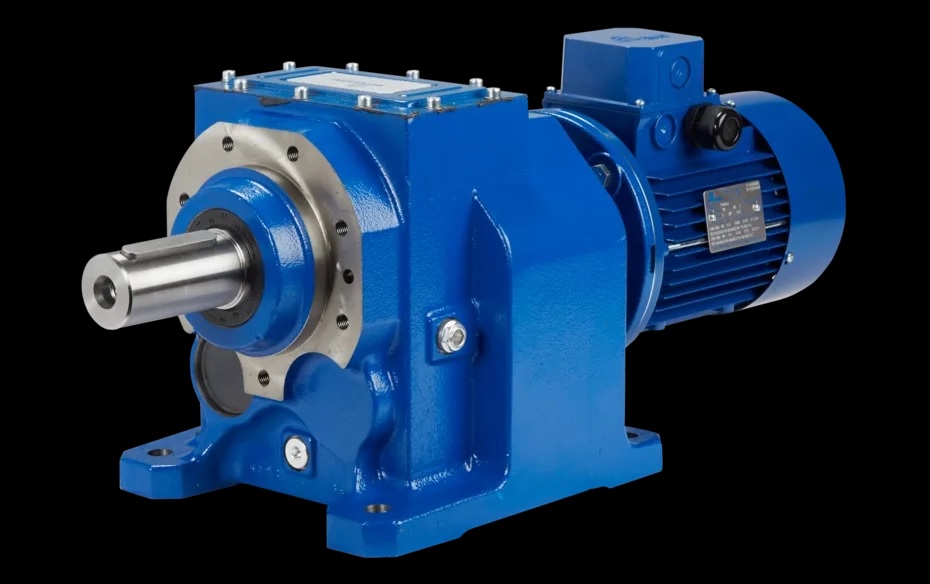
In the modern industrial world, precisio...
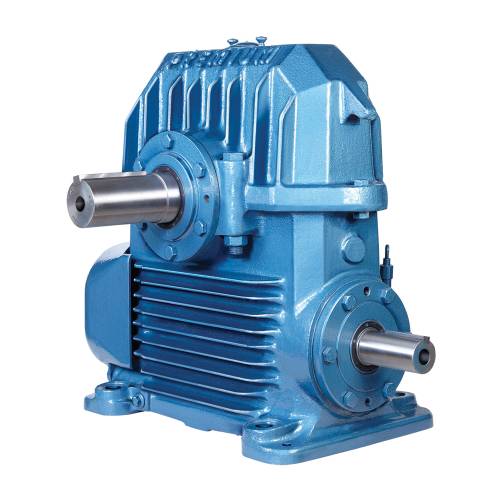
In today’s fast-paced industrial world...
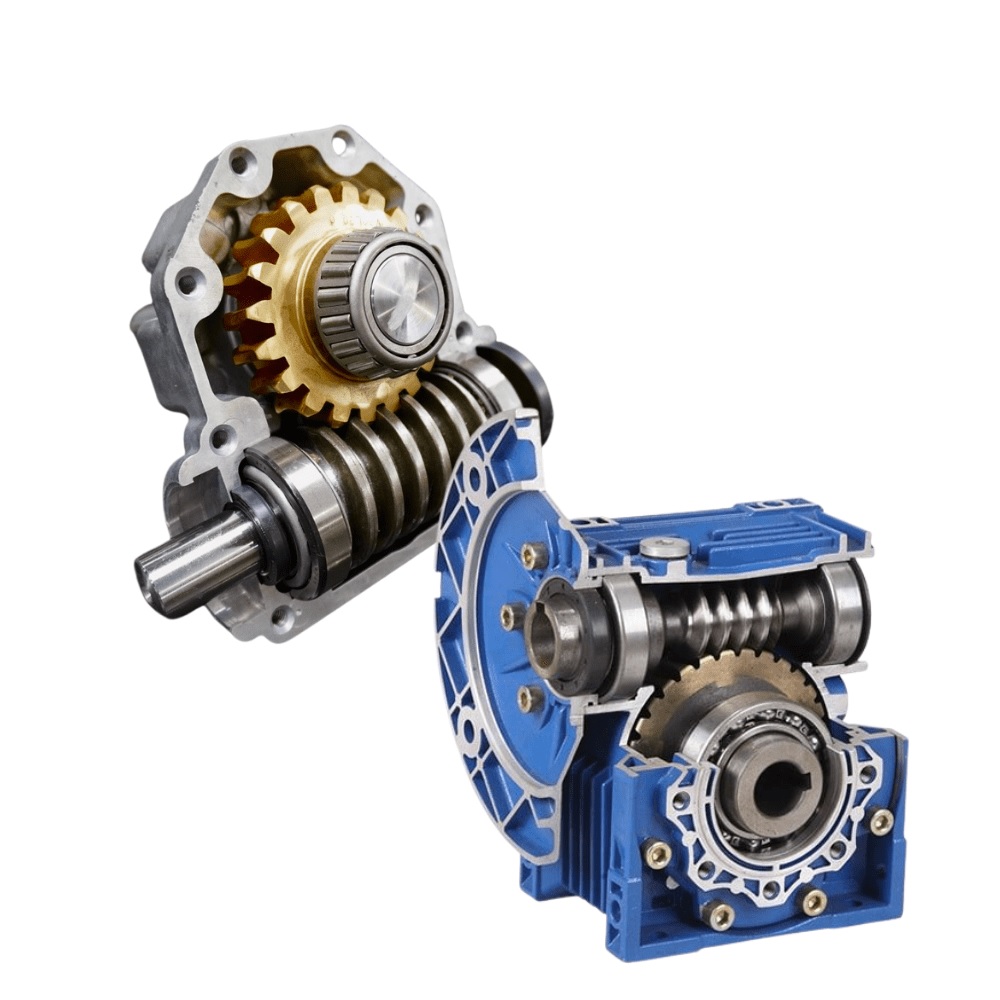
When it comes to advanced power transmis...
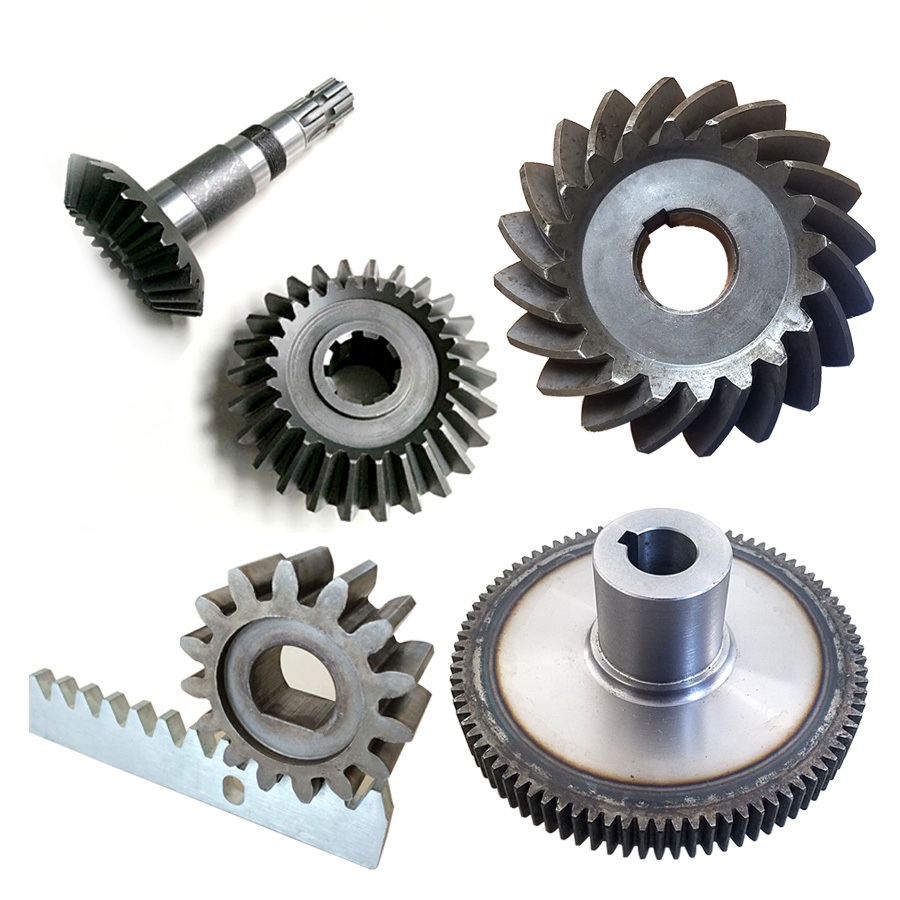
In the world of modern engineering, Indu...
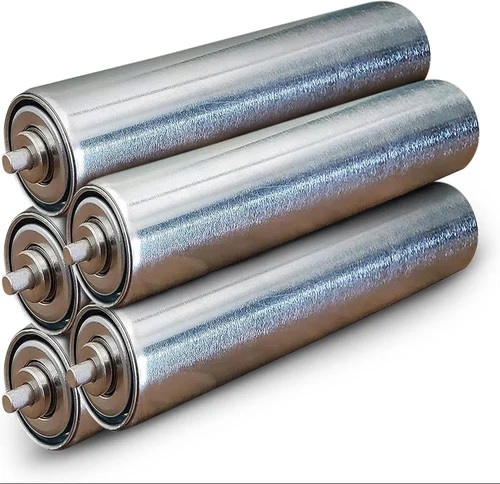
In the world of material handling and co...
