
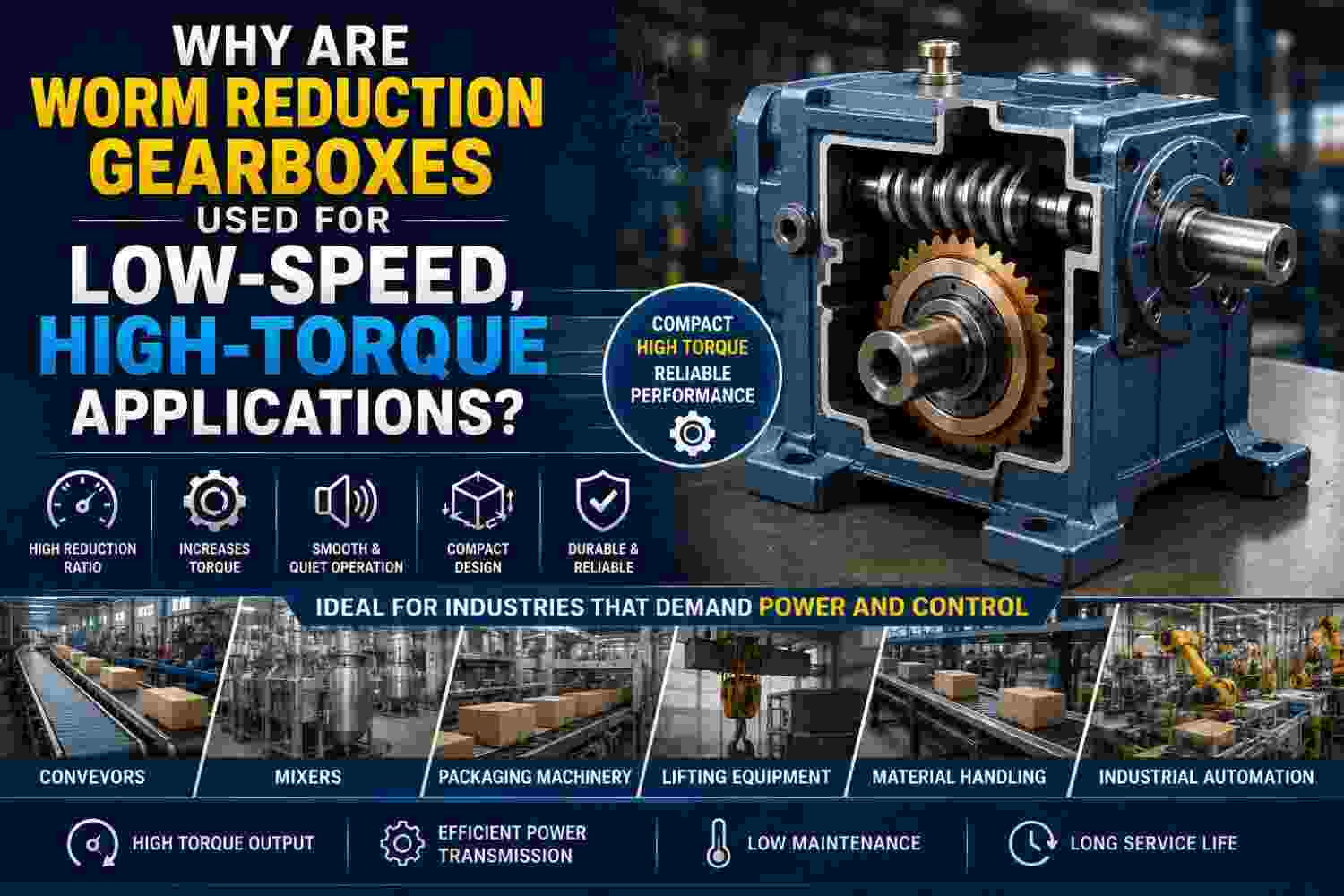
Worm reduction gearboxes are used for low-speed, high-torque applications because they can significantly reduce rotational speed while providing increased output torque in a compact transmission arrangement. Their worm-and-wheel design makes them useful where controlled movement, compact installation, and smooth power transmission are important.
They are commonly considered for conveyors, material-handling equipment, lifting systems, packaging machinery, mixers, industrial automation, and other applications that require controlled rotational movement.
Choosing the right worm gearbox requires more than checking the motor power. Reduction ratio, output torque, speed, duty cycle, mounting arrangement, lubrication, operating temperature, and load characteristics should all be evaluated.
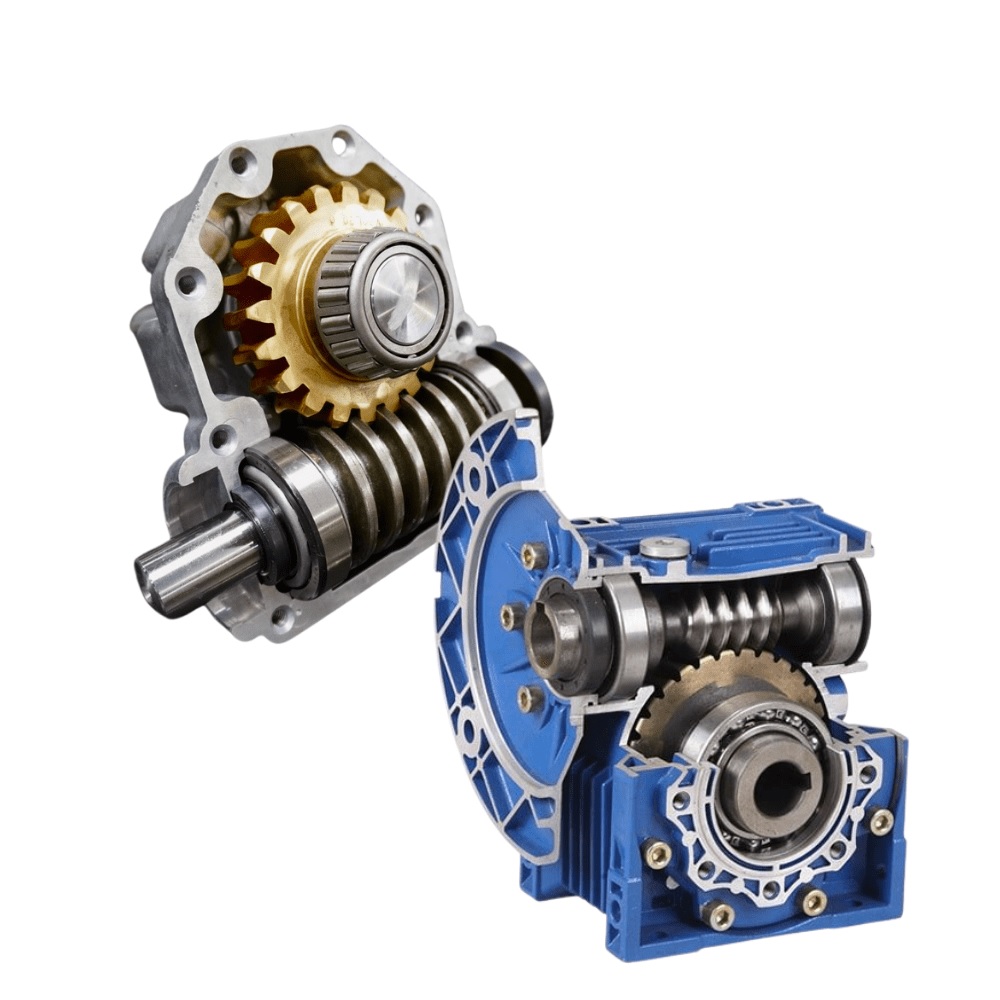
A worm reduction gearbox is a mechanical power transmission unit that uses a worm shaft and worm wheel to reduce rotational speed and increase output torque.
The worm shaft contains a helical thread that engages with the worm wheel.
As the worm rotates, it drives the wheel at a lower speed. This arrangement can provide substantial speed reduction within a relatively compact gearbox.
A worm reduction gearbox can therefore help machines achieve:
A worm gearbox reduces speed through the difference in rotational movement between the worm shaft and worm wheel.
The motor rotates the worm shaft at a relatively high speed. The worm then drives the wheel, which rotates more slowly.
The amount of speed reduction depends on the gearbox ratio.
For applications requiring slow and controlled movement, a suitable reduction ratio can help the machine operate at the required output speed.
A worm reduction gearbox increases available output torque by reducing rotational speed through its gear ratio.
When speed is reduced, torque at the output generally increases, although some power is lost through friction and other transmission effects.
Higher output torque can be useful for machines that need greater rotational force to:
The gearbox must be correctly sized for the actual torque requirement.
Worm gearboxes are particularly useful for applications where the machine needs controlled, relatively slow output movement.
Many industrial machines cannot operate directly at the speed of a standard electric motor.
For example, a conveyor may require slow belt movement while the motor operates at a much higher speed.
A worm reduction gearbox can bridge this difference by reducing motor speed to a more suitable output speed.
Yes, appropriately sized worm reduction gearboxes can provide the high output torque required by many industrial machines.
High torque can be important when the machine experiences substantial resistance during operation.
Applications may include:
The required torque should be calculated from the machine's actual load and operating conditions.
The worm-and-wheel arrangement can provide substantial speed reduction within a relatively compact transmission design.
This can be useful when machinery has limited installation space.
A compact gearbox can simplify integration into equipment where:
However, gearbox dimensions should always be selected according to the required torque and thermal capacity.
Worm gearboxes are commonly considered for conveyors because they can provide controlled output speed and suitable torque for continuous material movement.
Conveyors may need to move products, packages, raw materials, or bulk materials at a predetermined speed.
A suitable gearbox helps convert the motor's high-speed rotation into controlled conveyor movement.
When selecting a gearbox for a conveyor, consider:
Yes, worm gearboxes can be used in selected lifting and positioning applications where controlled movement and suitable torque are required.
Lifting systems may require:
However, lifting applications require careful engineering because load holding, braking, safety factors, and applicable regulations must be considered separately from gearbox selection.
A worm gearbox should not automatically be assumed to provide a complete load-holding or safety function.
Worm gearboxes can be suitable for mixers that require controlled rotational speed and sufficient output torque.
Mixing equipment can experience changing resistance depending on the material being processed.
The gearbox may therefore need to handle:
The correct gearbox should be selected according to the mixer size, material characteristics, speed requirement, and duty cycle.
Yes, worm reduction gearboxes can be used in packaging machinery where controlled speed and compact power transmission are required.
Packaging systems often involve coordinated movement of:
A gearbox can help deliver the required speed and torque to these components.
For automated packaging equipment, repeatability and smooth operation are especially important.
Worm gearboxes can provide controlled rotational movement in industrial automation systems where speed reduction and compact mechanical transmission are required.
They may be considered for:
The gearbox must be matched to the required movement, speed, torque, and duty cycle.
Worm gearboxes can provide relatively smooth and quiet operation when they are properly designed, lubricated, installed, and maintained.
Noise levels can be influenced by:
A properly maintained gearbox is generally more likely to operate smoothly than one suffering from worn components or inadequate lubrication.
Lubrication is essential because the worm and wheel experience significant sliding contact during operation.
Compared with some other gear arrangements, worm gears can generate considerable friction and heat.
Proper lubrication helps:
The lubricant should have the appropriate viscosity and characteristics for the gearbox design and operating conditions.
Correct lubrication can help reduce unnecessary friction and support efficient power transmission.
Worm gearboxes can experience more sliding action than certain other gear types, making lubrication particularly important.
Efficiency can be affected by:
The gearbox should therefore be operated with the recommended lubricant and maintenance schedule.
The main difference is the use of a worm shaft and worm wheel, which provides a distinctive combination of high reduction capability, compact design, and controlled output movement.
Different gearbox designs have different strengths.
Worm gearboxes can be attractive when the application prioritizes:
Other gearbox types may be more suitable when extremely high efficiency or different load characteristics are required.
Worm gearbox efficiency depends on the design, reduction ratio, lubrication, load, speed, and operating conditions.
Friction and sliding contact within the worm drive can result in greater power losses than some other gear arrangements, particularly at certain high reduction ratios.
Efficiency should therefore be considered during gearbox selection.
For applications where energy consumption is a major concern, the gearbox type should be compared against other suitable transmission designs.
Yes, a properly sized and adequately cooled worm gearbox can be used for continuous industrial operation.
However, continuous operation increases the importance of thermal management.
The gearbox must be selected according to:
A gearbox that is suitable for intermittent operation may not necessarily be appropriate for continuous-duty service.
Heat dissipation is important because sliding contact can generate heat inside a worm gearbox during operation.
Excessive temperature can affect:
Thermal capacity should therefore be considered when selecting a worm gearbox for continuous or heavy-duty applications.
Some worm gearbox configurations may provide resistance to reverse rotation, but self-locking should never be assumed without considering the specific gearbox design and operating conditions.
Self-locking behavior depends on factors such as:
For applications involving suspended or safety-critical loads, an independent braking or holding system may be required.
The right worm gear ratio depends on the required input speed, output speed, torque, and operating conditions of the machine.
Before selecting the ratio, determine:
A higher reduction ratio can provide lower output speed and higher torque, but the overall efficiency and thermal performance should also be considered.
Output torque is one of the most important factors when selecting a worm gearbox because it determines whether the gearbox can drive the machine under its required load.
The required torque may depend on:
Choosing a gearbox with insufficient torque capacity can result in overheating, excessive wear, or premature failure.
A service factor provides additional capacity for demanding operating conditions such as frequent starts, variable loads, shock loads, or extended operating hours.
A gearbox operating under heavy-duty conditions may require a higher service factor than one operating under a light and consistent load.
Consider:
Correct service factor selection can help prevent undersizing.
Yes, worm gearboxes can be customized according to specific speed, torque, mounting, shaft, and machine requirements.
Customization may involve:
Customized solutions can be useful when standard gearbox dimensions do not match the existing machine.
The mounting arrangement must match the machine structure, shaft orientation, available space, and installation requirements.
Possible arrangements can include:
Incorrect mounting can create alignment, lubrication, or mechanical problems.
Therefore, the gearbox orientation should be confirmed before installation.
Correct shaft alignment helps reduce unnecessary loads on gears, bearings, couplings, and connected equipment.
Poor alignment can contribute to:
Proper installation and alignment are therefore essential for reliable gearbox operation.
Worm gear components can use different materials depending on the required load capacity, wear resistance, operating conditions, and gearbox design.
The worm and worm wheel may use different material combinations to manage sliding contact and wear.
Material selection can influence:
The material combination should be selected according to the gearbox's intended application.
Correct sizing, proper lubrication, accurate installation, suitable loading, and regular maintenance can help improve worm gearbox service life.
Recommended practices include:
Preventive maintenance can help identify problems before they result in major equipment downtime.
Excessive noise, overheating, vibration, lubricant leakage, and reduced output performance can indicate a potential worm gearbox problem.
Warning signs can include:
Early inspection can help identify the underlying issue before additional components are affected.
Worm reduction gearboxes are used across industries where controlled speed reduction, compact design, and suitable output torque are required.
Common applications include:
The gearbox specification should be matched to the actual machine requirements.
The main advantages of a worm reduction gearbox include high reduction capability, compact construction, controlled low-speed output, and useful torque multiplication.
Key advantages can include:
These advantages make worm gearboxes a practical option for many industrial machines.
Worm gearboxes also have limitations, particularly related to efficiency, heat generation, and sliding friction.
Depending on the design and ratio, they may have higher power losses than some alternative gearbox types.
Other considerations include:
For applications where maximum energy efficiency is the primary objective, other gearbox designs may need to be evaluated.
A worm reduction gearbox should be considered when a machine requires substantial speed reduction, controlled low-speed movement, compact construction, and suitable output torque.
It can be a good option for applications involving:
The final choice should be based on the machine's actual speed, torque, load, duty cycle, and environmental conditions.
Selecting the right worm gearbox requires matching the gearbox's speed, torque, ratio, service factor, mounting, thermal capacity, and operating conditions with the machine.
Before purchasing, identify:
Providing these details helps avoid gearbox undersizing or unnecessary oversizing.
A worm reduction gearbox can be an effective solution when industrial machinery requires low-speed operation, higher output torque, compact construction, and controlled power transmission.
Its worm-and-wheel mechanism provides substantial speed reduction while allowing the gearbox to fit into applications where space and controlled movement are important.
However, gearbox selection should not be based only on the desired reduction ratio. Output torque, motor speed, load characteristics, service factor, efficiency, thermal capacity, lubrication, mounting arrangement, and operating hours all influence gearbox performance.
For businesses looking for a compact high-torque power transmission solution, a properly selected worm reduction gearbox can provide dependable performance for conveyors, mixers, packaging machinery, material-handling equipment, automation systems, and other industrial applications.
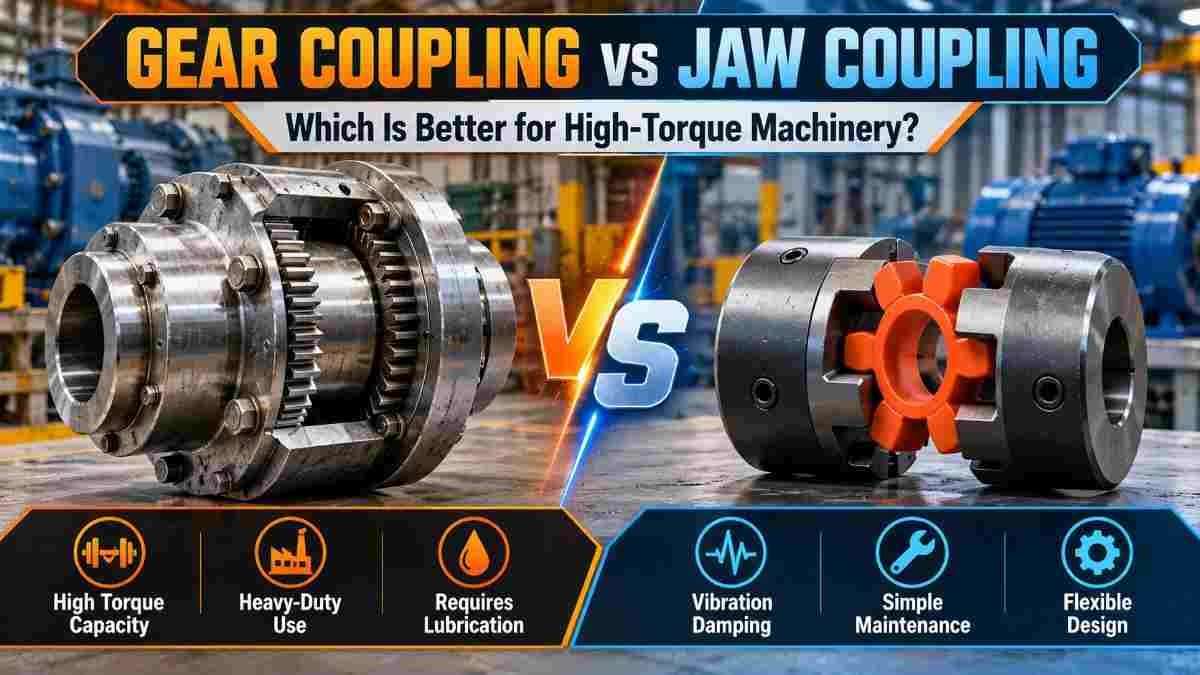
Industrial machinery depends on reliable...
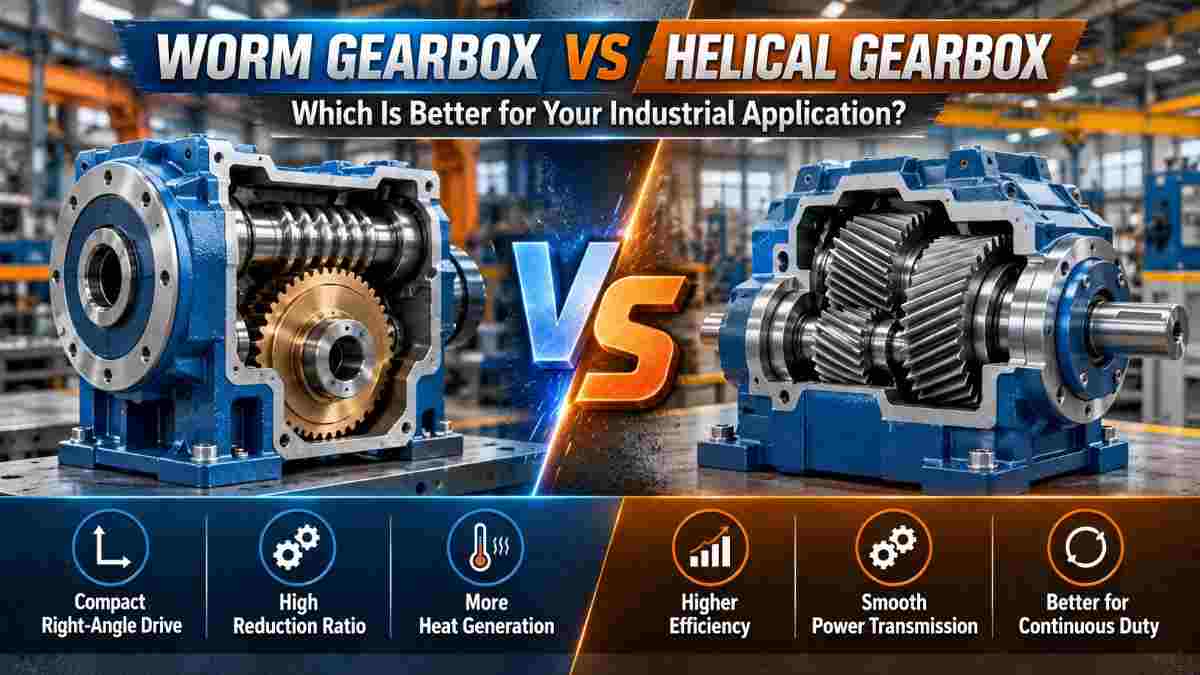
Choosing between a worm gearbox and a he...
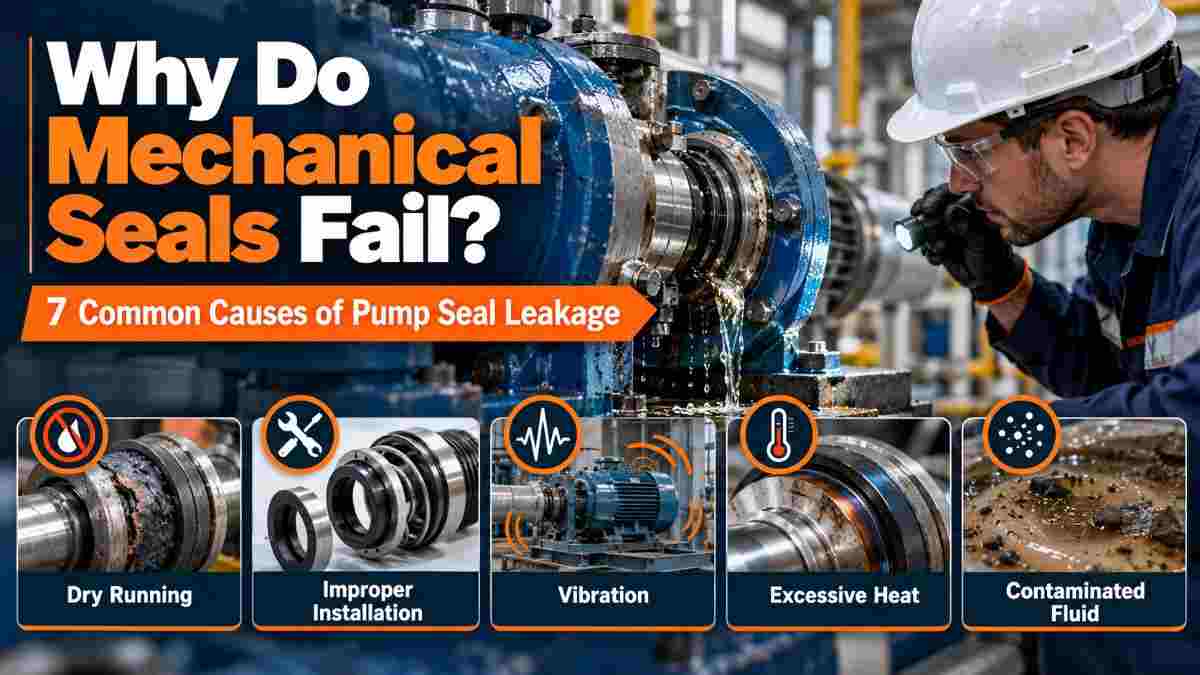
Mechanical seals are essential component...
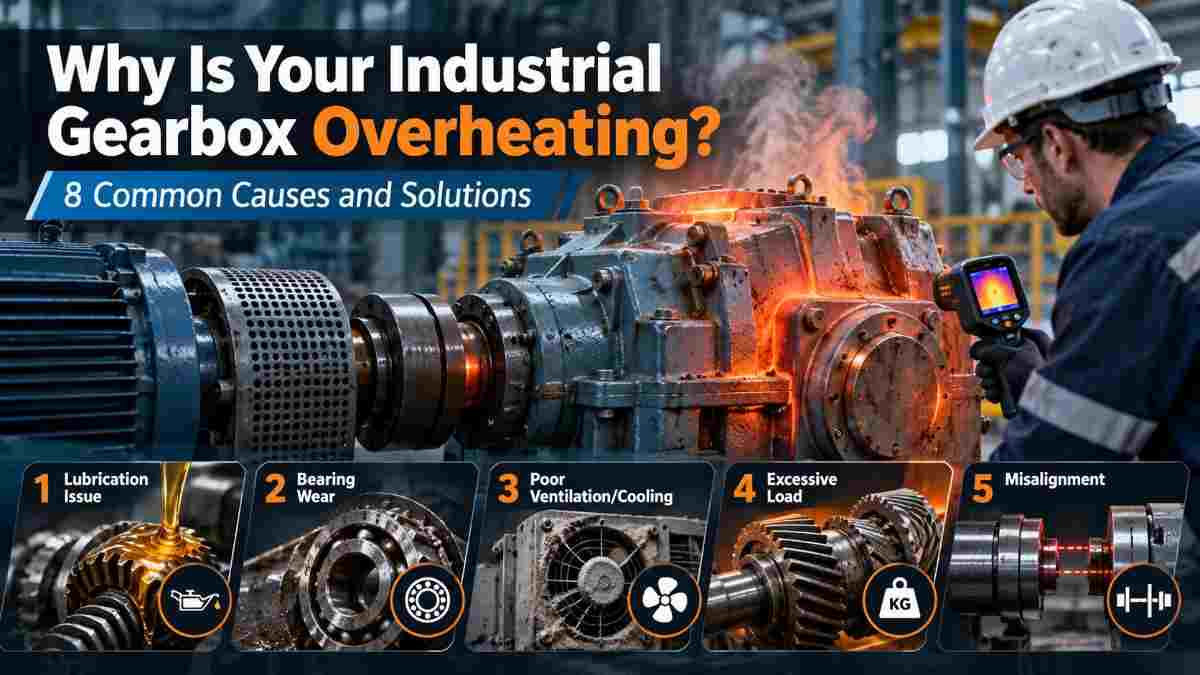
An industrial gearbox naturally generate...
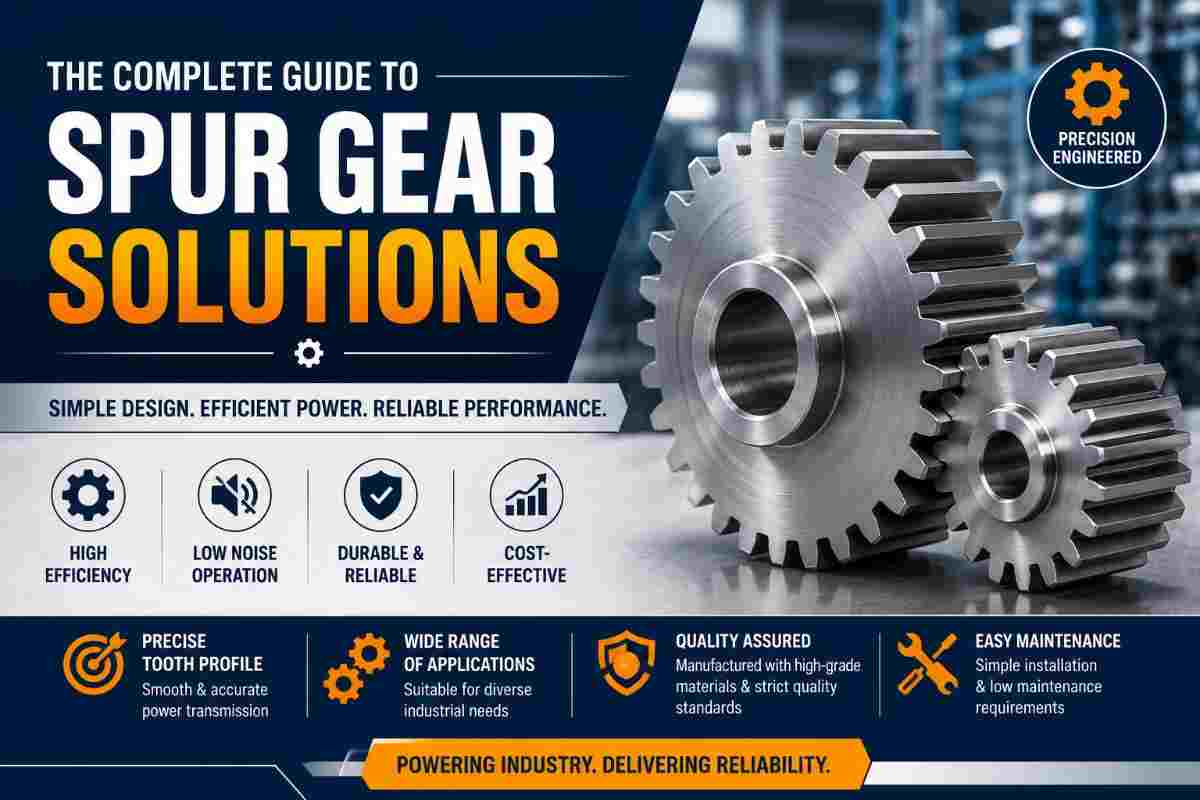
A spur gear is a mechanical gear with st...
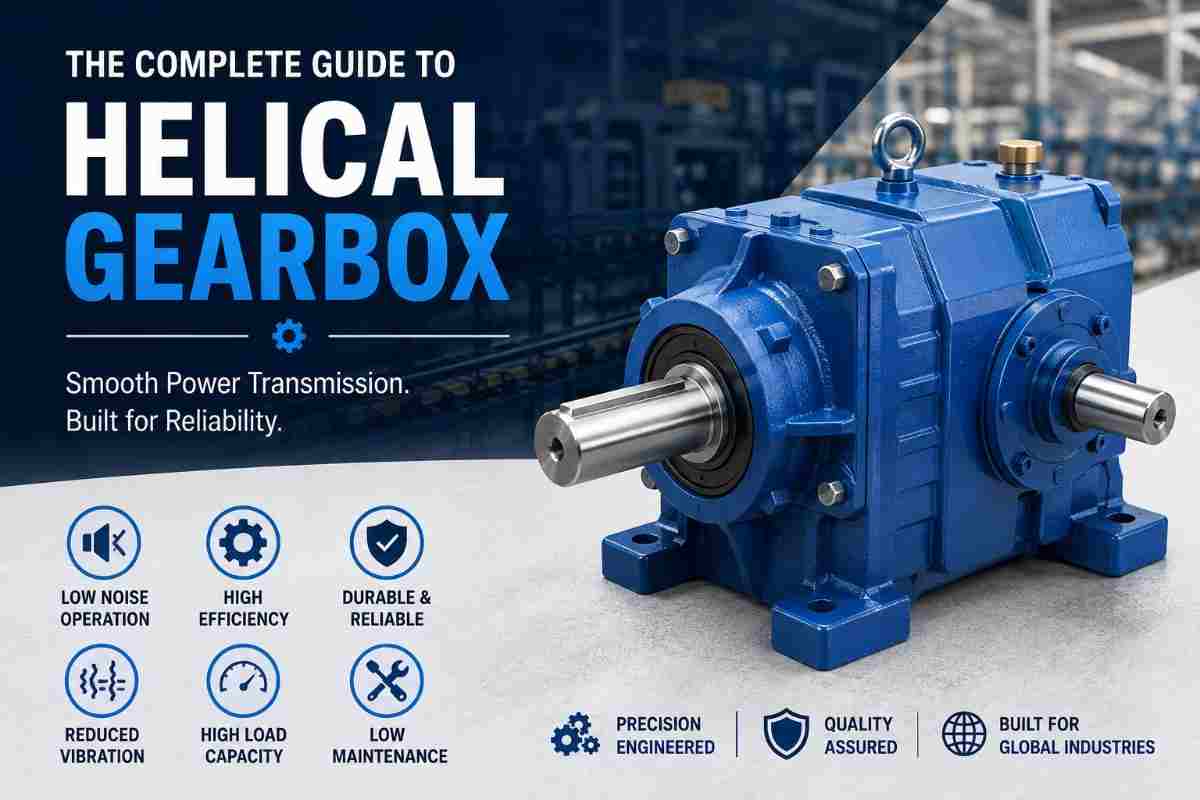
A helical gearbox is a mechanical power ...
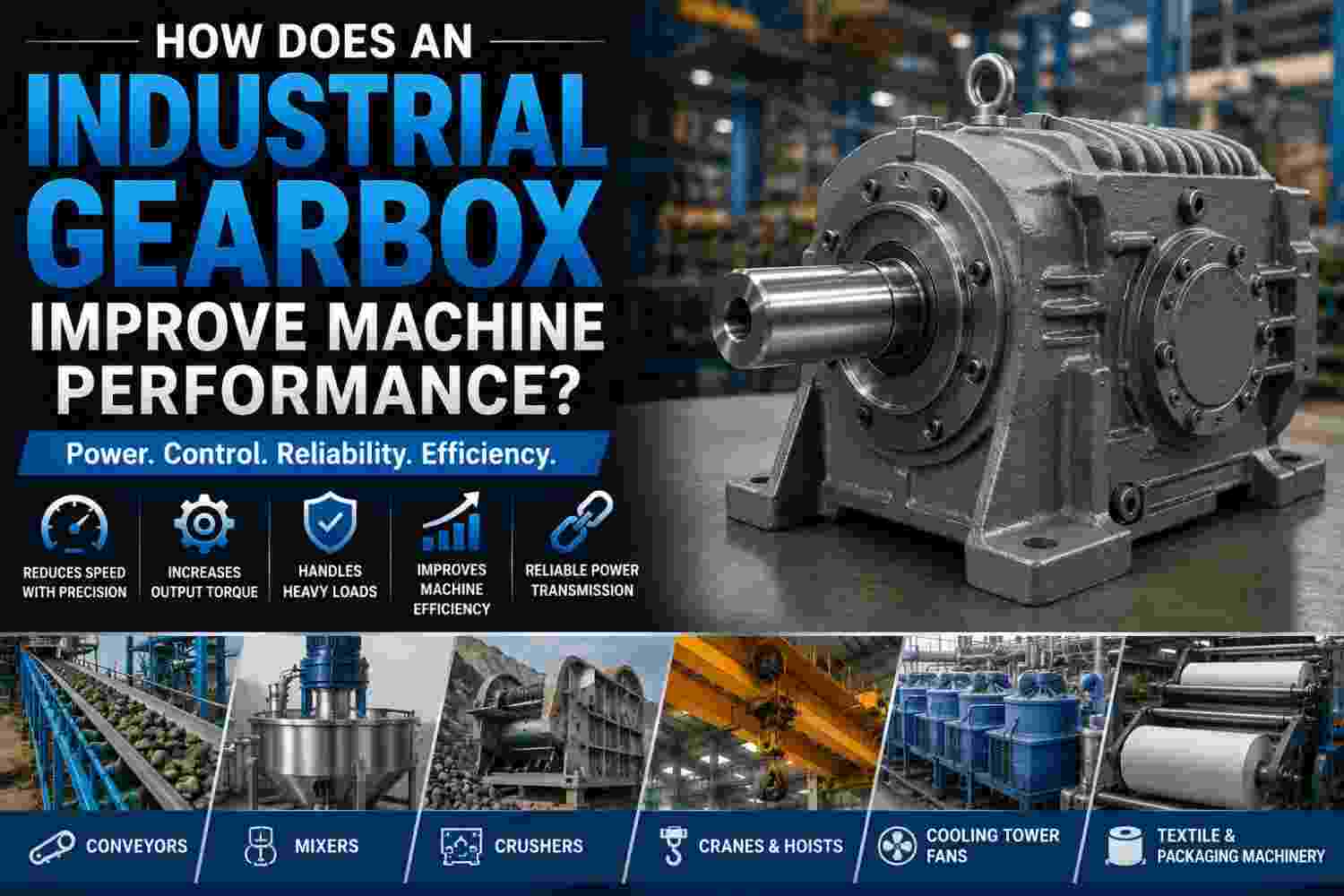
An industrial gearbox improves machine p...
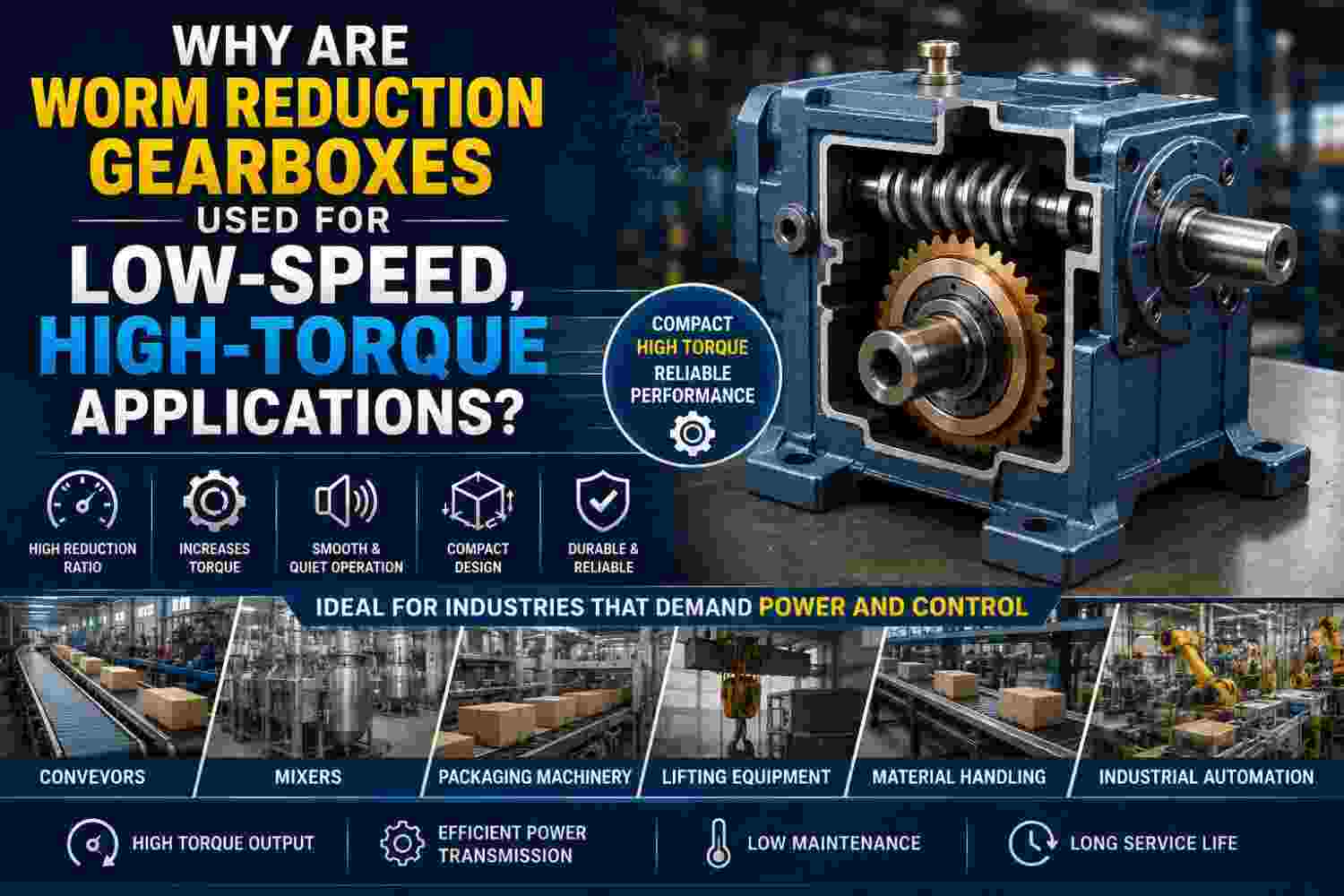
Worm reduction gearboxes are used for lo...
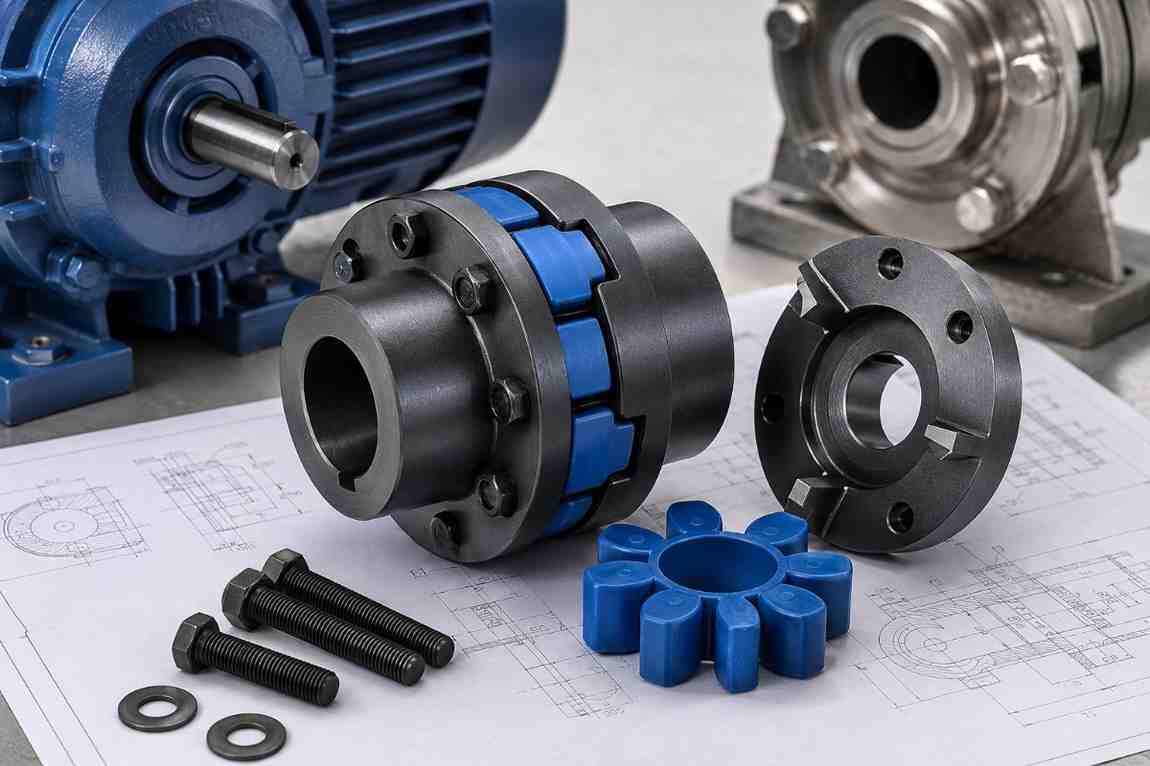
Selecting the correct N-Eupex coupling i...
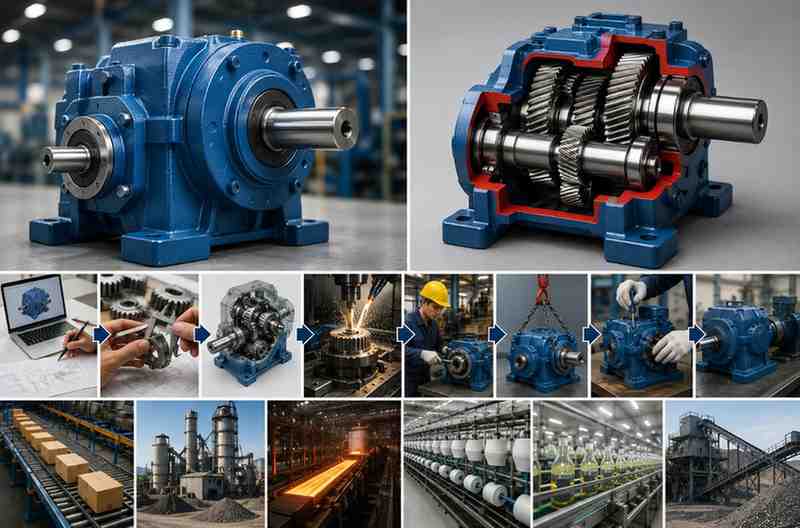
Choosing the right helical gearbox is on...
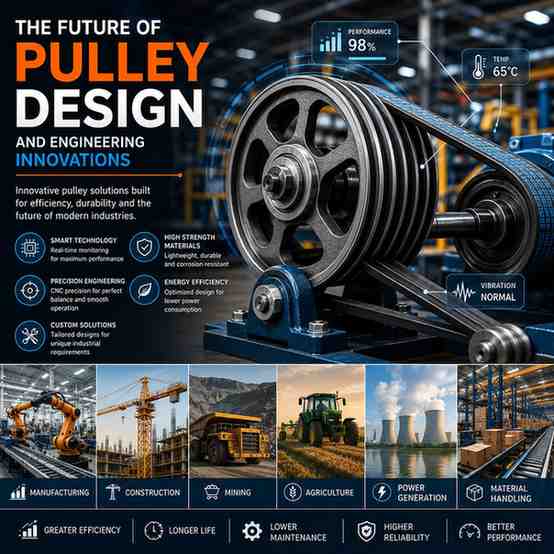
For centuries, pulleys have been one of ...
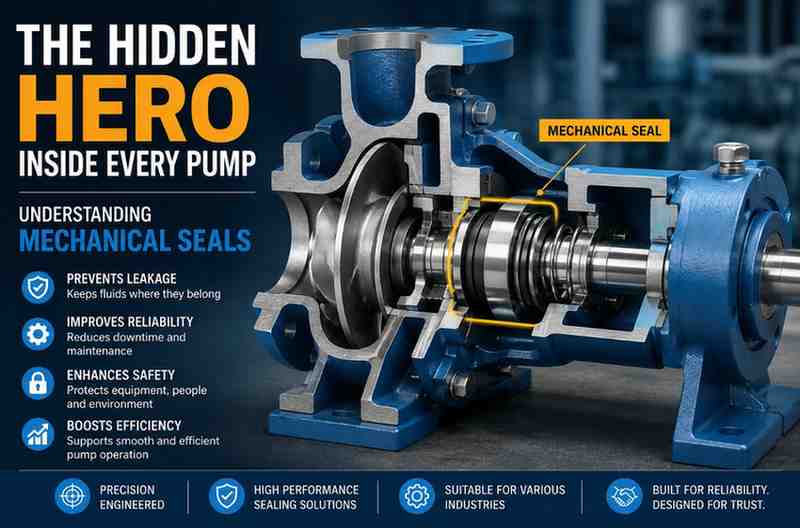
When people think about industrial pumps...
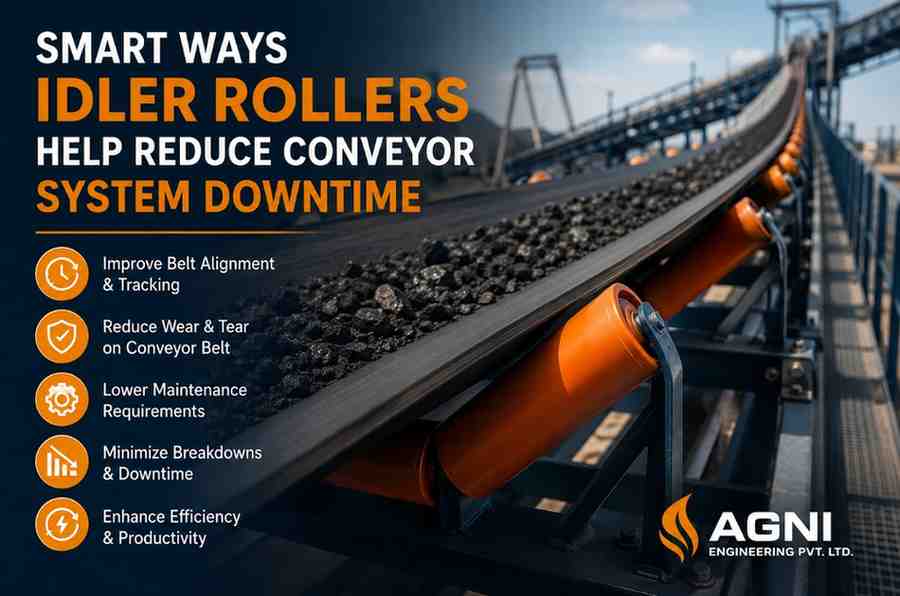
In industries where material handling is...
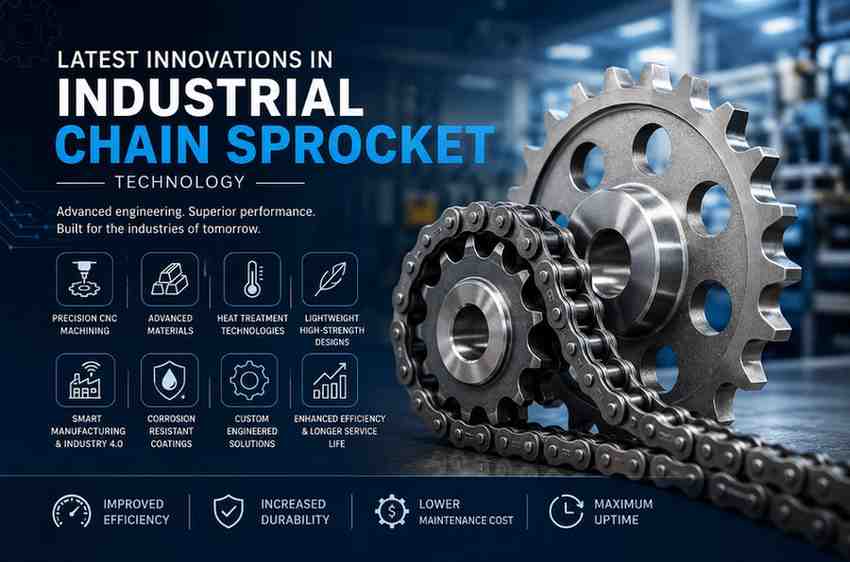
In today’s fast-moving industrial envi...
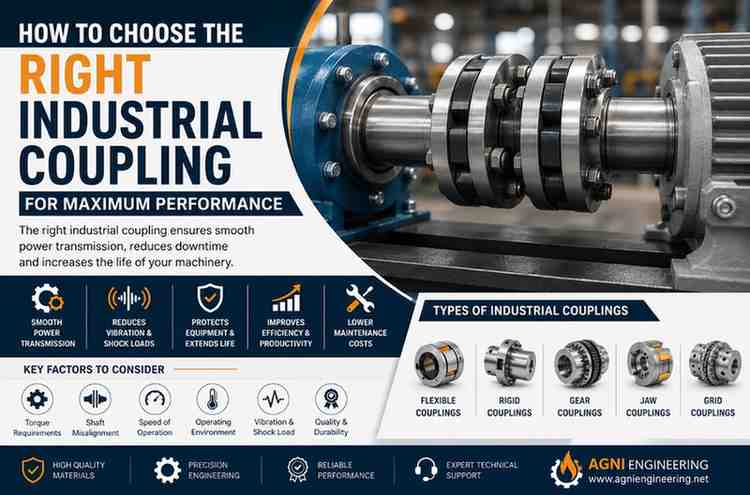
In any industrial setup, even the smalle...
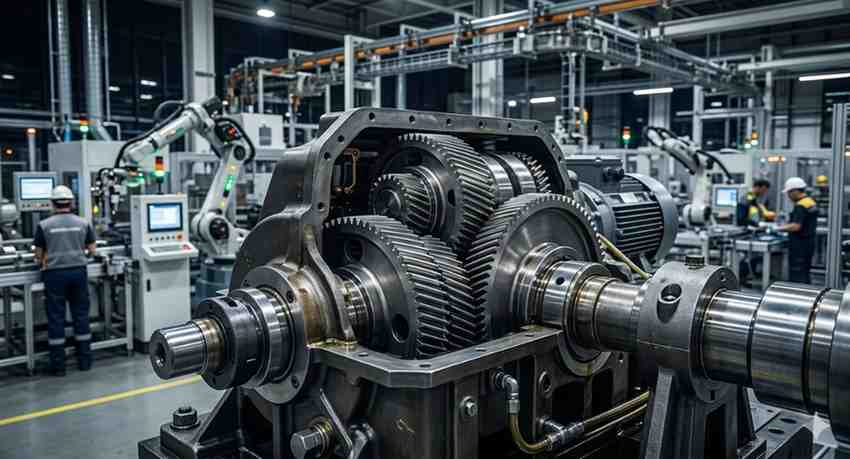
Industrial operations today are becoming...
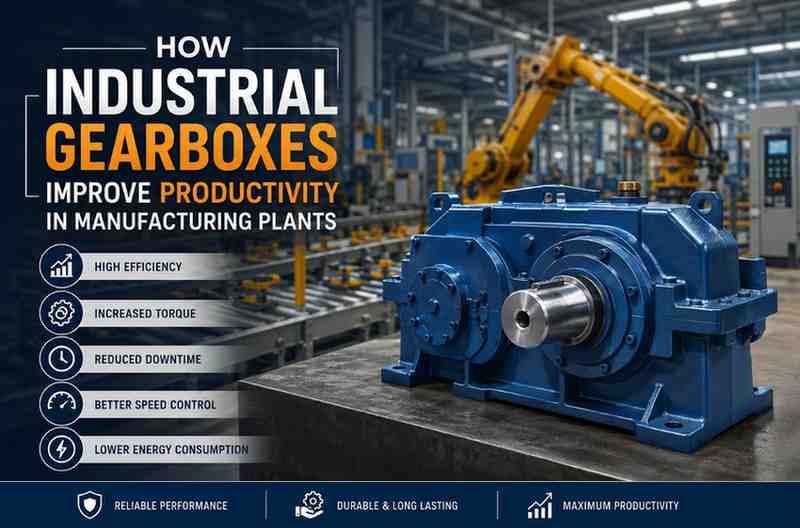
In modern manufacturing plants, efficien...
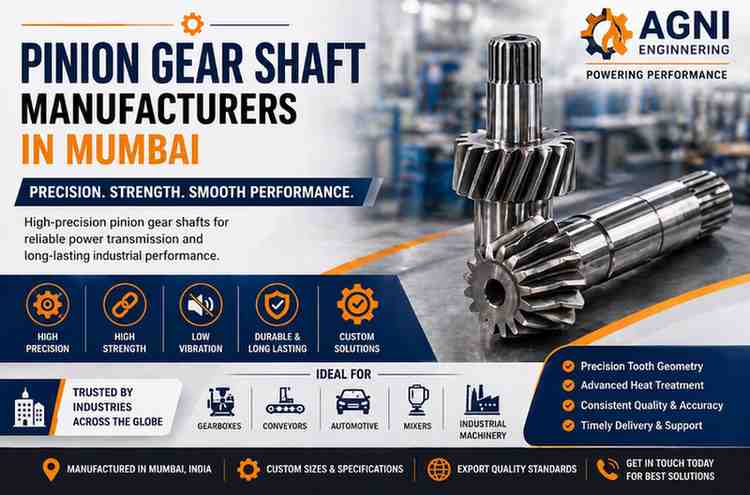
In industrial machinery, every movement ...
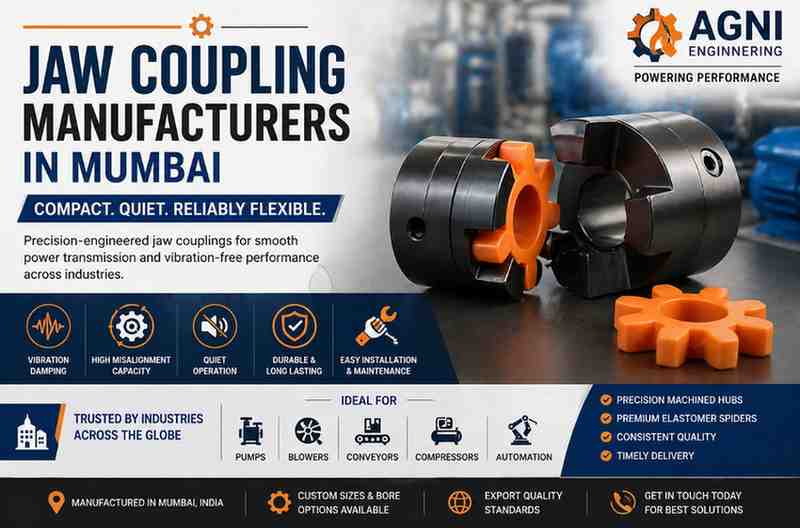
In modern industrial machinery, smooth p...
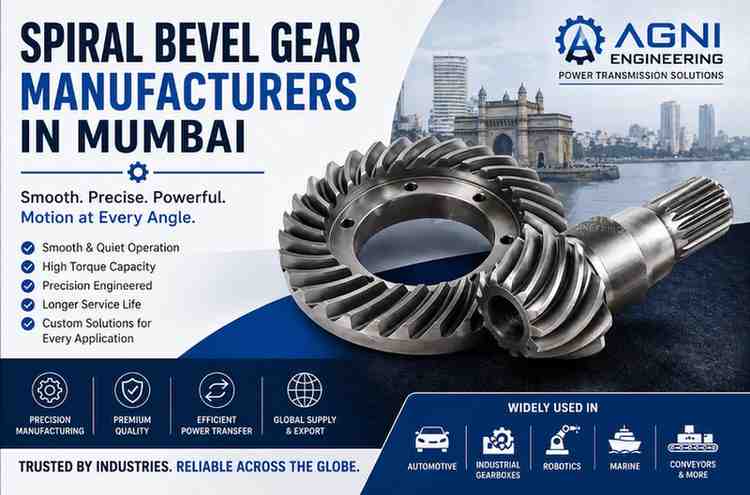
In modern industries, machines rarely wo...
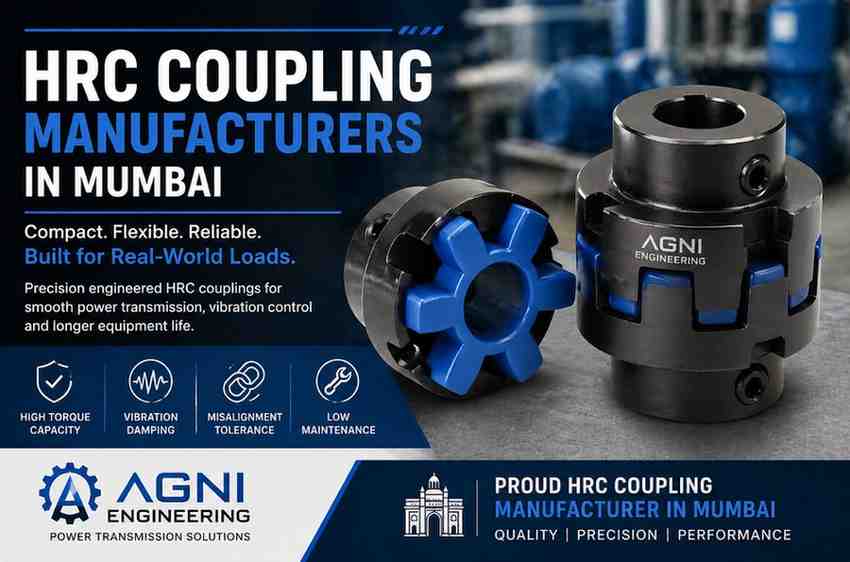
In industrial machinery, smooth power tr...

Machines depend on smooth and steady mot...

In any industrial system, smooth power t...

In many industrial machines, smooth moti...
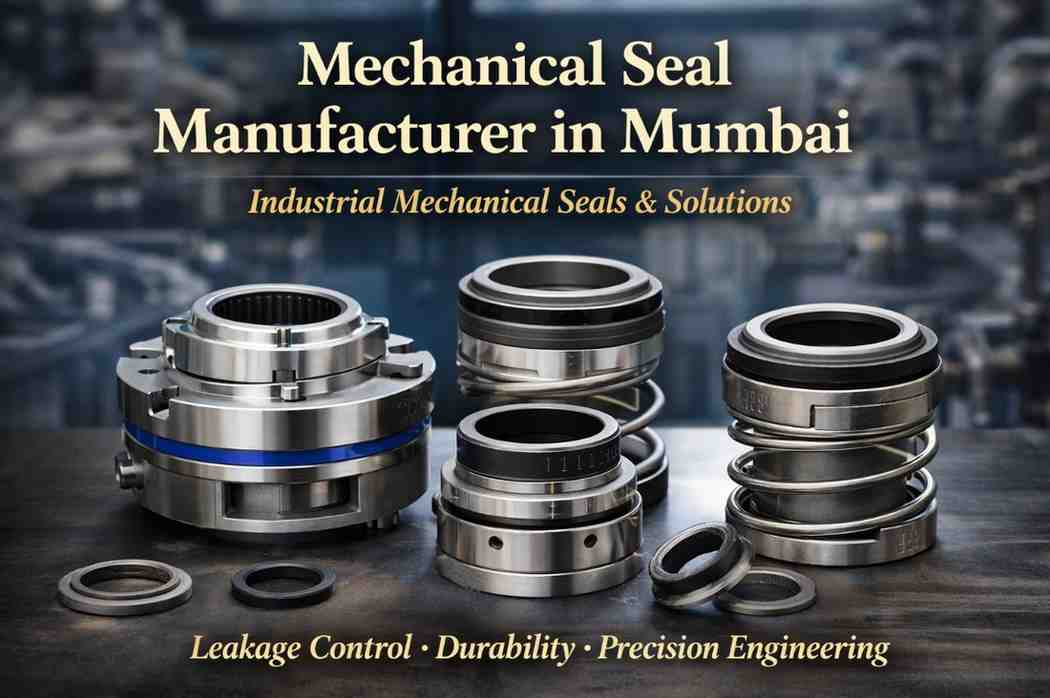
Industrial machines operate under pressu...
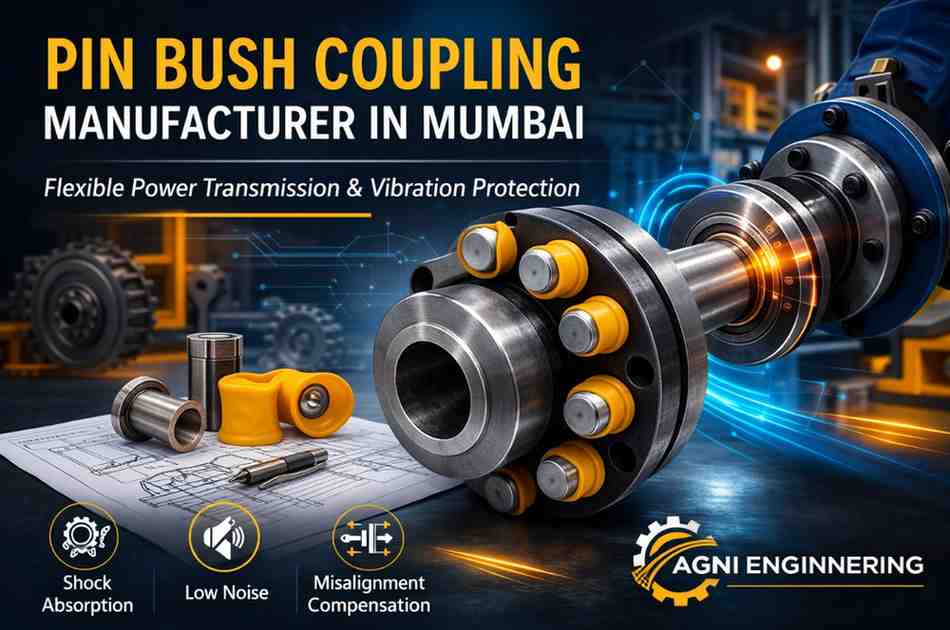
In many industrial machines, vibration, ...
In every conveyor system, rollers play a...
In modern machines, power does not alway...
Some mechanical components earn their re...
Power transmission begins with a single,...
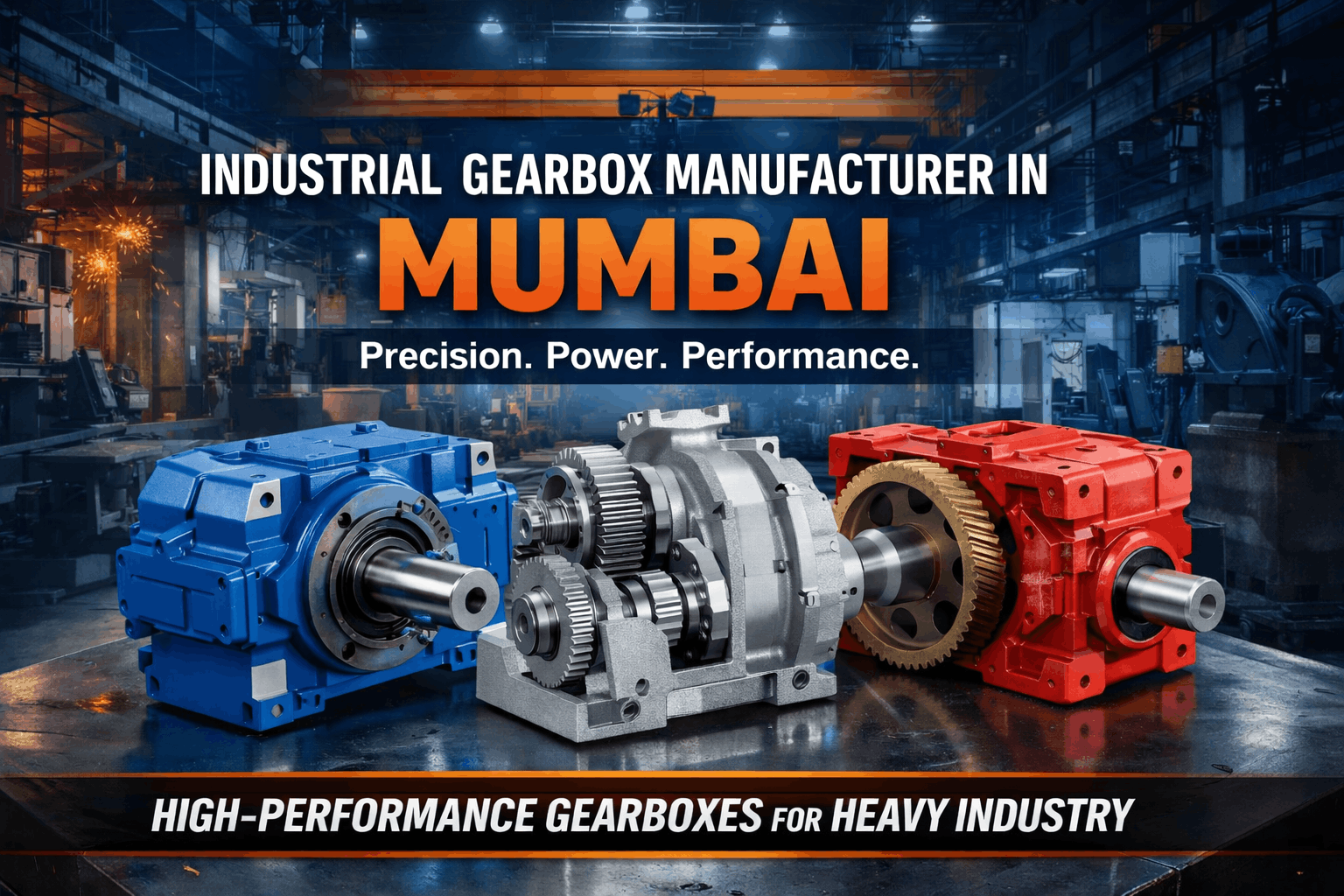
Behind every smooth-running industrial m...

In heavy-duty mechanical systems, power ...

In mechanical systems, reliability often...

In industrial environments where machine...
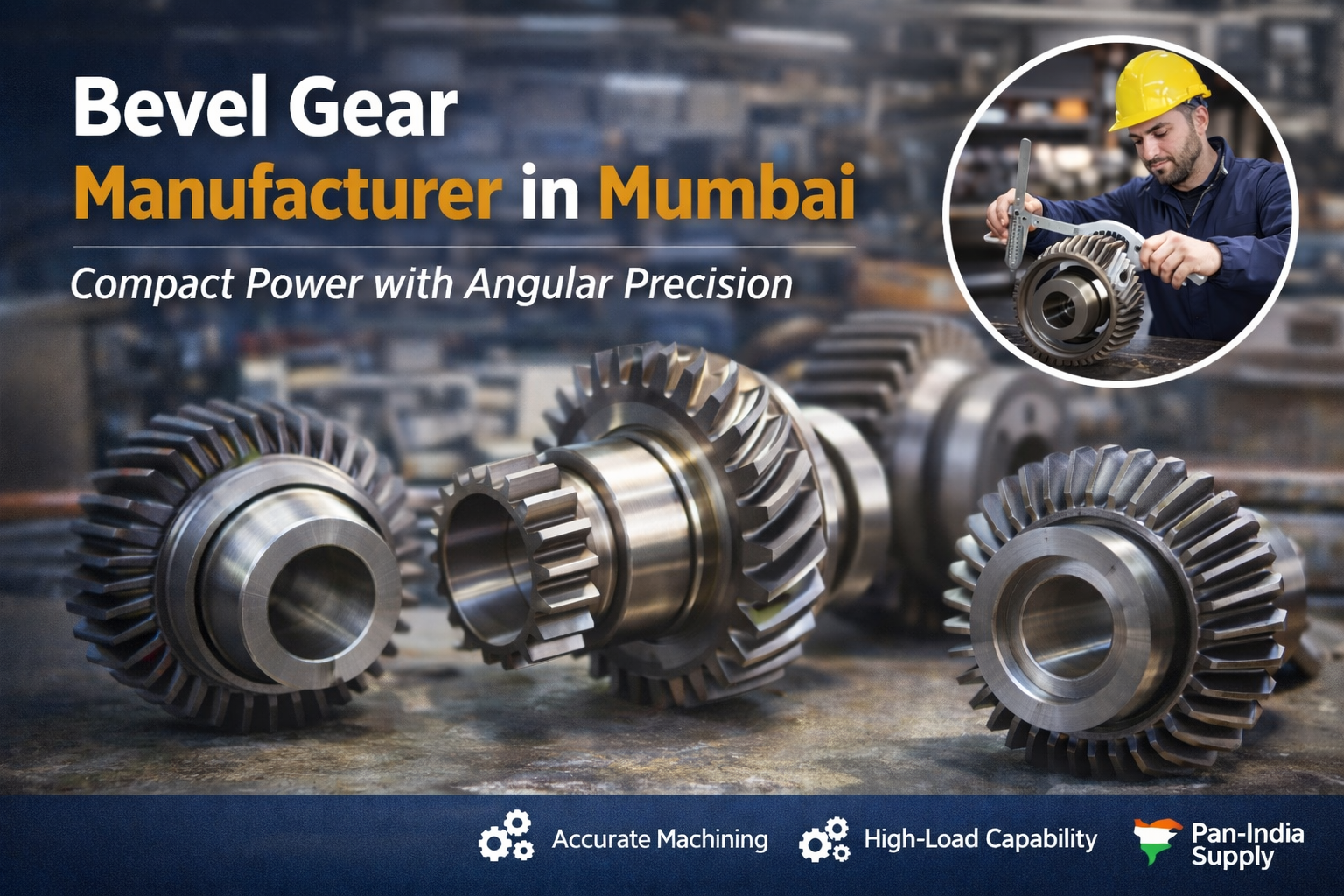
Machines that rely on angular power tran...
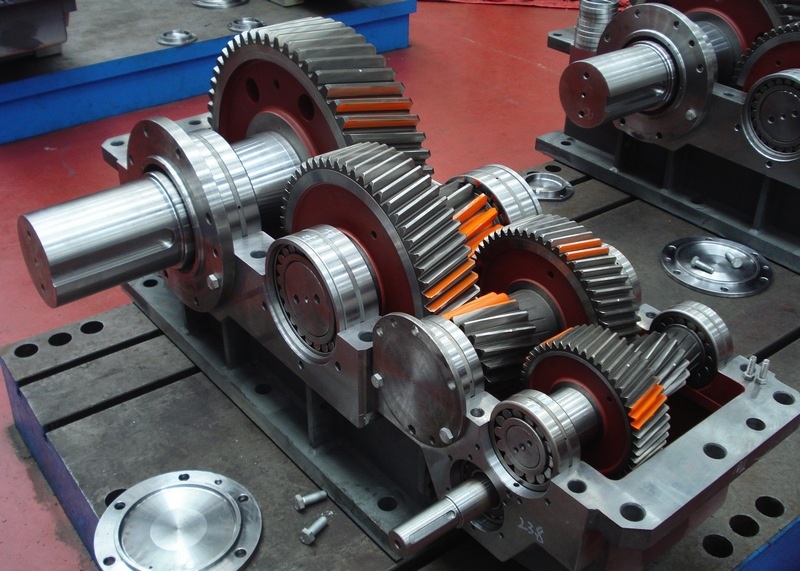
Modern industries run on reliability. Wh...
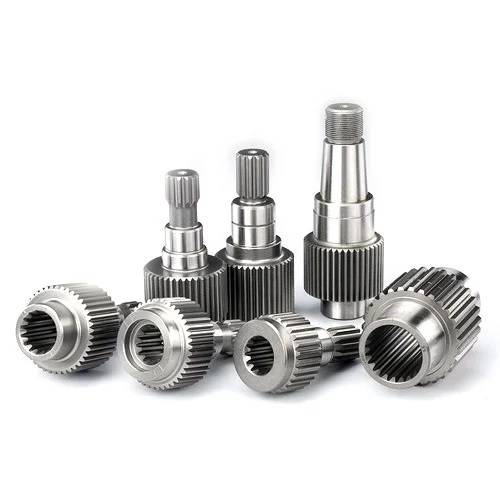
The Pinion Gear Shaft Manufacturers in M...
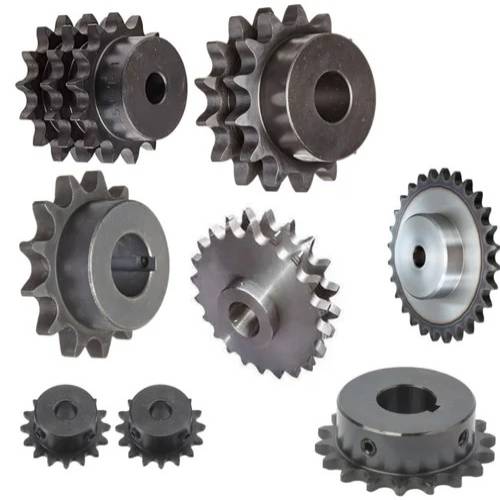
...
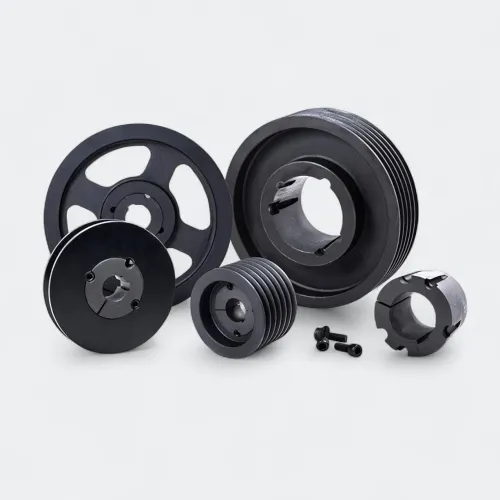
When machines need dependable power, smo...
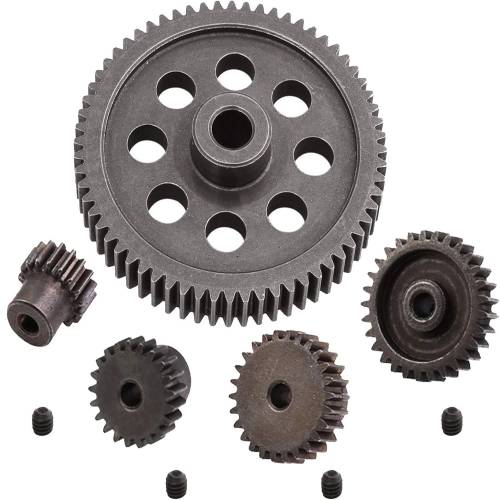
The Spur Gear Manufacturers in Mumbai ar...
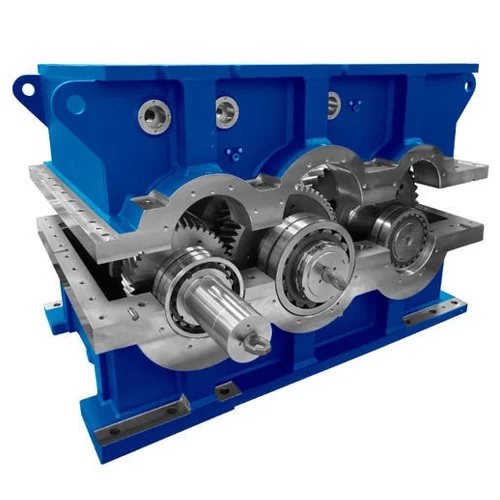
The Gearbox Manufacturers in Mumbai play...
When precision meets performance, indust...
In the modern industrial world, precisio...
In today’s fast-paced industrial world...
When it comes to advanced power transmis...
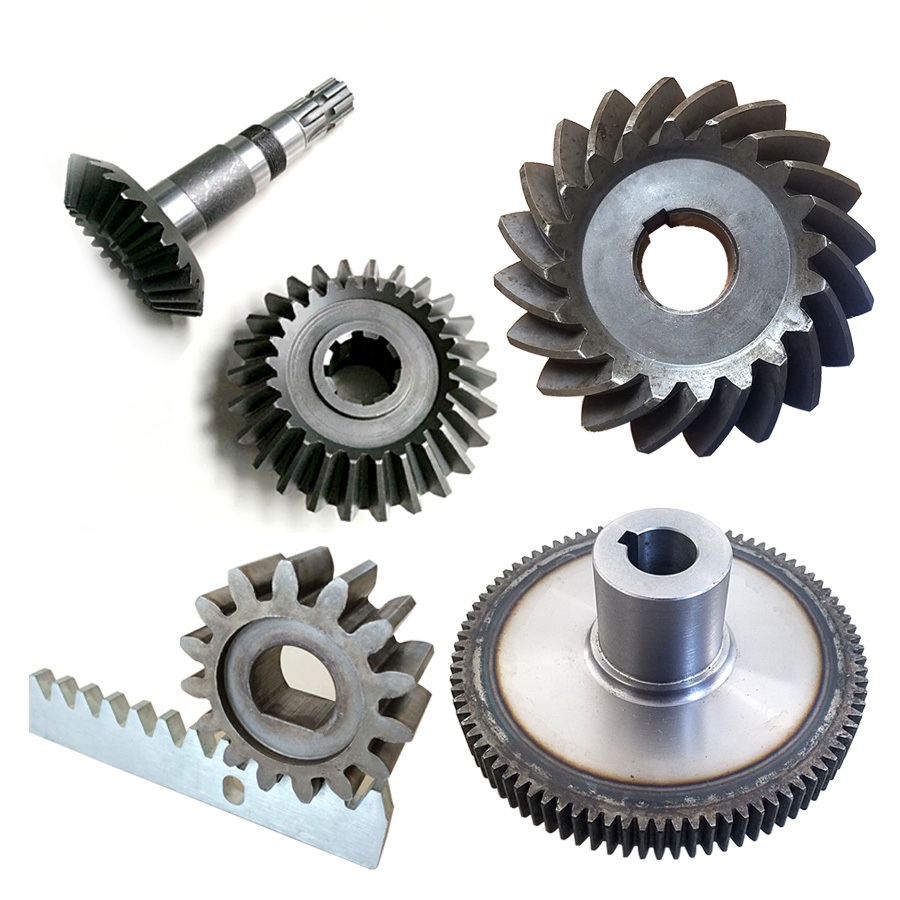
In the world of modern engineering, Indu...
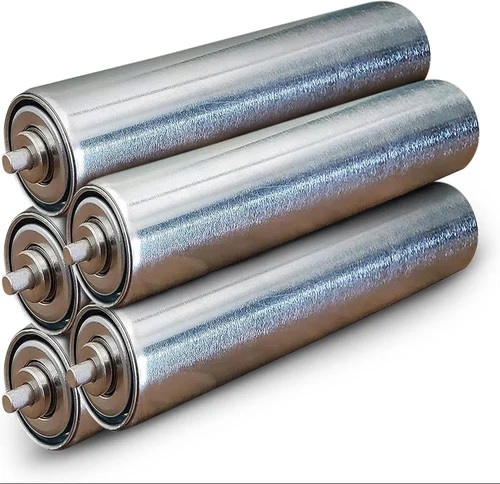
In the world of material handling and co...
