
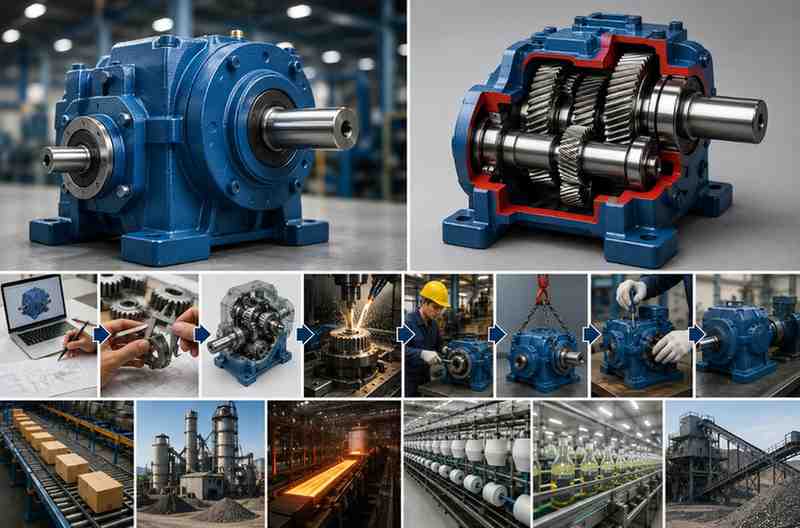
Choosing the right helical gearbox is one of the most important decisions for any industrial operation. Whether you're setting up a new production line or replacing an existing gearbox, the right selection can improve efficiency, reduce downtime, lower maintenance costs, and extend the life of your machinery.
However, with numerous gear ratios, torque capacities, mounting options, and material choices available, selecting the ideal gearbox can be challenging without proper guidance.
This comprehensive guide walks you through every stage—from understanding your application requirements to installing and maintaining your gearbox—so you can make an informed investment that delivers reliable performance for years.
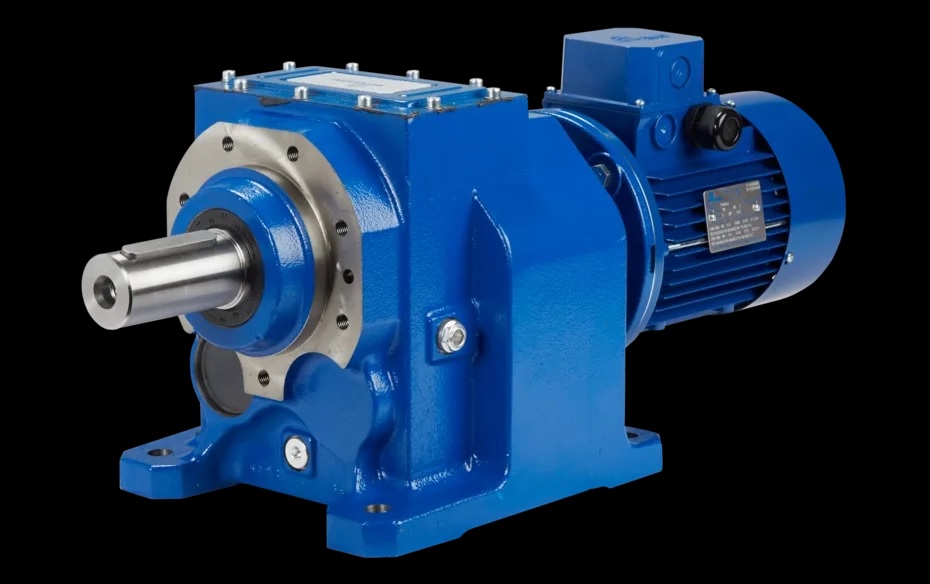
A helical gearbox is a power transmission system that uses helical gears, whose teeth are cut at an angle rather than straight. This angled design allows multiple teeth to engage simultaneously, resulting in smoother power transfer, quieter operation, and greater efficiency compared to spur gear systems.
Helical gearboxes are widely used in industries such as:
Their ability to handle high loads with minimal vibration makes them a preferred choice for demanding industrial applications.
Selecting the wrong gearbox can lead to:
On the other hand, the right gearbox ensures:
Before comparing gearbox models, clearly define your application's operating conditions.
Different machines require different gearbox specifications.
Common applications include:
Each application places unique demands on the gearbox.
Torque is one of the most critical factors when selecting a gearbox.
If the gearbox cannot handle the required torque:
Always calculate the maximum operating torque—not just the average load.
The gearbox must provide the desired speed reduction.
Determine:
These values determine the appropriate gear ratio.
The gear ratio defines how much the gearbox reduces motor speed while increasing torque.
For example:
Choosing the correct ratio ensures optimal machine performance and energy efficiency.
Helical gearboxes are available in several mounting configurations.
Best suited for:
Advantages:
Ideal for:
Benefits include:
Suitable for:
Offers:
Environmental conditions significantly impact gearbox performance.
Ask yourself:
Selecting the appropriate housing, seals, and lubrication system helps maximize durability.
Helical gearboxes are known for their high efficiency—often exceeding 90–95%, depending on the application and design.
Higher efficiency provides:
Not all gearboxes are manufactured to the same standards.
A high-quality gearbox should feature:
Accurately manufactured gears provide:
Choose gearboxes with robust cast iron or high-strength aluminum housings suitable for your operating conditions.
Quality bearings improve:
Reliable seals prevent:
Before purchasing, confirm that the gearbox matches your motor specifications.
Check:
Proper compatibility reduces installation issues and improves performance.
Some gearboxes require frequent servicing, while others are designed for extended maintenance intervals.
Look for features such as:
Lower maintenance requirements translate into reduced operational costs over time.
The quality of your gearbox depends heavily on the expertise of the manufacturer.
When evaluating suppliers, consider:
Partnering with an experienced manufacturer ensures better product reliability and long-term support.
Before installation, perform a thorough inspection.
Check for:
Resolving issues before installation helps prevent unexpected failures.
Correct installation is just as important as selecting the right gearbox.
Misalignment causes:
Use precision alignment tools whenever possible.
A stable mounting surface minimizes vibration and extends gearbox life.
Tighten all mounting bolts according to the manufacturer's recommended torque specifications.
Use only the lubricant specified by the manufacturer.
Incorrect lubricants may result in:
Before full operation, verify that the gearbox rotates in the correct direction to prevent equipment damage.
After installation:
Gradually introduce the working load after confirming normal operation.
Avoid these common errors when purchasing a helical gearbox:
These mistakes can lead to costly repairs and reduced equipment lifespan.
Routine maintenance helps ensure reliable performance.
Follow these best practices:
Preventive maintenance significantly reduces unexpected downtime.
Choosing a dependable manufacturer is just as important as selecting the right gearbox. Agni Engineering specializes in manufacturing high-performance helical gearboxes designed for reliability, efficiency, and long service life across diverse industrial applications.
With a focus on precision engineering, quality materials, and customer-centric solutions, Agni Engineering offers:
Whether your industry requires gearboxes for material handling, manufacturing, processing, or heavy-duty operations, Agni Engineering provides solutions tailored to your operational needs. Learn more by visiting https://www.agniengineering.net/.
Start by evaluating your application's torque, speed, gear ratio, mounting type, environmental conditions, and motor compatibility. Selecting a gearbox that matches these requirements ensures optimal performance and longevity.
Helical gearboxes offer smoother operation, higher efficiency, quieter performance, increased load capacity, and longer service life compared to many other gearbox types.
With proper installation, lubrication, and preventive maintenance, a high-quality helical gearbox can deliver reliable performance for many years, even in demanding industrial environments.
Always use the lubricant recommended by the gearbox manufacturer. The correct oil type and viscosity depend on operating conditions and application requirements.
Service intervals vary based on operating hours, load, and environmental conditions. Regular inspections and timely oil changes are essential for maintaining peak performance.
Buying the right helical gearbox involves more than selecting a product from a catalog. It requires understanding your application's requirements, choosing the correct gear ratio and mounting configuration, ensuring proper installation, and committing to regular maintenance.
By following this step-by-step guide, you can make an informed investment that enhances operational efficiency, minimizes downtime, and delivers long-term value. When you partner with an experienced manufacturer like Agni Engineering, you gain access to dependable engineering expertise and high-quality gearbox solutions designed to keep your operations running smoothly for years to come.
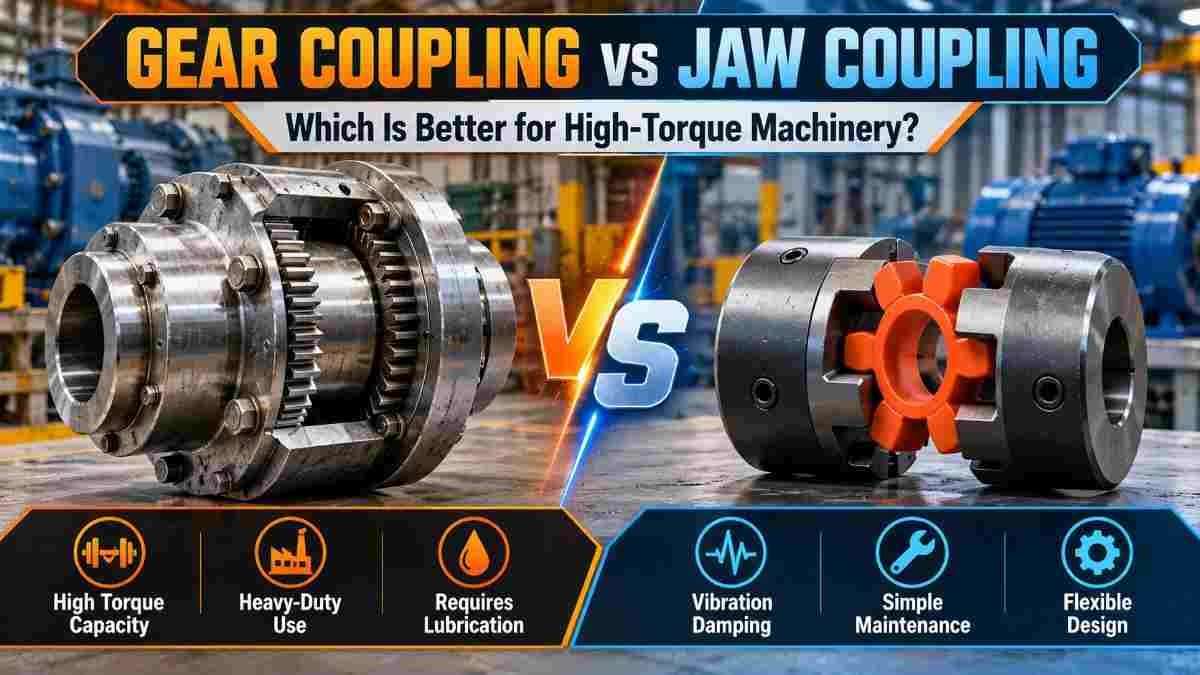
Industrial machinery depends on reliable...
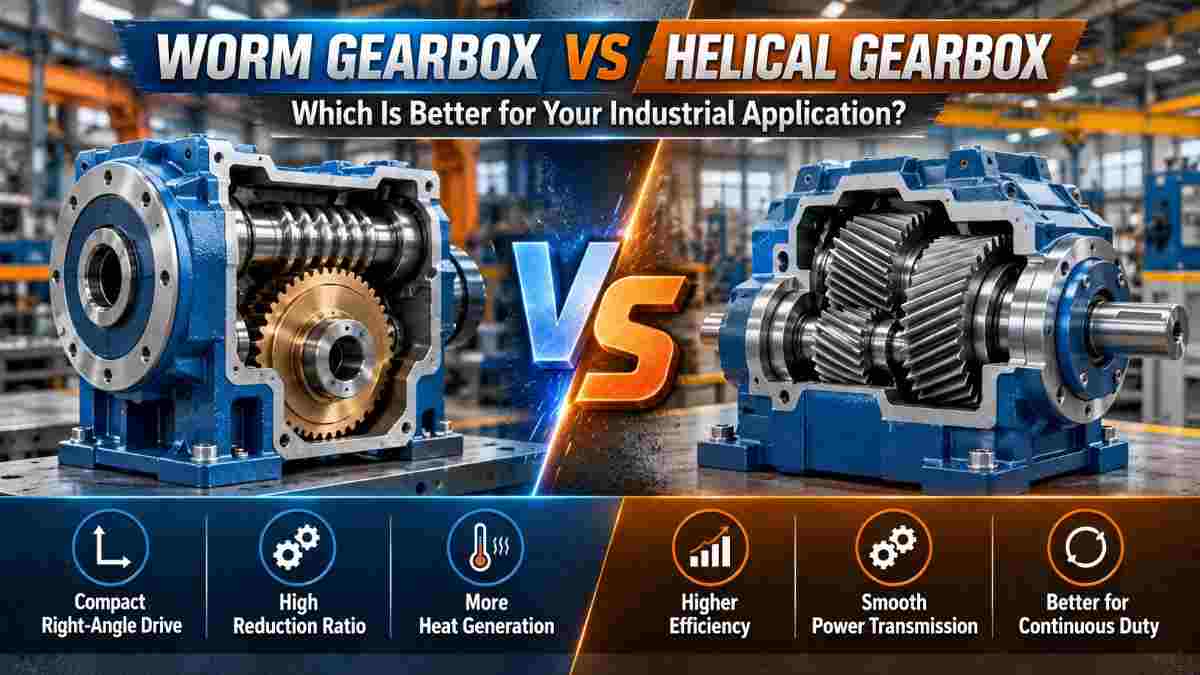
Choosing between a worm gearbox and a he...
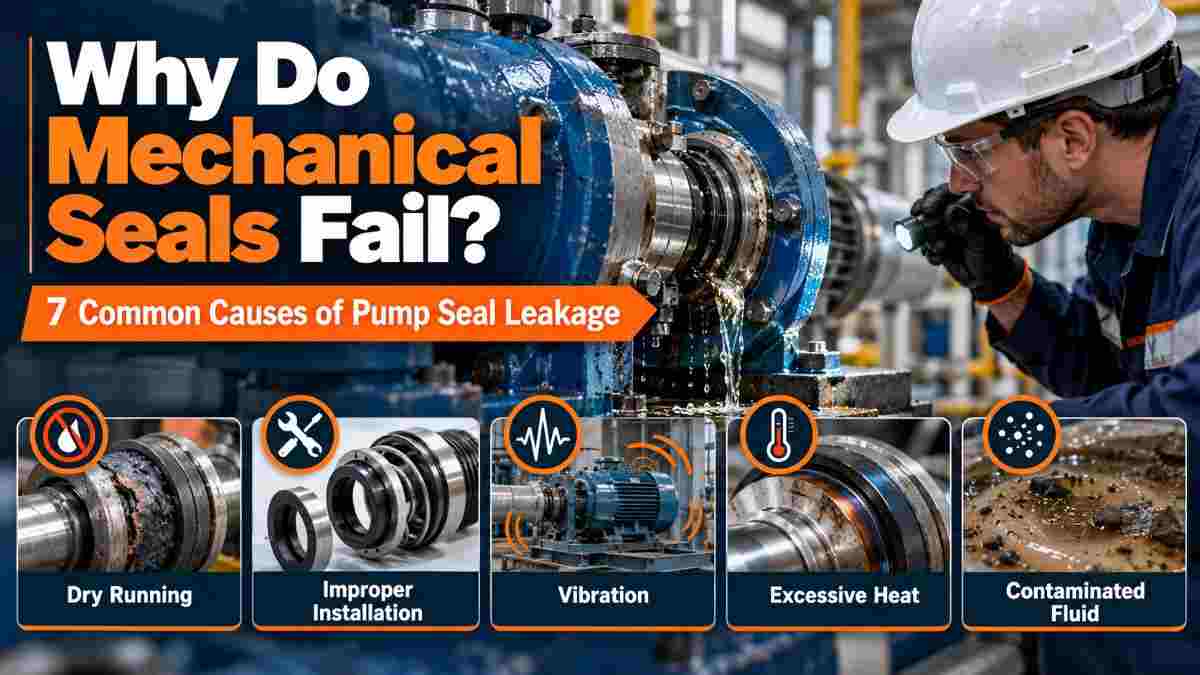
Mechanical seals are essential component...
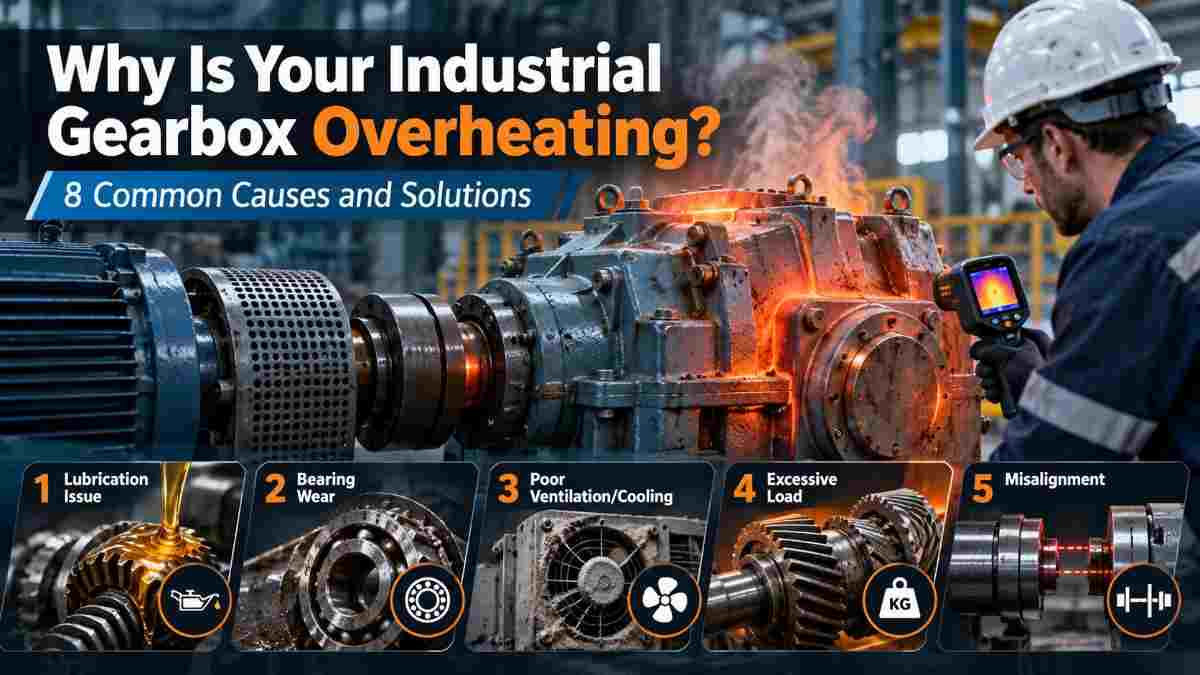
An industrial gearbox naturally generate...
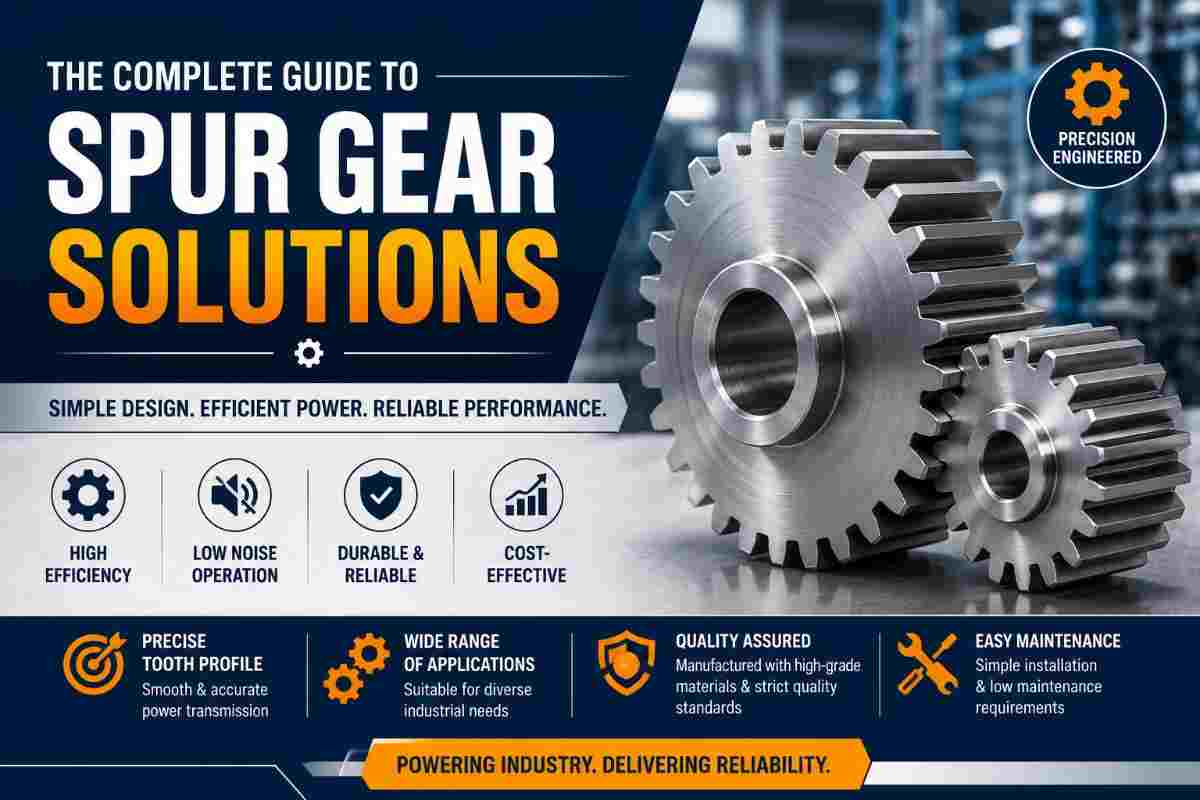
A spur gear is a mechanical gear with st...
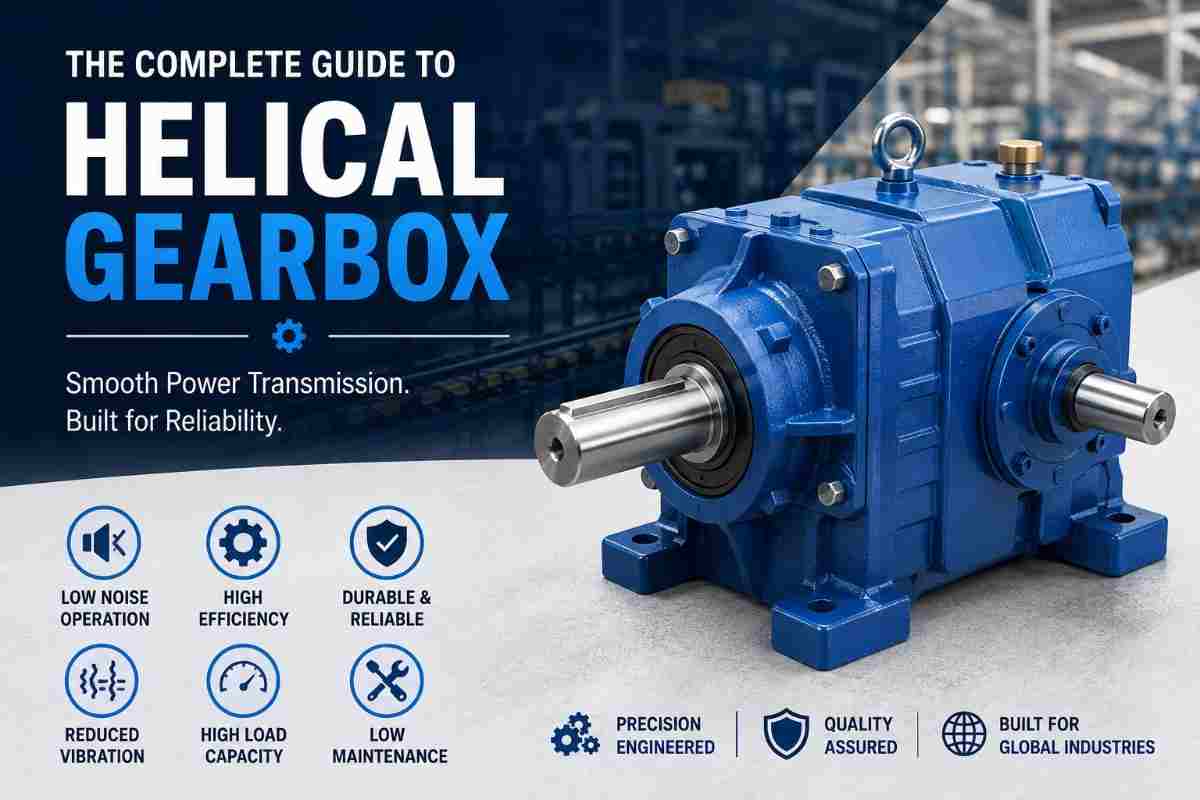
A helical gearbox is a mechanical power ...
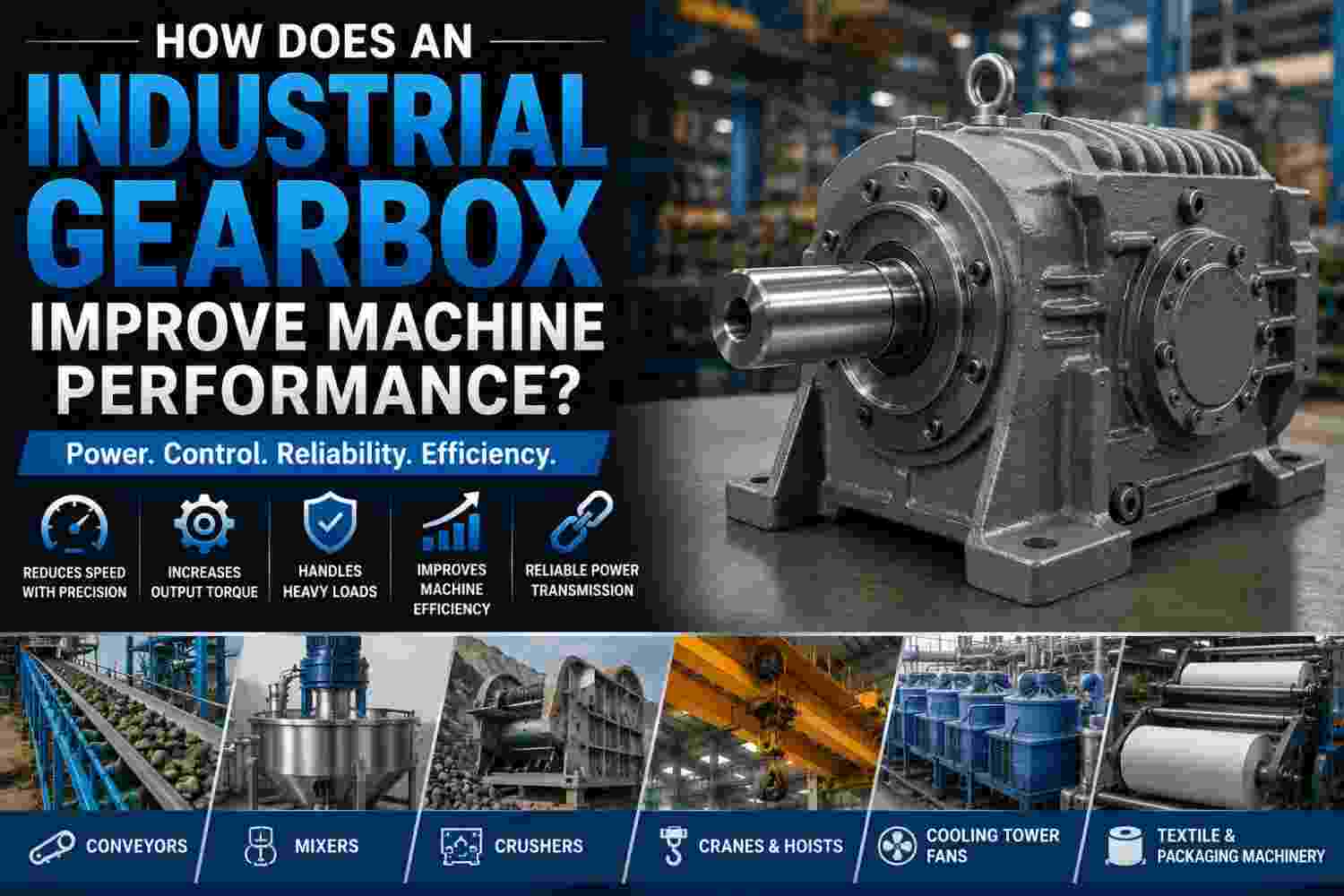
An industrial gearbox improves machine p...
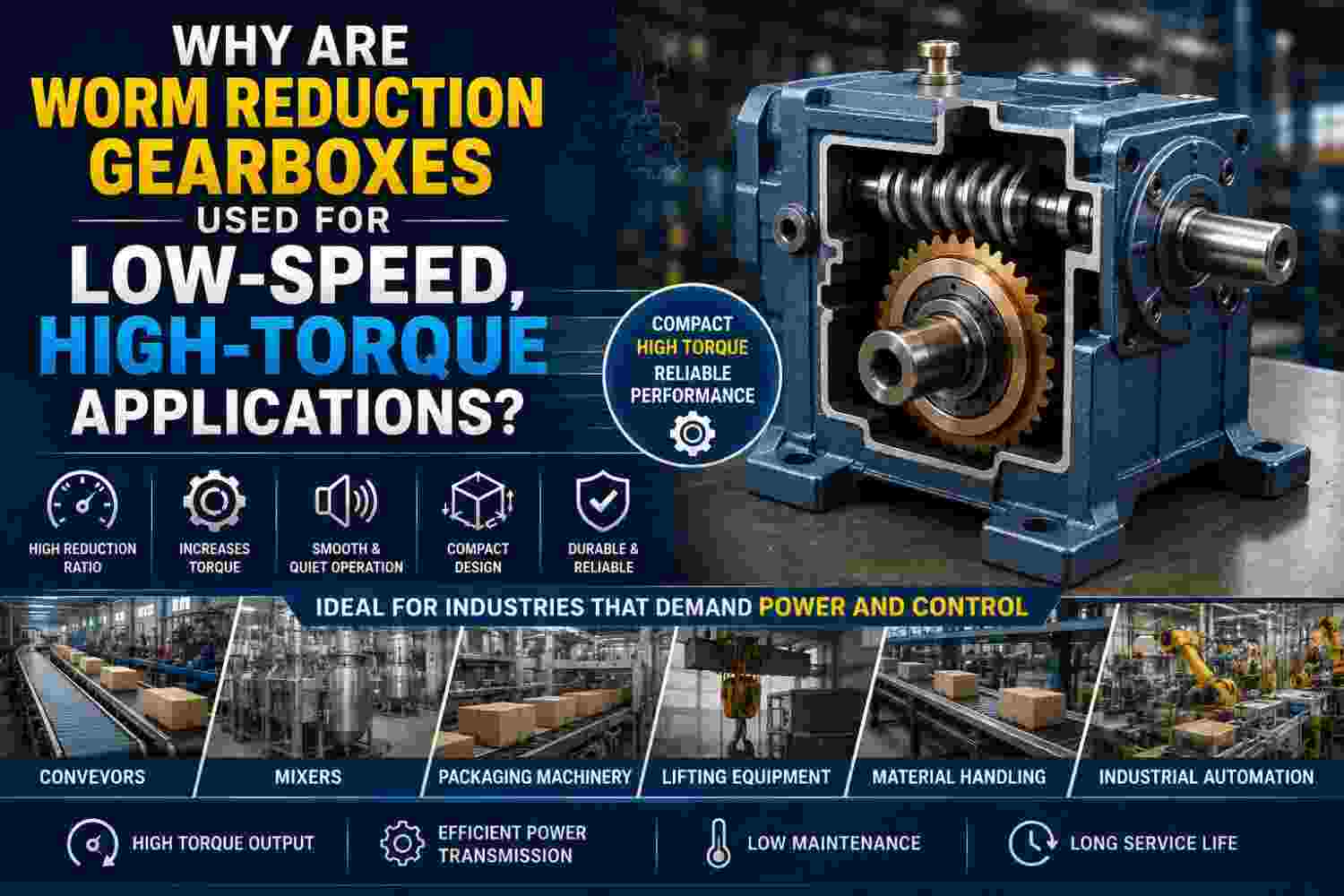
Worm reduction gearboxes are used for lo...
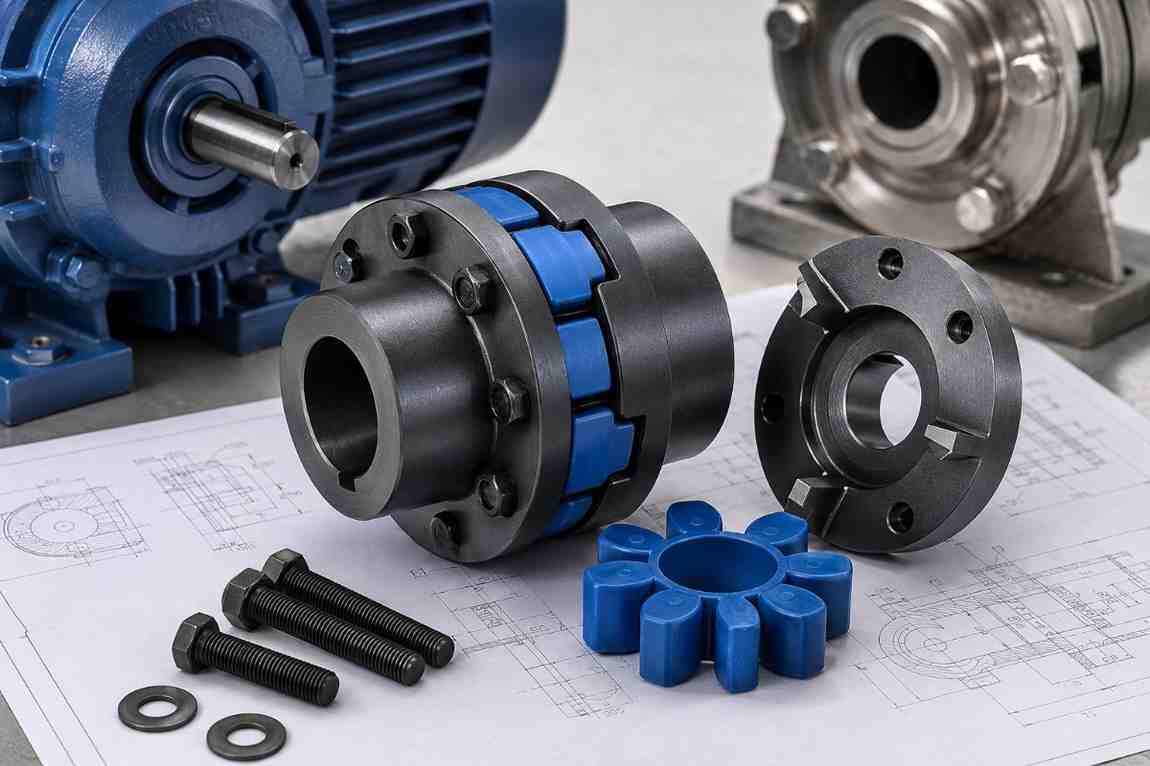
Selecting the correct N-Eupex coupling i...
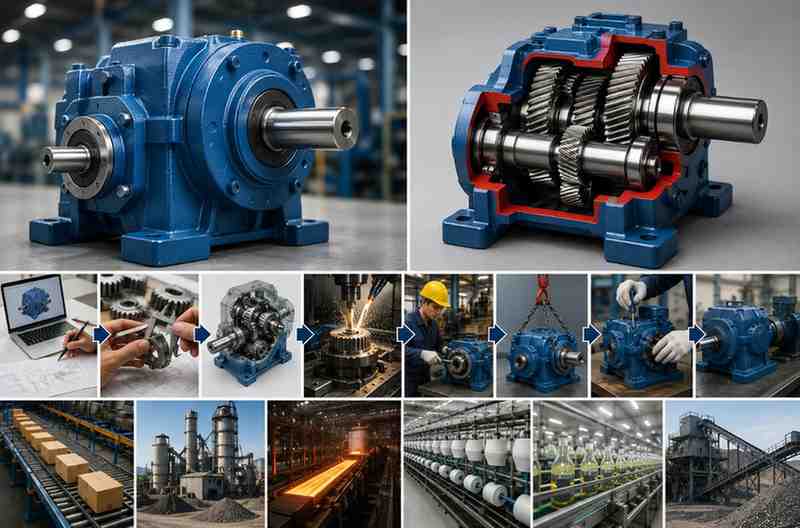
Choosing the right helical gearbox is on...
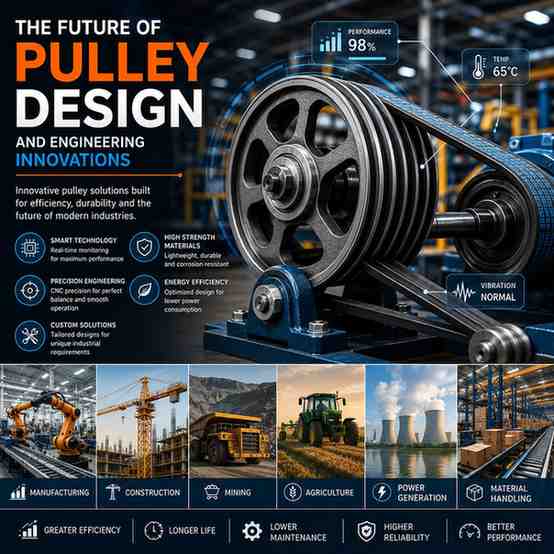
For centuries, pulleys have been one of ...
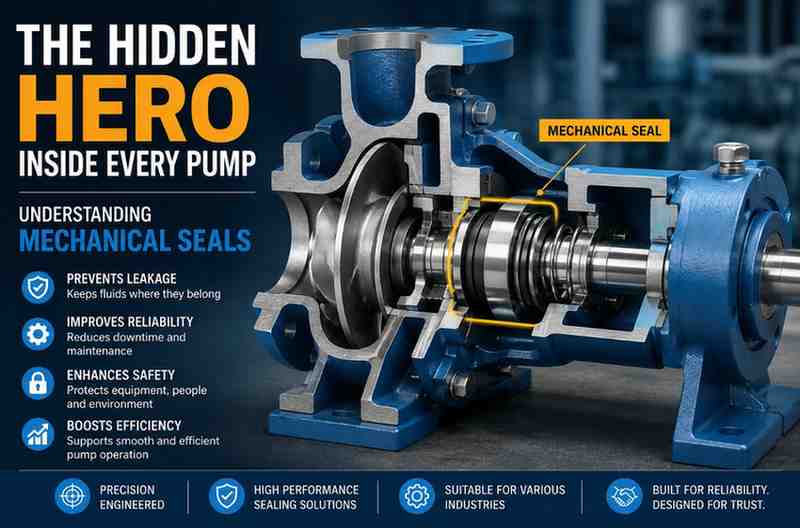
When people think about industrial pumps...
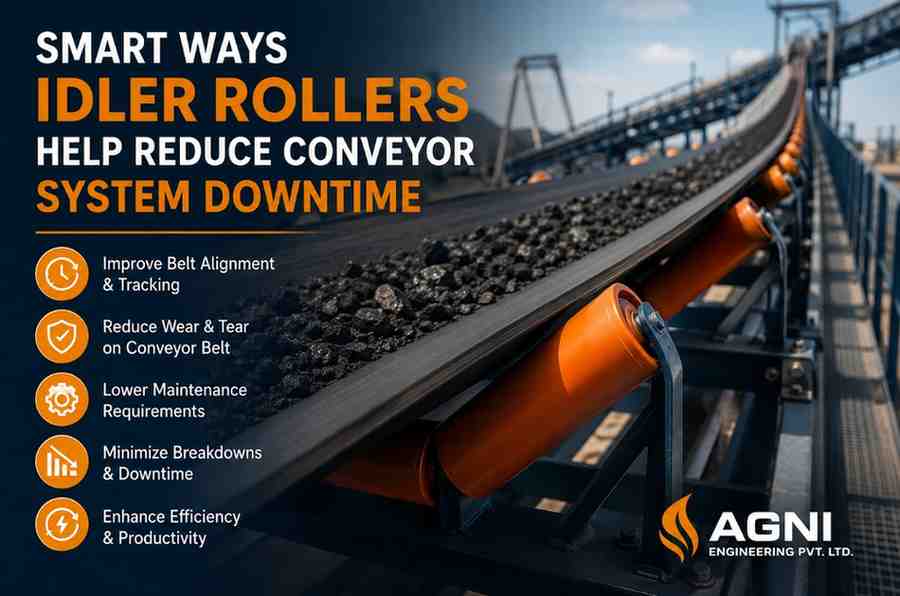
In industries where material handling is...
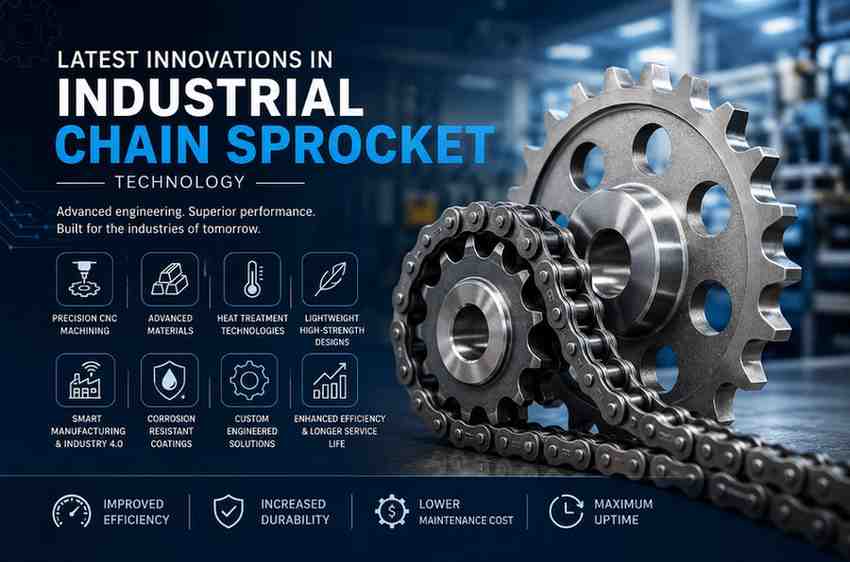
In today’s fast-moving industrial envi...
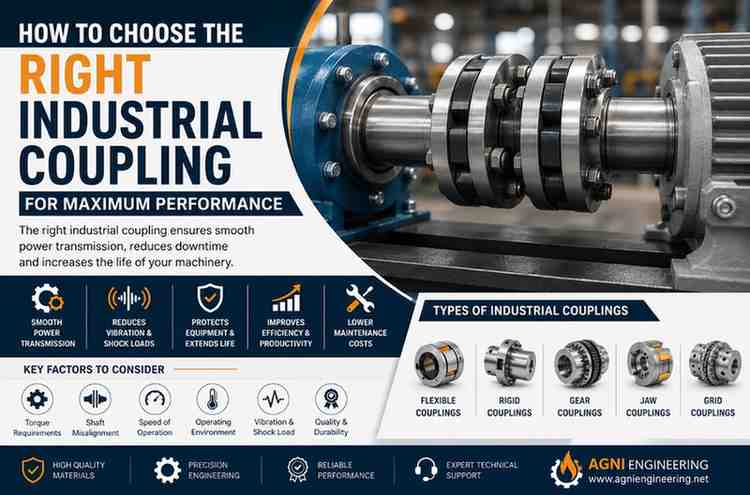
In any industrial setup, even the smalle...
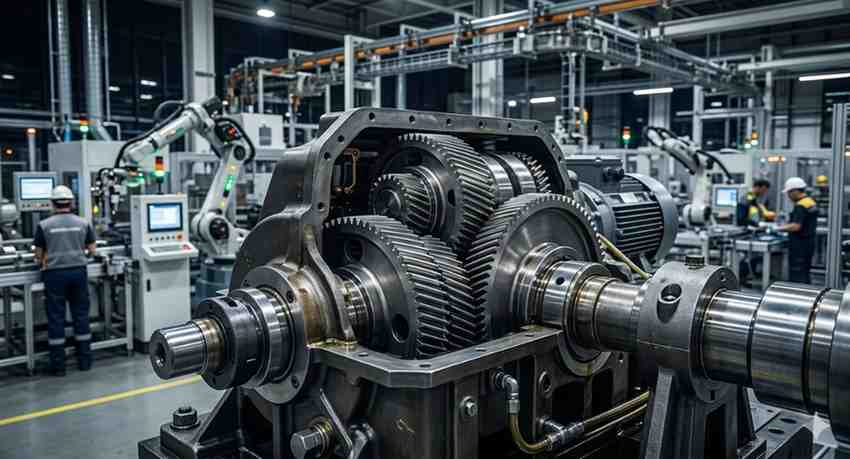
Industrial operations today are becoming...
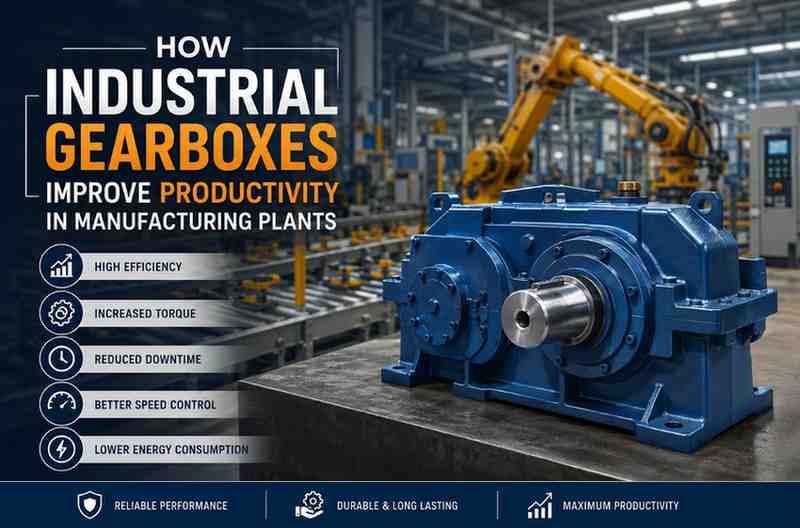
In modern manufacturing plants, efficien...
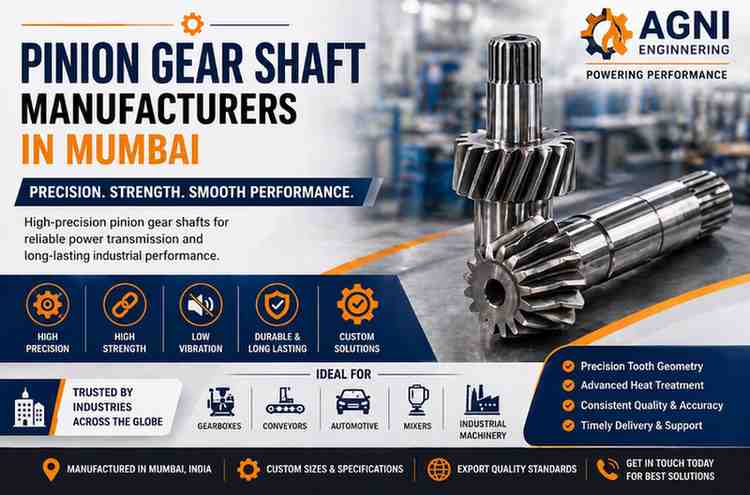
In industrial machinery, every movement ...
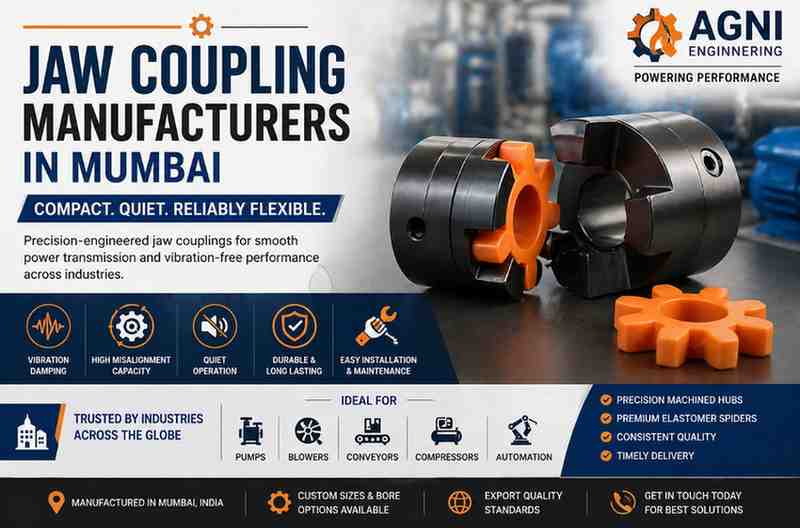
In modern industrial machinery, smooth p...
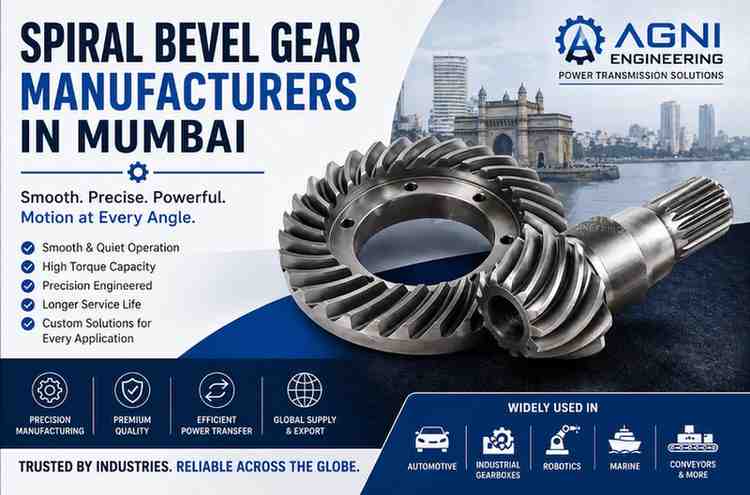
In modern industries, machines rarely wo...
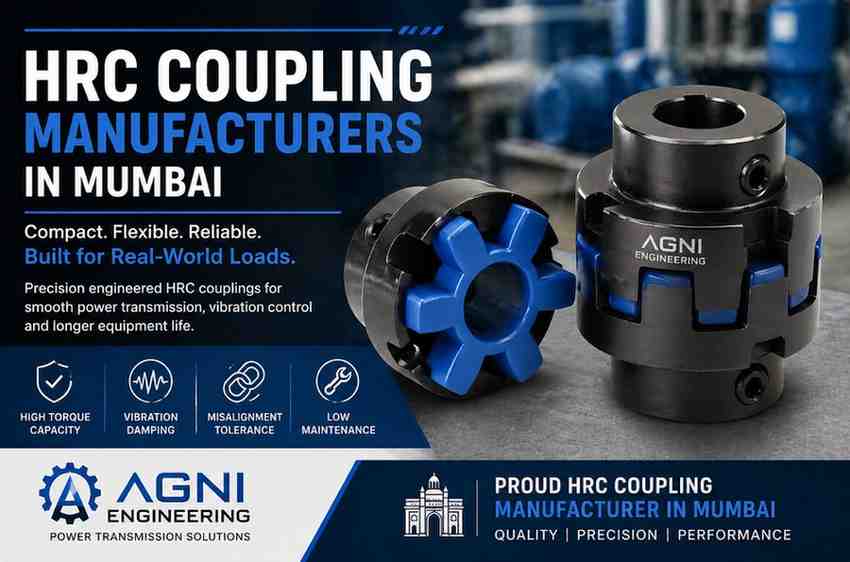
In industrial machinery, smooth power tr...

Machines depend on smooth and steady mot...

In any industrial system, smooth power t...

In many industrial machines, smooth moti...
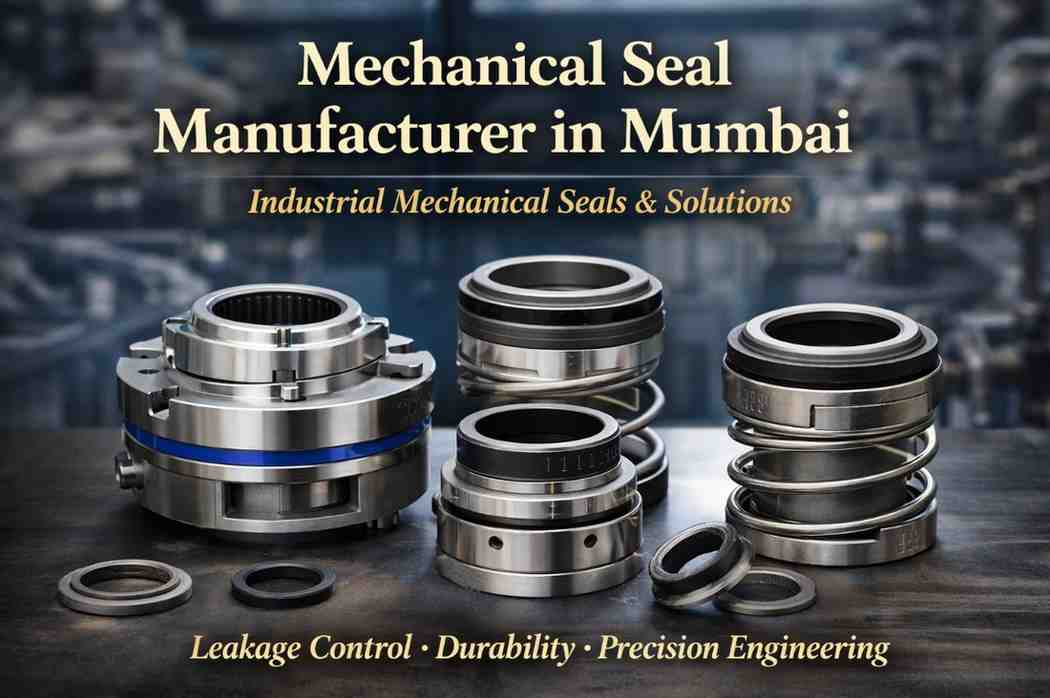
Industrial machines operate under pressu...
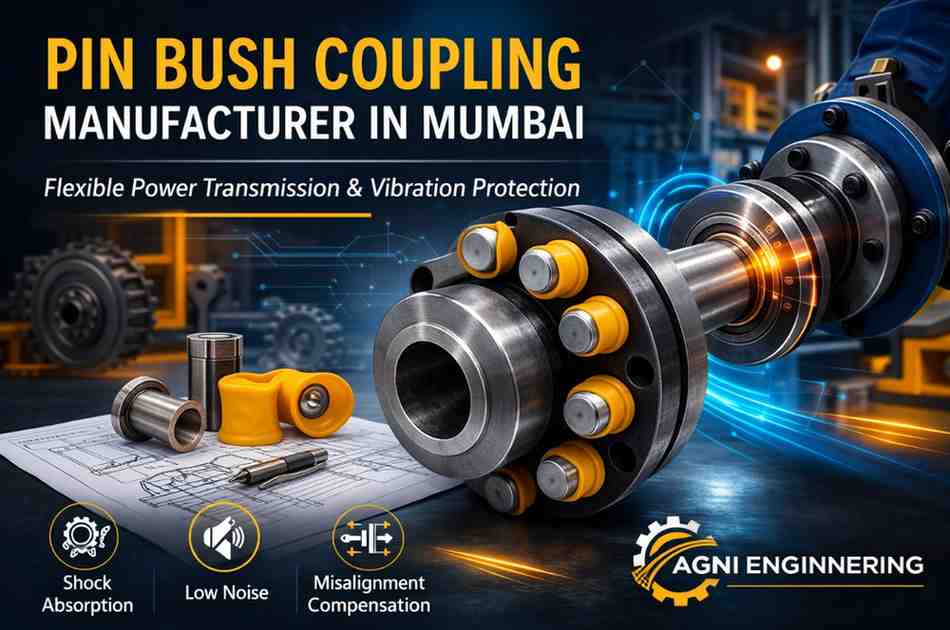
In many industrial machines, vibration, ...
In every conveyor system, rollers play a...
In modern machines, power does not alway...
Some mechanical components earn their re...
Power transmission begins with a single,...
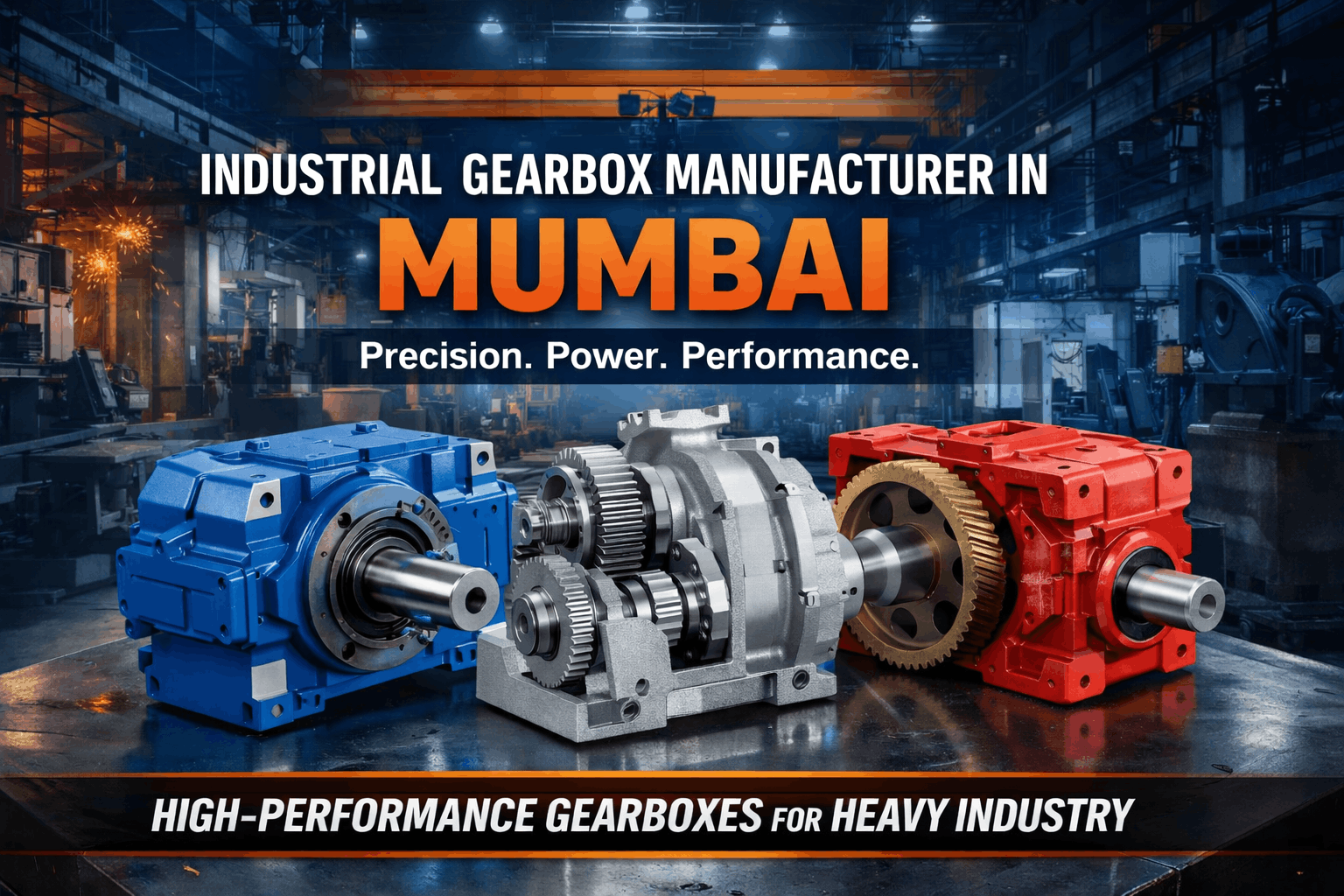
Behind every smooth-running industrial m...

In heavy-duty mechanical systems, power ...

In mechanical systems, reliability often...

In industrial environments where machine...
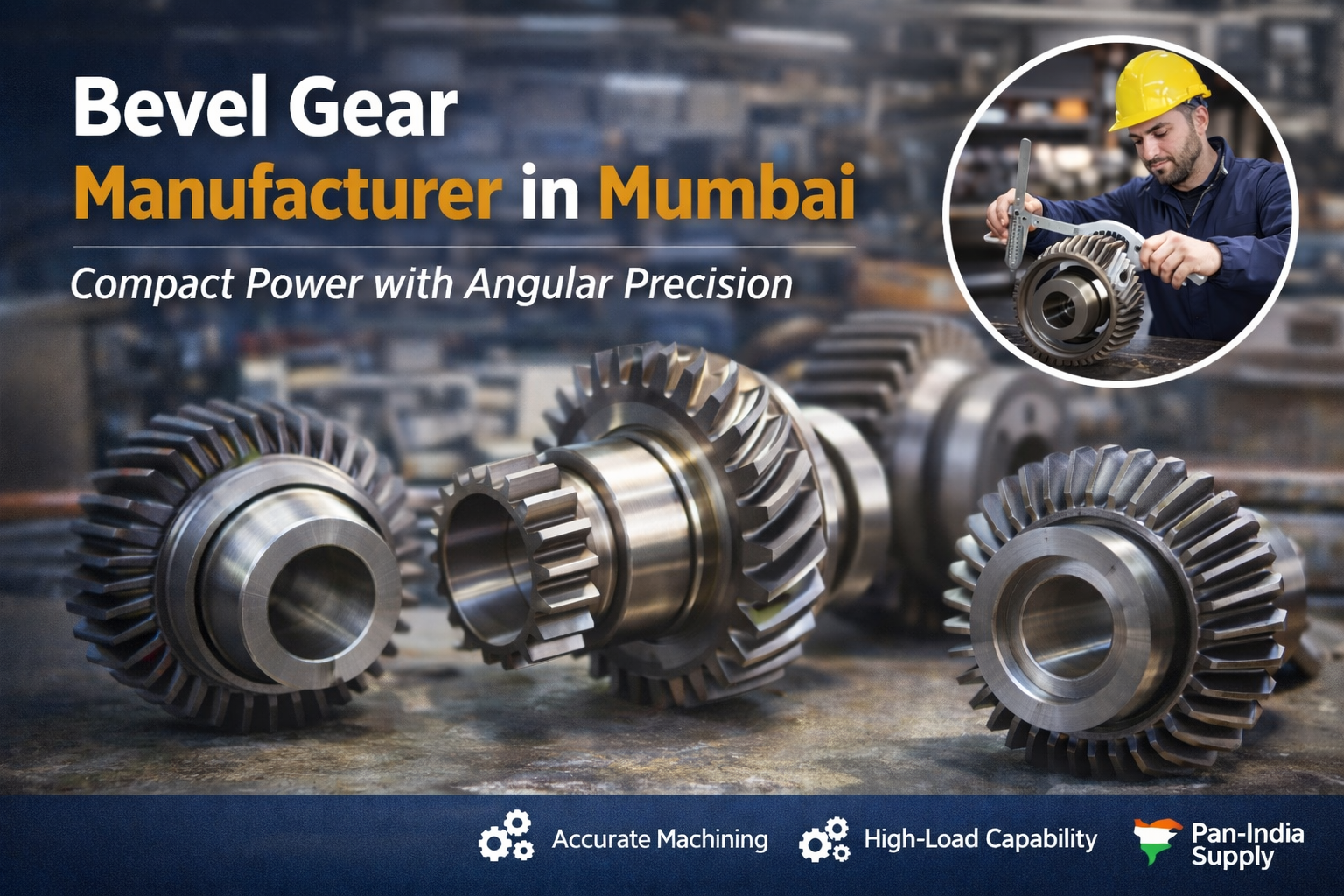
Machines that rely on angular power tran...
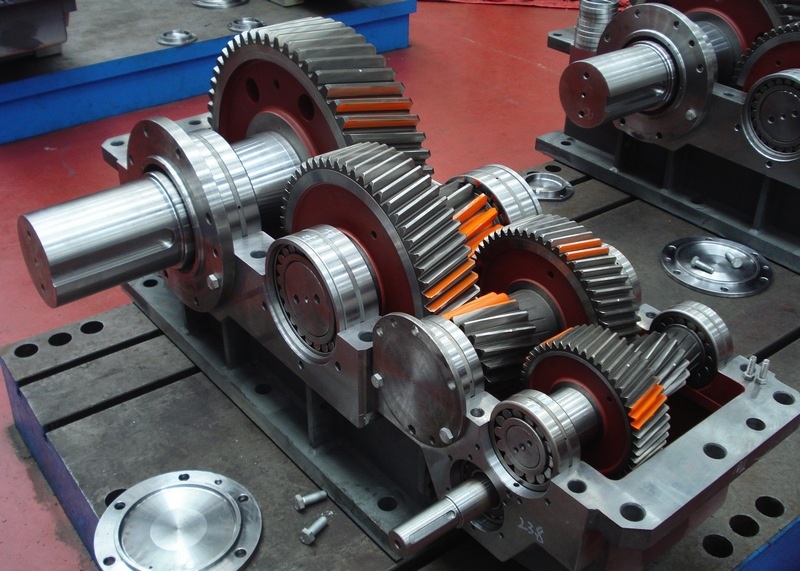
Modern industries run on reliability. Wh...
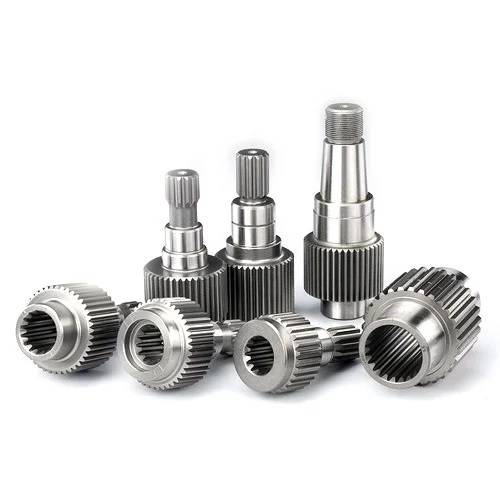
The Pinion Gear Shaft Manufacturers in M...
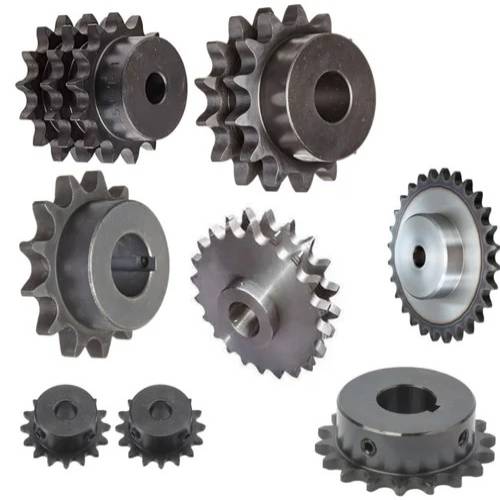
...
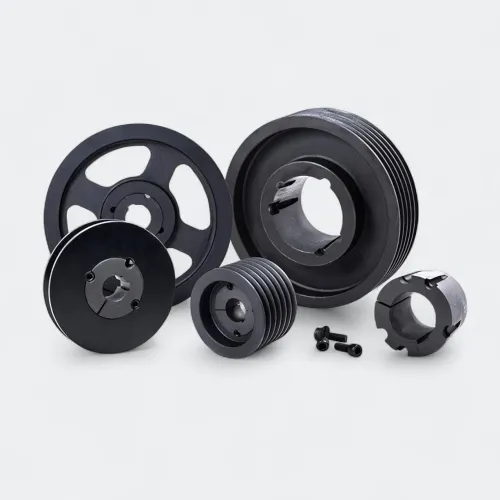
When machines need dependable power, smo...
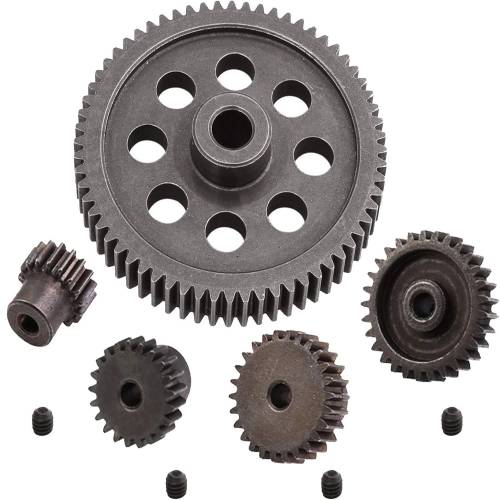
The Spur Gear Manufacturers in Mumbai ar...
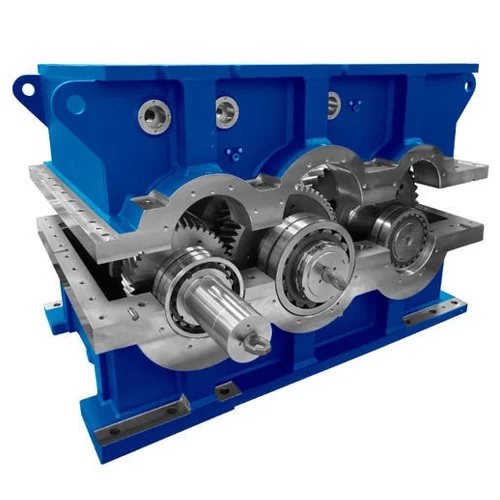
The Gearbox Manufacturers in Mumbai play...
When precision meets performance, indust...
In the modern industrial world, precisio...
In today’s fast-paced industrial world...
When it comes to advanced power transmis...
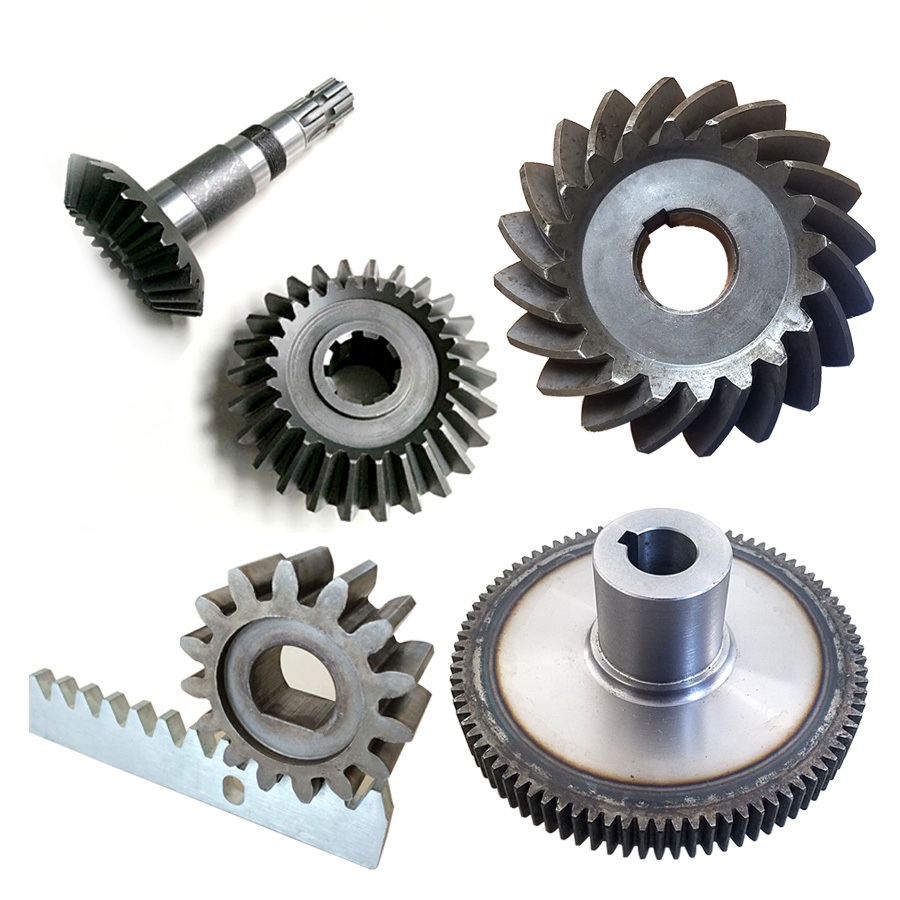
In the world of modern engineering, Indu...
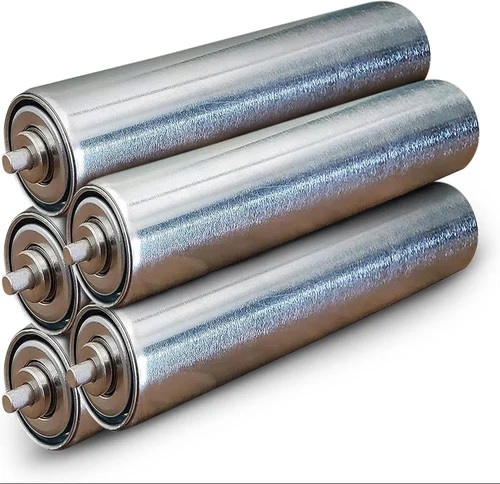
In the world of material handling and co...
