
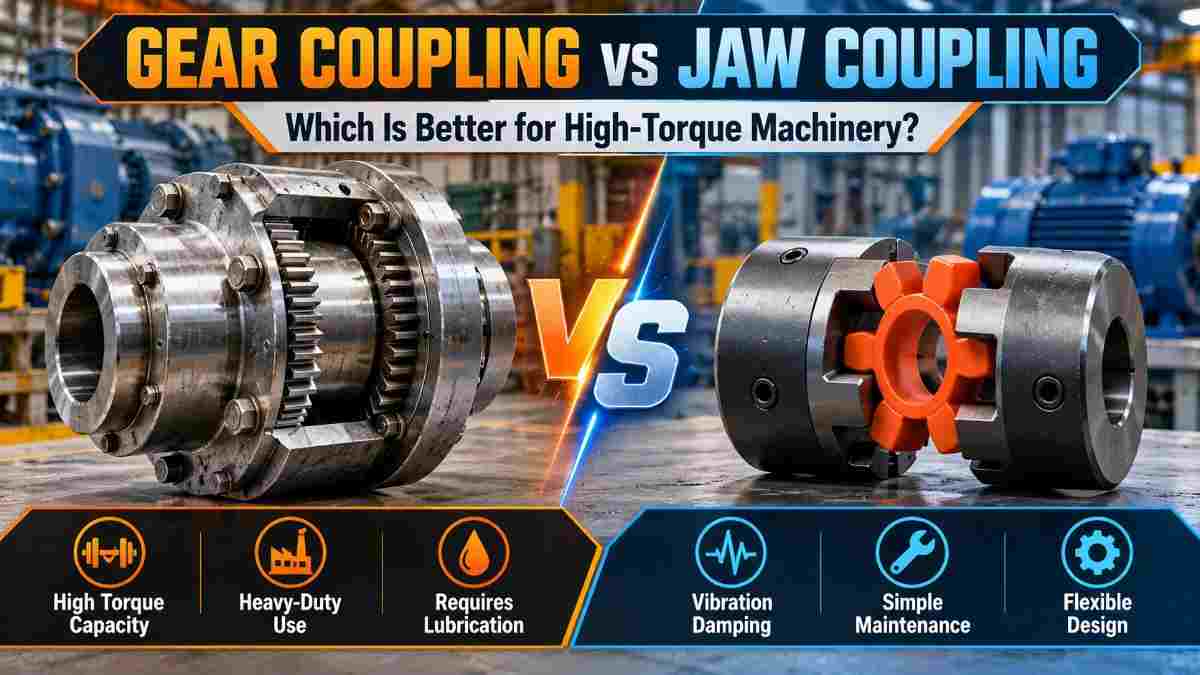
Industrial machinery depends on reliable power transmission between motors, gearboxes, pumps, conveyors, and other rotating equipment. Shaft couplings play an important role in connecting these components while accommodating certain operating movements and mechanical loads.
Two commonly used options are gear couplings and jaw couplings. Although both transmit torque between rotating shafts, their construction, load capacity, vibration damping, maintenance requirements, and industrial applications are different.
The main difference between gear coupling vs jaw coupling is the method of torque transmission. Gear couplings use meshing metal gear teeth to transmit high torque, while jaw couplings typically use an elastomer insert between two hubs to transfer torque and reduce vibration.
Gear couplings are frequently considered for demanding heavy-duty power transmission systems. Jaw couplings are often selected for compact machinery where vibration damping, shock absorption, and simple maintenance are important.
This guide explains the differences between both coupling types and helps engineers, machinery manufacturers, and industrial buyers select the right coupling for their applications.
A gear coupling is a mechanical power transmission component that connects two rotating shafts using geared hubs and mating internally toothed sleeves.
During operation, torque is transmitted through the meshing gear teeth. Depending on the design, the coupling can accommodate limited angular, parallel, and axial shaft movement.
The gear tooth geometry and construction allow gear couplings to transmit substantial torque within a relatively compact arrangement.
A gear coupling is commonly considered for industrial equipment such as:
Many conventional gear coupling designs require regular lubrication to protect the meshing teeth against wear and friction.
Proper selection also requires attention to the coupling's rated torque, operating speed, allowable misalignment, and lubrication requirements.
A jaw coupling is a flexible mechanical coupling typically consisting of two metal hubs with interlocking jaws and an elastomer element positioned between them.
The flexible element, commonly called a spider, transfers torque between the hubs while providing a degree of cushioning against vibration and shock loads.
Jaw couplings are commonly used where machinery requires smooth power transmission, compact installation, and relatively simple maintenance.
A jaw coupling can be suitable for applications such as:
The spider material and hardness influence the coupling's torque capacity, flexibility, damping behavior, and operating temperature limits.
Not all jaw couplings use the same construction or provide the same performance, so individual product specifications must be reviewed.
The main differences involve torque transmission, mechanical flexibility, vibration damping, and maintenance.
| Feature | Gear Coupling | Jaw Coupling |
|---|---|---|
| Construction | Geared hubs and internally toothed sleeves | Two hubs with an elastomer spider |
| Torque Transmission | Metal gear tooth engagement | Compression of a flexible element |
| Typical Torque Capacity | Suitable for very high-torque applications | Commonly used for light to medium loads, with higher-capacity models available |
| Vibration Damping | Limited inherent damping | Generally better damping through the elastomer |
| Shock Absorption | Depends on coupling design and drive system | Provides cushioning within rated limits |
| Misalignment | Accommodates specified movement through geared connections | Accommodates limited movement through spider flexibility |
| Lubrication | Usually required for conventional lubricated designs | Generally not required |
| Maintenance | Lubrication, inspection, and seal checks | Spider inspection and replacement |
| Common Applications | Rolling mills, crushers, heavy conveyors | Pumps, blowers, packaging, automation |
| Typical Selection Priority | High torque capacity and robust transmission | Vibration control and simple maintenance |
These are general differences. Actual performance depends on the coupling model, size, materials, operating speed, and manufacturer's ratings.
Gear couplings are commonly preferred for high-torque industrial applications because their meshing metal teeth can transmit substantial mechanical loads.
They are used in heavy equipment where power transmission requirements may exceed the capacity of smaller elastomeric couplings.
Applications such as steel rolling mills, crushers, and heavy-duty industrial drives may benefit from correctly sized gear couplings.
However, some jaw coupling designs are also capable of handling substantial torque.
The correct comparison must therefore be made between specific coupling models rather than assuming that every gear coupling is stronger than every jaw coupling.
When selecting a coupling for high torque, engineers should consider:
A suitable coupling must have sufficient capacity for both normal operating conditions and expected transient loads.
The required coupling torque can be estimated using the transmitted power and rotational speed.
For power measured in kilowatts and speed measured in revolutions per minute, the approximate formula is:
Torque (Nm) = 9550 × Power (kW) / Speed (RPM)
For example, consider a motor transmitting 15 kW at 1,500 RPM.
Torque = 9550 × 15 / 1500
Calculated Running Torque = 95.5 Nm
However, selecting a coupling rated for exactly 95.5 Nm may not provide enough capacity for startup loads or other operating conditions.
A service factor may be applied according to the machinery application and coupling manufacturer's selection guidelines.
For illustration, using a service factor of 1.5:
Selection Torque = 95.5 × 1.5
Selection Torque = 143.25 Nm
The coupling selected should meet the applicable manufacturer's torque rating requirements, including any additional checks for peak torque, reversing loads, or unusual duty conditions.
The service factor of 1.5 is only an illustrative value and should not be applied universally.
Jaw couplings generally provide better inherent vibration damping than conventional gear couplings because of their elastomer spider.
The flexible element can deform slightly under load, helping reduce the transmission of certain vibrations and mechanical shocks between connected components.
This can be useful in machinery where smooth operation is important.
Potential applications include:
Gear couplings use metal-to-metal tooth engagement and generally provide less inherent damping.
However, jaw couplings do not eliminate all vibration, and a suitable coupling cannot compensate for severe imbalance, damaged bearings, or significant shaft misalignment.
Excessive vibration should always be investigated at its source.
Both gear and jaw couplings can accommodate limited shaft misalignment, but they do so through different mechanisms.
Gear couplings use specialized gear tooth engagement that allows limited relative movement between the connected components.
Depending on the design, they can accommodate angular movement and, in suitable configurations, parallel offset and axial displacement.
The allowable movement depends on the coupling's construction, size, speed, and transmitted torque.
Jaw couplings rely on deformation of the elastomer spider to accommodate limited movement between connected shafts.
Different spider materials and coupling geometries provide different misalignment capabilities.
Excessive misalignment can accelerate spider deterioration and create additional loads on bearings and shafts.
No. A flexible coupling is designed to accommodate limited operational movement rather than replace proper shaft alignment.
Incorrect alignment can increase vibration, bearing loads, coupling wear, and energy losses.
Both gear and jaw couplings should be installed according to the manufacturer's specified alignment tolerances.
Jaw couplings generally require less routine maintenance than conventional lubricated gear couplings.
Most elastomeric jaw couplings do not require regular lubrication because torque is transferred through the flexible spider.
However, the spider should be inspected for cracking, deterioration, permanent deformation, and other signs of wear.
Gear couplings commonly require lubrication to protect the meshing teeth and reduce wear.
Typical gear coupling maintenance includes:
Some specialized gear coupling designs use different lubrication arrangements, so maintenance requirements should always follow the manufacturer's instructions.
Maintenance intervals for both coupling types depend on the operating environment, duty cycle, and equipment condition.
The answer depends on the magnitude and characteristics of the shock load.
Jaw couplings provide cushioning through their flexible elastomer element, which can help reduce the transmission of certain transient loads and torsional vibrations.
This makes them useful for selected motor-driven machinery where moderate shock absorption is desirable.
Gear couplings are capable of transmitting substantial torque and may be suitable for applications involving heavy mechanical loads.
However, their metal-to-metal construction provides less inherent elastic cushioning than an elastomeric jaw coupling.
For machinery with severe shock loading, engineers should evaluate:
The coupling must be selected according to the actual loading profile rather than a general claim that one design handles all shock loads better.
Both coupling types are available in designs suitable for different rotational speeds.
High-speed selection depends on the coupling's rated RPM, balance quality, dimensions, and operating conditions.
Some compact jaw couplings are suitable for relatively high-speed applications such as pumps, blowers, and selected automation equipment.
Gear couplings are also available for high-speed power transmission, but suitable balancing, lubrication, and mechanical design are important.
Before selecting a high-speed coupling, check:
A coupling should never be operated above its specified maximum speed.
Jaw couplings are commonly used in motor-driven pumps, blowers, and smaller compressors where compact installation and vibration damping are valuable.
The elastomer spider can provide a flexible connection between the motor and driven equipment.
Gear couplings may be considered for larger industrial pumps and heavy-duty drive systems requiring substantial torque transmission.
However, coupling selection for critical pumping or compressor equipment must follow the applicable machinery specifications and project requirements.
Factors such as operating speed, shaft movement, maintenance access, required spacer length, and equipment standards may influence the selection.
Neither coupling type should be selected solely based on the equipment category.
Gear couplings are widely considered for heavy industrial machinery because of their robust construction and high torque capability.
Typical applications include:
These applications often involve high mechanical loads and demanding operating conditions.
A properly selected gear coupling can provide a compact connection while accommodating the limited movement permitted by its design.
However, severe torsional shock, large shaft displacement, and unusual operating conditions may require a specialized coupling arrangement.
Jaw couplings are commonly suitable for machinery where flexibility, compact size, and ease of maintenance are important.
They may be preferred for:
Jaw couplings are especially useful when moderate shock absorption and vibration damping are required within the coupling's rated capabilities.
Spider material selection is important because different elastomers provide different combinations of flexibility, torque capacity, chemical resistance, and temperature limits.
Choosing the correct coupling requires a clear understanding of the connected machinery and its operating requirements.
Before purchasing an industrial coupling, consider the following factors:
For critical equipment, engineers should also assess torsional dynamics and confirm compliance with any applicable machinery standards.
Although gear and jaw couplings use different constructions, both can fail prematurely when incorrectly selected or installed.
Common causes include:
Gear couplings may experience accelerated tooth wear when lubrication is inadequate or misalignment exceeds the allowable limit.
Jaw couplings may experience premature spider wear, cracking, or deformation when subjected to excessive loads, unsuitable temperatures, or incompatible chemicals.
Investigating the underlying cause is important before replacing a failed coupling.
Gear couplings are commonly available for very high-torque applications, but the actual strength comparison depends on the specific models, sizes, materials, and manufacturer ratings.
Most conventional elastomeric jaw couplings do not require routine lubrication. However, their spider elements and mechanical connections still require periodic inspection.
Gear couplings accommodate certain shaft movements, but they generally provide less inherent vibration damping than elastomeric jaw couplings. They should not be assumed to eliminate torsional vibration.
Both coupling types can be suitable for high-speed applications when designed and rated accordingly. The maximum permissible speed, balance quality, and operating conditions must be checked.
Yes, certain jaw coupling designs have substantial torque ratings. However, they must be selected according to the actual load, speed, shock conditions, and manufacturer's specifications.
A worn spider can increase backlash, vibration, noise, or irregular torque transmission. Depending on the coupling design, failure of the elastomer may also affect the ability to transmit torque safely.
Yes, gear couplings can accommodate specified shaft misalignment. However, excessive misalignment increases mechanical loads and wear, so correct installation and alignment remain essential.
The decision between gear coupling vs jaw coupling depends on the required torque, operating speed, vibration conditions, maintenance requirements, and machinery design.
Gear couplings are commonly suitable for high-torque industrial power transmission systems such as heavy conveyors, rolling mills, crushers, and large processing equipment.
Jaw couplings are often preferred for compact motor-driven machinery where flexibility, vibration damping, and straightforward maintenance are important.
Agni Engineering offers gear couplings, jaw couplings, and other industrial coupling solutions for different mechanical power transmission applications.
Before selecting a coupling, confirm the continuous and peak torque requirements, shaft dimensions, operating speed, allowable misalignment, and expected environmental conditions.
Choosing a coupling that matches the actual equipment specifications can help reduce mechanical wear, improve reliability, and support long-term machinery performance.
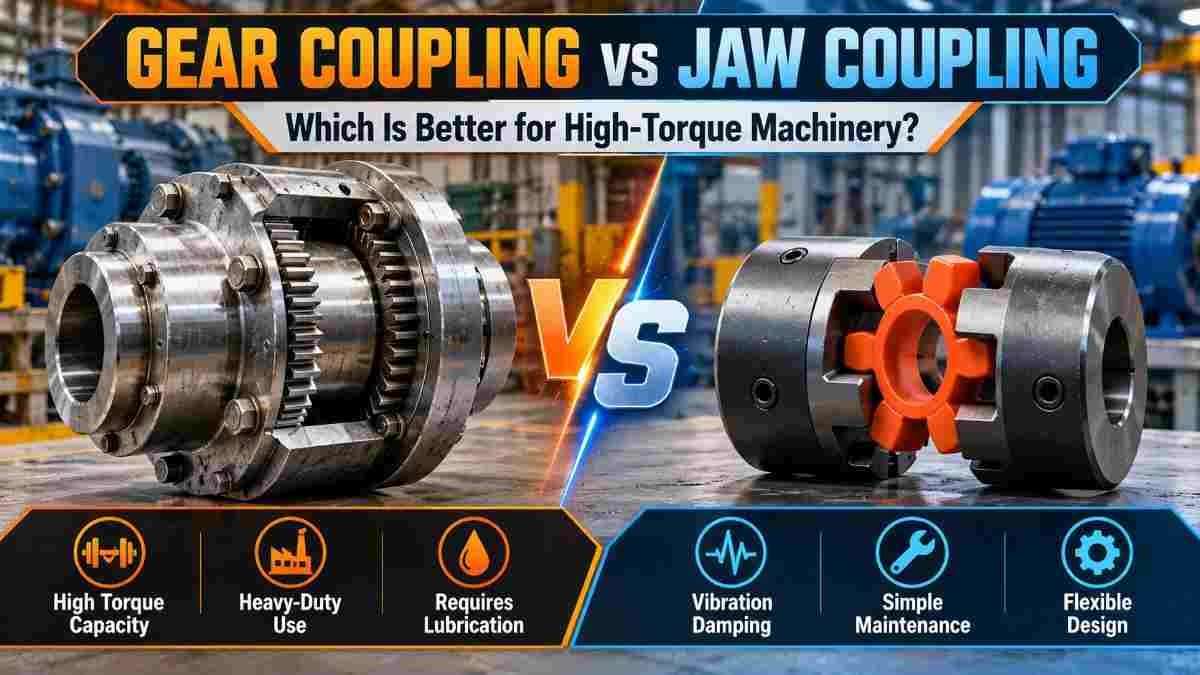
Industrial machinery depends on reliable...
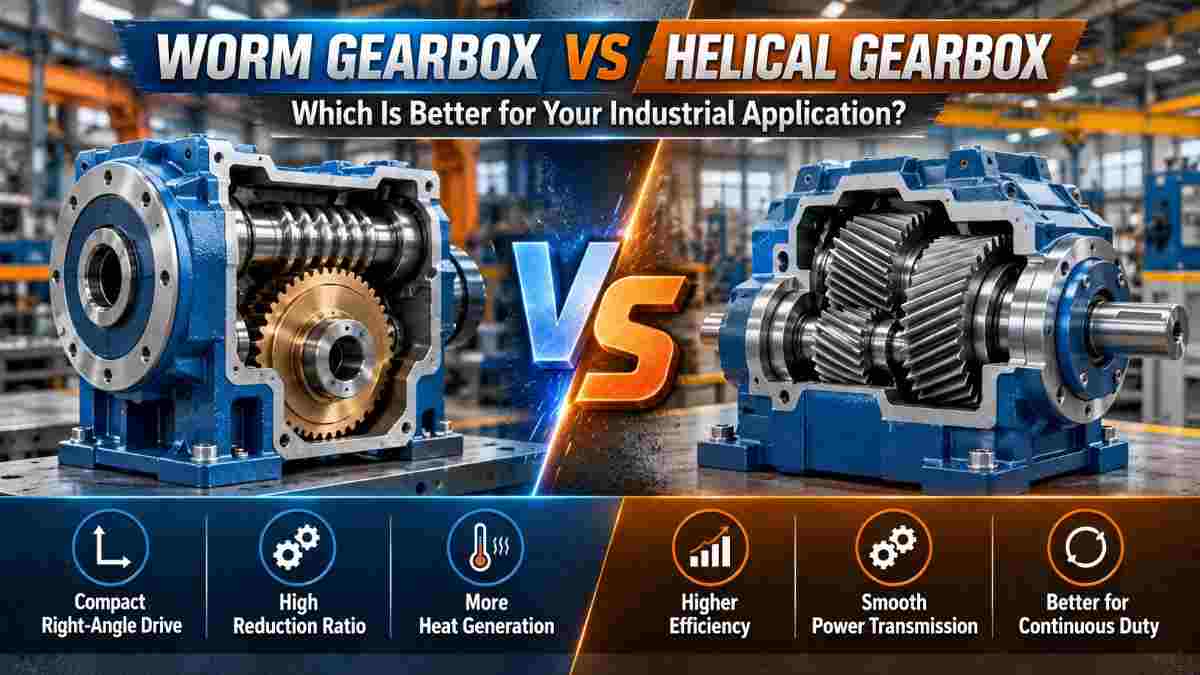
Choosing between a worm gearbox and a he...
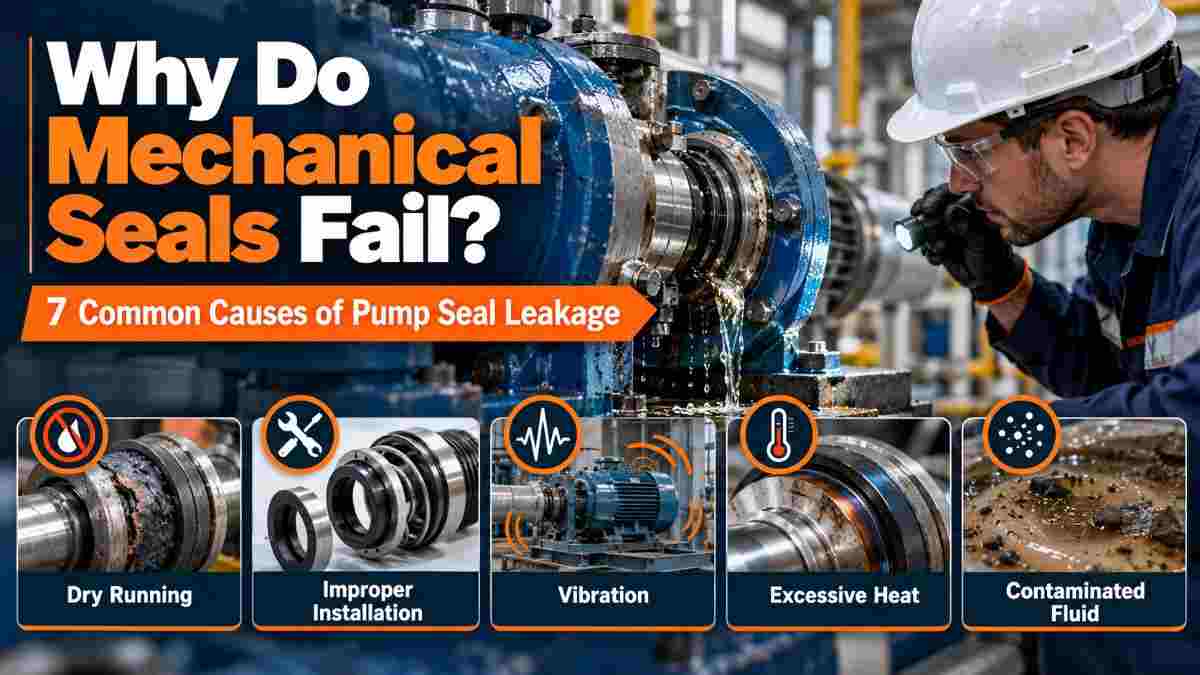
Mechanical seals are essential component...
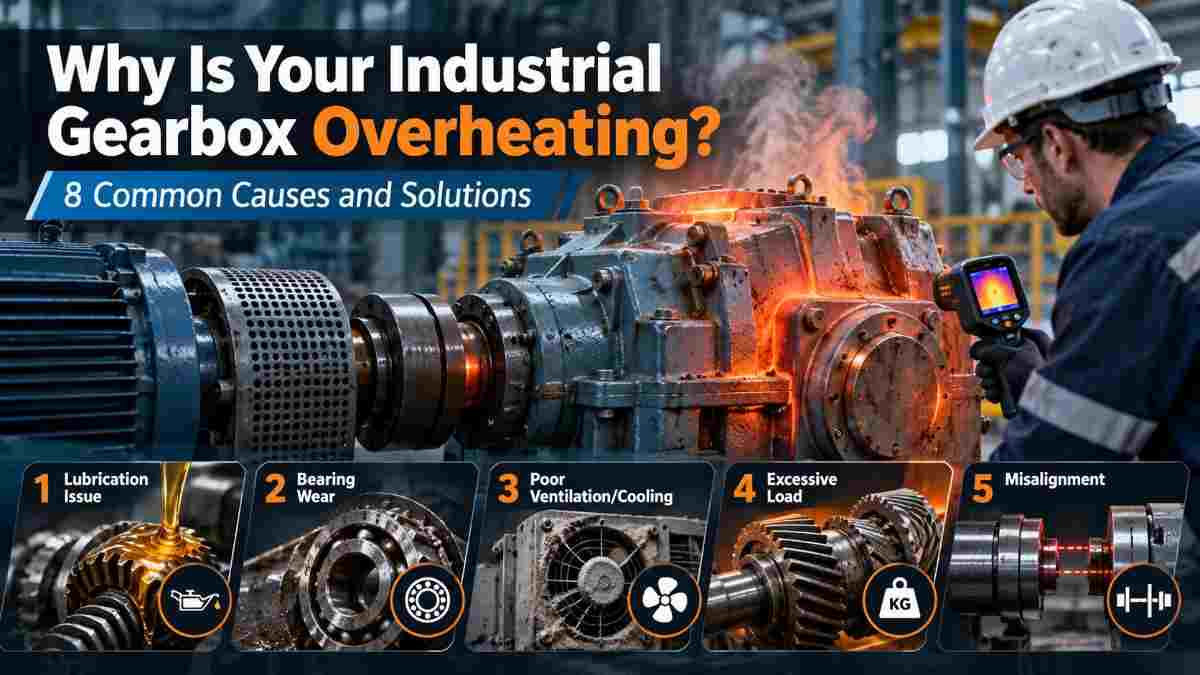
An industrial gearbox naturally generate...
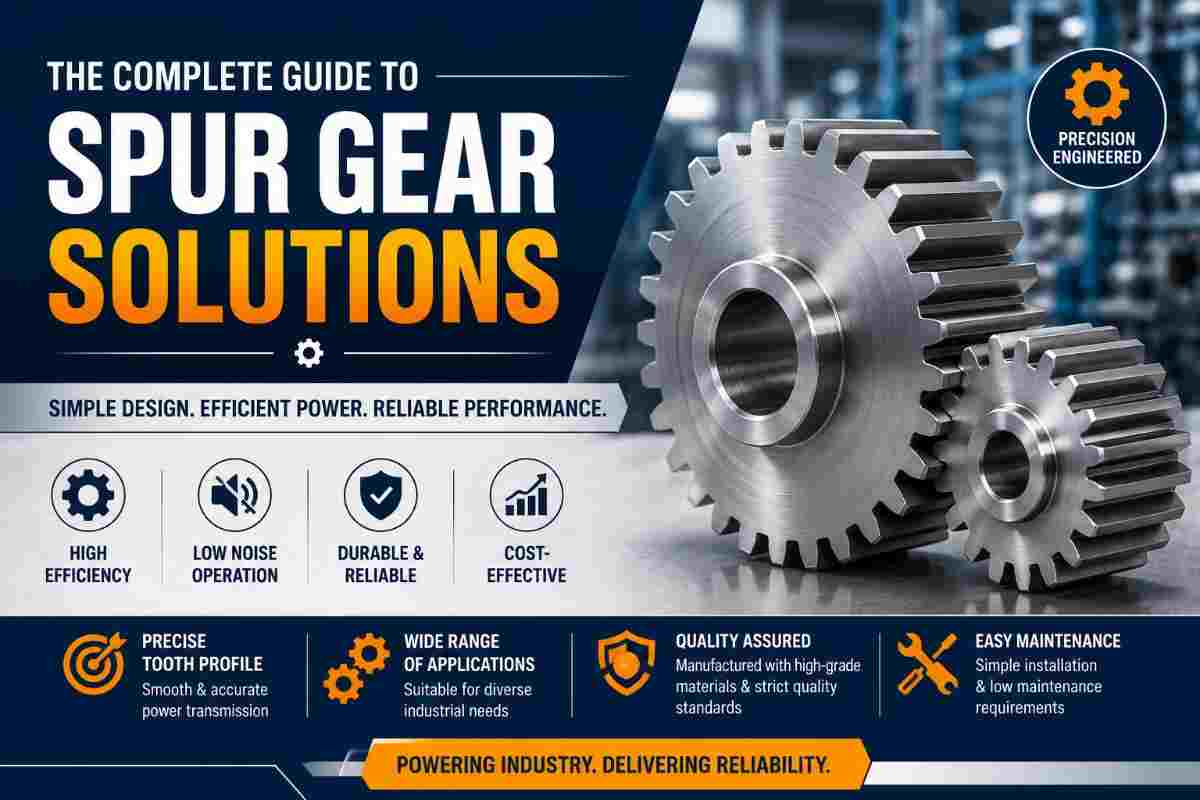
A spur gear is a mechanical gear with st...
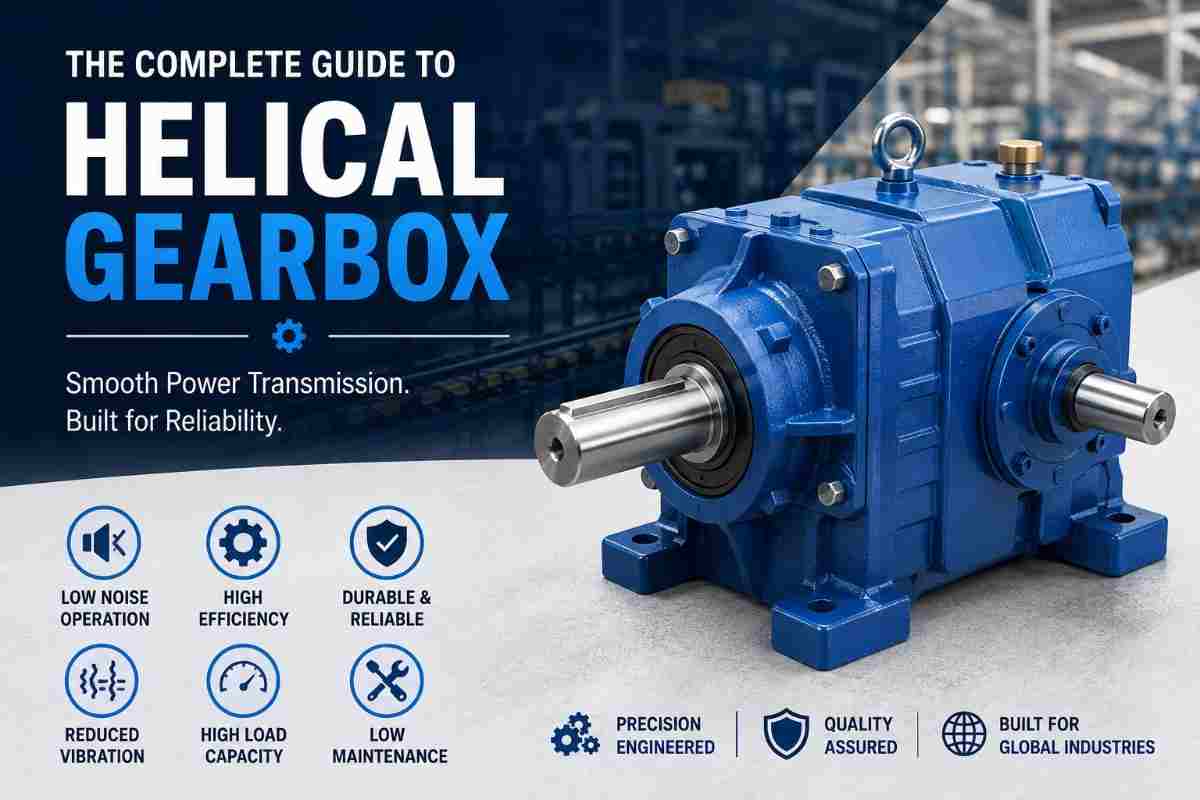
A helical gearbox is a mechanical power ...
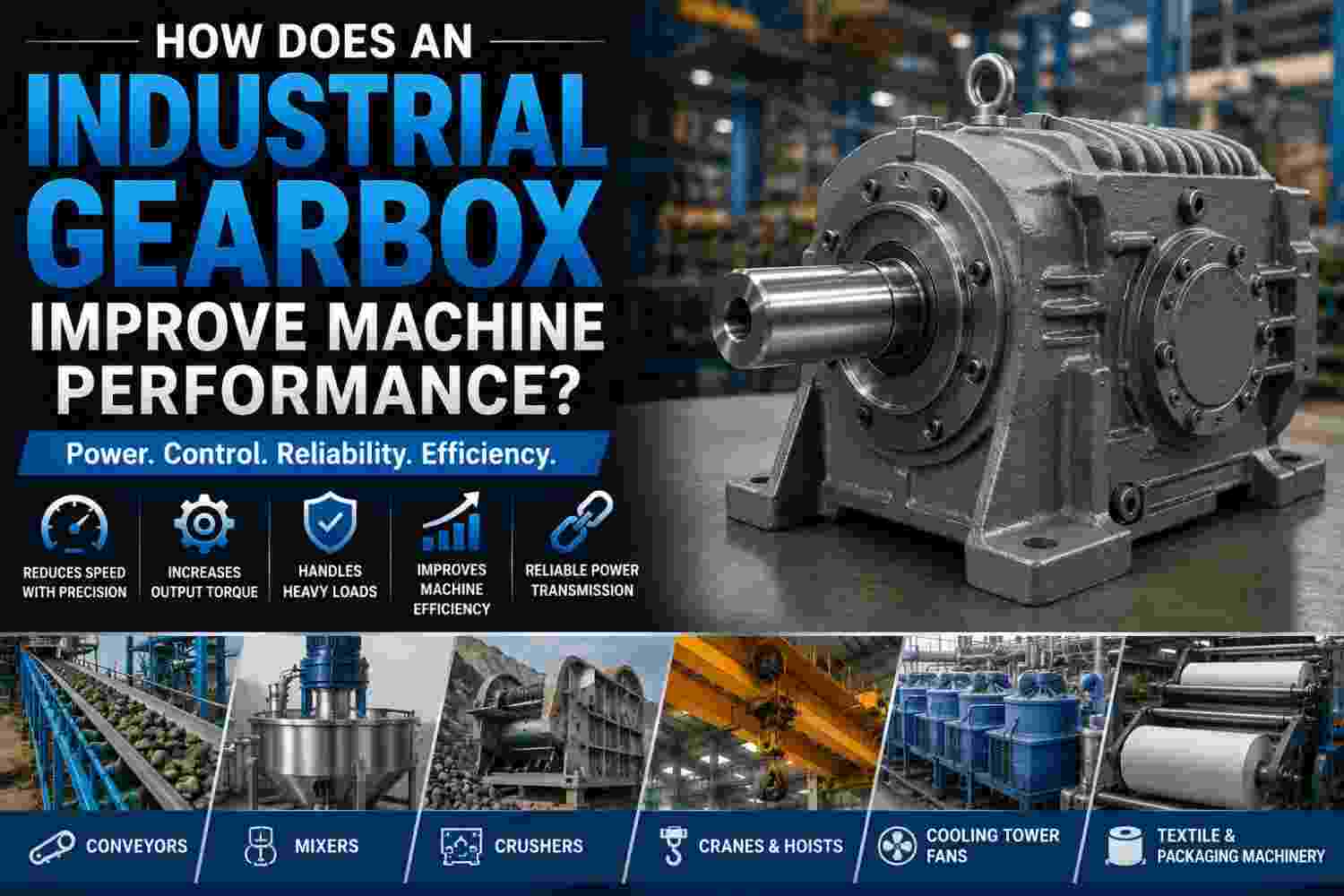
An industrial gearbox improves machine p...
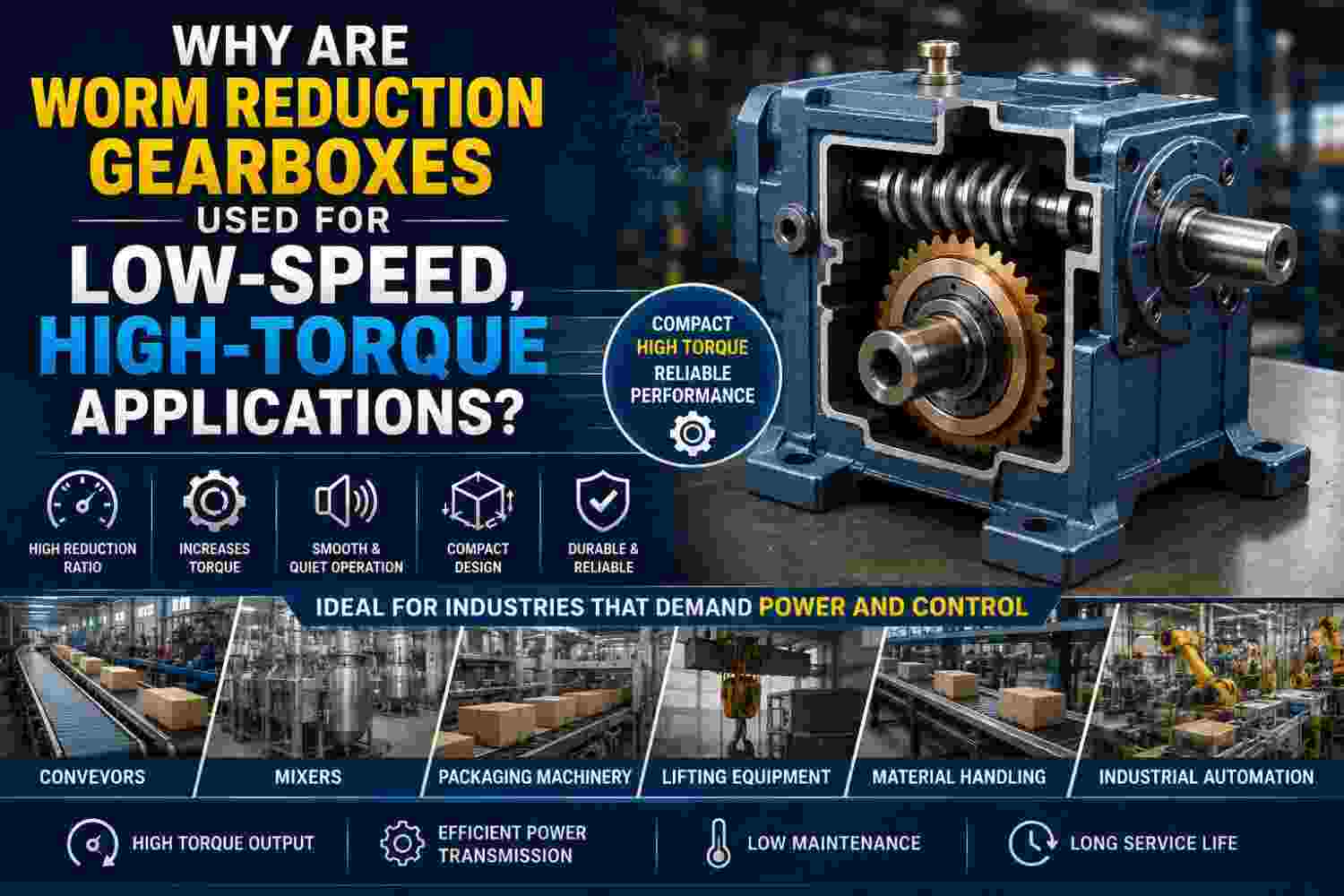
Worm reduction gearboxes are used for lo...
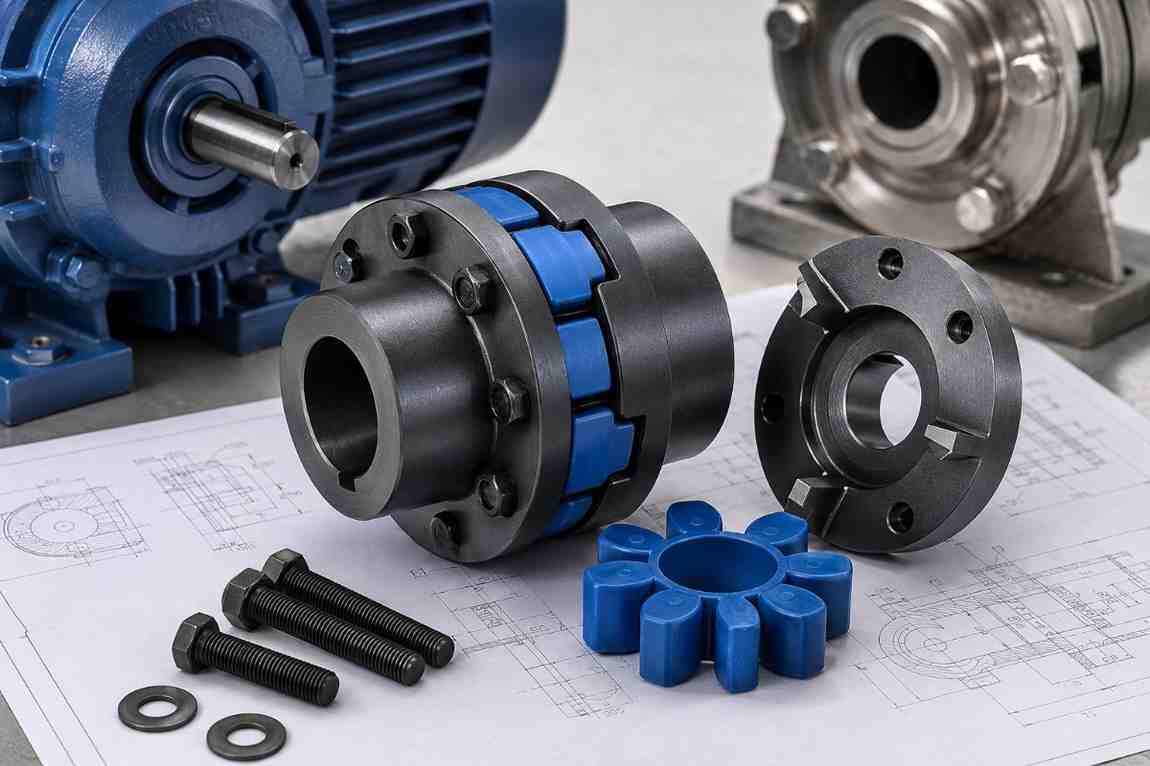
Selecting the correct N-Eupex coupling i...
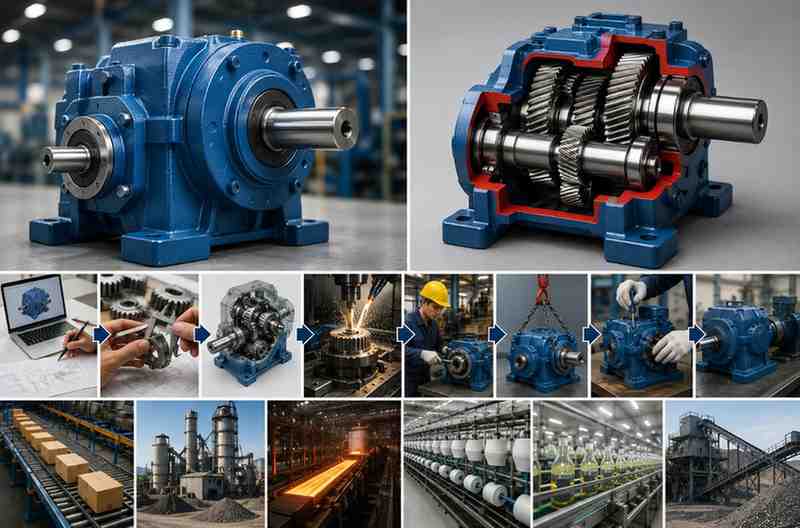
Choosing the right helical gearbox is on...
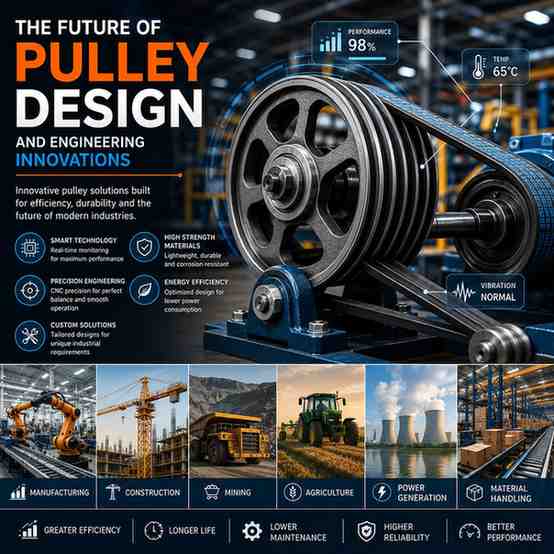
For centuries, pulleys have been one of ...
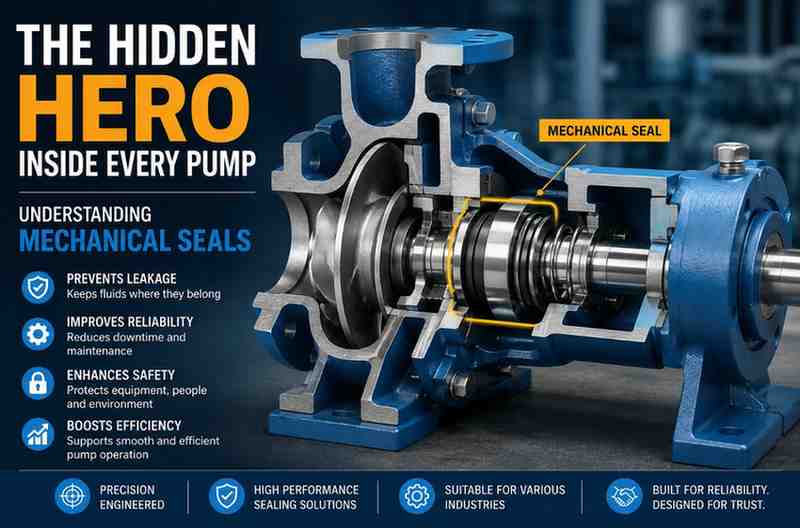
When people think about industrial pumps...
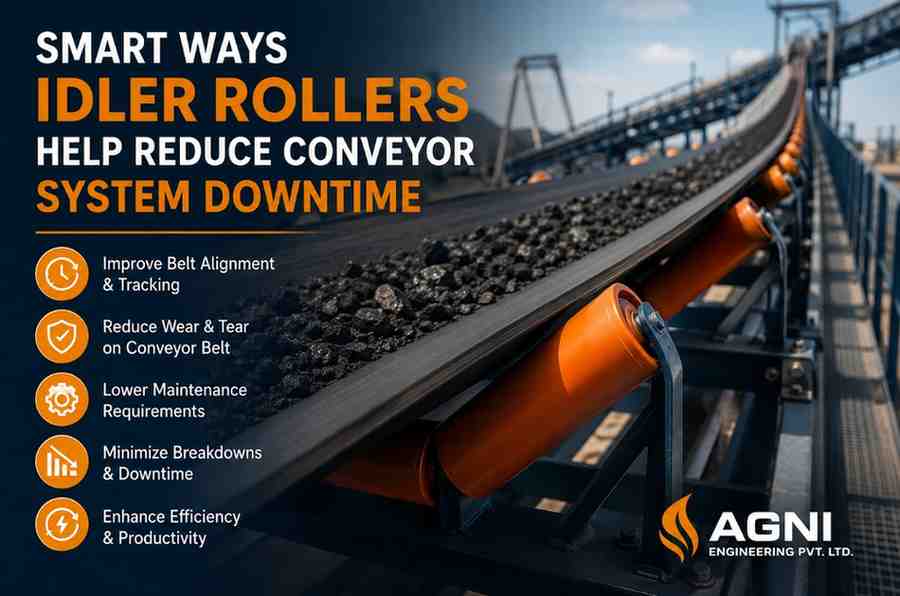
In industries where material handling is...
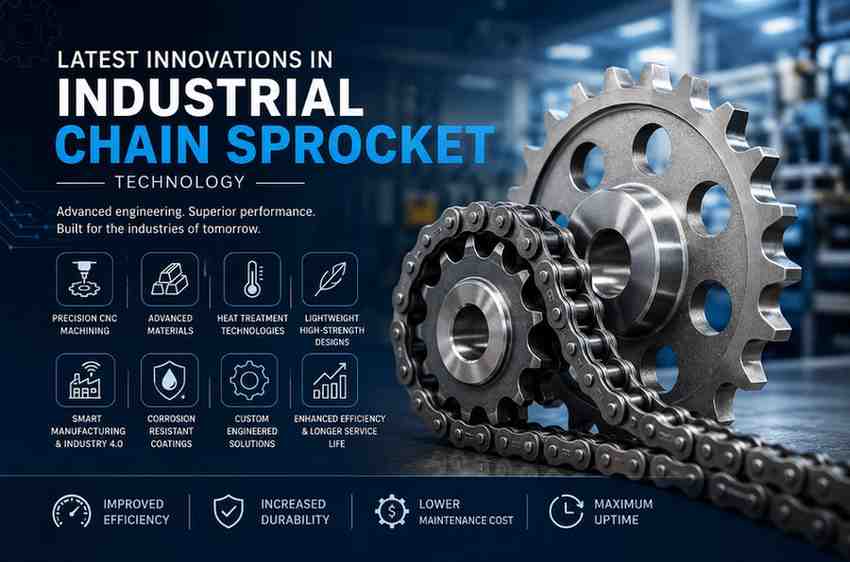
In today’s fast-moving industrial envi...
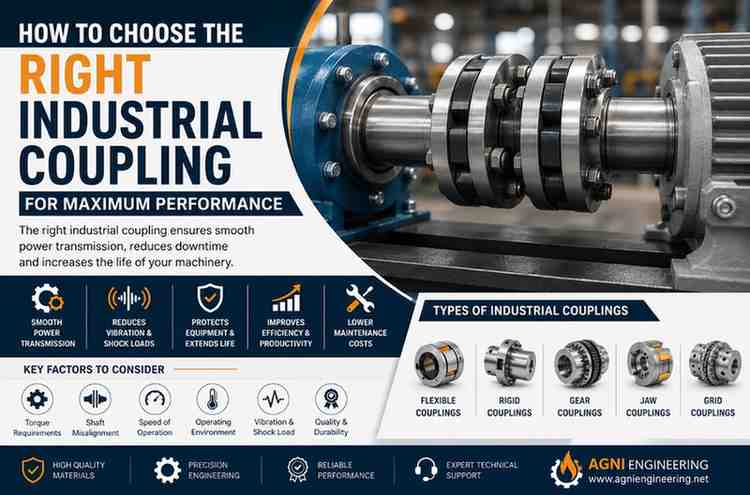
In any industrial setup, even the smalle...
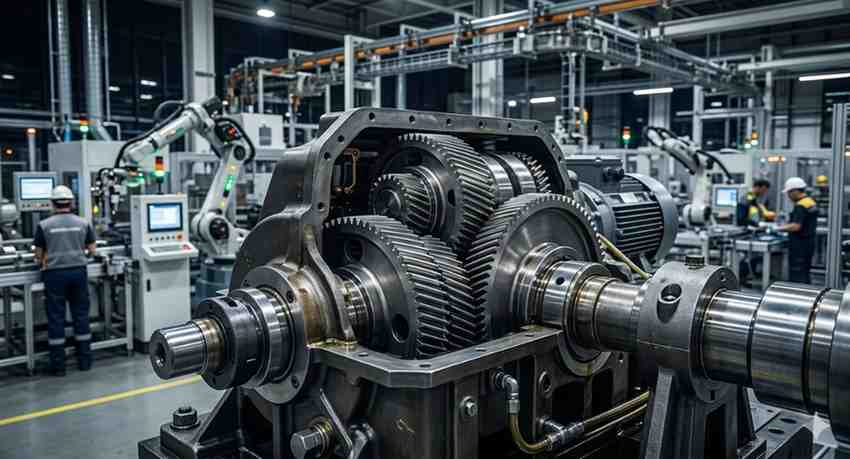
Industrial operations today are becoming...
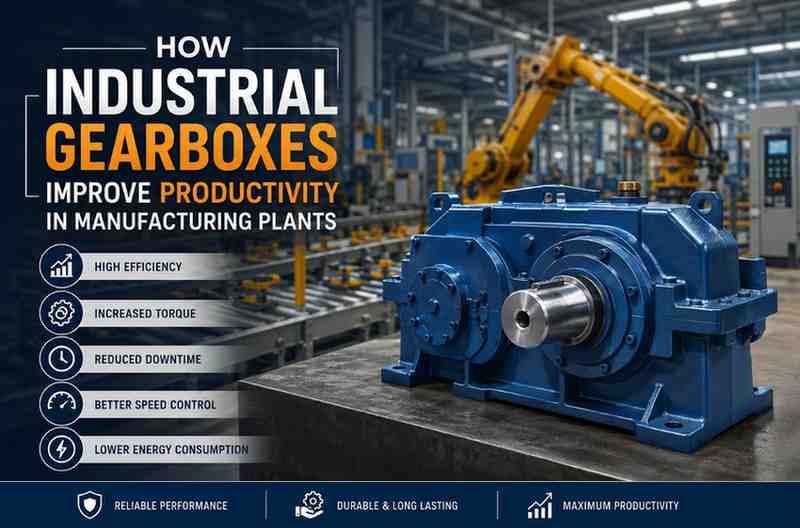
In modern manufacturing plants, efficien...
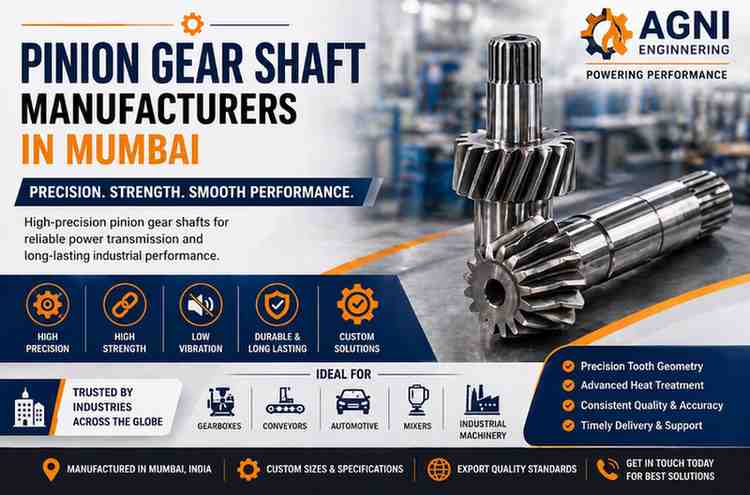
In industrial machinery, every movement ...
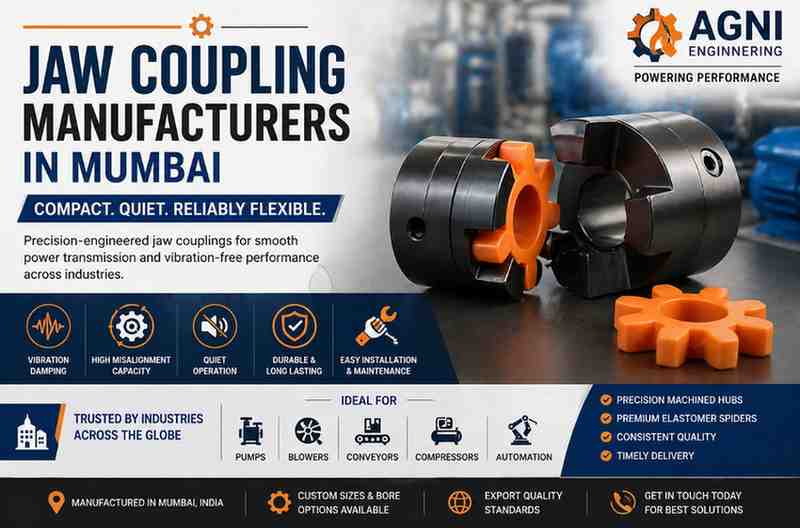
In modern industrial machinery, smooth p...
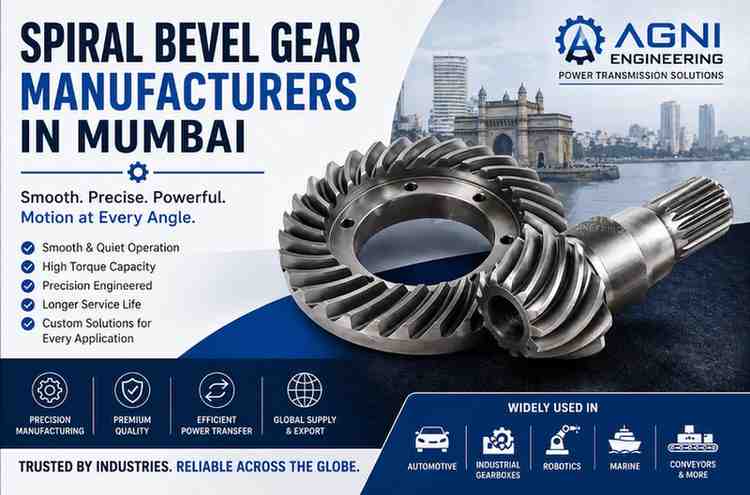
In modern industries, machines rarely wo...
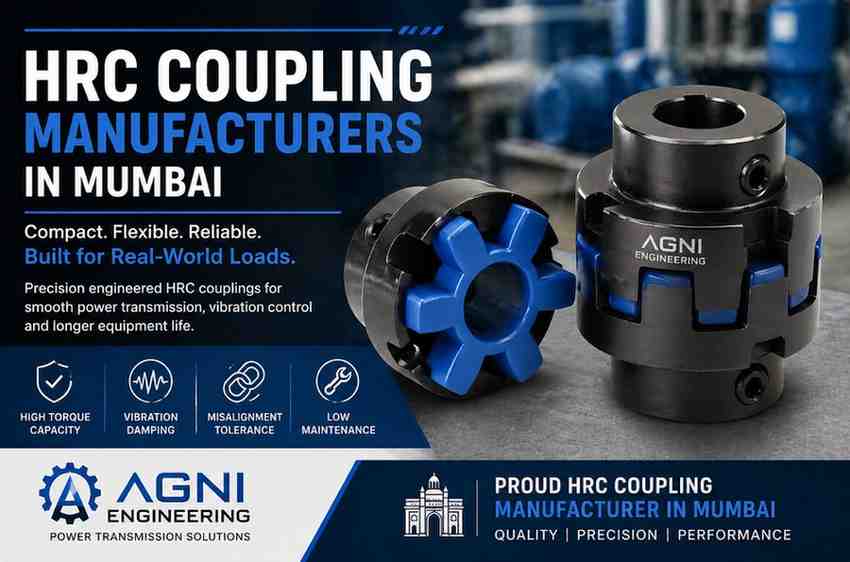
In industrial machinery, smooth power tr...

Machines depend on smooth and steady mot...

In any industrial system, smooth power t...

In many industrial machines, smooth moti...
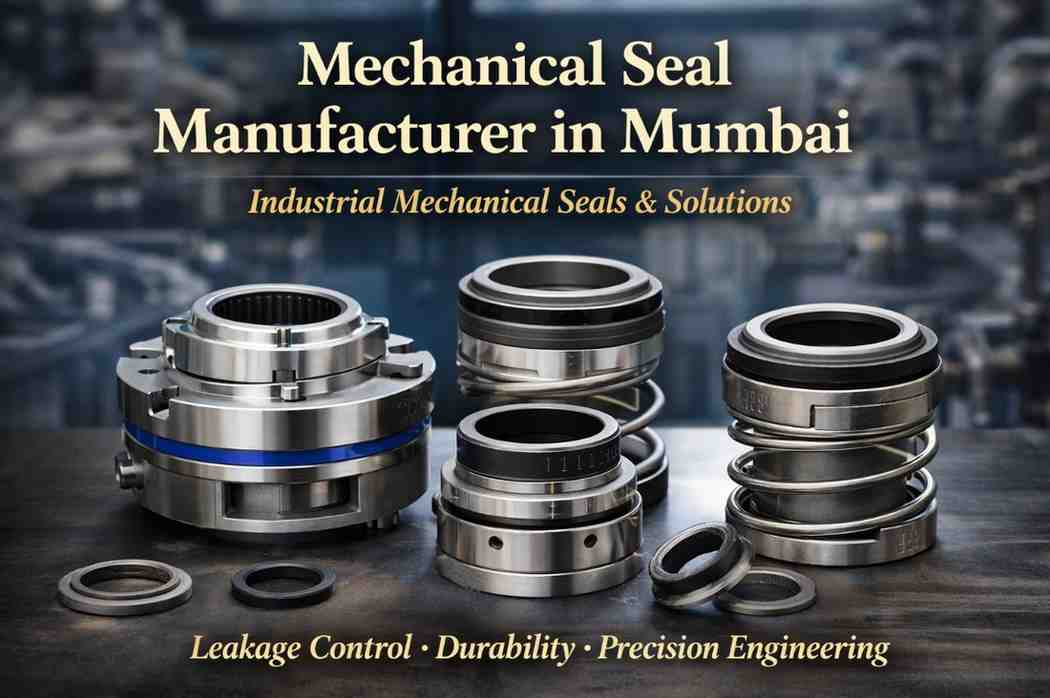
Industrial machines operate under pressu...
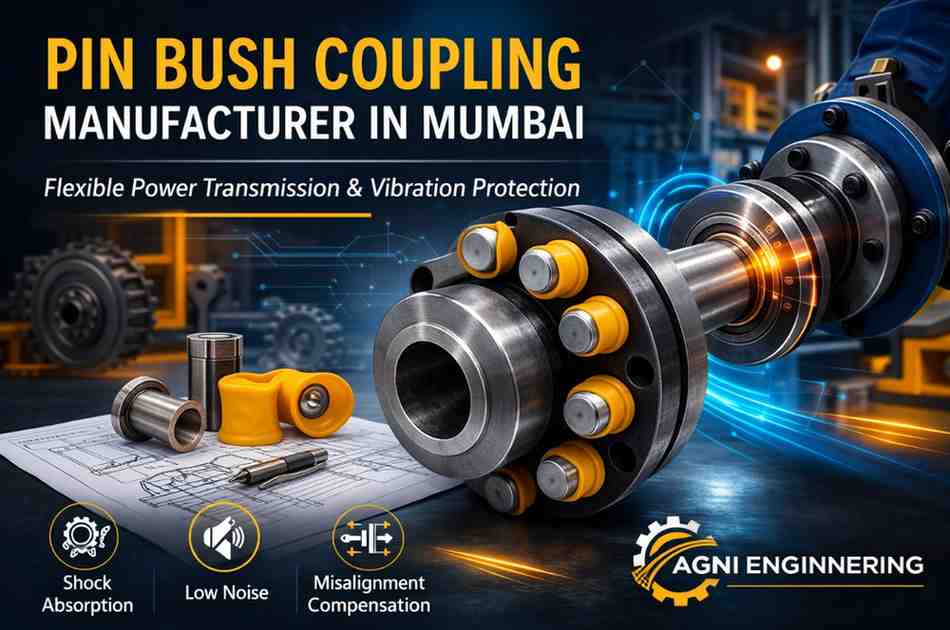
In many industrial machines, vibration, ...
In every conveyor system, rollers play a...
In modern machines, power does not alway...
Some mechanical components earn their re...
Power transmission begins with a single,...
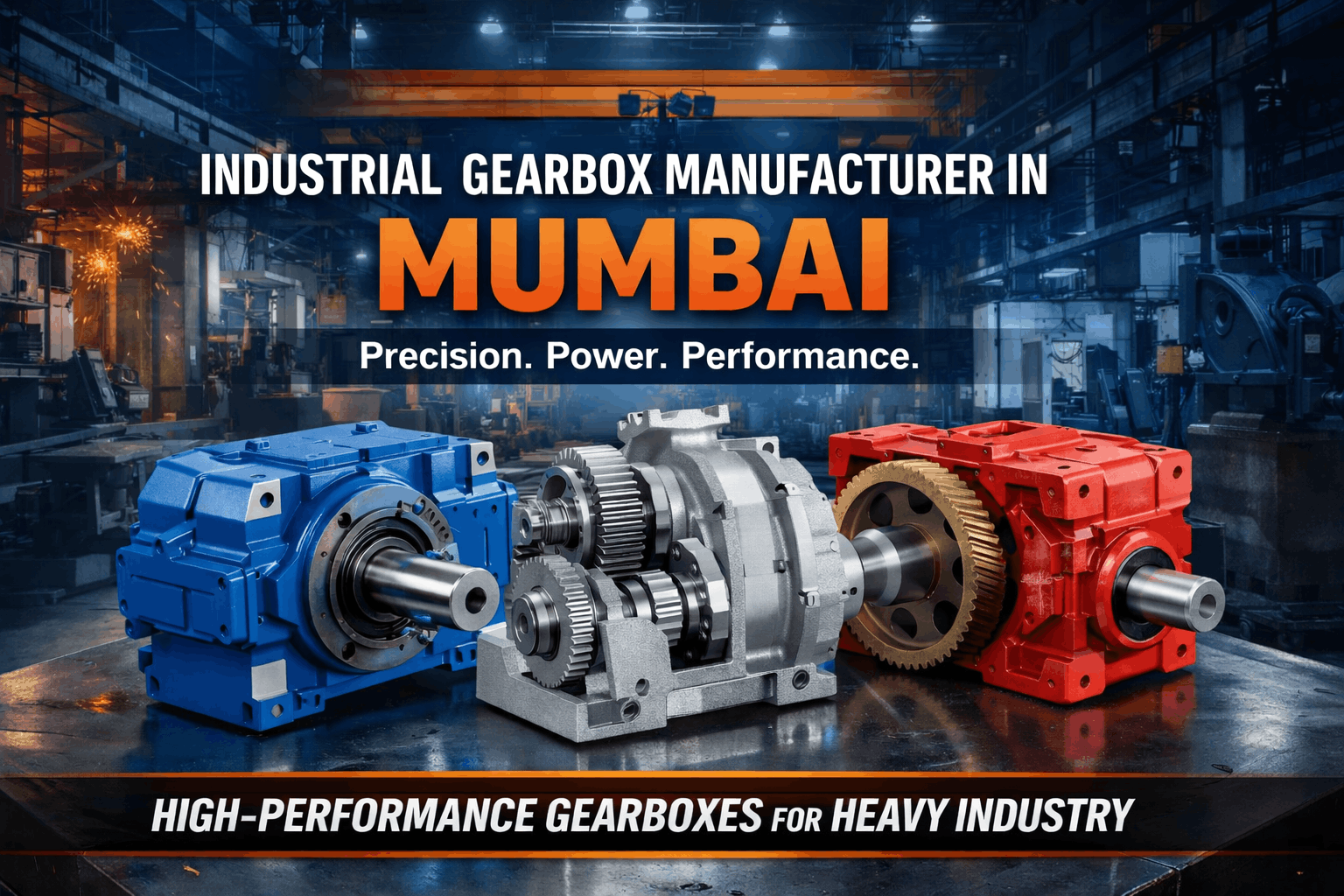
Behind every smooth-running industrial m...

In heavy-duty mechanical systems, power ...

In mechanical systems, reliability often...

In industrial environments where machine...
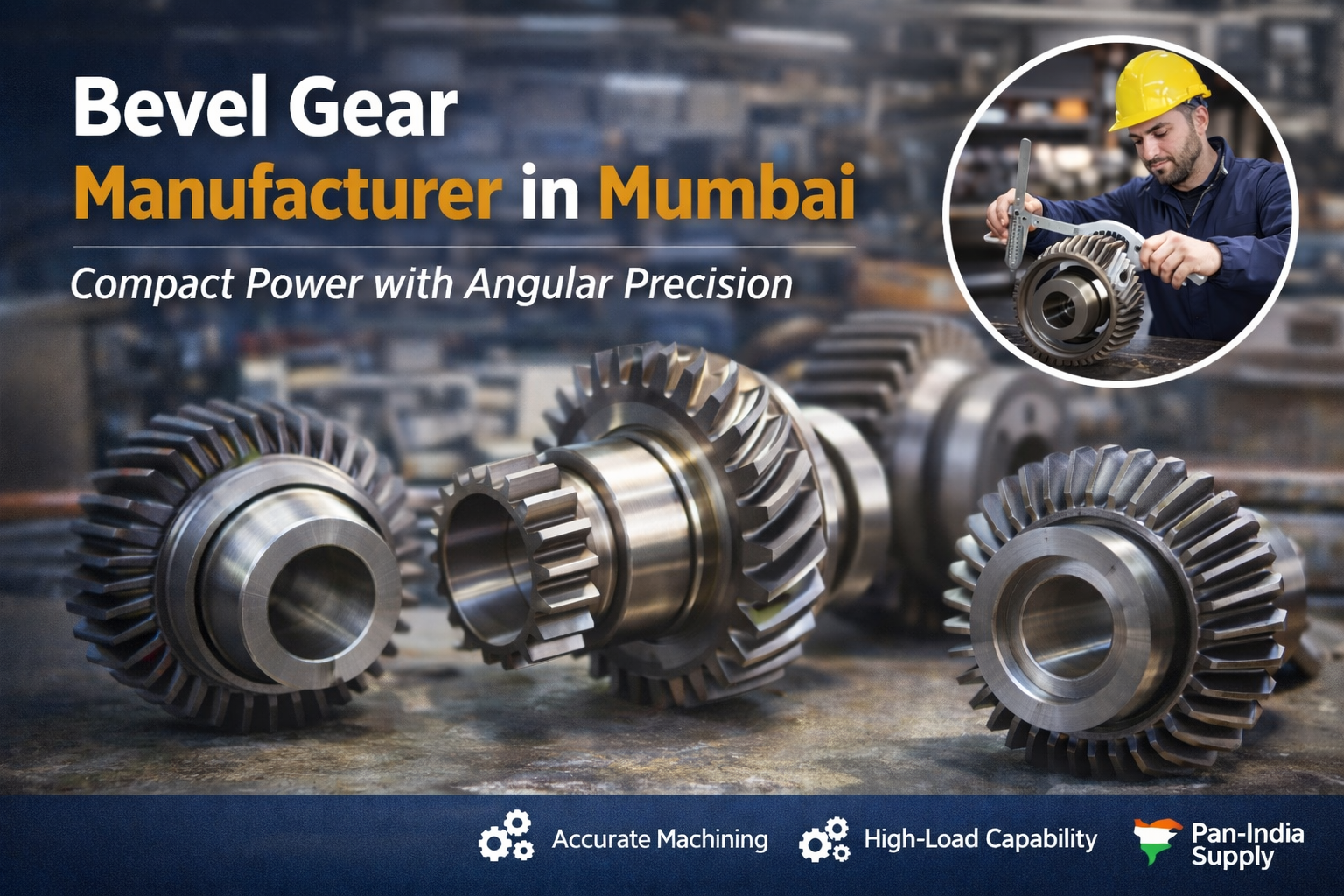
Machines that rely on angular power tran...
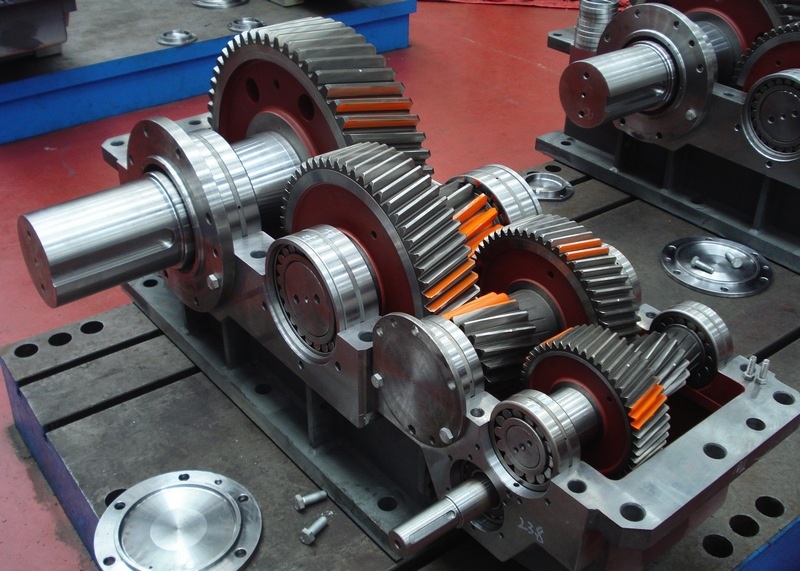
Modern industries run on reliability. Wh...
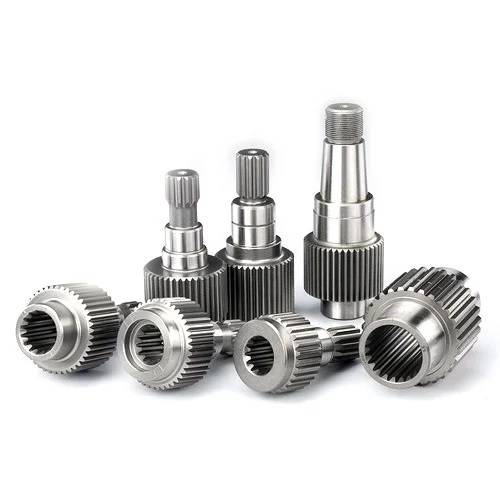
The Pinion Gear Shaft Manufacturers in M...
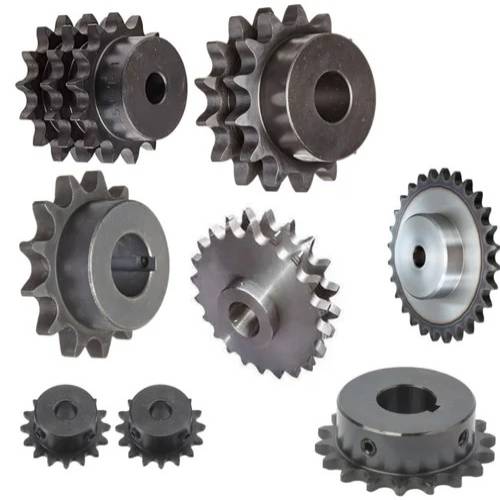
...
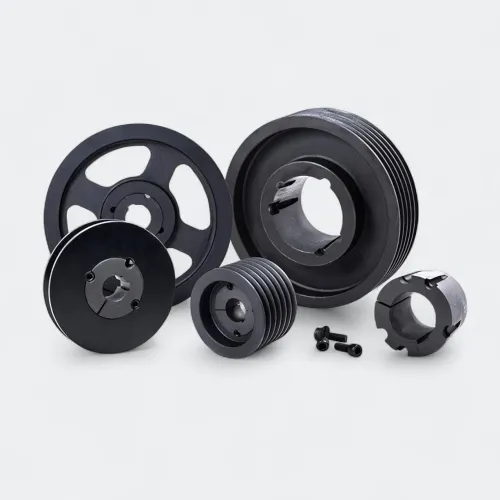
When machines need dependable power, smo...
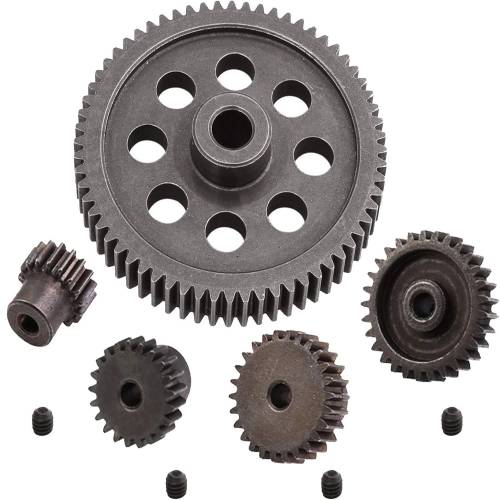
The Spur Gear Manufacturers in Mumbai ar...
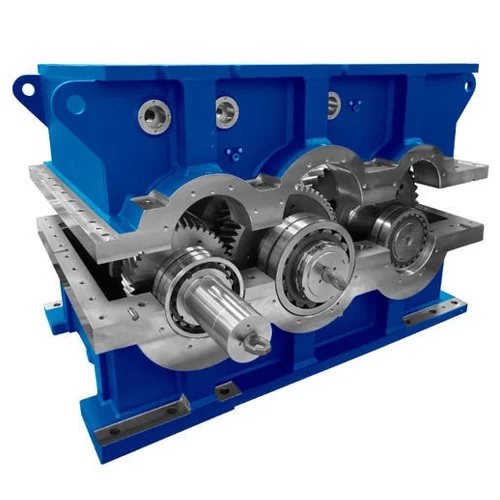
The Gearbox Manufacturers in Mumbai play...
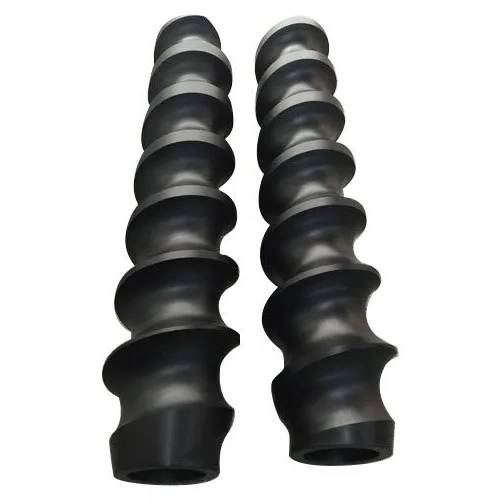
When precision meets performance, indust...
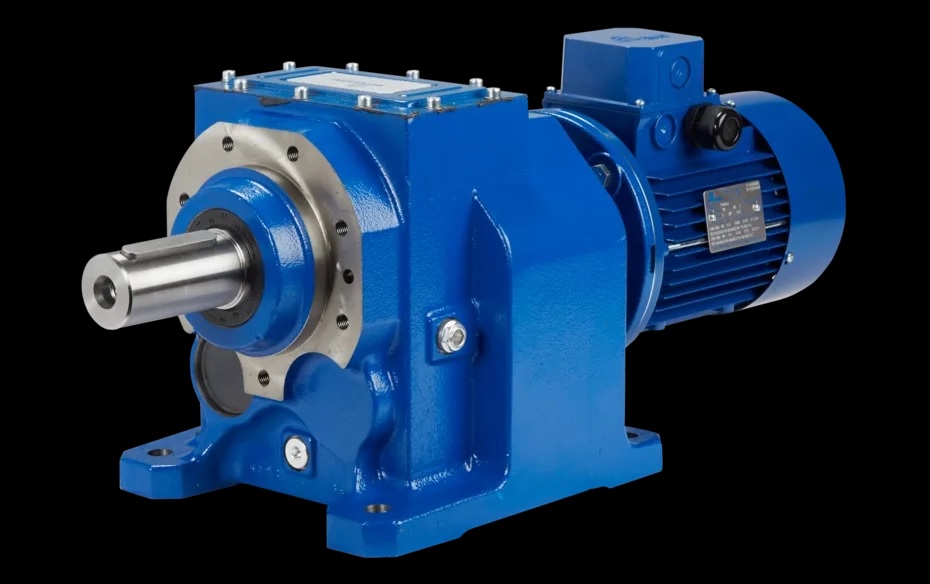
In the modern industrial world, precisio...
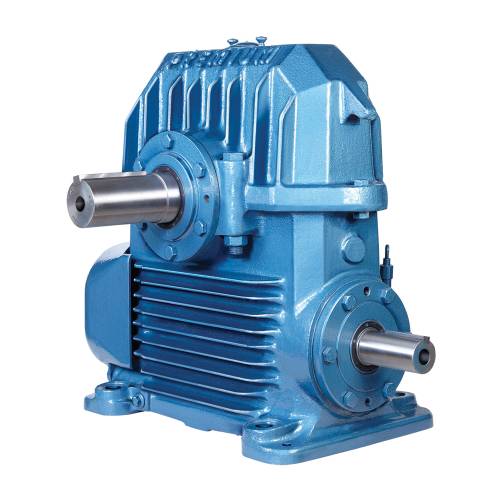
In today’s fast-paced industrial world...
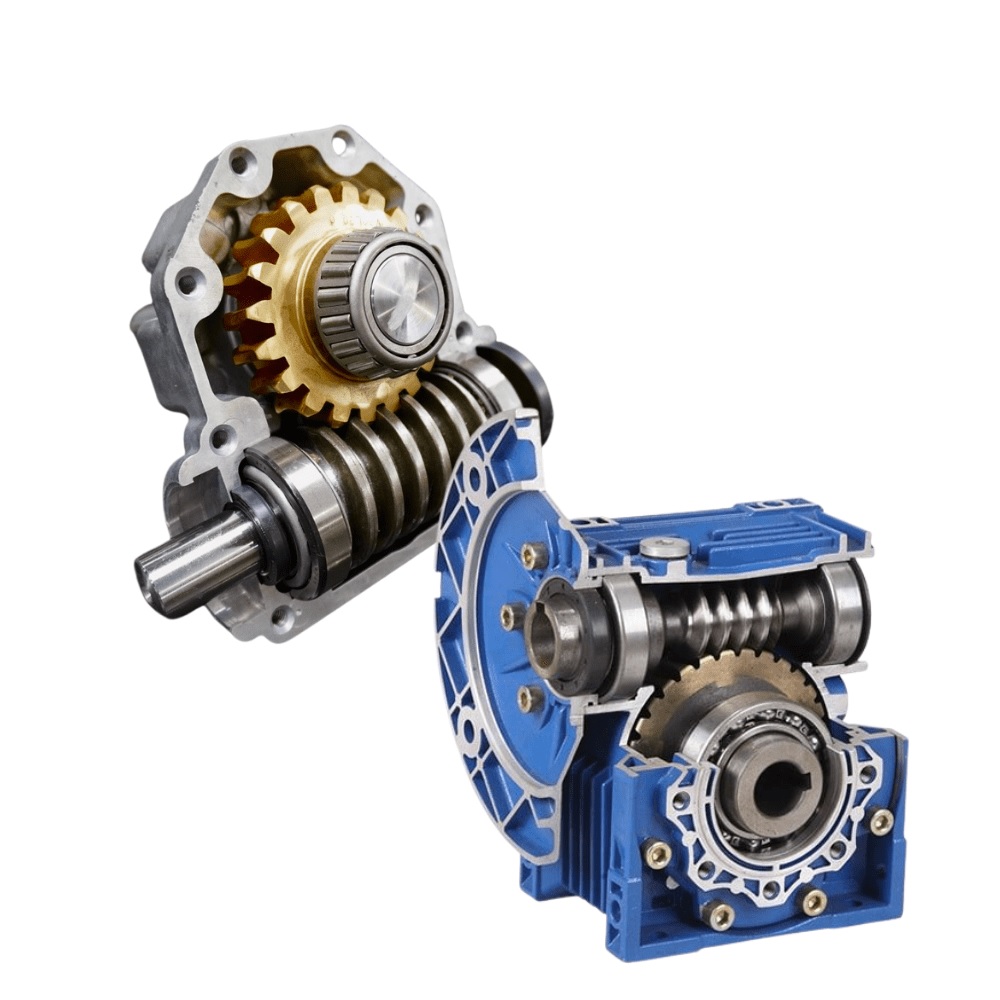
When it comes to advanced power transmis...
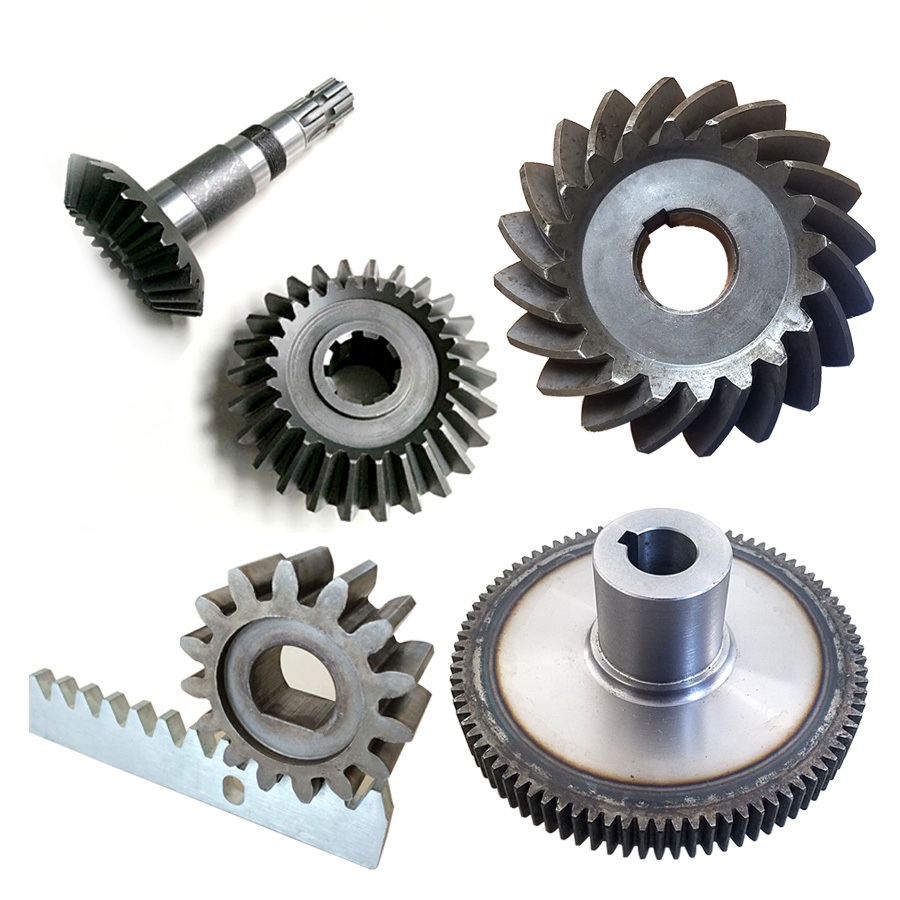
In the world of modern engineering, Indu...
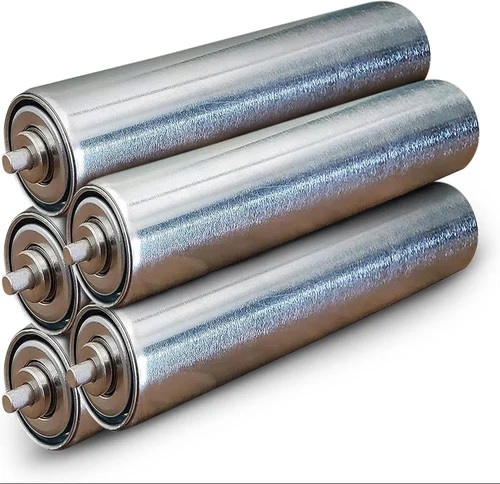
In the world of material handling and co...
