
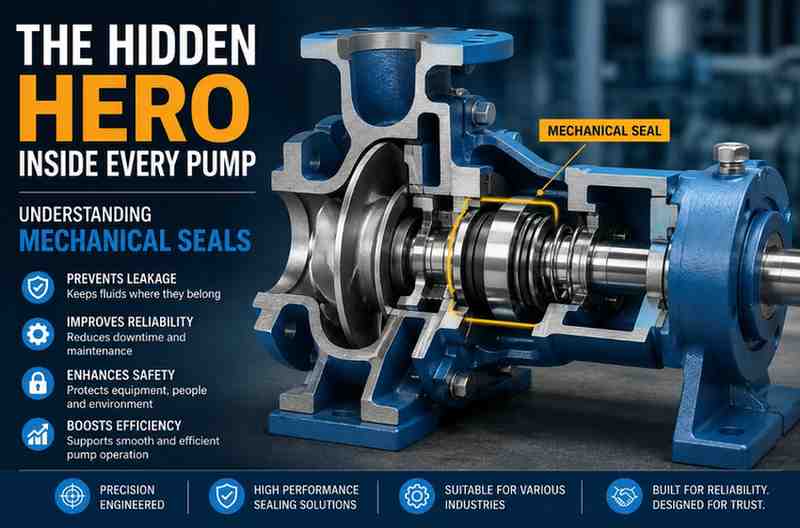
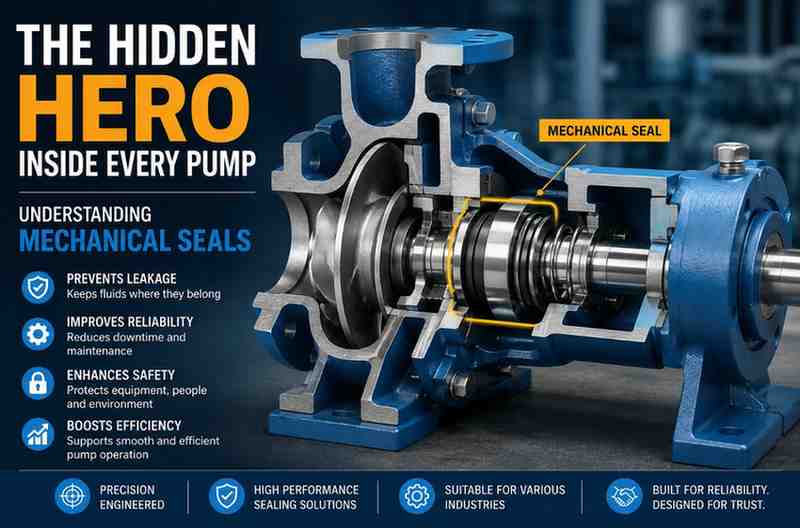
When people think about industrial pumps, they often focus on motors, impellers, or flow rates. Yet one small component plays a critical role in ensuring smooth, efficient, and leak-free operation—the mechanical seal.
Often referred to as the "hidden hero" inside every pump, a mechanical seal prevents fluid leakage, protects equipment from damage, improves workplace safety, and significantly reduces maintenance costs. Without a reliable mechanical seal, even the most advanced pumping system can experience performance issues, costly downtime, and environmental risks.
In this guide, we'll explore what mechanical seals are, how they work, why they matter, and how choosing the right solution from AgniEngineering Pvt. Ltd can improve the reliability and efficiency of your industrial operations.
A mechanical seal is a precision-engineered device installed between the rotating shaft and the stationary housing of a pump, mixer, compressor, or other rotating equipment.
Its primary function is simple yet essential:
To prevent process fluid from leaking while allowing the shaft to rotate freely.
Mechanical seals have largely replaced traditional packing systems because they provide superior sealing performance, lower maintenance requirements, and increased operational efficiency.
Mechanical seals are often overlooked because they are not visible during normal operation. However, their impact on equipment performance is enormous.
A properly functioning mechanical seal helps:
In many industrial facilities, a seal failure can bring an entire production process to a halt. This makes the mechanical seal one of the most critical components in any pumping system.
Mechanical seals operate using two highly polished sealing faces:
Attached to the rotating shaft and moves with it.
Mounted inside the pump housing and remains fixed.
These faces are pressed together by springs and hydraulic pressure, creating a sealing interface that minimizes leakage.
A microscopic lubricating film exists between the seal faces, allowing smooth operation while maintaining an effective seal.
This precision engineering enables pumps to operate efficiently even under demanding temperature, pressure, and chemical conditions.
Understanding the key components helps explain why mechanical seals are so reliable.
The primary sealing surfaces responsible for leakage control.
Usually O-rings, gaskets, or elastomers that prevent leakage around the seal assembly.
Maintain consistent contact pressure between seal faces.
Provides structural support and alignment.
Protects the pump shaft from wear and corrosion.
Each component plays a vital role in ensuring long-term sealing performance.
Different applications require different sealing solutions.
The most commonly used type in general industrial applications.
Benefits:
Designed for hazardous, toxic, or abrasive fluids.
Benefits:
Pre-assembled units that simplify installation.
Benefits:
Ideal for high-pressure applications.
Benefits:
Handling corrosive and aggressive chemicals.
Ensuring efficient and leak-free pumping systems.
Managing demanding pressure and temperature conditions.
Maintaining contamination-free processes.
Supporting hygienic production standards.
Ensuring continuous operation of critical equipment.
Handling abrasive slurries and process fluids.
Signs Your Mechanical Seal Needs Attention
Any unexpected fluid leakage should be investigated immediately.
Seal wear can contribute to vibration issues.
Grinding or squealing sounds often indicate seal problems.
Overheating may result from inadequate lubrication or improper installation.
A failing seal can negatively impact overall system performance.
Routine inspection and maintenance help identify these issues before they escalate.
Even high-quality seals can fail if operating conditions are not properly managed.
Lack of lubrication causes rapid seal face damage.
Incorrect alignment can significantly shorten seal life.
Foreign particles can scratch and damage seal faces.
Operating beyond design limits increases wear.
Sudden temperature changes can cause cracking or distortion.
Using incorrect materials can result in premature failure.
Proper seal selection and maintenance are essential for avoiding these problems.
Choosing a premium mechanical seal provides long-term advantages.
Reliable seals keep equipment operating efficiently.
Fewer failures mean reduced repair expenses.
Minimized leakage protects workers and facilities.
Efficient sealing reduces energy losses.
Leak prevention helps organizations meet regulatory requirements.
Protecting critical components extends overall machinery lifespan.
Selecting the ideal mechanical seal depends on several factors:
Working with an experienced manufacturer ensures the correct seal design for your specific application.
At AgniEngineering Pvt. Ltd, we understand that every sealing application has unique requirements.
Our mechanical seals are engineered to deliver:
With a strong commitment to quality, precision engineering, and customer satisfaction, we help industries achieve safer and more efficient operations through dependable sealing technology.
Mechanical seals may be hidden from view, but their contribution to industrial performance is impossible to ignore. They protect equipment, prevent leaks, improve safety, reduce maintenance costs, and ensure uninterrupted production.
Whether you operate in chemical processing, water treatment, oil and gas, pharmaceuticals, or manufacturing, investing in the right mechanical seal can significantly improve operational efficiency and equipment reliability.
As the hidden hero inside every pump, a high-quality mechanical seal is not just a component—it's a critical investment in productivity, safety, and long-term performance.
For reliable and high-performance mechanical sealing solutions, trust AgniEngineering Pvt. Ltd to deliver engineering excellence that keeps your operations running smoothly.
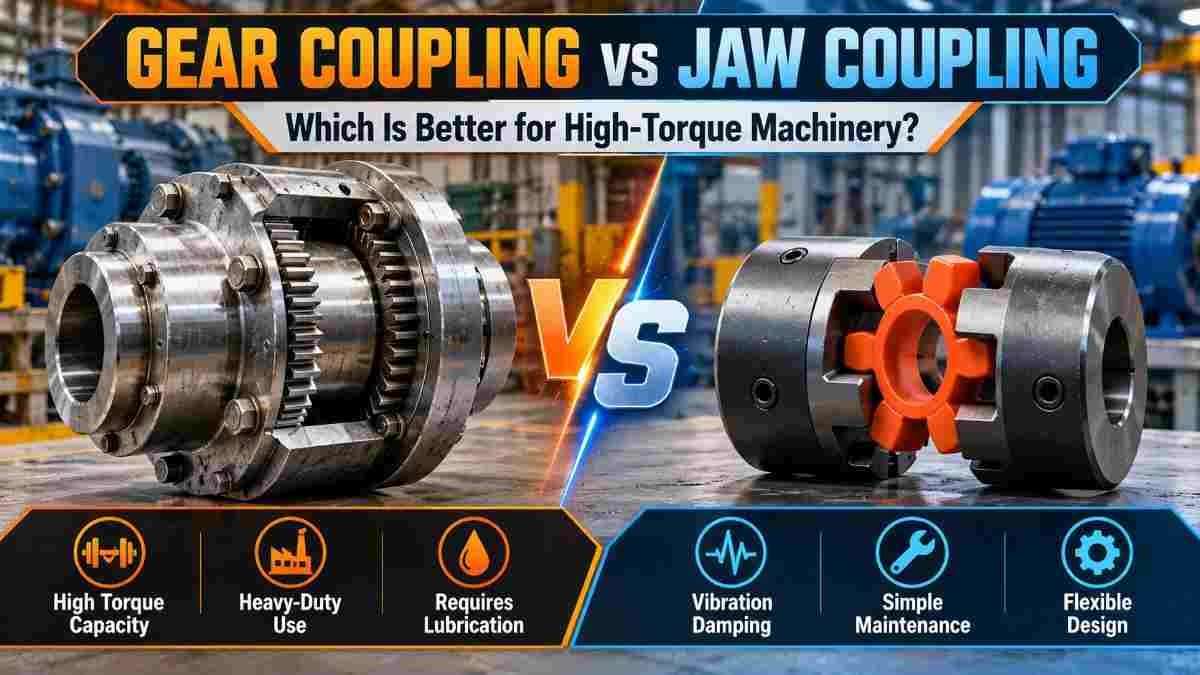
Industrial machinery depends on reliable...
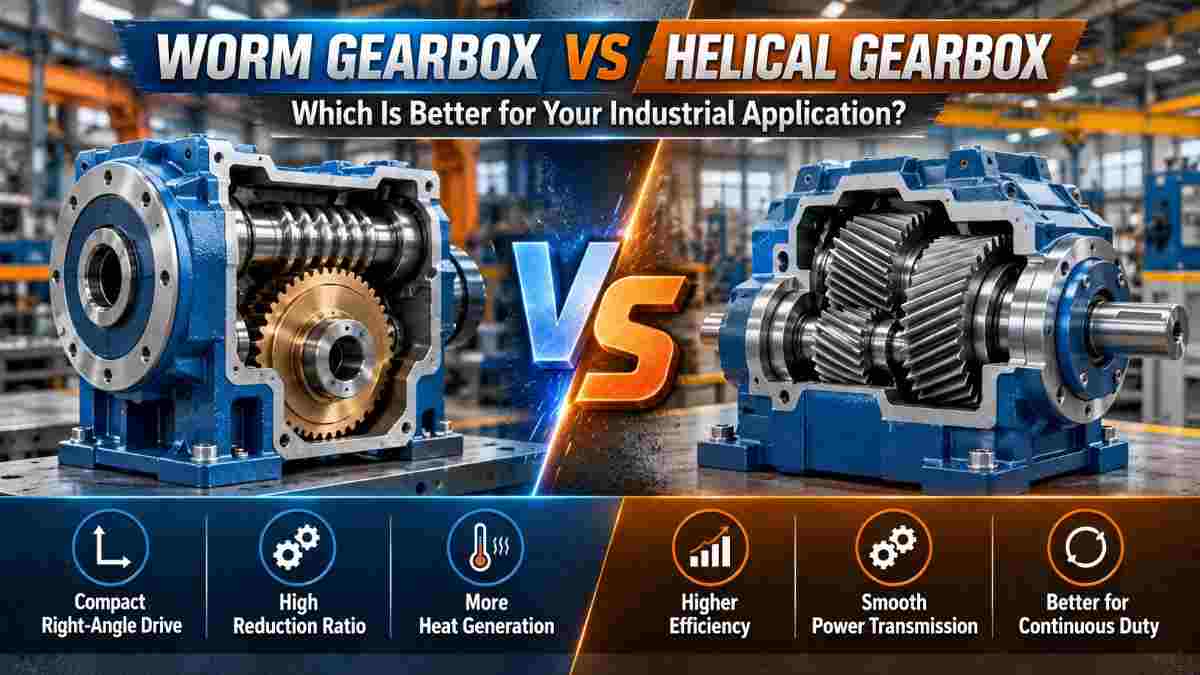
Choosing between a worm gearbox and a he...
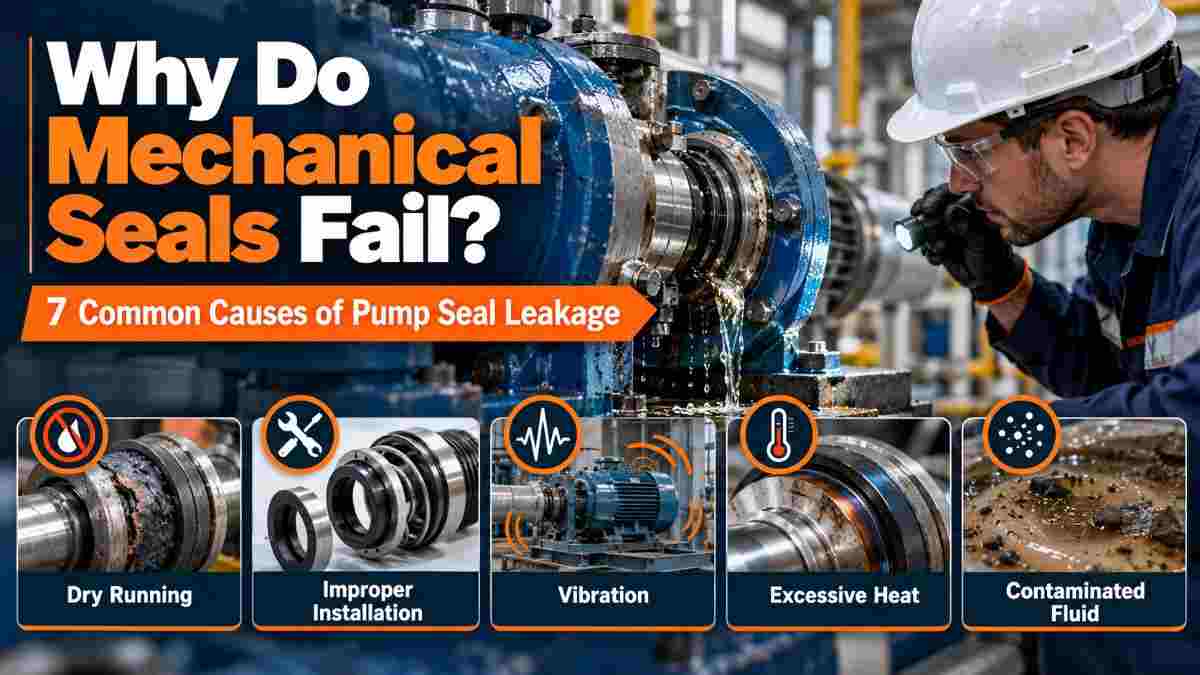
Mechanical seals are essential component...
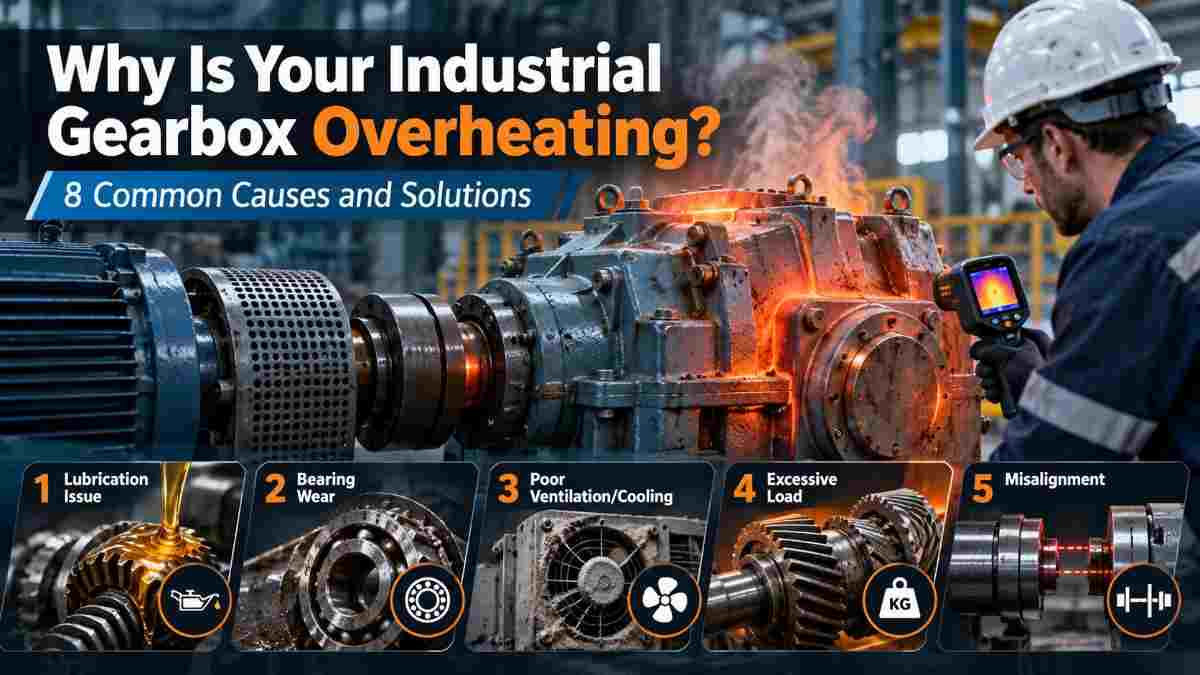
An industrial gearbox naturally generate...
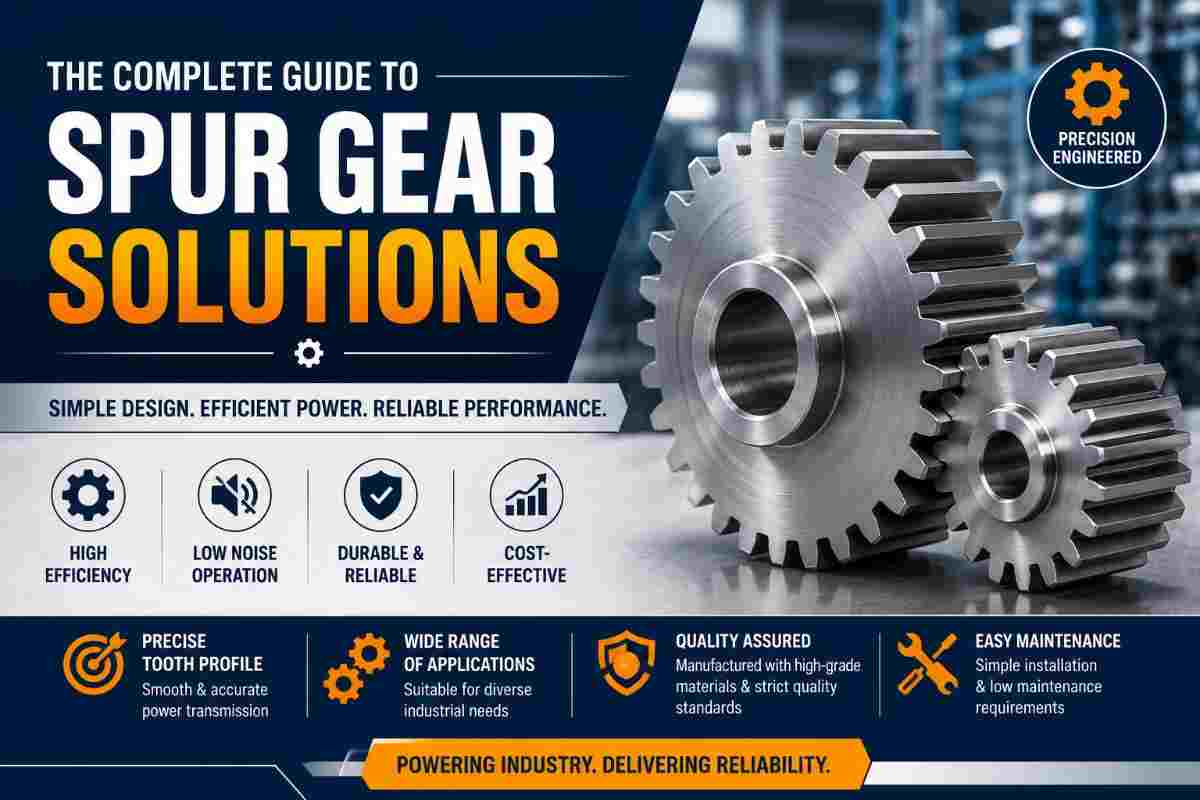
A spur gear is a mechanical gear with st...
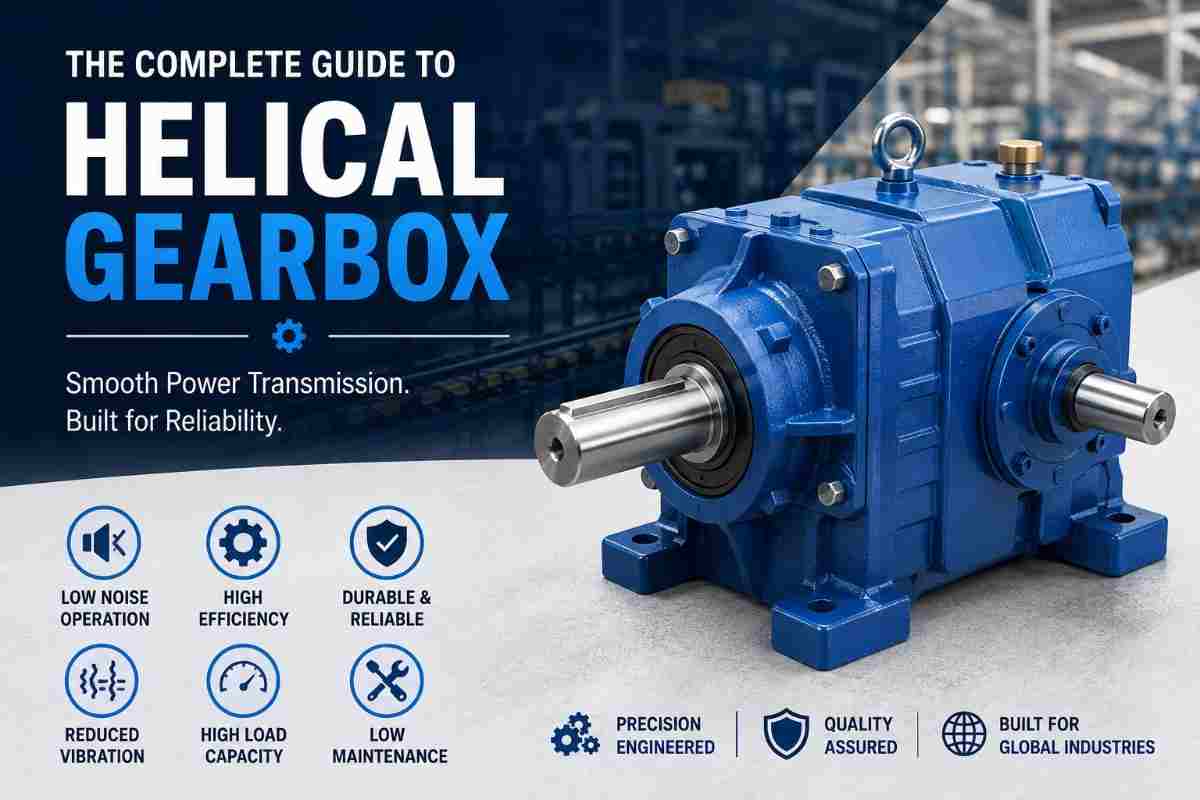
A helical gearbox is a mechanical power ...
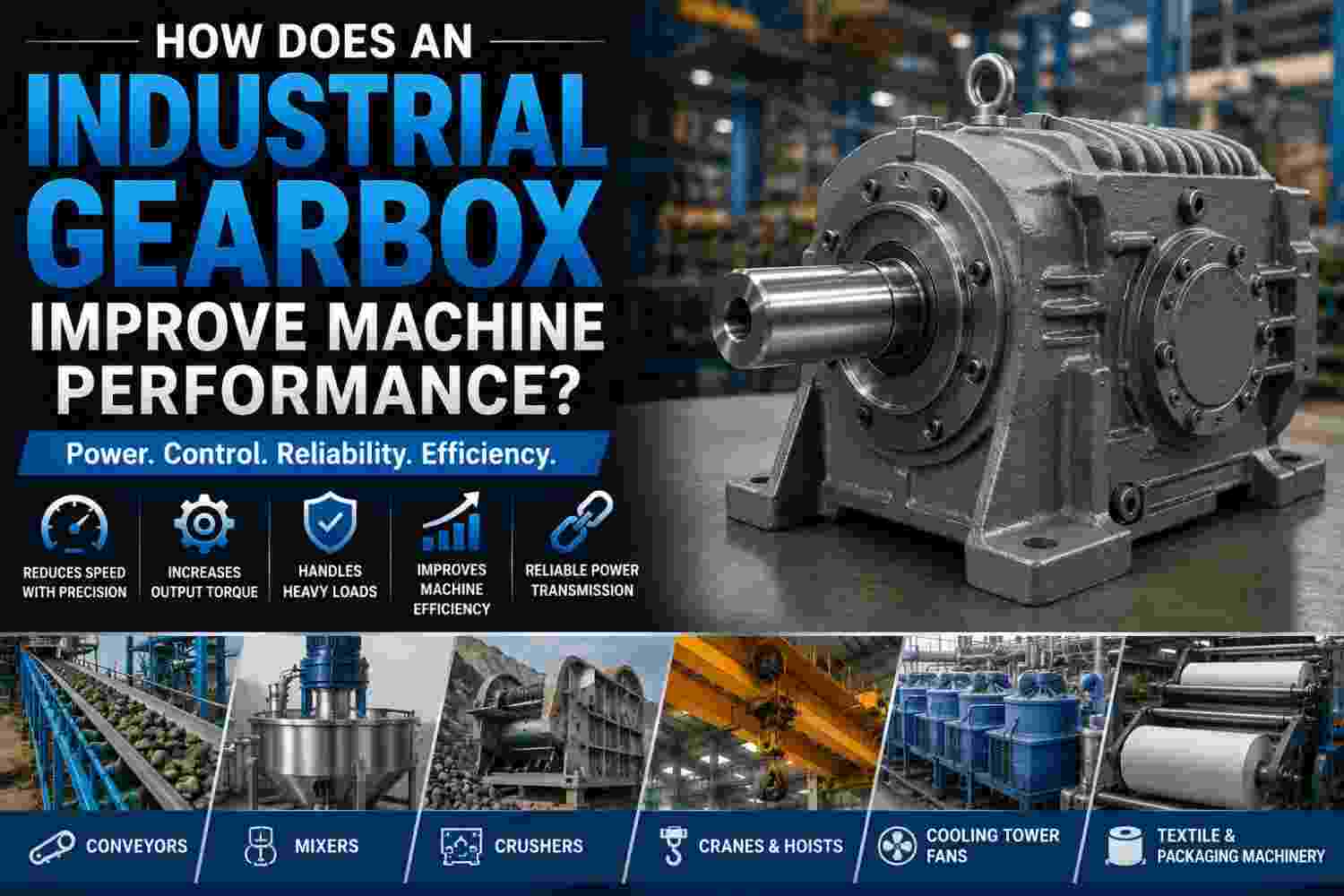
An industrial gearbox improves machine p...
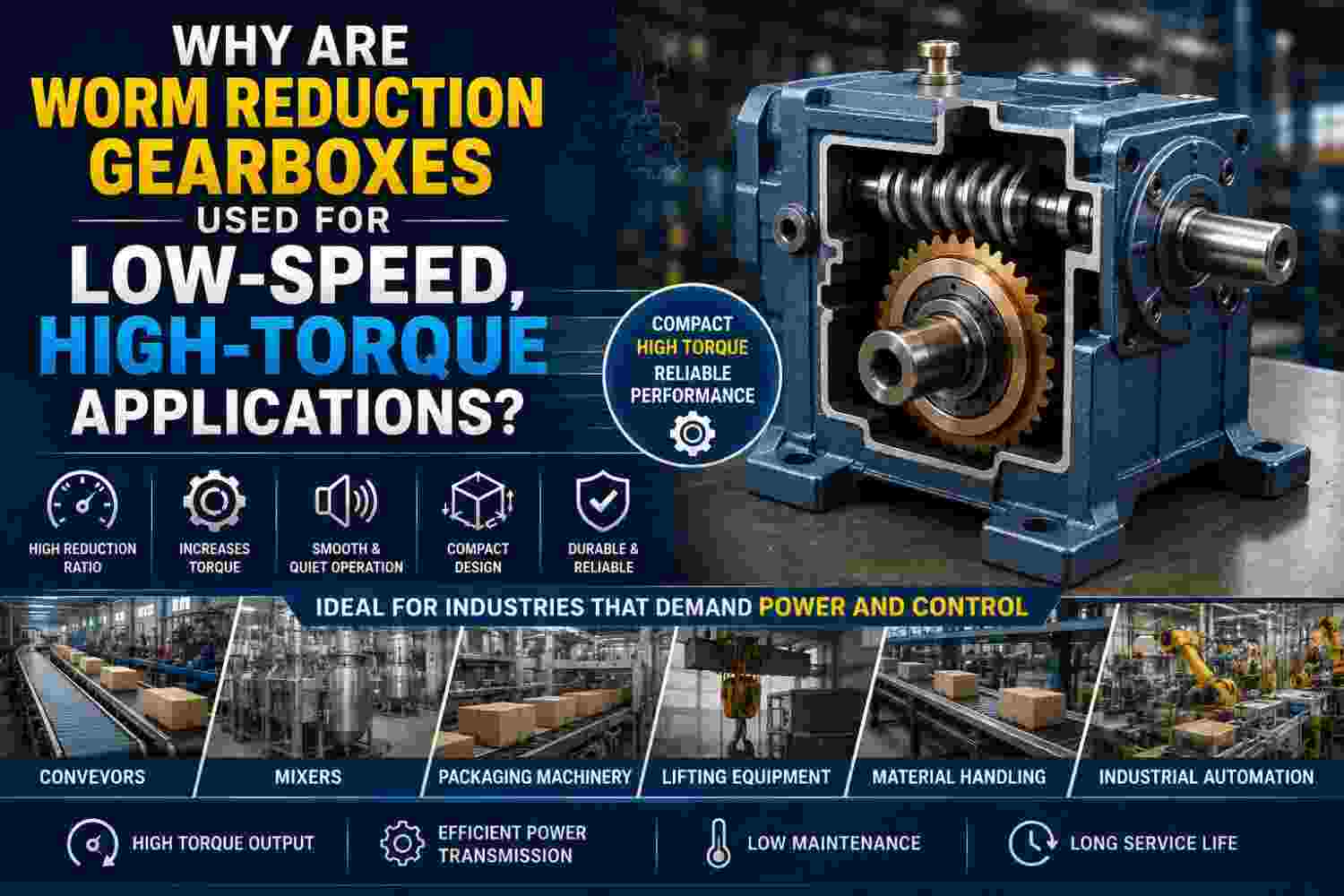
Worm reduction gearboxes are used for lo...
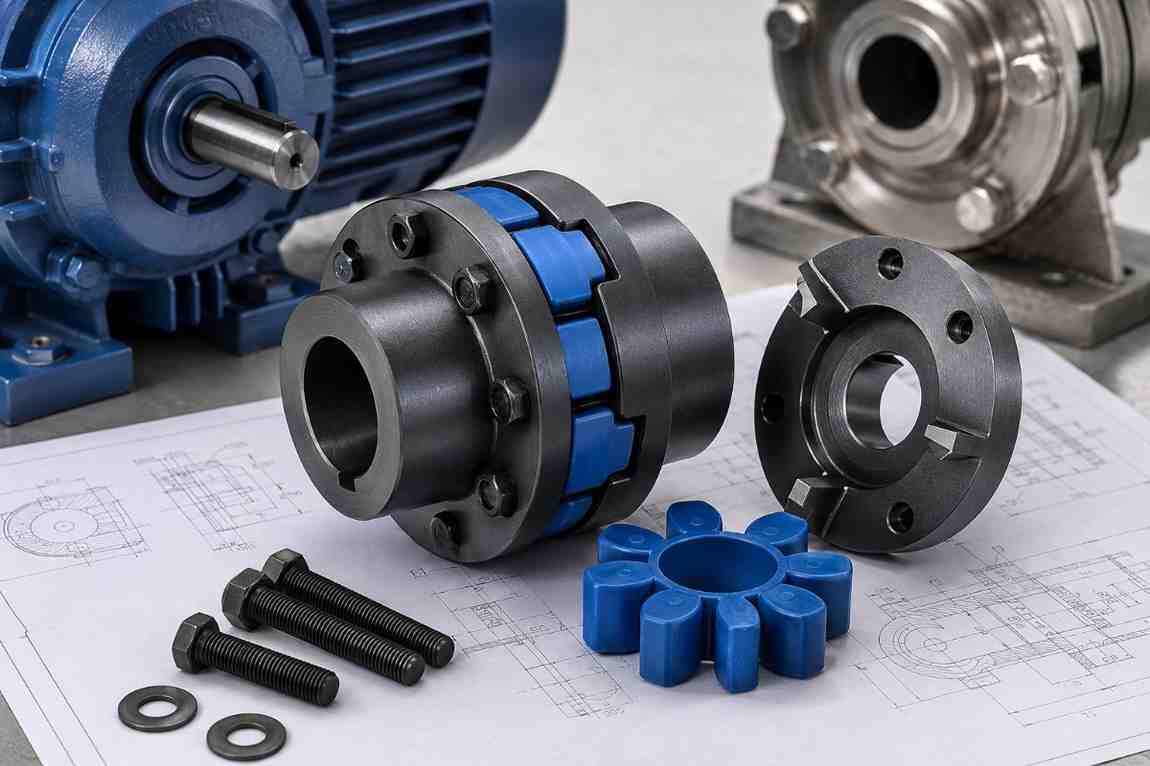
Selecting the correct N-Eupex coupling i...
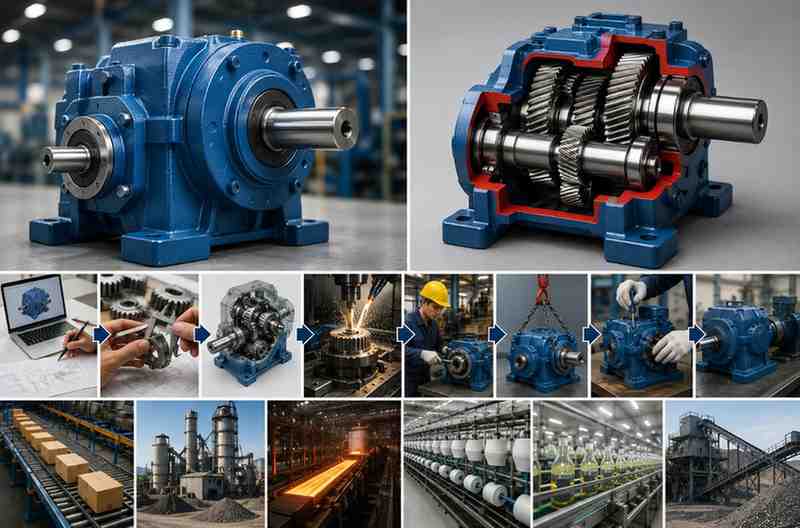
Choosing the right helical gearbox is on...
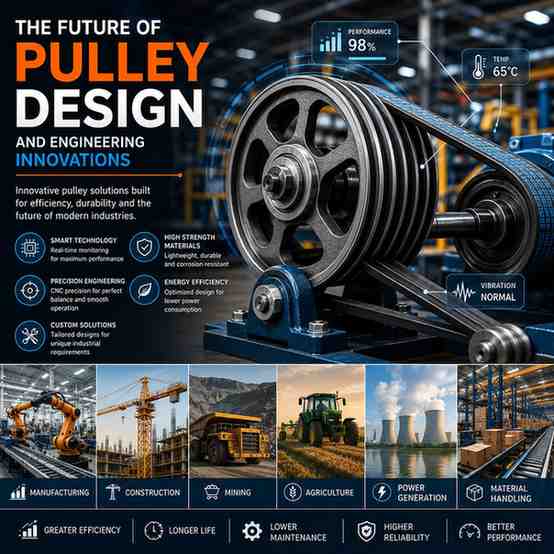
For centuries, pulleys have been one of ...
When people think about industrial pumps...
In industries where material handling is...
In today’s fast-moving industrial envi...
In any industrial setup, even the smalle...
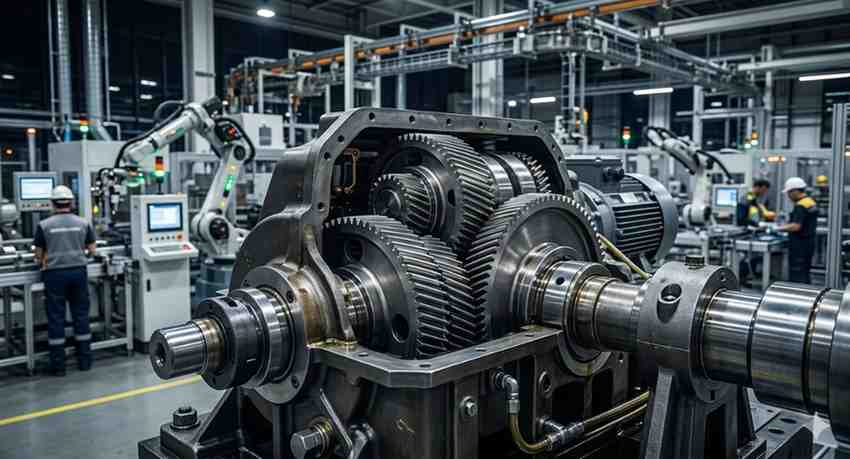
Industrial operations today are becoming...
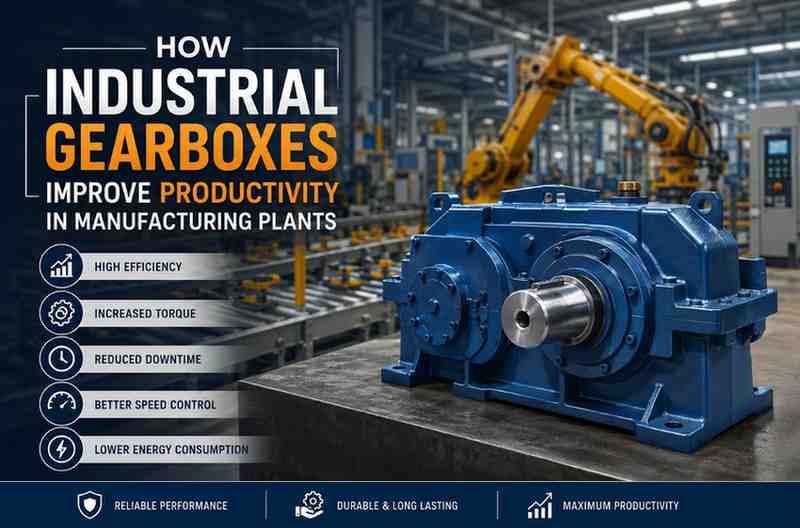
In modern manufacturing plants, efficien...
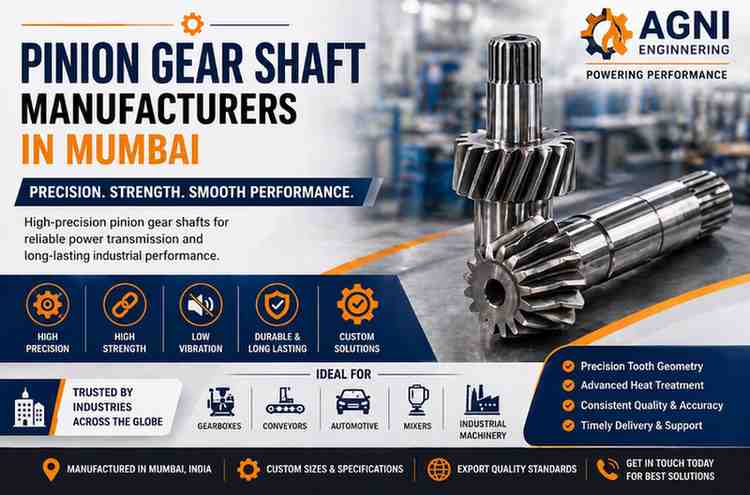
In industrial machinery, every movement ...
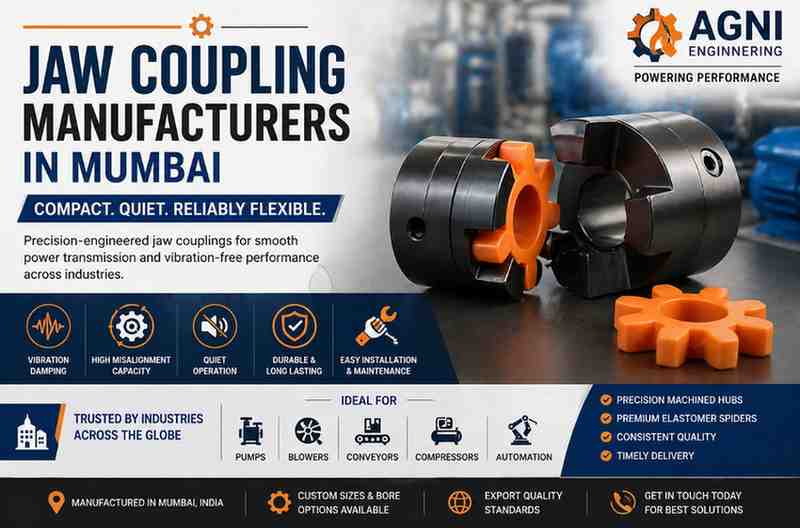
In modern industrial machinery, smooth p...
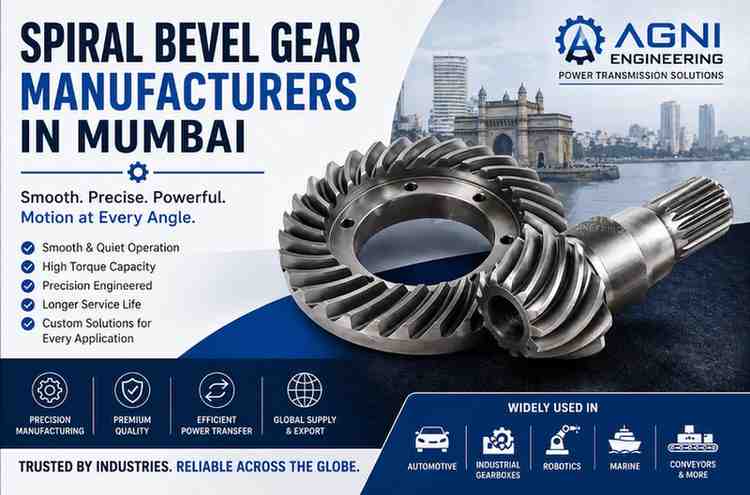
In modern industries, machines rarely wo...
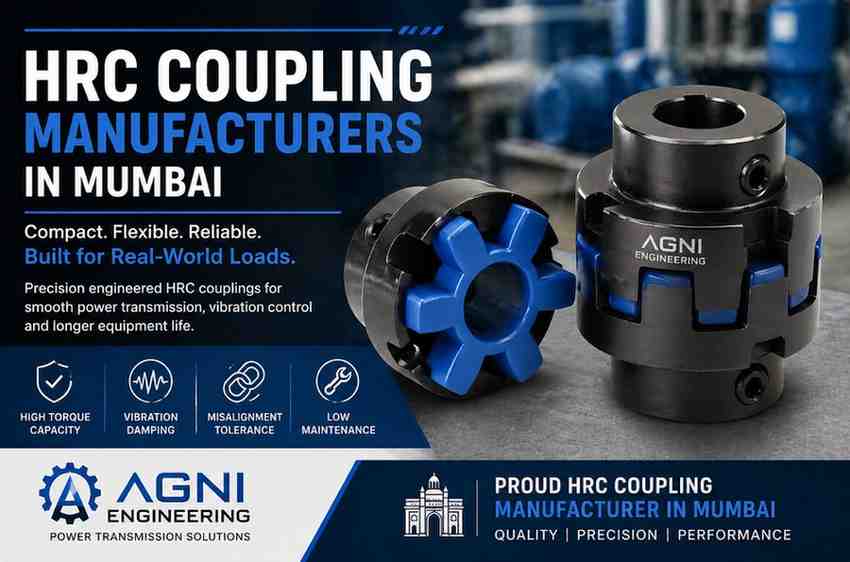
In industrial machinery, smooth power tr...

Machines depend on smooth and steady mot...

In any industrial system, smooth power t...

In many industrial machines, smooth moti...
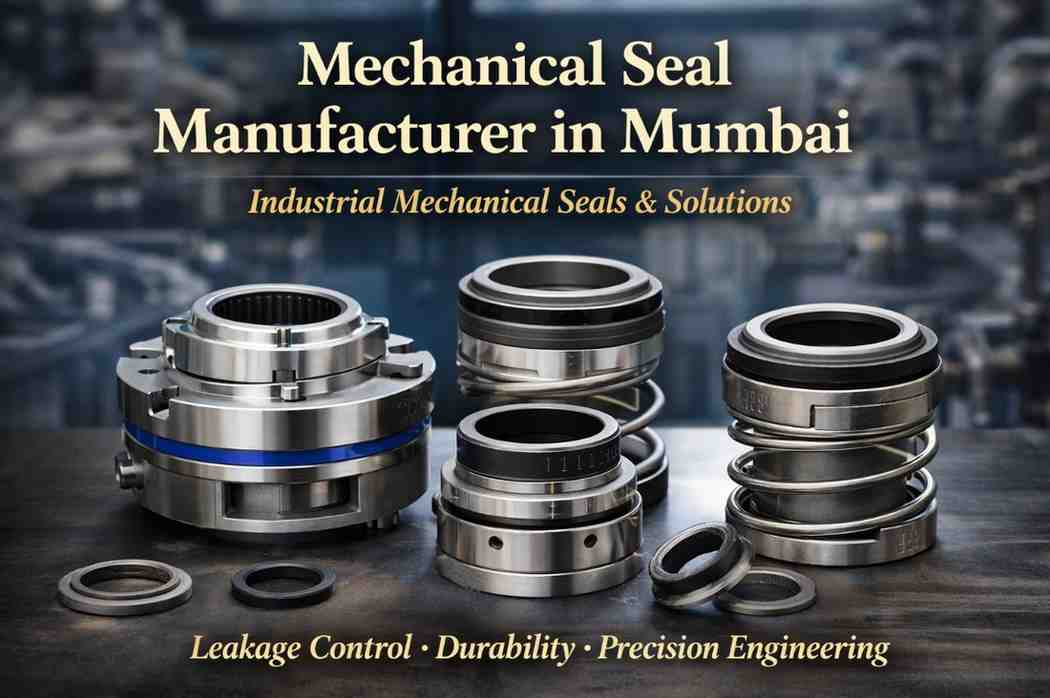
Industrial machines operate under pressu...
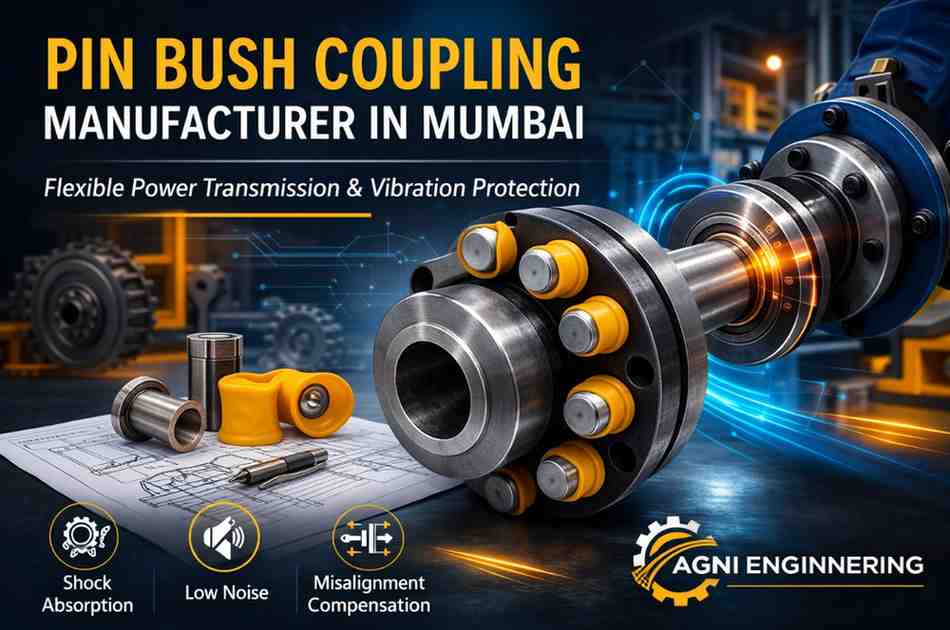
In many industrial machines, vibration, ...
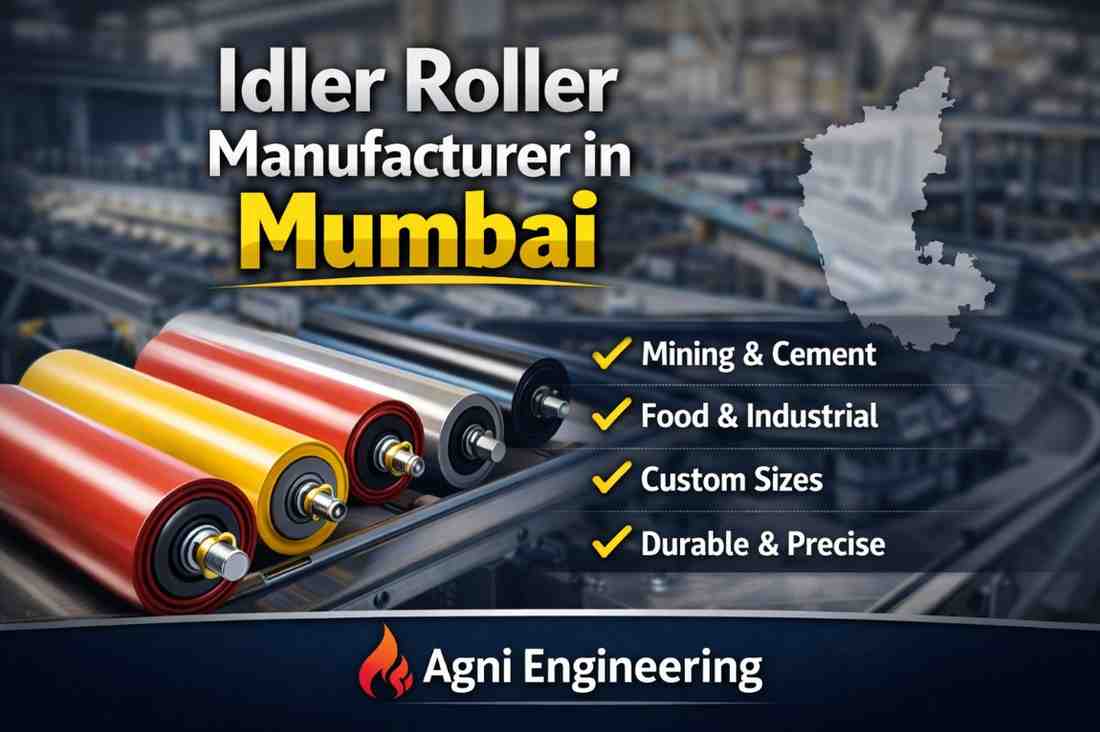
In every conveyor system, rollers play a...
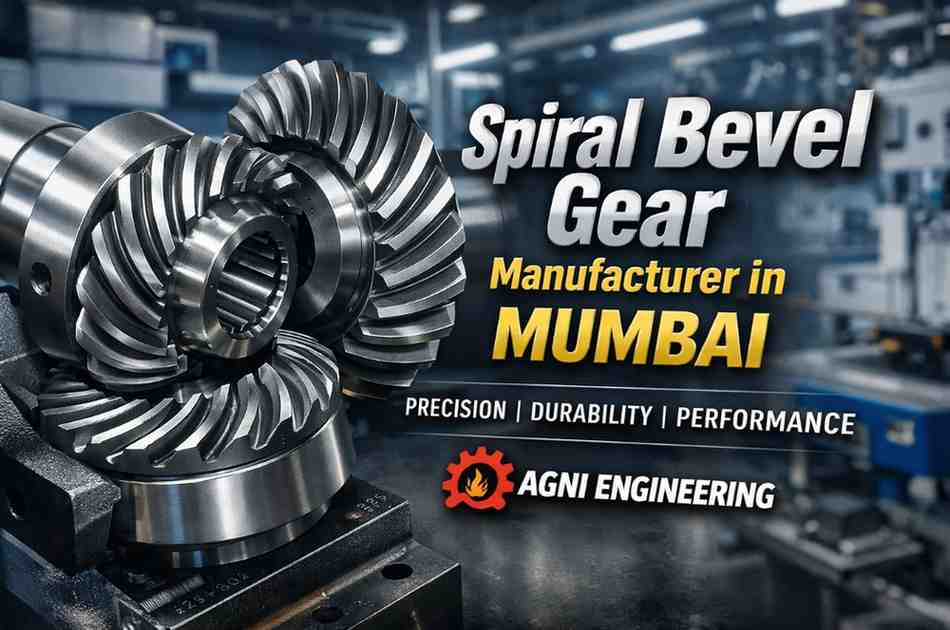
In modern machines, power does not alway...
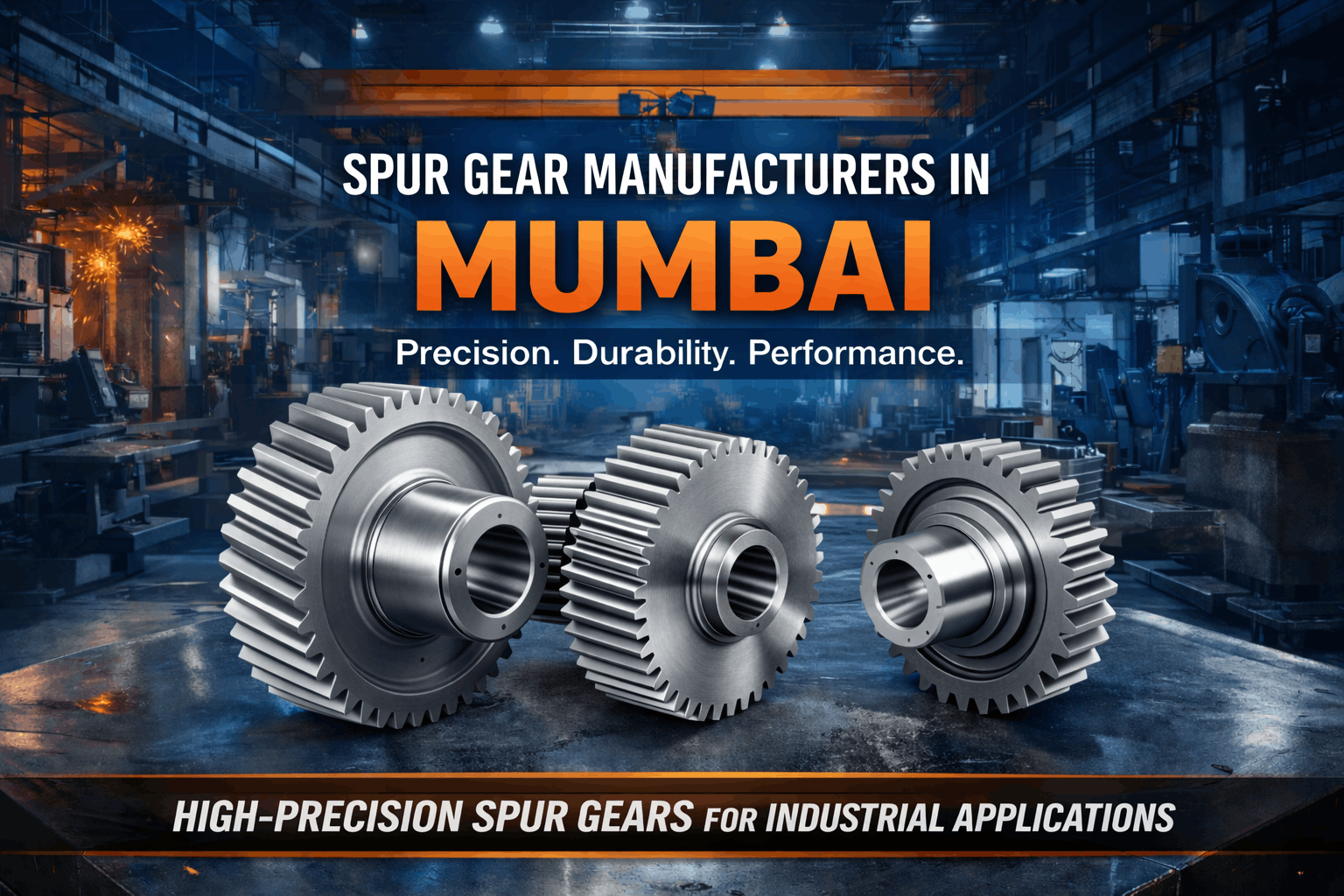
Some mechanical components earn their re...
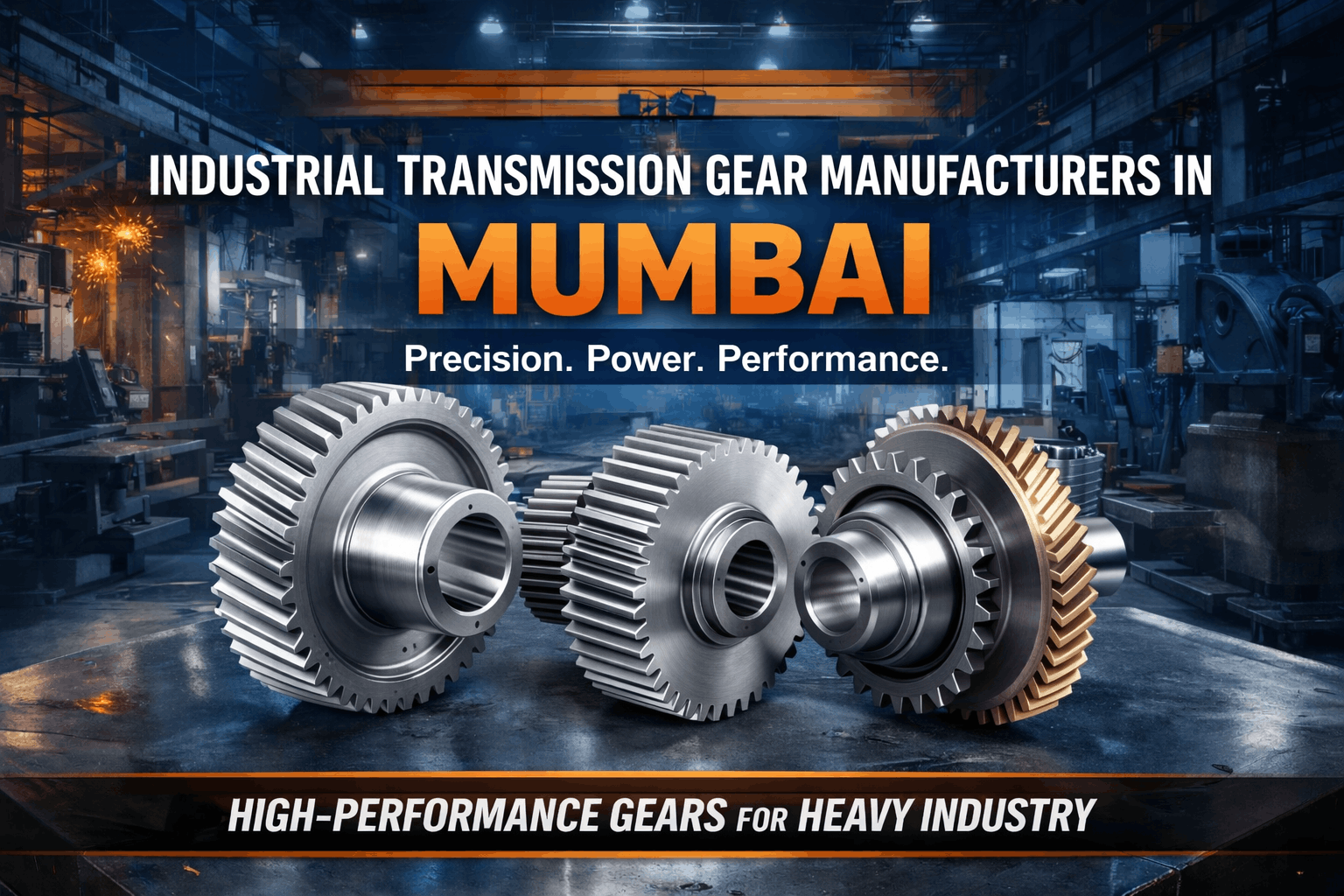
Power transmission begins with a single,...
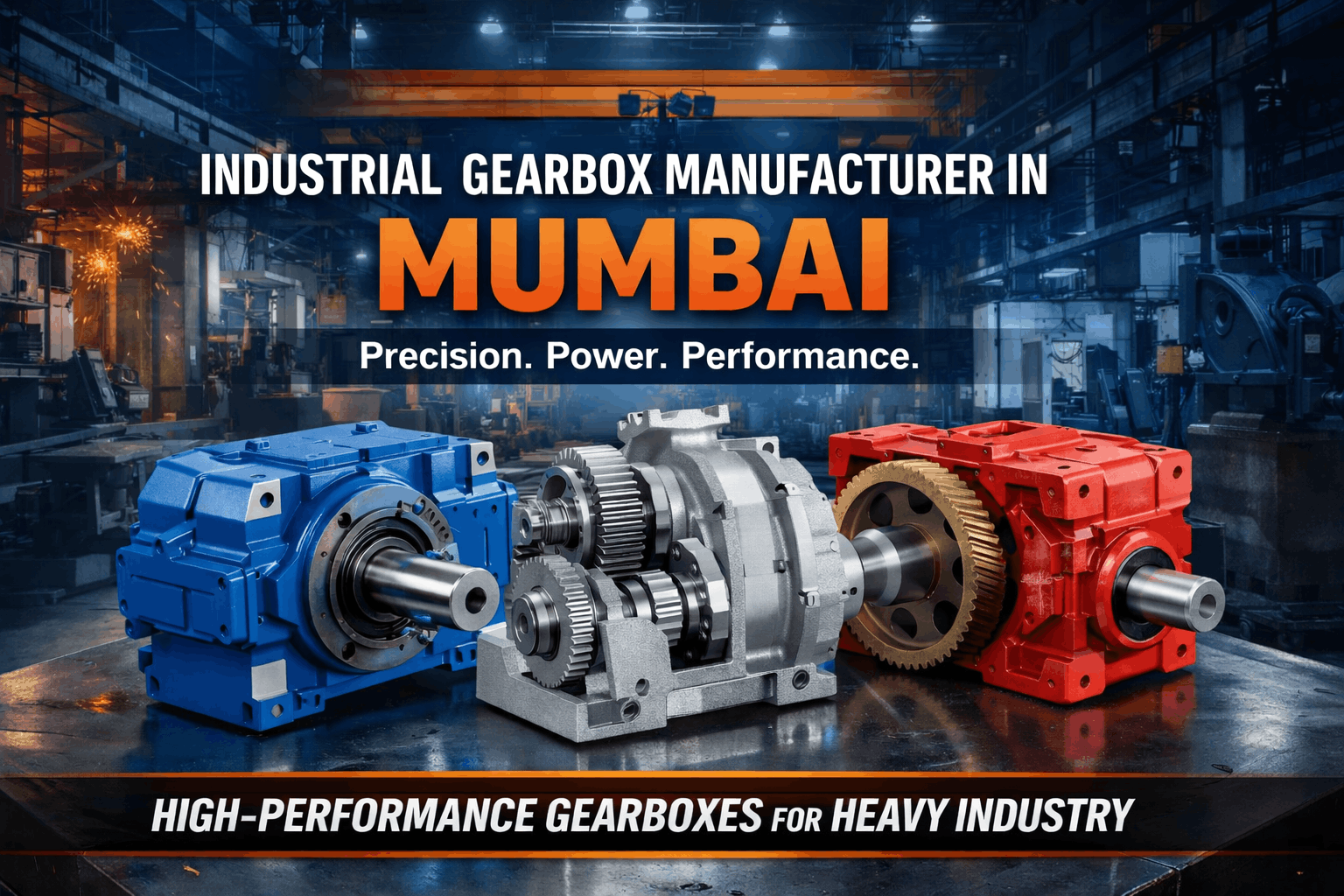
Behind every smooth-running industrial m...

In heavy-duty mechanical systems, power ...

In mechanical systems, reliability often...

In industrial environments where machine...
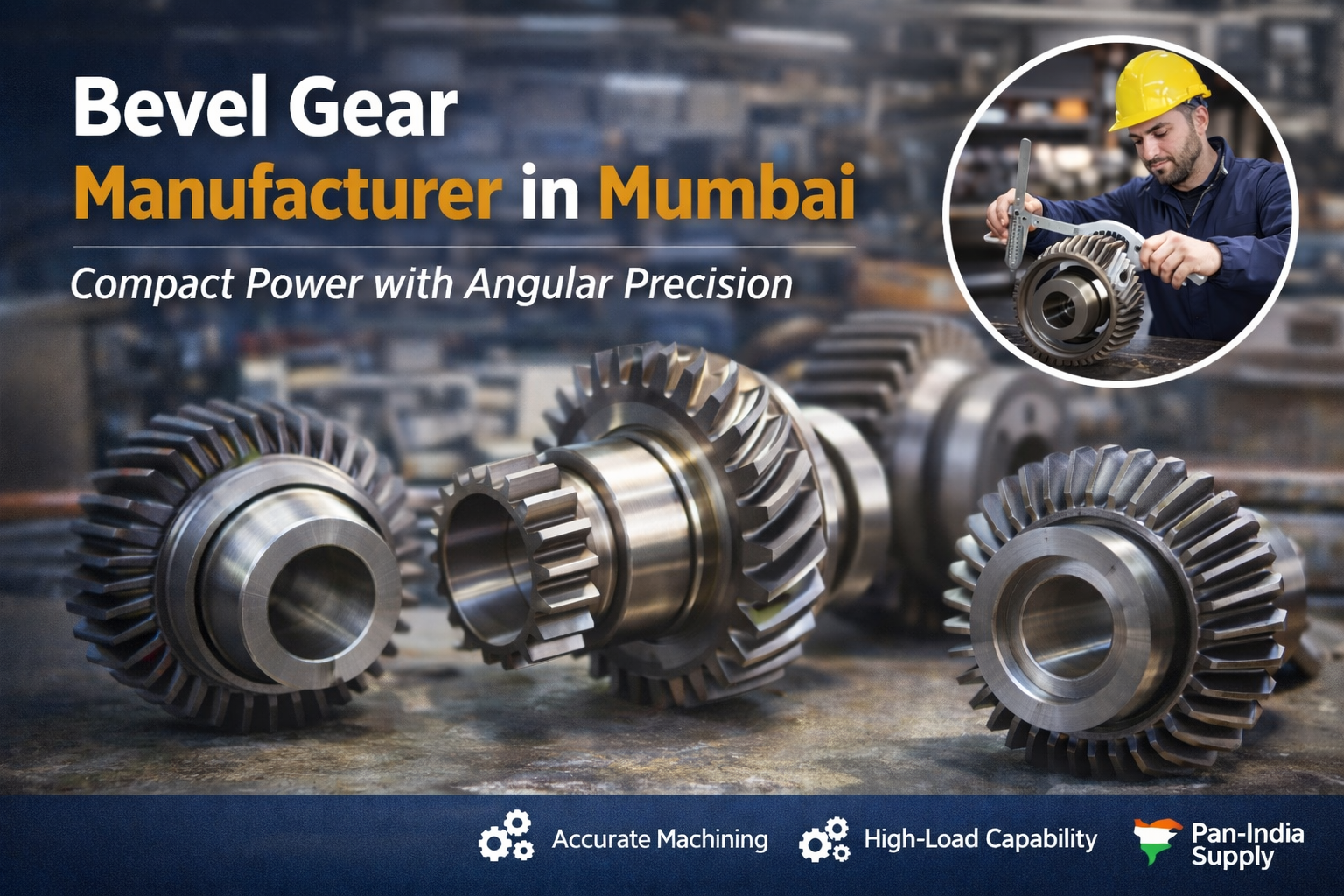
Machines that rely on angular power tran...
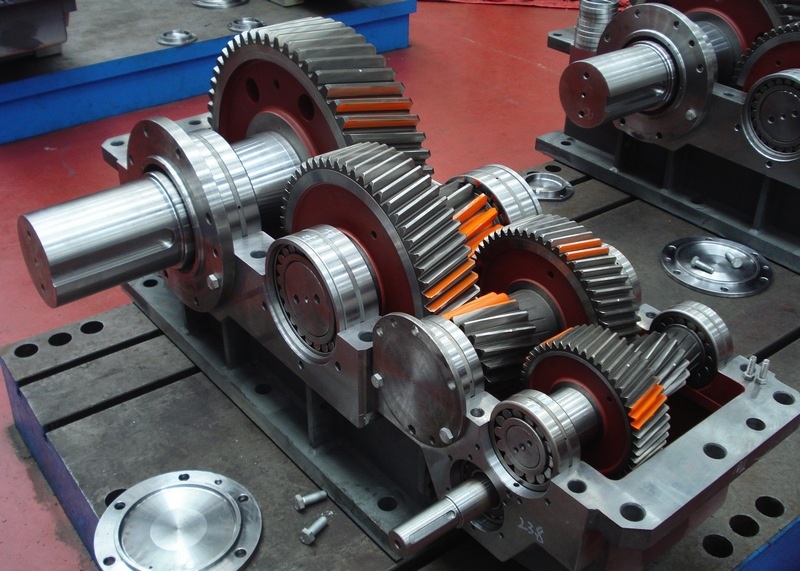
Modern industries run on reliability. Wh...
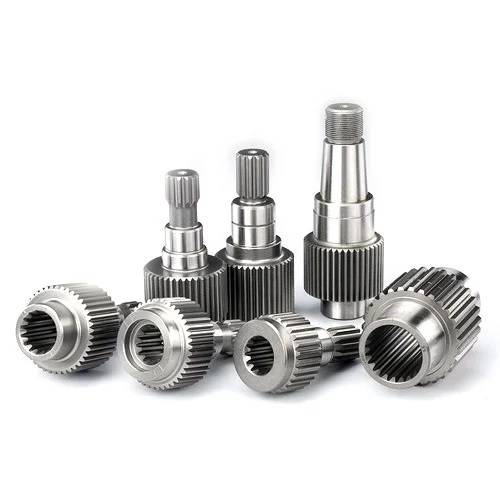
The Pinion Gear Shaft Manufacturers in M...
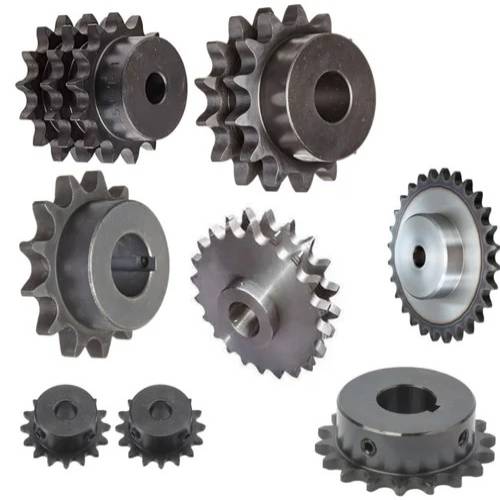
...
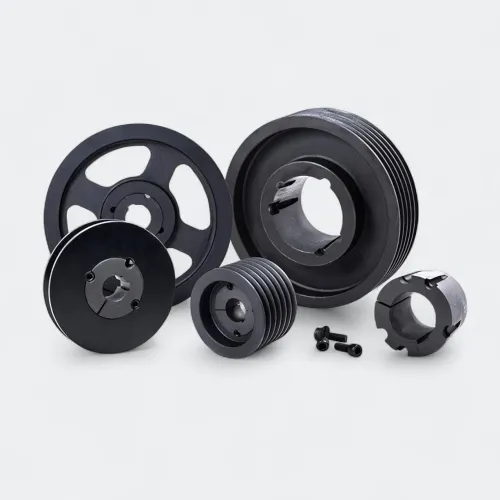
When machines need dependable power, smo...
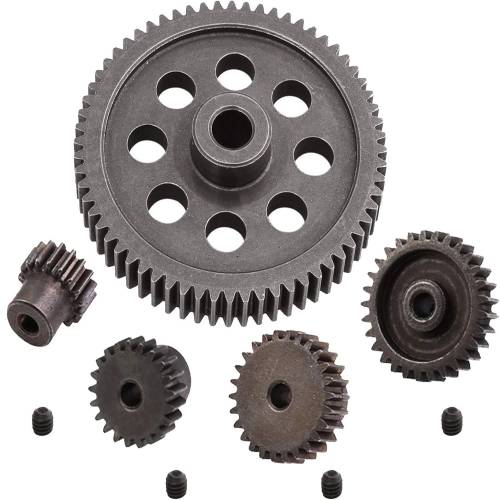
The Spur Gear Manufacturers in Mumbai ar...
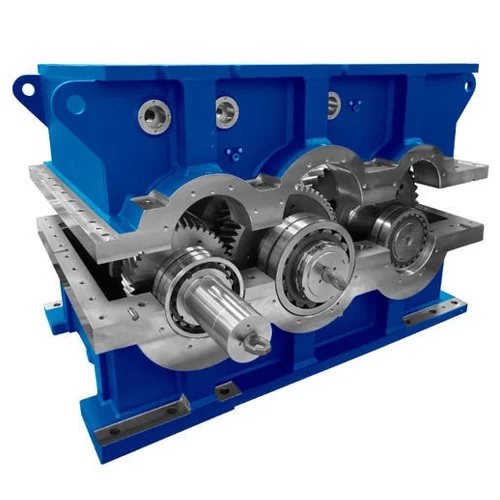
The Gearbox Manufacturers in Mumbai play...
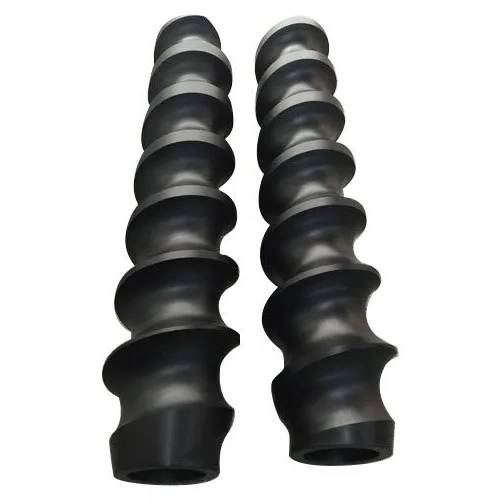
When precision meets performance, indust...
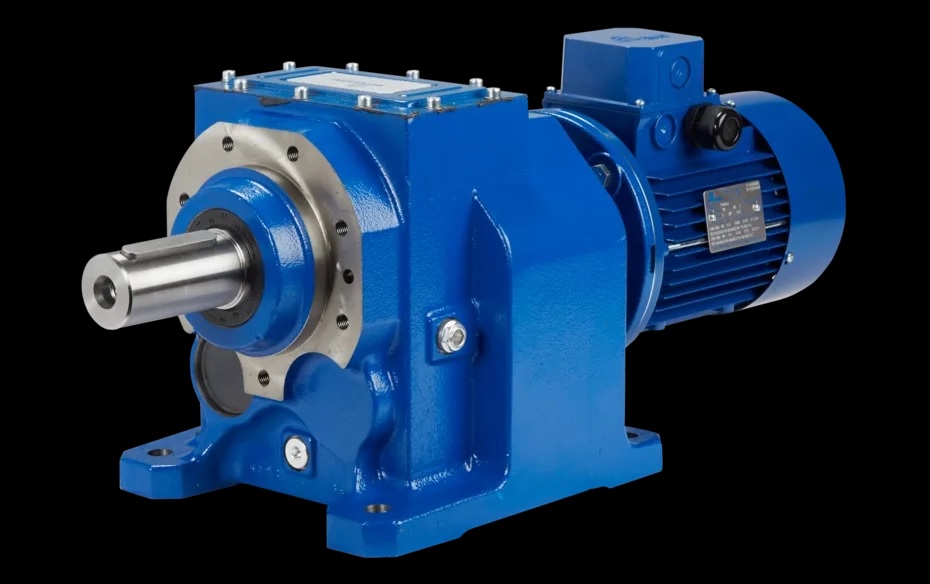
In the modern industrial world, precisio...
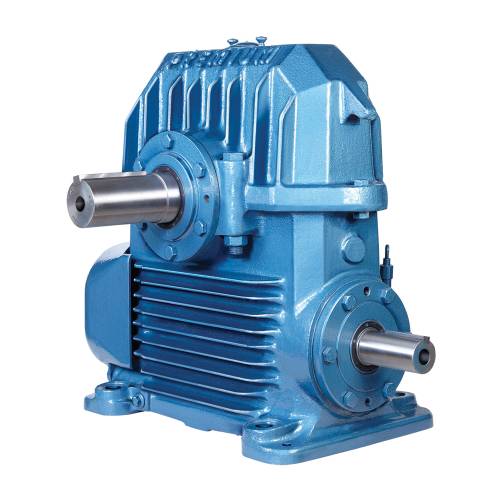
In today’s fast-paced industrial world...
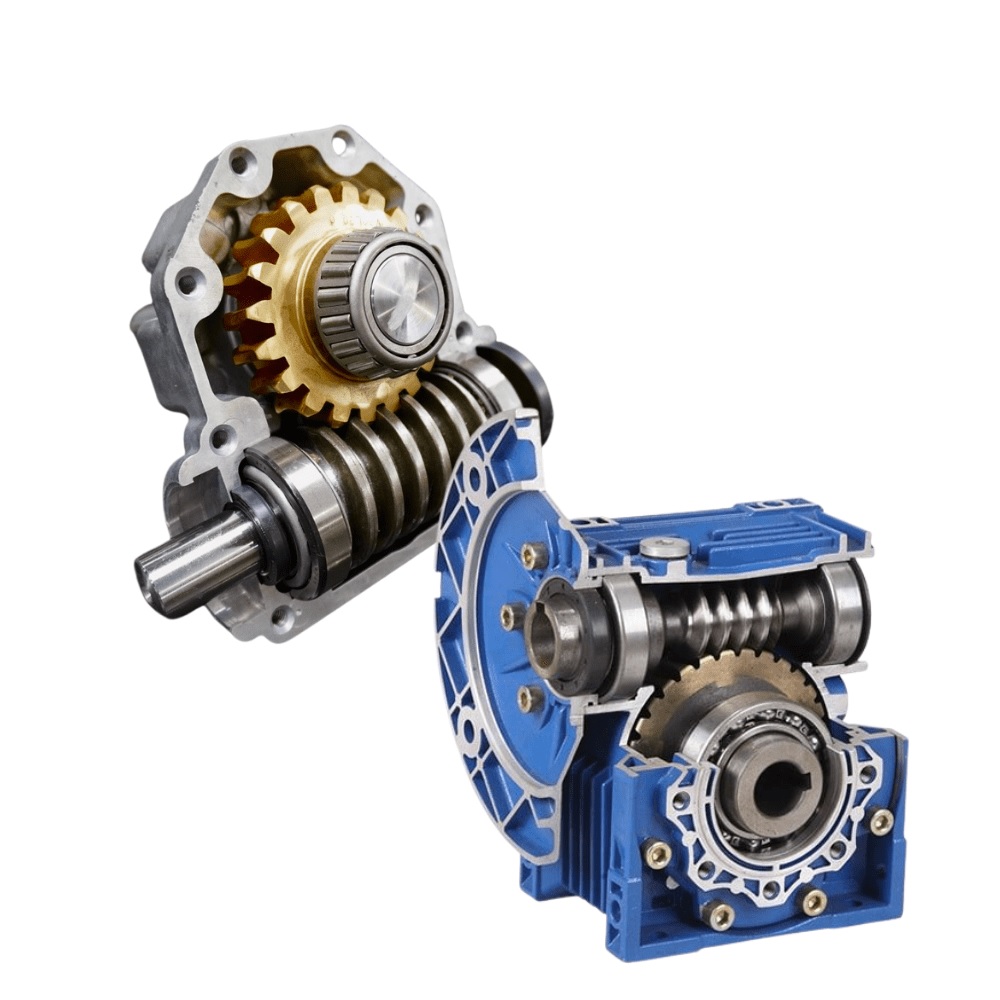
When it comes to advanced power transmis...
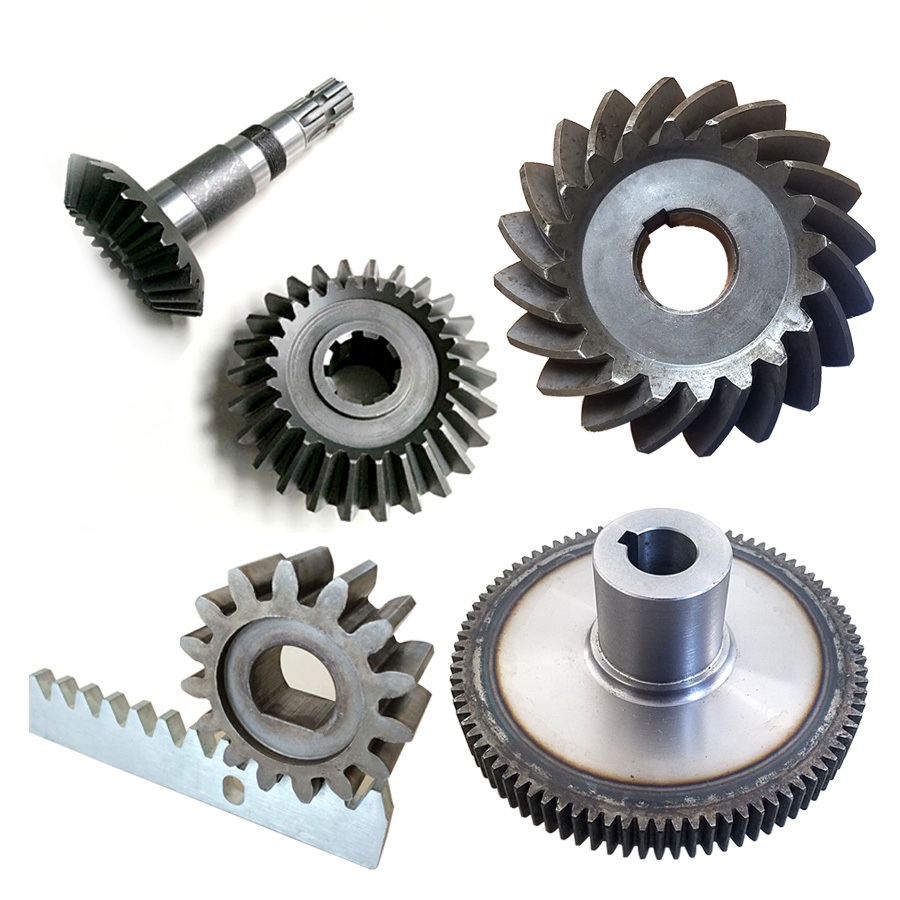
In the world of modern engineering, Indu...
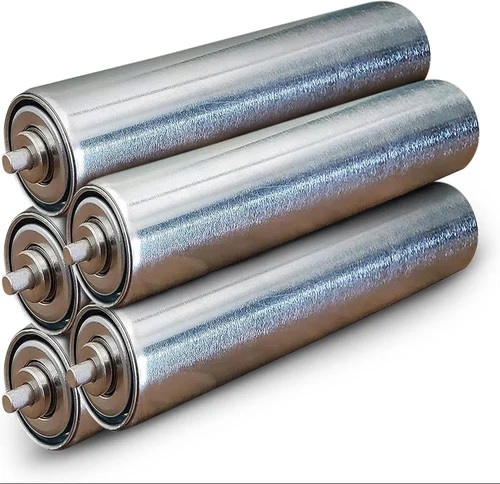
In the world of material handling and co...
