
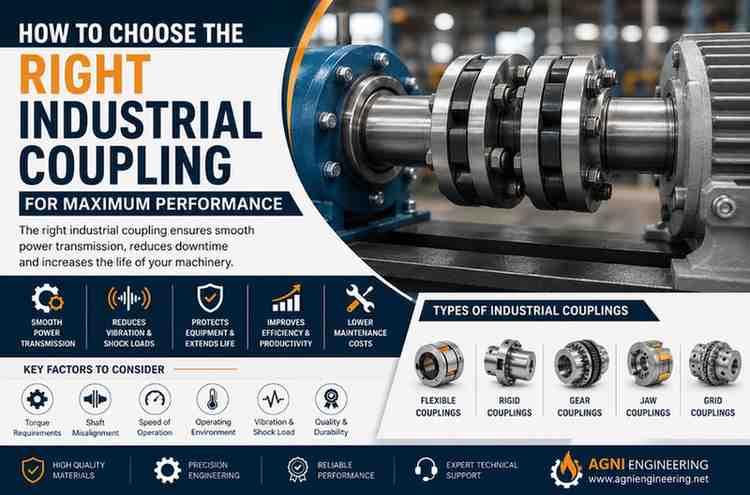
In any industrial setup, even the smallest mechanical component can make a major difference in machine efficiency and long-term reliability. Industrial couplings are one of those critical components that often go unnoticed—until a machine starts vibrating excessively, loses alignment, or experiences unexpected downtime.
Choosing the right industrial coupling is not simply about connecting two shafts. The correct coupling helps improve machine performance, reduce maintenance costs, absorb shock loads, and increase the lifespan of equipment.
At Agni Engineering, industrial couplings are designed to meet the demanding needs of modern industries where performance, durability, and precision matter every day.
An industrial coupling is a mechanical component used to connect two rotating shafts for transmitting power from one shaft to another. It also helps compensate for slight misalignment, absorb vibration, and protect machinery from overload conditions.
Industrial couplings are commonly used in:
Without the right coupling, machines may experience frequent wear, vibration issues, energy loss, and even costly operational failures.
Many industries make the mistake of selecting couplings based only on size or cost. In reality, the wrong coupling can reduce machine efficiency and lead to expensive repairs over time.
The right industrial coupling offers several advantages:
A properly selected coupling improves both machine performance and long-term reliability.
Every industrial application is different, which means there is no one-size-fits-all solution. Understanding your machine requirements is the first step toward selecting the correct coupling.
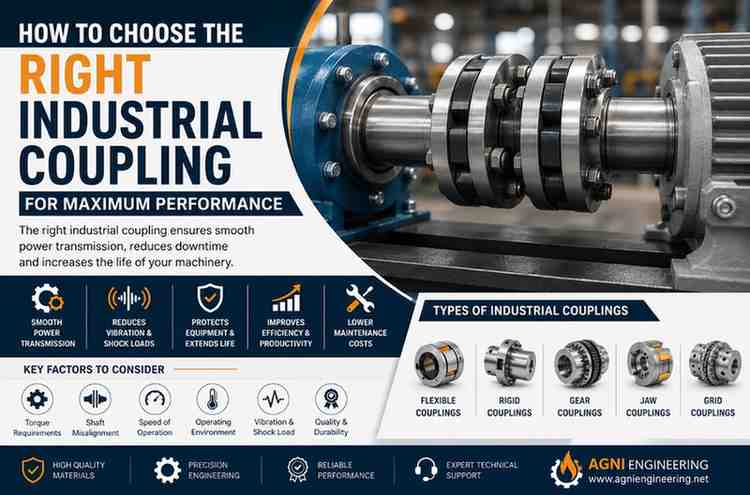
Torque capacity is one of the most important factors in coupling selection. The coupling must be capable of handling both normal operating torque and occasional peak loads.
If the torque rating is too low, the coupling may fail prematurely under heavy operation.
Always consider:
Choosing a coupling with the correct torque capacity ensures stable and reliable performance.
Perfect shaft alignment is difficult to maintain in real industrial conditions. Machines naturally experience slight angular, parallel, or axial misalignment during operation.
Different couplings handle misalignment differently:
Selecting the right coupling helps protect bearings, seals, and connected equipment from unnecessary stress.
Industrial environments can be harsh. Heat, dust, moisture, chemicals, and continuous vibration all affect coupling performance.
Before selecting a coupling, consider:
A coupling designed for the right environment lasts longer and performs more efficiently.
High-speed applications require couplings with proper balancing and vibration control. Using an unsuitable coupling at high RPM can create excessive wear and unstable machine operation.
For high-speed systems, precision-engineered couplings are essential for maintaining smooth performance.
Industrial machines often generate vibration and sudden shock loads during operation. Flexible couplings help absorb these forces and protect connected components.
This is especially important in:
Reducing vibration not only improves performance but also minimizes maintenance costs over time.
Understanding different coupling types makes the selection process easier.
Flexible couplings are designed to accommodate slight misalignment and absorb vibration. They are widely used in industrial machinery because they improve system stability and reduce wear.
Rigid couplings provide a strong and precise shaft connection. They are suitable where accurate shaft alignment is possible and flexibility is not required.
Gear couplings are ideal for high-torque applications. They offer excellent power transmission and durability for heavy industrial equipment.
Jaw couplings are commonly used because of their simple design, shock absorption capability, and low maintenance requirements.
Grid couplings handle high shock loads and vibration effectively, making them suitable for demanding industrial applications.
Machines often show warning signs when a coupling is not suitable for the application.
Common indicators include:
Ignoring these signs can lead to more serious equipment damage and production interruptions.
A low-quality coupling may save money initially, but it often increases maintenance costs and machine downtime later.
High-quality industrial couplings offer:
This is why industries prefer reliable manufacturers with strong engineering expertise and quality standards.
When selecting industrial couplings, choosing the right manufacturer is just as important as selecting the product itself.
A trusted manufacturer should provide:
Agni Engineering offers industrial coupling solutions designed for dependable performance across various industries and applications.
Industrial couplings play a critical role in maintaining machine efficiency, safety, and long-term operational reliability. Choosing the right coupling requires careful consideration of torque, alignment, speed, environment, and application requirements.
The right coupling not only improves performance but also reduces downtime, protects machinery, and supports smoother industrial operations.
Investing in high-quality industrial couplings from experienced manufacturers like Agni Engineering helps industries achieve better productivity, lower maintenance costs, and long-lasting machine performance.
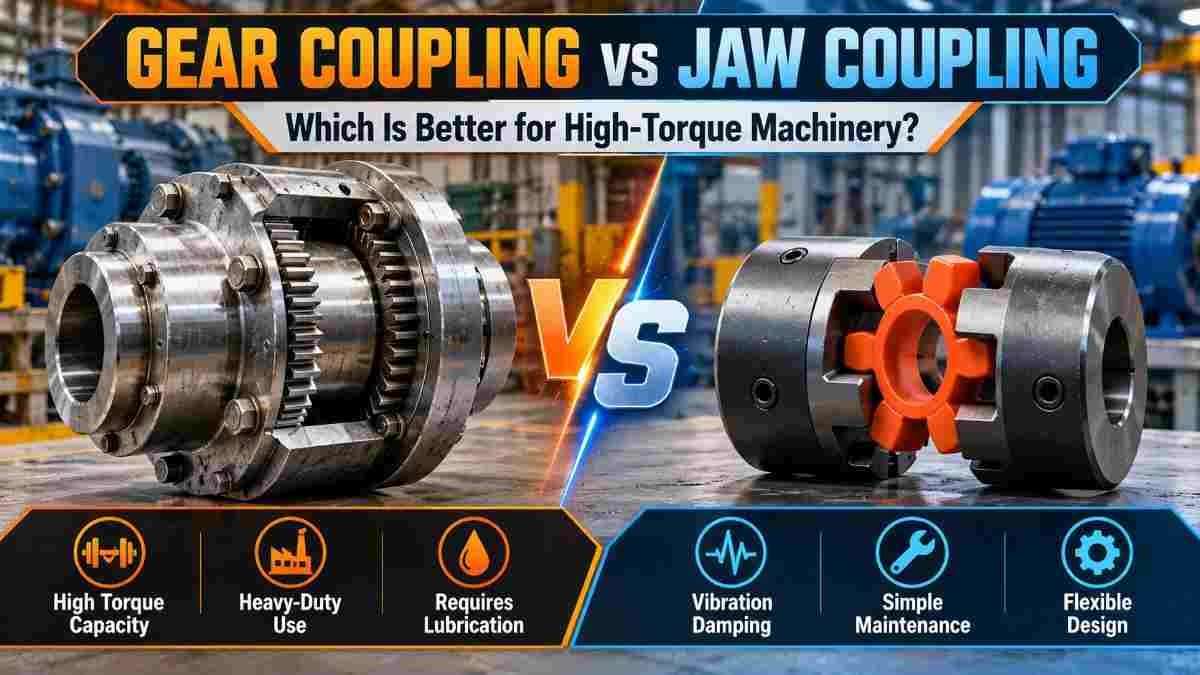
Industrial machinery depends on reliable...
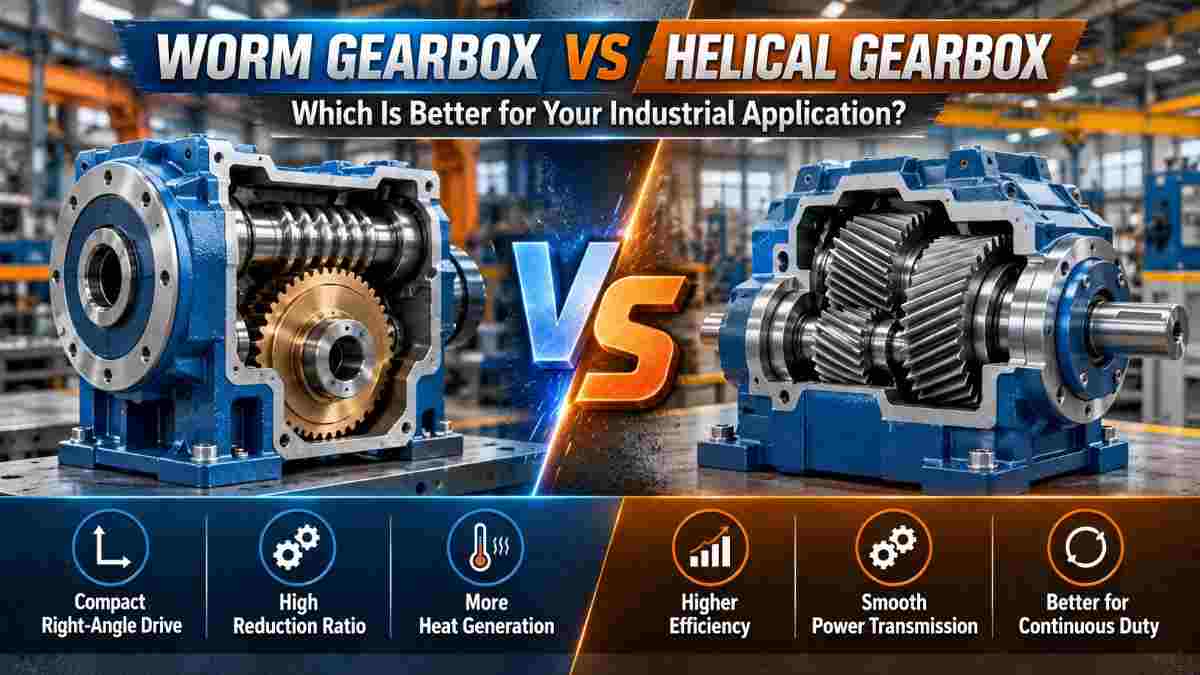
Choosing between a worm gearbox and a he...
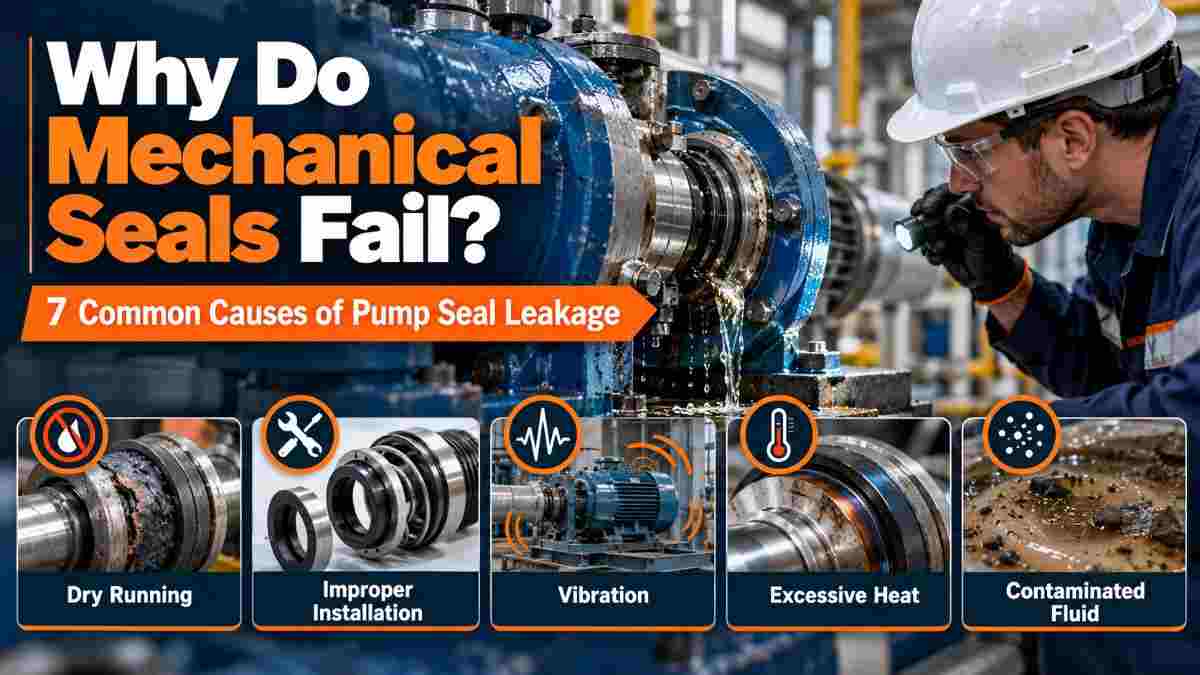
Mechanical seals are essential component...
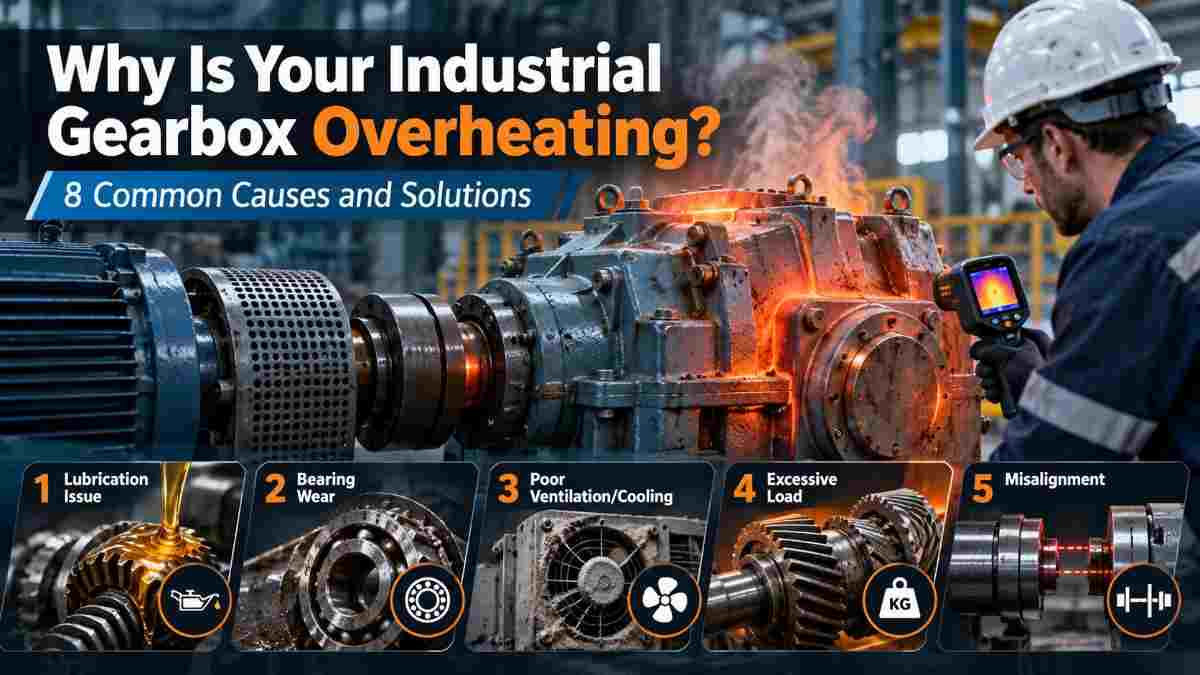
An industrial gearbox naturally generate...
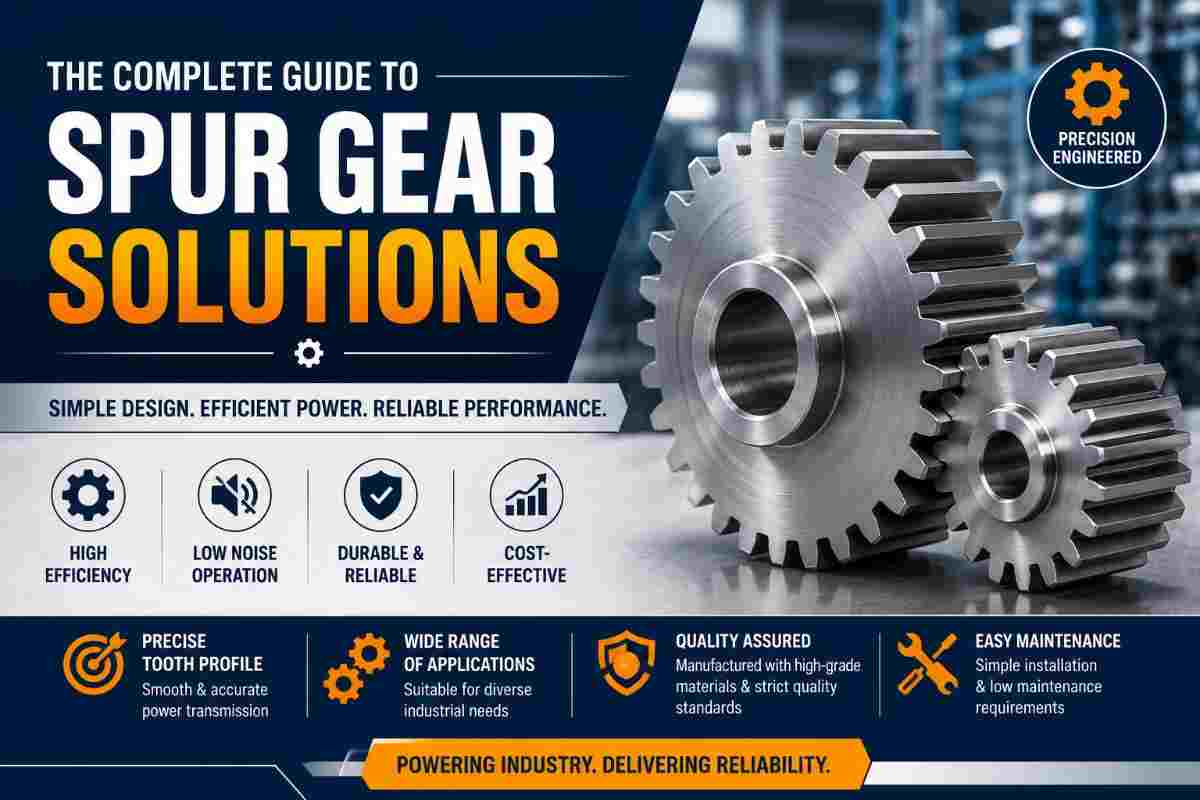
A spur gear is a mechanical gear with st...
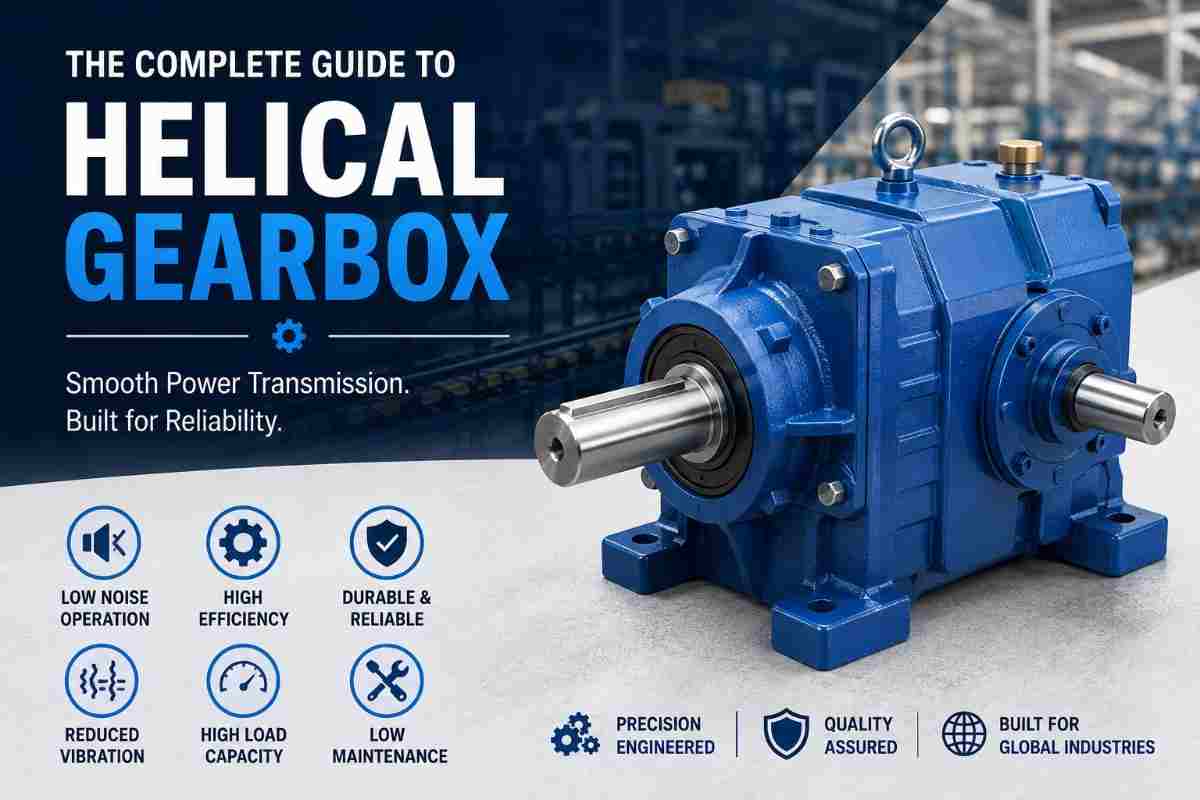
A helical gearbox is a mechanical power ...
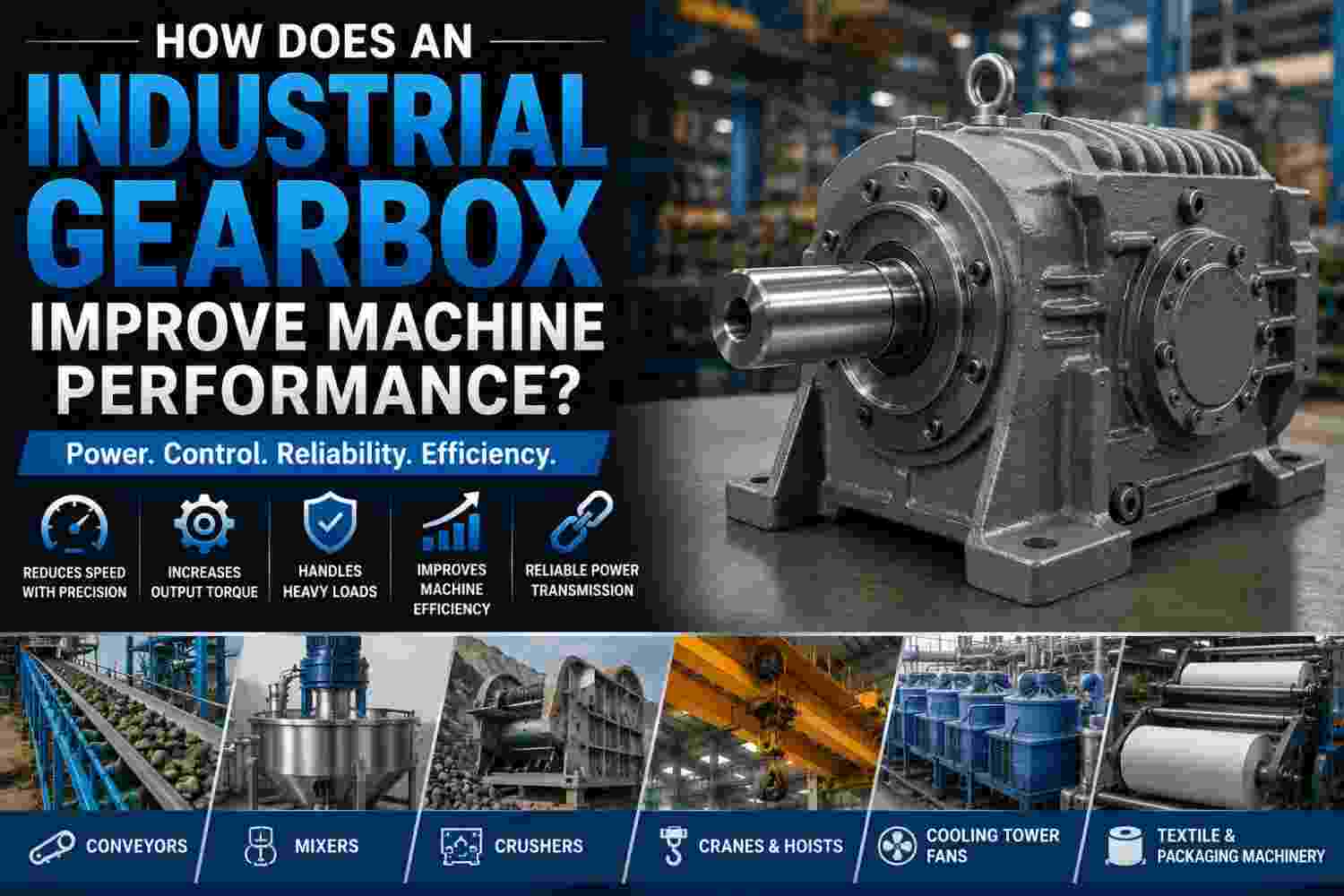
An industrial gearbox improves machine p...
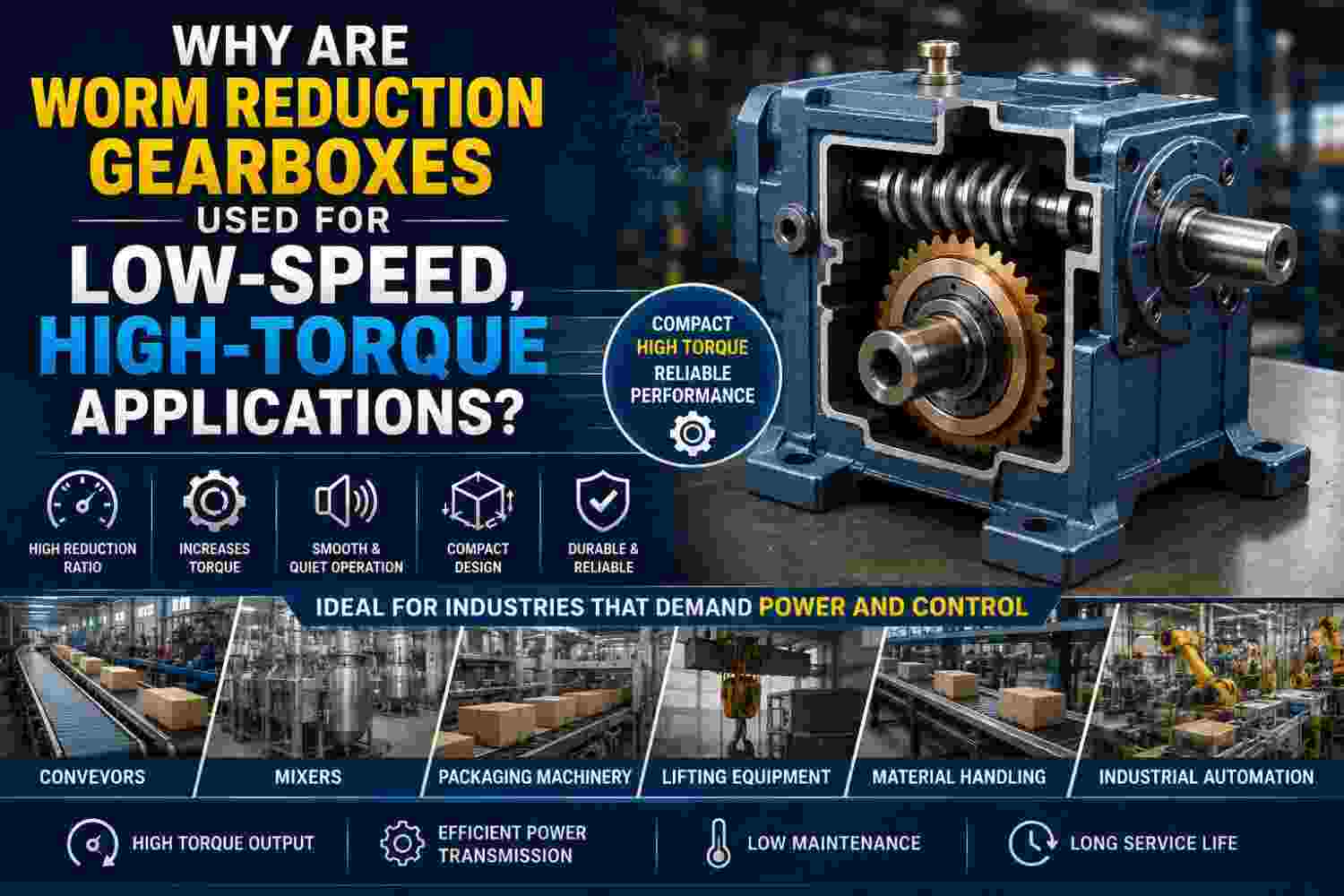
Worm reduction gearboxes are used for lo...
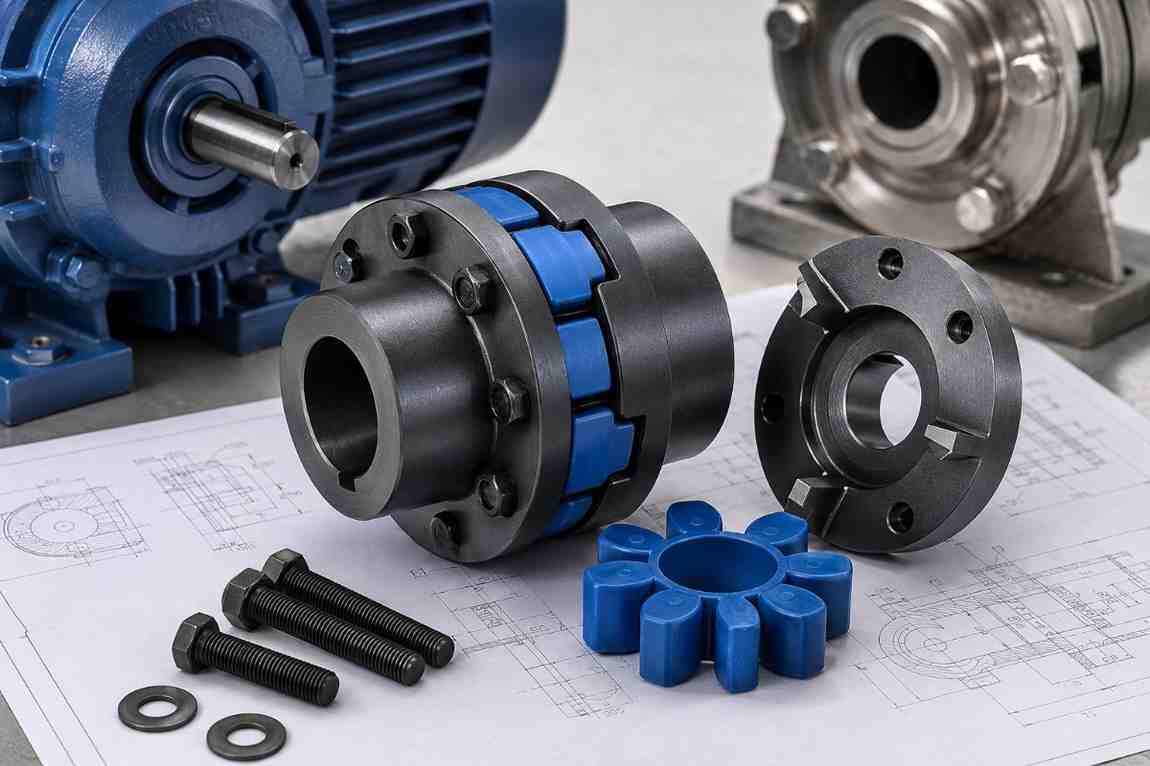
Selecting the correct N-Eupex coupling i...
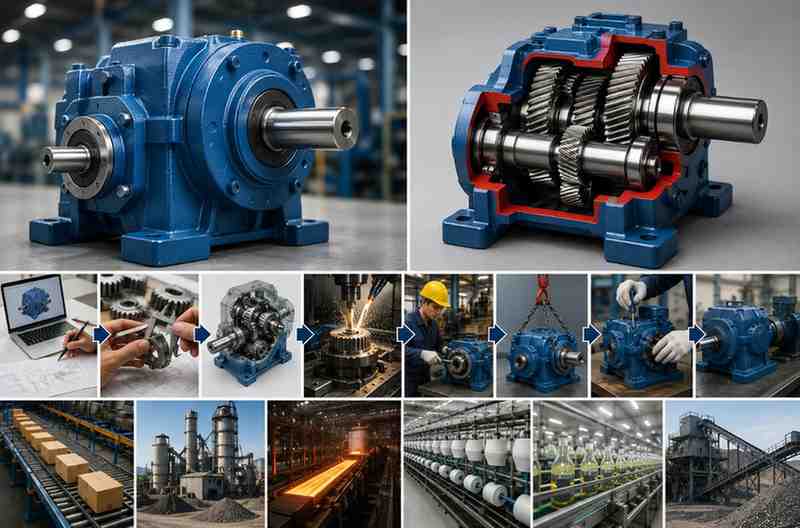
Choosing the right helical gearbox is on...
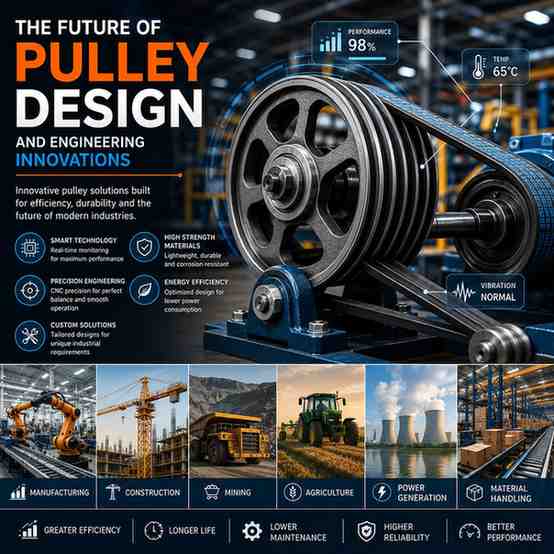
For centuries, pulleys have been one of ...
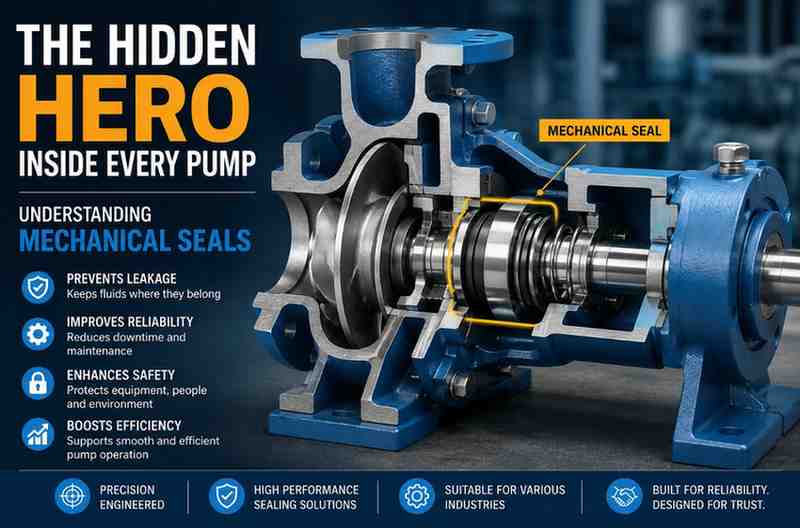
When people think about industrial pumps...
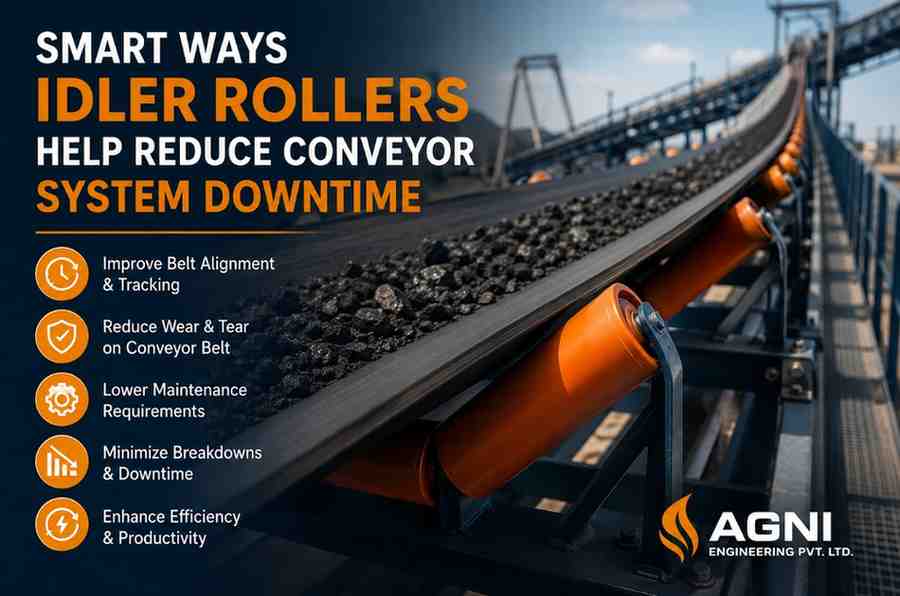
In industries where material handling is...
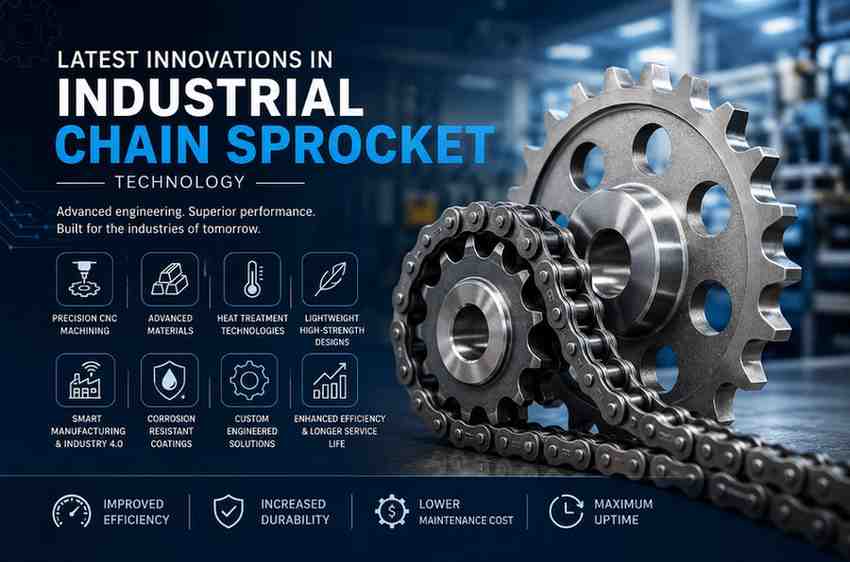
In today’s fast-moving industrial envi...
In any industrial setup, even the smalle...
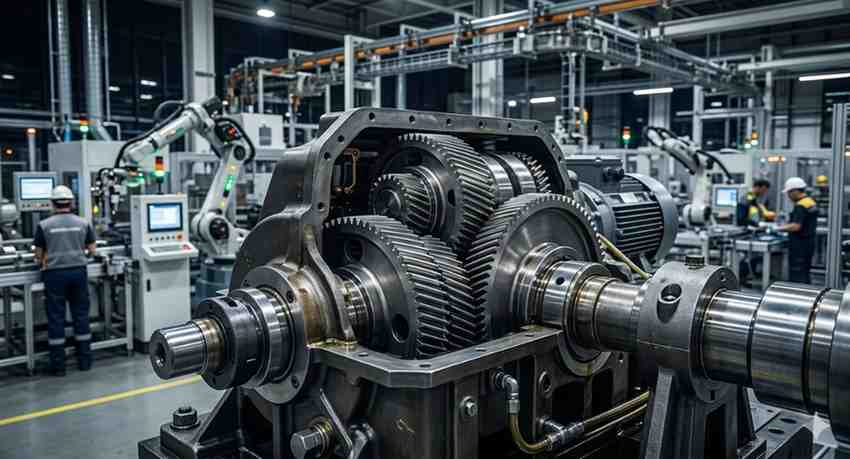
Industrial operations today are becoming...
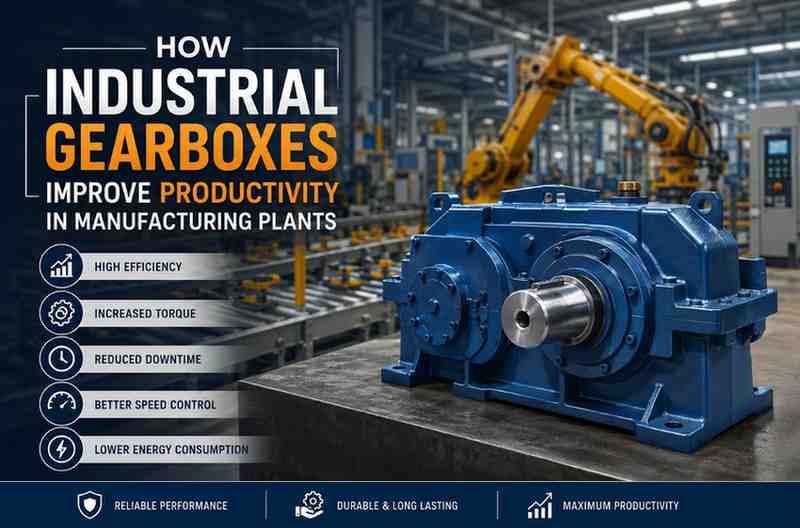
In modern manufacturing plants, efficien...
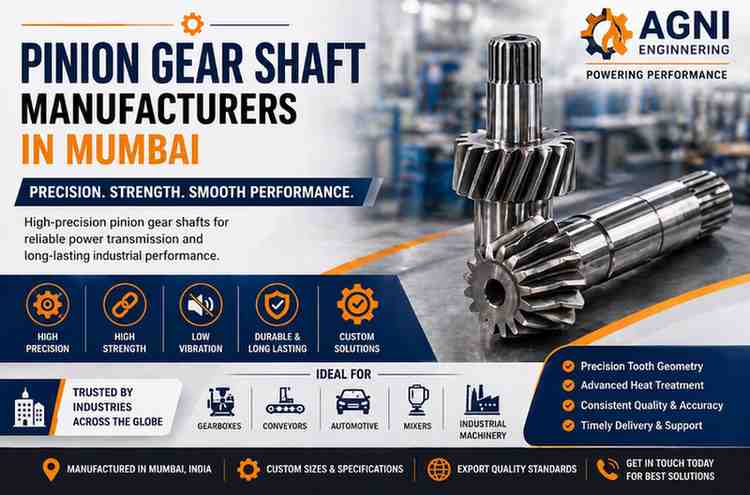
In industrial machinery, every movement ...
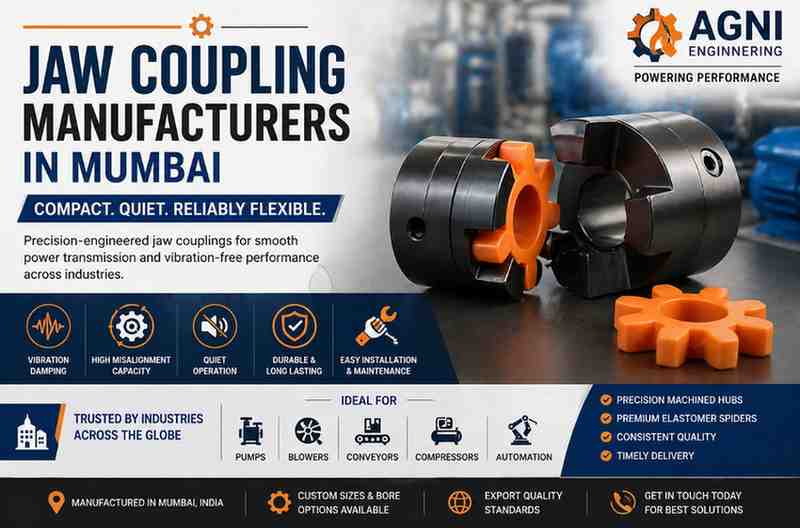
In modern industrial machinery, smooth p...
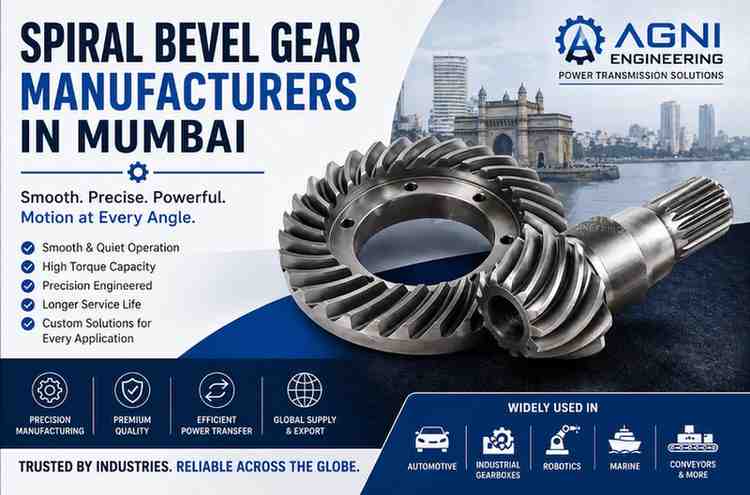
In modern industries, machines rarely wo...
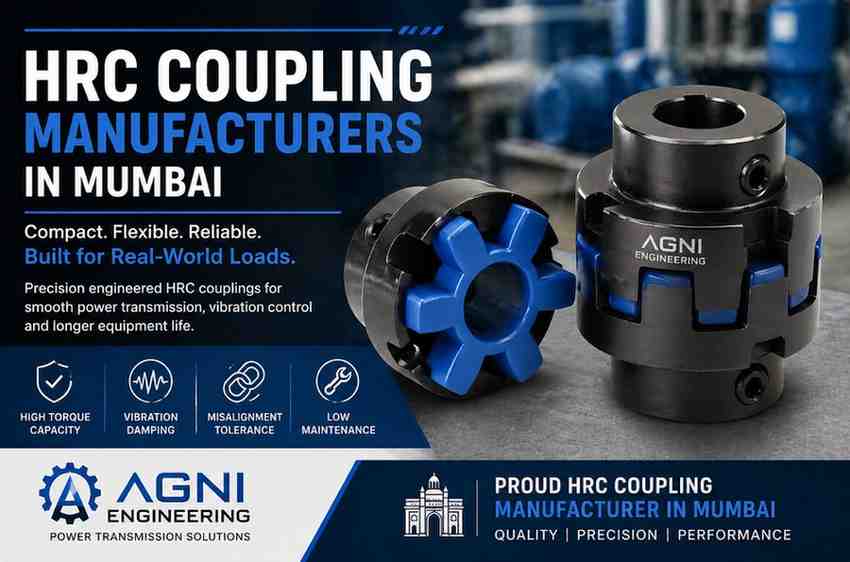
In industrial machinery, smooth power tr...

Machines depend on smooth and steady mot...

In any industrial system, smooth power t...

In many industrial machines, smooth moti...
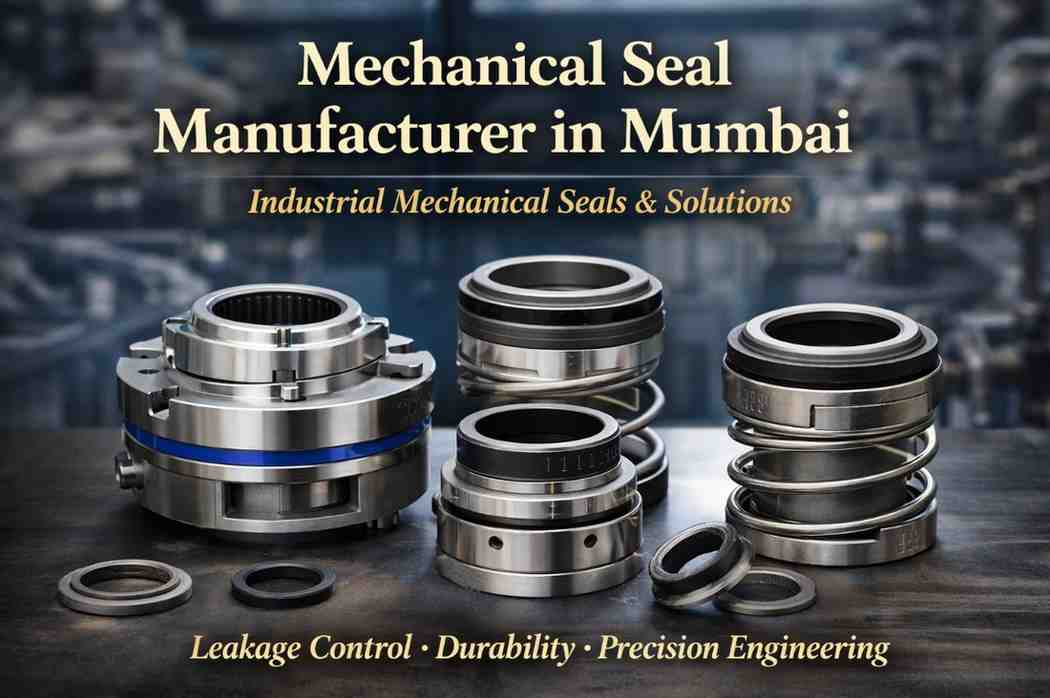
Industrial machines operate under pressu...
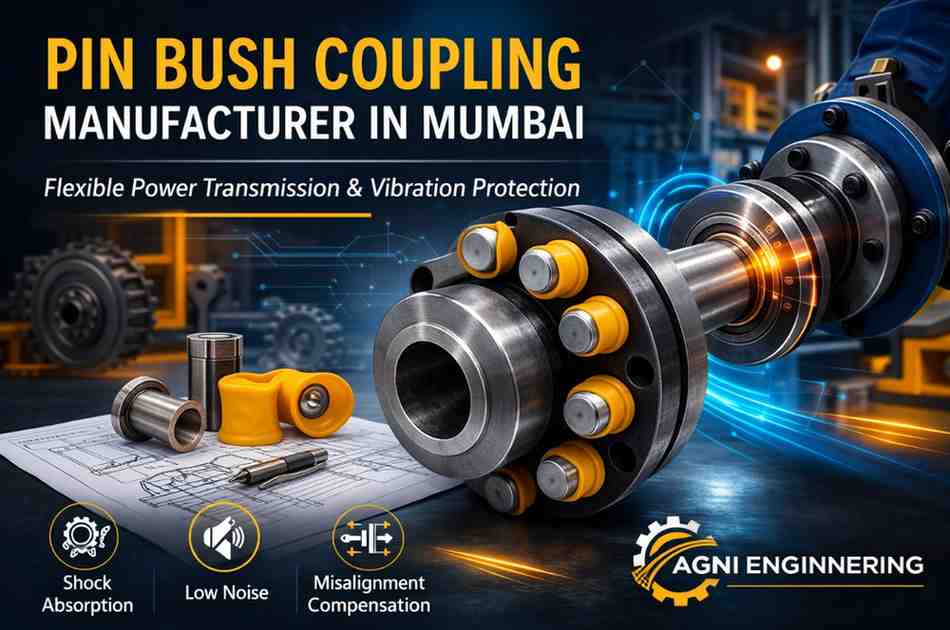
In many industrial machines, vibration, ...
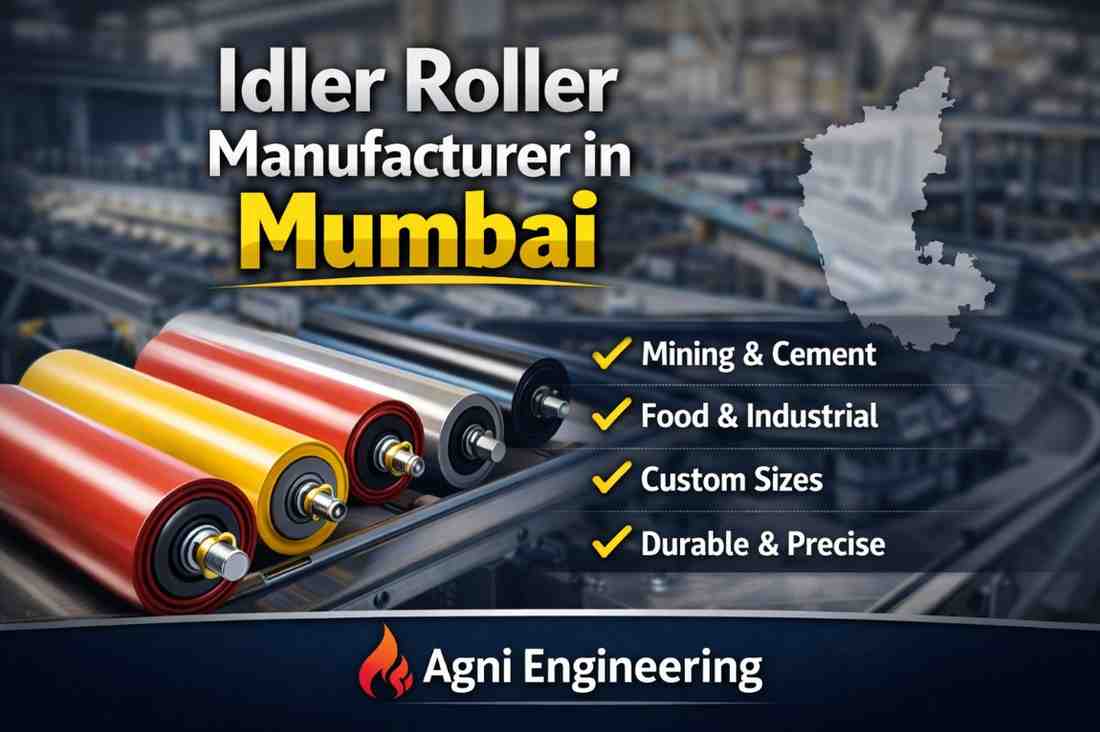
In every conveyor system, rollers play a...
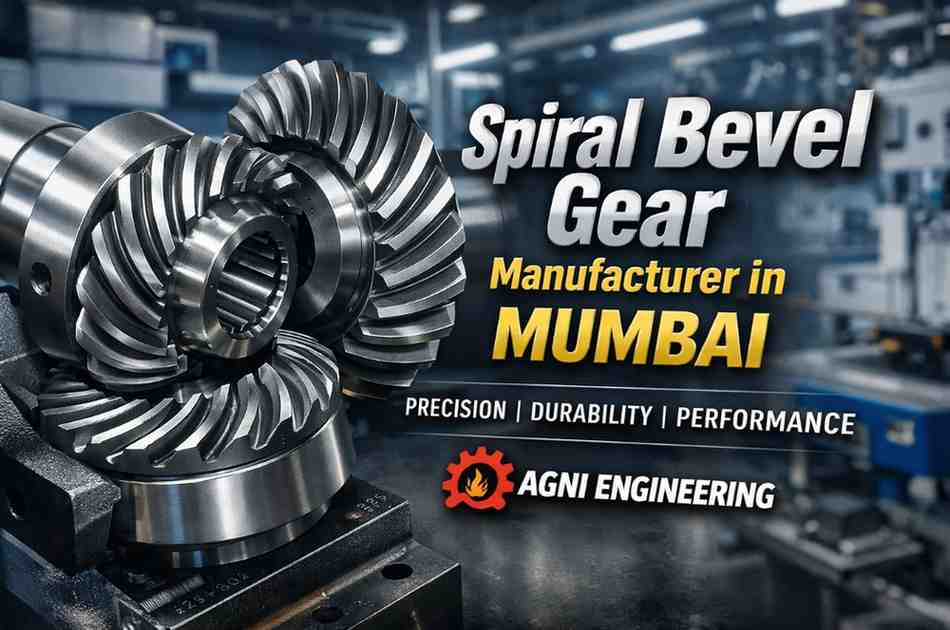
In modern machines, power does not alway...
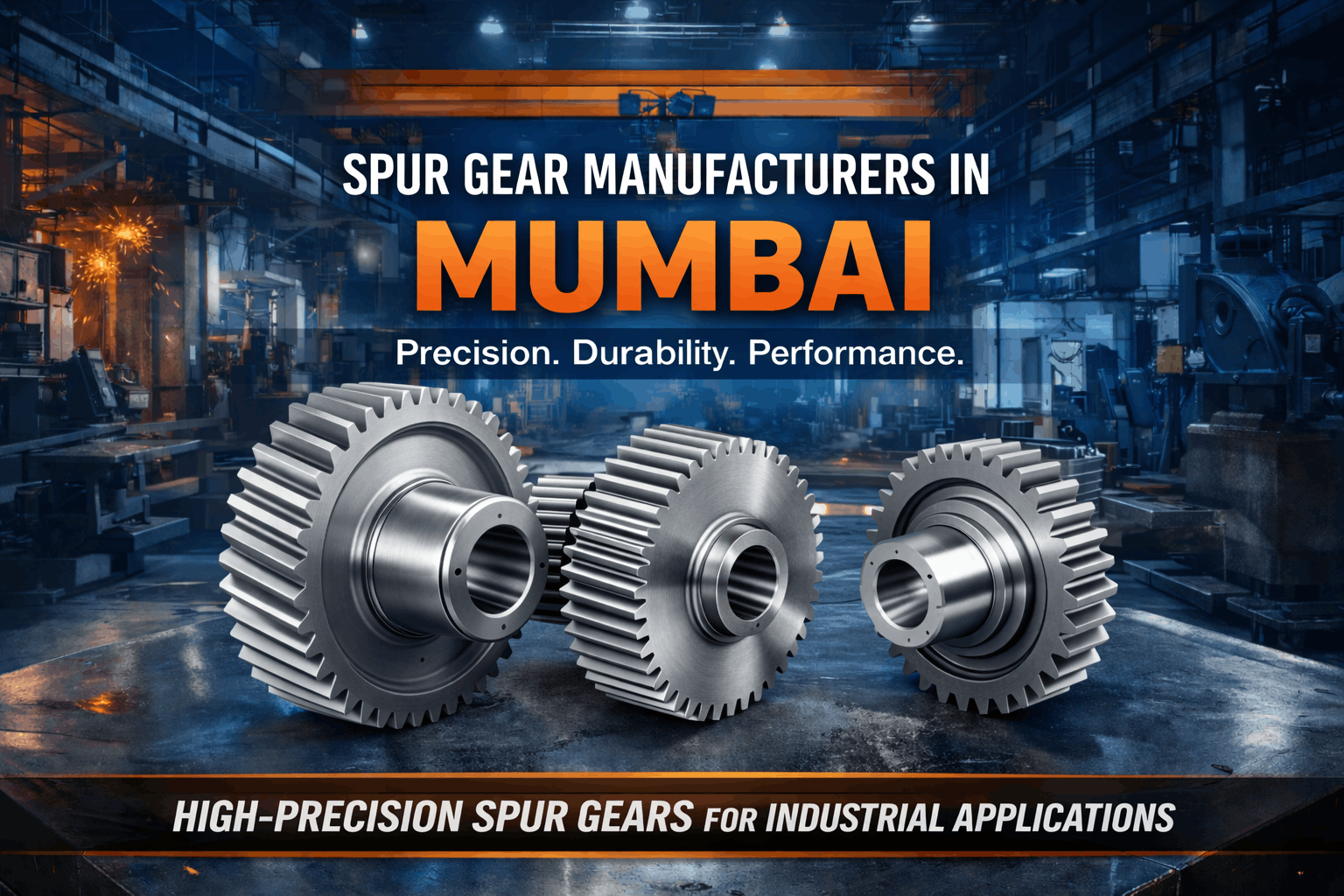
Some mechanical components earn their re...
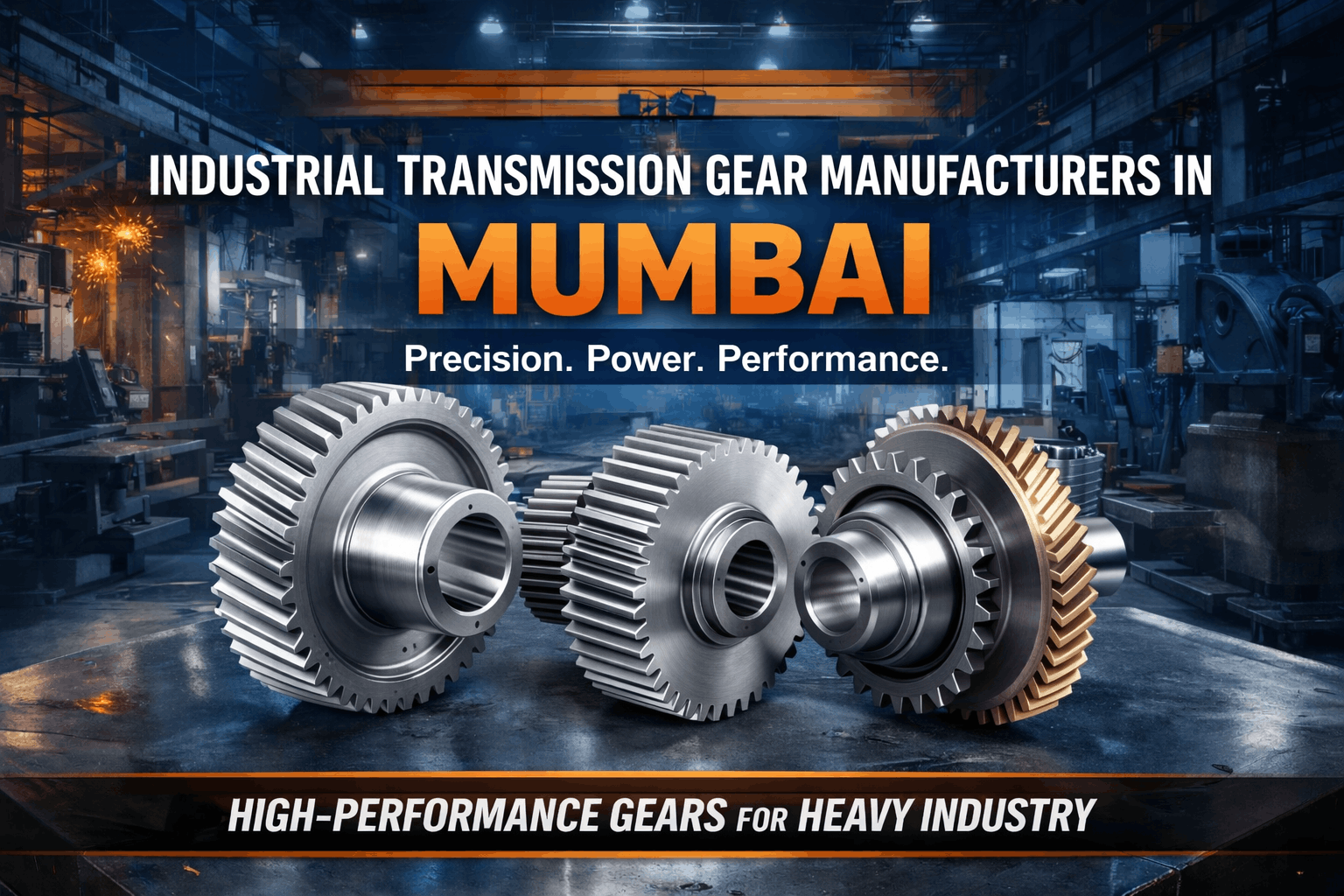
Power transmission begins with a single,...
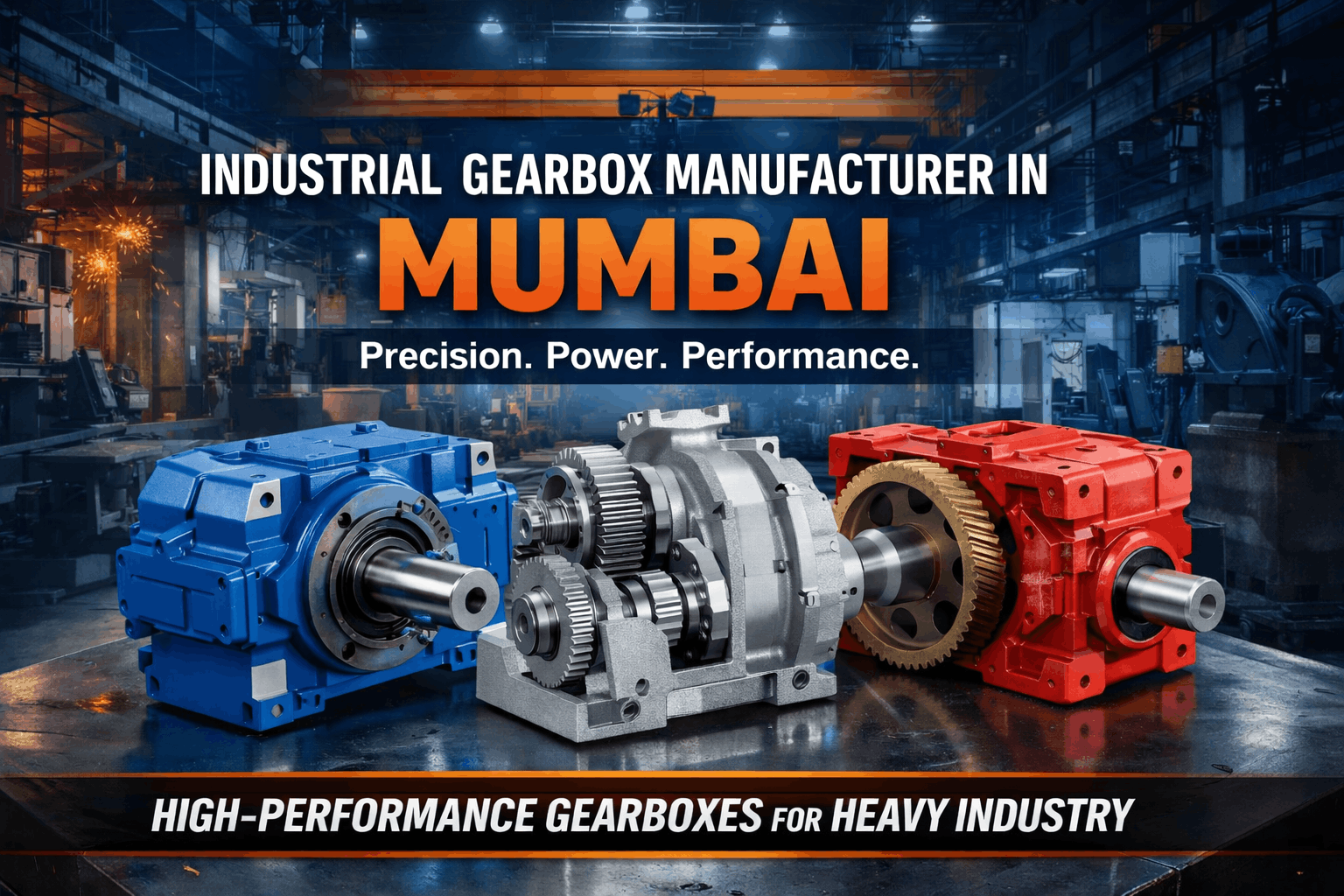
Behind every smooth-running industrial m...

In heavy-duty mechanical systems, power ...

In mechanical systems, reliability often...

In industrial environments where machine...
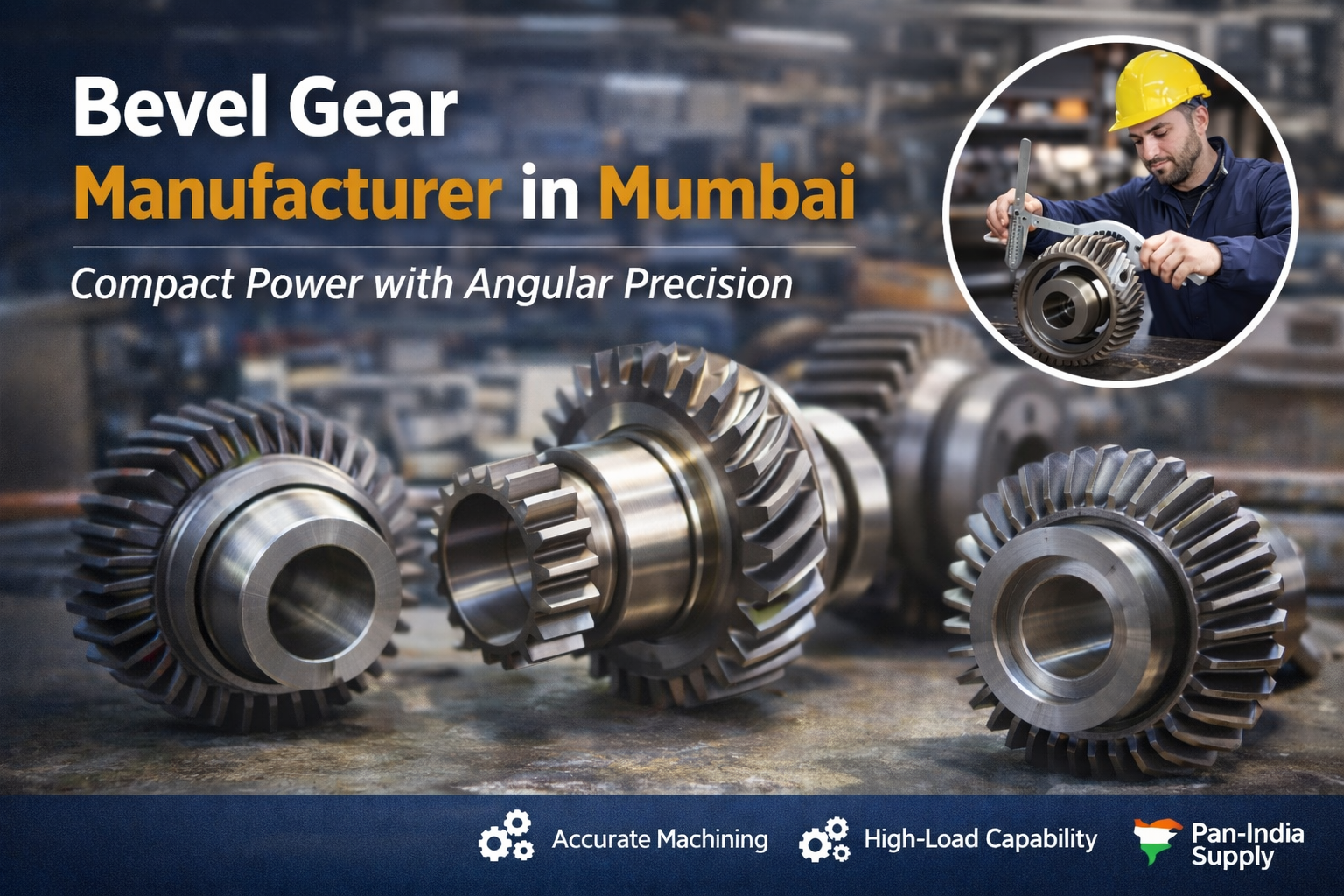
Machines that rely on angular power tran...
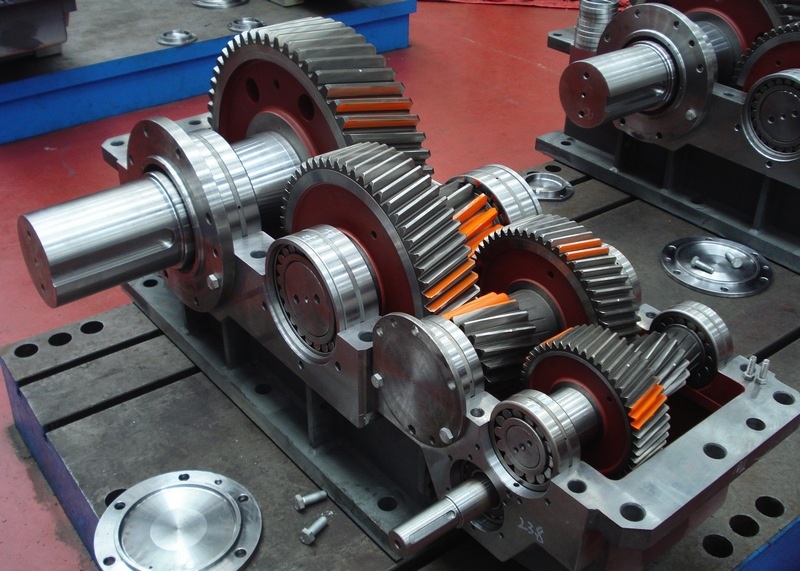
Modern industries run on reliability. Wh...
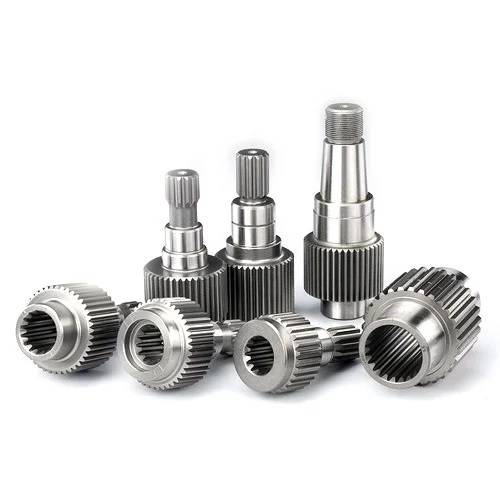
The Pinion Gear Shaft Manufacturers in M...
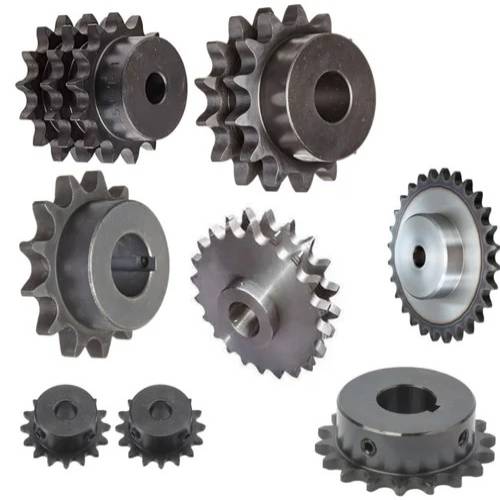
...
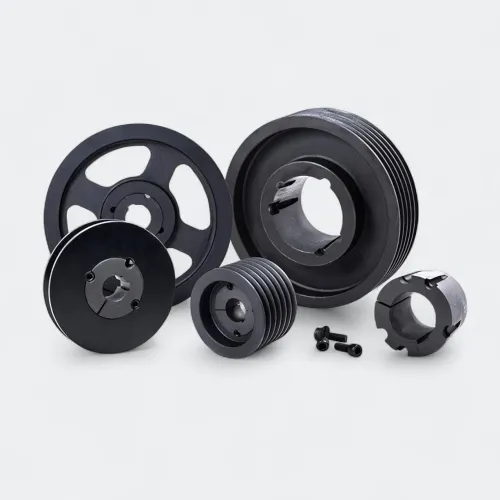
When machines need dependable power, smo...
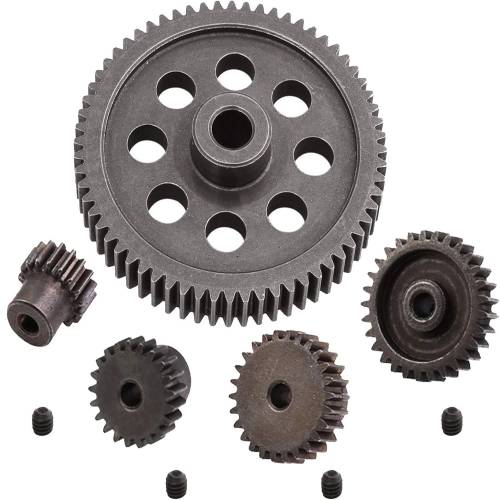
The Spur Gear Manufacturers in Mumbai ar...
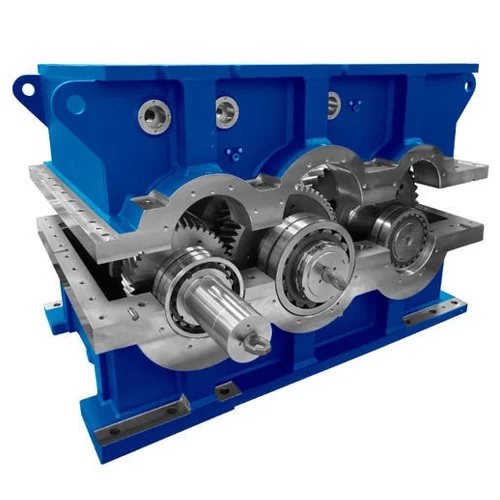
The Gearbox Manufacturers in Mumbai play...
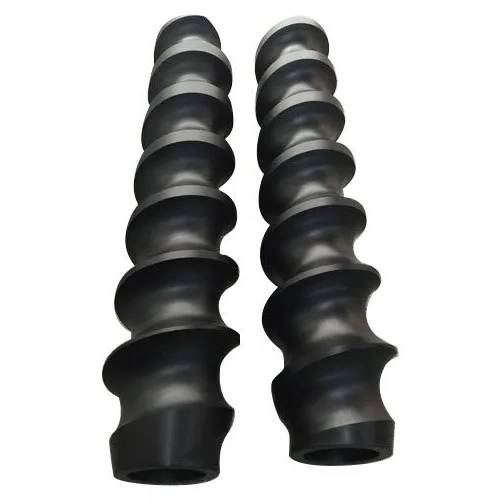
When precision meets performance, indust...
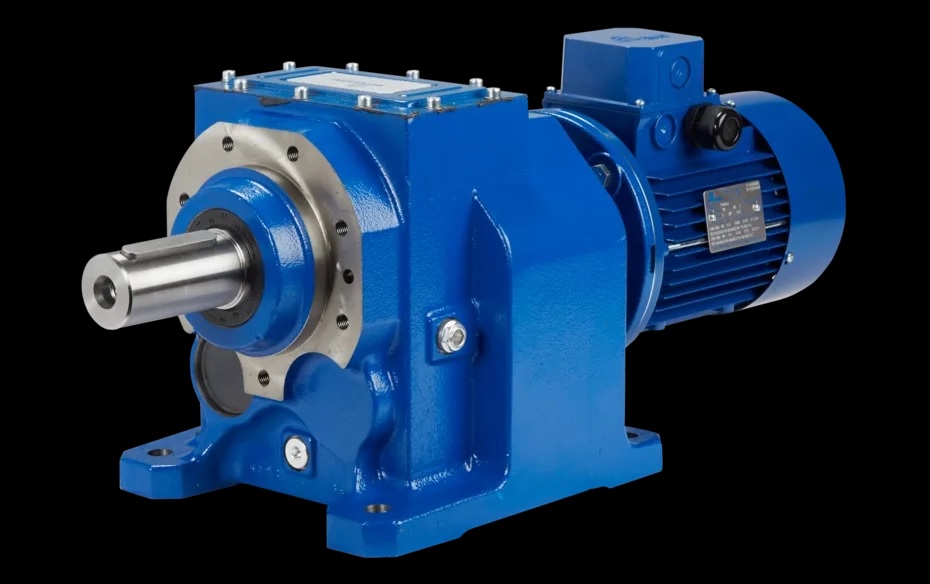
In the modern industrial world, precisio...
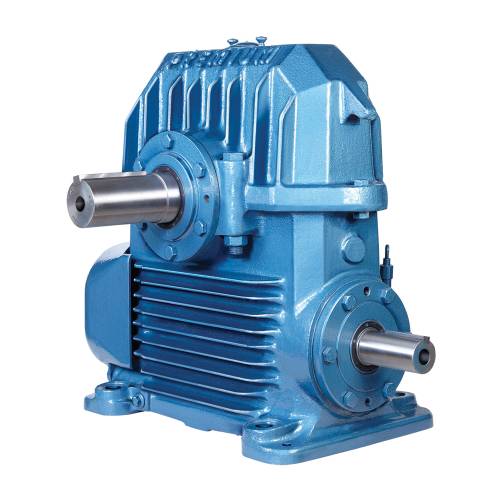
In today’s fast-paced industrial world...
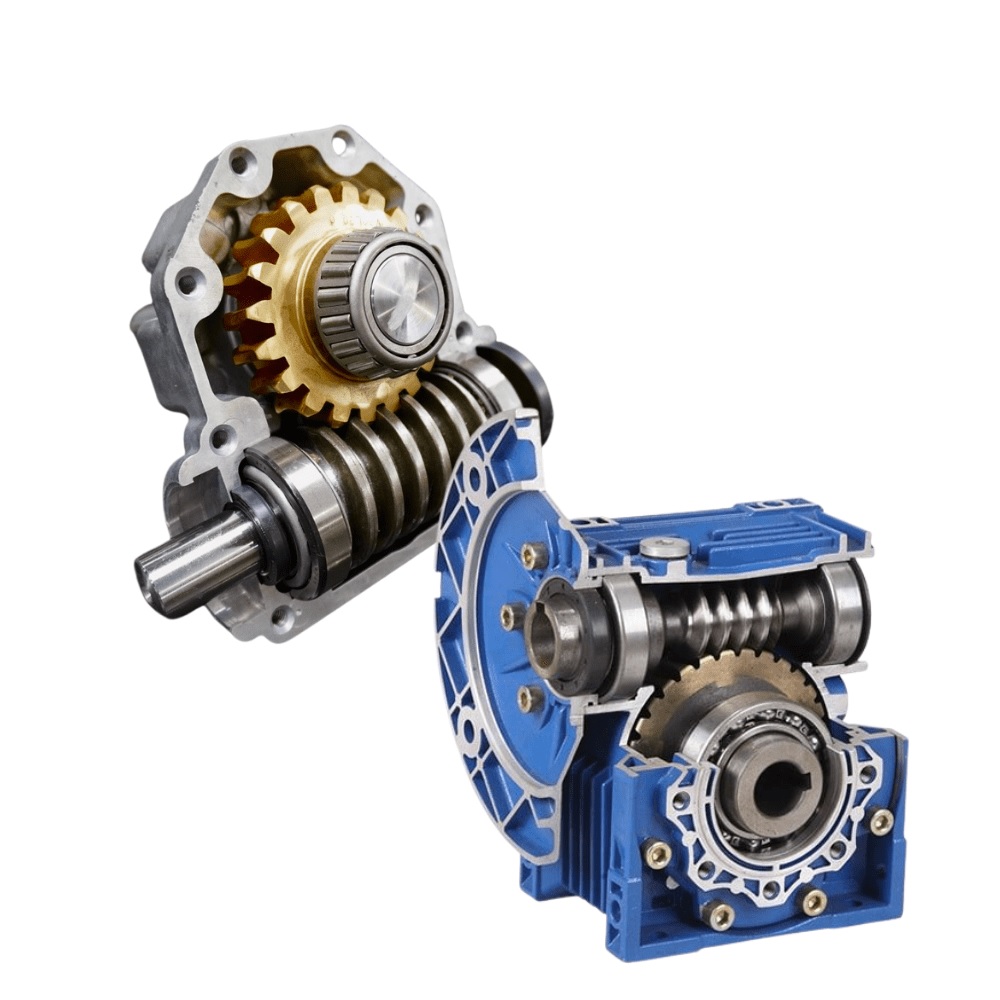
When it comes to advanced power transmis...
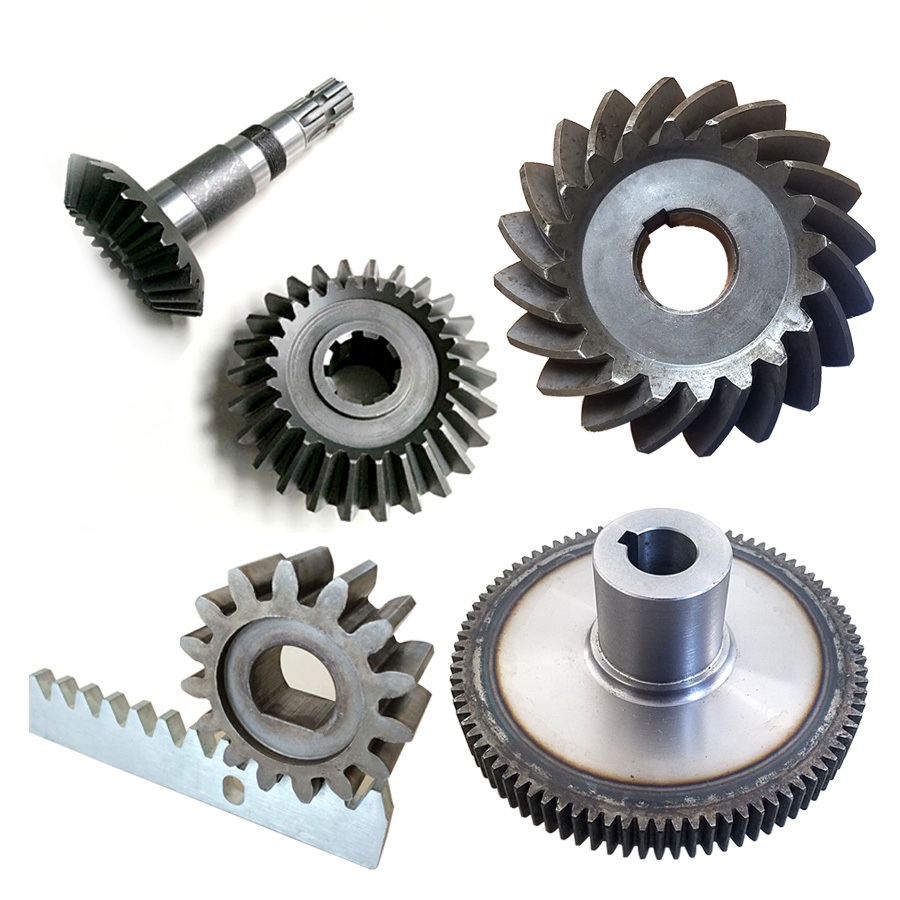
In the world of modern engineering, Indu...
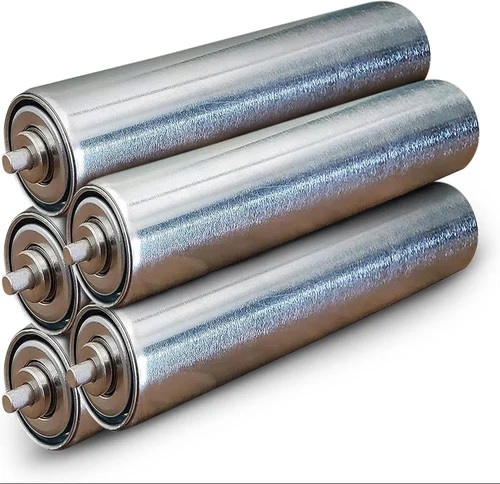
In the world of material handling and co...
