
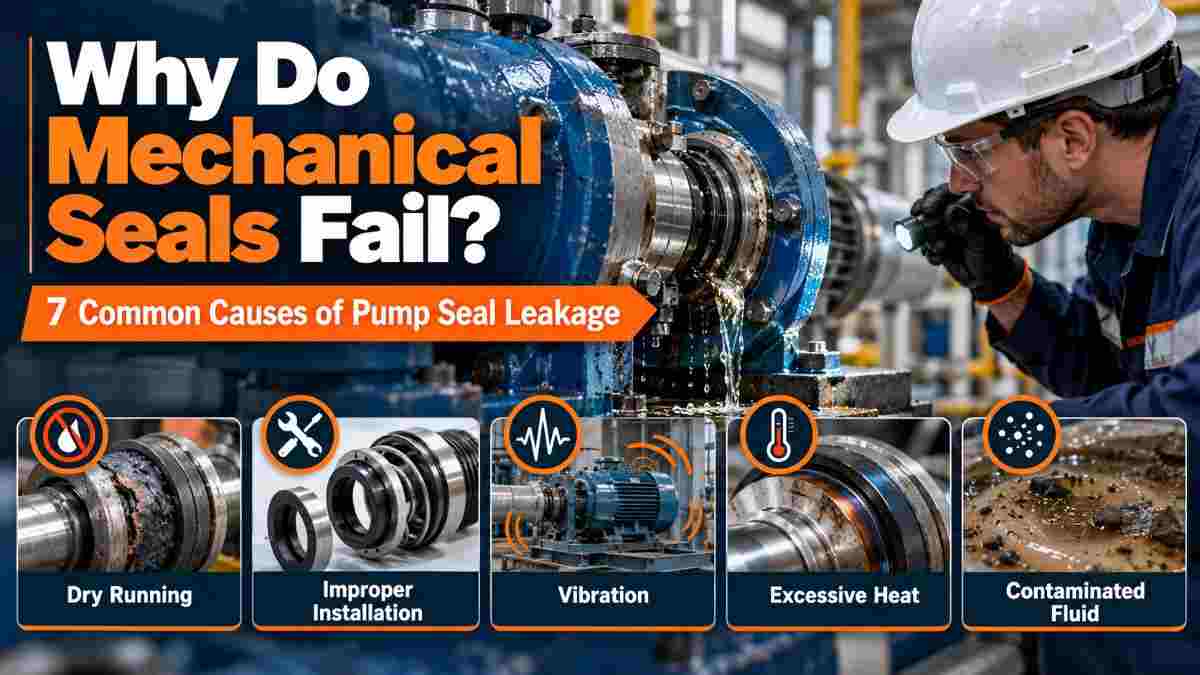
Mechanical seals are essential components in industrial pumps, helping control fluid leakage where the rotating shaft passes through the pump casing. However, even a properly selected seal can fail prematurely when operating conditions, installation practices, or equipment maintenance are inadequate.
The most common mechanical seal failure causes include dry running, incorrect installation, excessive vibration, overheating, chemical incompatibility, contaminated fluids, and improper operating conditions.
A leaking pump seal is not always the result of a defective sealing component. It can indicate an underlying problem with the pump, shaft, bearings, lubrication, or process conditions.
Identifying the reason for failure is important because simply replacing a damaged seal without correcting the original problem may lead to repeated leakage and unexpected downtime.
This guide explains seven common causes of mechanical seal failure, their warning signs, troubleshooting methods, and practical ways to improve pump reliability.
A mechanical seal is a precision sealing arrangement designed to control fluid leakage around a rotating shaft.
It typically consists of two closely fitted sealing faces. One rotates with the shaft, while the other remains stationary.
A thin fluid film between the faces helps provide lubrication and remove heat while controlling leakage.
Mechanical seals also contain secondary sealing elements, springs or other loading mechanisms, and components that hold the sealing assembly in position.
An appropriately selected mechanical seal can help maintain reliable operation in industrial pumps used for water handling, chemical processing, manufacturing, and other fluid transfer applications.
However, mechanical seals are not necessarily completely leak-free. The acceptable leakage rate depends on the seal design, operating conditions, process fluid, and applicable equipment requirements.
Mechanical seal failures can develop gradually or occur suddenly. Understanding the potential causes helps maintenance teams identify problems before they result in major equipment damage.
Yes. Dry running is one of the most damaging conditions for many liquid-lubricated mechanical seals.
Under normal operation, a thin film of fluid helps lubricate and cool the sealing faces.
If the pump runs without sufficient liquid at the sealing interface, friction and temperature can increase rapidly.
Excessive heat may damage seal faces, secondary sealing elements, and other components.
Common causes of dry running include:
Warning signs: Unusual noise near the seal, rapid temperature increase, sudden leakage, or damage to sealing faces.
Recommended solution: Verify that the pump and seal chamber receive the required liquid supply before startup. Follow the manufacturer's priming, venting, and seal support system requirements.
If dry running has occurred, stop the equipment safely and inspect the sealing arrangement before restarting.
Mechanical seals contain precision components that must be installed according to their design requirements.
Incorrect installation can damage sealing faces, distort secondary sealing elements, or prevent the seal from operating at the intended setting.
Common installation mistakes include:
Even small errors can affect sealing performance when a pump reaches normal operating pressure and temperature.
Warning signs: Leakage immediately after installation, uneven face wear, or repeated failure shortly after maintenance.
Recommended solution: Follow the manufacturer's installation instructions, verify dimensions and component condition, and use qualified personnel for assembly.
For cartridge seals, ensure that installation clips, setting devices, and gland components are handled according to the specific manufacturer's procedure.
Yes. Excessive shaft movement and vibration can reduce mechanical seal reliability.
Mechanical seals are designed to accommodate certain shaft movements, but excessive vibration or deflection can disturb face alignment and loading.
Possible causes include:
These conditions can cause uneven face contact, accelerated wear, and leakage.
Warning signs: Increased vibration, intermittent leakage, unusual bearing noise, or uneven wear patterns.
Recommended solution: Check pump alignment, bearing condition, shaft runout, and vibration levels against equipment specifications.
Correcting the underlying mechanical problem is essential before installing another seal.
Mechanical seals generate heat at their sealing faces during operation.
Under normal conditions, this heat is controlled through the process liquid, seal flush arrangement, or another suitable cooling method.
When heat removal becomes inadequate, temperatures can rise beyond the limits of the sealing materials.
Possible causes include:
Excessive heat can lead to thermal distortion, damaged elastomers, and premature wear.
Warning signs: Discolored components, damaged elastomers, abnormal seal chamber temperature, or recurring leakage during high-temperature operation.
Recommended solution: Review the pump's operating temperature, seal flush system, cooling arrangement, and material limits.
Any changes to the seal support system should follow the equipment manufacturer's specifications.
Mechanical seals are manufactured using different face materials, elastomers, and metal components.
These materials must be compatible with the liquid being pumped.
A seal suitable for water may not be appropriate for acids, solvents, hydrocarbons, or other aggressive chemicals.
Material incompatibility may cause:
Warning signs: Swollen O-rings, cracked secondary seals, unusual surface deterioration, or repeated failures after a process-fluid change.
Recommended solution: Verify the compatibility of the complete seal assembly with the process fluid, concentration, temperature, and pressure.
Do not assume that a material suitable for one chemical concentration will remain suitable at every temperature or concentration.
Contaminated process fluids can contain abrasive particles, scale, crystals, or other solid materials that interfere with sealing performance.
When particles enter the sealing interface, they may scratch or damage the precision faces.
Some process fluids can also crystallize or leave deposits around seal components, restricting their movement.
Common contamination sources include:
Warning signs: Scratched seal faces, abrasive wear, visible deposits, or progressively increasing leakage.
Recommended solution: Evaluate the fluid characteristics and determine whether filtration, flushing, a different seal arrangement, or another approved support system is required.
The correct solution depends on the pump design and the nature of the process fluid.
Mechanical seals are selected for specific operating conditions, including pressure, temperature, speed, and process-fluid properties.
If the pump operates outside these limits, even a correctly installed seal may fail prematurely.
Examples include:
Cavitation can create vibration and unstable pump operation, while insufficient flow may lead to abnormal heating or hydraulic loads.
Warning signs: Repeated seal failures, fluctuating pressure, abnormal pump noise, unstable operation, or leakage during specific production conditions.
Recommended solution: Compare actual pump operating conditions with the pump curve, seal specifications, and manufacturer recommendations.
Determine whether the equipment, process conditions, or seal arrangement needs correction.
Mechanical seal problems often produce warning signs before complete failure.
Maintenance teams should monitor changes in leakage, temperature, vibration, and pump operating behavior.
| Symptom | Possible Cause | Recommended Inspection |
|---|---|---|
| Leakage immediately after installation | Incorrect installation or damaged components | Verify assembly, settings, and seal faces |
| Sudden leakage after pump startup | Dry running or inadequate priming | Check liquid supply and startup procedure |
| Leakage with excessive vibration | Misalignment, bearing wear, or shaft movement | Inspect vibration and mechanical alignment |
| Seal temperature increases abnormally | Poor cooling or inadequate lubrication | Check flush and cooling systems |
| O-rings appear swollen or cracked | Chemical or thermal incompatibility | Review elastomer and fluid compatibility |
| Seal faces show scratches | Abrasive contamination | Inspect fluid cleanliness and seal support |
| Repeated failure during process changes | Operation outside design conditions | Review pressure, temperature, flow, and duty cycle |
These symptoms indicate possible causes rather than confirming a diagnosis. A complete mechanical seal failure analysis may be required when failures recur.
Mechanical seal troubleshooting should follow a systematic process to identify the actual cause of leakage.
Do not attempt to touch, adjust, or dismantle a mechanical seal while the pump is operating.
For hazardous process fluids, leakage must be handled according to plant safety procedures and applicable equipment requirements.
Some mechanical seal components can be refurbished or replaced, but repair suitability depends on the seal design, damage severity, and manufacturer's requirements.
Potential repair activities may include:
However, not every mechanical seal is designed or approved for repair.
Severely damaged components, unsuitable materials, or repeated failures may make replacement the more practical option.
When replacing a mechanical seal, the cause of the original failure should be corrected to reduce the risk of another breakdown.
Preventing mechanical seal failure requires attention to both seal selection and pump operating conditions.
Important preventive practices include:
A maintenance program based on operating conditions and equipment criticality can help detect developing problems before they result in unplanned shutdowns.
Selecting a mechanical seal requires more than matching the shaft diameter.
The complete sealing arrangement must suit the pump design, process fluid, and operating conditions.
Important selection factors include:
Different applications may require different seal arrangements, including single seals, dual seals, or cartridge-type configurations.
For demanding pump applications, the seal and its support system should be evaluated together to ensure compatible operation.
Mechanical seals are used in industrial facilities where rotating equipment transfers liquids under different operating conditions.
Chemical processing pumps may handle corrosive liquids, aggressive solvents, or fluids containing solids.
Incorrect seal material selection, inadequate flushing, or unsuitable process conditions can contribute to premature failure.
Water treatment systems may experience seal problems associated with abrasive particles, dry running, unsuitable installation, or equipment wear.
The correct seal selection depends on water quality, pressure, pump design, and service conditions.
Food and beverage processing equipment may require seals designed for hygienic operation, cleanability, and compatibility with cleaning chemicals.
Improper materials or installation can affect sealing performance and process reliability.
Petrochemical pumps may handle flammable or hazardous process fluids.
Appropriate mechanical seals and support systems are important for controlling leakage and meeting relevant safety and equipment requirements.
Selection and maintenance should follow applicable standards and the plant's engineering procedures.
There is no single cause that applies to every pump. Common causes include dry running, improper installation, contamination, misalignment, and operation outside the seal's design limits.
Yes. Abnormal wear, temperature changes, vibration, or damage to internal components may develop before visible leakage becomes apparent. Condition monitoring and proper inspection help identify these problems.
A newly installed seal may leak because of incorrect assembly, damaged components, improper setting dimensions, inadequate priming, or unsuitable operating conditions.
Yes. Dry running can cause rapid heating and damage to sealing faces and secondary components. The severity depends on the seal design and duration of operation without adequate lubrication.
Mechanical seal service life depends on the application, materials, operating conditions, installation quality, and maintenance practices. There is no universal replacement interval suitable for every industrial pump.
Not automatically. Leakage should first be investigated to identify its source and severity. Some issues may involve external connections or operating conditions, while damaged seals may require repair or replacement.
Mechanical seal failure is often connected to problems beyond the sealing component itself. Dry running, incorrect installation, vibration, excessive heat, contaminated fluids, and unsuitable process conditions can all contribute to premature failure.
The most effective approach is to identify and correct the underlying cause instead of replacing seals repeatedly without investigation.
Regular maintenance, proper seal selection, correct installation, and monitoring of pump operating conditions can help reduce leakage risks and improve equipment reliability.
Agni Engineering offers mechanical seal products for industrial equipment requirements. Selecting a suitable seal involves reviewing the process fluid, temperature, pressure, shaft dimensions, material compatibility, and operating conditions.
Before purchasing a replacement mechanical seal, confirm the technical specifications and investigate previous failures to support reliable long-term pump performance.
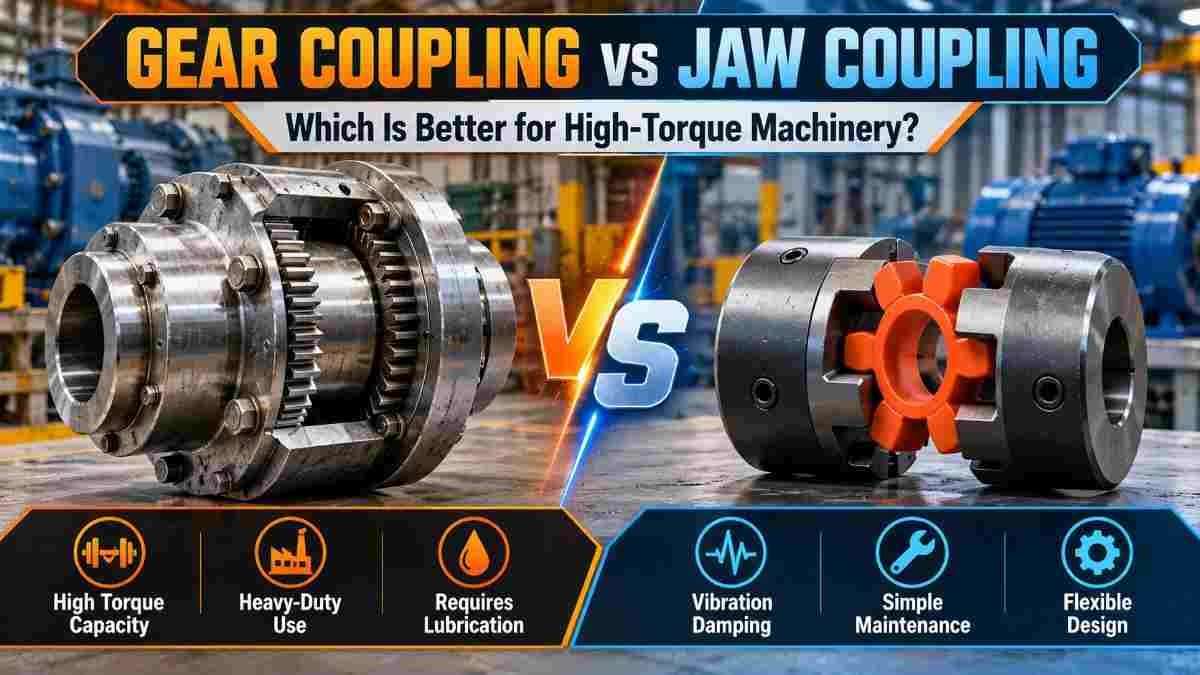
Industrial machinery depends on reliable...
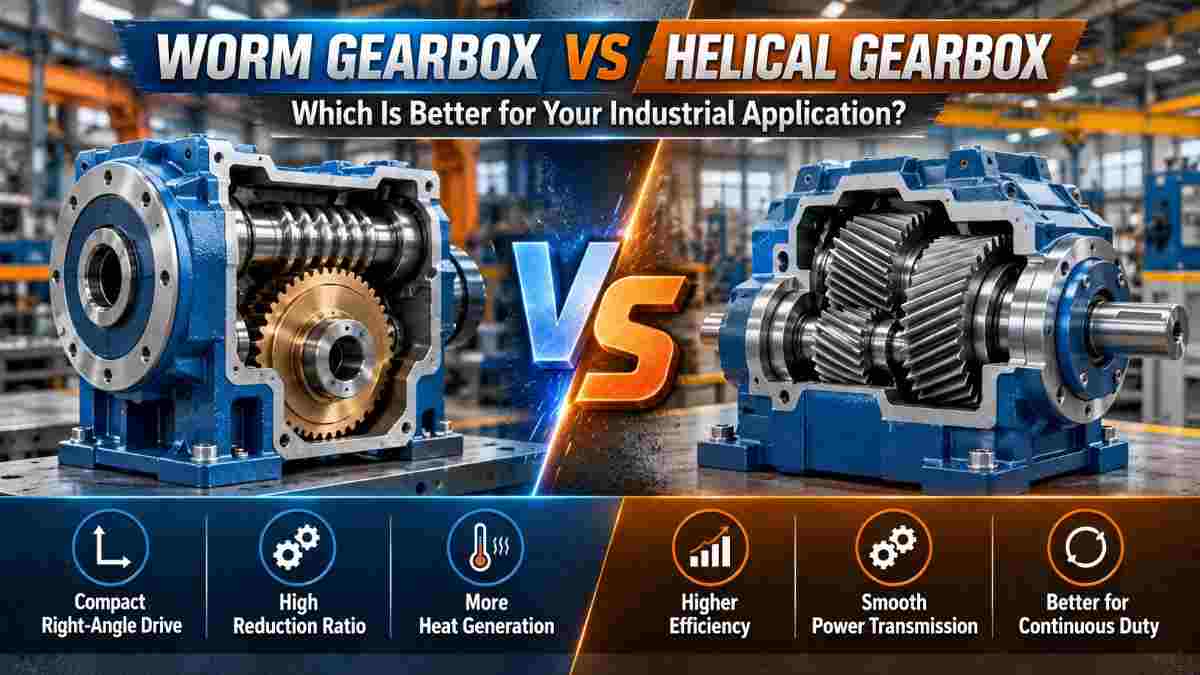
Choosing between a worm gearbox and a he...
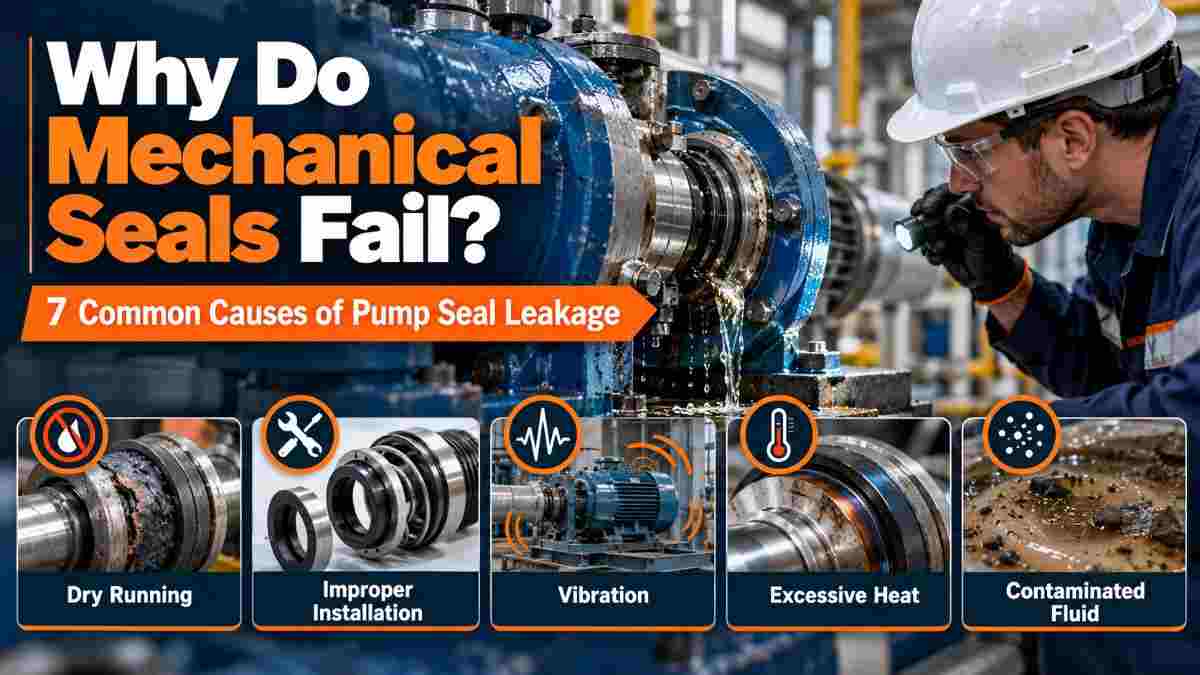
Mechanical seals are essential component...

An industrial gearbox naturally generate...

A spur gear is a mechanical gear with st...
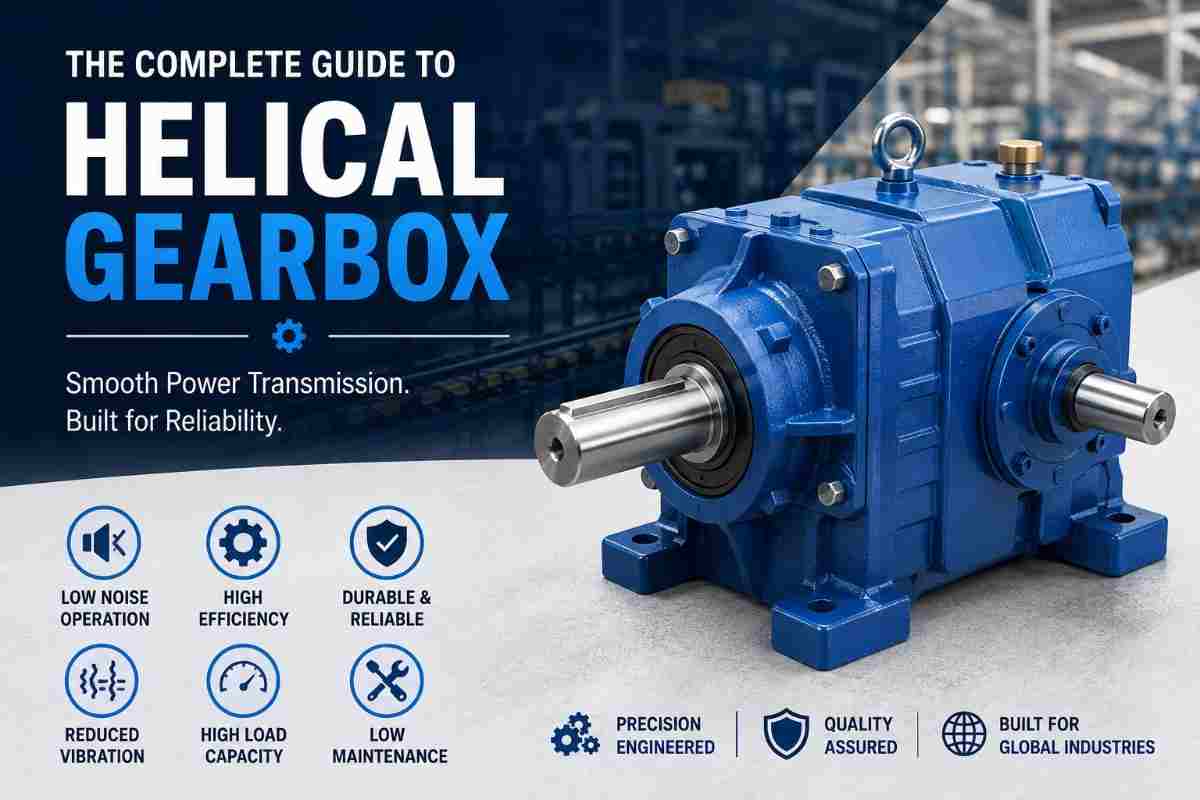
A helical gearbox is a mechanical power ...
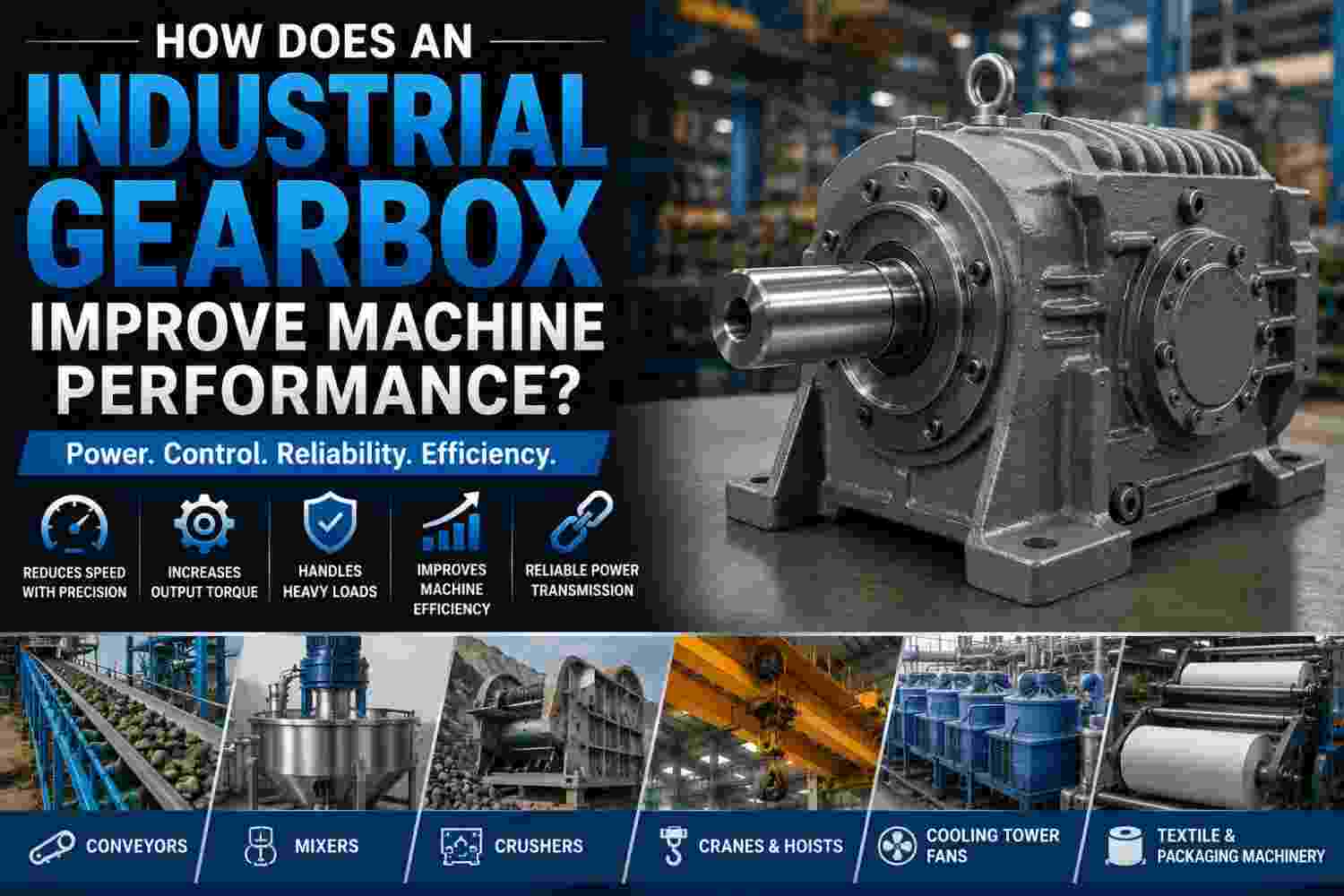
An industrial gearbox improves machine p...
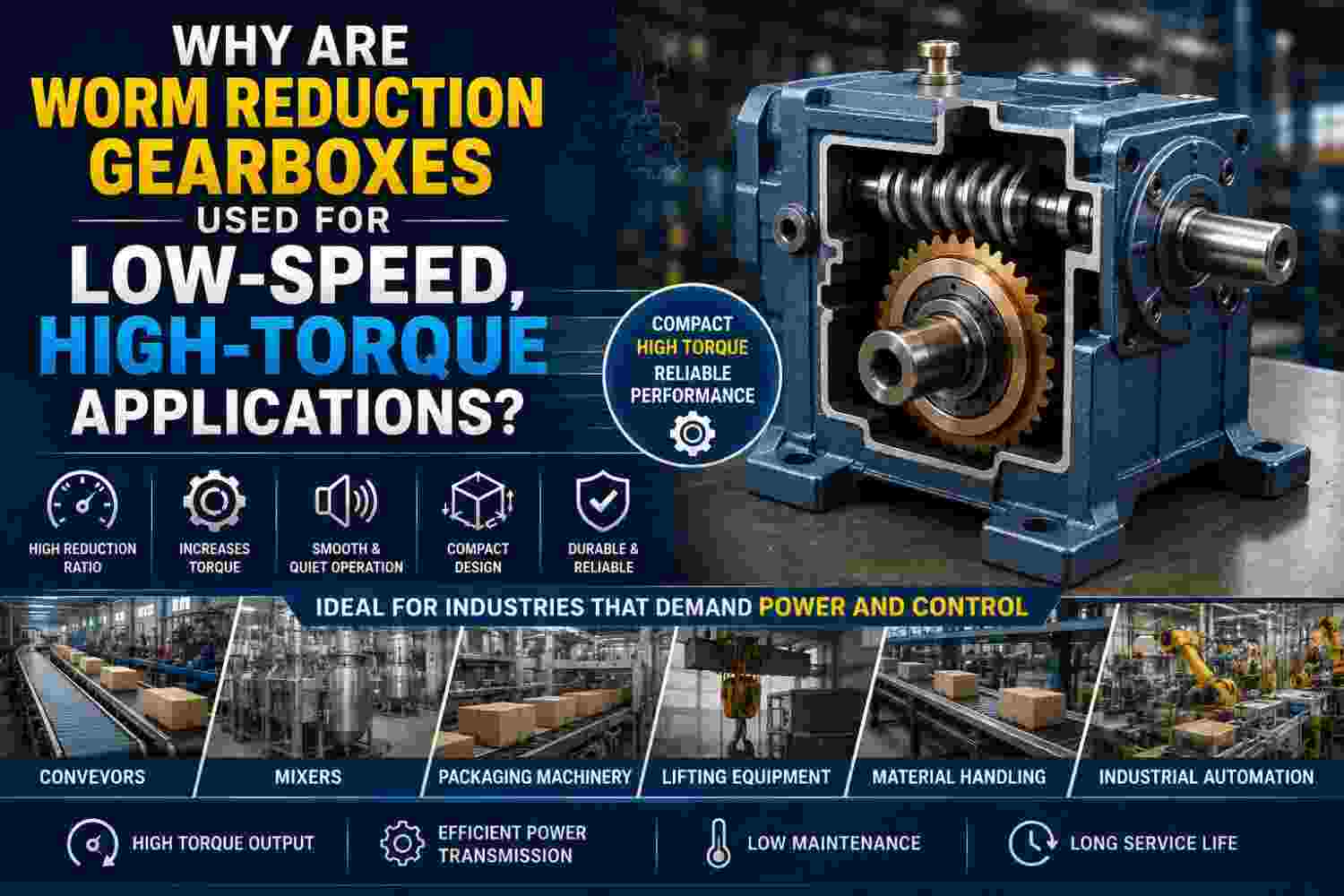
Worm reduction gearboxes are used for lo...
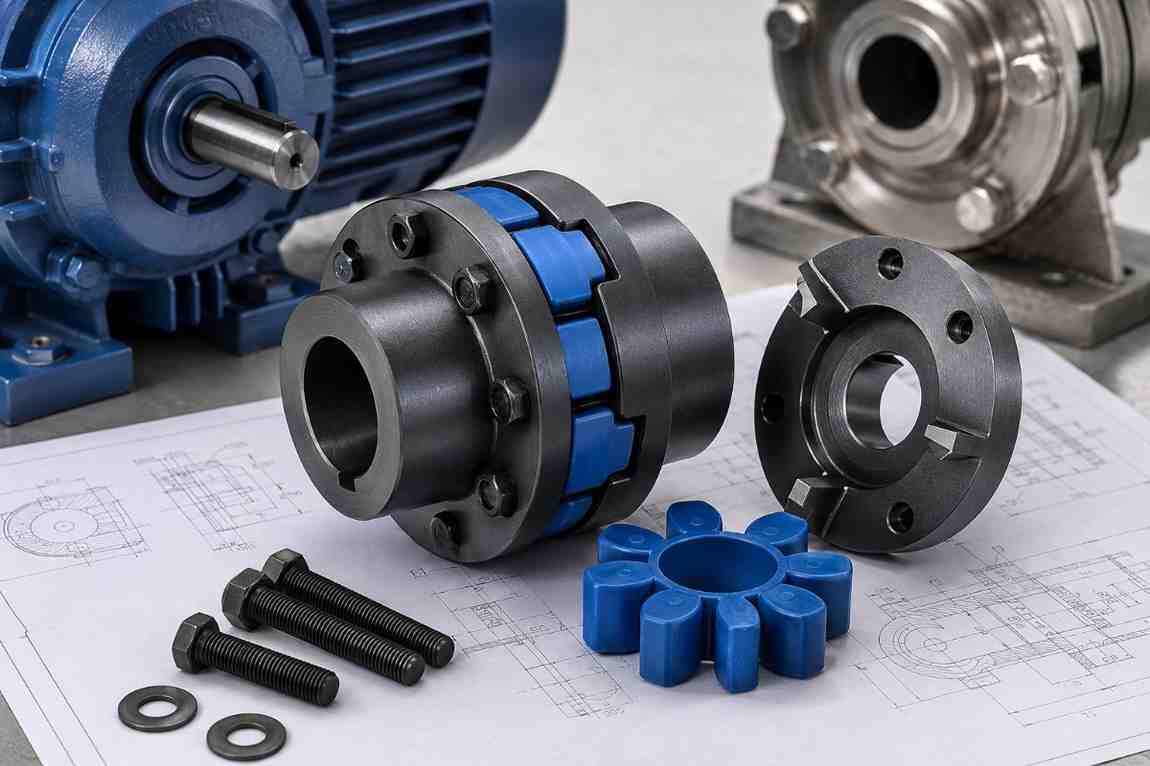
Selecting the correct N-Eupex coupling i...
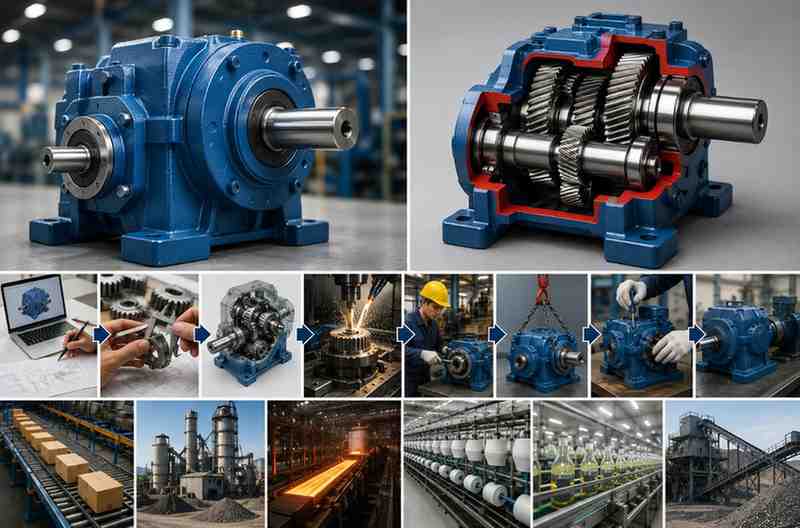
Choosing the right helical gearbox is on...

For centuries, pulleys have been one of ...
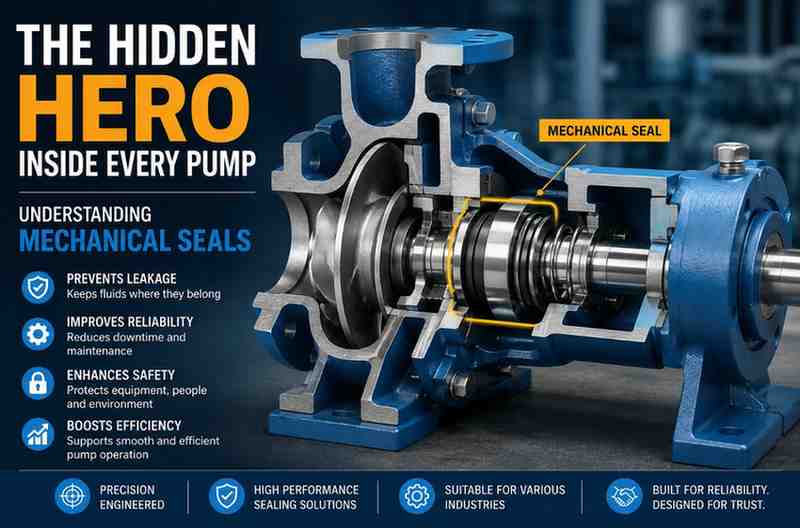
When people think about industrial pumps...
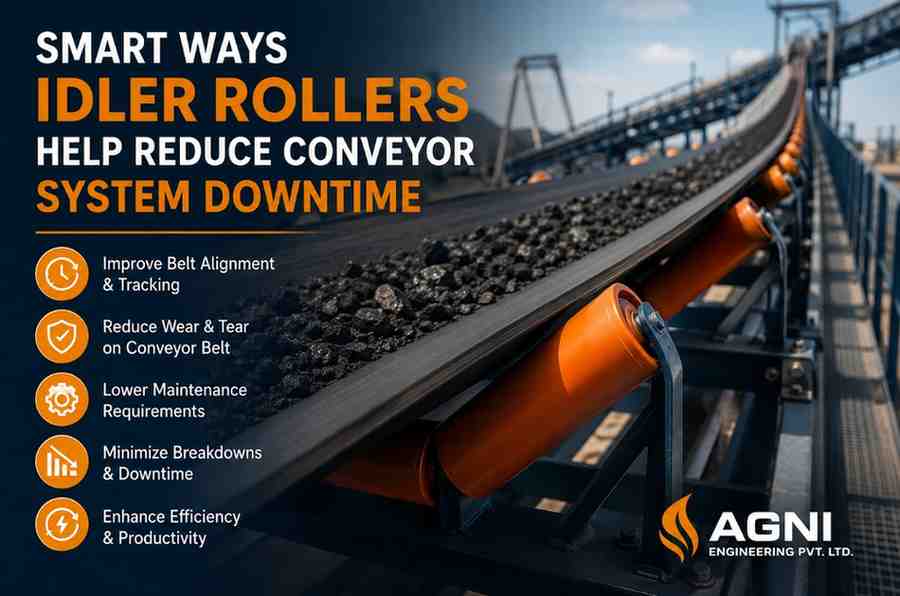
In industries where material handling is...
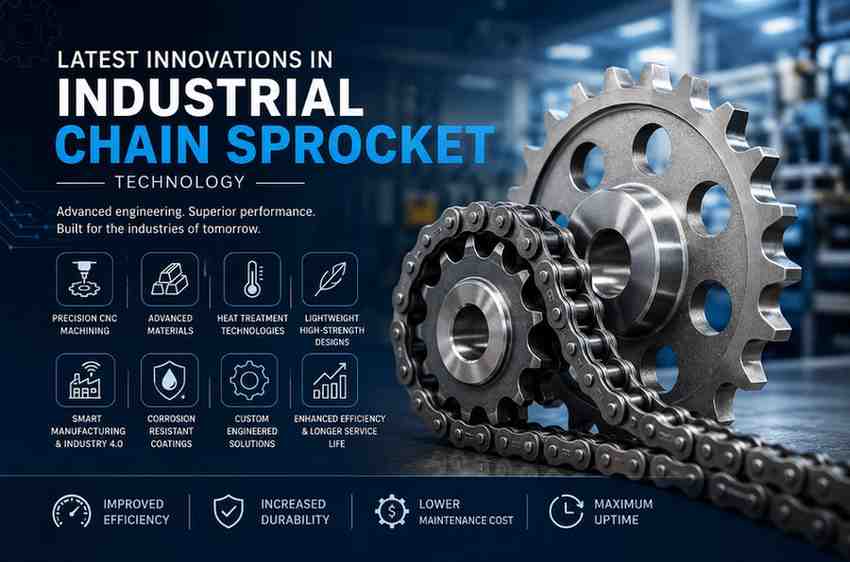
In today’s fast-moving industrial envi...
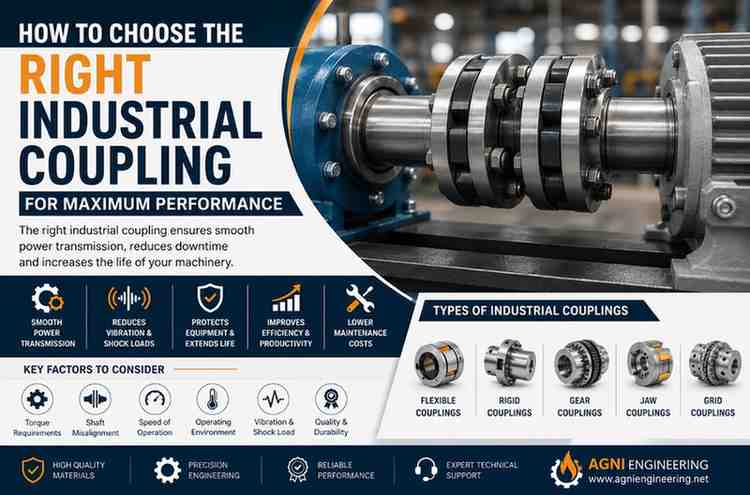
In any industrial setup, even the smalle...
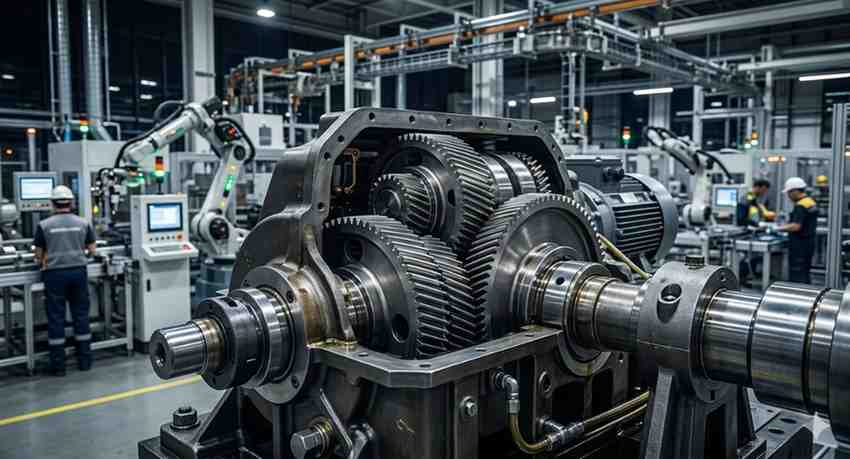
Industrial operations today are becoming...
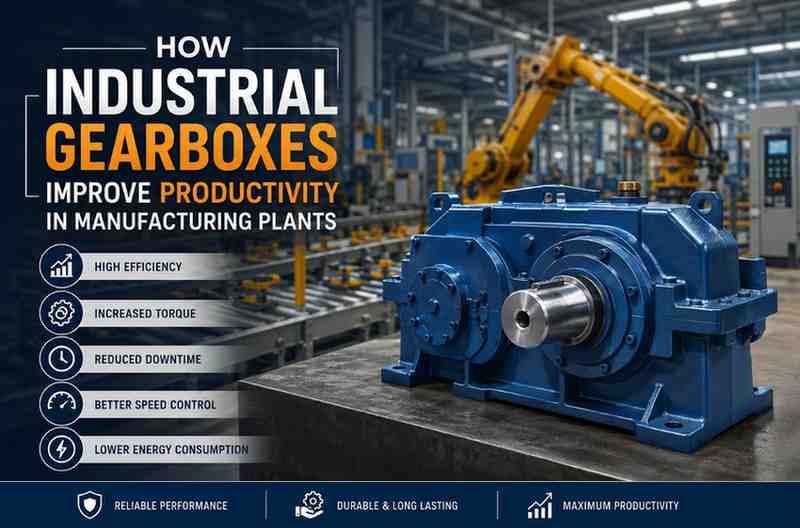
In modern manufacturing plants, efficien...
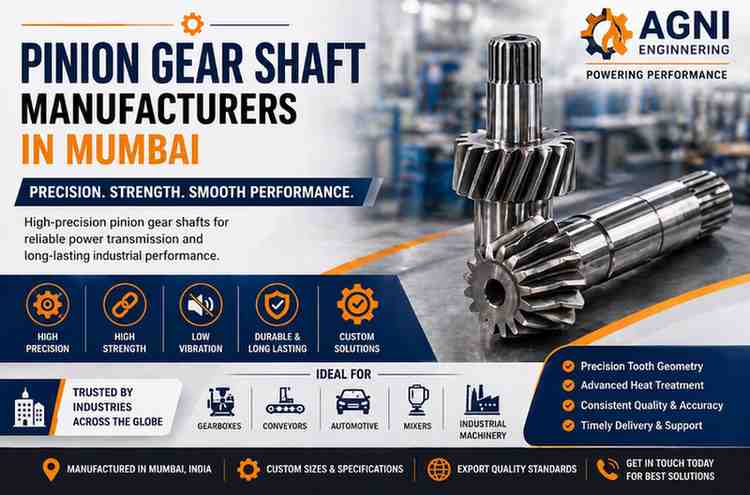
In industrial machinery, every movement ...
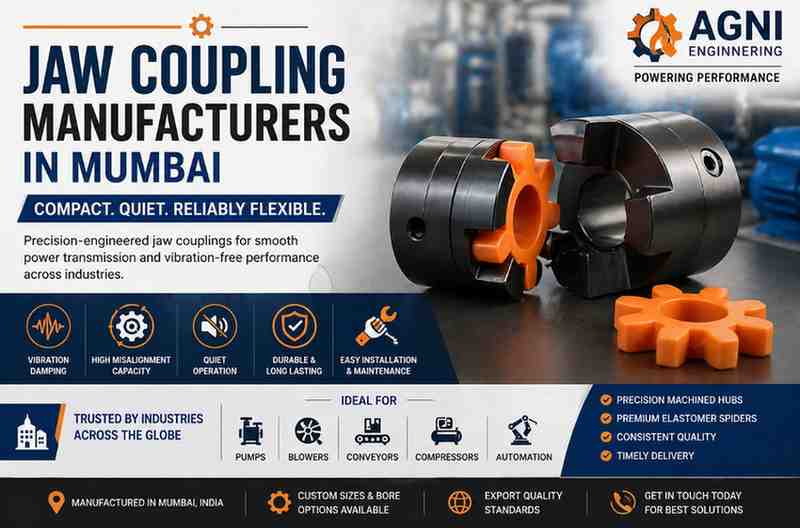
In modern industrial machinery, smooth p...
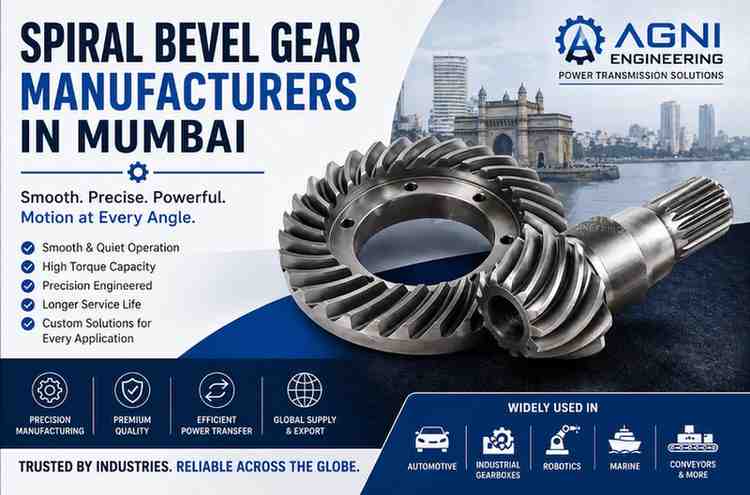
In modern industries, machines rarely wo...
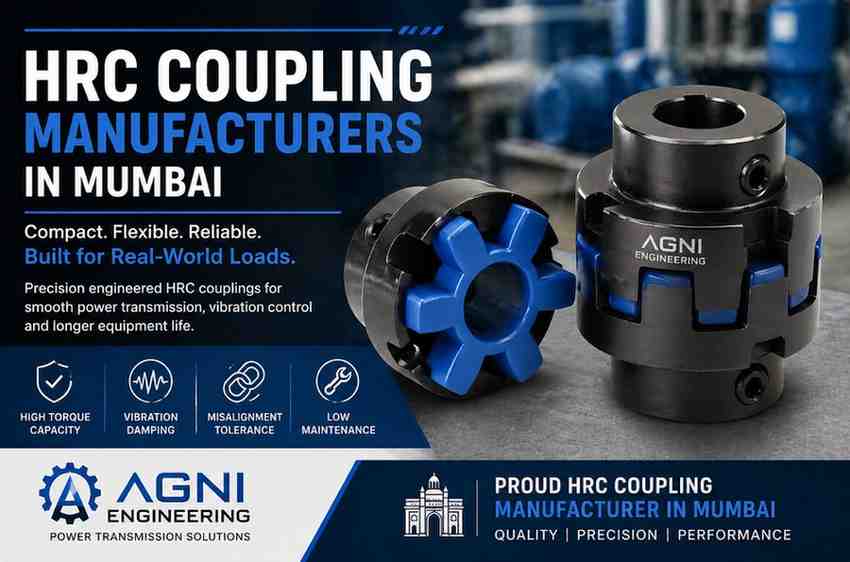
In industrial machinery, smooth power tr...

Machines depend on smooth and steady mot...

In any industrial system, smooth power t...

In many industrial machines, smooth moti...
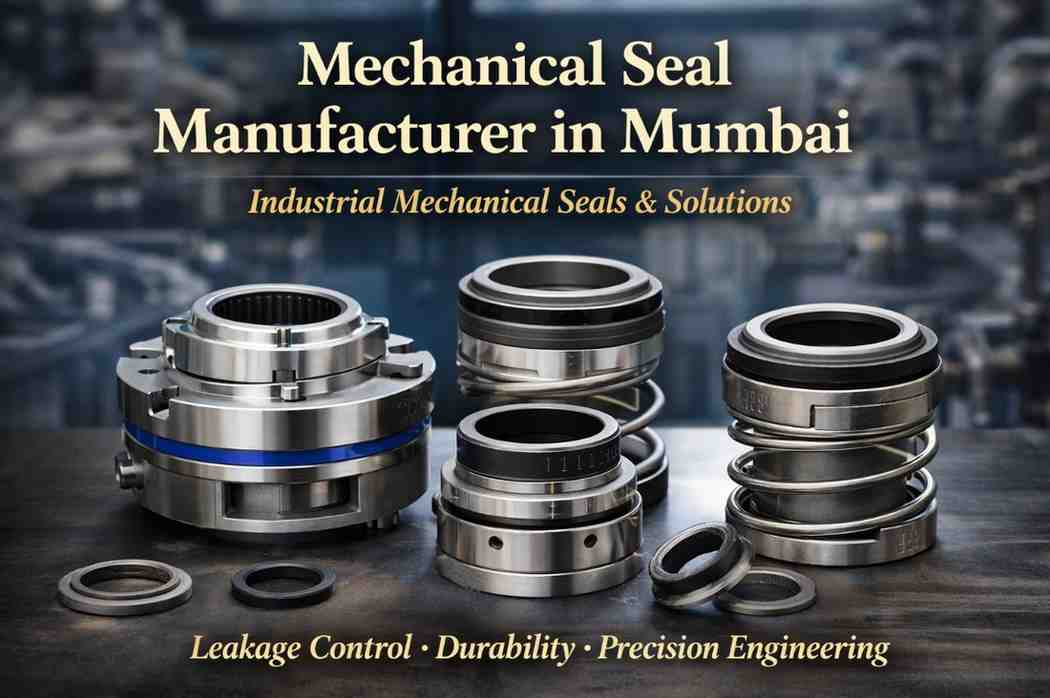
Industrial machines operate under pressu...
In many industrial machines, vibration, ...
In every conveyor system, rollers play a...
In modern machines, power does not alway...
Some mechanical components earn their re...
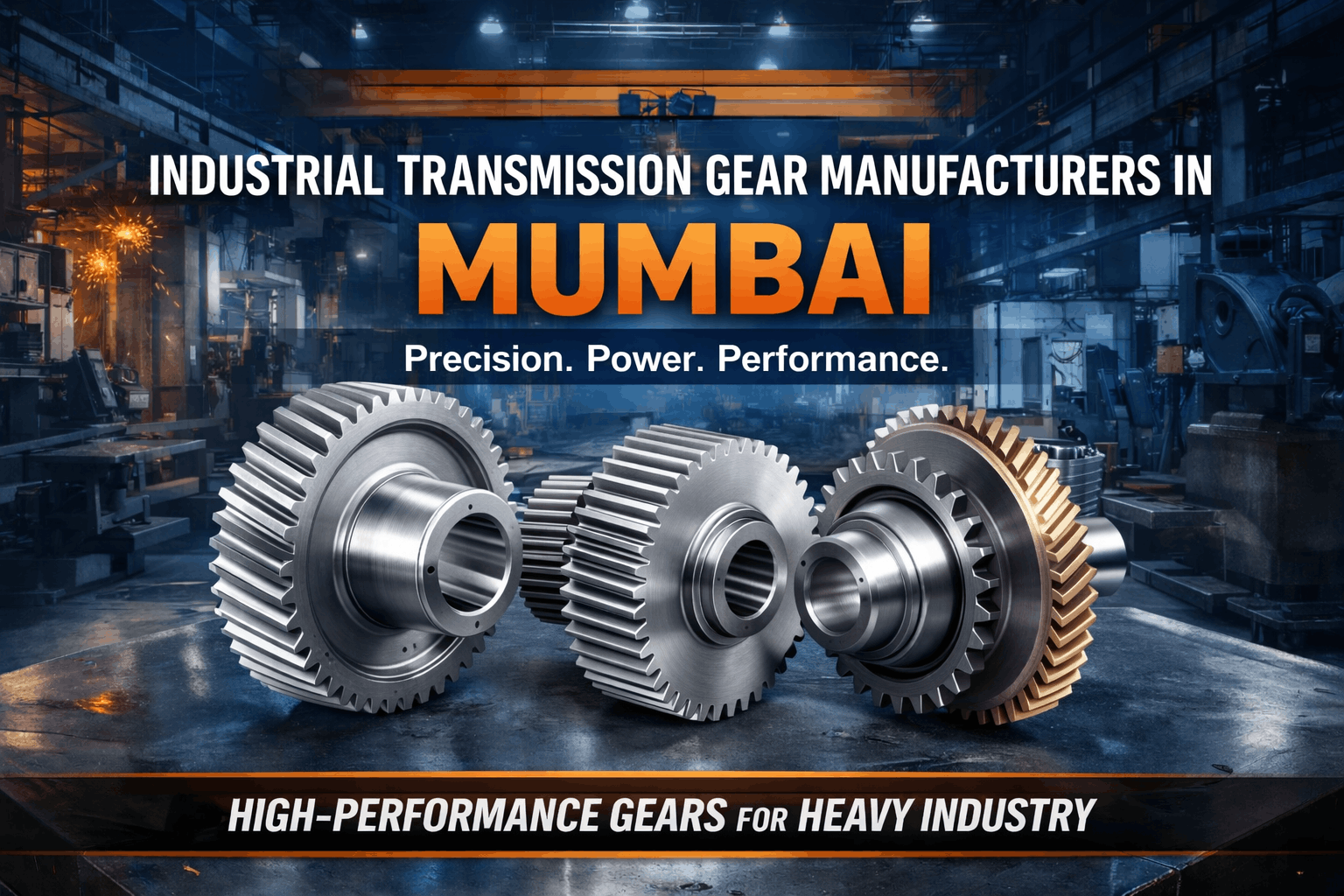
Power transmission begins with a single,...
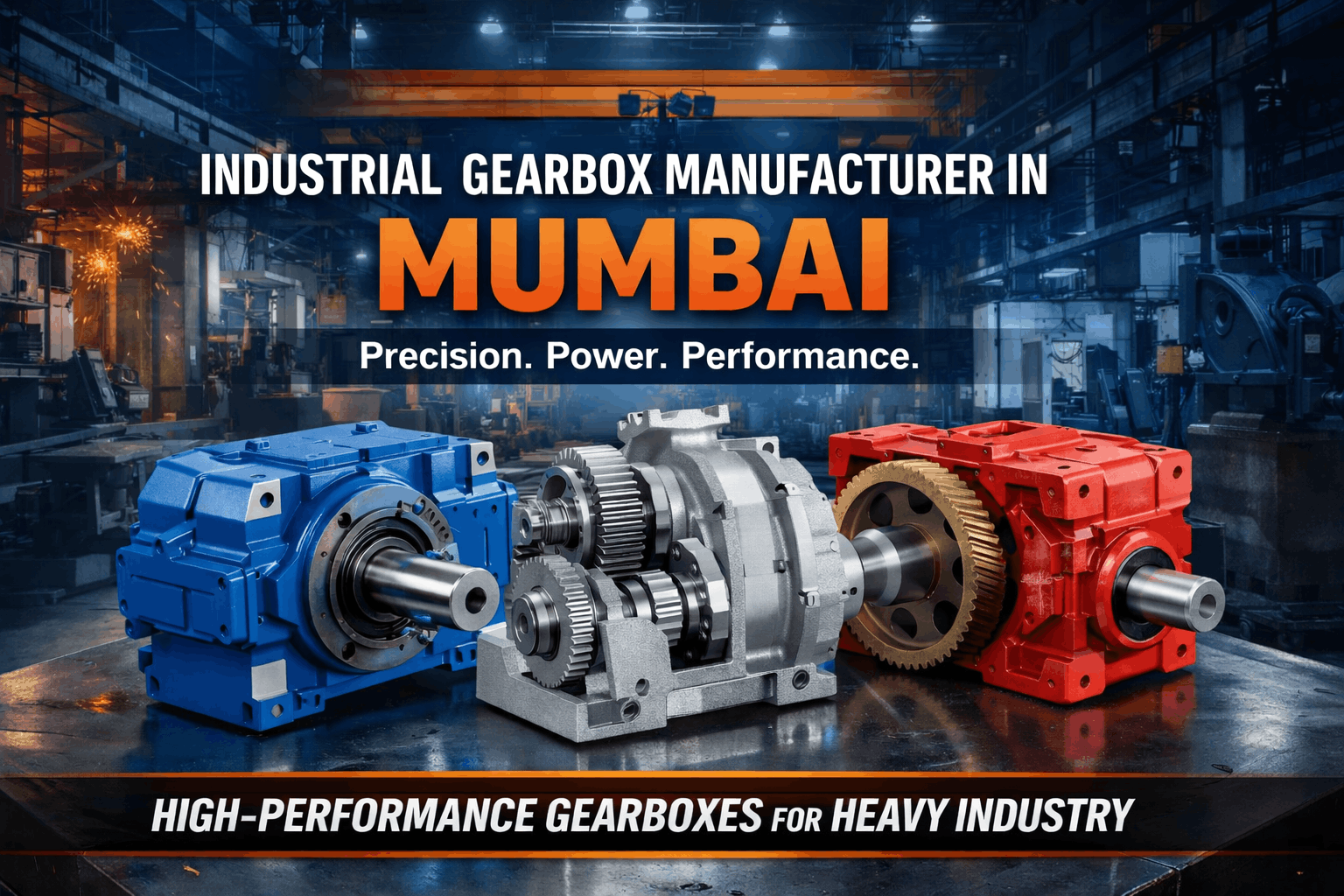
Behind every smooth-running industrial m...

In heavy-duty mechanical systems, power ...

In mechanical systems, reliability often...

In industrial environments where machine...
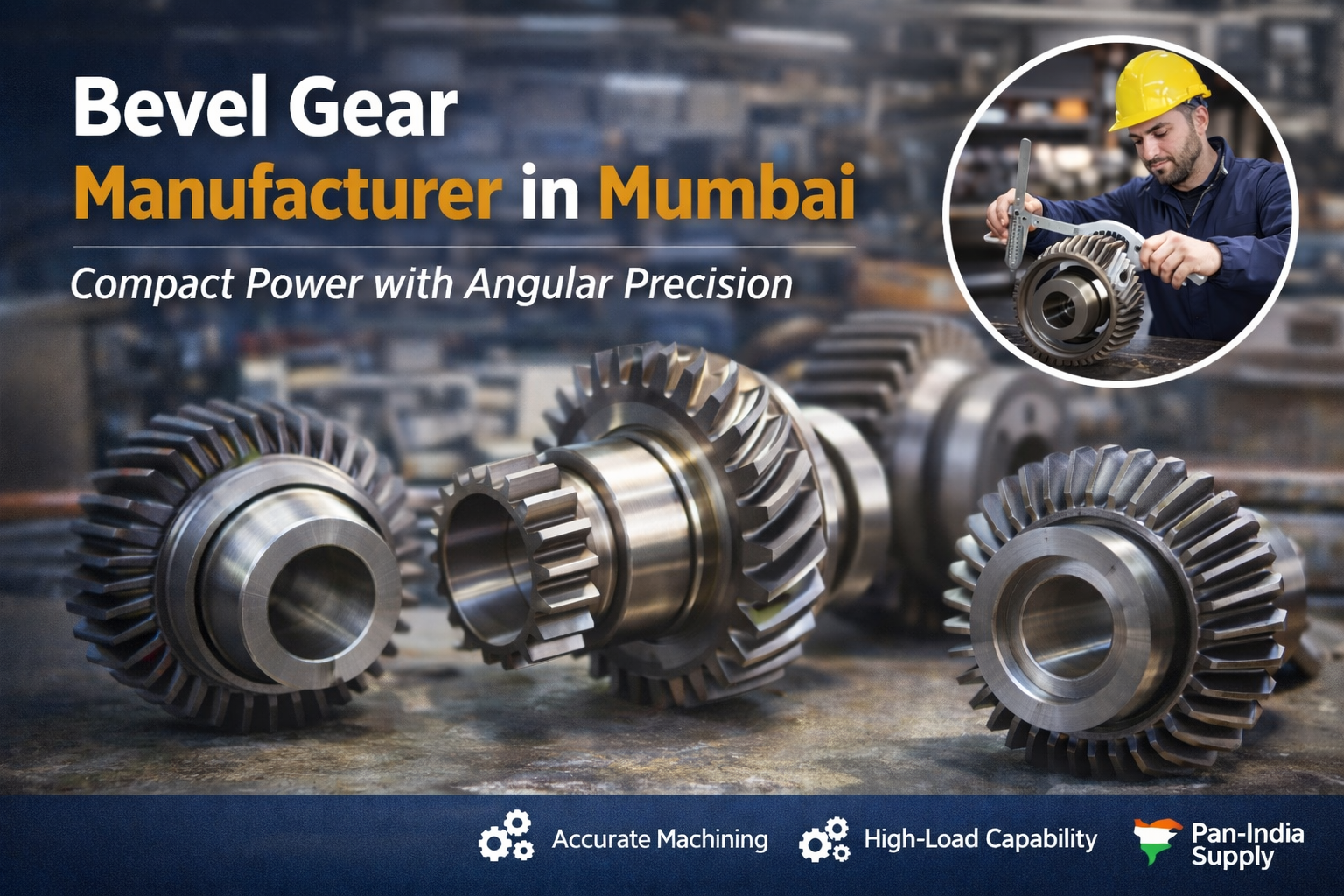
Machines that rely on angular power tran...
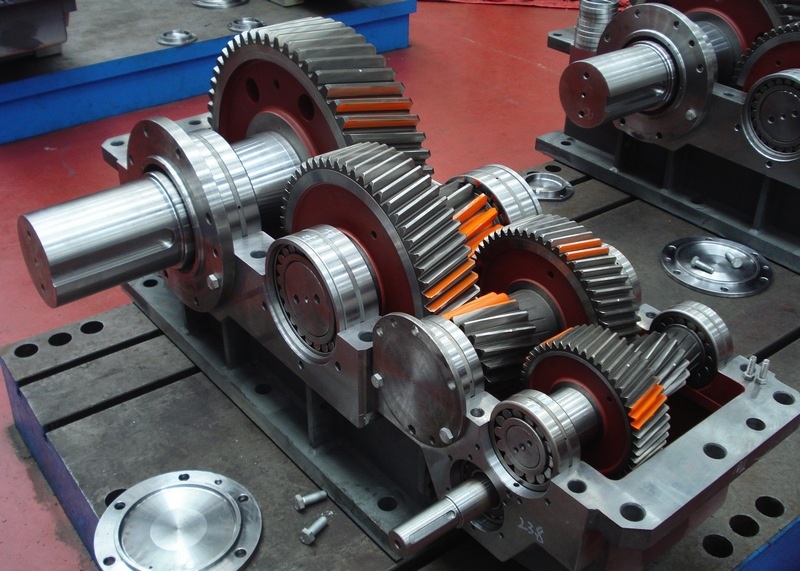
Modern industries run on reliability. Wh...
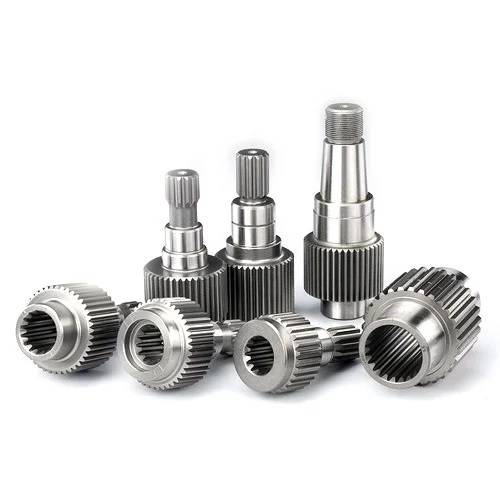
The Pinion Gear Shaft Manufacturers in M...
...
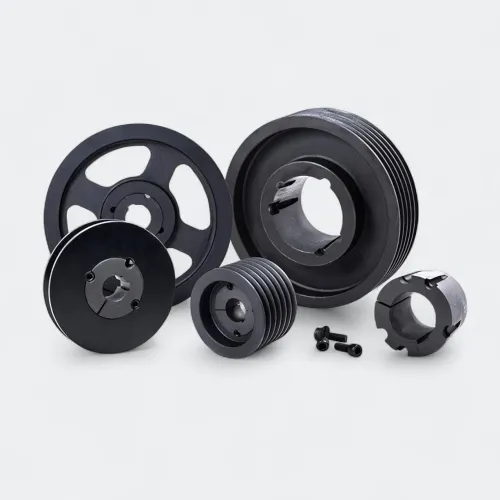
When machines need dependable power, smo...
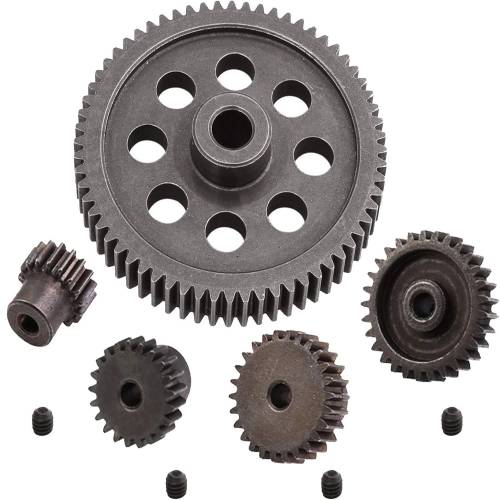
The Spur Gear Manufacturers in Mumbai ar...
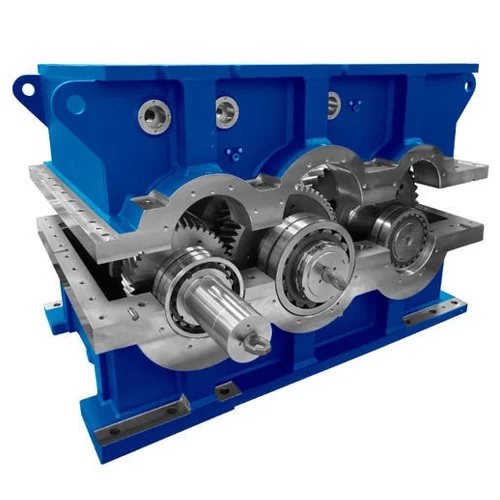
The Gearbox Manufacturers in Mumbai play...
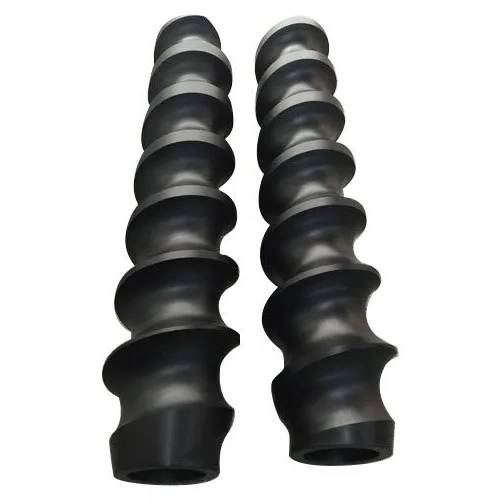
When precision meets performance, indust...
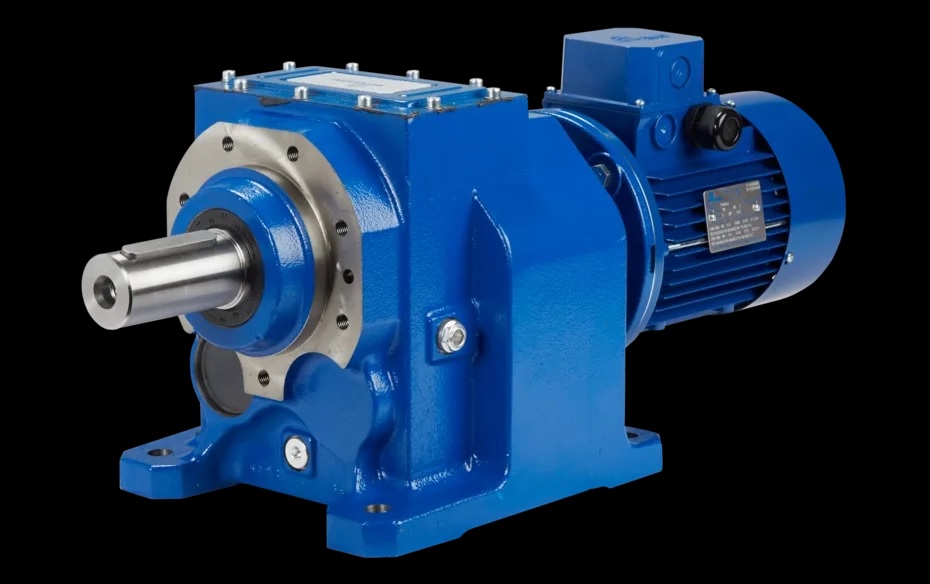
In the modern industrial world, precisio...
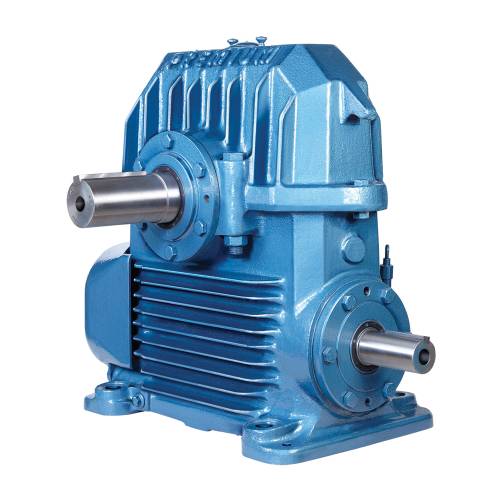
In today’s fast-paced industrial world...
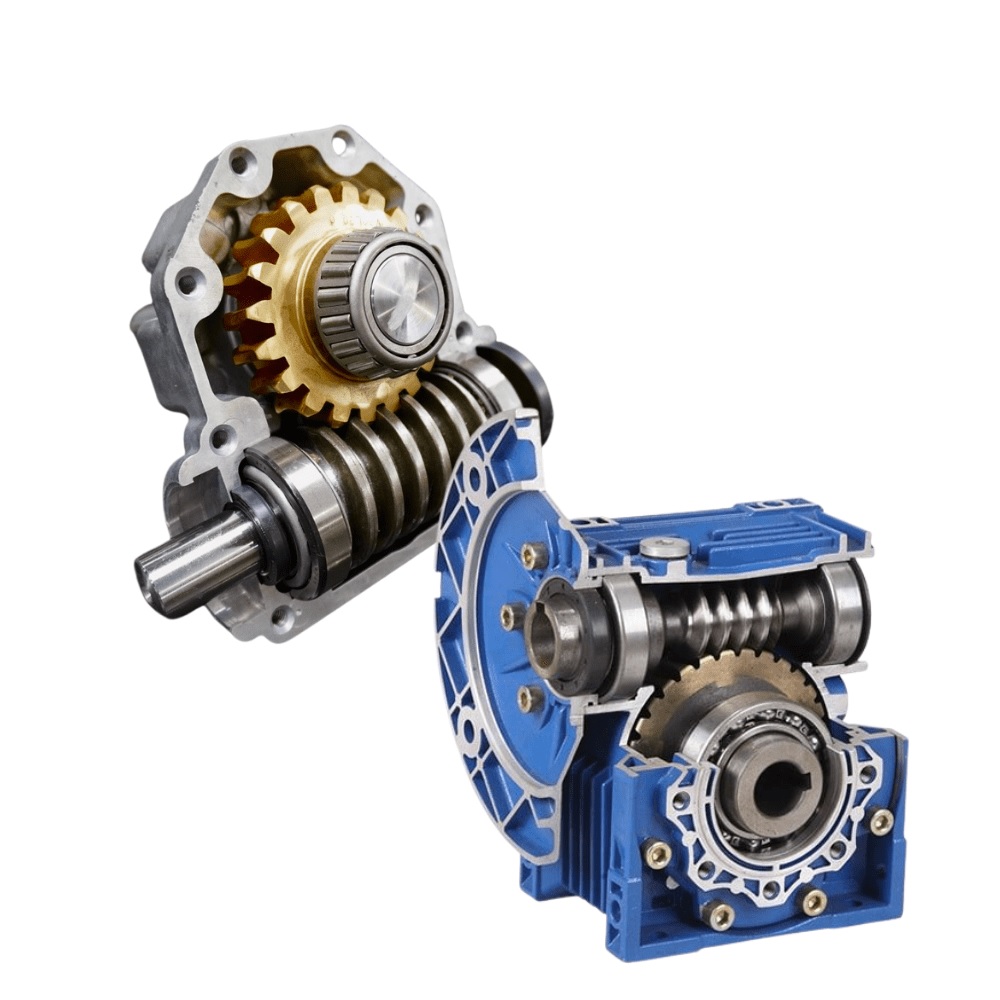
When it comes to advanced power transmis...
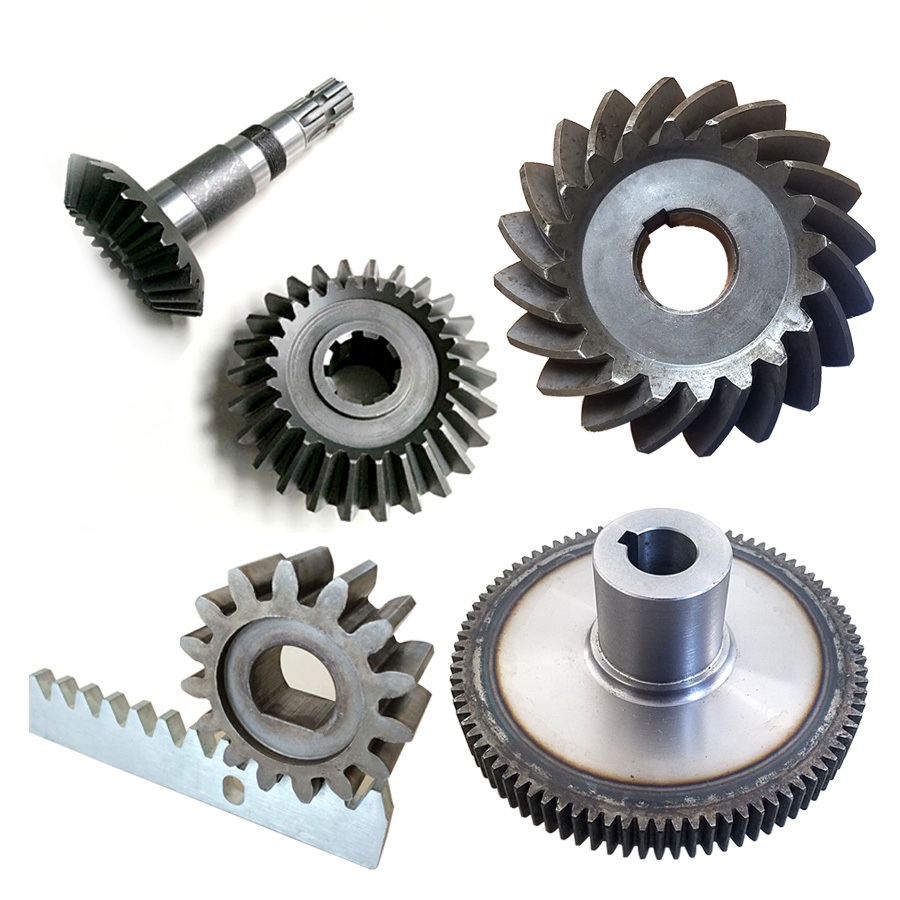
In the world of modern engineering, Indu...
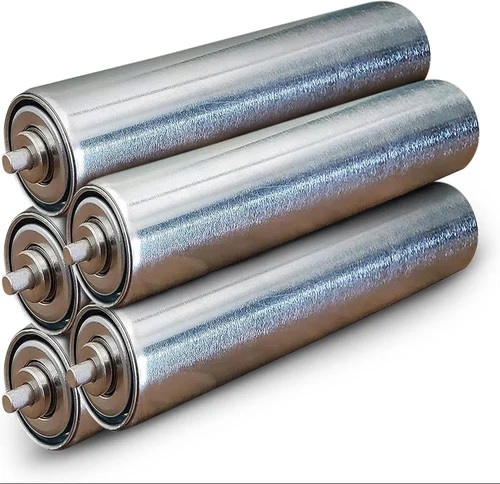
In the world of material handling and co...
