

Are you experiencing inconsistent material flow, frequent conveyor blockages, or excessive wear in your production facility? An incorrectly specified conveyor screw can affect material handling efficiency and equipment reliability.
Choosing the right conveyor screw requires evaluating bulk material properties, conveying capacity, screw diameter, flight pitch, conveyor length, inclination, operating speed, and construction materials.
A properly designed conveyor screw helps move powders, granules, and other bulk materials through an industrial handling system.
Agni Engineering offers conveyor screws for industrial material handling applications, including customized screw profiles and construction requirements.
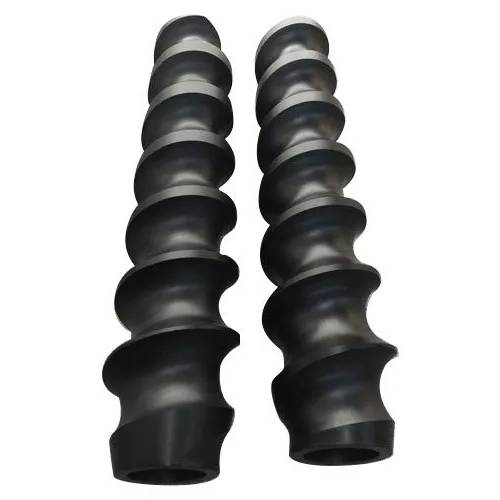
An industrial conveyor screw is a rotating helical component used to move bulk materials through a trough or enclosed conveying system.
Its helical flights help transport material as the screw rotates.
Common applications include:
Cement processing.
Chemical manufacturing.
Food processing.
Fertilizer production.
Grain handling.
Industrial powder transfer.
Bulk material packaging.
Explore Industrial Conveyor Screws for product information.
A conveyor screw moves bulk material through controlled rotation of its helical flights inside a suitable housing.
The screw's operating performance depends on:
Flight geometry.
Rotational speed.
Material characteristics.
Trough loading.
Conveyor inclination.
Inlet conditions.
The material's flow behavior determines how effectively it moves through the system.
The main selection factors are bulk material density, particle size, flowability, abrasiveness, required capacity, conveyor geometry, and operating conditions.
Before purchasing, identify:
Material being conveyed.
Bulk density.
Maximum particle size.
Moisture content.
Abrasiveness.
Corrosiveness.
Required flow rate.
Conveying distance.
Inclination angle.
Operating temperature.
These details help manufacturers determine suitable component specifications.
Bulk density affects the weight of material inside the conveyor and influences capacity, drive power, and component loading.
Materials with different densities may require different operating conditions even when the conveyor dimensions are identical.
For example, a screw handling a lightweight powder may not be suitable for a much denser granular material without engineering review.
Provide both expected and maximum bulk density when requesting a quotation.
Conveyor screw diameter should be selected according to the required conveying capacity, material properties, rotational speed, and allowable trough loading.
Important considerations include:
Required throughput.
Material particle size.
Screw speed.
Flight pitch.
Conveyor inclination.
Available installation space.
A larger screw diameter does not automatically guarantee better performance.
The complete conveyor system must be evaluated.
Flight pitch is the axial distance between corresponding points on consecutive screw flights.
Pitch influences material movement and conveying characteristics.
Common configurations include:
Standard-pitch flights.
Short-pitch flights.
Variable-pitch flights.
Specialized flight arrangements.
The appropriate geometry depends on the material and application.
Short-pitch conveyor screws may be considered for certain inclined conveying applications or where greater control over material movement is required.
However, short pitch does not guarantee improved performance for every material.
The design must account for capacity, material behavior, drive requirements, and conveyor geometry.
Increasing conveyor inclination generally affects conveying efficiency and may require changes to screw speed, pitch, housing clearances, or system design.
Inclined systems can experience material fallback.
Important details include:
Inclination angle.
Conveying length.
Bulk material flowability.
Trough geometry.
Screw diameter.
Operating speed.
Inclined screw conveyors should be designed using appropriate engineering methods rather than horizontal conveyor assumptions.
Conveyor screw materials should be selected according to the product being conveyed, wear conditions, corrosion exposure, temperature, and hygiene requirements.
Common construction options include:
Mild steel.
Carbon steel.
Stainless steel.
Alloy steel.
Wear-resistant materials for selected applications.
Food-contact applications may require appropriate material grades, surface finishing, and sanitary design.
The final material should match the process requirements.
Abrasive materials can increase wear on screw flights, trough surfaces, and other contact components.
Abrasive applications may require:
Suitable flight thickness.
Wear-resistant construction.
Replaceable liners.
Appropriate operating speed.
Controlled clearances.
Regular inspection.
Examples of potentially abrasive bulk materials include certain minerals, cement-related products, and granular industrial substances.
Excessive conveyor screw wear can result from abrasive materials, unsuitable clearances, incorrect alignment, excessive loading, and inappropriate operating conditions.
Warning signs include:
Reduced flight thickness.
Uneven wear patterns.
Unusual vibration.
Increased power consumption.
Material buildup.
Reduced conveying performance.
Inspect the complete conveyor assembly before replacing the screw.
Blockages can be reduced through appropriate screw geometry, controlled feeding, suitable material handling, and routine maintenance.
Recommended practices include:
Maintain consistent feed conditions.
Avoid excessive loading.
Inspect inlets and discharge points.
Monitor material moisture.
Check screw alignment.
Inspect for material buildup.
Follow approved cleaning procedures.
Recurring blockages may require a review of the complete conveyor design.
Before ordering a replacement conveyor screw, verify the existing component's dimensions, mounting configuration, flight geometry, and operating requirements.
Check:
Overall screw length.
Flight outside diameter.
Shaft diameter.
Flight pitch.
Flight thickness.
Rotation direction.
End connections.
Material grade.
Existing wear patterns.
Conveyor operating speed.
An approved technical drawing or original sample can help establish the replacement specifications.
Conveyor screw prices depend on dimensions, material grade, flight geometry, manufacturing complexity, and quantity.
Important cost factors include:
Screw length.
Flight diameter.
Shaft construction.
Material selection.
Flight thickness.
Special surface treatments.
Machining requirements.
Balancing requirements, where applicable.
Compare supplier quotations using the same technical specifications.
A conveyor screw quotation request should provide material characteristics, throughput, conveyor dimensions, operating conditions, and required construction details.
Include:
Bulk material name.
Bulk density and particle size.
Moisture content and flow characteristics.
Required conveying capacity.
Conveyor length and inclination.
Screw diameter and pitch.
Rotational speed.
Shaft and mounting dimensions.
Preferred construction material.
Operating temperature.
Technical drawing or sample.
Quantity and delivery requirements.
These details help manufacturers evaluate the application accurately.
Agni Engineering offers conveyor screw components for industrial bulk material handling applications.
Its product page highlights:
Customized flight pitch.
Application-specific blade thickness.
Suitable surface finishing.
Shaft and flight alignment.
Components for powders and granular materials.
Explore Conveyor Screw and related Industrial Transmission Gear products.
Confirm actual specifications, manufacturing tolerances, materials, and delivery arrangements before ordering.
Common questions concern flight pitch, capacity, materials, incline, and replacement specifications.
A conveyor screw primarily transports material, while a screw feeder is designed to withdraw and meter material from a controlled inlet, such as a hopper.
Yes, when the screw and associated components are appropriately designed for abrasive service.
Yes. Pitch influences material movement and capacity, together with diameter, speed, loading, and material properties.
Yes, but inclined conveying requires application-specific design adjustments.
Yes. Manufacturers may customize dimensions, flight geometry, materials, and shaft connections.
Provide the existing screw dimensions, flight pitch, material, mounting details, rotation direction, and operating conditions.
You can request a conveyor screw quotation by sharing your material properties, conveying capacity, equipment dimensions, operating speed, construction requirements, and quantity.
For replacement applications, include a technical drawing, photographs, or the original component.
Explore Conveyor Screw or contact Agni Engineering for technical enquiries and quotations.
Technical Note: Final conveyor screw selection requires application-specific engineering, including capacity, torque, horsepower, shaft strength, bearing support, guarding, and operating safety requirements.
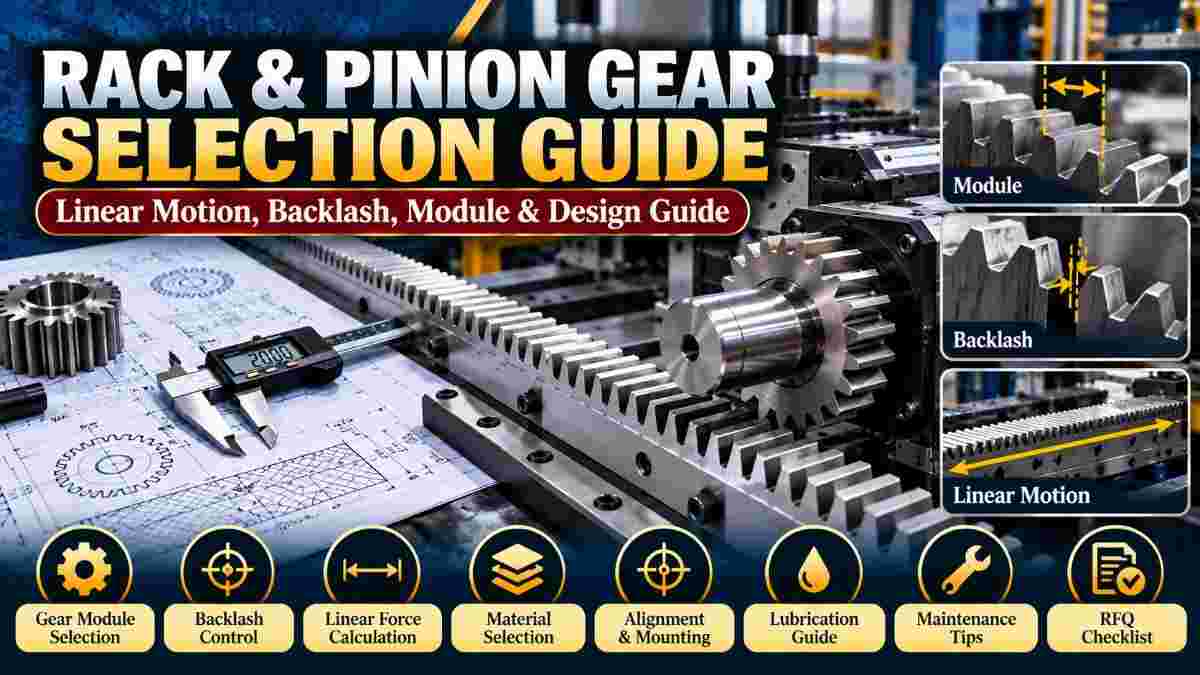
Are you designing a CNC machine, industr...

Are you experiencing inconsistent materi...
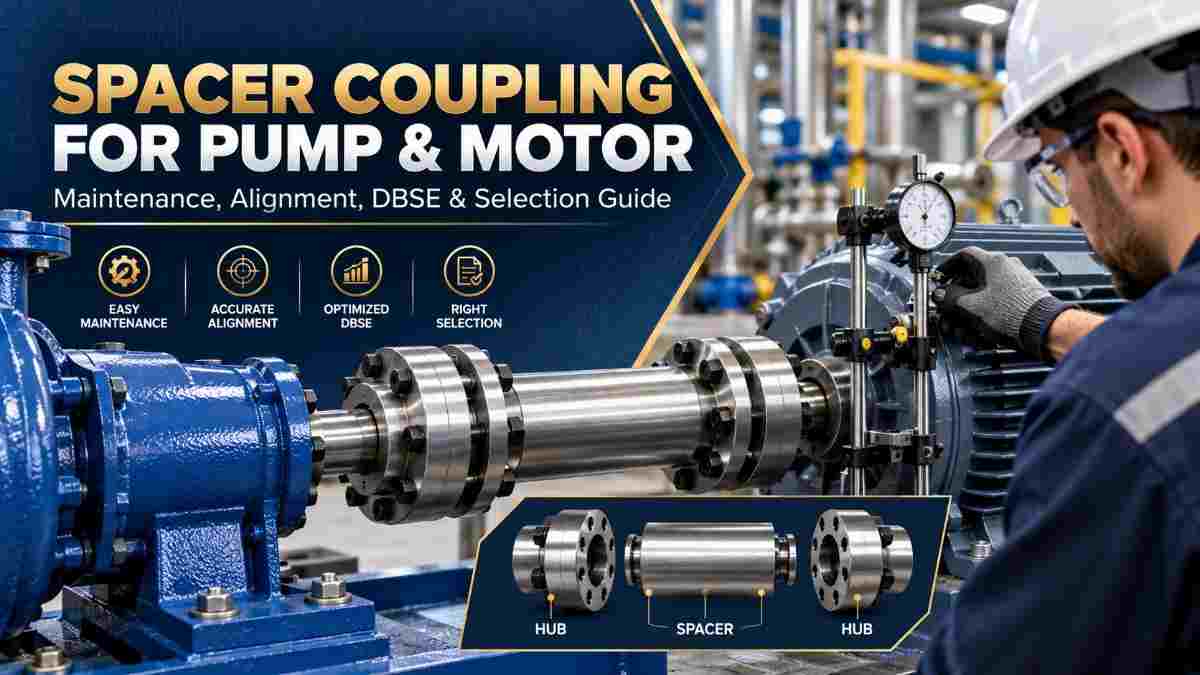
Are you experiencing frequent pump maint...

Are bottles jamming, containers becoming...
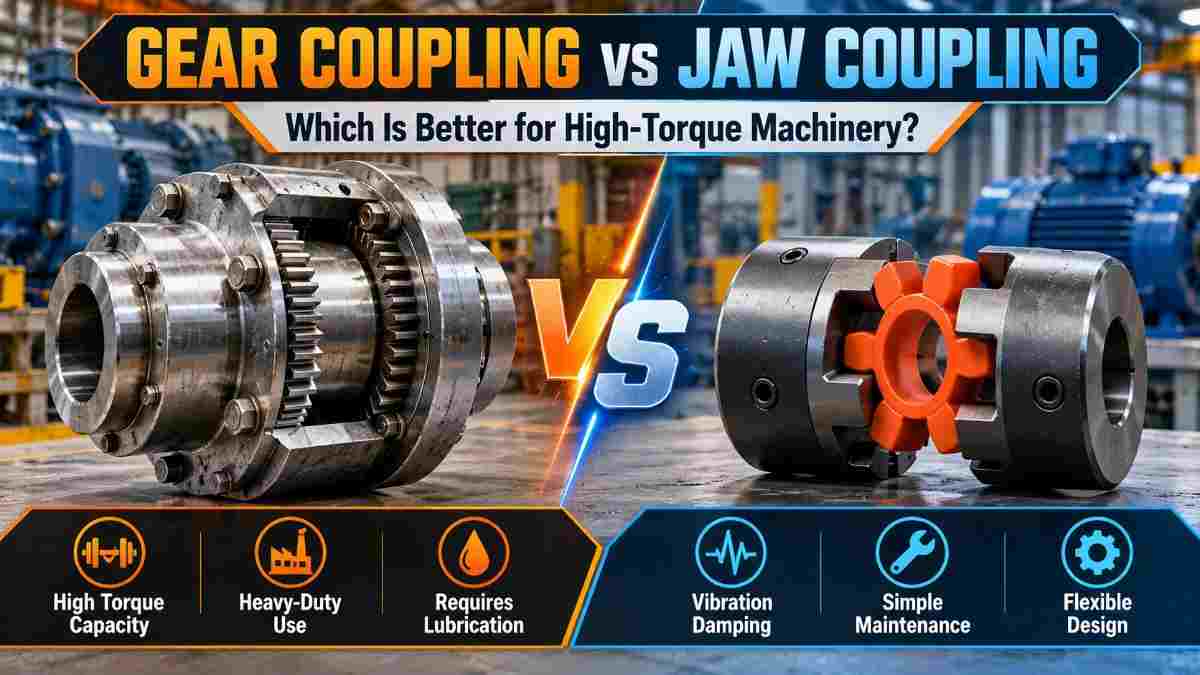
Industrial machinery depends on reliable...
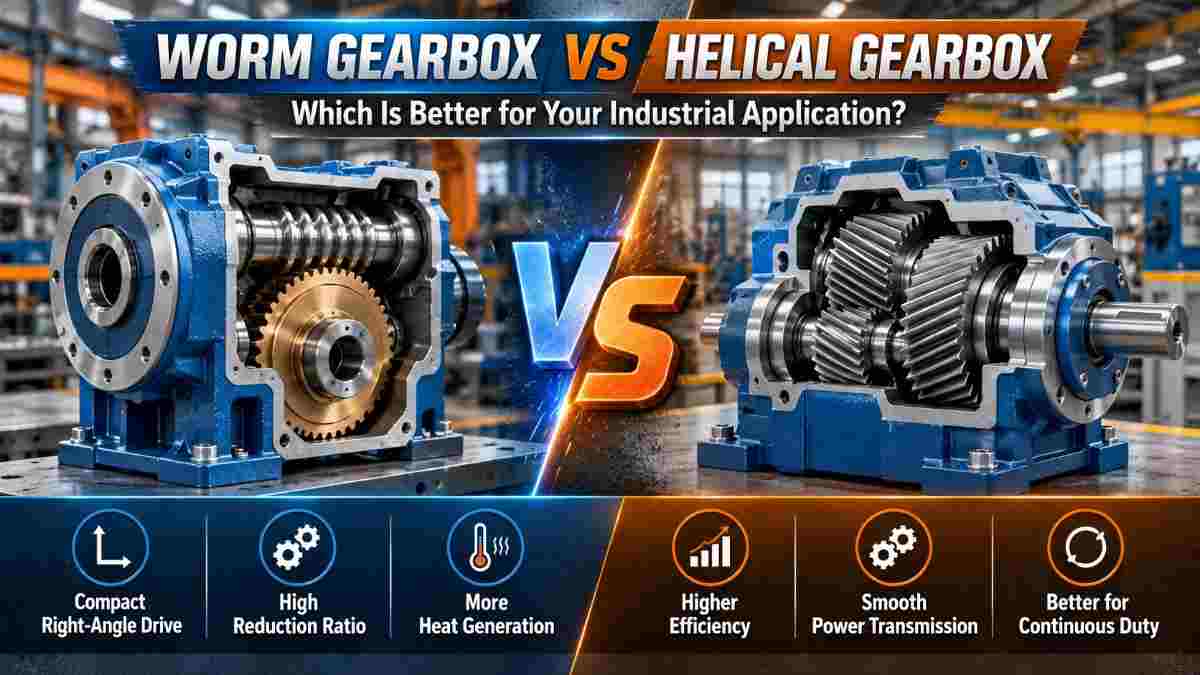
Choosing between a worm gearbox and a he...
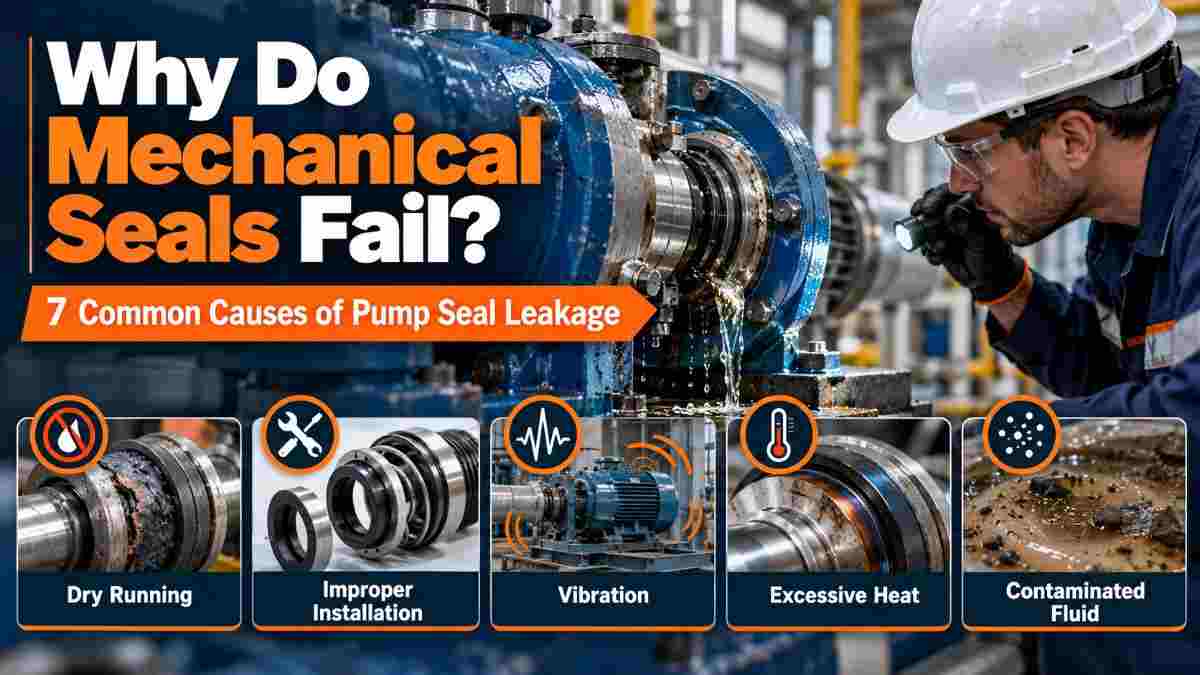
Mechanical seals are essential component...

An industrial gearbox naturally generate...
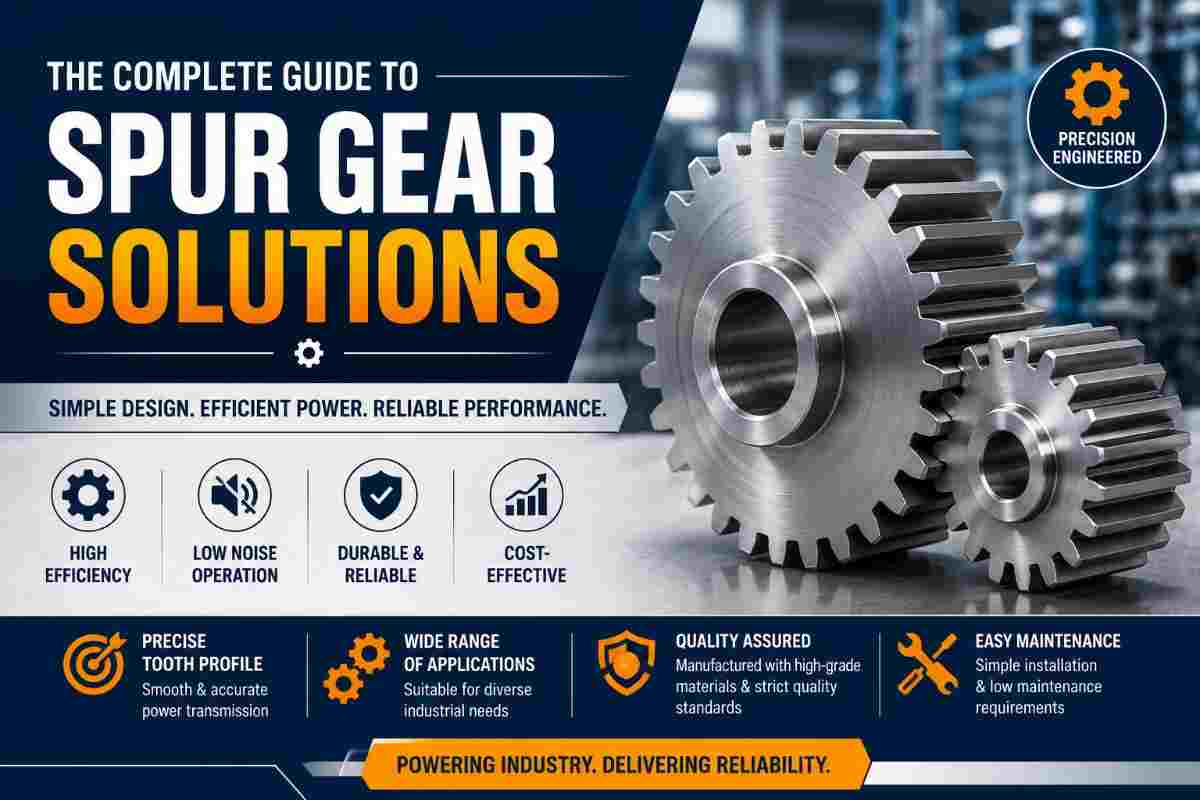
A spur gear is a mechanical gear with st...
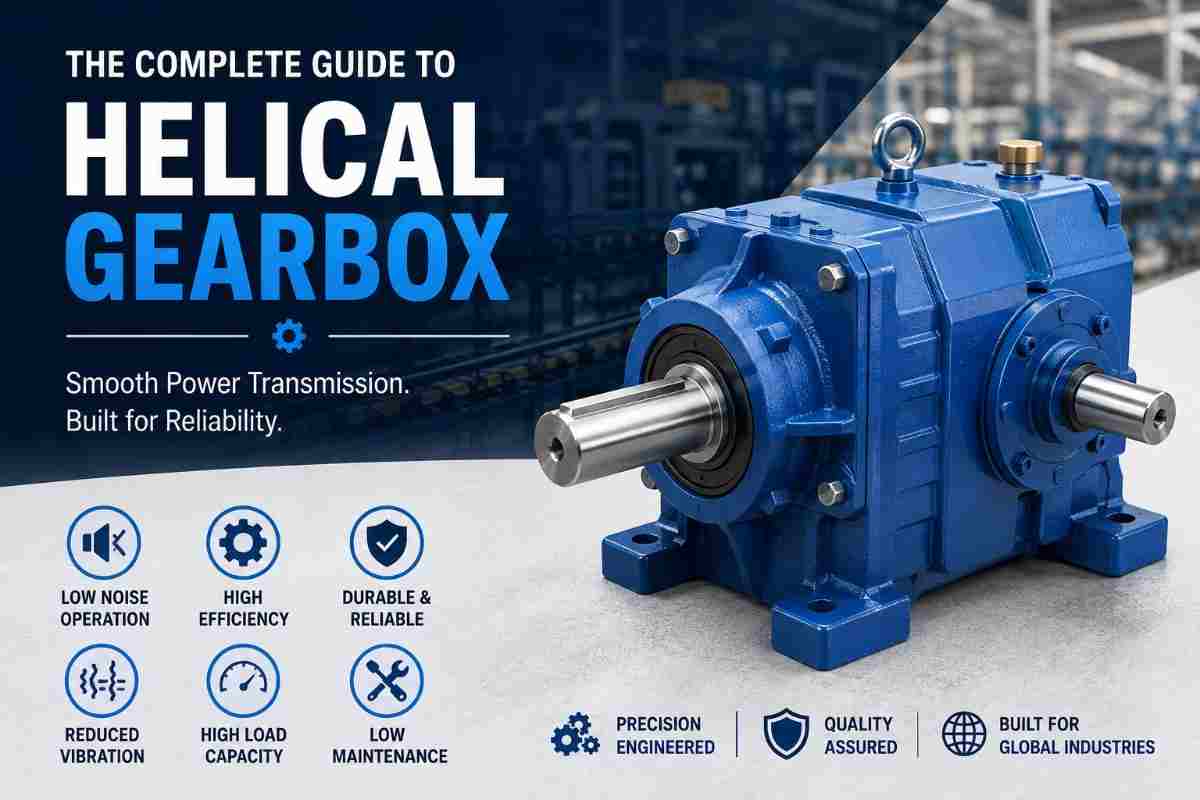
A helical gearbox is a mechanical power ...
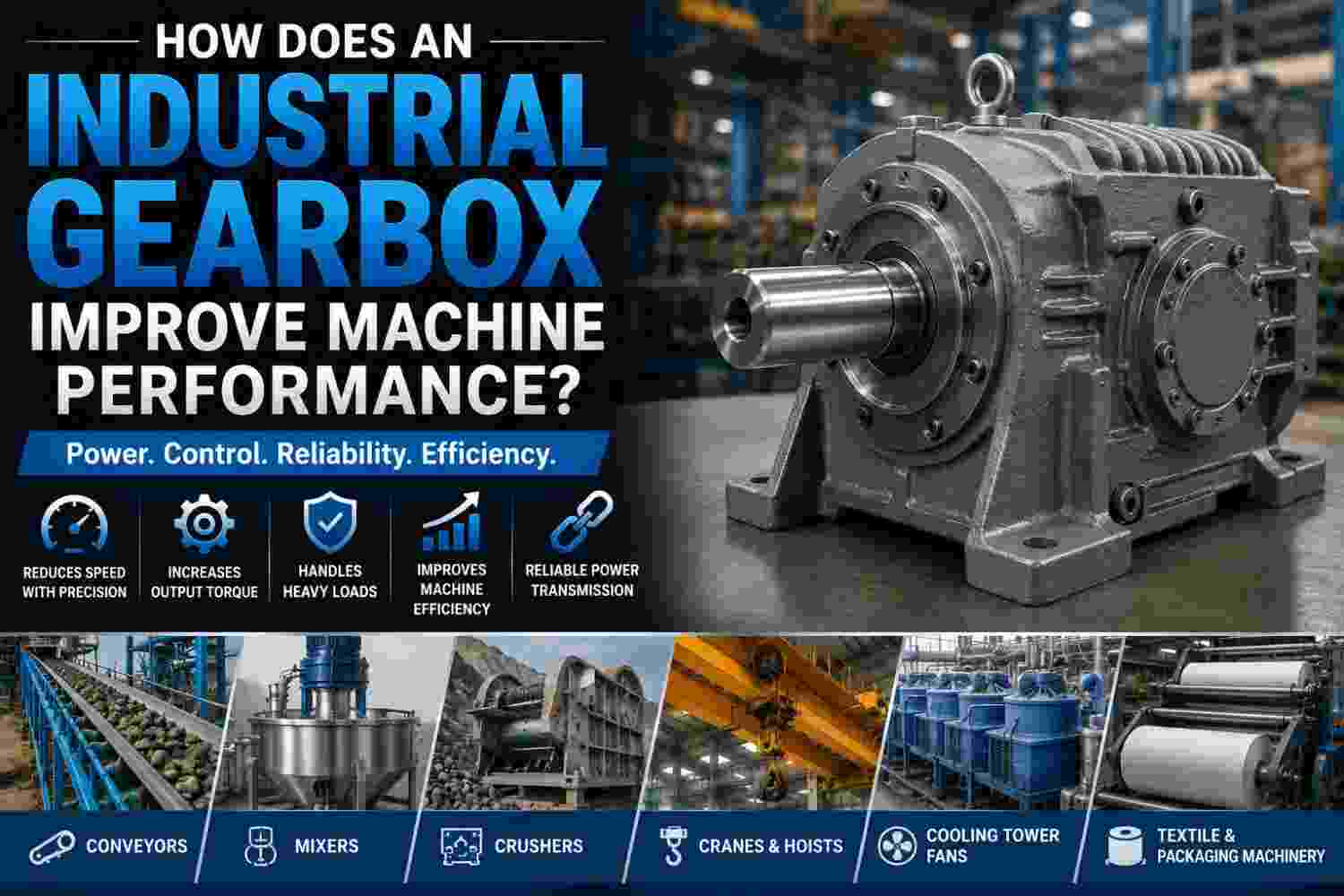
An industrial gearbox improves machine p...
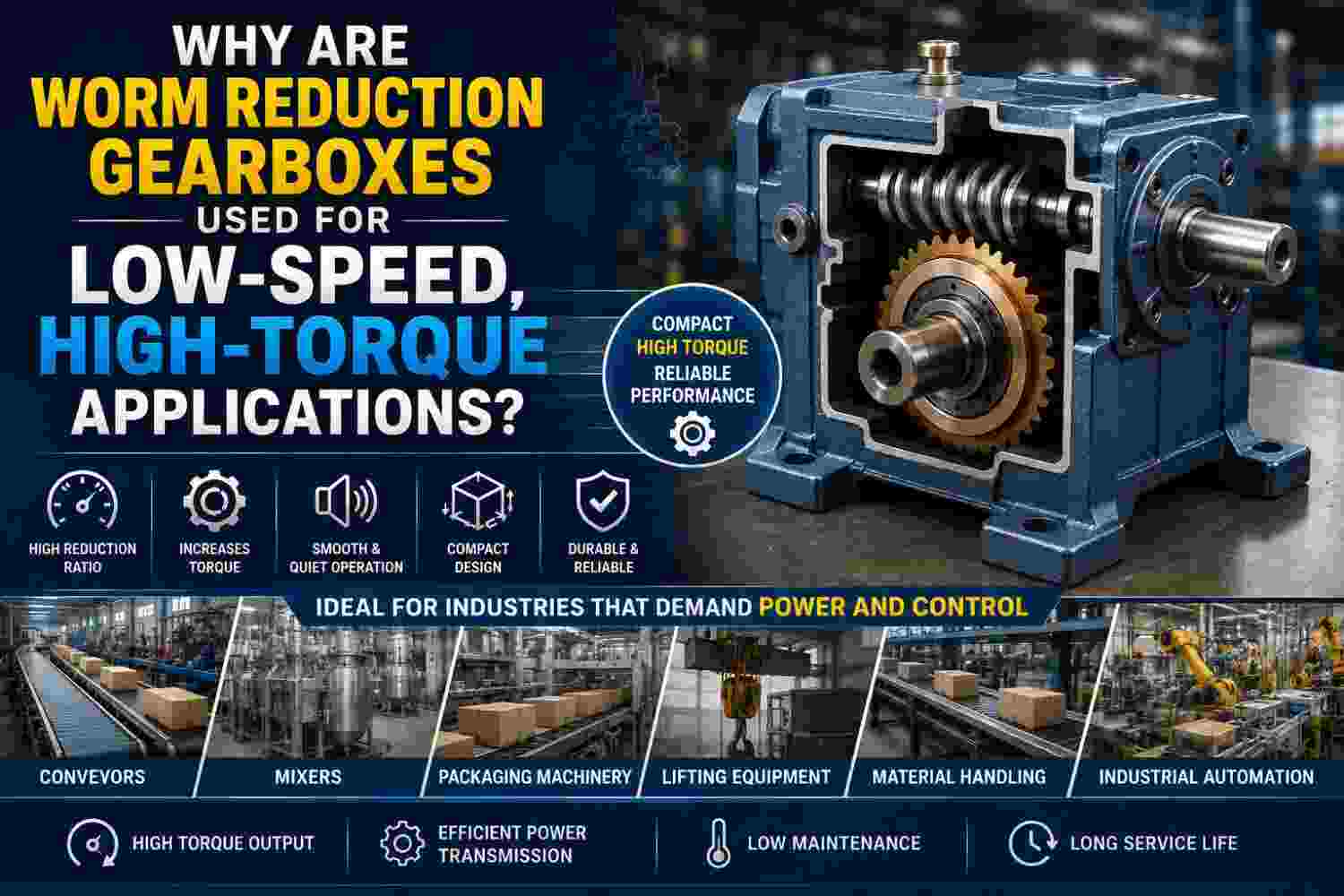
Worm reduction gearboxes are used for lo...
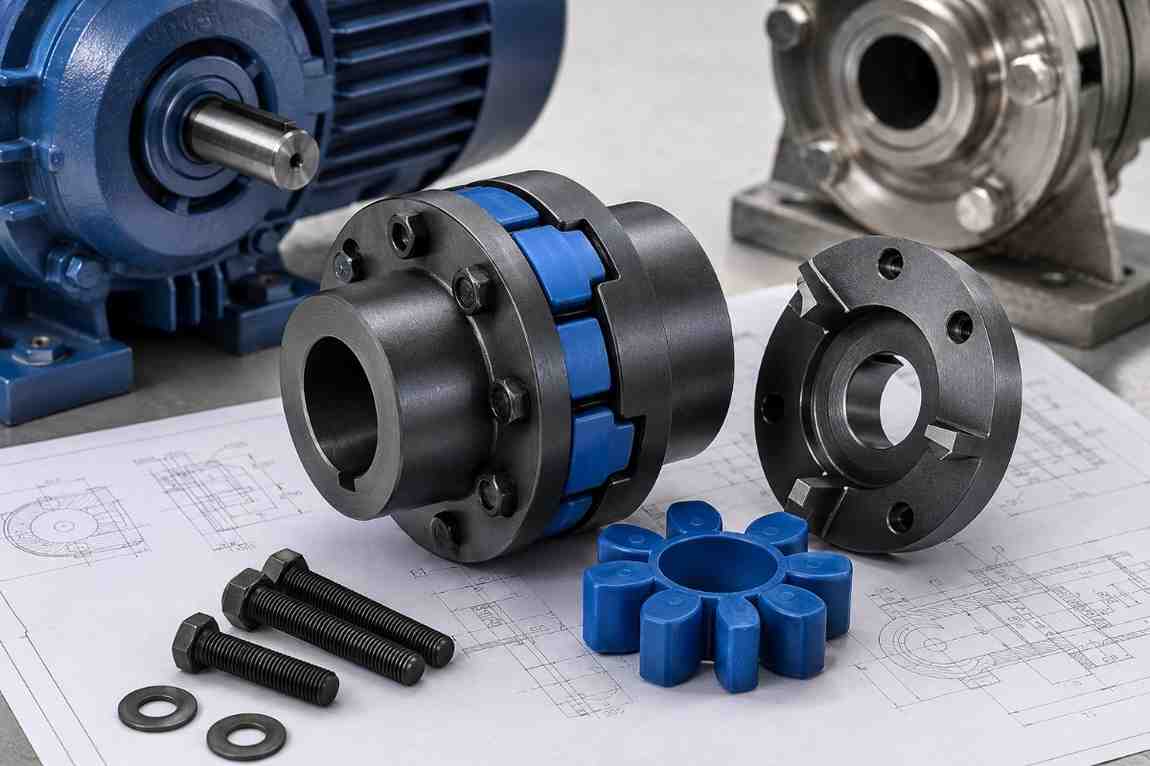
Selecting the correct N-Eupex coupling i...
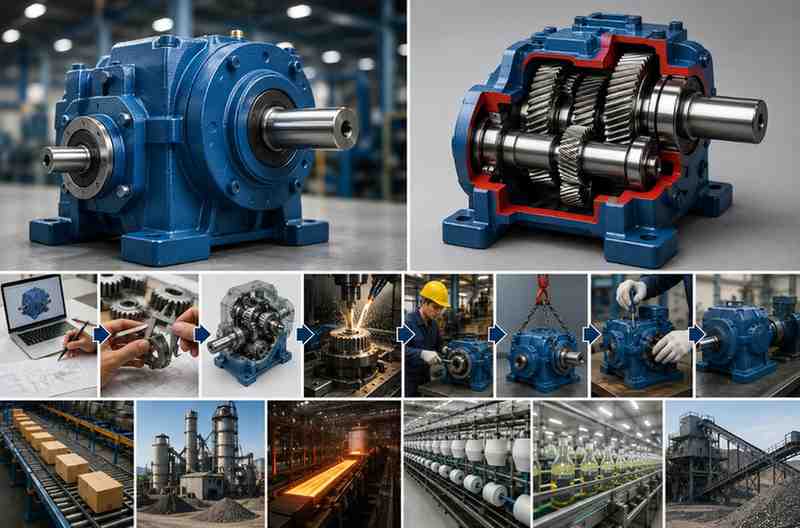
Choosing the right helical gearbox is on...
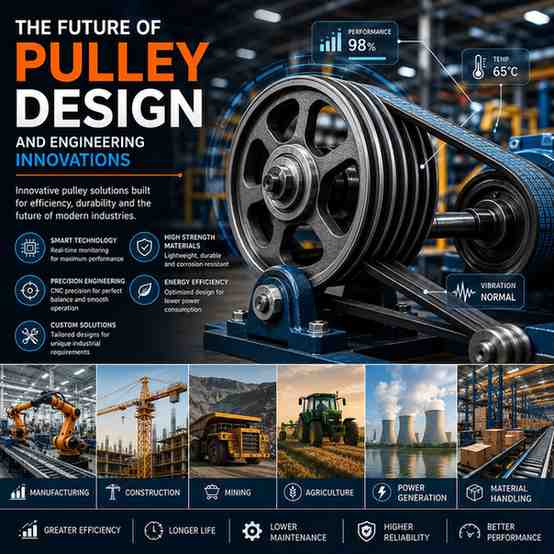
For centuries, pulleys have been one of ...
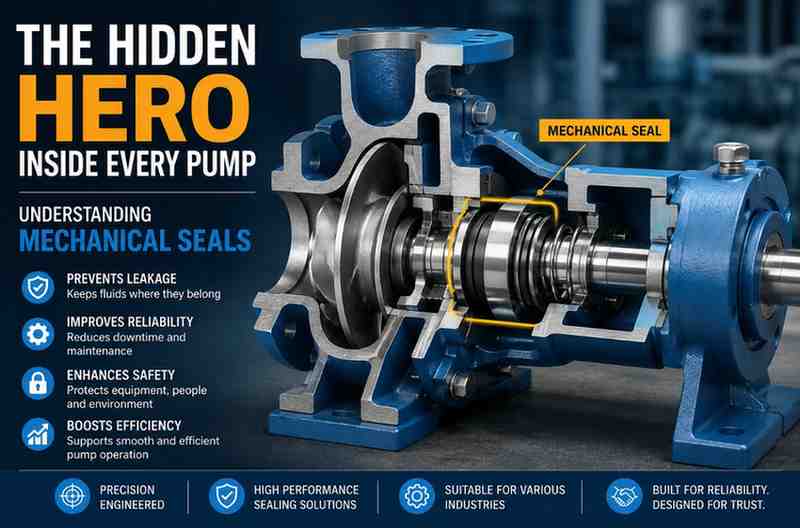
When people think about industrial pumps...
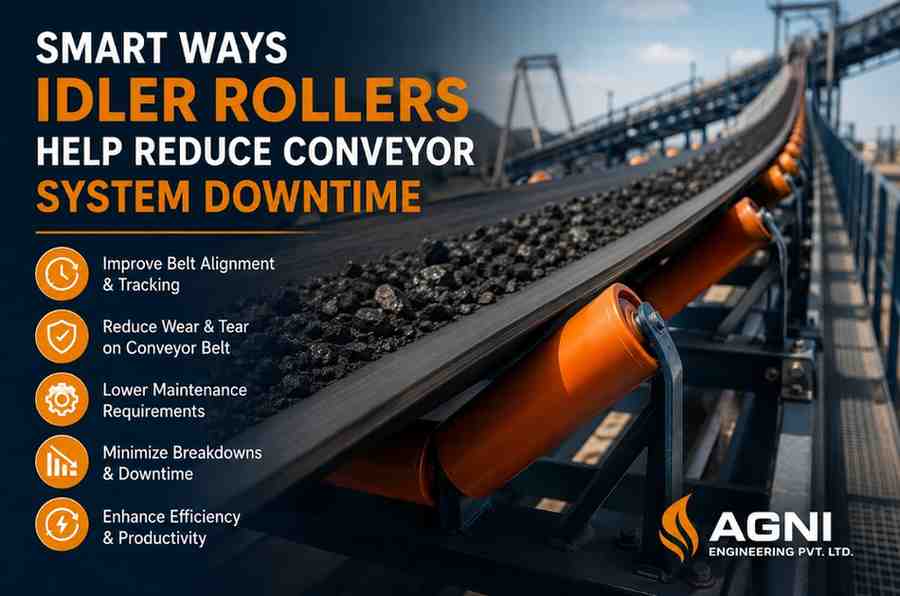
In industries where material handling is...
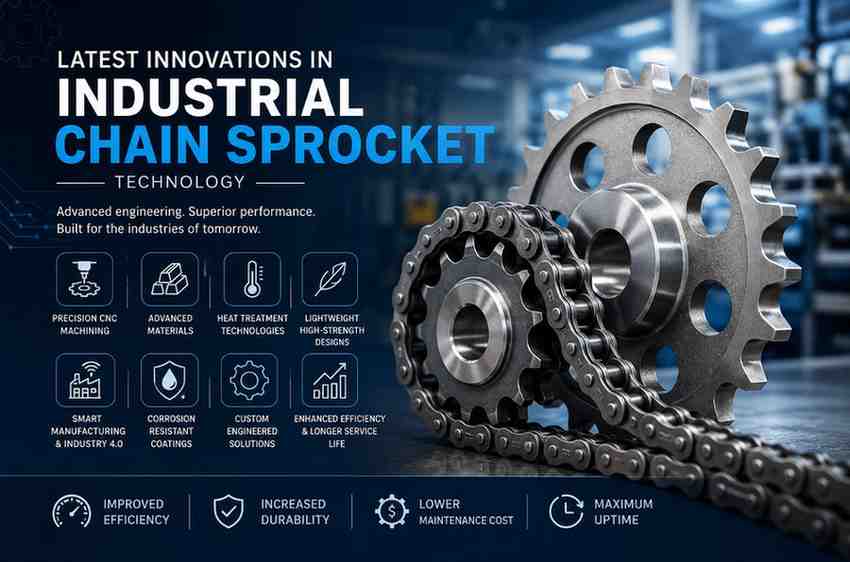
In today’s fast-moving industrial envi...
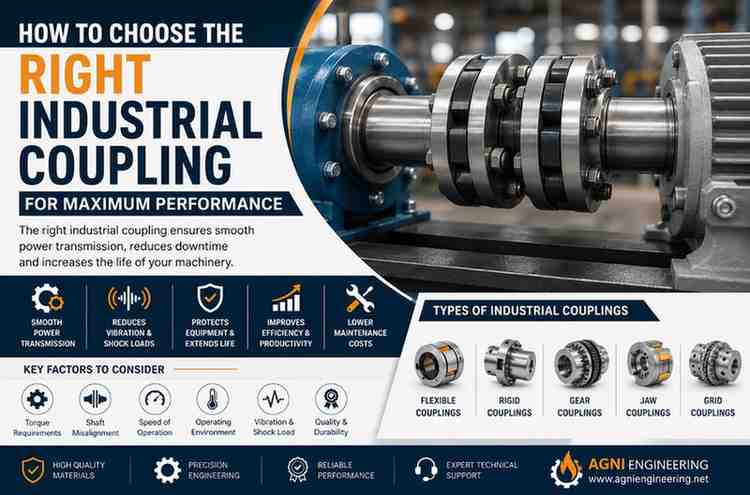
In any industrial setup, even the smalle...
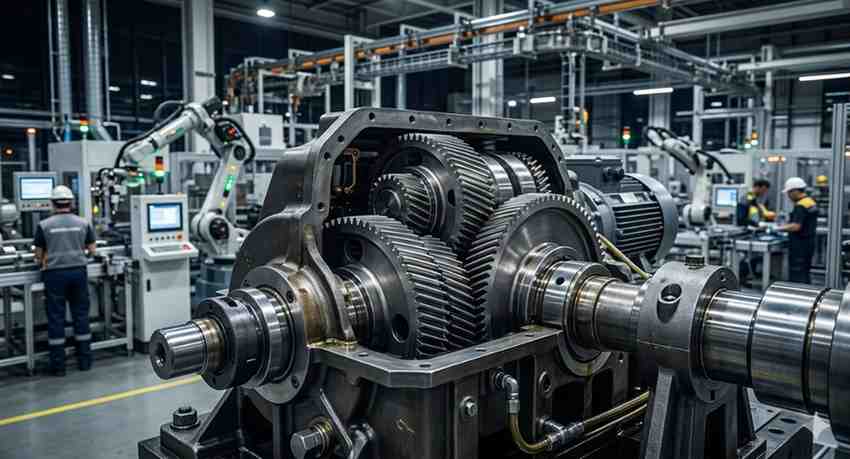
Industrial operations today are becoming...
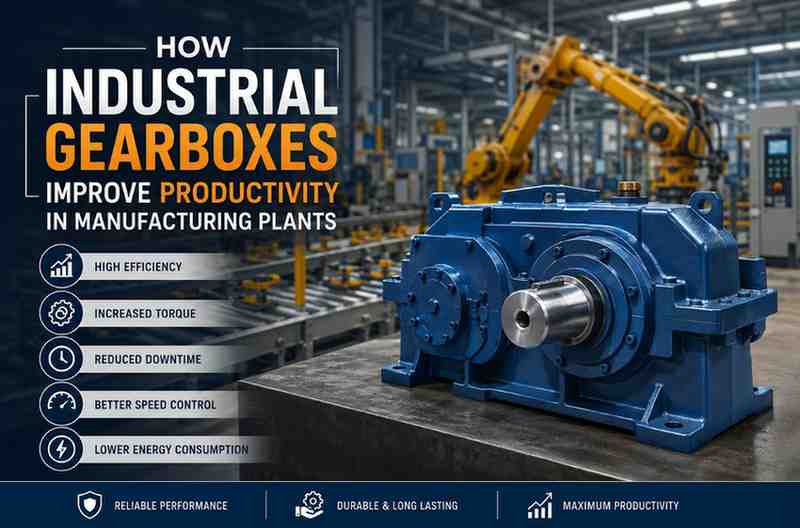
In modern manufacturing plants, efficien...
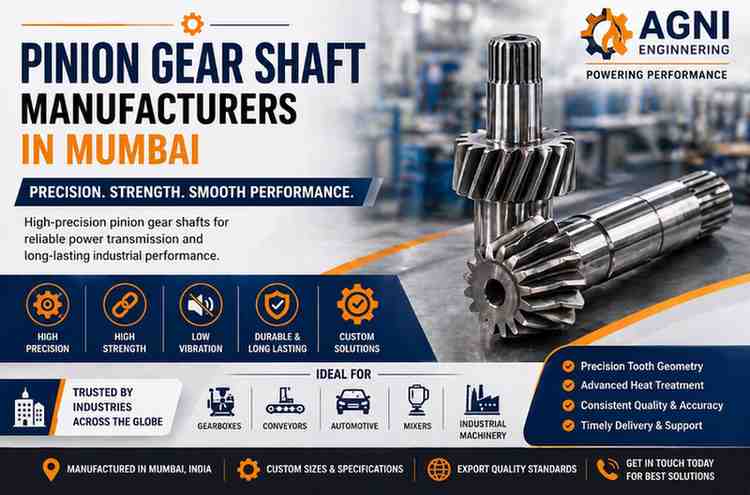
In industrial machinery, every movement ...
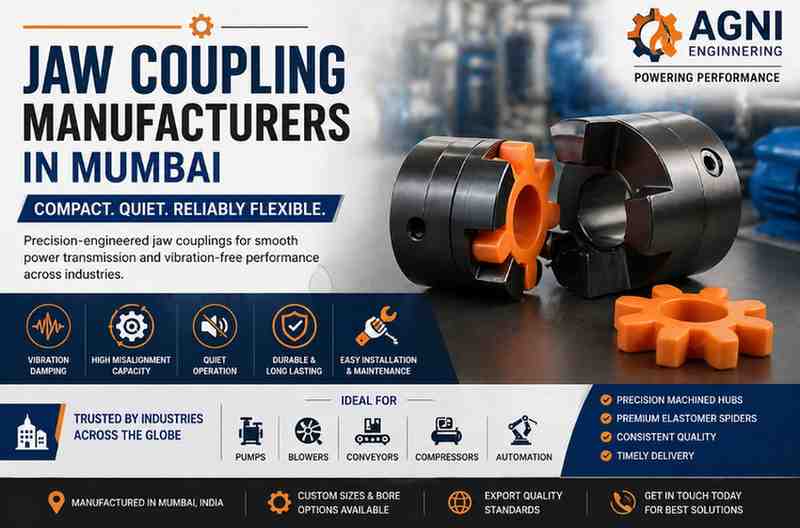
In modern industrial machinery, smooth p...
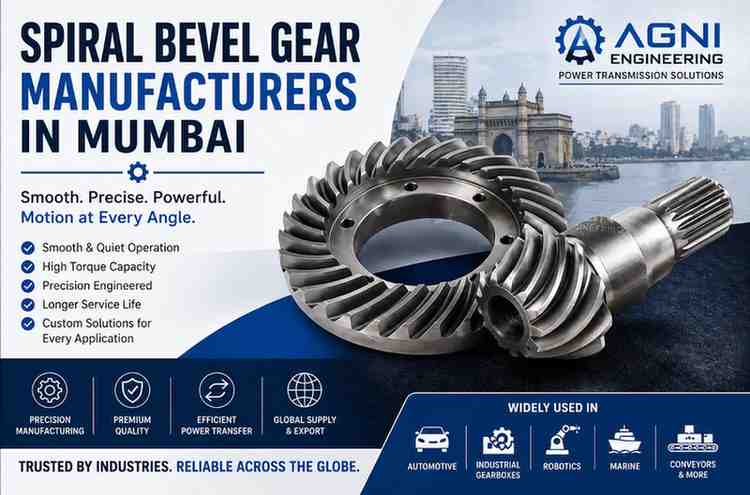
In modern industries, machines rarely wo...
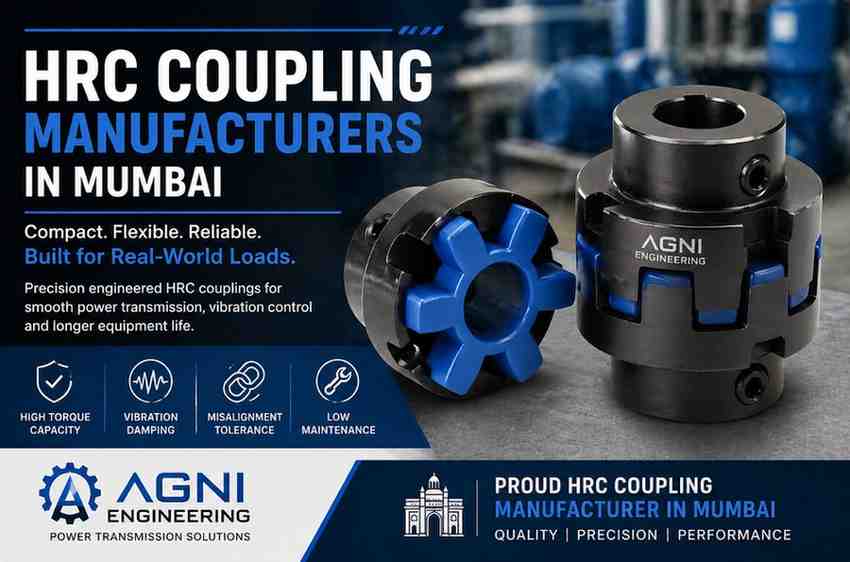
In industrial machinery, smooth power tr...

Machines depend on smooth and steady mot...

In any industrial system, smooth power t...

In many industrial machines, smooth moti...
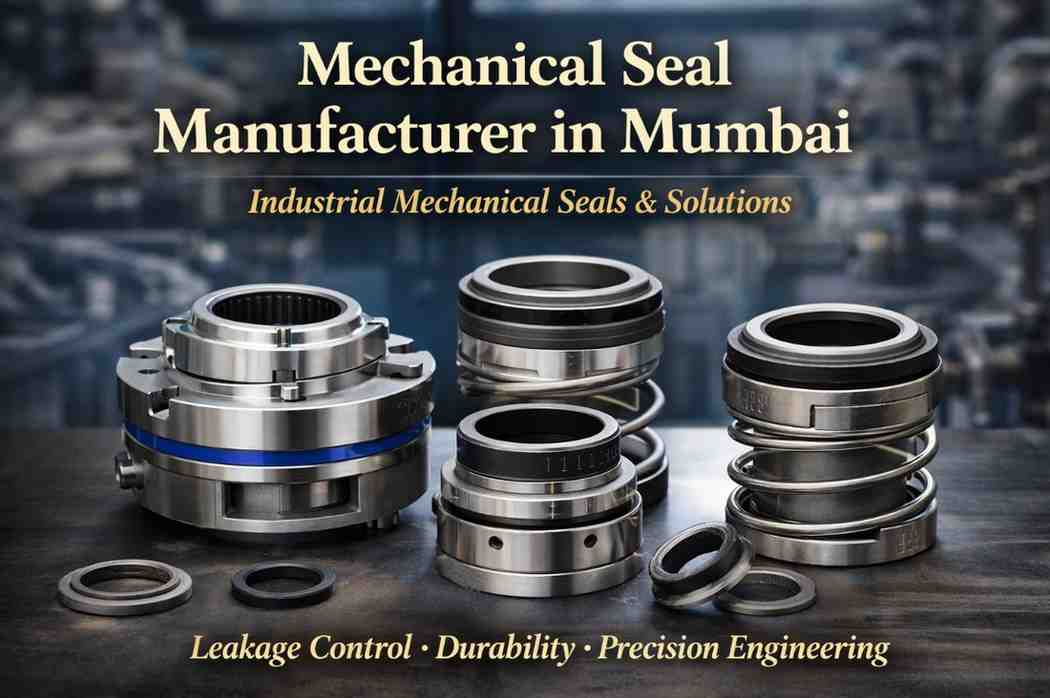
Industrial machines operate under pressu...
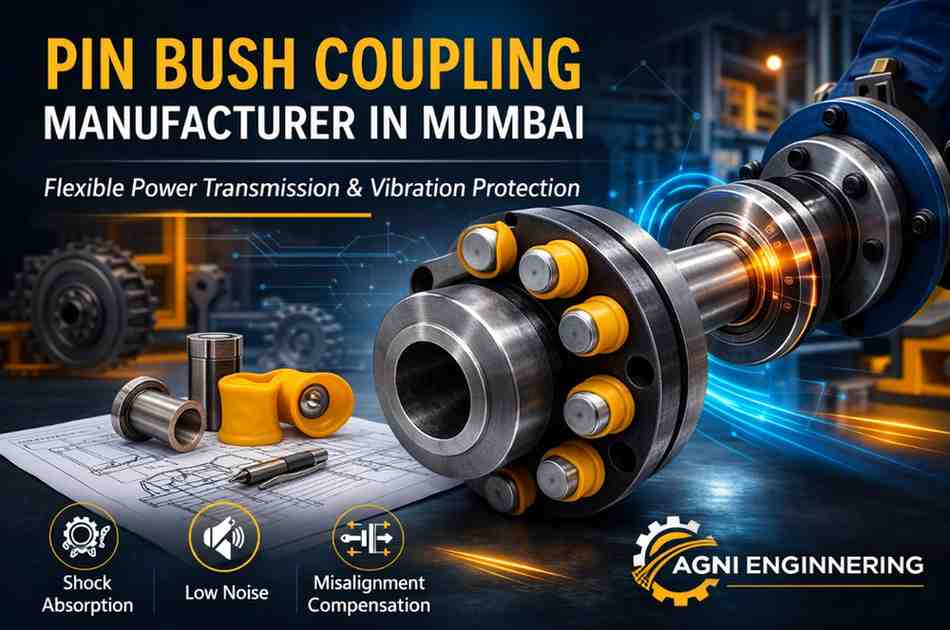
In many industrial machines, vibration, ...
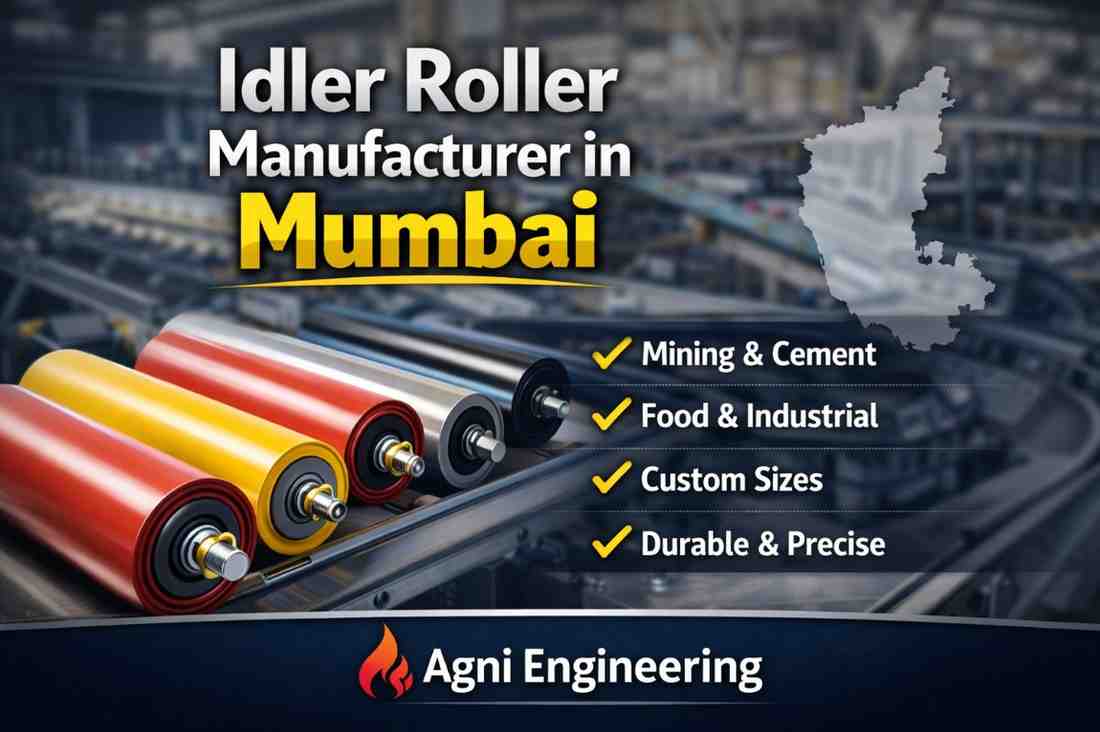
In every conveyor system, rollers play a...
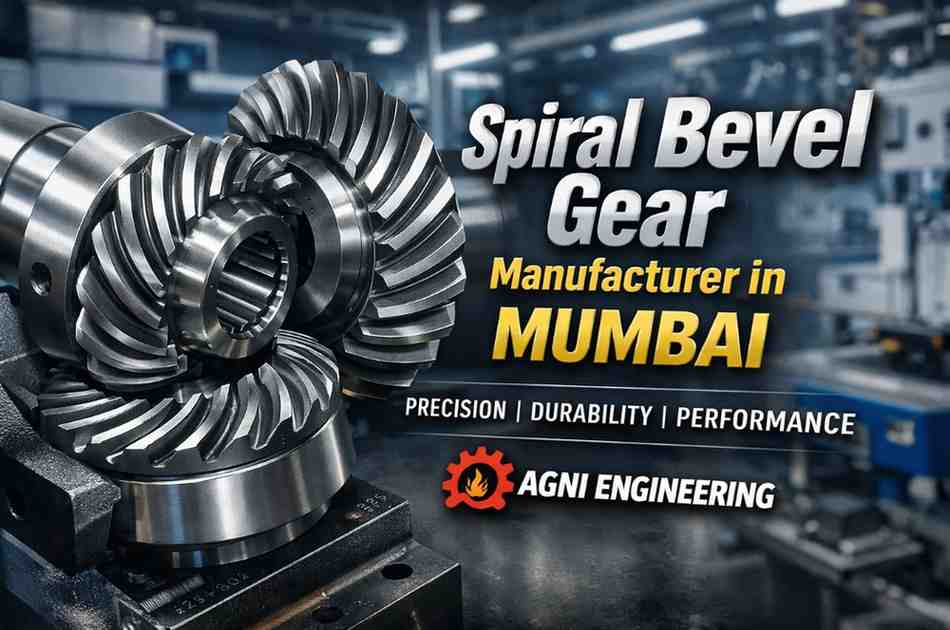
In modern machines, power does not alway...
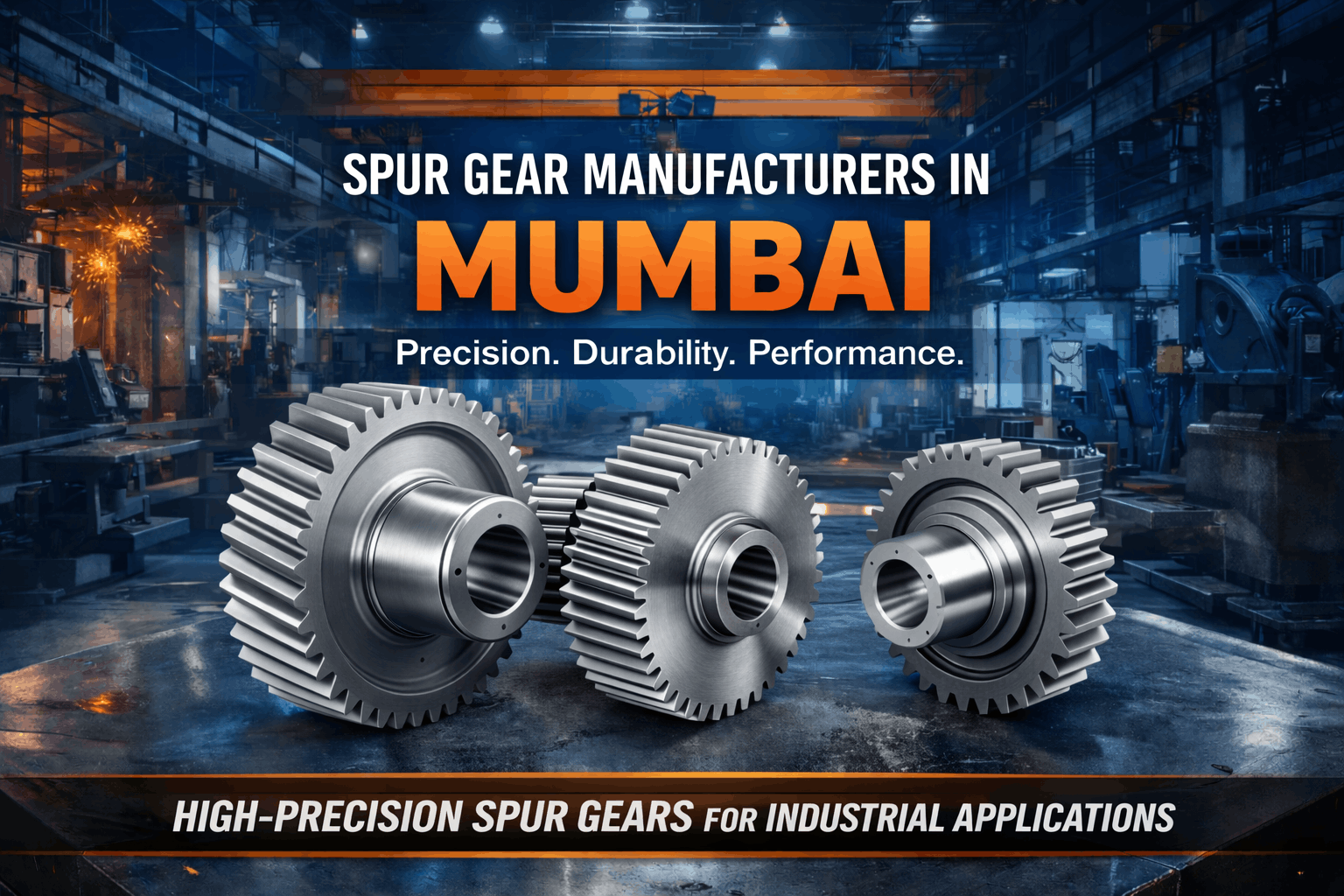
Some mechanical components earn their re...
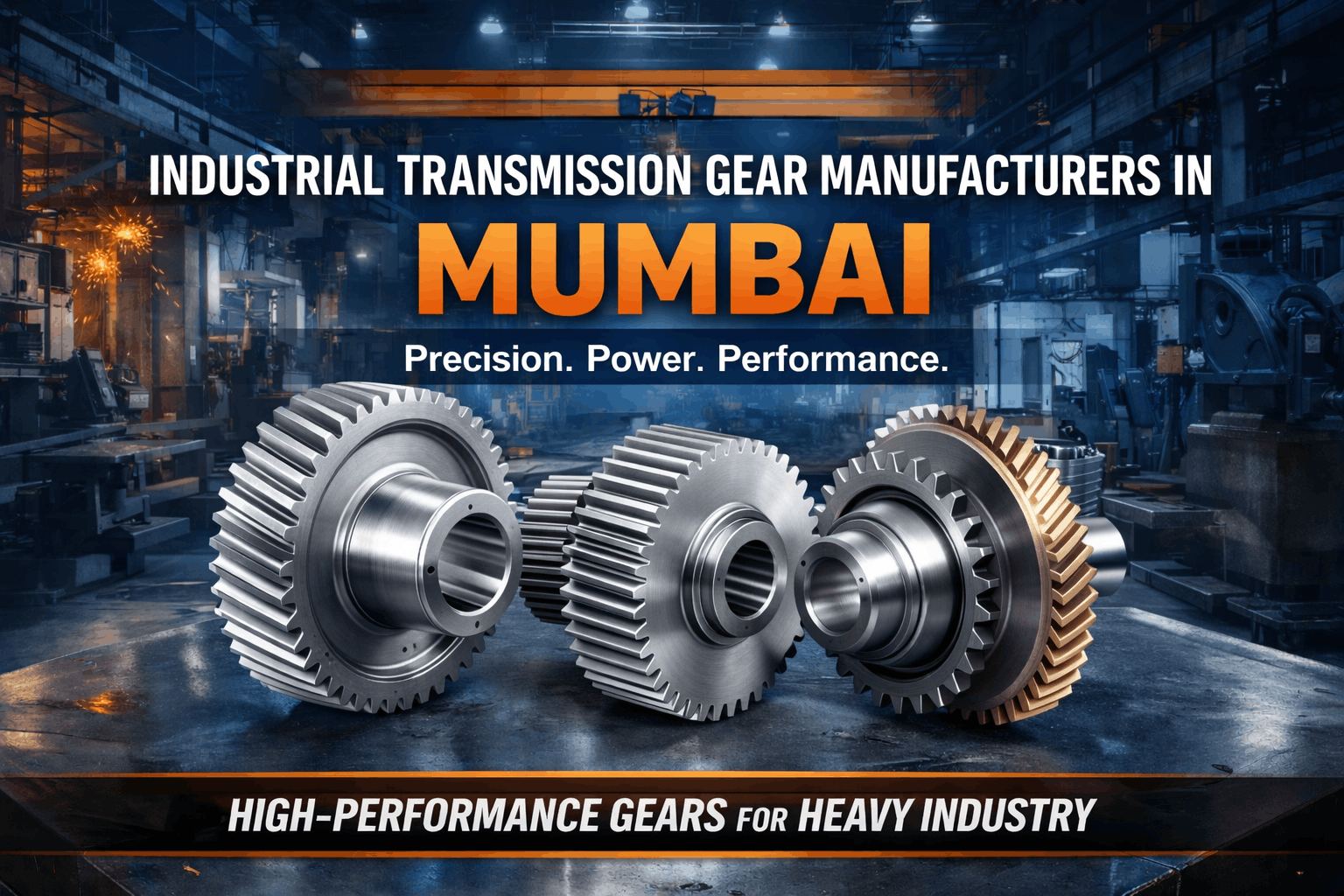
Power transmission begins with a single,...
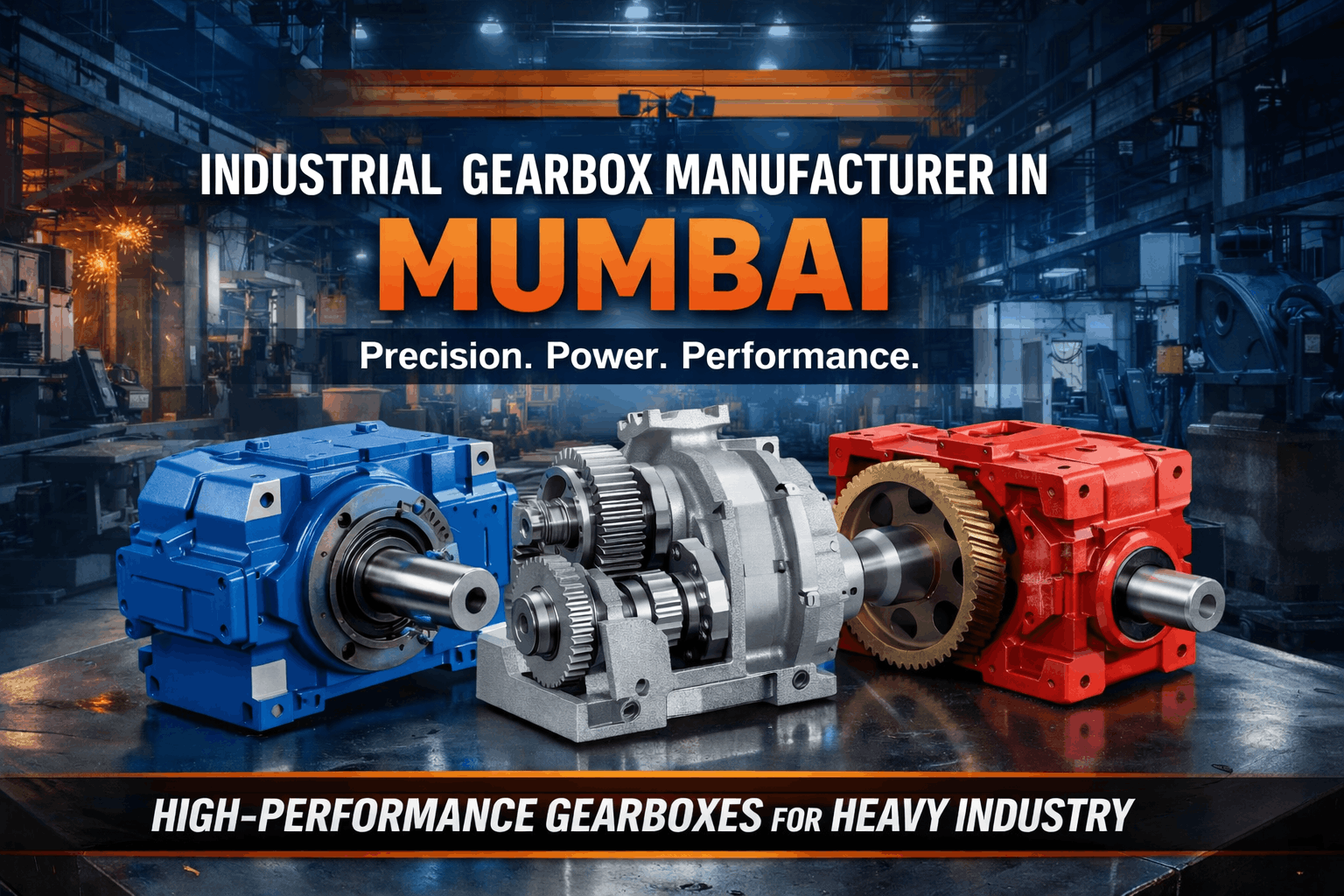
Behind every smooth-running industrial m...

In heavy-duty mechanical systems, power ...

In mechanical systems, reliability often...

In industrial environments where machine...
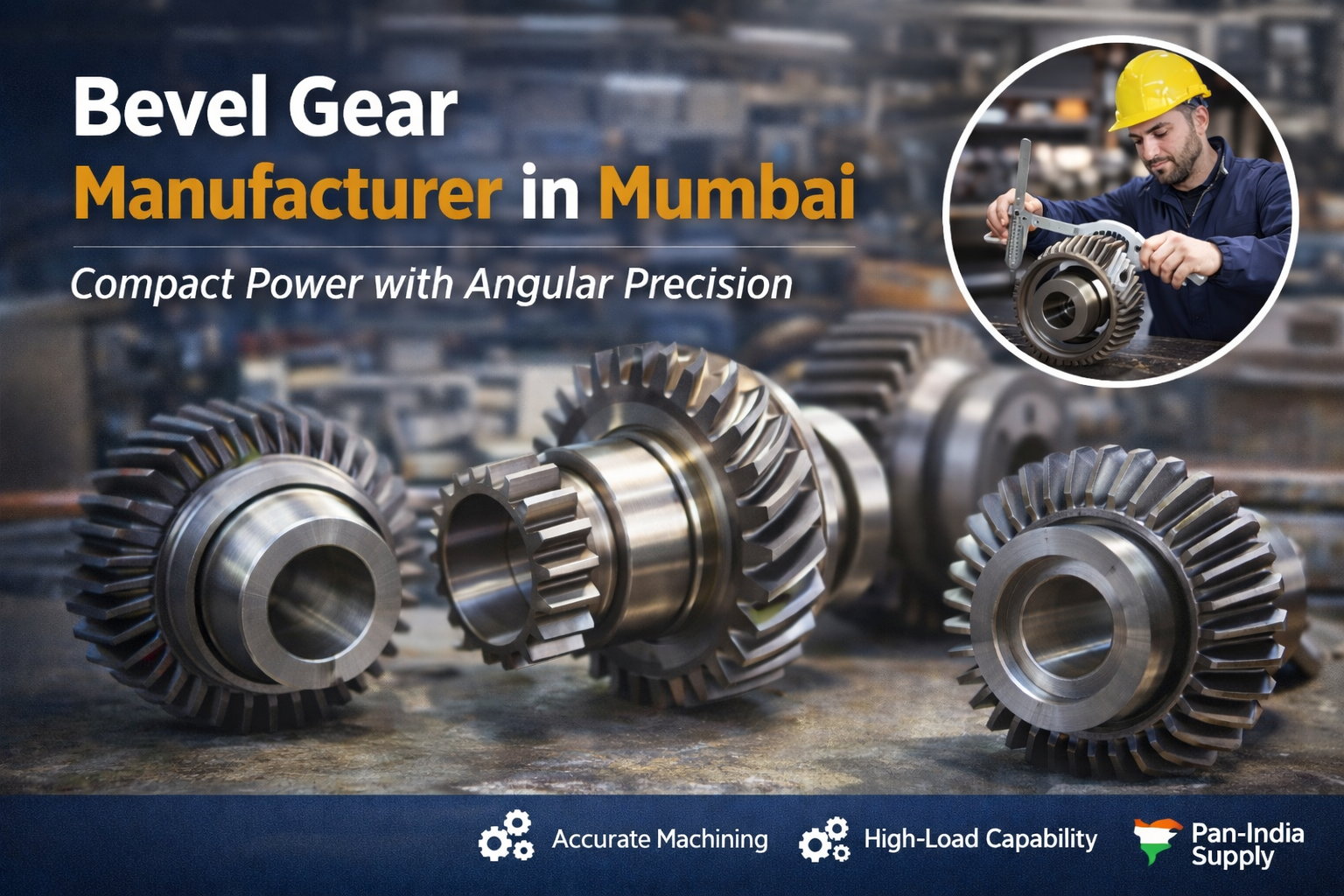
Machines that rely on angular power tran...
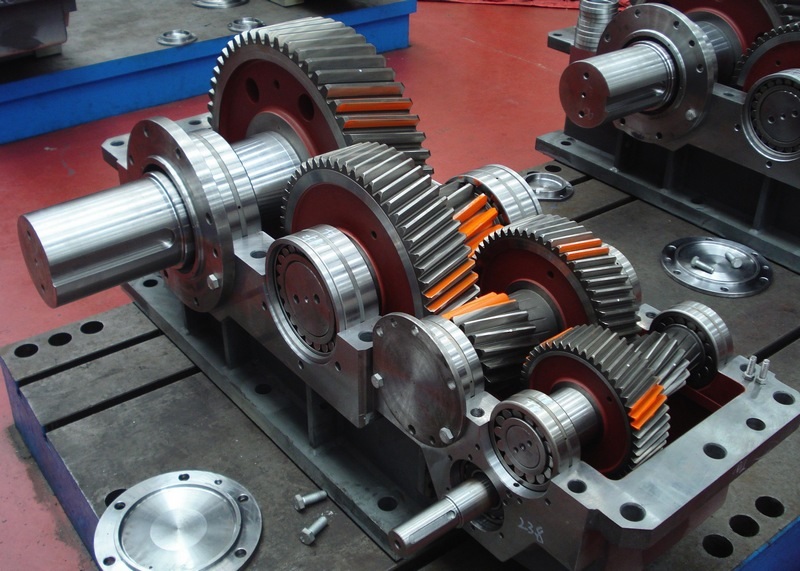
Modern industries run on reliability. Wh...
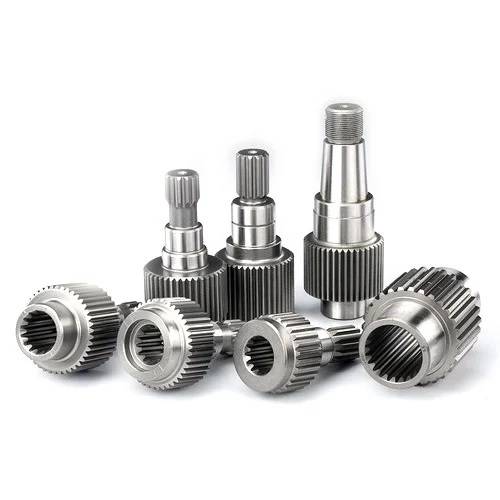
The Pinion Gear Shaft Manufacturers in M...
...
When machines need dependable power, smo...
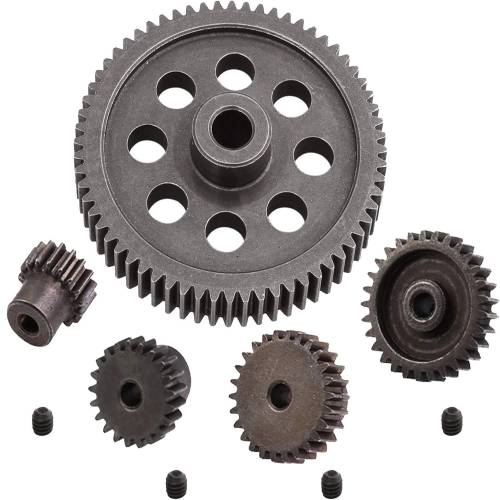
The Spur Gear Manufacturers in Mumbai ar...
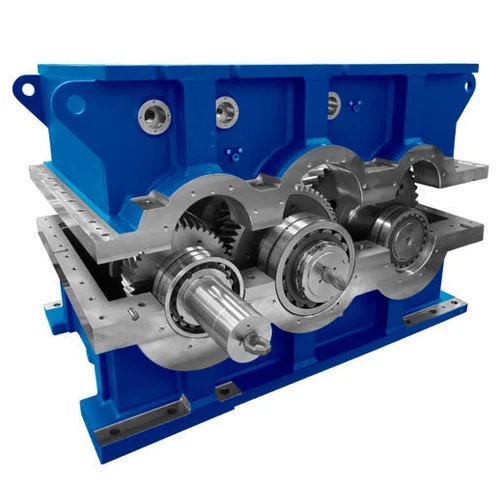
The Gearbox Manufacturers in Mumbai play...
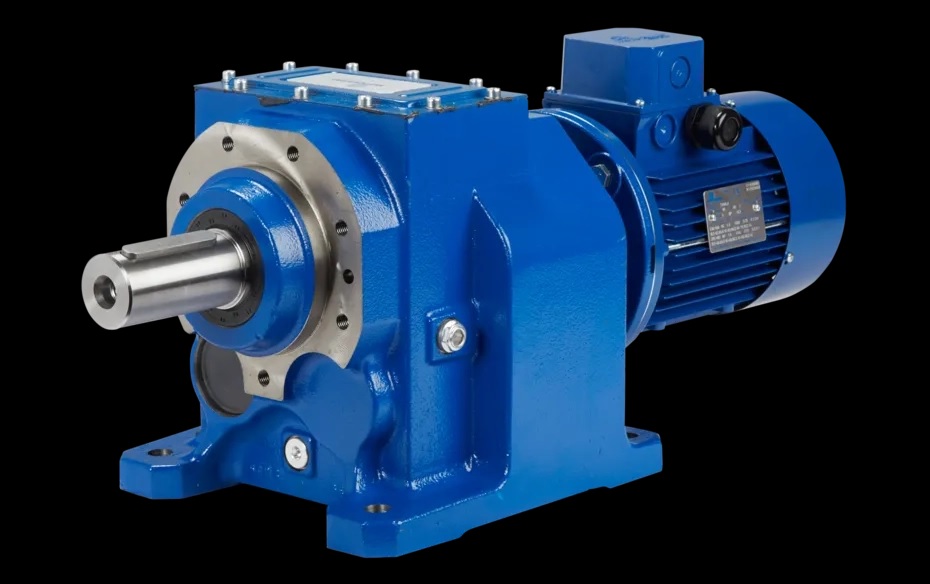
When precision meets performance, indust...
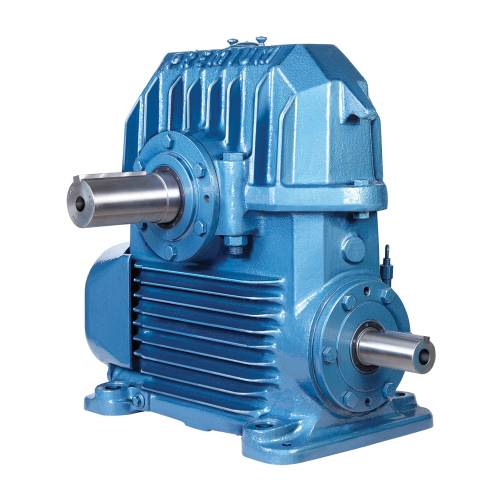
In the modern industrial world, precisio...
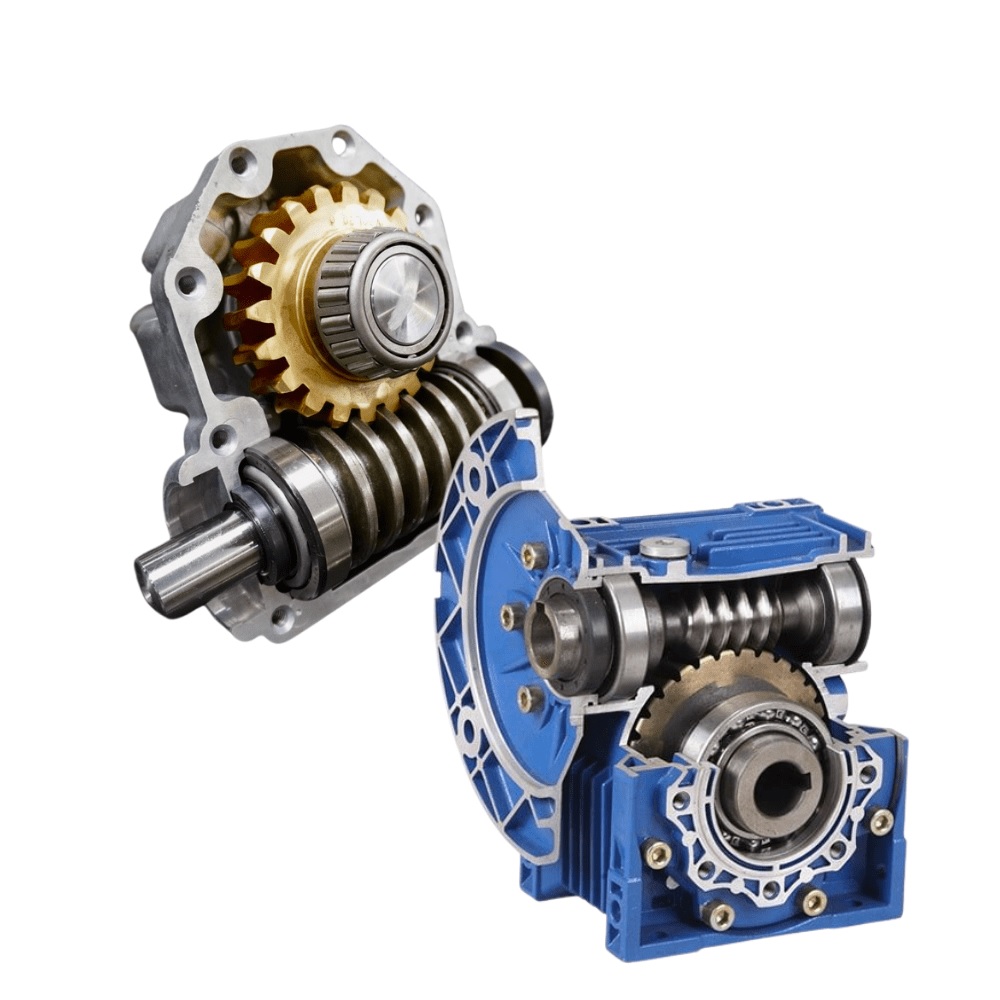
In today’s fast-paced industrial world...
When it comes to advanced power transmis...
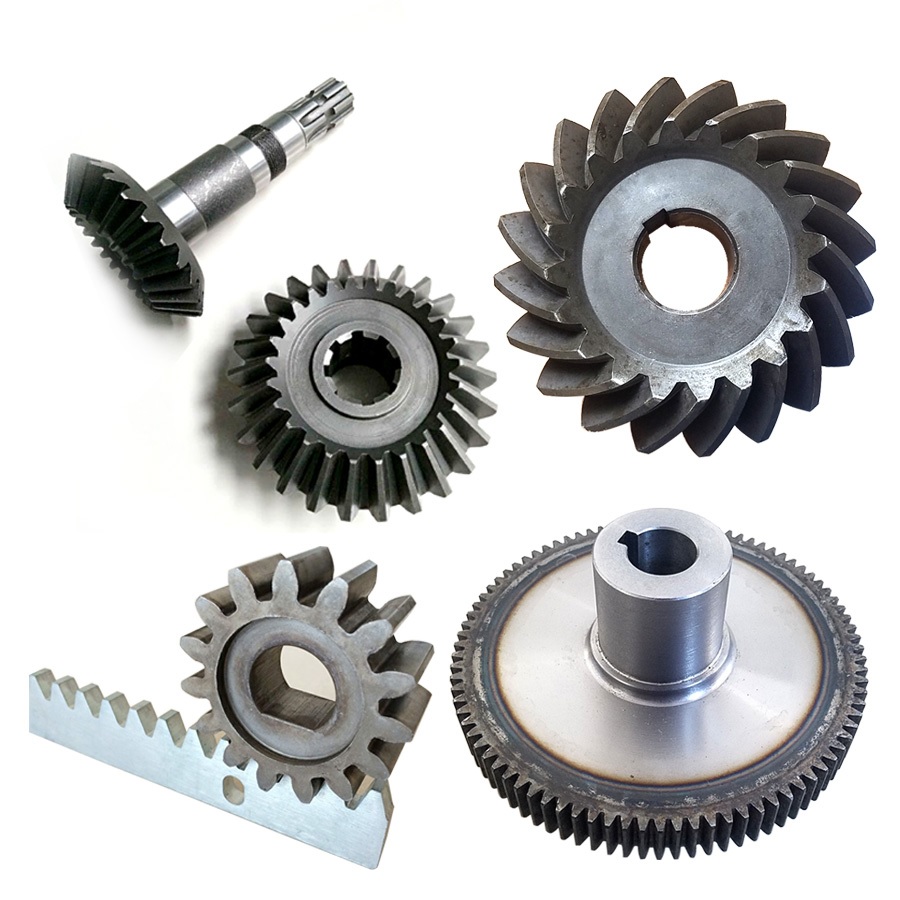
In the world of modern engineering, Indu...
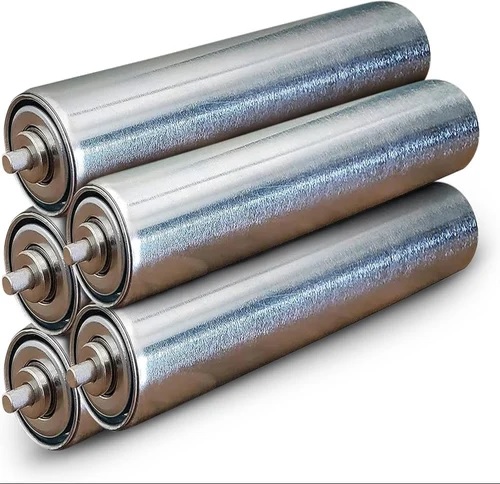
In the world of material handling and co...
