
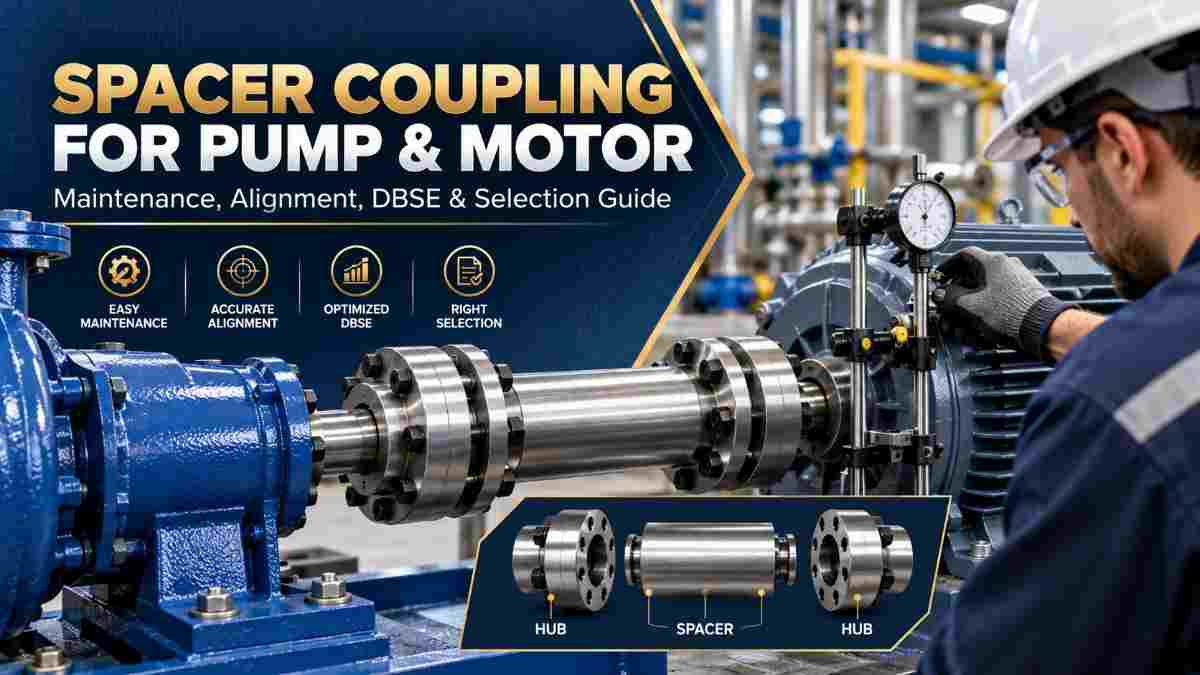
Are you experiencing frequent pump maintenance delays or difficulty accessing mechanical seals and bearings? The coupling connecting your pump and motor can significantly affect maintenance accessibility.
A spacer coupling for a pump and motor is used when the shafts need additional separation, particularly when maintenance requires removing the pump's rotating assembly without moving the motor or disturbing connected piping.
Selecting the correct coupling requires evaluating torque, rotational speed, shaft dimensions, distance between shaft ends, alignment, and operating conditions.
Agni Engineering offers industrial spacer couplings for pumps, motors, and mechanical power transmission applications.
A spacer coupling is a mechanical connection that transfers torque between two shafts while maintaining a specified distance between them.
A typical assembly includes:
Driving-side hub.
Driven-side hub.
Intermediate spacer.
Connecting fasteners.
Flexible elements, where applicable.
Spacer couplings are commonly used in centrifugal pumps, chemical processing equipment, water treatment plants, and industrial drive systems.
Explore Spacer Couplings for product information.
Spacer couplings provide maintenance clearance and transmit rotational power between the motor and pump.
They are particularly useful for back-pull-out centrifugal pump designs.
Their advantages may include:
Easier access to mechanical seals.
Improved maintenance clearance.
Reduced need to move the motor.
Convenient removal of rotating assemblies.
Accommodation of specified shaft separation.
Suitable torque transmission.
The maintenance benefit depends on the pump and coupling design.
A removable spacer allows maintenance personnel to create clearance between the pump and motor without repositioning the entire drive assembly.
For compatible back-pull-out pumps, this can make it possible to remove the rotating assembly while leaving the pump casing and motor in place.
This arrangement may simplify work involving:
Mechanical seals.
Pump bearings.
Shaft assemblies.
Impellers.
Selected internal components.
The pump manufacturer determines the required maintenance clearance.
A spacer coupling includes an intermediate section between the shaft connections, while a standard close-coupled design generally has a shorter arrangement.
The main difference is maintenance accessibility.
A spacer arrangement may allow an intermediate section to be removed without shifting the motor.
A standard flexible coupling may be more compact but offer less maintenance clearance.
The appropriate configuration depends on the equipment layout and maintenance requirements.
DBSE stands for Distance Between Shaft Ends and describes the specified axial separation between the pump and motor shafts.
DBSE is an important ordering parameter because it affects coupling geometry and available maintenance space.
Buyers should confirm:
Required shaft separation.
Shaft-end positions.
Coupling installation dimensions.
Maintenance clearance.
Manufacturer drawings.
An incorrect DBSE can prevent proper installation.
Spacer coupling torque capacity must be selected according to transmitted power, operating speed, starting conditions, and applicable service factors.
Important factors include:
Motor power.
Operating RPM.
Required operating torque.
Starting torque.
Shock loading.
Duty cycle.
Coupling service factor.
The coupling's rated capacity must satisfy the actual operating requirements.
High-speed assemblies may also require balancing and dynamic analysis.
Proper alignment is essential because excessive shaft misalignment can increase vibration, bearing loads, coupling wear, and equipment stress.
Check:
Angular misalignment.
Parallel offset.
Axial positioning.
Foundation stability.
Thermal movement.
Manufacturer alignment tolerances.
Flexible couplings can accommodate limited misalignment but cannot correct poor equipment installation.
Final alignment should follow the pump and coupling manufacturer's instructions.
Spacer coupling materials are selected according to torque requirements, rotational speed, operating environment, and corrosion exposure.
Common options include:
Carbon steel.
Alloy steel.
Stainless steel.
Suitable cast or ductile iron components.
Application-specific flexible elements.
Agni Engineering lists steel-based spacer coupling configurations with customized hub and spacer arrangements.
Material selection should match the operating conditions.
Flexible spacer couplings are useful when the application requires torque transmission with limited accommodation of shaft misalignment or operational movement.
They may be considered for:
Centrifugal pumps.
Water treatment equipment.
Chemical processing machinery.
Industrial motor drives.
Selected blower systems.
However, the permissible movement depends on the specific coupling design.
Explore Industrial Couplings for related products.
Potential warning signs include unusual vibration, excessive noise, damaged flexible elements, loose fasteners, and visible wear.
Common inspection points include:
Hub condition.
Spacer condition.
Bolted connections.
Flexible elements.
Shaft attachment.
Corrosion.
Signs of misalignment.
These symptoms can also result from other machinery problems.
Inspect the complete pump and motor assembly before replacing components.
Before ordering a replacement, verify the existing coupling dimensions, mounting details, load requirements, and machine operating conditions.
Check:
Pump and motor model.
Motor power.
Operating RPM.
Required DBSE.
Pump shaft diameter.
Motor shaft diameter.
Hub bore dimensions.
Keyway specifications.
Coupling configuration.
Material requirements.
Balancing requirements.
Existing component drawings.
Photographs and approved technical drawings can help the manufacturer identify a suitable replacement.
Spacer coupling prices depend on torque capacity, spacer length, materials, machining requirements, balancing, and customization.
Major cost factors include:
Coupling size.
Spacer length.
Hub dimensions.
Material grade.
Flexible element design.
Machining tolerances.
Balancing requirements.
Order quantity.
Compare quotations using identical specifications.
Agni Engineering offers industrial spacer couplings with application-specific design and manufacturing options.
Its product page describes:
Customized spacer lengths.
Precisely machined hubs.
Bore and keyway finishing.
Steel material options.
Protective finishes.
Dynamic balancing on request.
Explore Spacer Couplings to review product information.
Confirm availability, torque ratings, dimensional tolerances, and inspection requirements before purchasing.
Common questions concern maintenance access, alignment, DBSE, load capacity, and replacement requirements.
It may simplify maintenance by allowing access to certain pump components without moving the motor, depending on the pump design.
Flexible spacer couplings can accommodate specified limited misalignment, but proper shaft alignment remains necessary.
DBSE means Distance Between Shaft Ends, a key dimensional requirement for coupling selection.
They can be suitable when the design, torque rating, balance, and dynamic characteristics meet the operating requirements.
Yes. Manufacturers may offer custom spacer lengths, hub dimensions, materials, and configurations.
No. They can also be used in other industrial rotating equipment requiring shaft separation and torque transmission.
You can request a spacer coupling quotation by sharing the pump and motor details, shaft dimensions, required DBSE, operating speed, torque requirements, and quantity.
For replacement applications, include technical drawings or photographs of the existing coupling.
Explore Spacer Couplings or contact Agni Engineering for technical enquiries and quotations.
Technical Note: Final coupling selection, alignment tolerances, balancing, and installation requirements must follow the approved machinery specifications and manufacturer's recommendations.
Are you designing a CNC machine, industr...
Are you experiencing inconsistent materi...
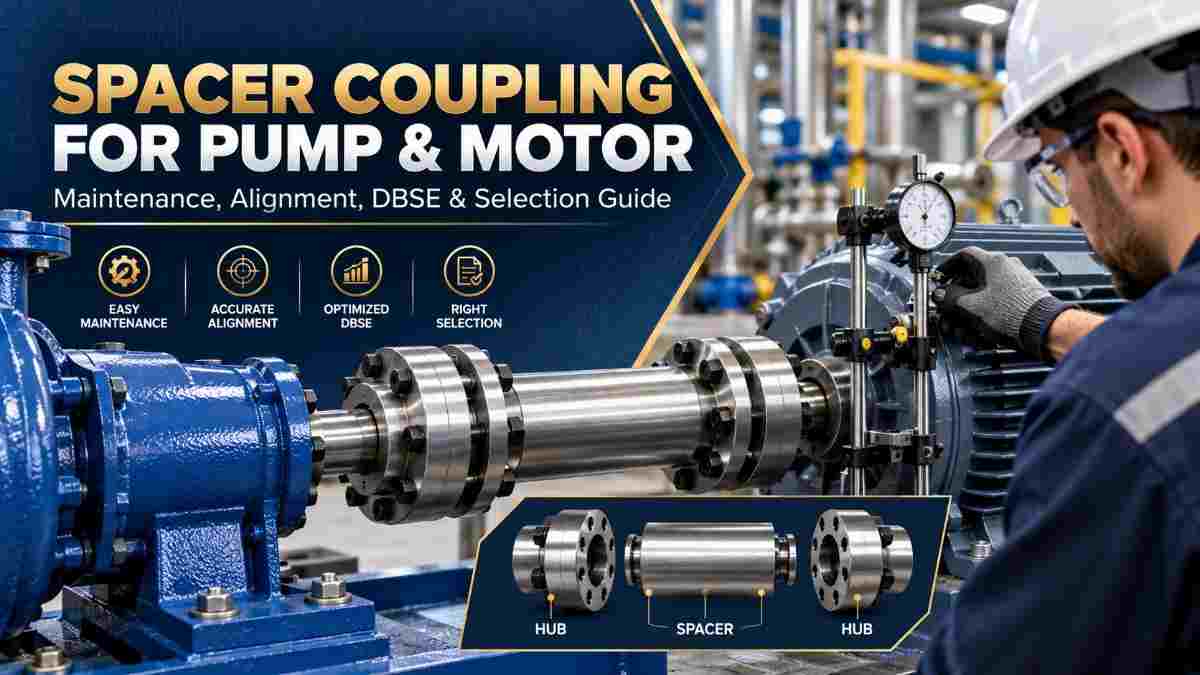
Are you experiencing frequent pump maint...
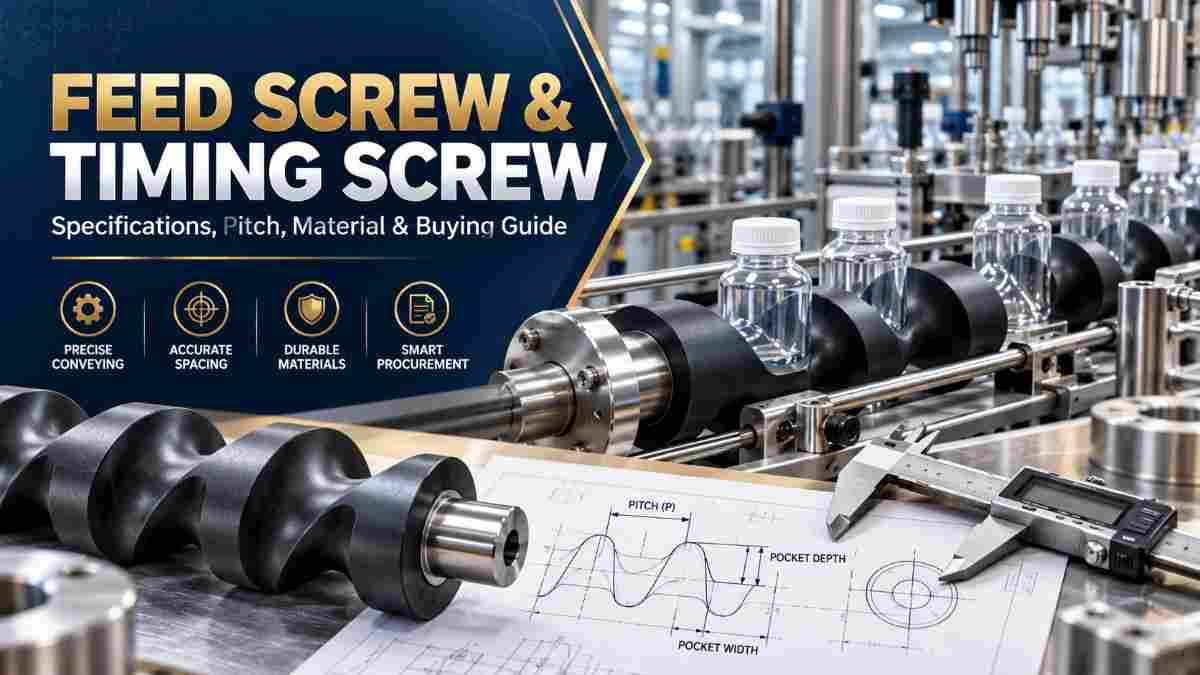
Are bottles jamming, containers becoming...
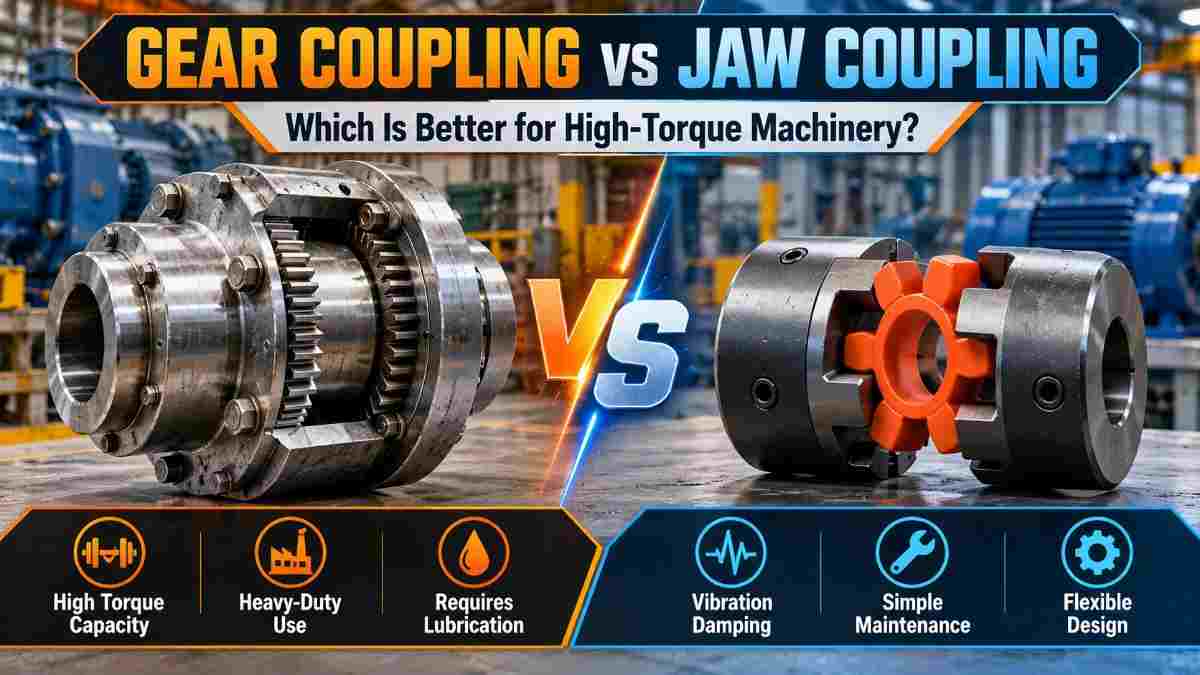
Industrial machinery depends on reliable...
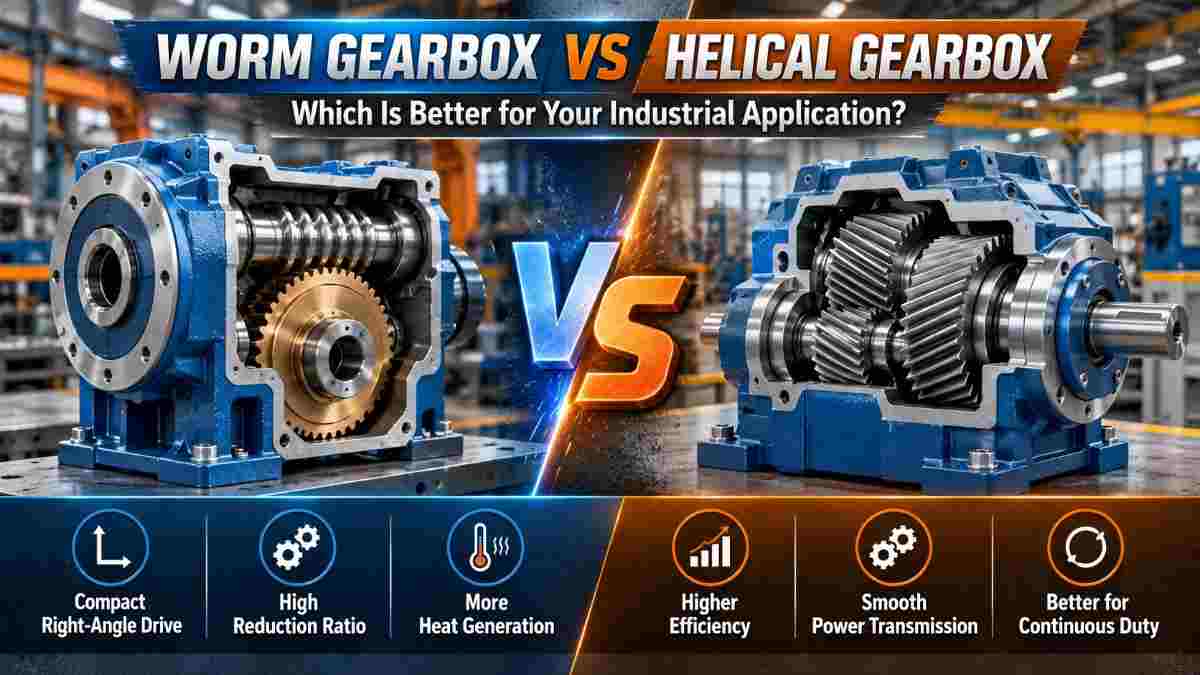
Choosing between a worm gearbox and a he...
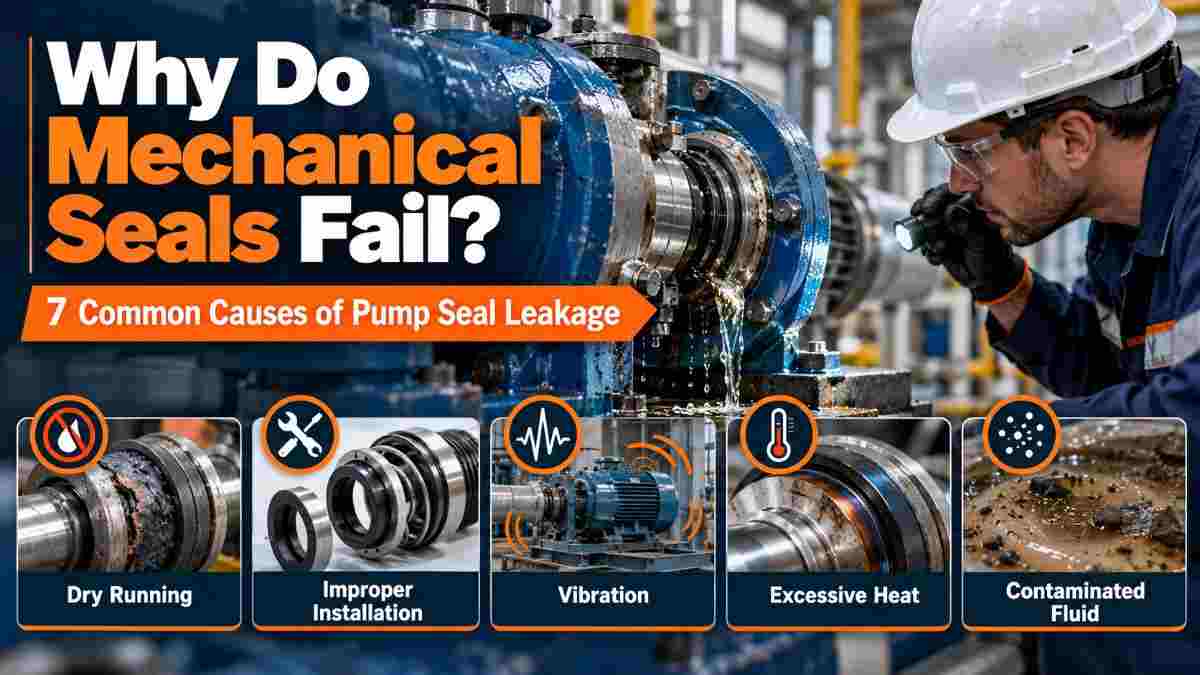
Mechanical seals are essential component...

An industrial gearbox naturally generate...
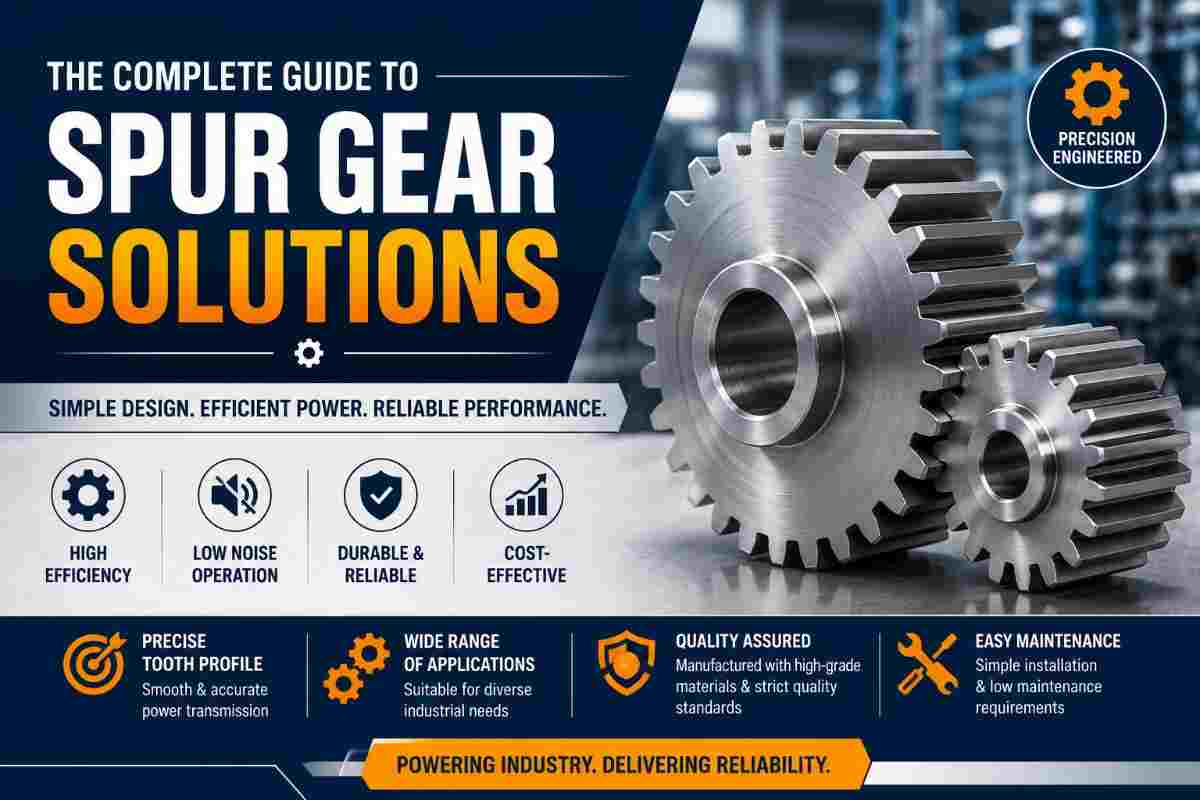
A spur gear is a mechanical gear with st...
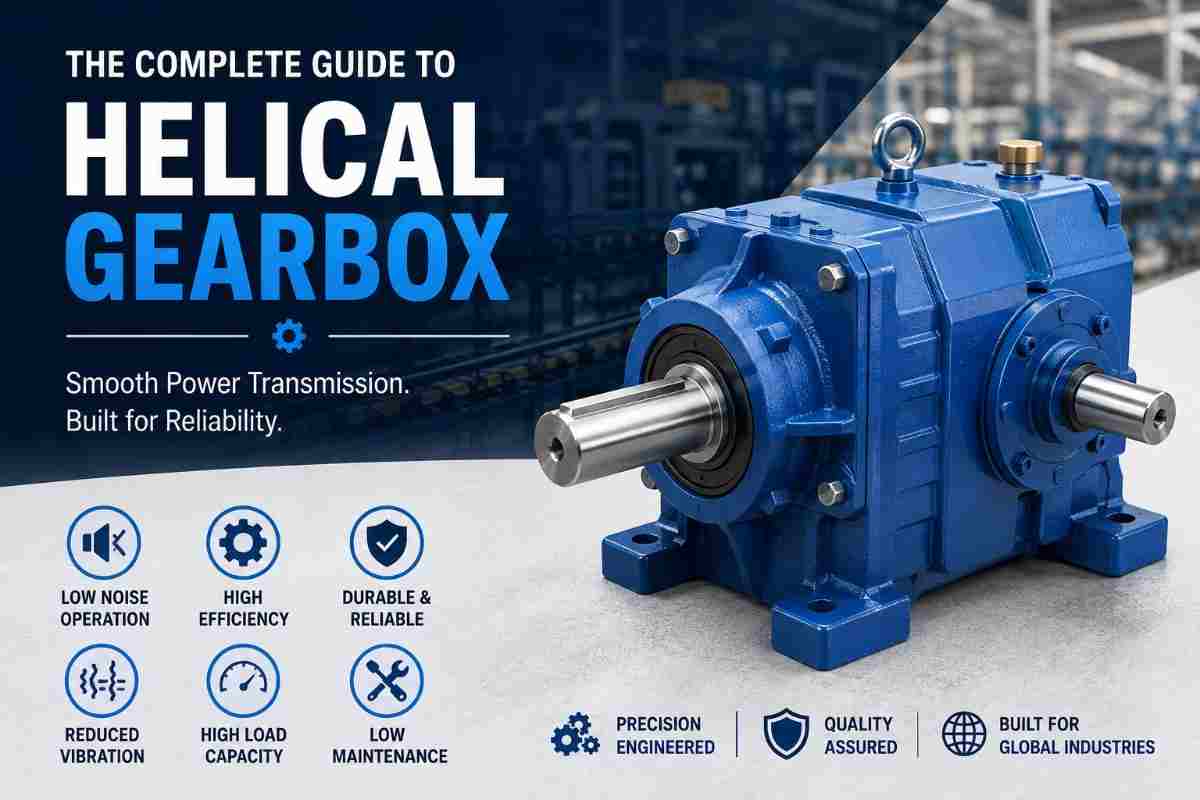
A helical gearbox is a mechanical power ...
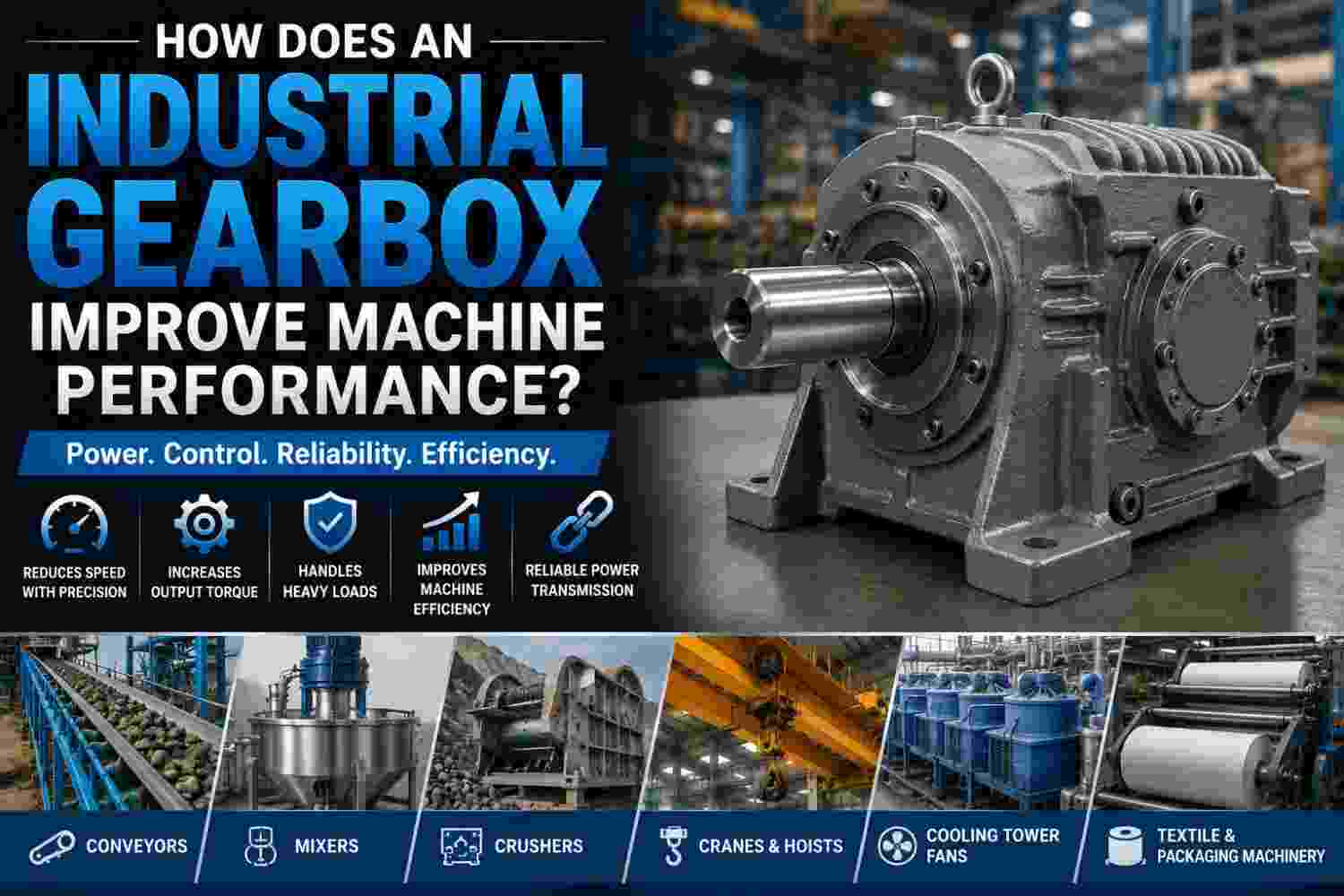
An industrial gearbox improves machine p...
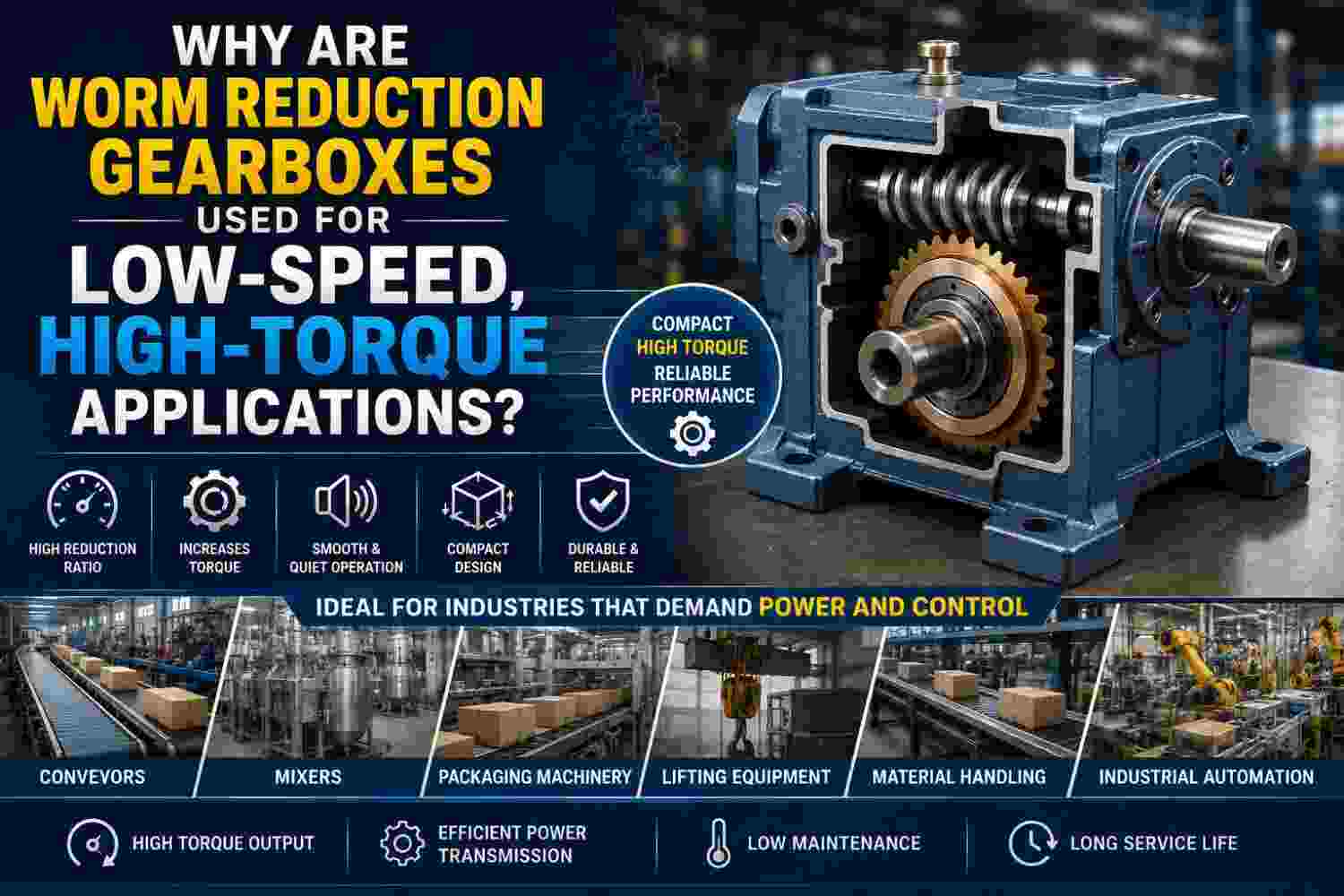
Worm reduction gearboxes are used for lo...
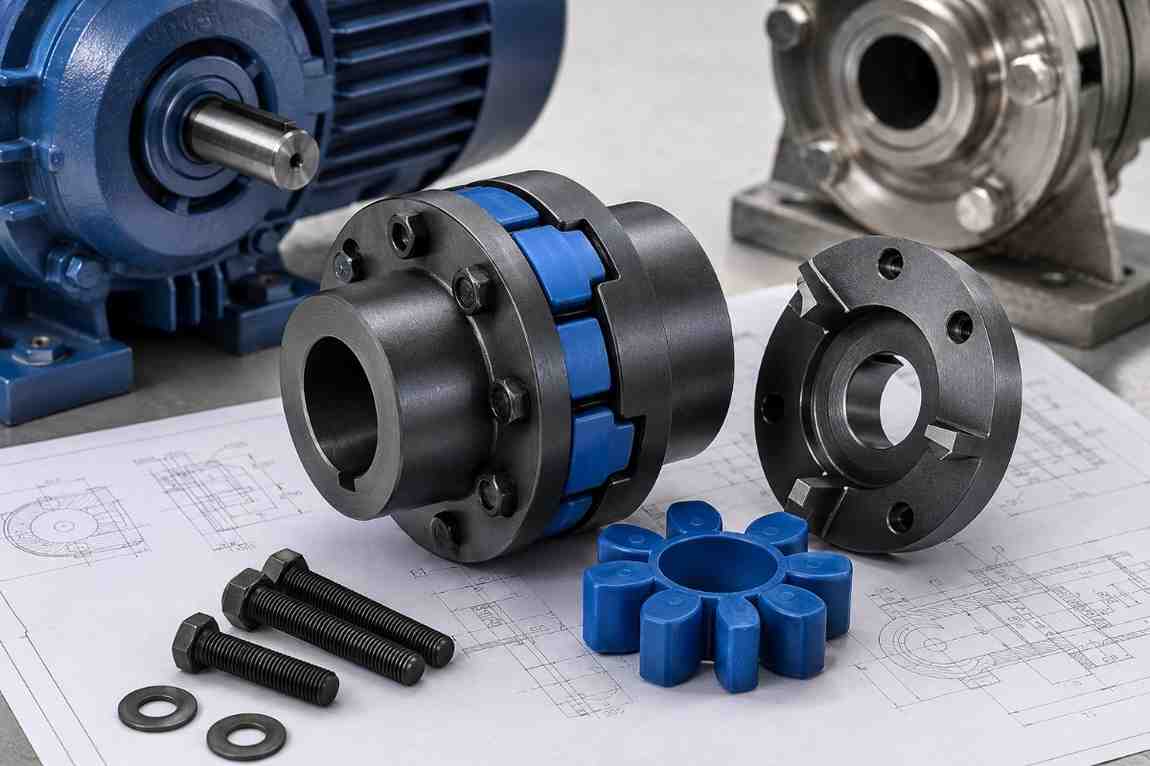
Selecting the correct N-Eupex coupling i...
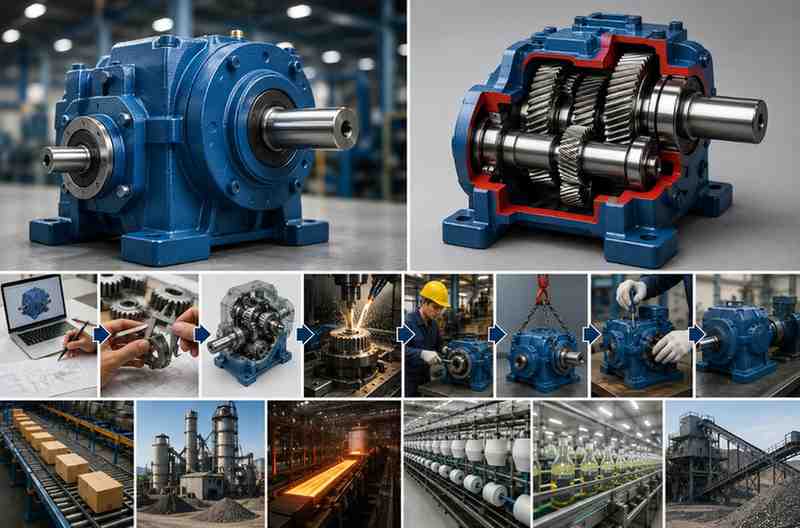
Choosing the right helical gearbox is on...
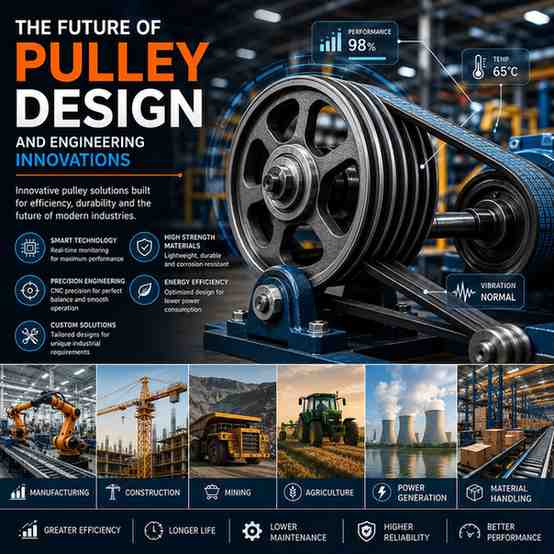
For centuries, pulleys have been one of ...
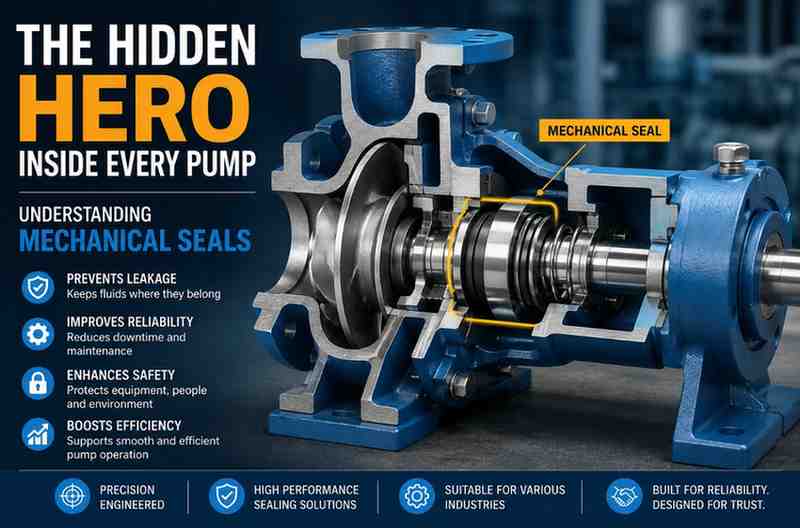
When people think about industrial pumps...
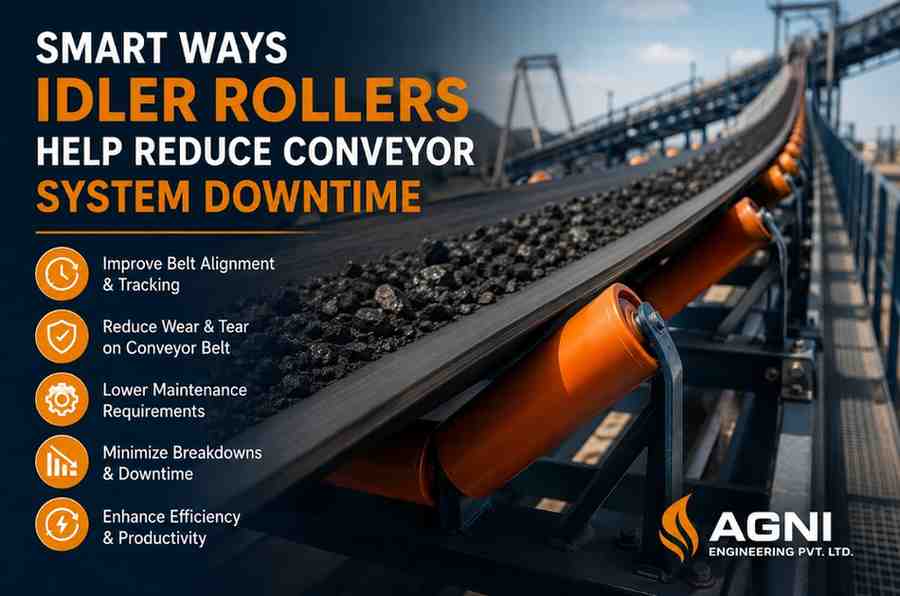
In industries where material handling is...
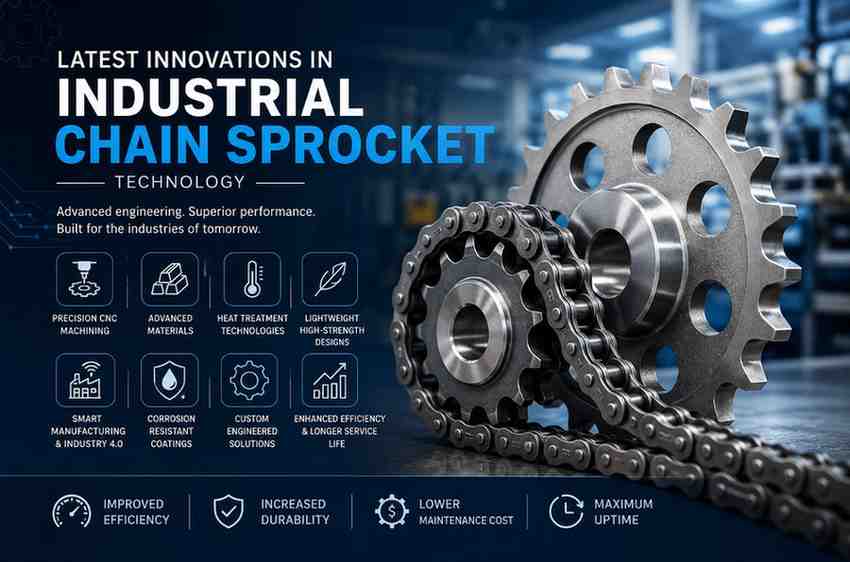
In today’s fast-moving industrial envi...
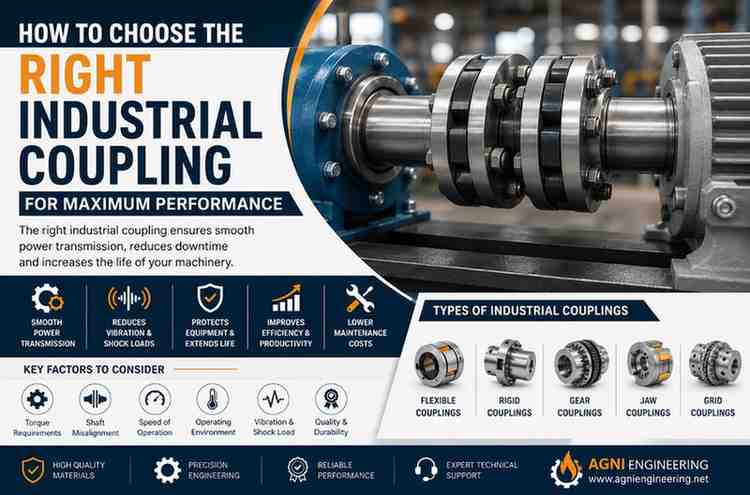
In any industrial setup, even the smalle...
Industrial operations today are becoming...
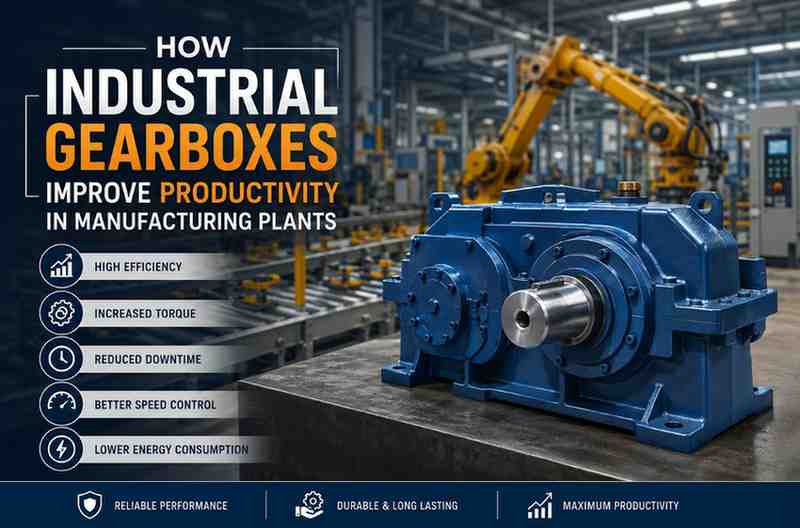
In modern manufacturing plants, efficien...
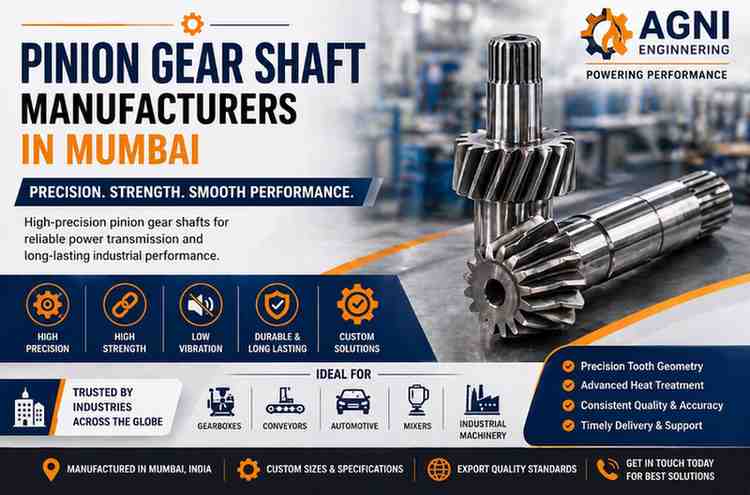
In industrial machinery, every movement ...
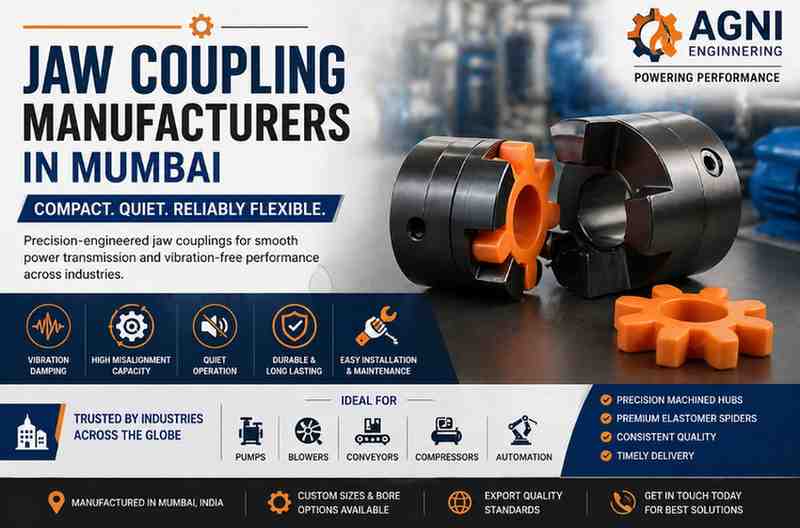
In modern industrial machinery, smooth p...
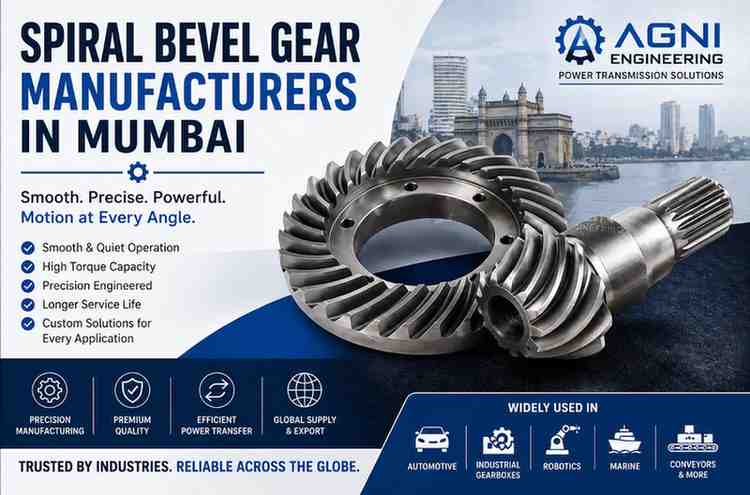
In modern industries, machines rarely wo...
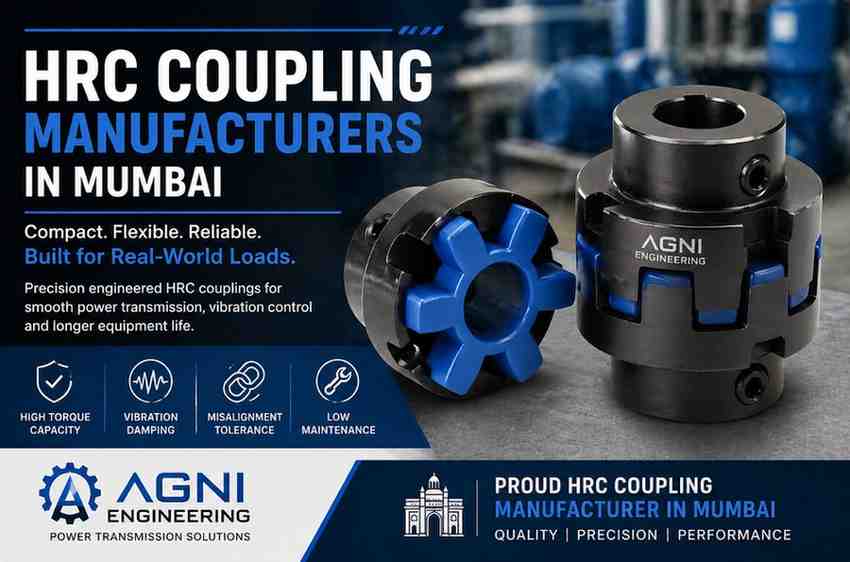
In industrial machinery, smooth power tr...

Machines depend on smooth and steady mot...

In any industrial system, smooth power t...

In many industrial machines, smooth moti...
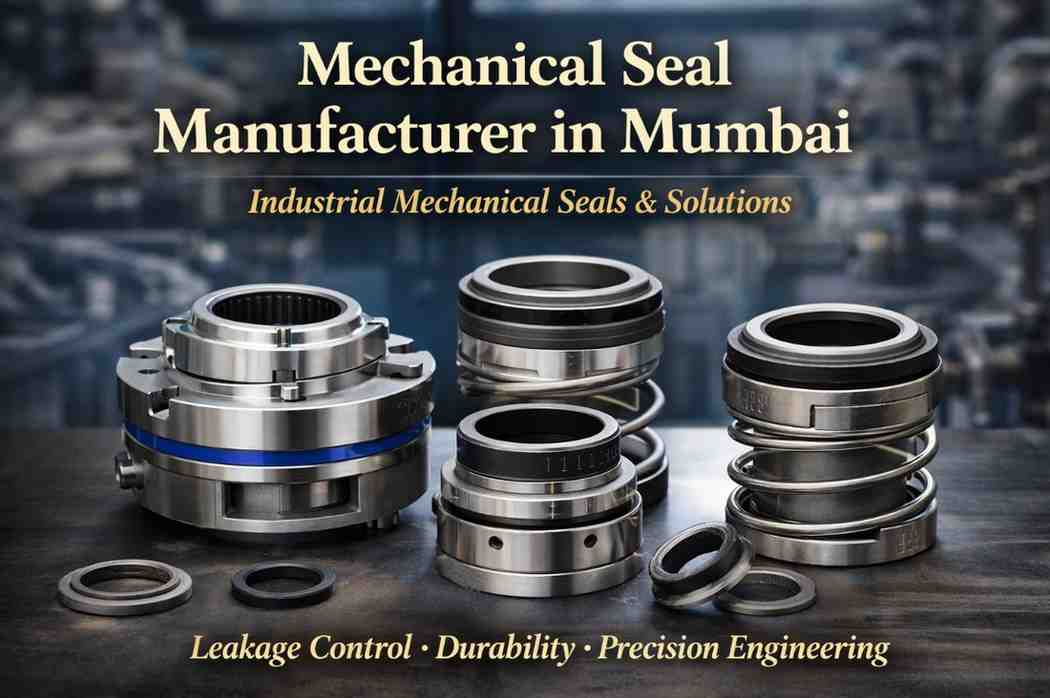
Industrial machines operate under pressu...
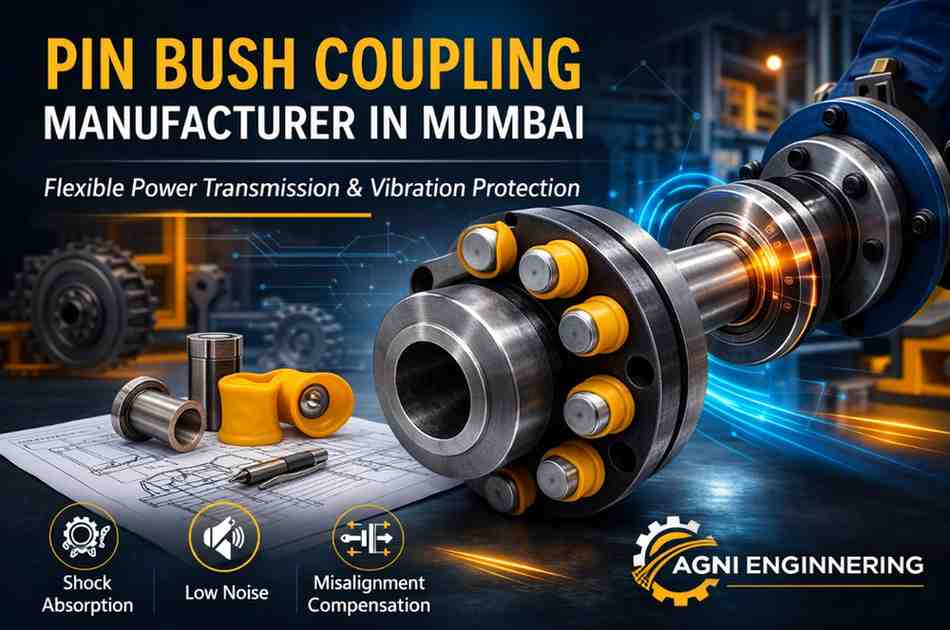
In many industrial machines, vibration, ...
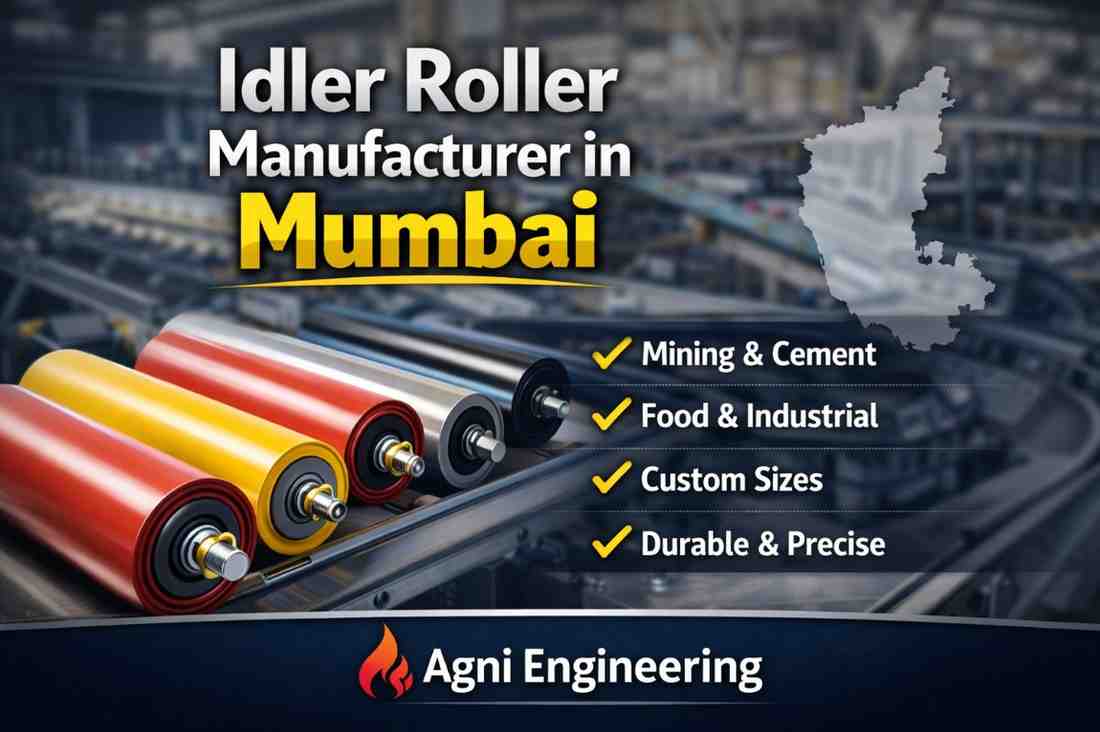
In every conveyor system, rollers play a...
In modern machines, power does not alway...
Some mechanical components earn their re...
Power transmission begins with a single,...
Behind every smooth-running industrial m...

In heavy-duty mechanical systems, power ...

In mechanical systems, reliability often...

In industrial environments where machine...
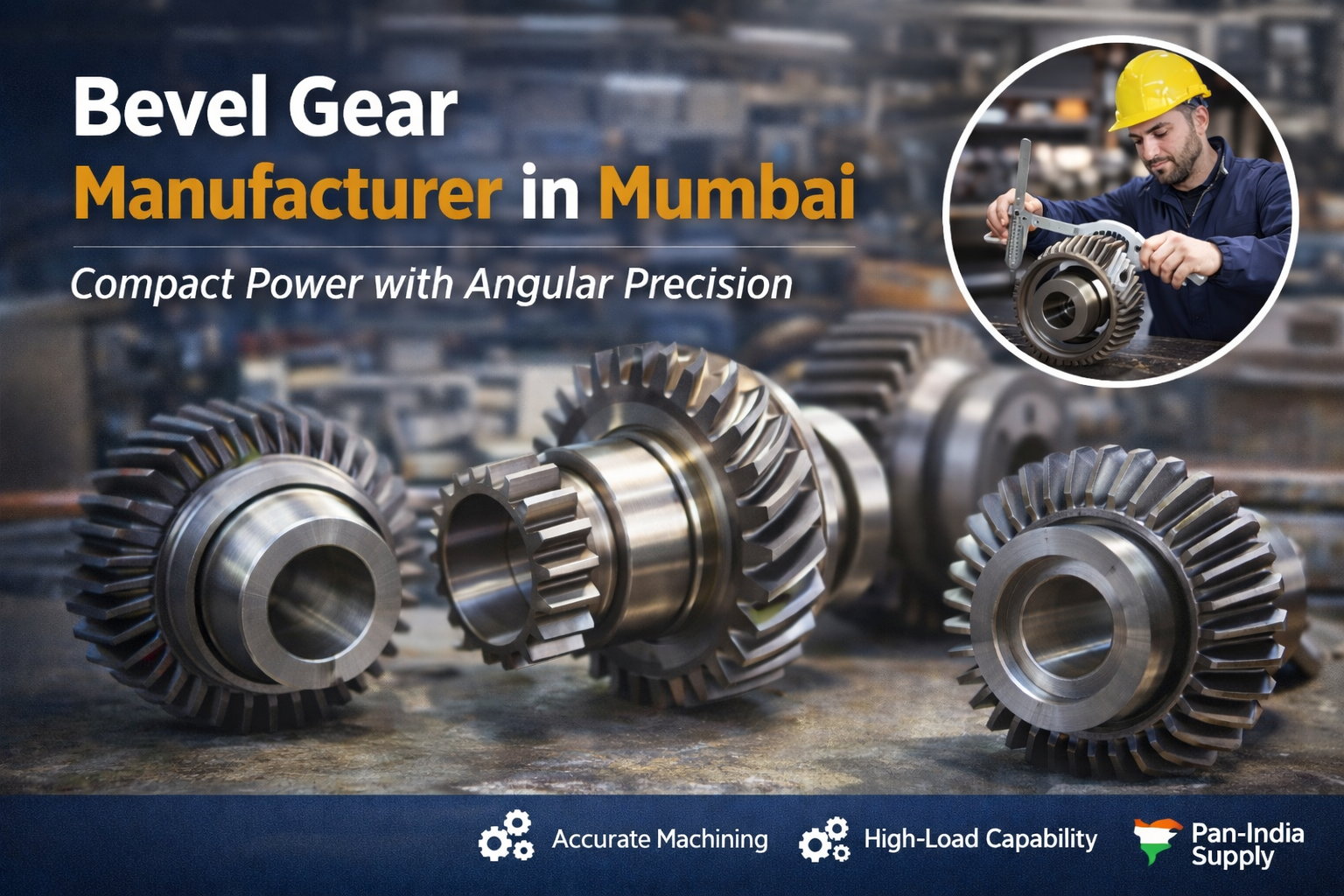
Machines that rely on angular power tran...
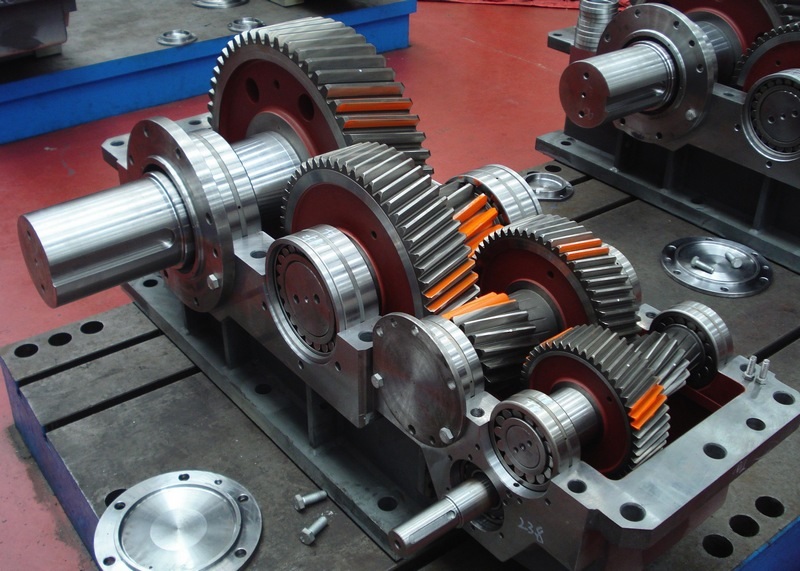
Modern industries run on reliability. Wh...
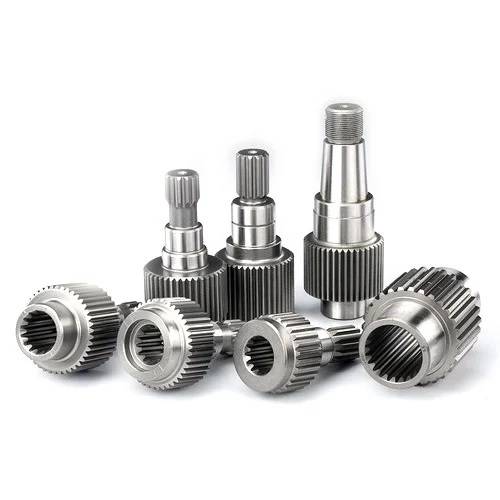
The Pinion Gear Shaft Manufacturers in M...
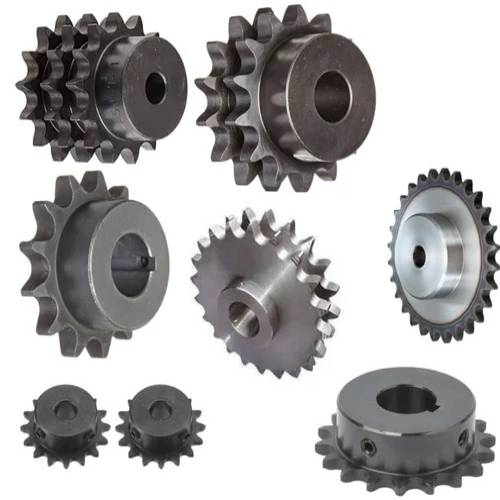
...
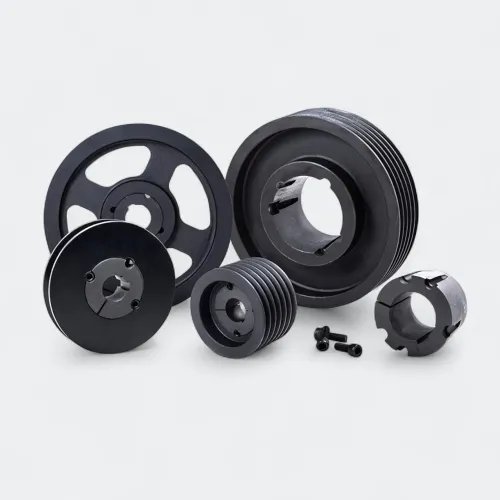
When machines need dependable power, smo...
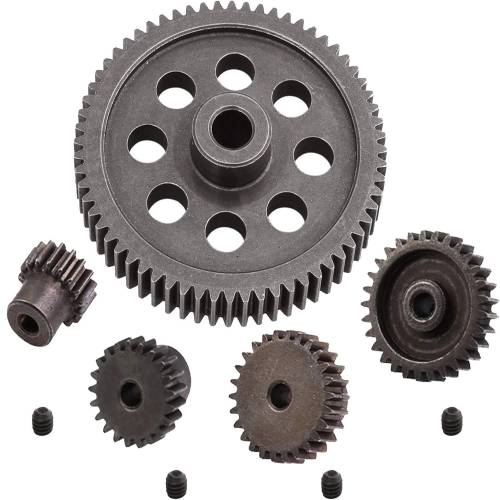
The Spur Gear Manufacturers in Mumbai ar...
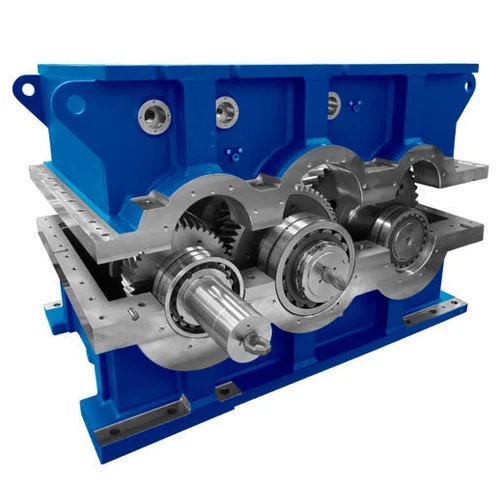
The Gearbox Manufacturers in Mumbai play...
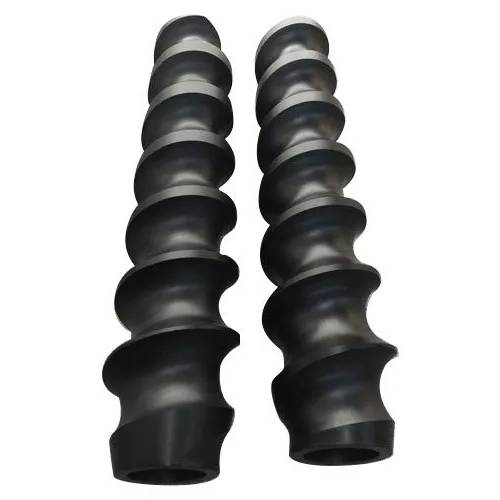
When precision meets performance, indust...
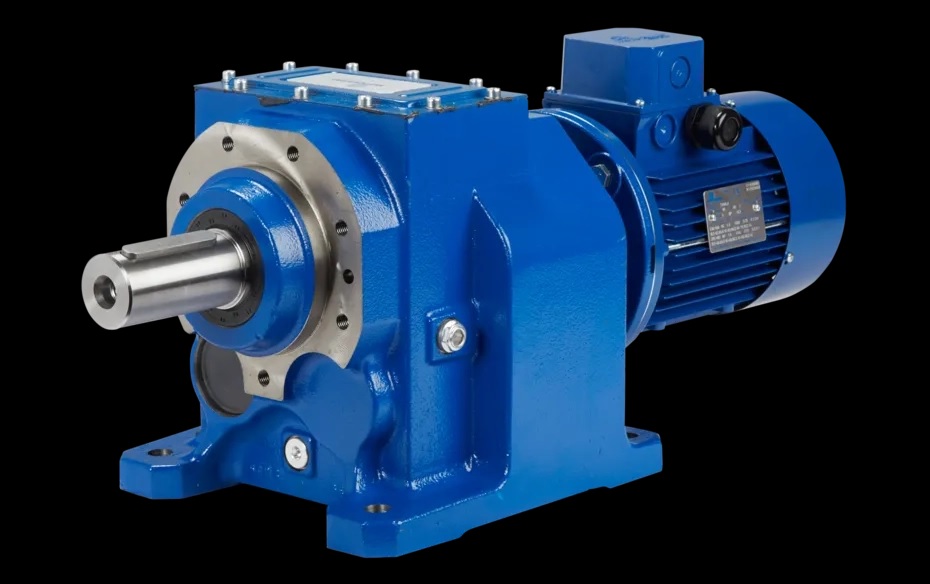
In the modern industrial world, precisio...
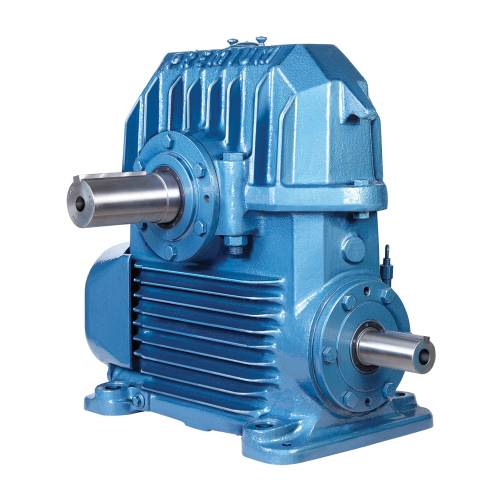
In today’s fast-paced industrial world...
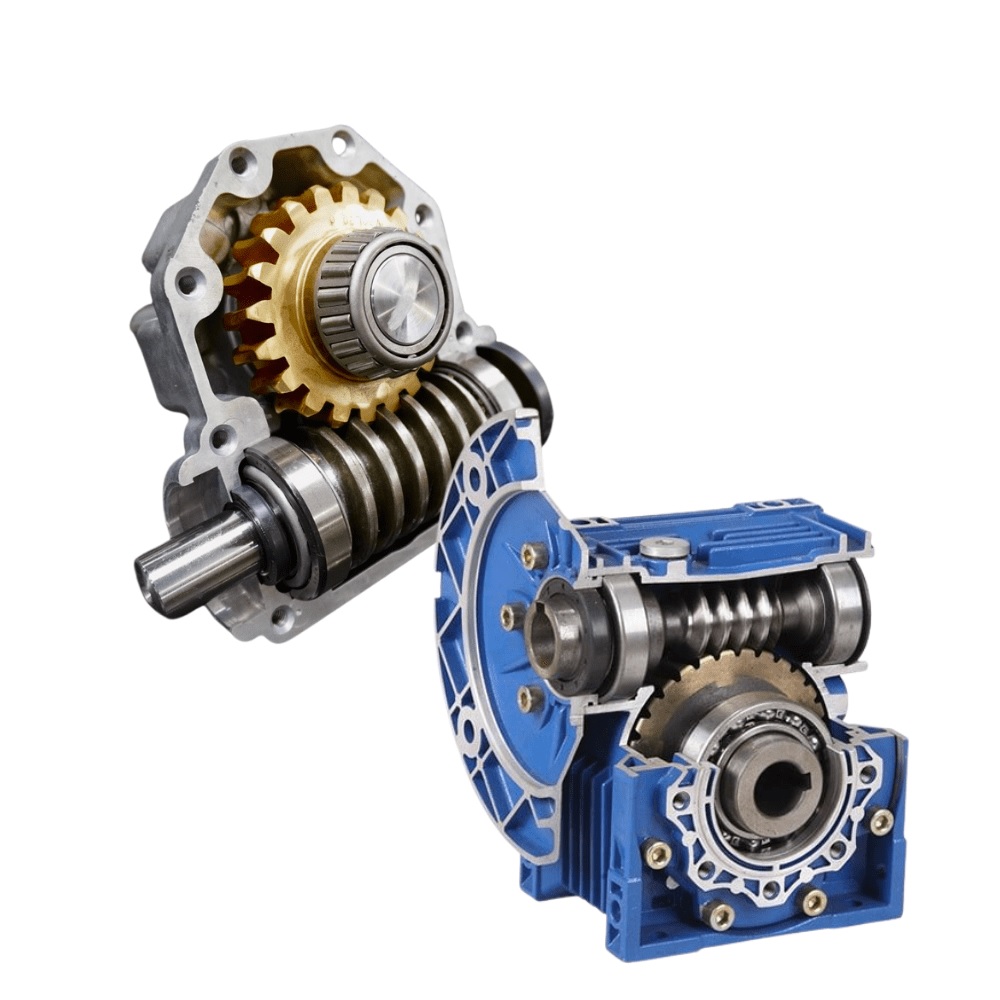
When it comes to advanced power transmis...
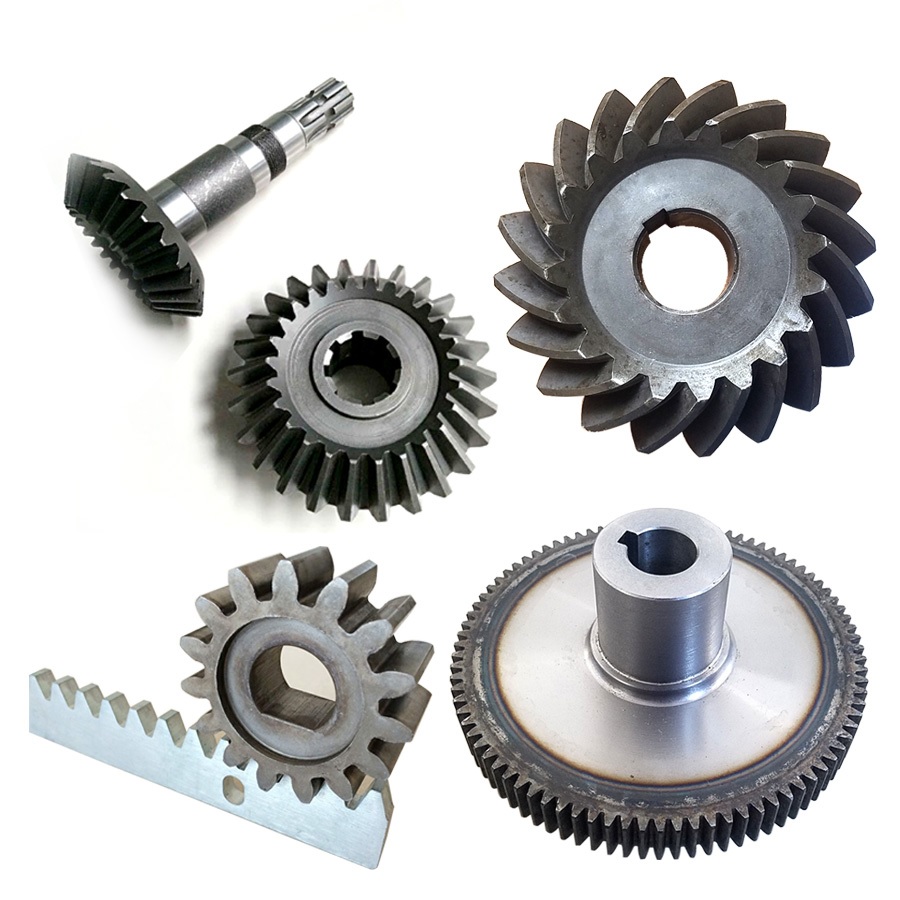
In the world of modern engineering, Indu...
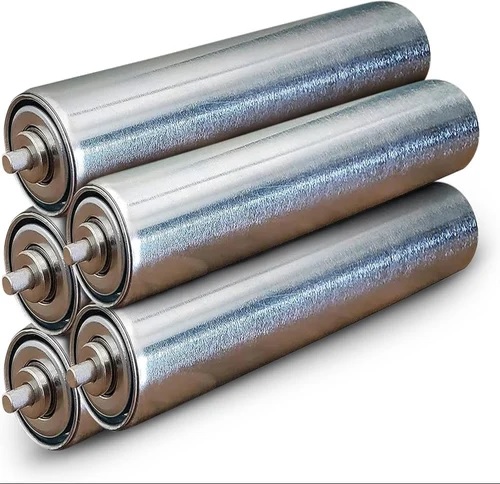
In the world of material handling and co...
