
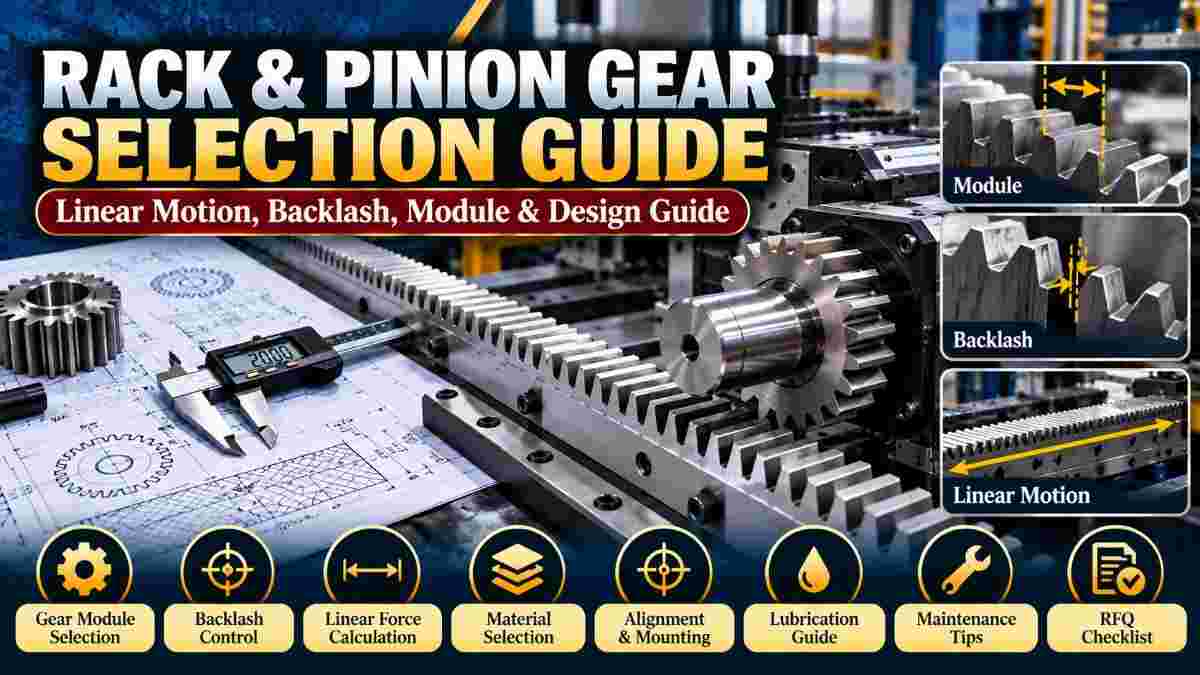
Are you designing a CNC machine, industrial automation system, or material-handling mechanism that requires accurate linear movement? Choosing the correct rack and pinion gear system is essential for reliable operation.
Rack and pinion gear selection depends on linear force, travel speed, gear module, pressure angle, backlash, material, mounting accuracy, and lubrication requirements.
A properly selected system converts rotational motion into controlled linear movement while supporting the machine's load and positioning requirements.
Agni Engineering offers gear rack and pinion components for industrial machinery and automation applications.
A rack and pinion gear system consists of a straight toothed rack and a circular pinion gear that convert rotational movement into linear motion.
When the pinion rotates, its teeth engage the rack and produce linear travel.
Common applications include:
CNC machines.
Industrial automation.
Packaging equipment.
Material-handling machinery.
Sliding mechanisms.
Lifting equipment.
Machine positioning systems.
Explore Gear Rack and Pinion for available product information.
A rotating pinion engages the teeth of a stationary or moving rack, converting torque into linear force and movement.
The basic relationship depends on the pinion's pitch radius.
Linear travel per revolution is determined by the pinion's pitch circumference.
System performance also depends on gear geometry, alignment, bearing support, and loading conditions.
The main selection factors include required linear force, movement speed, travel distance, positioning accuracy, duty cycle, and operating environment.
Before ordering, identify:
Maximum linear load.
Required travel distance.
Operating speed.
Acceleration and deceleration.
Duty cycle.
Positioning accuracy.
Available mounting space.
Environmental conditions.
These details help establish the required gear geometry and mechanical design.
Gear module defines tooth size in metric gear systems and must match between the rack and pinion for proper engagement.
The selected module affects:
Tooth geometry.
Load-carrying capability.
Gear dimensions.
Pinion size.
Manufacturing requirements.
Larger modules generally provide larger teeth, but the appropriate module depends on a complete strength and wear assessment.
Pressure angle describes the direction of force transmitted between meshing gear teeth and must be compatible between the rack and pinion.
It affects:
Tooth engagement.
Contact forces.
Bearing loads.
Mechanical efficiency.
Gear geometry.
A commonly used pressure angle is 20 degrees, but the required value depends on the design.
Do not combine components with incompatible tooth geometry.
Linear force is related to pinion torque and pitch radius, with actual output affected by mechanical losses.
The ideal relationship is:
Linear Force = Pinion Torque ÷ Pinion Pitch Radius
For example, engineers must account for the required force at the rack rather than selecting a motor solely by its rated power.
Additional considerations include:
Acceleration loads.
Friction.
Mechanical efficiency.
Shock loading.
Safety factors.
Duty cycle.
Final calculations should follow the equipment design requirements.
Backlash is the clearance between mating gear teeth that can contribute to lost motion during direction changes.
Excessive backlash can affect:
Positioning accuracy.
Repeatability.
Vibration.
Noise.
Motion control.
Backlash requirements depend on the application.
Backlash can be controlled through accurate gear manufacturing, proper alignment, suitable mounting adjustments, and specialized preload arrangements.
Possible approaches include:
Precision-machined gears.
Correct pinion positioning.
Controlled tooth tolerances.
Suitable mounting stiffness.
Preloaded dual-pinion systems.
Excessively tight engagement can cause increased friction and premature wear.
Material selection depends on operating loads, wear conditions, corrosion exposure, manufacturing requirements, and expected service life.
Common options include:
Carbon steel.
Alloy steel.
Case-hardened steel.
Stainless steel.
Application-specific materials.
Agni Engineering lists steel material options and hardened-tooth configurations for industrial applications.
Confirm the required grade and heat-treatment condition before ordering.
Hardened teeth may be suitable for applications involving repeated loading, significant contact stress, or demanding wear conditions.
Important considerations include:
Surface hardness.
Core toughness.
Tooth geometry.
Lubrication.
Contact stress.
Duty cycle.
Heat treatment should be selected according to the approved engineering specification.
Proper alignment is essential for maintaining consistent tooth contact, reducing uneven wear, and achieving predictable linear motion.
Check:
Rack straightness.
Mounting surface accuracy.
Pinion shaft alignment.
Bearing support.
Center-distance adjustment.
Gear engagement.
Joint alignment between rack sections.
Poor alignment may cause noise, vibration, excessive wear, and positioning errors.
Lubrication helps reduce friction, tooth wear, and surface damage during repeated gear engagement.
Lubricant selection depends on:
Operating speed.
Tooth loading.
Temperature.
Environmental contamination.
Gear material.
Application requirements.
High-duty industrial systems may need automatic lubrication arrangements.
Follow the manufacturer's lubrication recommendations.
Common warning signs include excessive backlash, unusual noise, rough movement, visible tooth damage, and inconsistent positioning.
Inspect:
Rack tooth surfaces.
Pinion teeth.
Mounting bolts.
Gear alignment.
Lubrication condition.
Bearing support.
Signs of corrosion.
Damaged components should be evaluated before continued operation.
A complete quotation request should include gear geometry, load requirements, dimensions, materials, operating conditions, and required manufacturing tolerances.
Use this checklist:
Application: CNC, automation, lifting, or material handling.
Rack type: Straight or helical.
Gear module: Required metric tooth size.
Pressure angle: Specified tooth geometry.
Rack length: Required travel and installation length.
Pinion: Tooth count and pitch diameter.
Load: Maximum required linear force.
Speed: Operating travel speed.
Accuracy: Backlash and positioning requirements.
Material: Steel grade and heat treatment.
Mounting: Hole pattern and interface dimensions.
Documentation: Drawings and inspection requirements.
For replacement applications, provide the original component or approved technical drawing.
Agni Engineering offers rack and pinion components with material, dimensional, and manufacturing options for industrial motion applications.
Its product page describes:
Custom rack lengths.
Gear module variations.
Alloy steel options.
Hardened tooth configurations.
Precision tooth machining.
Application-specific designs.
Explore Gear Rack and Pinion for relevant product details.
Confirm actual dimensions, materials, manufacturing tolerances, and delivery conditions before ordering.
Common questions concern gear module, backlash, linear motion, materials, and customization.
Yes. Properly engineered systems can achieve accurate, repeatable movement when tooth geometry, alignment, backlash, and controls are appropriately specified.
Possible causes include tooth wear, incorrect adjustment, manufacturing tolerances, or mounting problems.
Yes, when the rack, pinion, bearings, mounting structure, and drive system are engineered for the required forces.
Yes. Manufacturers may offer custom lengths, modules, materials, tooth profiles, and mounting configurations.
Most industrial metal gear systems require appropriate lubrication to manage wear and friction.
You can request rack and pinion gear quotations by sharing your application, gear module, rack length, pinion dimensions, required linear force, operating speed, and material specifications.
For precision motion applications, include mounting drawings and backlash requirements.
Explore Gear Rack and Pinion or visit Agni Engineering to discuss your technical requirements and request a quotation.
Technical Note: Final rack and pinion selection should be based on verified engineering calculations, tooth strength, wear resistance, alignment, bearing loads, and application-specific safety requirements.
Are you designing a CNC machine, industr...
Are you experiencing inconsistent materi...
Are you experiencing frequent pump maint...
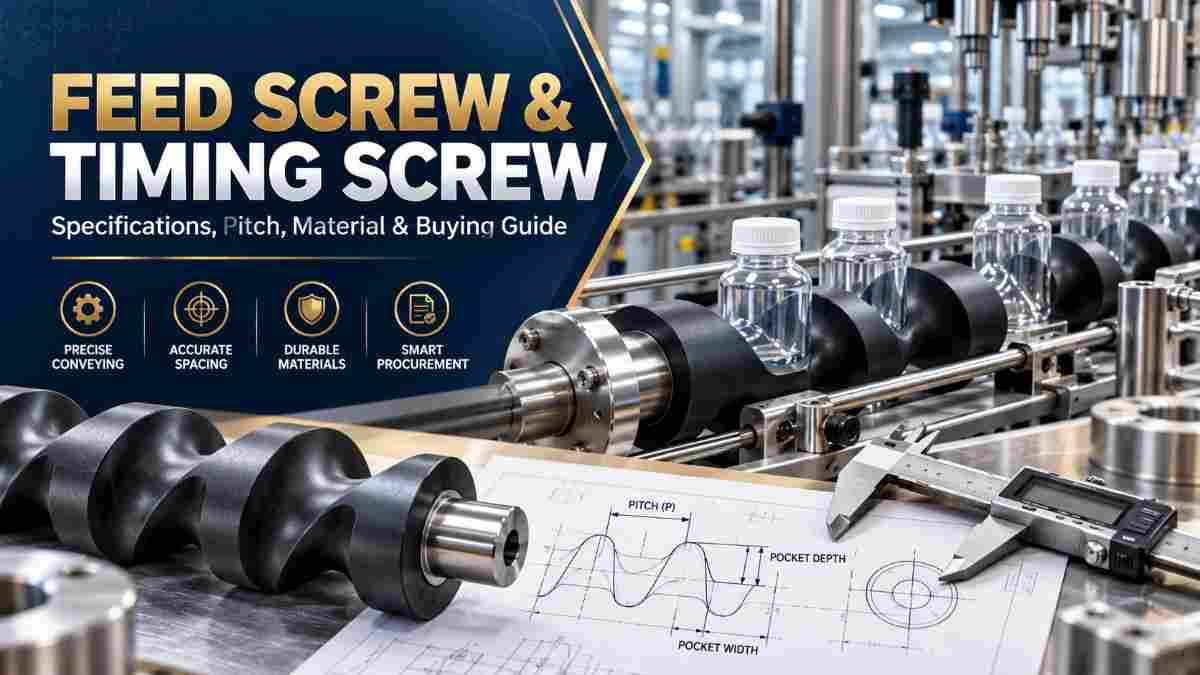
Are bottles jamming, containers becoming...
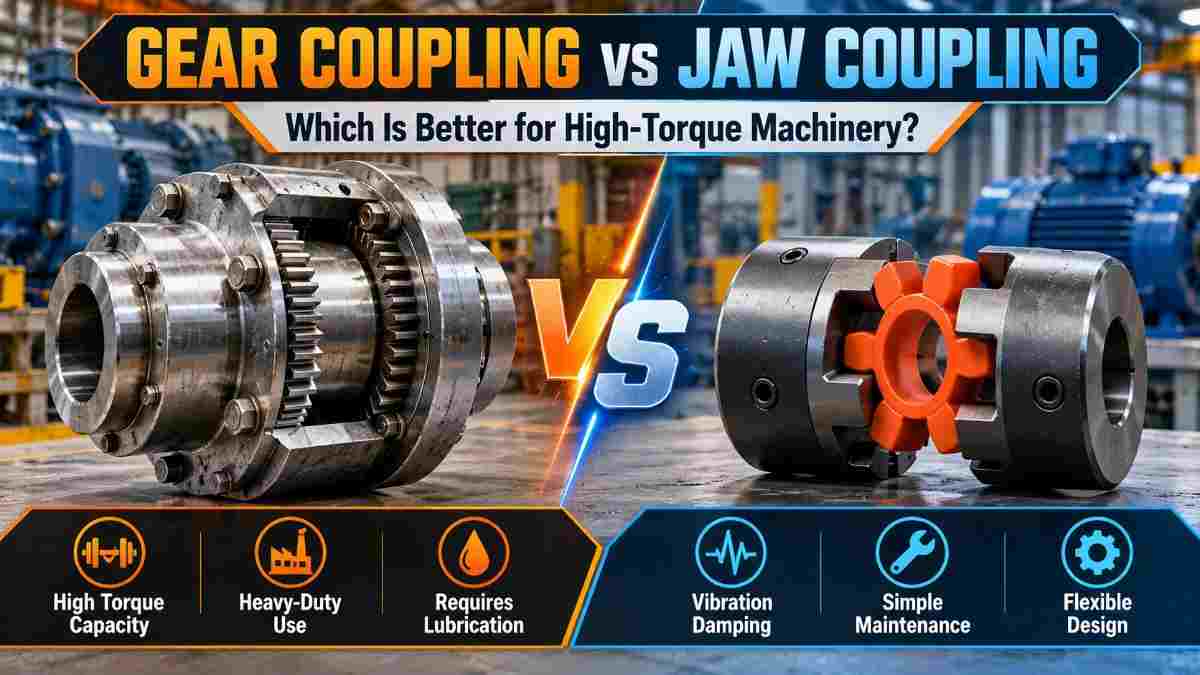
Industrial machinery depends on reliable...
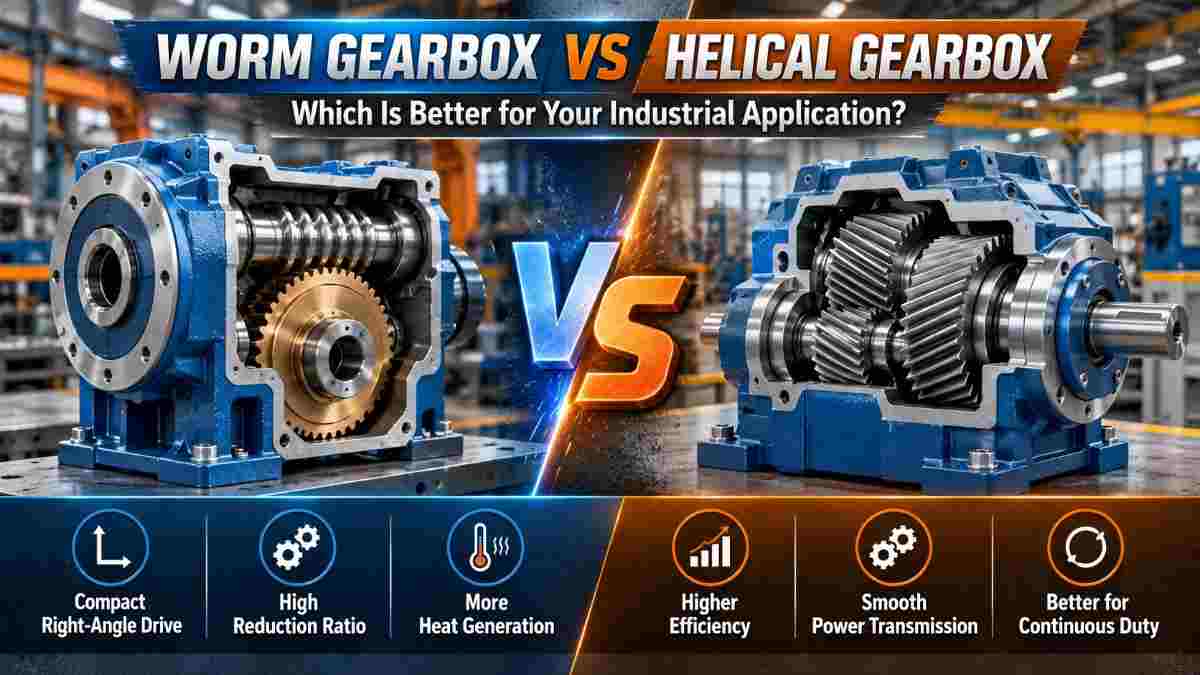
Choosing between a worm gearbox and a he...
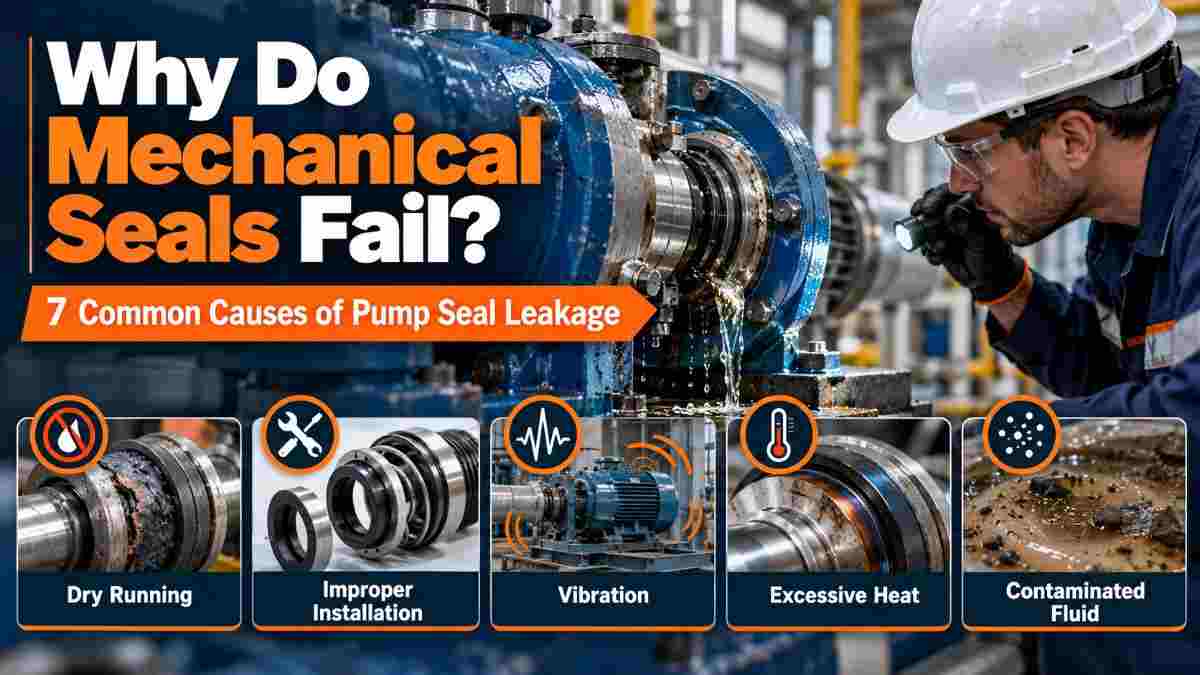
Mechanical seals are essential component...

An industrial gearbox naturally generate...
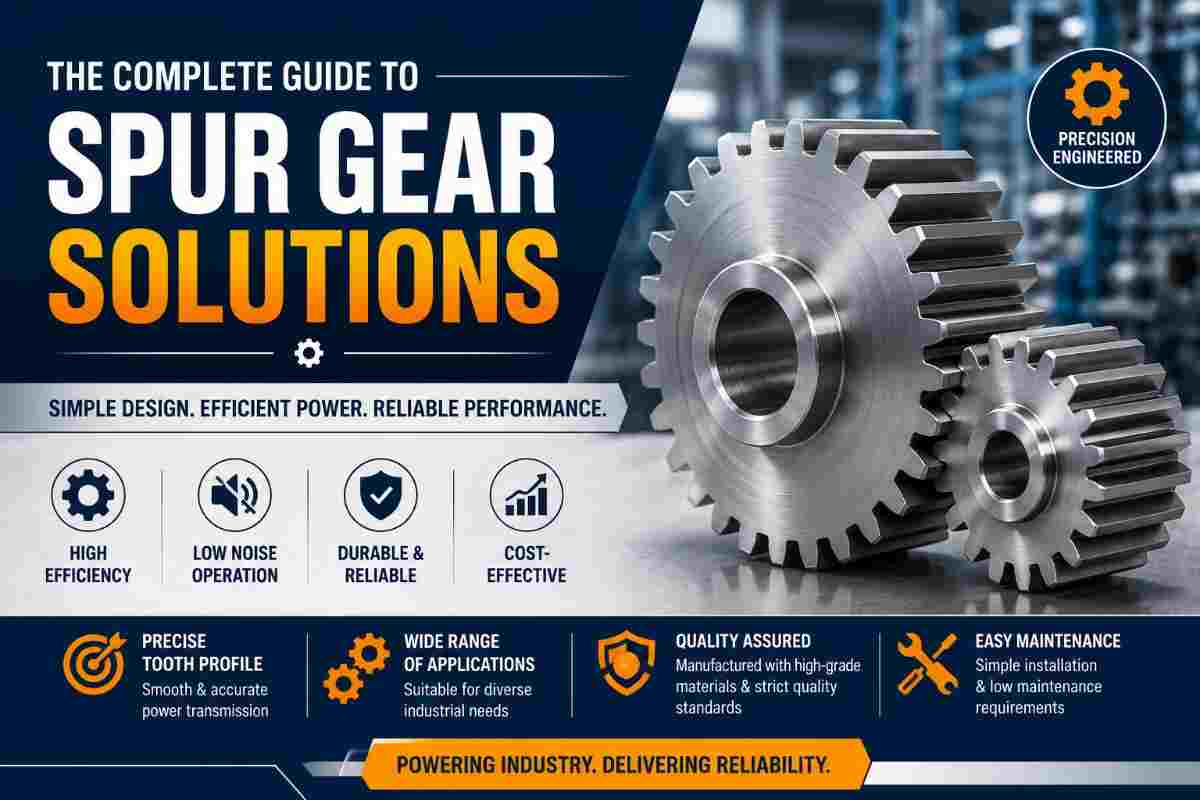
A spur gear is a mechanical gear with st...
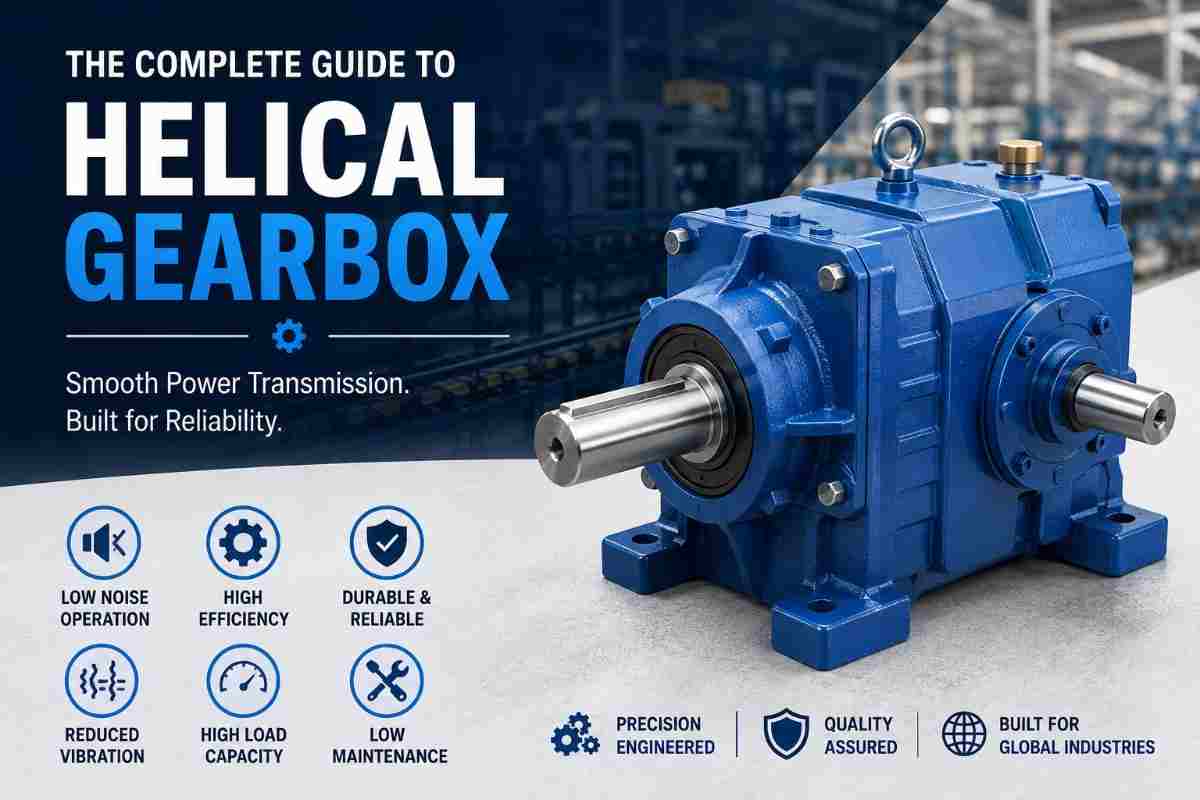
A helical gearbox is a mechanical power ...
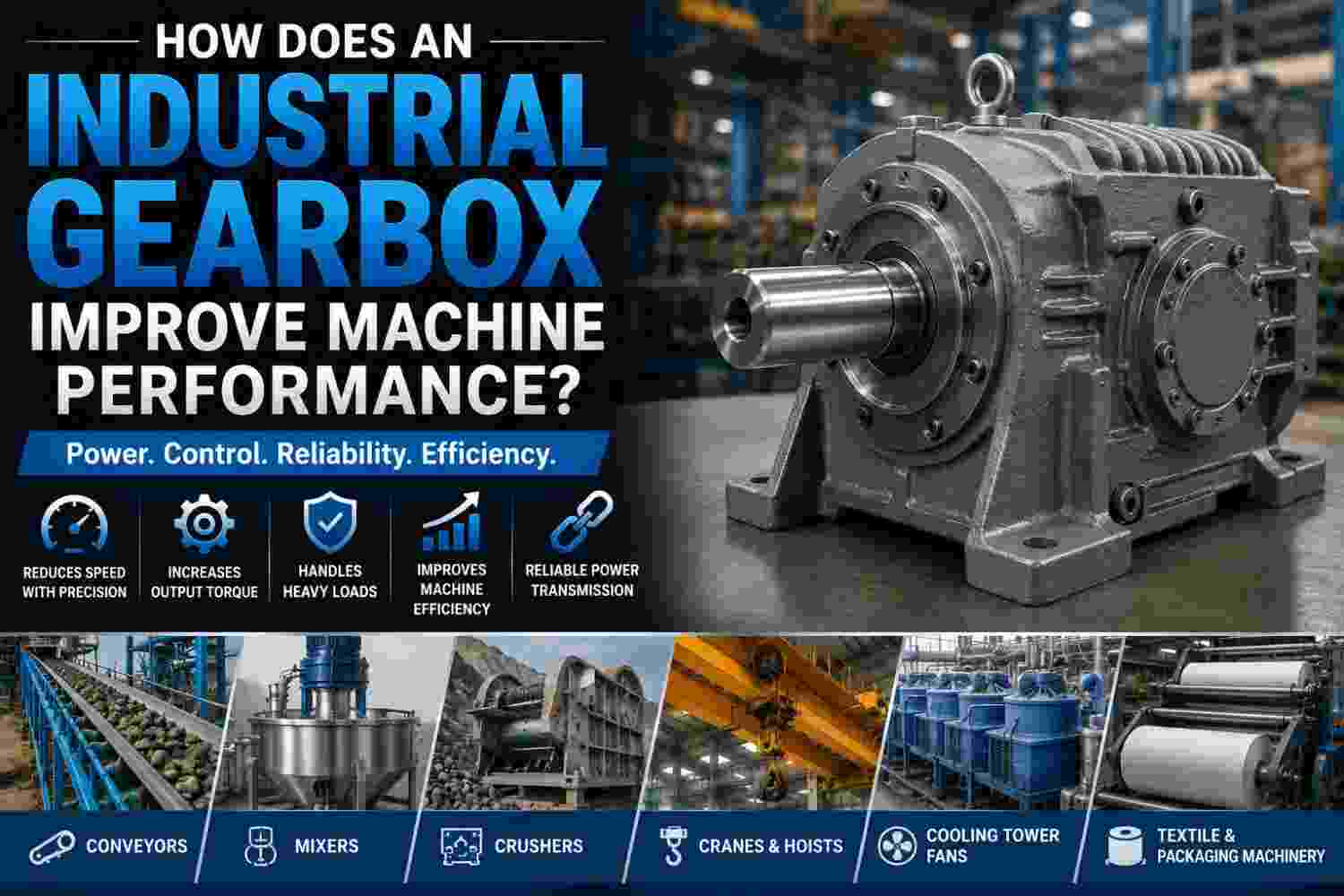
An industrial gearbox improves machine p...
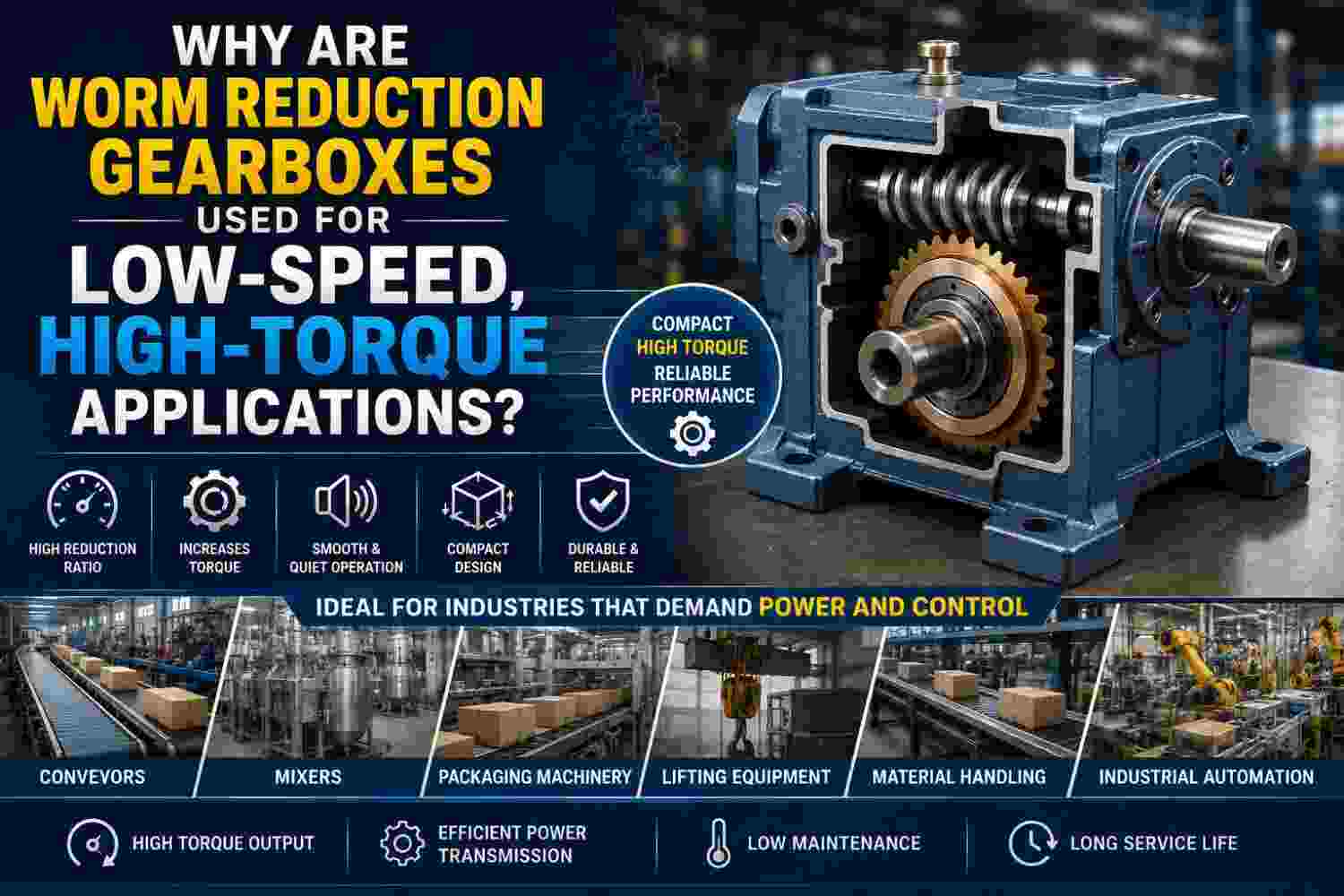
Worm reduction gearboxes are used for lo...
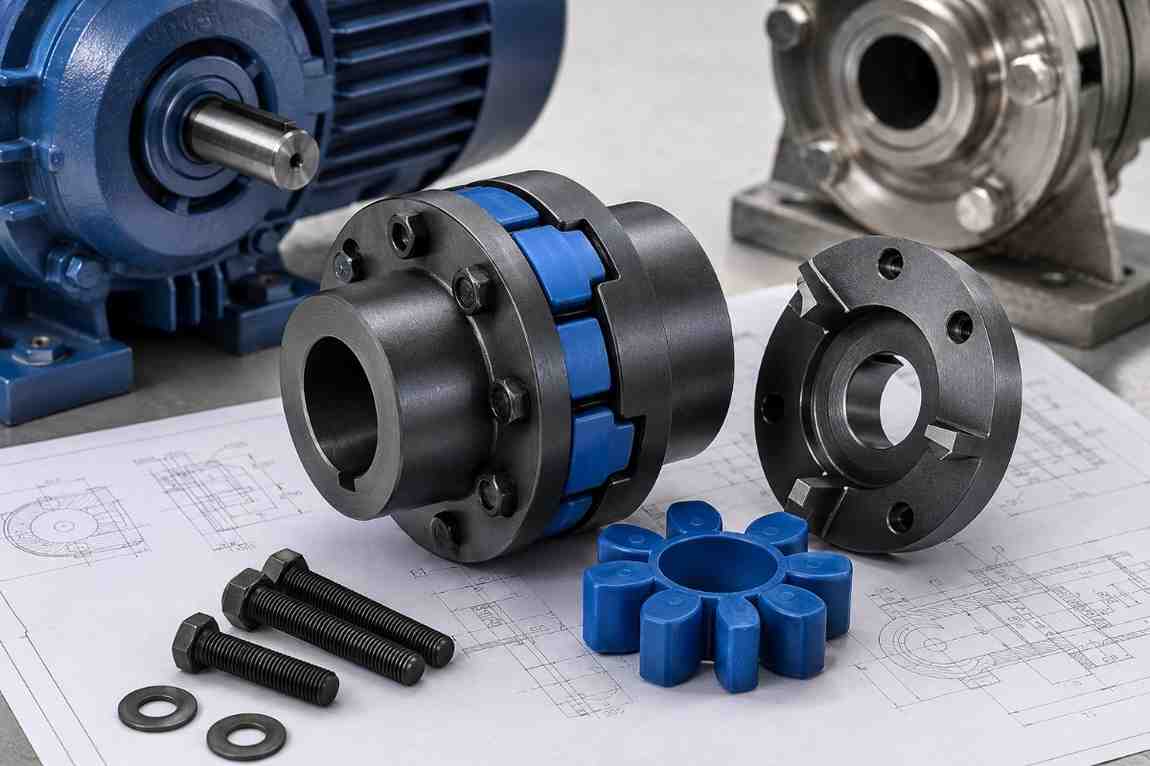
Selecting the correct N-Eupex coupling i...
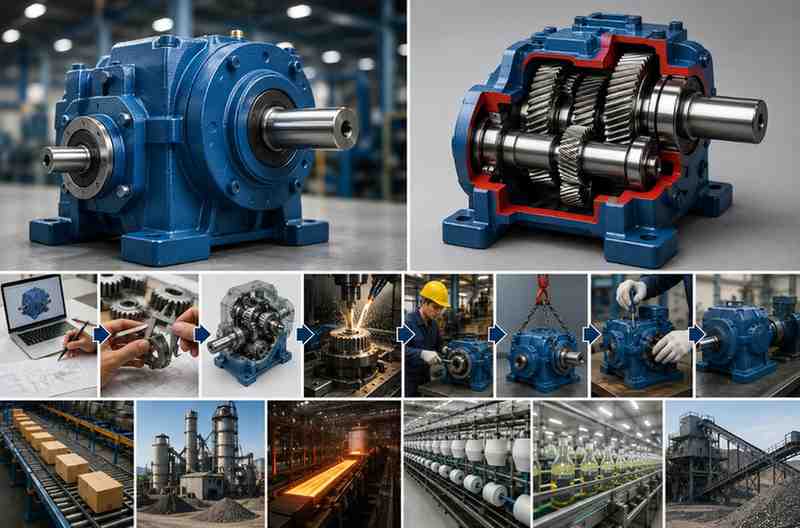
Choosing the right helical gearbox is on...
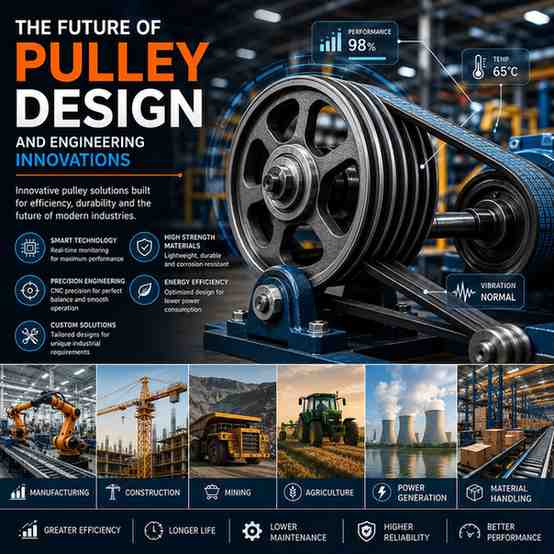
For centuries, pulleys have been one of ...
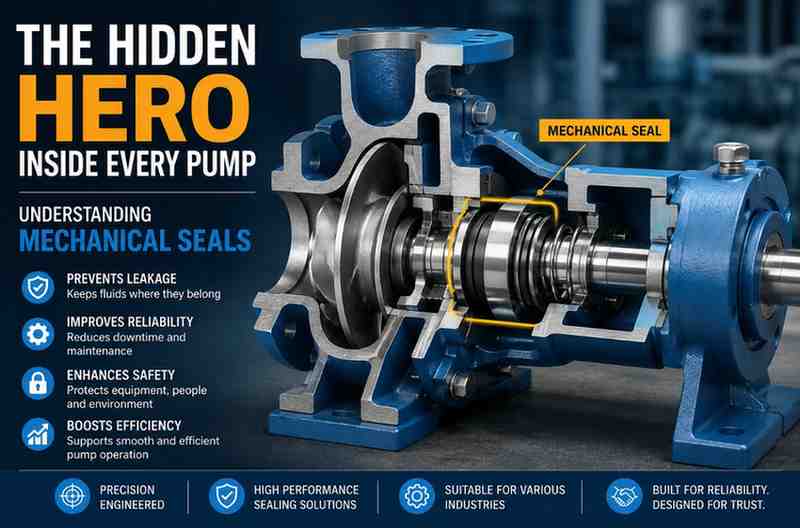
When people think about industrial pumps...
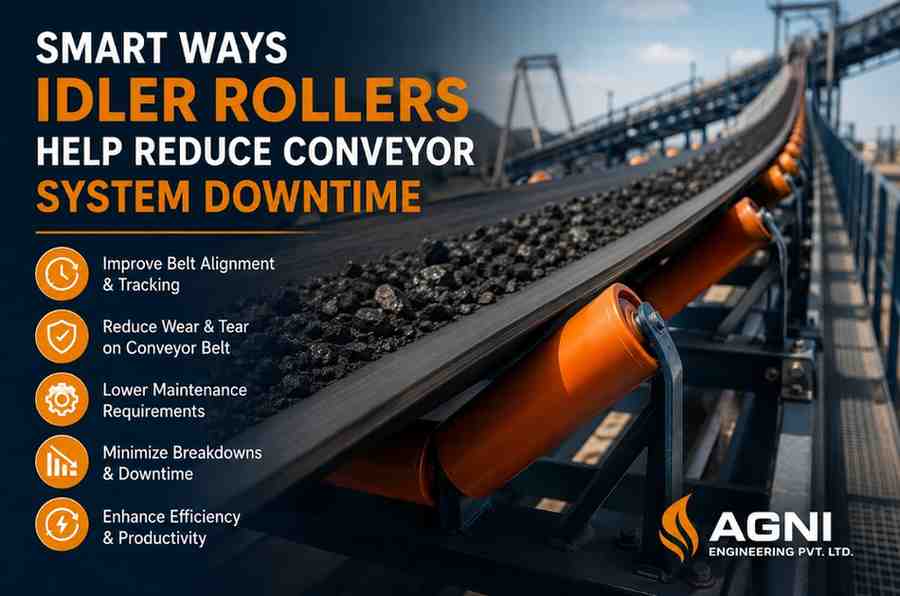
In industries where material handling is...
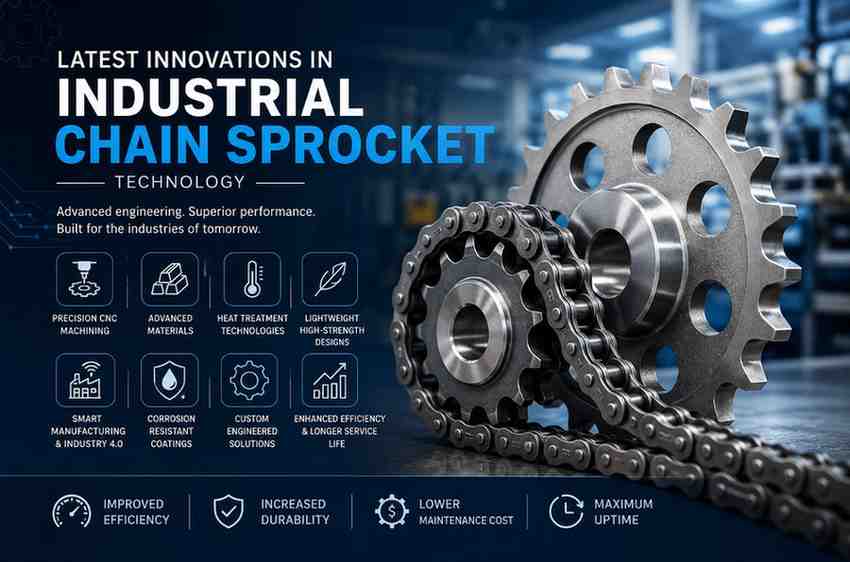
In today’s fast-moving industrial envi...
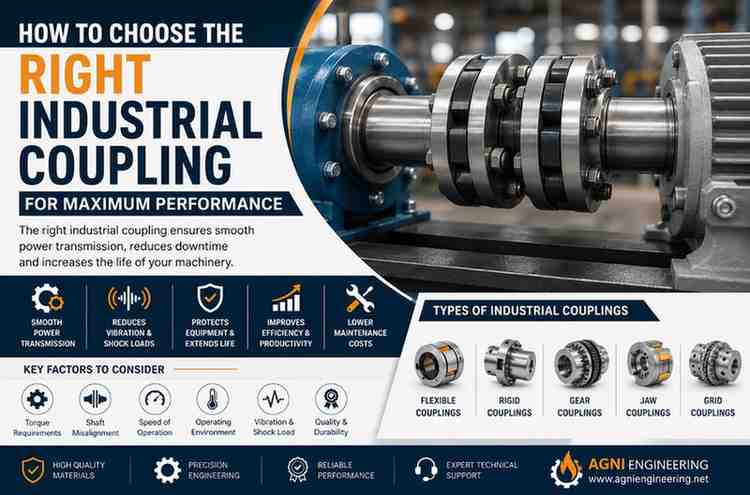
In any industrial setup, even the smalle...
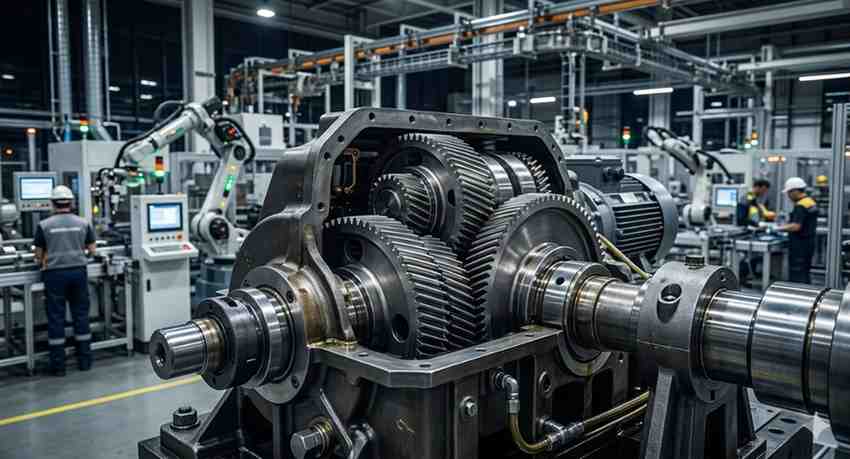
Industrial operations today are becoming...
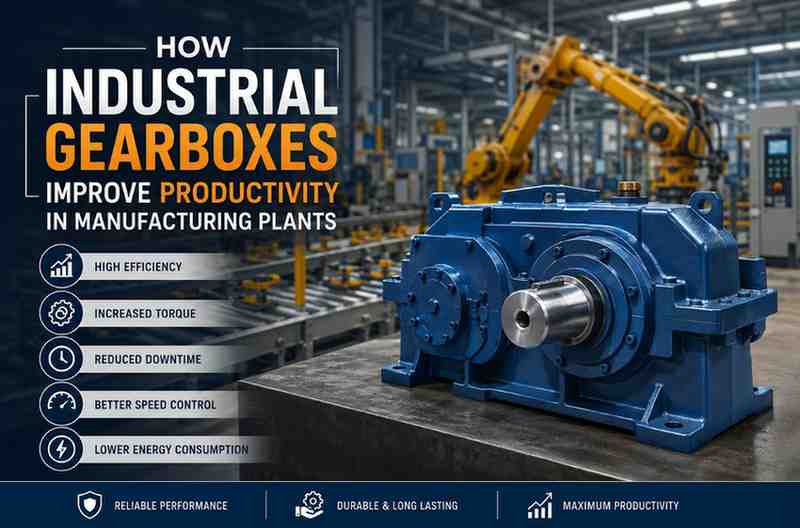
In modern manufacturing plants, efficien...
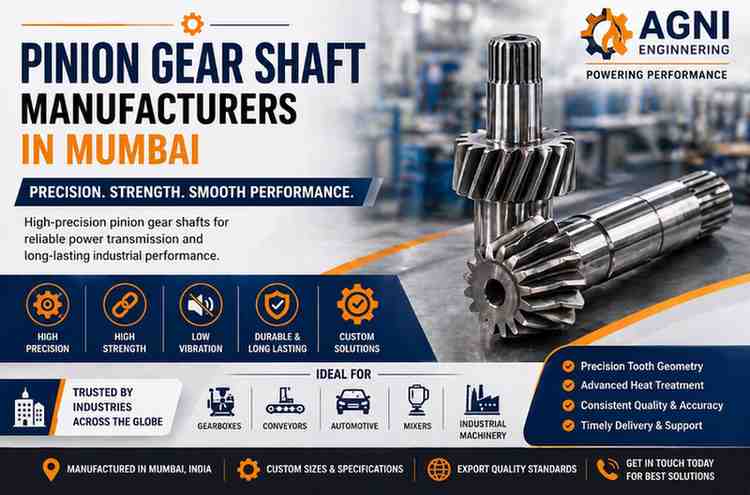
In industrial machinery, every movement ...
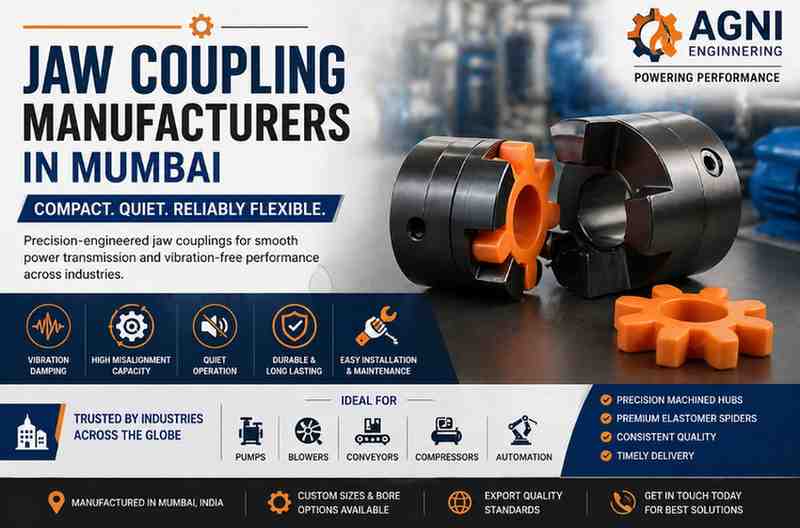
In modern industrial machinery, smooth p...
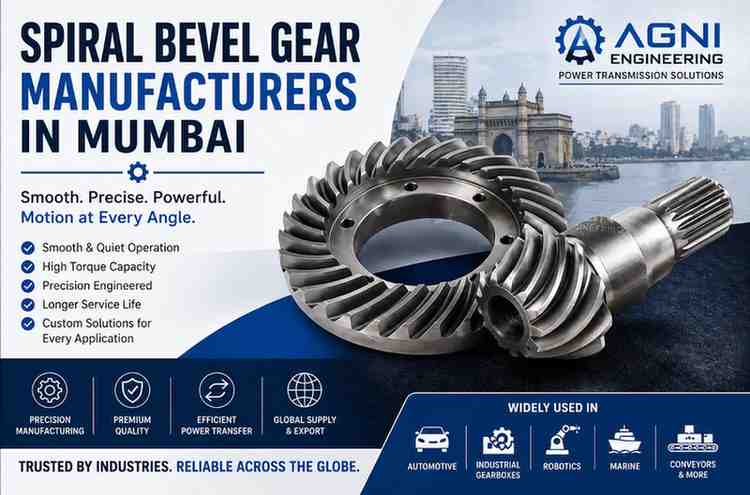
In modern industries, machines rarely wo...
In industrial machinery, smooth power tr...

Machines depend on smooth and steady mot...

In any industrial system, smooth power t...

In many industrial machines, smooth moti...
Industrial machines operate under pressu...
In many industrial machines, vibration, ...
In every conveyor system, rollers play a...
In modern machines, power does not alway...
Some mechanical components earn their re...
Power transmission begins with a single,...
Behind every smooth-running industrial m...

In heavy-duty mechanical systems, power ...

In mechanical systems, reliability often...

In industrial environments where machine...
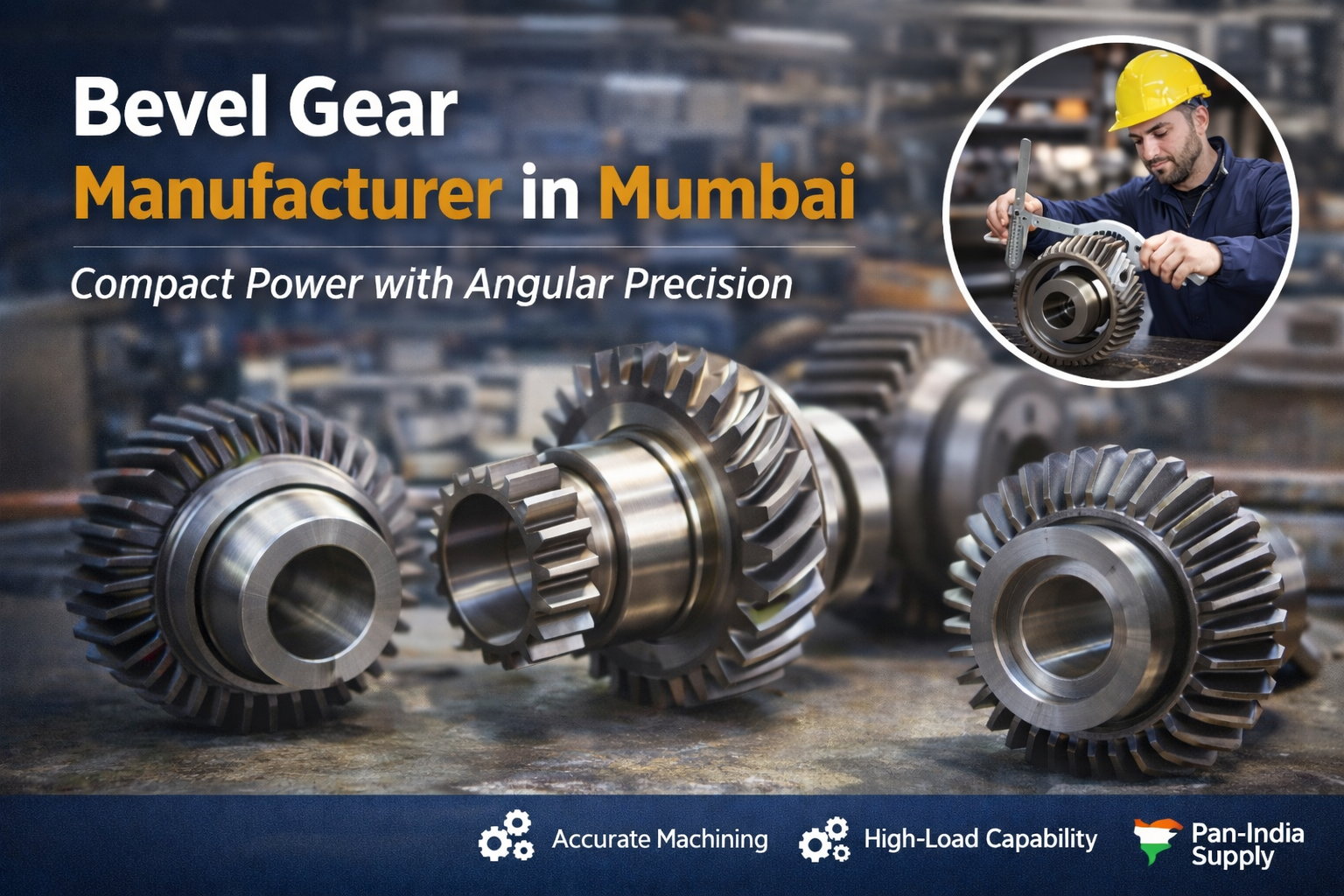
Machines that rely on angular power tran...
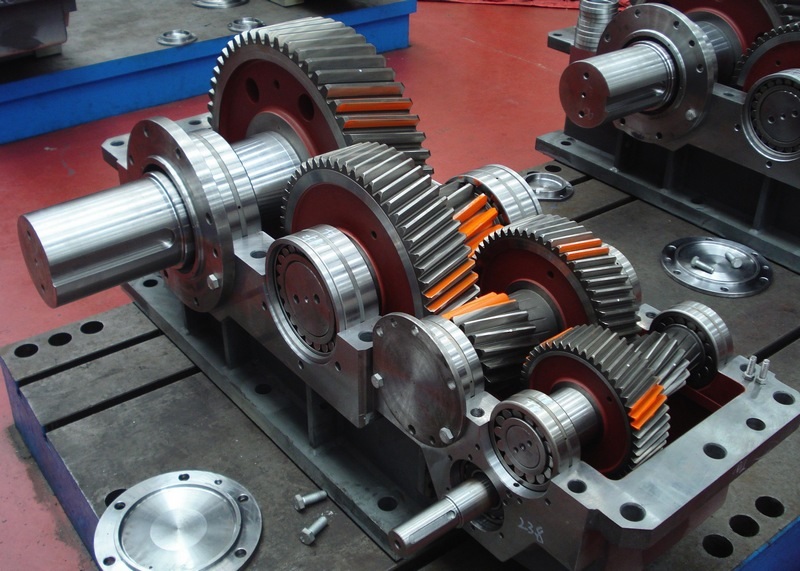
Modern industries run on reliability. Wh...
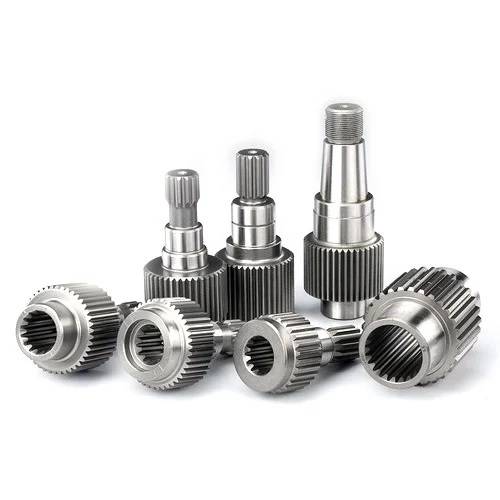
The Pinion Gear Shaft Manufacturers in M...
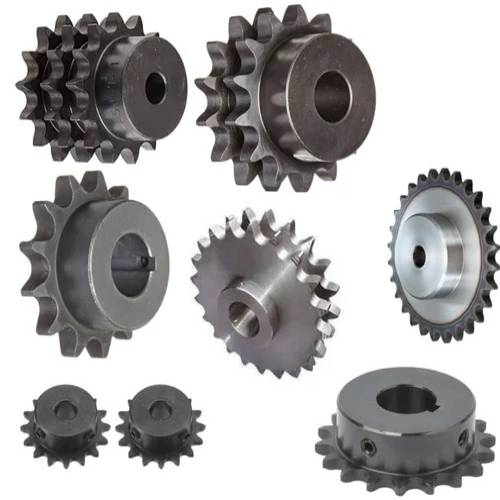
...
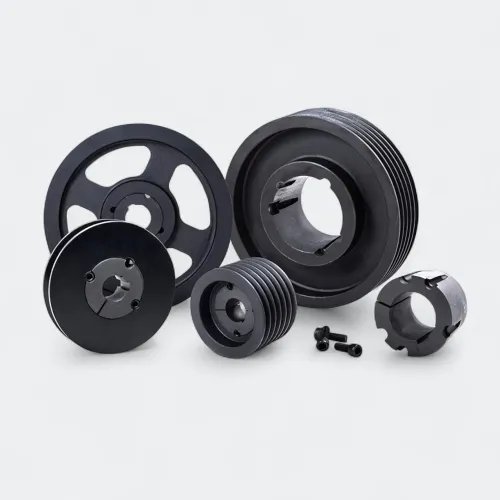
When machines need dependable power, smo...
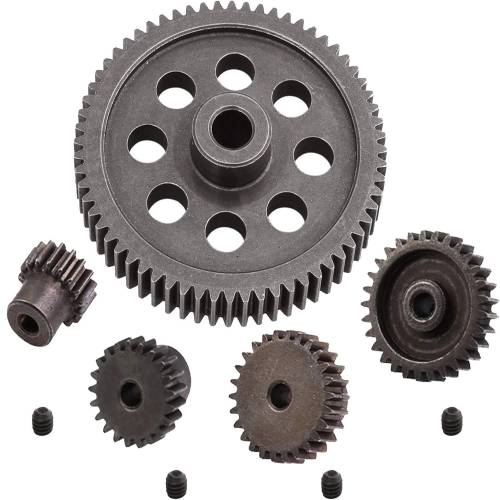
The Spur Gear Manufacturers in Mumbai ar...
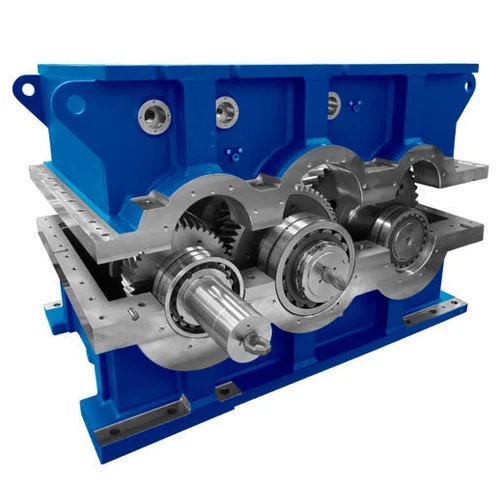
The Gearbox Manufacturers in Mumbai play...
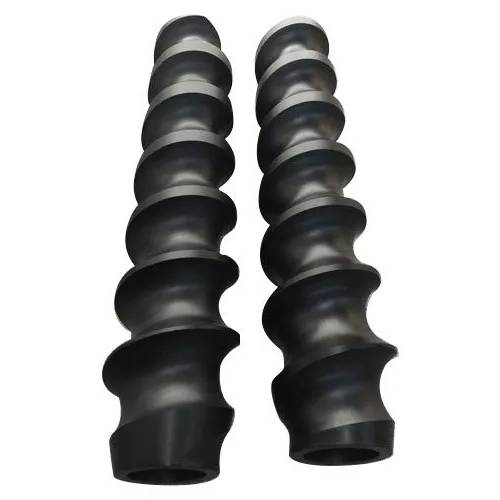
When precision meets performance, indust...
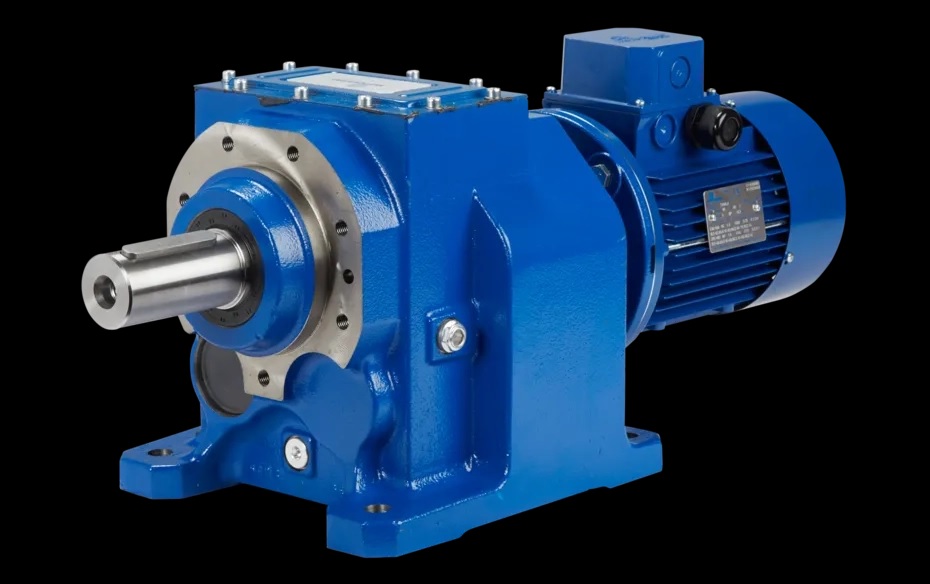
In the modern industrial world, precisio...
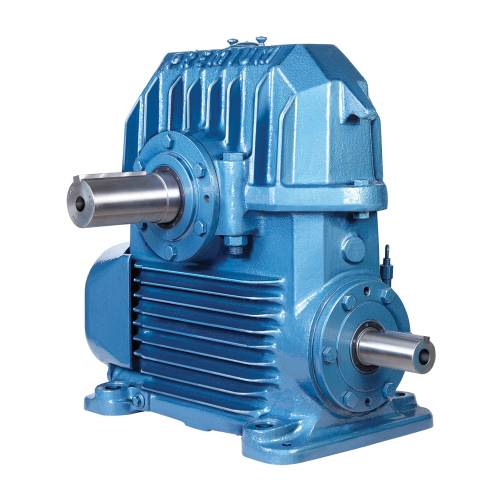
In today’s fast-paced industrial world...
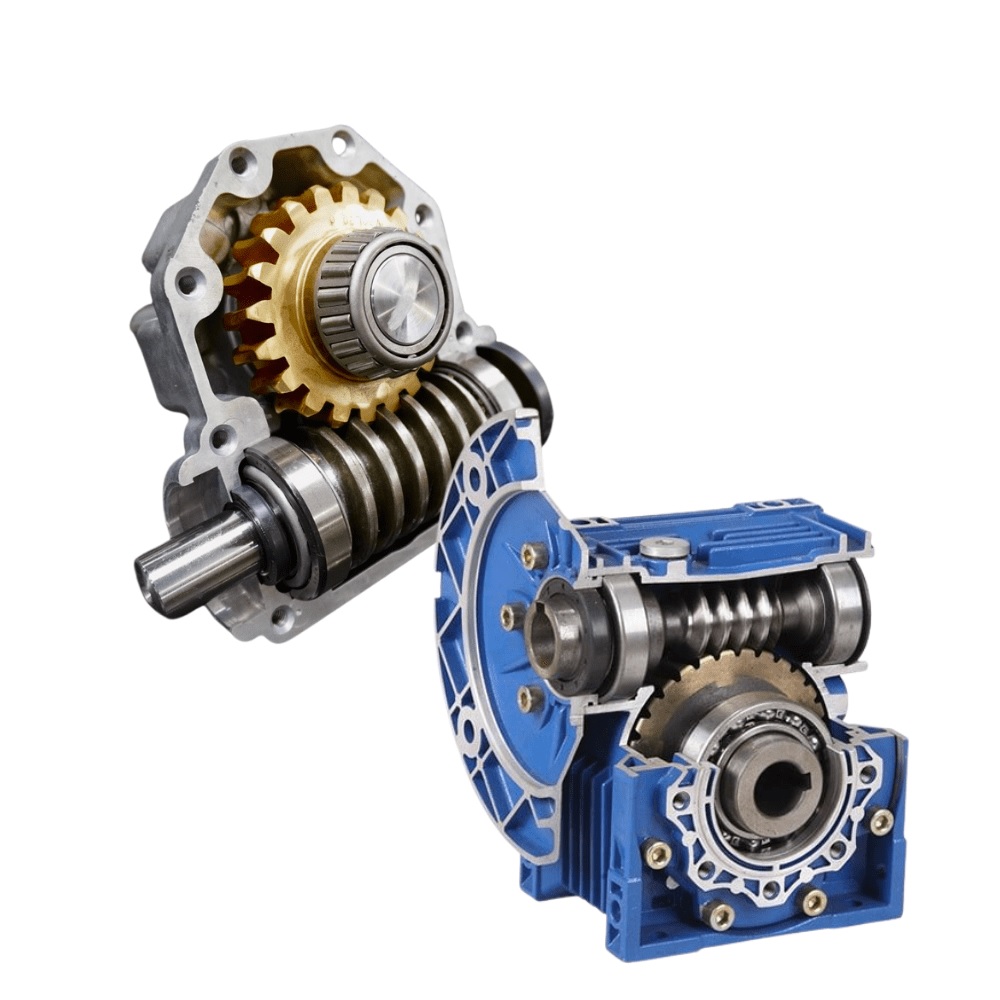
When it comes to advanced power transmis...
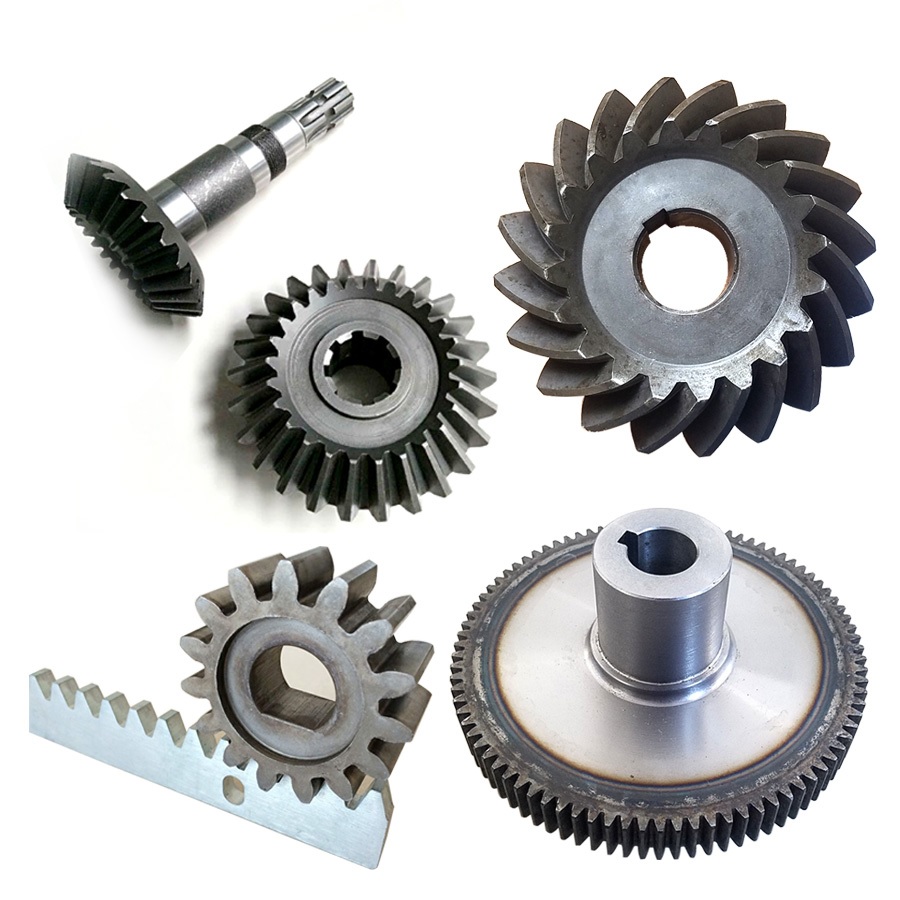
In the world of modern engineering, Indu...
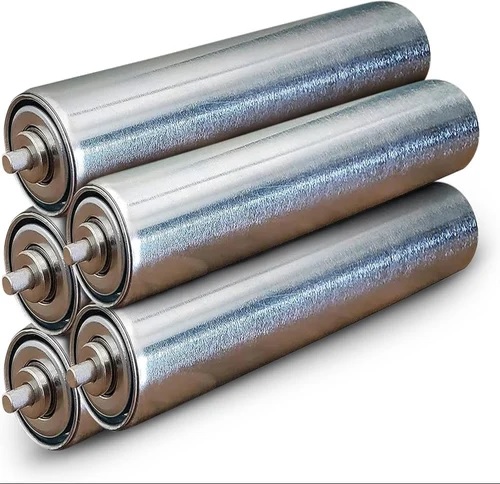
In the world of material handling and co...
