
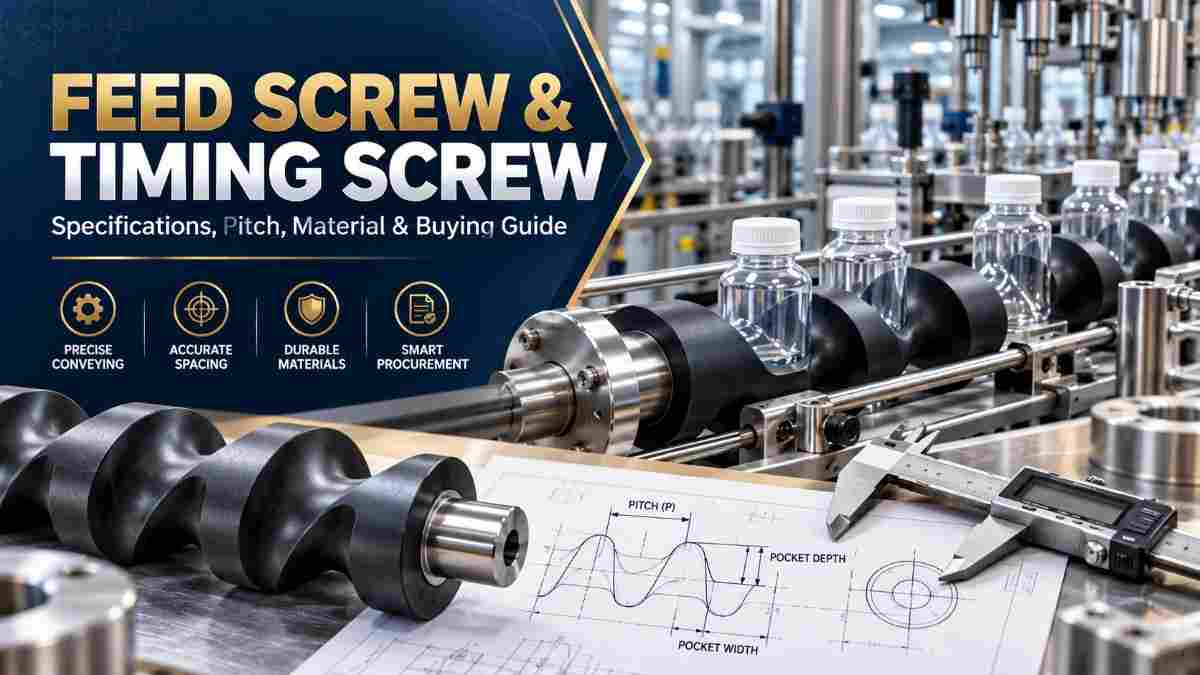
Are bottles jamming, containers becoming misaligned, or products reaching your filling machine at irregular intervals? A worn or incorrectly designed timing screw may contribute to these problems.
The most important feed screw and timing screw specifications include container dimensions, screw pitch, outside diameter, root diameter, overall length, rotation direction, material, machine speed, and mounting details.
These specifications help ensure smooth container spacing, positioning, and synchronized movement across packaging lines.
Agni Engineering offers feed screws and timing screws for industrial automation and packaging machinery.
Feed screws and timing screws are rotating machine components that guide, separate, space, and position containers during automated packaging operations.
They are commonly used in:
Bottle filling machines.
Capping equipment.
Labeling systems.
Packaging conveyors.
Container handling lines.
Sorting and transfer systems.
Their profiles are designed according to container geometry and the required movement.
Explore Feed Screw and Timing Screw for product information.
In packaging machinery, feed screw and timing screw are often used interchangeably, although the terminology may emphasize different functions.
A feed screw guides containers through a controlled movement sequence.
A timing screw emphasizes spacing and synchronization with downstream equipment.
The exact design depends on the machine and intended operation.
Screw pitch controls container spacing and influences how products move toward the next packaging operation.
Pitch may be constant or variable.
Variable-pitch designs can progressively separate containers entering the screw.
Before ordering, confirm:
Infeed pitch.
Discharge pitch.
Required container spacing.
Product movement direction.
Downstream machine requirements.
Incorrect pitch can cause transfer problems, collisions, or inconsistent positioning.
Container dimensions determine the pocket geometry and clearances needed to guide products without excessive pressure or unwanted movement.
Important measurements include:
Container width or diameter.
Overall height.
Shoulder profile.
Base shape.
Container material.
Empty and filled weight.
Shape variations.
Round bottles, square containers, and irregularly shaped products may require different screw profiles.
Buyers should provide the overall length, outside diameter, root diameter, shaft bore, mounting dimensions, and thread direction.
Critical dimensions include:
Overall screw length.
Threaded length.
Outside diameter.
Root diameter.
Shaft bore diameter.
Keyway dimensions, where applicable.
Infeed and discharge geometry.
Mounting details.
A technical drawing or existing sample can help prevent measurement errors.
Machine speed affects screw rotation, container movement, spacing, and synchronization with downstream packaging equipment.
Important details include:
Containers processed per minute.
Normal operating speed.
Maximum intended speed.
Conveyor speed.
Drive arrangement.
Required synchronization.
A replacement screw must match the machine's operating requirements.
Do not assume that a screw designed for one production speed will perform correctly at a substantially different speed.
Material selection depends on container characteristics, wear conditions, hygiene requirements, friction, and the operating environment.
Depending on the application, manufacturers may use:
Nylon.
UHMW polyethylene.
Other engineering plastics.
Stainless steel.
Application-specific materials.
Plastic screws may offer suitable low-friction container handling.
Metal designs may be considered where strength, wear conditions, or other requirements justify them.
Confirm the material's suitability for the intended process, including food-contact requirements where applicable.
Rotation direction is important because the screw's handedness and drive rotation determine how containers move through the machine.
Buyers should specify:
Left-hand or right-hand thread.
Required rotation direction.
Container travel direction.
Drive-end orientation.
Mounting configuration.
Incorrect handedness can make a replacement screw incompatible with the machine.
Timing screw wear may appear as damaged pockets, surface scoring, dimensional changes, cracks, or inconsistent container movement.
Common warning signs include:
Frequent bottle jams.
Irregular spacing.
Container scuffing.
Product tipping.
Unusual vibration.
Visible pocket wear.
Poor transfer into downstream equipment.
These symptoms may also result from conveyor alignment or synchronization problems, so inspect the complete system.
Before ordering a replacement, compare the existing screw's dimensions and profile with the machine specifications and intended container design.
Check:
Machine manufacturer and model.
Existing screw photographs.
Container drawing or sample.
Overall screw length.
Outside and root diameters.
Shaft bore and keyway.
Screw handedness.
Infeed and discharge pitch.
Operating speed.
Material requirements.
Where practical, provide the original component for measurement and profile evaluation.
Jamming and wear can be reduced through correct screw geometry, suitable material selection, accurate alignment, and routine maintenance.
Recommended practices include:
Inspecting screw pockets.
Checking guide-rail alignment.
Verifying conveyor synchronization.
Removing trapped debris.
Monitoring unusual wear.
Checking shaft connections.
Following approved maintenance procedures.
Avoid modifying the screw profile without engineering approval.
Prices depend on screw dimensions, profile complexity, material, machining requirements, quantity, and customization.
Important cost factors include:
Screw length and diameter.
Material selection.
Number of pockets.
Variable-pitch geometry.
Machining complexity.
Mounting features.
Inspection requirements.
Order quantity.
Compare quotations using the same technical specifications.
A complete RFQ should describe the packaging machine, containers, required screw geometry, operating speed, and replacement or customization requirements.
Provide:
Machine name and model.
Application: filling, capping, labeling, or transfer.
Container dimensions and shape.
Container material and weight.
Line speed.
Existing screw dimensions.
Infeed and discharge pitch.
Rotation direction.
Material preference.
Mounting details.
Technical drawing or sample.
Required quantity and delivery location.
Accurate details help manufacturers evaluate the required screw design.
Agni Engineering offers feed screws and timing screws intended for controlled container movement in packaging and automation systems.
Its product page discusses:
Customized screw profiles.
Pitch and helix design.
Material selection.
Container positioning.
Conveyor alignment.
Explore Feed Screw and Timing Screw for product information.
Confirm dimensions, materials, tolerances, availability, and manufacturing requirements before ordering.
Common questions concern pitch, materials, machine compatibility, replacement measurements, and customization.
The terms are often used interchangeably in packaging machinery, although their specific functions depend on the machine design.
Some designs accommodate limited container variations, but significant changes in bottle dimensions or shape may require another screw profile.
Possible causes include incorrect pitch, worn pockets, poor alignment, unsuitable container geometry, or synchronization problems.
Yes. Nylon and other engineering plastics are used for suitable packaging applications.
Yes. A replacement can be manufactured when the necessary dimensions, profile, material, and mounting requirements are available.
A drawing is strongly recommended. An existing sample and machine specifications may also help establish the required design.
You can request a quotation by sharing your packaging machine model, container dimensions, screw measurements, operating speed, material requirements, and quantity.
For replacement components, include photographs or an existing sample wherever possible.
Explore Feed Screw and Timing Screw or contact Agni Engineering for technical enquiries and quotations.
Technical Note: Final screw geometry, dimensional tolerances, material suitability, and synchronization requirements should be confirmed using approved machine drawings and operating specifications.
Are you designing a CNC machine, industr...

Are you experiencing inconsistent materi...
Are you experiencing frequent pump maint...
Are bottles jamming, containers becoming...
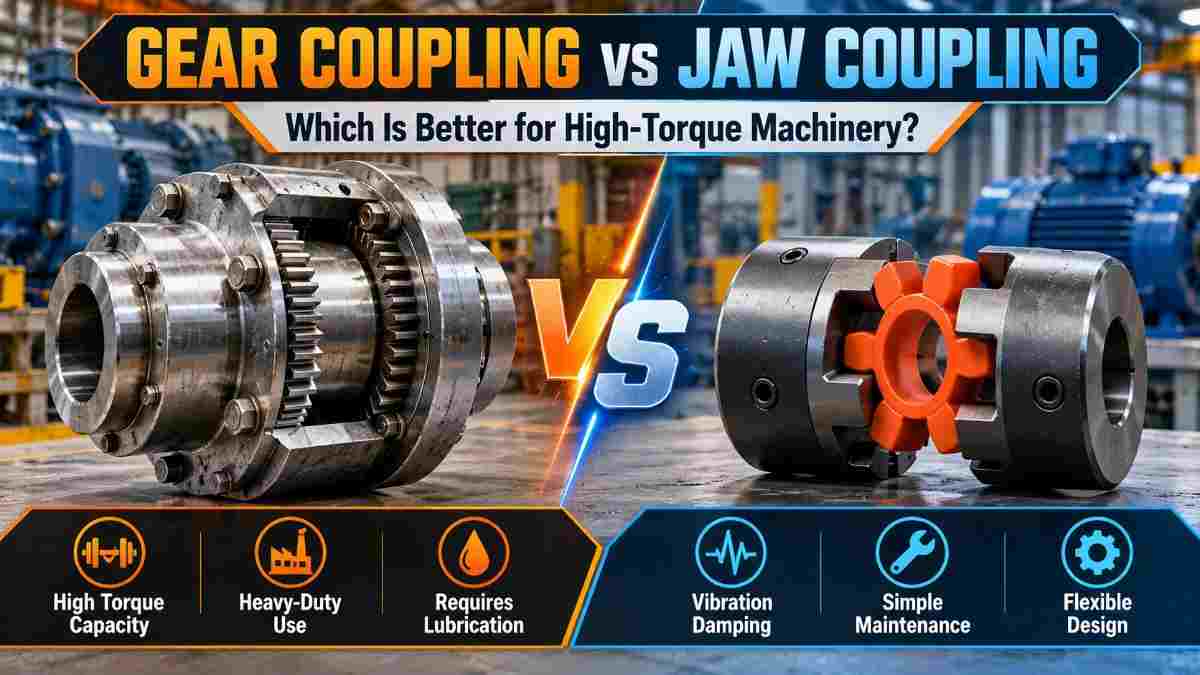
Industrial machinery depends on reliable...
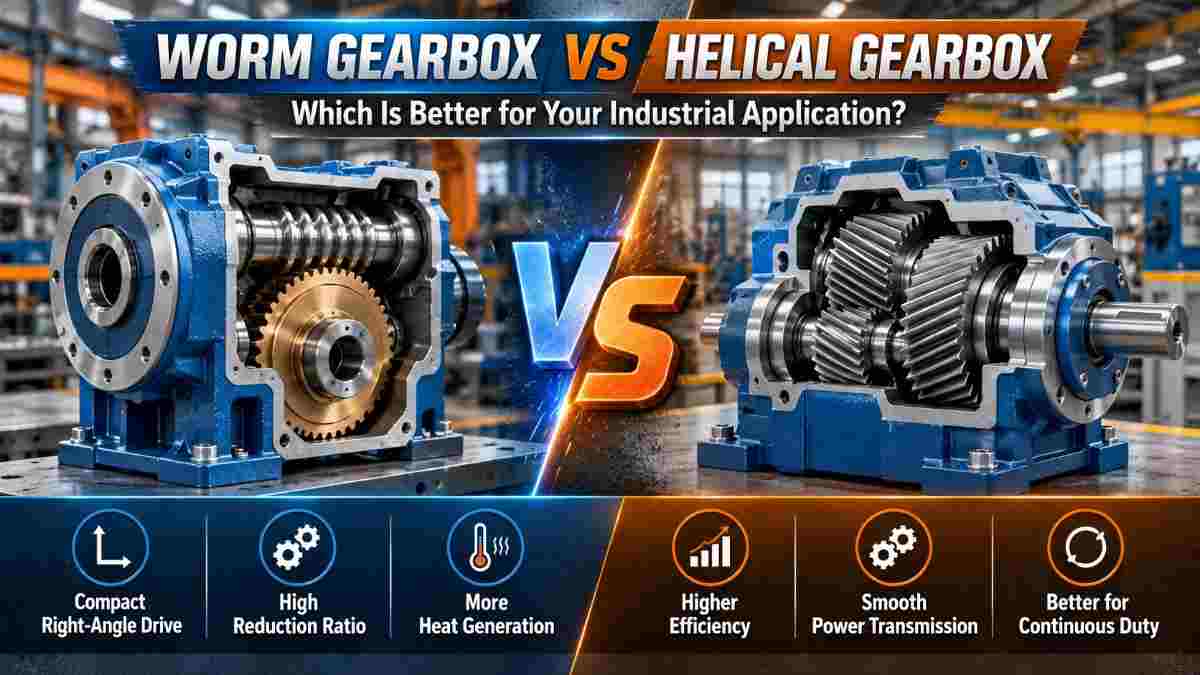
Choosing between a worm gearbox and a he...
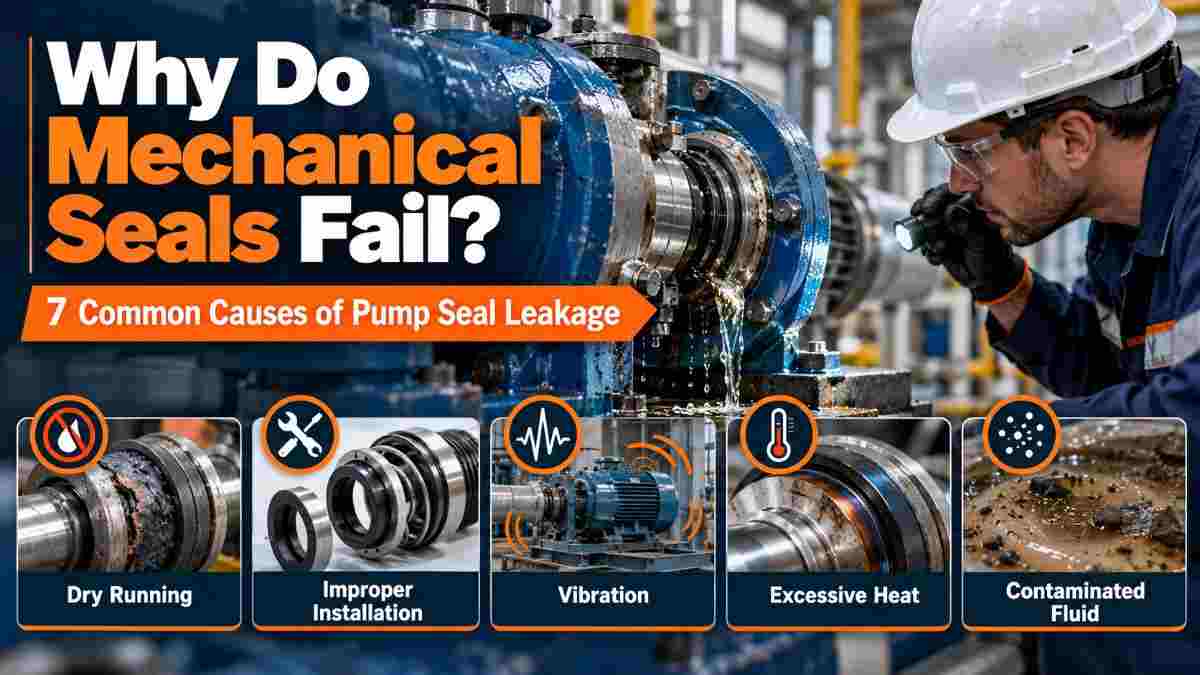
Mechanical seals are essential component...

An industrial gearbox naturally generate...
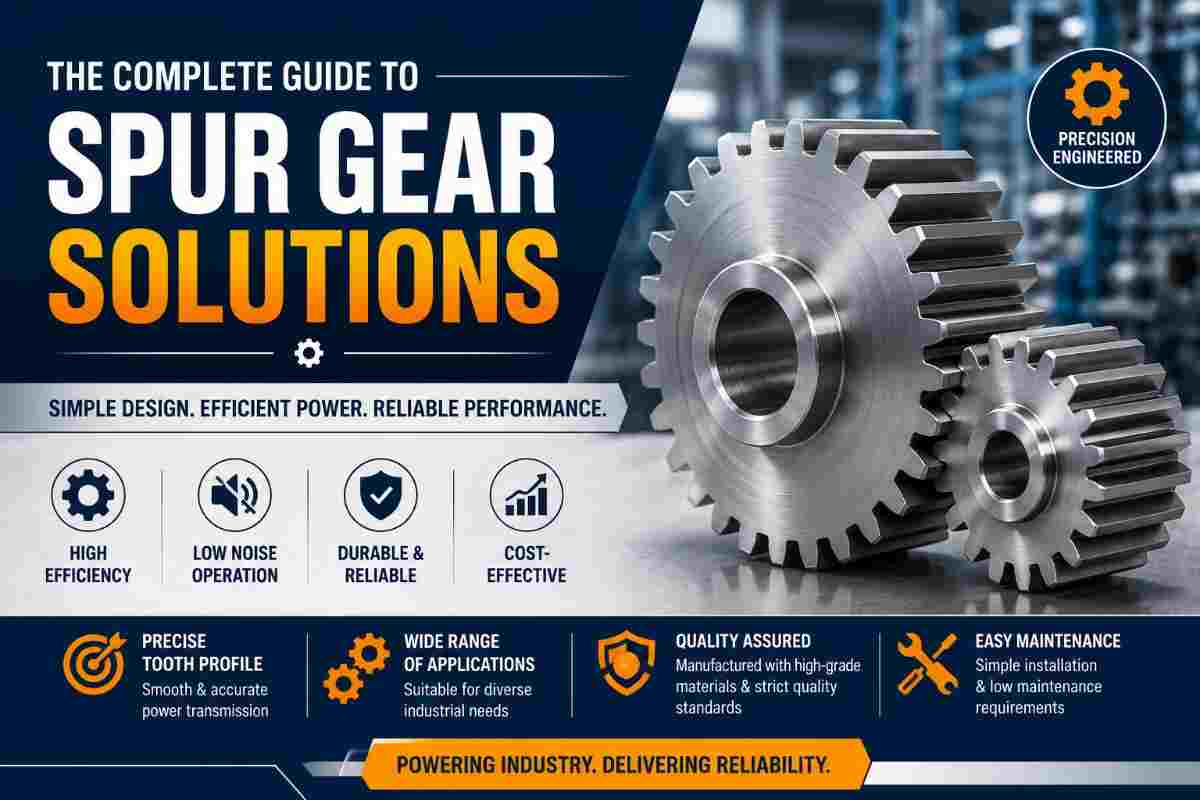
A spur gear is a mechanical gear with st...
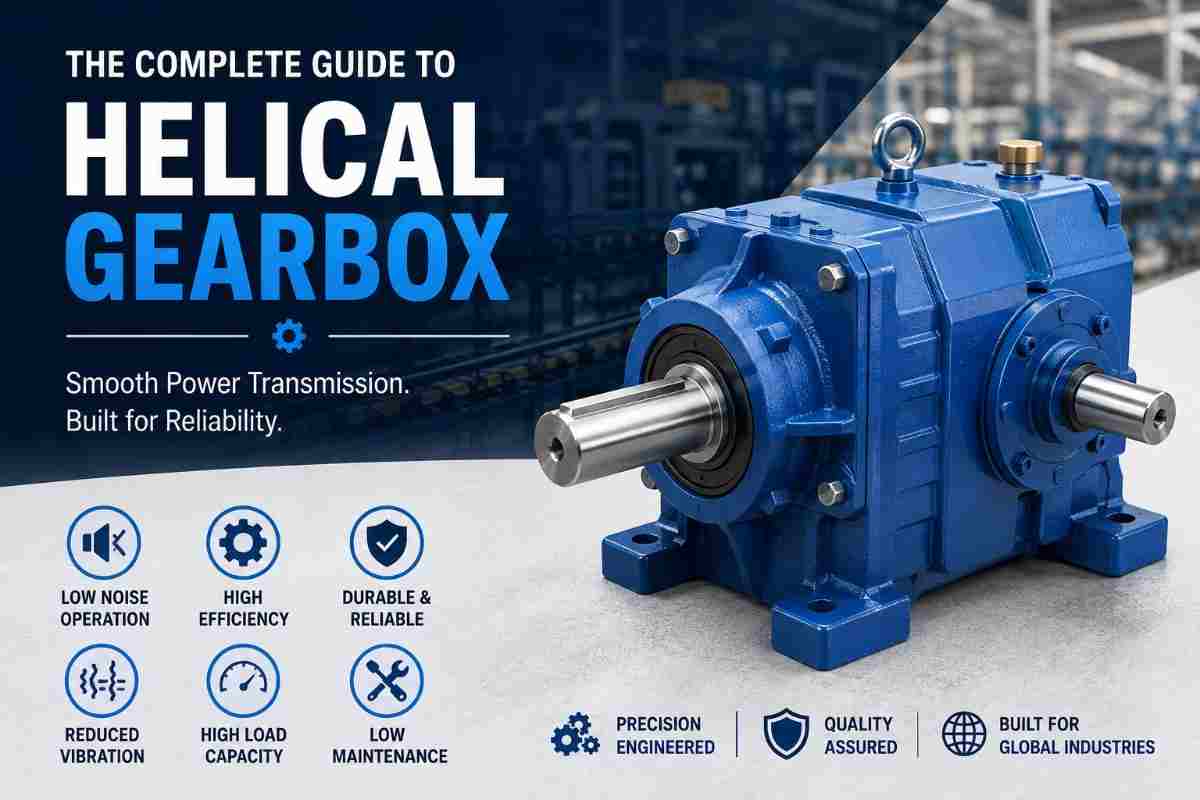
A helical gearbox is a mechanical power ...
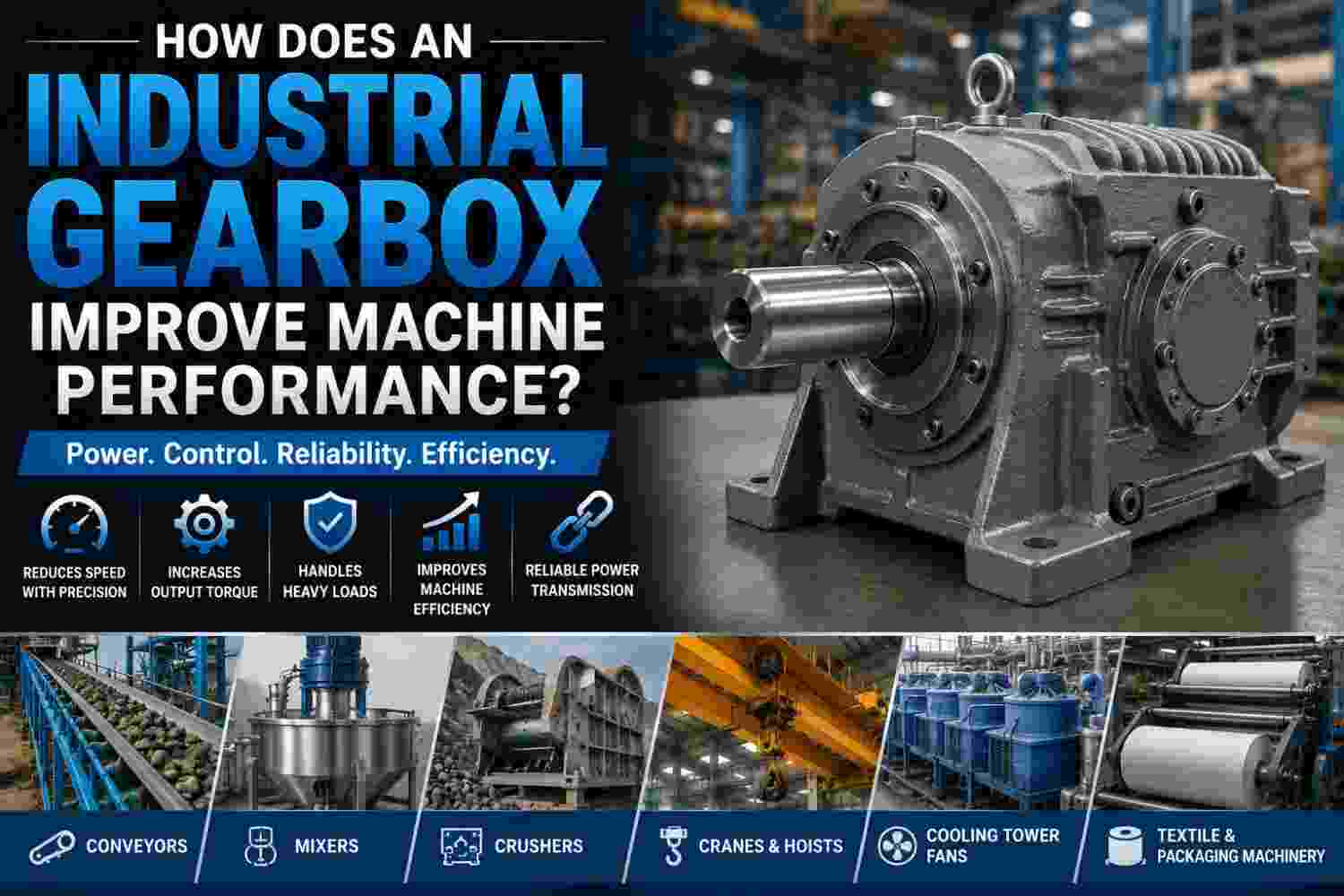
An industrial gearbox improves machine p...
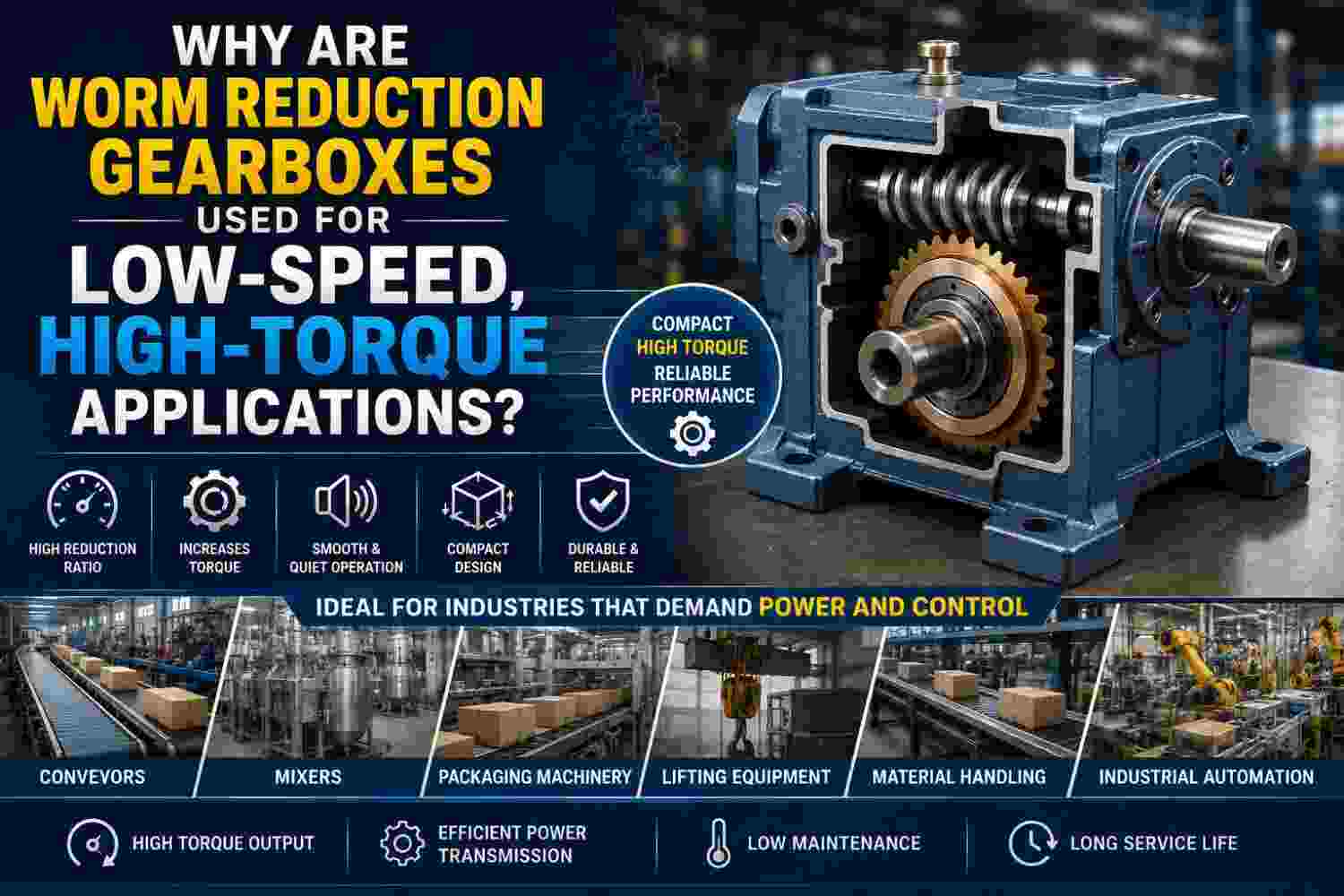
Worm reduction gearboxes are used for lo...
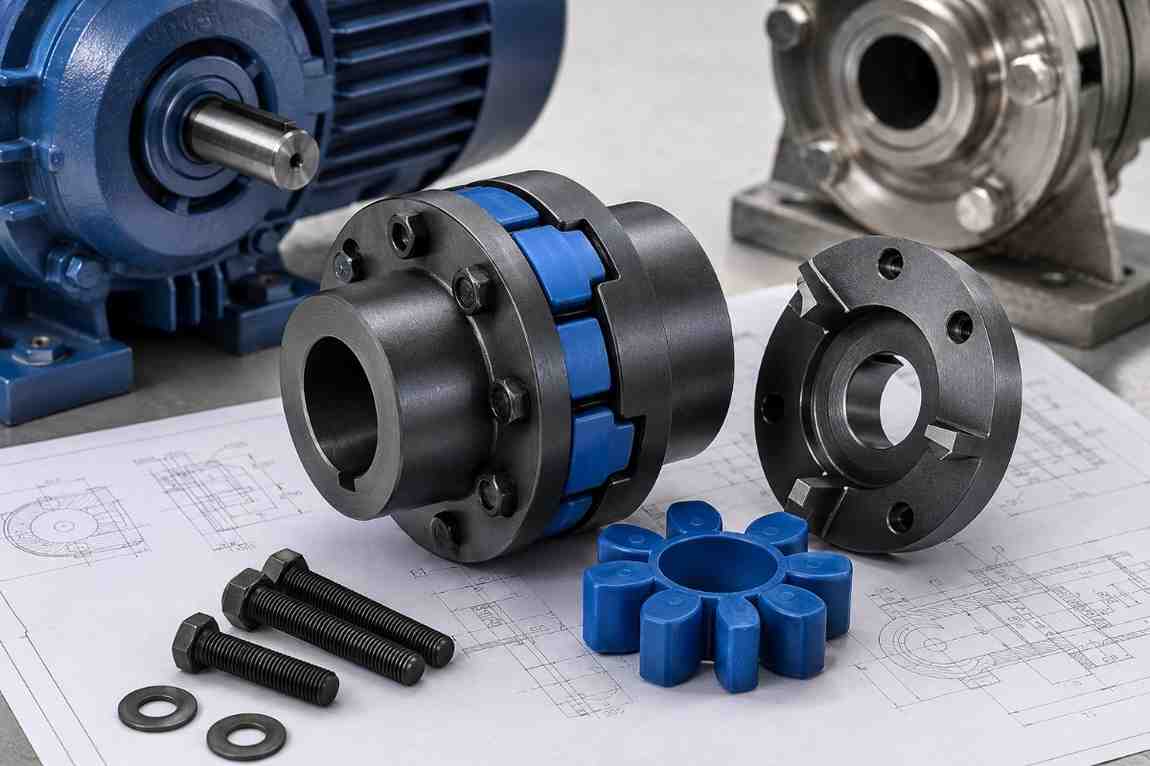
Selecting the correct N-Eupex coupling i...
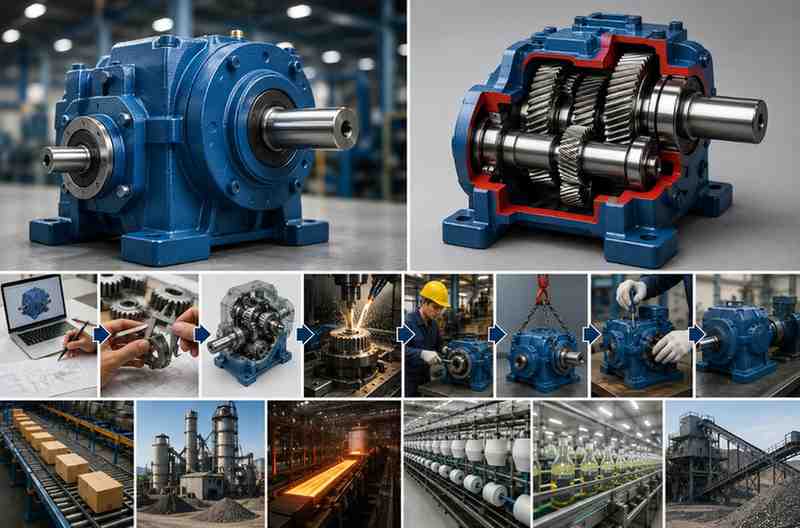
Choosing the right helical gearbox is on...
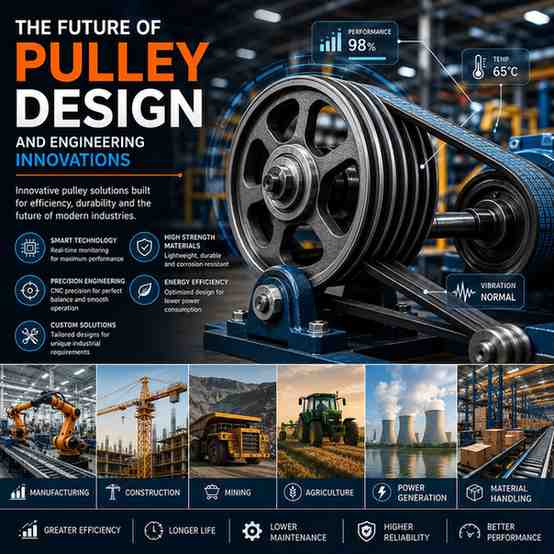
For centuries, pulleys have been one of ...
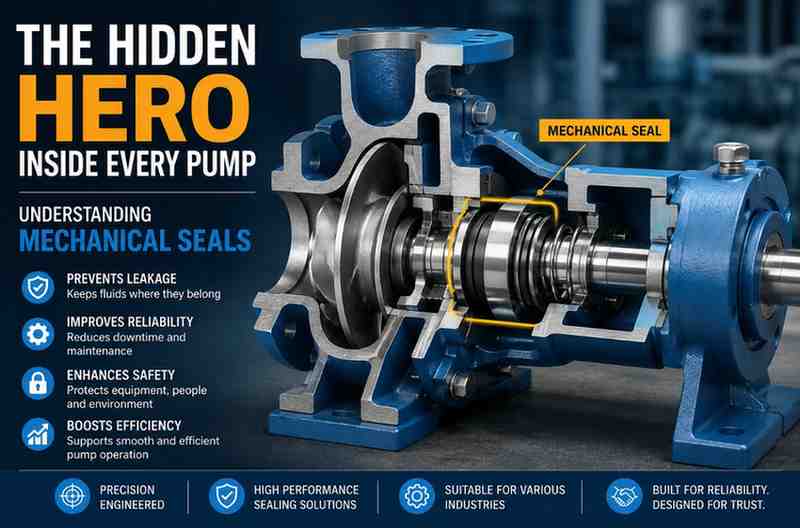
When people think about industrial pumps...
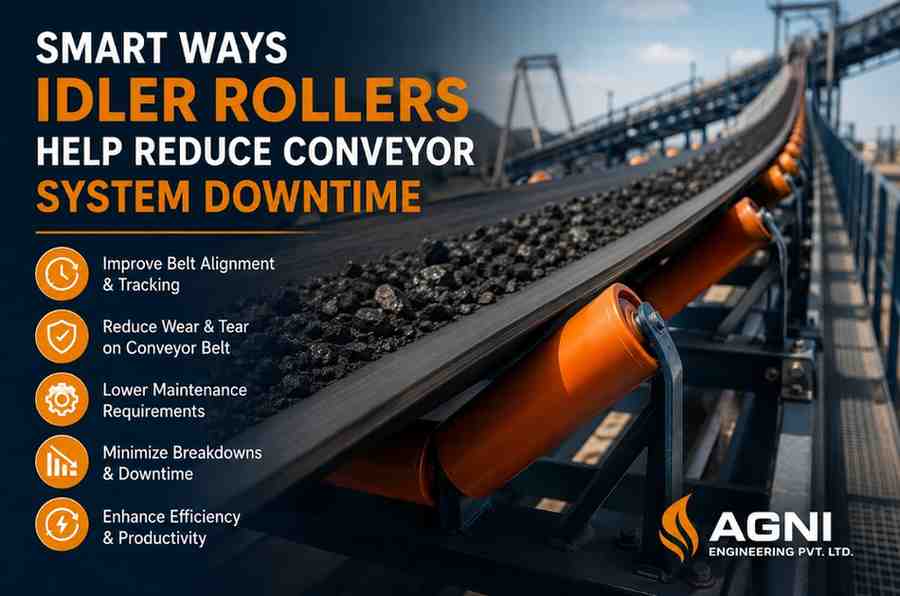
In industries where material handling is...
In today’s fast-moving industrial envi...
In any industrial setup, even the smalle...
Industrial operations today are becoming...

In modern manufacturing plants, efficien...
In industrial machinery, every movement ...
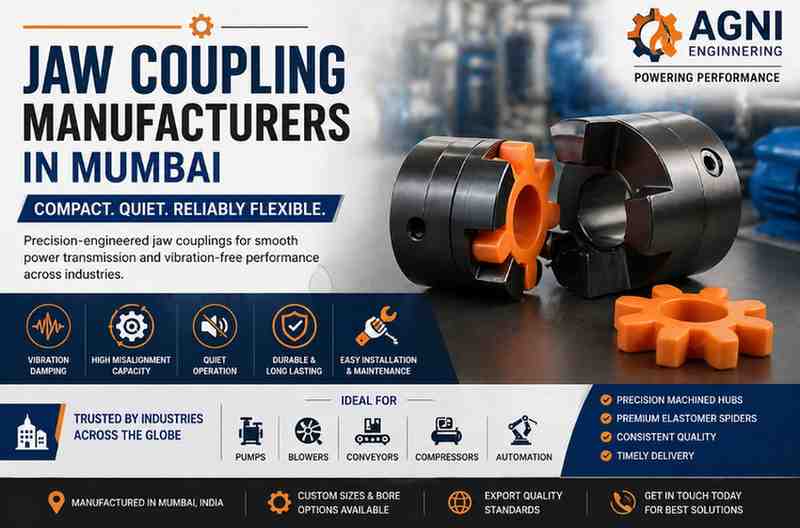
In modern industrial machinery, smooth p...
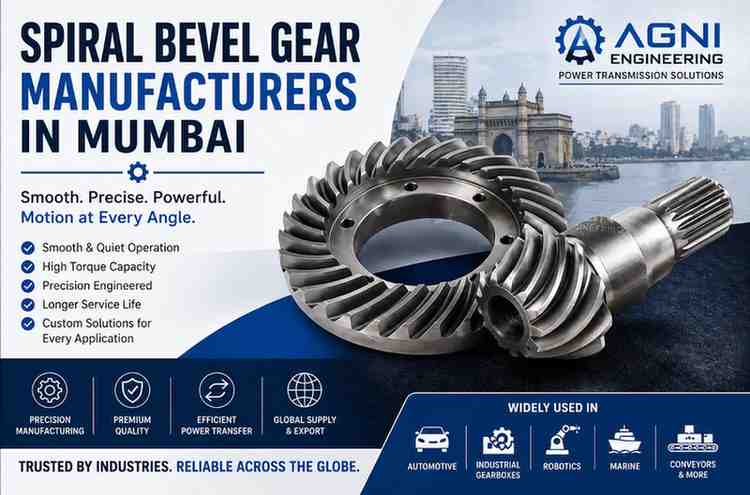
In modern industries, machines rarely wo...
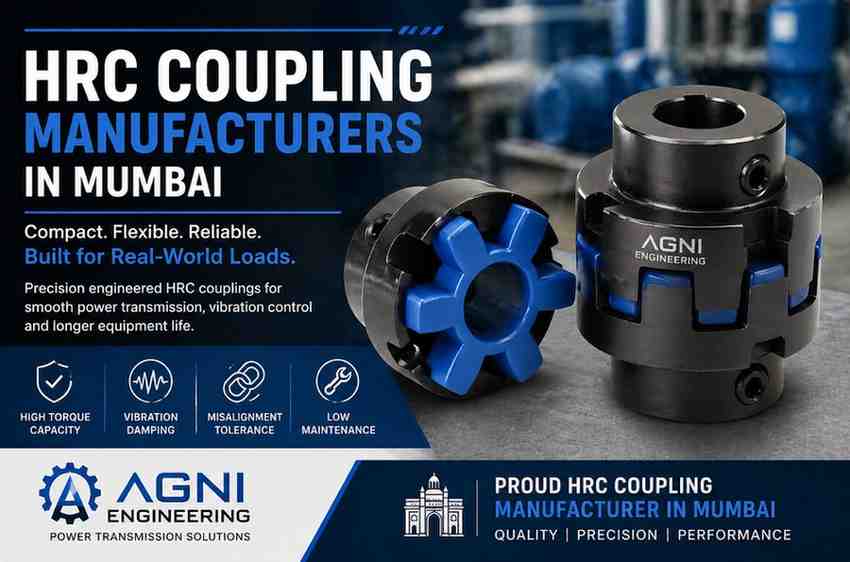
In industrial machinery, smooth power tr...

Machines depend on smooth and steady mot...

In any industrial system, smooth power t...

In many industrial machines, smooth moti...
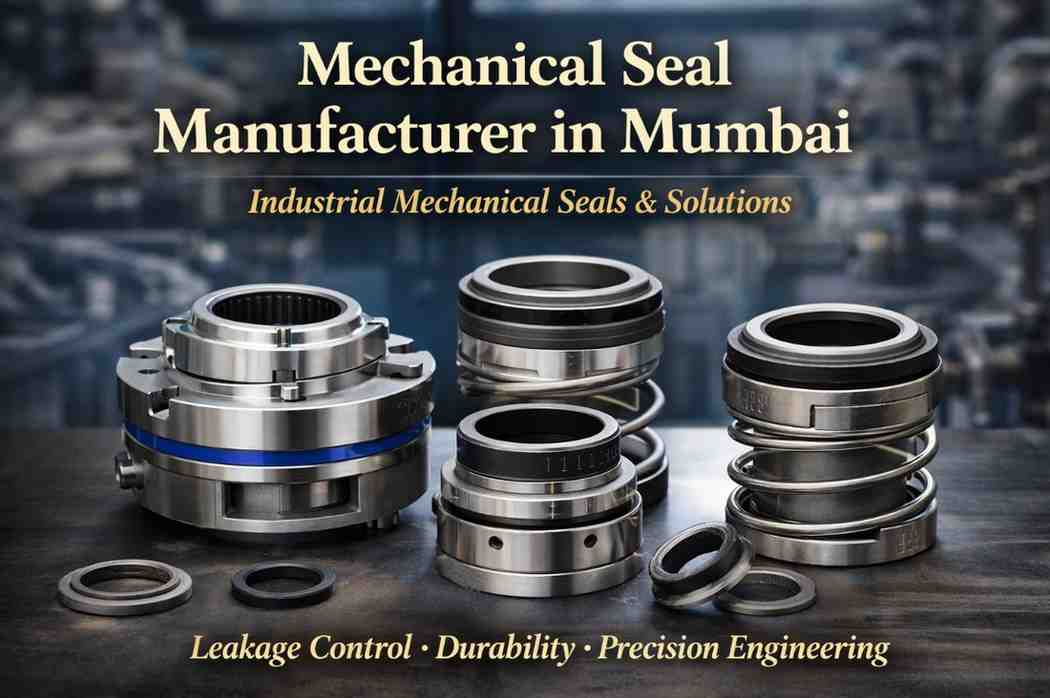
Industrial machines operate under pressu...
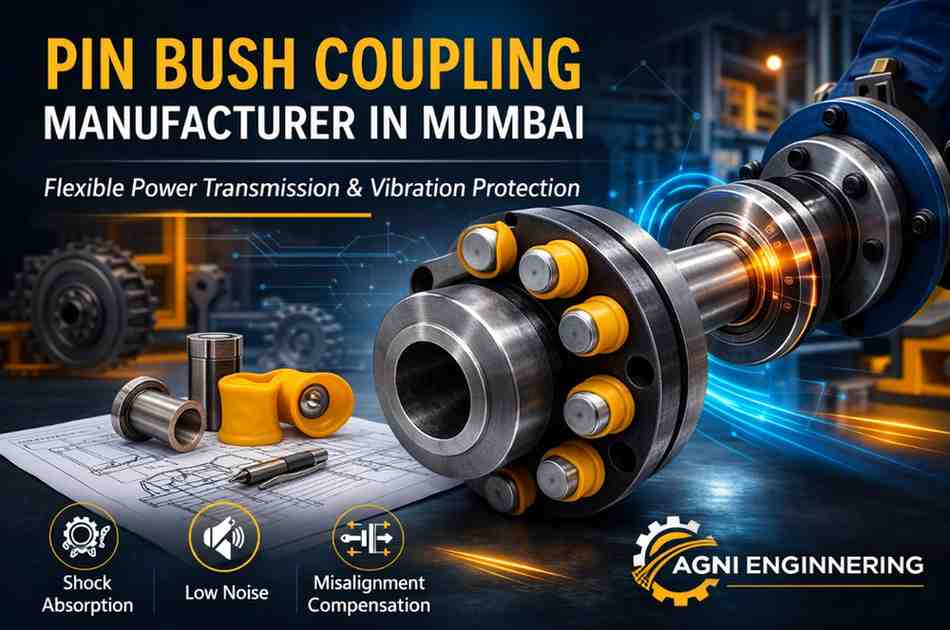
In many industrial machines, vibration, ...
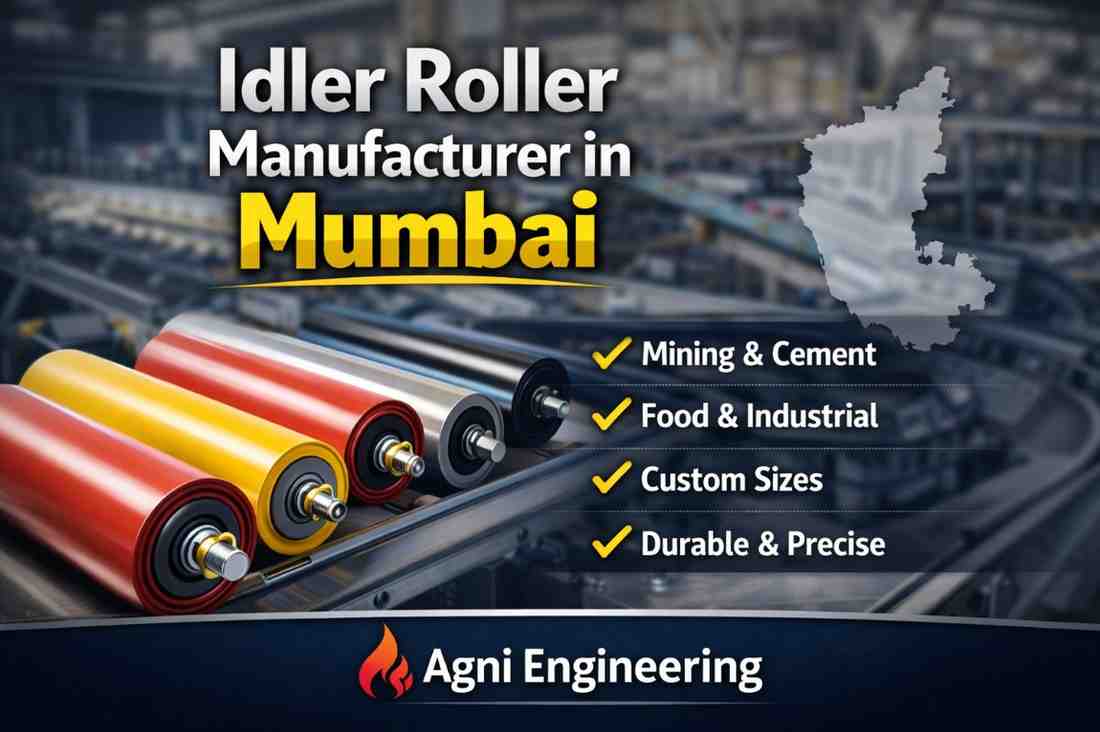
In every conveyor system, rollers play a...
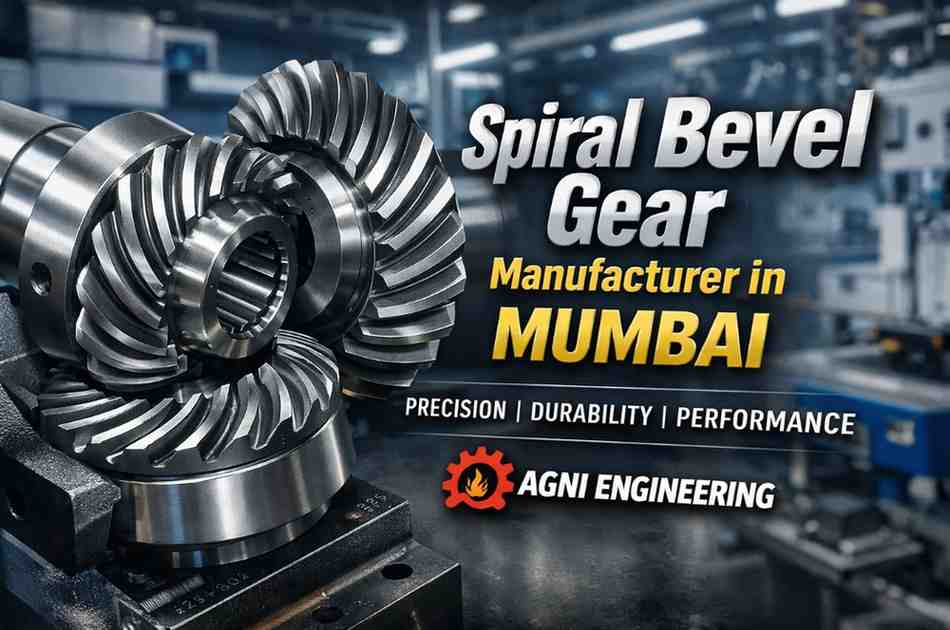
In modern machines, power does not alway...
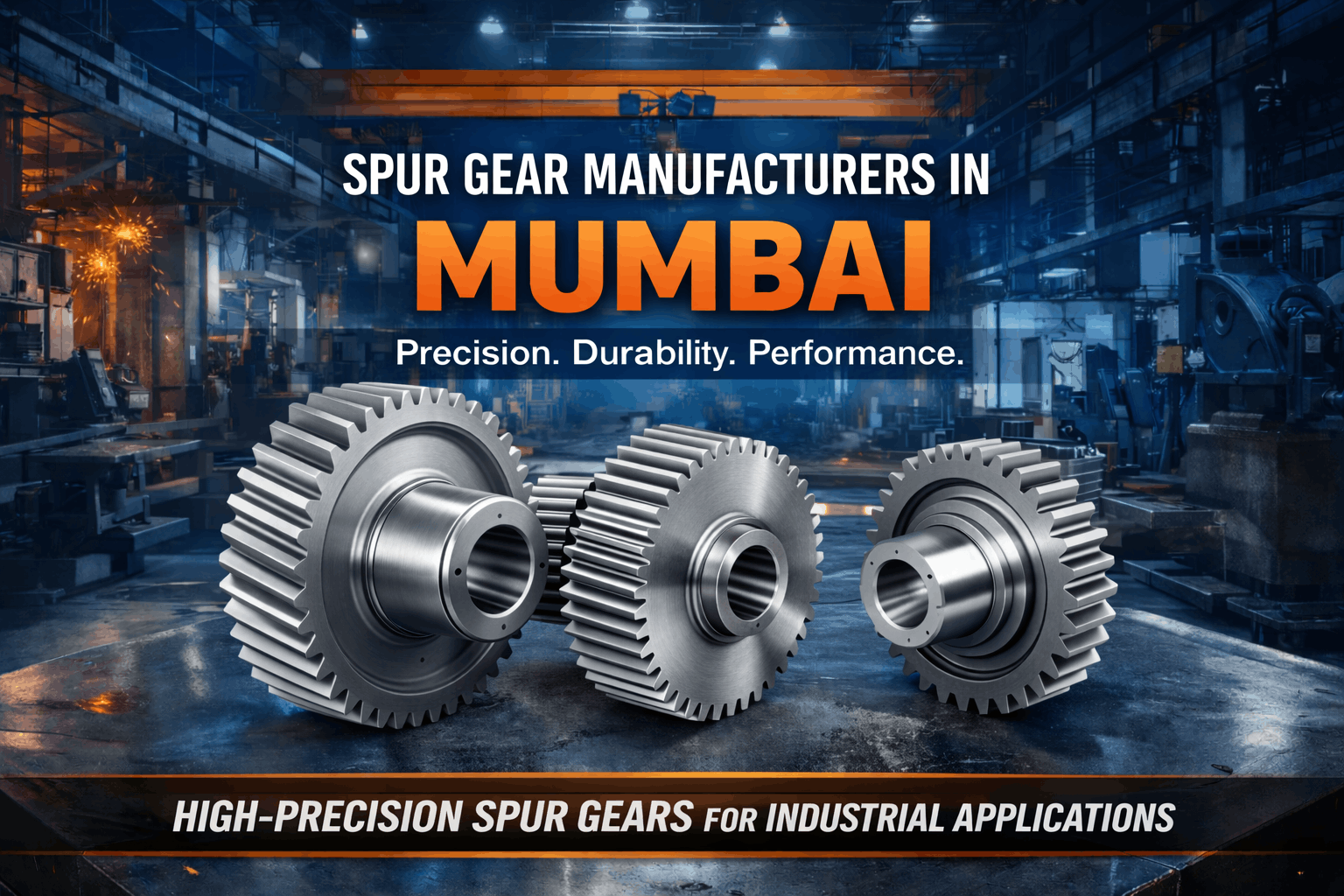
Some mechanical components earn their re...
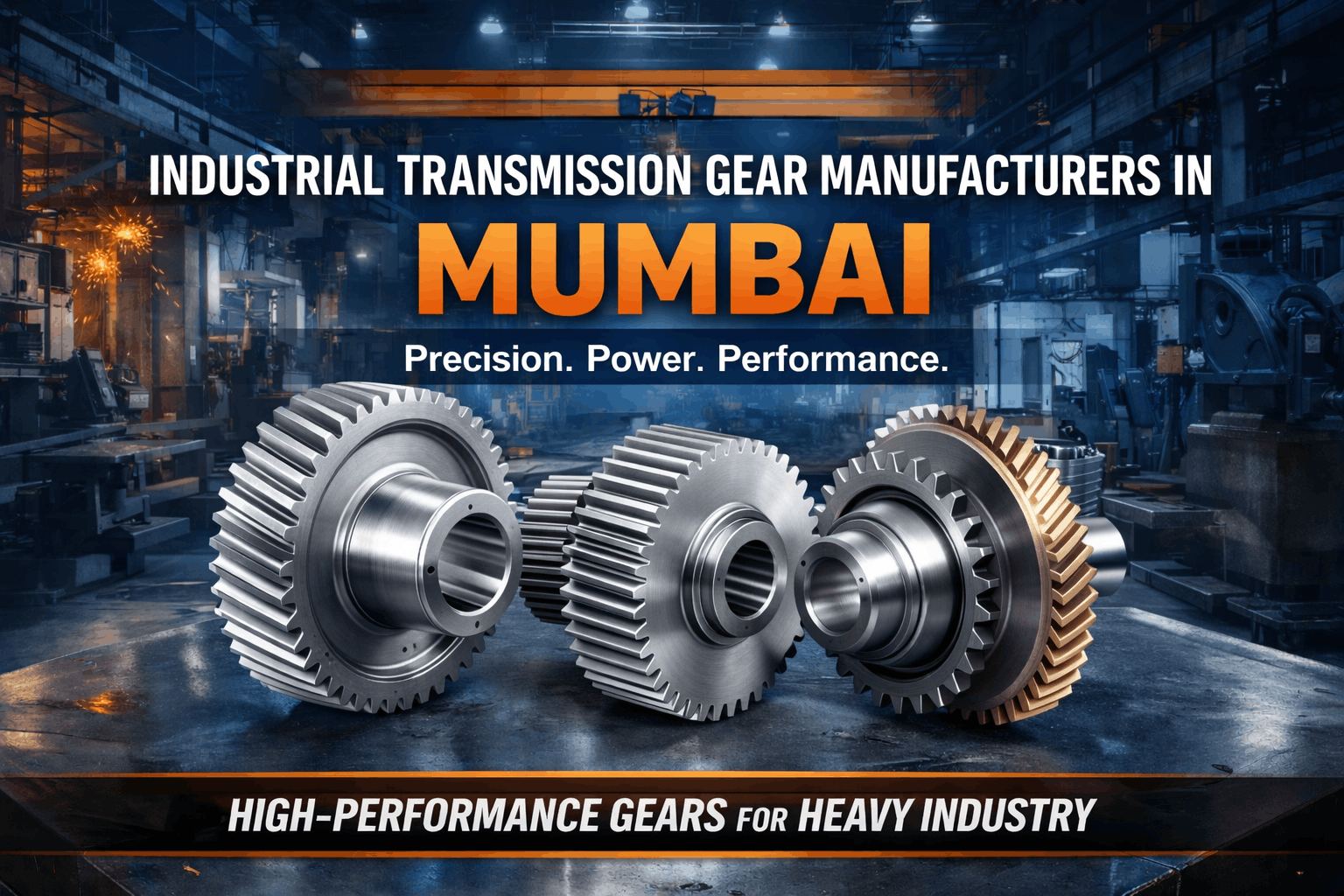
Power transmission begins with a single,...
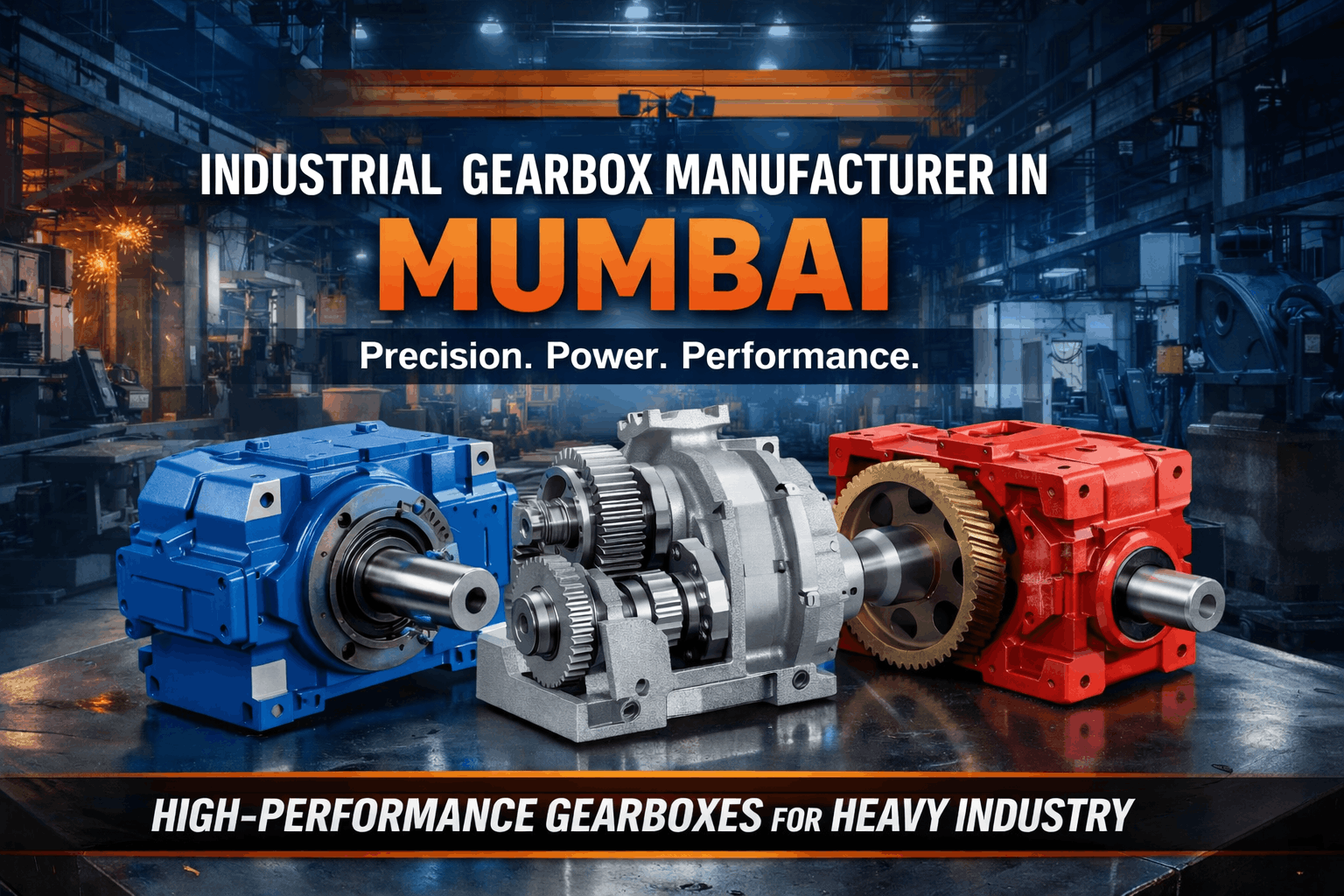
Behind every smooth-running industrial m...

In heavy-duty mechanical systems, power ...

In mechanical systems, reliability often...

In industrial environments where machine...
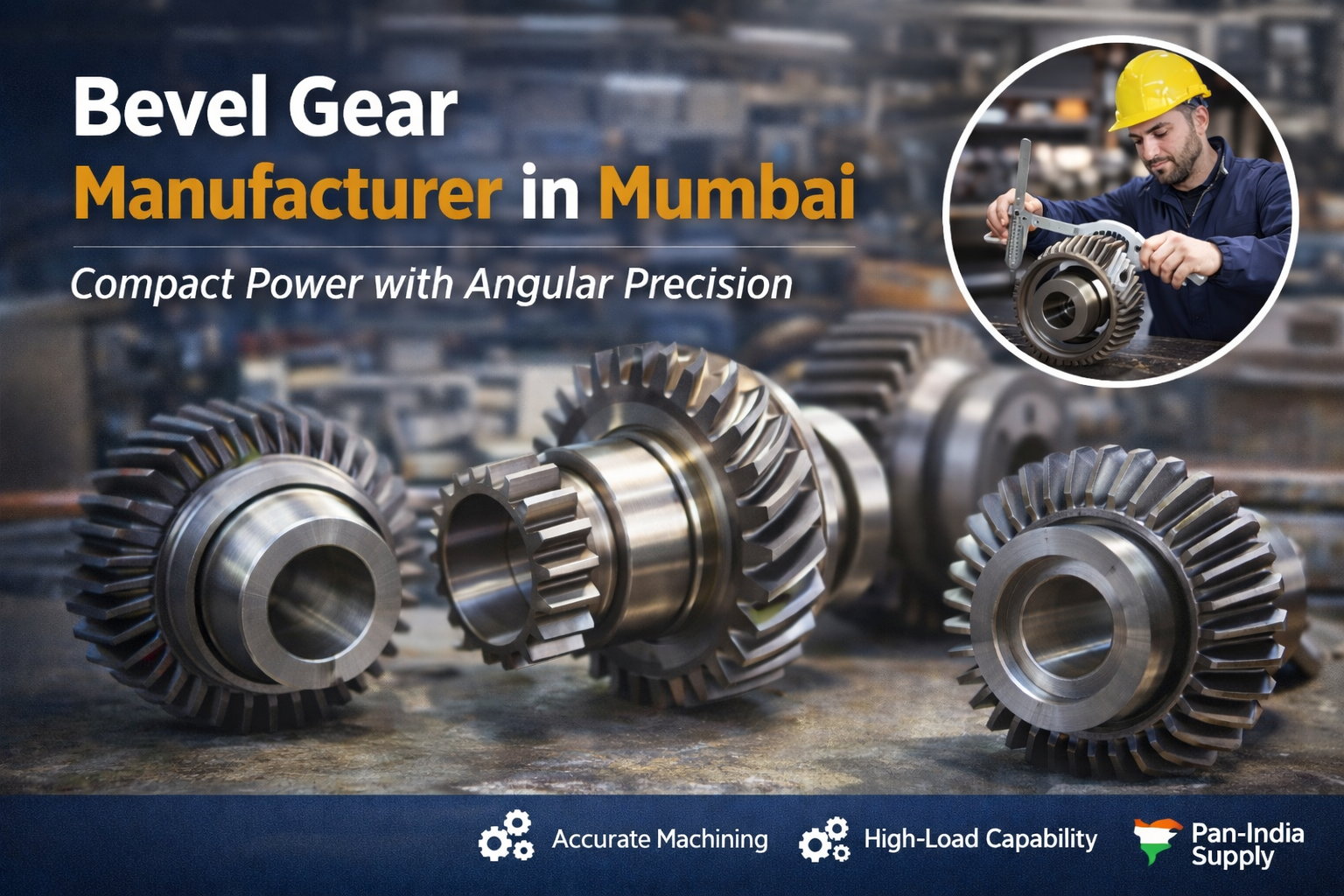
Machines that rely on angular power tran...
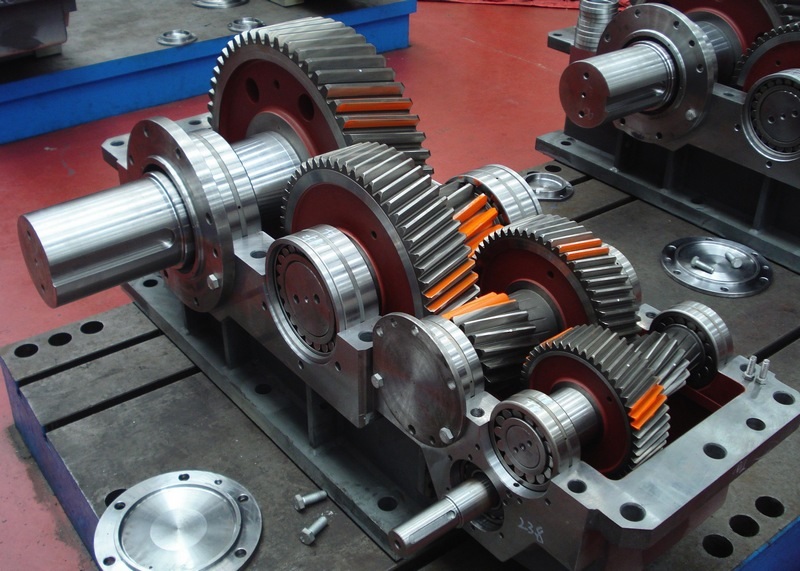
Modern industries run on reliability. Wh...
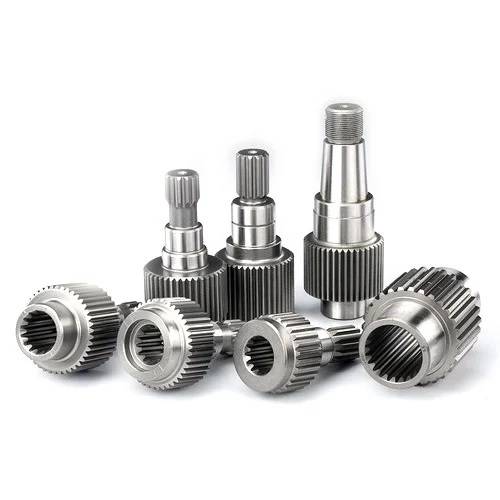
The Pinion Gear Shaft Manufacturers in M...
...
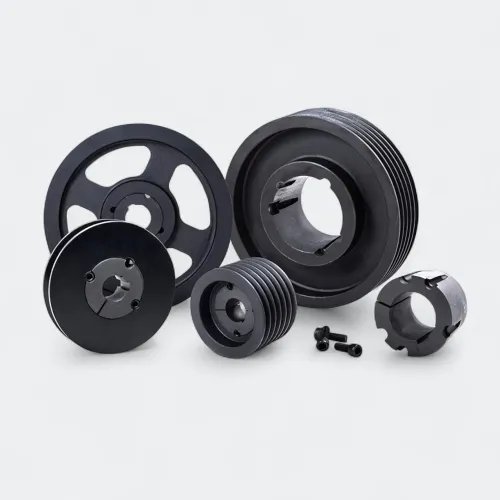
When machines need dependable power, smo...
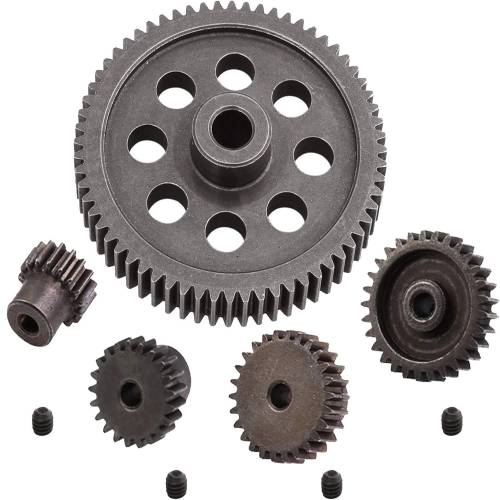
The Spur Gear Manufacturers in Mumbai ar...
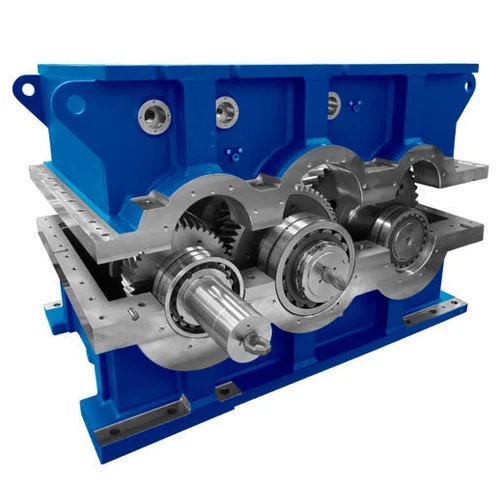
The Gearbox Manufacturers in Mumbai play...
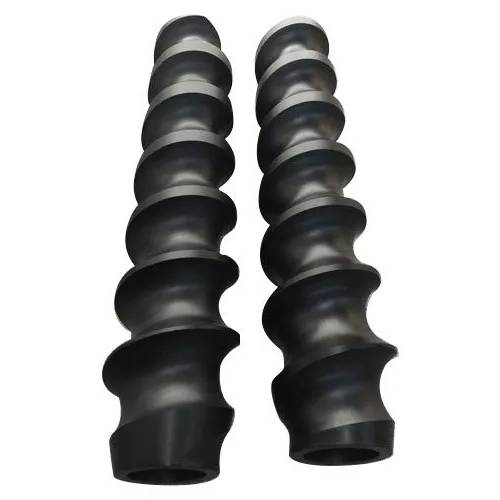
When precision meets performance, indust...
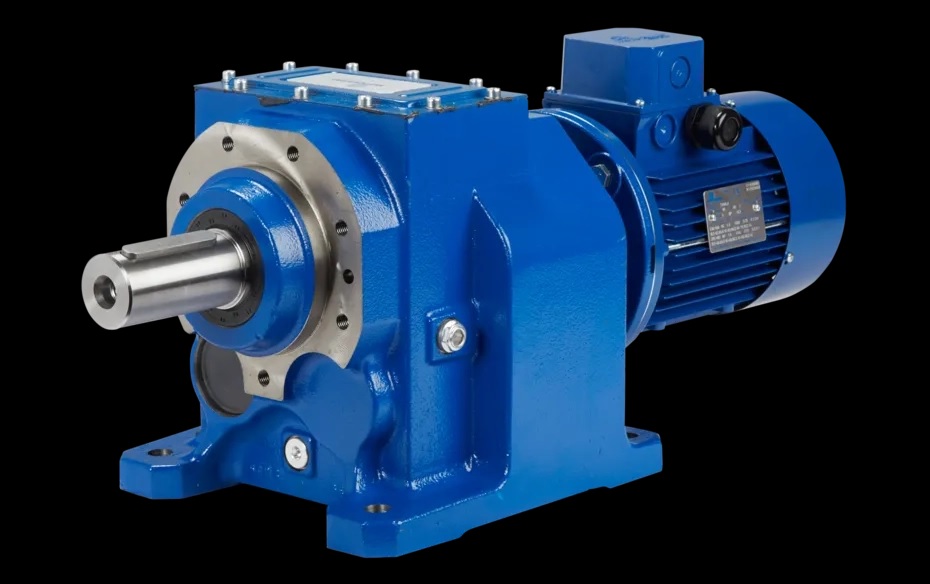
In the modern industrial world, precisio...
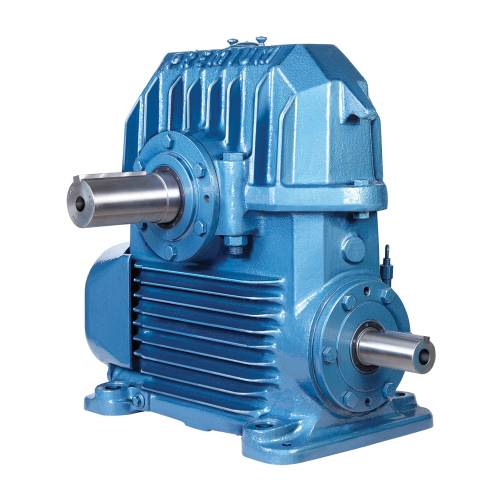
In today’s fast-paced industrial world...
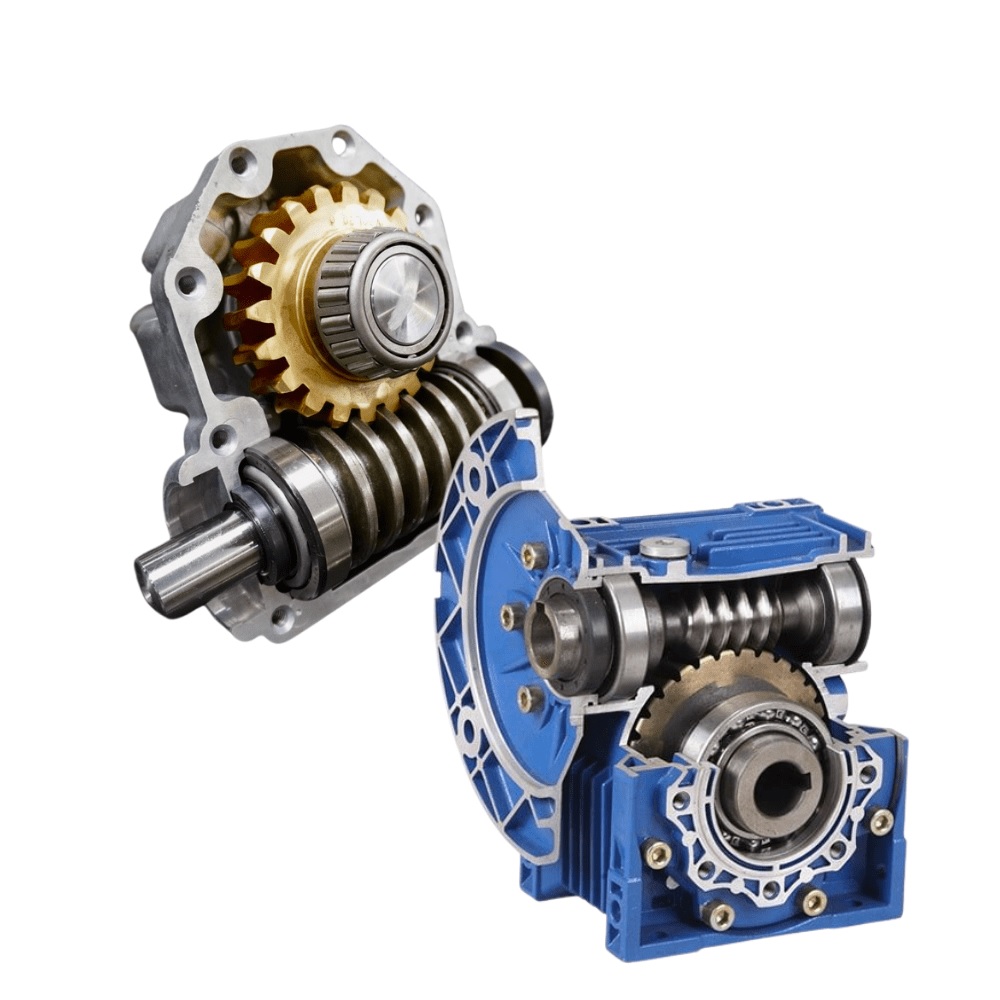
When it comes to advanced power transmis...
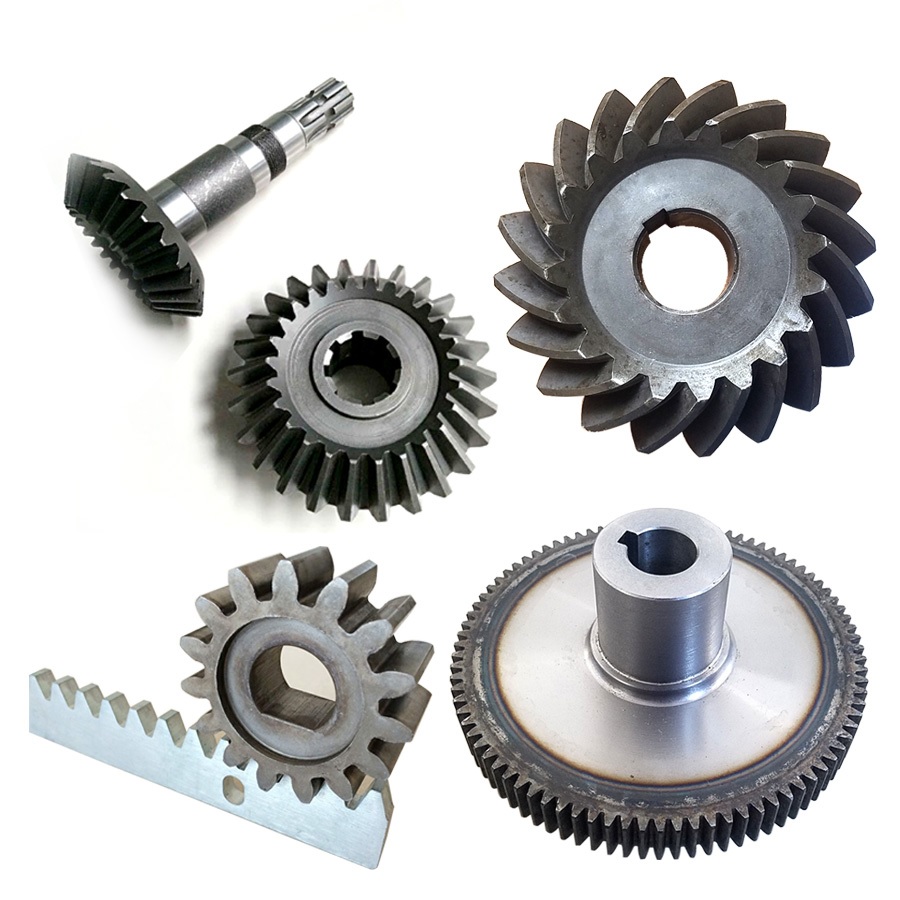
In the world of modern engineering, Indu...
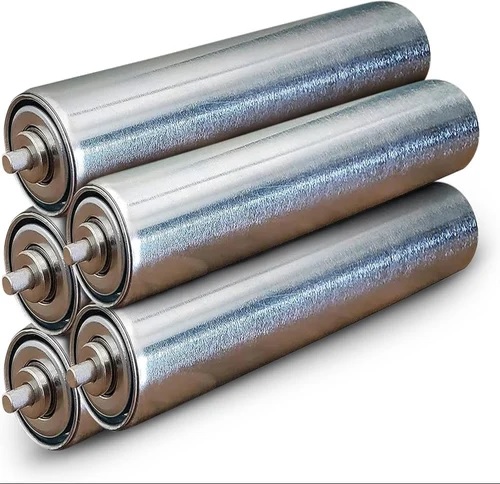
In the world of material handling and co...
